

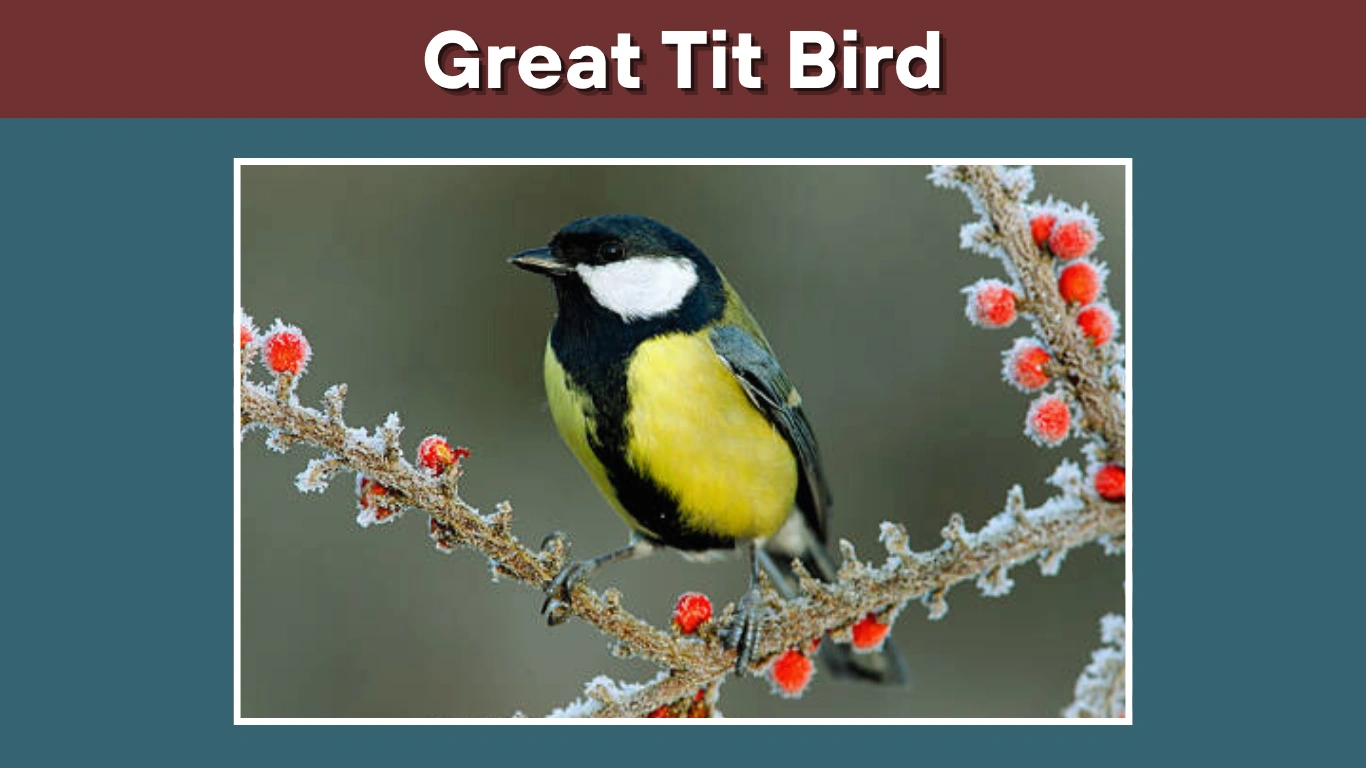
In British gardens and woodlands, few birds are as easily recognized—or as charming—as the great tit. With its bold black head, yellow belly, and cheery call, this bird is both a frequent visitor to bird feeders and a fascinating subject for birdwatchers. As the largest member of the UK tit family, the great tit plays a vital role in local ecosystems, helping control insect populations and signaling changes in the seasons with its behavior. In this guide, we’ll explore everything you need to know about the great tit, including its size, color, preferred habitats, breeding habits, and how you can attract this striking songbird to your own garden.
Overview of the Great Tit
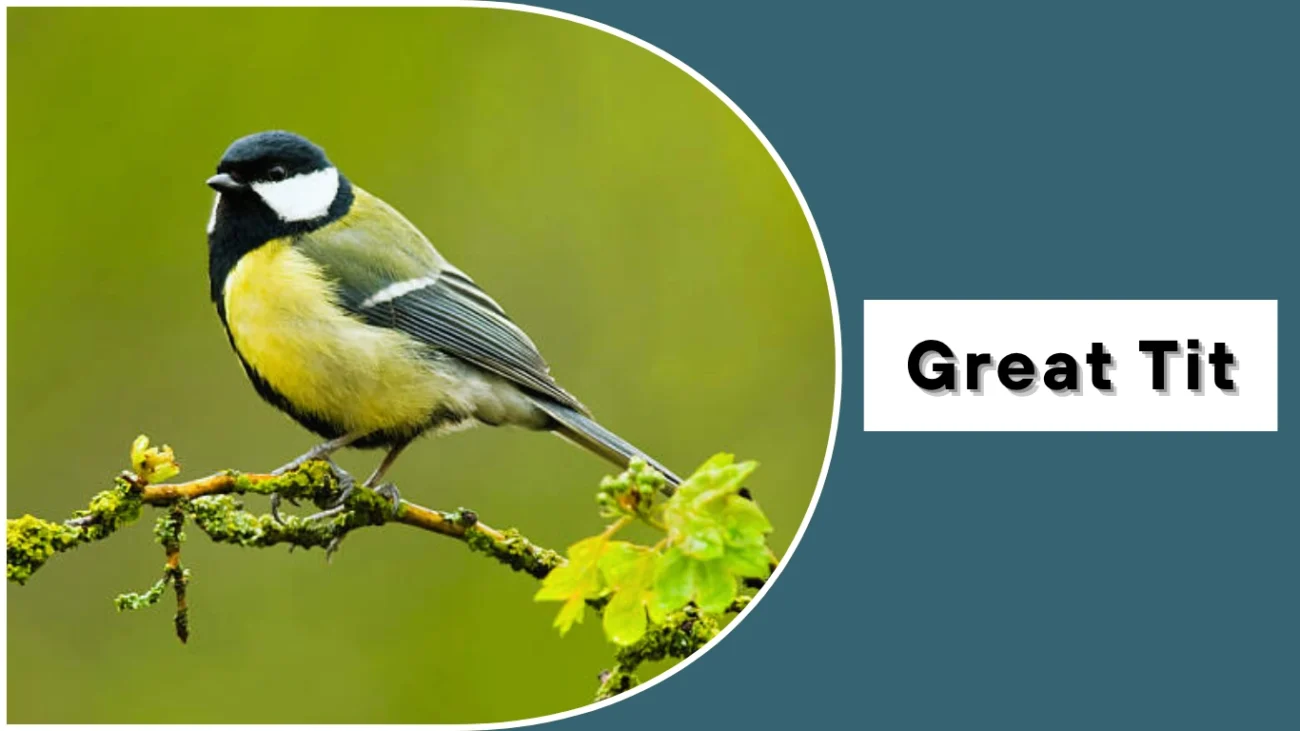
The great tit (Parus major) is one of the most common and widespread songbirds in the UK. Belonging to the tit family (Paridae), it’s easily recognized by its distinctive coloring, energetic movements, and loud, clear song. Whether you’re walking through a woodland or sipping tea in your garden, chances are you’ve seen or heard this curious little bird.
What sets the great tit apart is its adaptability. It thrives in both rural and urban environments, showing remarkable intelligence and even the ability to mimic other bird calls. Thanks to its inquisitive nature, the great tit has become a favorite among birdwatchers and nature lovers across Britain.
From nesting in tree holes to flitting between feeders in winter, this bird is active all year round. As we explore its features and behavior, you’ll gain a deeper appreciation for why the great tit is considered one of the UK’s most beloved garden birds.
Physical Characteristics
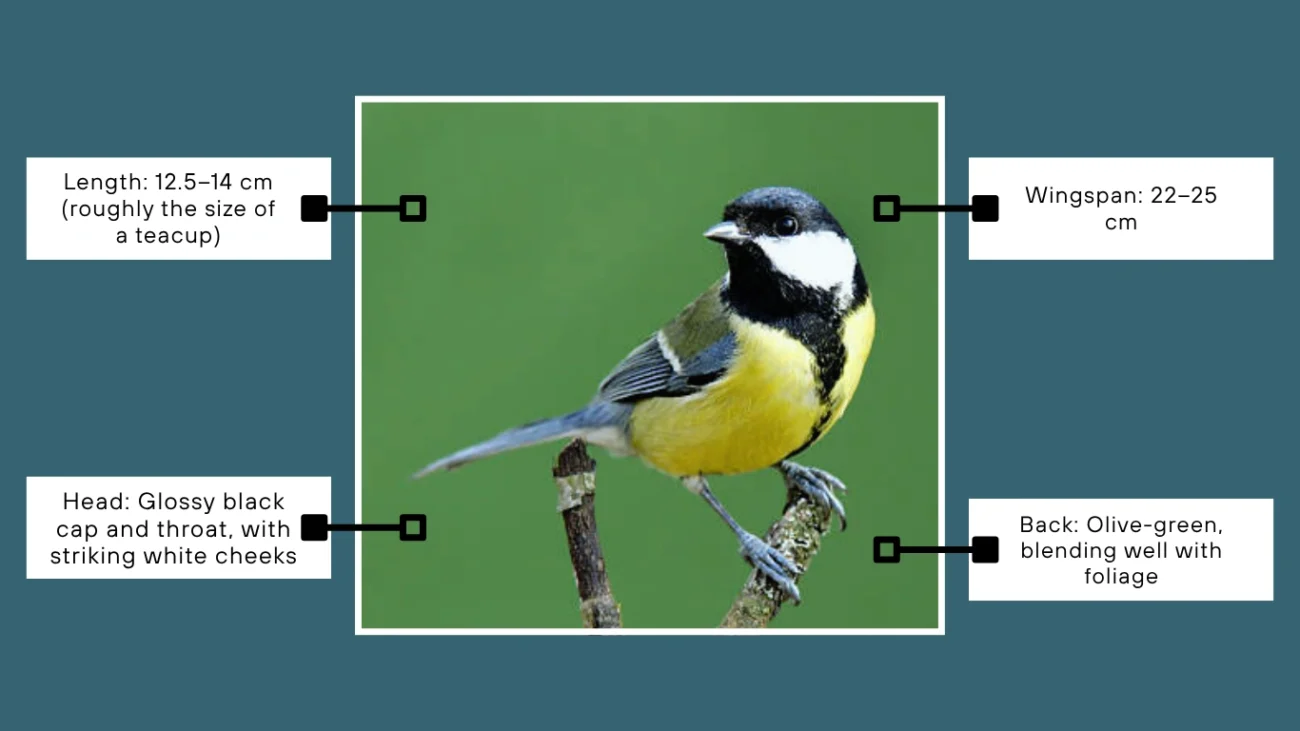
The great tit is not only visually striking but also quite easy to identify, even for beginner birdwatchers. Its bold plumage, medium size, and lively movements make it stand out among other UK garden birds. Let’s break down its physical features:
Size and Weight
The great tit is the largest member of the tit family found in the UK. Here are its typical measurements:
- Length: 12.5–14 cm (roughly the size of a teacup)
- Wingspan: 22–25 cm
- Weight: 14–22 grams (about the weight of a standard AA battery)
Its sturdy build and strong legs help it cling easily to feeders, branches, or tree bark while foraging.
Plumage and Coloration
One of the great tit’s most distinctive features is its vivid coloration:
- Head: Glossy black cap and throat, with striking white cheeks
- Back: Olive-green, blending well with foliage
- Underparts: Bright yellow belly with a bold black vertical stripe (more prominent in males)
- Wings and Tail: Blue-grey with white wing bars
This high-contrast appearance is not just for show—it helps the great tit signal its strength and health to potential mates and rivals.
Male vs. Female Differences
Although both sexes look similar, there are subtle differences:
Males: Typically have a broader and darker black chest stripe that extends from the throat down the belly.
Females: Slightly duller overall, with a narrower chest stripe.
These differences become more noticeable during the breeding season when males use their plumage to attract mates and assert dominance.
Natural Habitat and Range
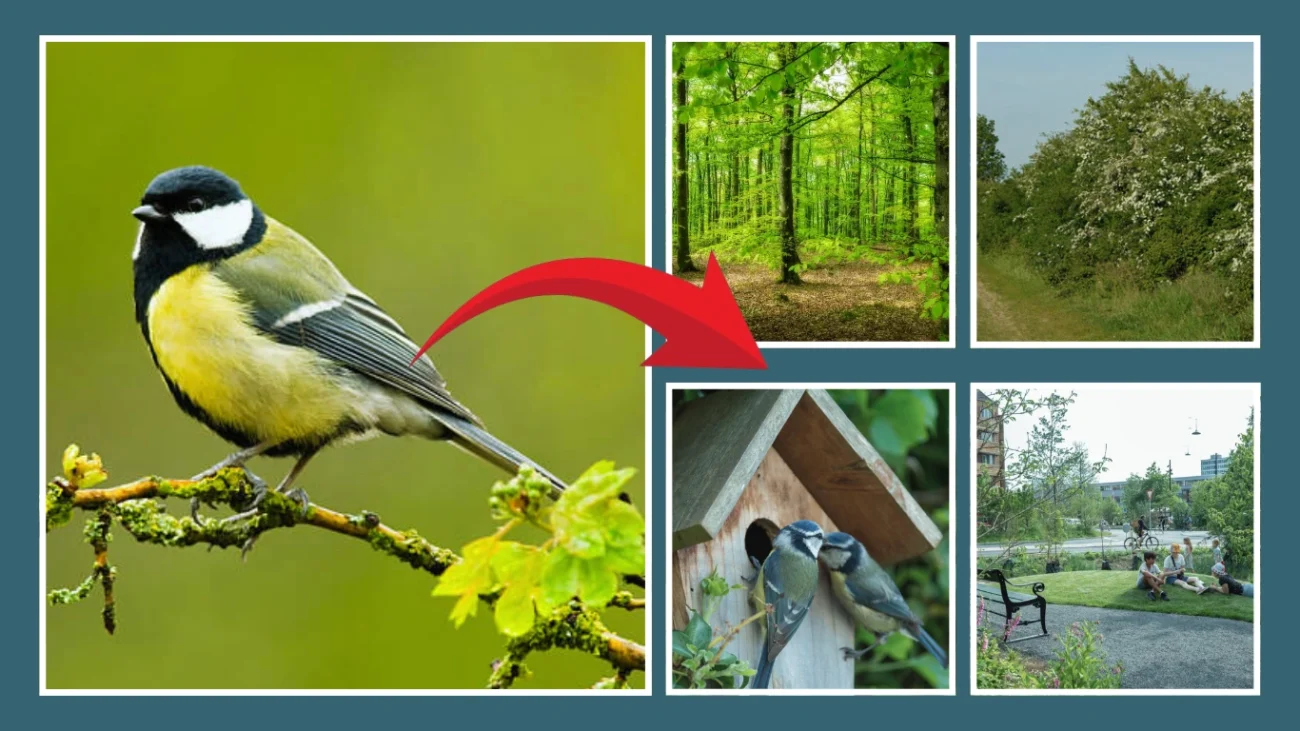
The great tit’s ability to thrive in a wide variety of environments is one reason it’s so widespread across the UK. From dense forests to city parks, this adaptable bird is comfortable just about anywhere trees or shrubs are present.
Common Habitats in the UK
Great tits are not picky when it comes to choosing their home territory. You can find them in:
- Woodlands – Especially deciduous forests with oak, beech, and birch trees
- Hedgerows – Ideal for feeding and nesting
- Suburban Gardens – Frequent visitors to feeders and nest boxes
- Parks and Churchyards – They adapt well to green spaces in towns and cities
They prefer areas with plenty of cover and food sources, especially insects during the breeding season.
Distribution Across the UK
The great tit is a resident species, meaning it doesn’t typically migrate. It is:
- Found throughout England, Wales, Scotland, and Northern Ireland
- Present in both lowland and upland areas, though less common at higher altitudes
- Increasingly common in urban areas due to the popularity of garden feeders
Even in winter, when many birds leave for warmer climates, great tits remain active across the UK, relying more on seeds and suet as insect numbers decline.
Diet and Feeding Habits
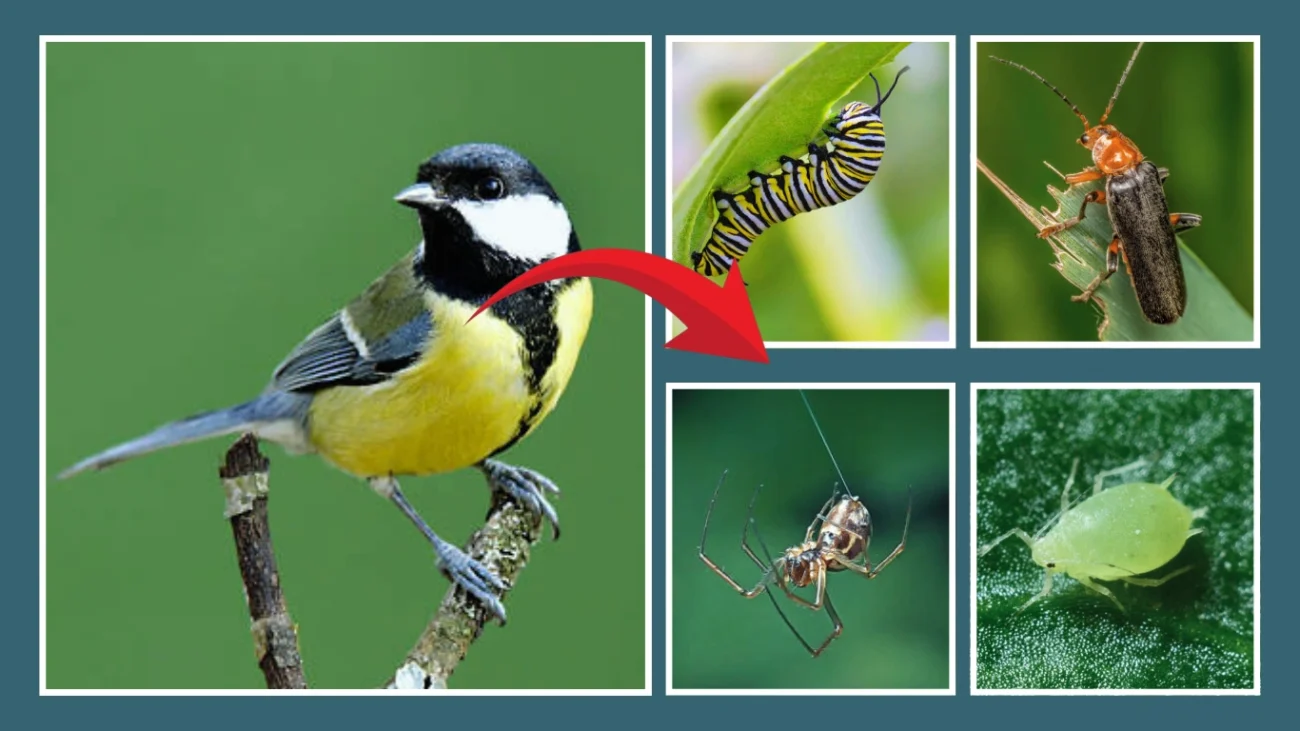
Great tits are opportunistic feeders with a varied diet that changes throughout the year. Their ability to switch between hunting insects and consuming seeds helps them survive in all seasons, making them regulars at bird feeders and in natural habitats alike.
Natural Diet
During the warmer months, great tits rely heavily on insects and invertebrates. Their sharp eyesight and agility help them catch a wide range of prey, including:
- Caterpillars
- Beetles
- Spiders
- Aphids
- Other larvae
In the spring and summer, when they’re raising chicks, protein-rich insects become their primary food source. This not only supports adult birds but ensures healthy development for their young.
Feeding Habits in Gardens
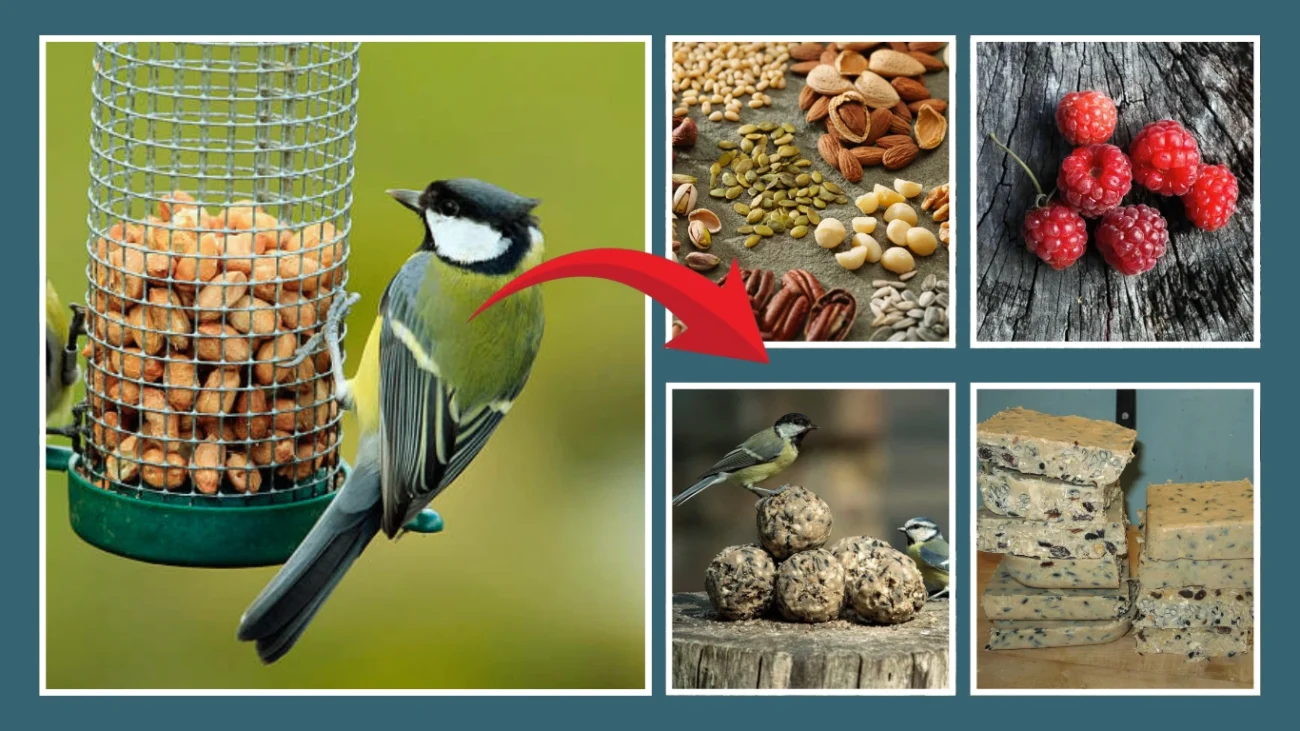
When winter rolls in and insects are scarce, great tits shift their diet to:
- Seeds and nuts
- Berries
- Fat balls
- Suet cakes
- Crushed peanuts (unsalted only)
They are particularly fond of sunflower hearts, which provide high energy. You’ll often see them clinging to hanging feeders, pecking quickly and darting away.
Behavior at Feeders
- Known for dominant behavior, they often push smaller birds away.
- They may grab a seed, fly to a nearby perch, and eat it away from the feeder.
- Clever and adaptable—they’ve even been observed opening milk bottle tops in the past to access cream.
This flexible and clever approach to feeding is part of what makes the great tit so successful in a variety of environments. Whether in the wild or at your feeder, their feeding habits are always lively and entertaining to watch.
Breeding and Lifecycle
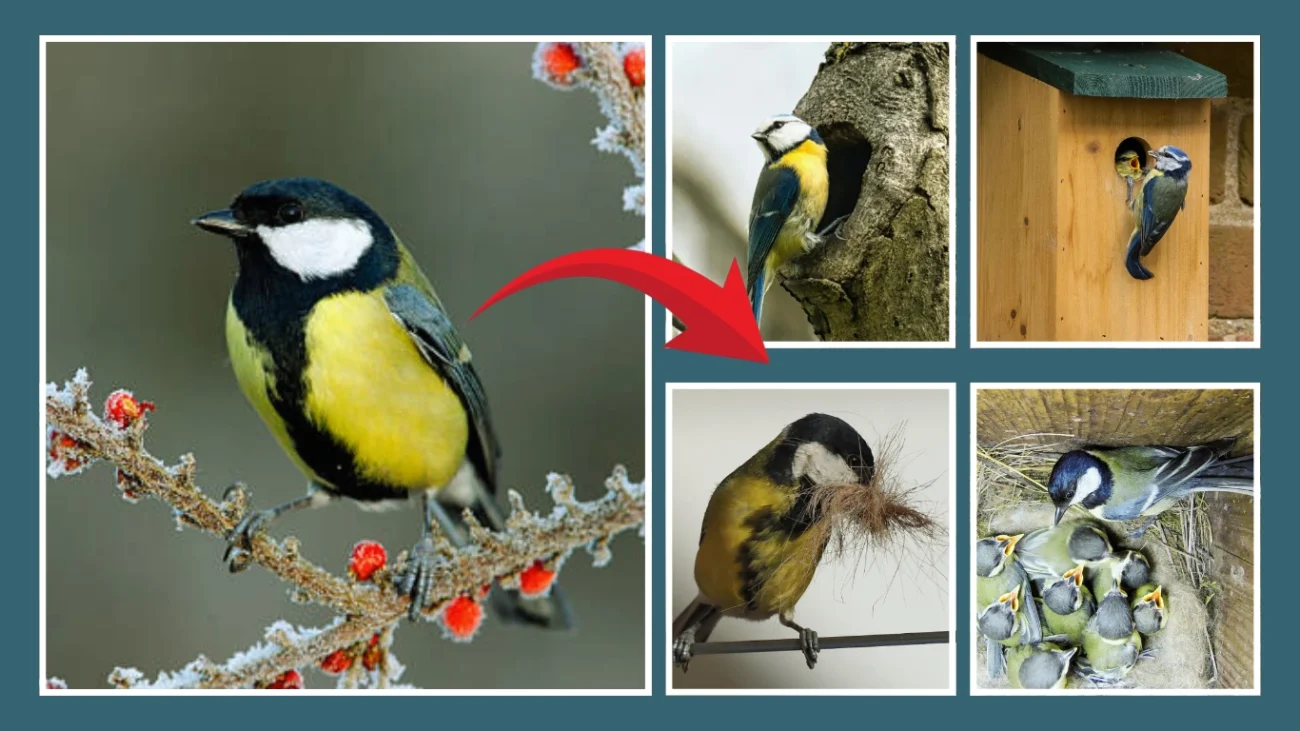
The great tit’s breeding behavior is a fascinating example of timing, strategy, and adaptability. From carefully selected nest sites to impressive parenting, this species ensures its young have the best chance of survival.
Nesting Behavior
- Breeding Season: Begins in March and can continue into July.
- Nesting Sites:
- Naturally nest in tree cavities, wall crevices, or old woodpecker holes.
- Readily use nest boxes, making them easy to observe in gardens.
- Naturally nest in tree cavities, wall crevices, or old woodpecker holes.
- Nest Construction:
- Built mostly by the female, using moss, grass, feathers, and animal hair.
- Designed for insulation and camouflage.
- Built mostly by the female, using moss, grass, feathers, and animal hair.
Great tits are territorial during this time and may aggressively defend nest sites from other birds, especially other tits.
Egg and Chick Development
- Clutch Size: Typically 6–12 eggs per breeding attempt.
- Eggs: White with reddish-brown speckles, incubated by the female alone.
- Incubation Period: About 13–15 days.
- Hatching: All chicks hatch within a short window to ensure even development.
- Fledging Period: Chicks leave the nest around 16–22 days after hatching.
Both parents feed the young, delivering hundreds of caterpillars and insects daily. Timing is crucial—they align egg-laying with peak insect availability, especially caterpillars.
Lifespan and Survival
- Average Lifespan: About 3 years, although some live up to 11 years in the wild.
- Main Threats:
- Predation (cats, magpies, sparrowhawks)
- Harsh winters
- Loss of habitat and nesting opportunities
- Competition with other species, especially blue tits
- Predation (cats, magpies, sparrowhawks)
Despite the challenges, their strong adaptability and intelligence give the great tit a remarkable edge in survival and reproduction across the UK.
Behavior and Social Patterns
The great tit isn’t just known for its bright colors and melodic song—it also has a complex and fascinating behavioral pattern. From territorial displays to clever feeding strategies, this bird is a true example of intelligence in the wild.
Singing and Communication
- The great tit has a distinctive two-note call, often described as “teacher-teacher” or “tea-cher tea-cher.”
- Males are more vocal than females, especially during the breeding season.
- Their songs serve two main purposes:
- Attracting a mate
- Defending territory
- Attracting a mate
- They are capable of mimicking calls of other birds or even mechanical sounds, showcasing a high level of vocal flexibility.
Territorial Behavior
- Great tits are highly territorial, especially during spring and early summer.
- Males establish and defend small territories with song displays and aggressive postures.
- Conflicts with other birds, including other tit species like blue tits or coal tits, are common around feeders and nest sites.
Social Structure
- Outside the breeding season, they may form mixed-species flocks with other tits and small songbirds, especially during autumn and winter.
- These flocks provide safety in numbers and help in locating food.
Problem-Solving and Intelligence
Studies show that great tits can learn to solve puzzles, open containers, and remember food locations.
They’ve been observed using trial and error learning, a rare trait in small birds.
These behaviors highlight the great tit’s adaptability, intelligence, and social complexity—key reasons why this species thrives in such a wide range of environments.
How to Attract Great Tits to Your Garden
Providing Nesting Opportunities
Great tits are cavity-nesting birds, which means they naturally seek out holes in trees or walls. In urban and suburban areas, they readily accept nest boxes. To attract a breeding pair, you can install a wooden nest box with an entrance hole about 28 mm in diameter. The best time to put up a box is in late winter or early spring, positioned 2 to 4 meters off the ground and facing away from prevailing winds.
Offering the Right Food
Feeding is one of the most effective ways to encourage great tits to visit and stay in your garden. They’re especially attracted to sunflower hearts, suet blocks, crushed peanuts, and mealworms. During colder months, their visits become more frequent as natural insect sources disappear. Providing a variety of foods ensures they have access to enough energy for survival and breeding.
Creating a Bird-Friendly Environment
A garden with dense shrubs, small trees, and insect-rich plants can be a haven for great tits. They prefer areas with natural cover to hide from predators and forage safely. Avoid using chemical pesticides, as these reduce the insect population they rely on. Additionally, including a water source like a shallow birdbath can help them stay hydrated and bathe regularly, which is essential for feather health.
By offering food, safe shelter, and a pesticide-free environment, you can create an ideal habitat that not only attracts great tits but also supports their long-term survival and breeding success.
FAQs
What is the average lifespan of a great tit in the wild?
Most great tits live around three years in the wild, although some individuals have been recorded surviving for more than ten years. Their survival depends heavily on food availability, predation, and weather conditions during winter.
Do great tits migrate out of the UK?
No, great tits are resident birds in the UK. They do not migrate long distances but may move locally in search of better food sources, especially in harsh weather.
Can great tits use nest boxes?
Yes, they readily use nest boxes, especially if the entrance hole is the correct size (around 28 mm in diameter). Nest boxes in quiet, sheltered areas are more likely to attract a breeding pair.
What is the best food to offer great tits during winter?
During winter, great tits benefit from high-energy foods such as sunflower hearts, suet blocks, crushed peanuts, and fat balls. These help them maintain body heat and energy levels when natural food is scarce.
How can you tell the difference between a male and a female great tit?
Males usually have a broader and darker black stripe down their yellow belly, while females have a thinner and less intense stripe. The difference is subtle and easiest to spot during the breeding season when plumage is in top condition.
Are great tits aggressive towards other birds?
Great tits can be dominant at feeders and occasionally chase away smaller birds like blue tits. During breeding season, they are particularly territorial and may become aggressive to defend nesting sites.
Do great tits sing year-round?
They sing most frequently in spring and early summer during the breeding season. The well-known “teacher-teacher” song is mainly used by males to attract mates and defend territory.
Do great tits return to the same nesting site each year?
Sometimes. If the nest site (like a bird box) is safe and successful, great tits may return in following years. However, competition and environmental changes can influence their nesting choices each season.