A bruise on your skin after a spider bite can be alarming, especially if it appears dark, grows in size, or becomes painful. When it comes to the brown recluse spider, a bruise could be more than just discoloration. It might be a warning sign that your body is reacting to venom that can cause tissue damage, necrosis, or even infection. In this guide, we’ll help you recognize whether your bruise is part of normal healing or a signal to take urgent action.
Why Does a Brown Recluse Bite Cause a Bruise?

How the Venom Affects the Skin
Brown recluse venom contains a powerful enzyme called sphingomyelinase D, which breaks down cell membranes, blood vessels, and tissue under the skin. This destructive process can cause blood to leak into surrounding areas—resulting in a bruise-like appearance. The bruise may start as a small, blue or purple patch, but can grow over hours or days if the venom spreads.
Unlike a regular bruise caused by blunt trauma, a recluse bite bruise results from chemical damage, not just pressure or impact. That makes it potentially more dangerous and unpredictable.
Bruise vs. Necrosis – What’s the Difference?
It’s important to understand that not all bruising means tissue death, but the two can occur together. A bruise simply means blood has pooled under the skin. Necrosis, on the other hand, means the actual death of skin and tissue, and it’s much more serious.
In the early stages, a necrotic wound may look like a bruise, with dark red, purple, or blue discoloration. However, if the center of the bruise becomes gray, black, or starts forming a blister or ulcer, you may be seeing the beginning of tissue breakdown, not just surface bruising.
Early Signs of a Brown Recluse Bite with Bruising

What to Look for in the First 24–48 Hours
In the first day or two, a brown recluse bite may appear harmless. You might notice a small red bump that starts to darken at the center. This darkening is often due to blood vessel damage, and it may spread into a blue or purple bruise that gets larger over time. It may feel sore or slightly warm to the touch.
Some people also experience a stinging or burning sensation. Swelling is common, especially if the bite is on a limb like the arm, leg, or thigh. The skin might tighten around the bruised area, and a blister may develop at the center.
Bull’s-Eye Pattern
A classic sign of a brown recluse bite is the bull’s-eye appearance—a red outer ring, a pale inner zone, and a dark, often bruised center. This pattern suggests that the venom is causing different reactions in different layers of skin. The bruised center may later evolve into an open sore, so it’s important not to dismiss it as a regular bruise.
What You Should Do If You See a Bruise After a Bite
Immediate First Aid at Home
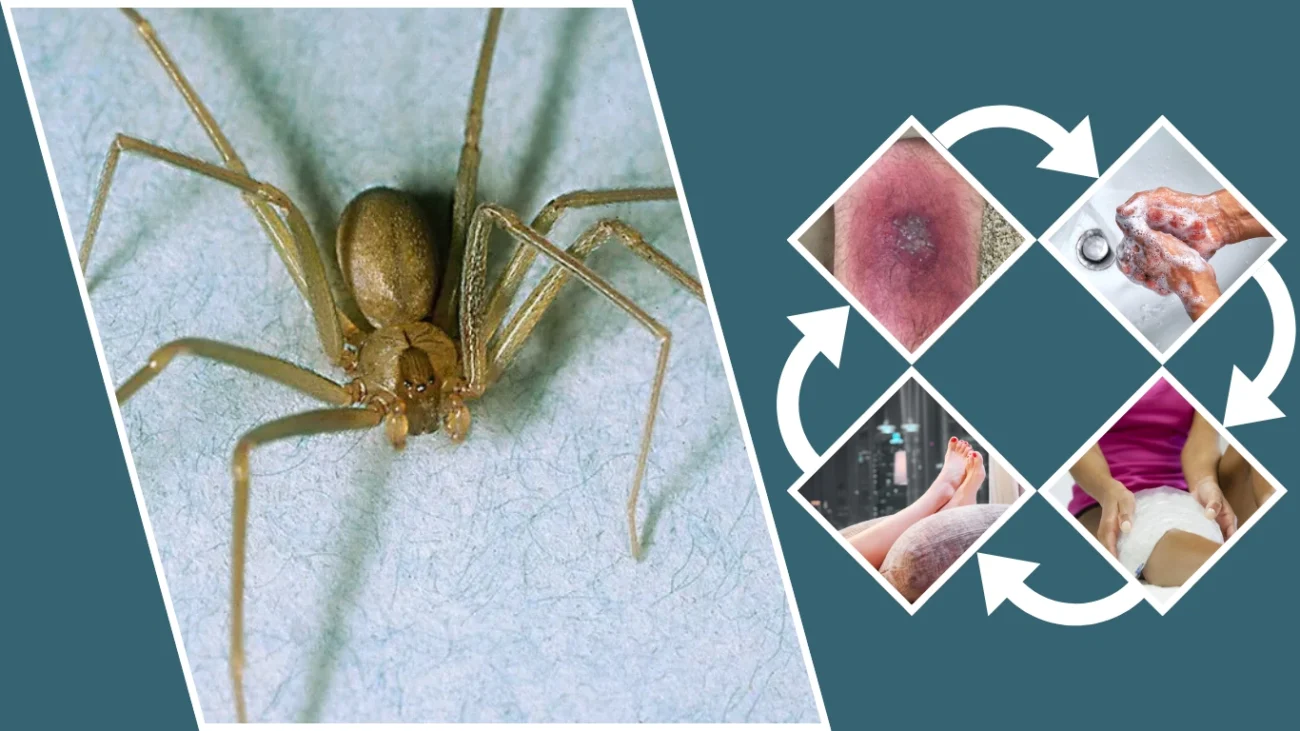
If you suspect a brown recluse bite and notice bruising, take action immediately—even if it seems mild. Begin by gently washing the area with soap and lukewarm water to reduce the risk of infection. Avoid scrubbing or rubbing the bite, as this may irritate the skin further.
Apply a cold compress or ice pack wrapped in a cloth to the bruised area for 10–15 minutes at a time. Cold helps slow the spread of venom by reducing blood flow and inflammation. Avoid using heat, which can worsen tissue damage.
Keep the affected area elevated, especially if it’s on your arm or leg. This can help reduce swelling and prevent fluids from pooling in the area.
Monitor the Bruise Closely
Bruising alone isn’t always dangerous, but it needs to be watched closely. Over the next few hours and days:
- Take daily photos of the bruise to track size, shape, and color changes.
- Watch for new symptoms like skin hardening, central blistering, or a grayish-black center—these may signal necrosis.
- Note if pain increases significantly or spreads to other parts of the body.
If the bruised area grows larger than 2 inches, or develops a firm or sunken center, it’s time to consult a doctor.
When to Seek Medical Help
Signs You Shouldn’t Ignore
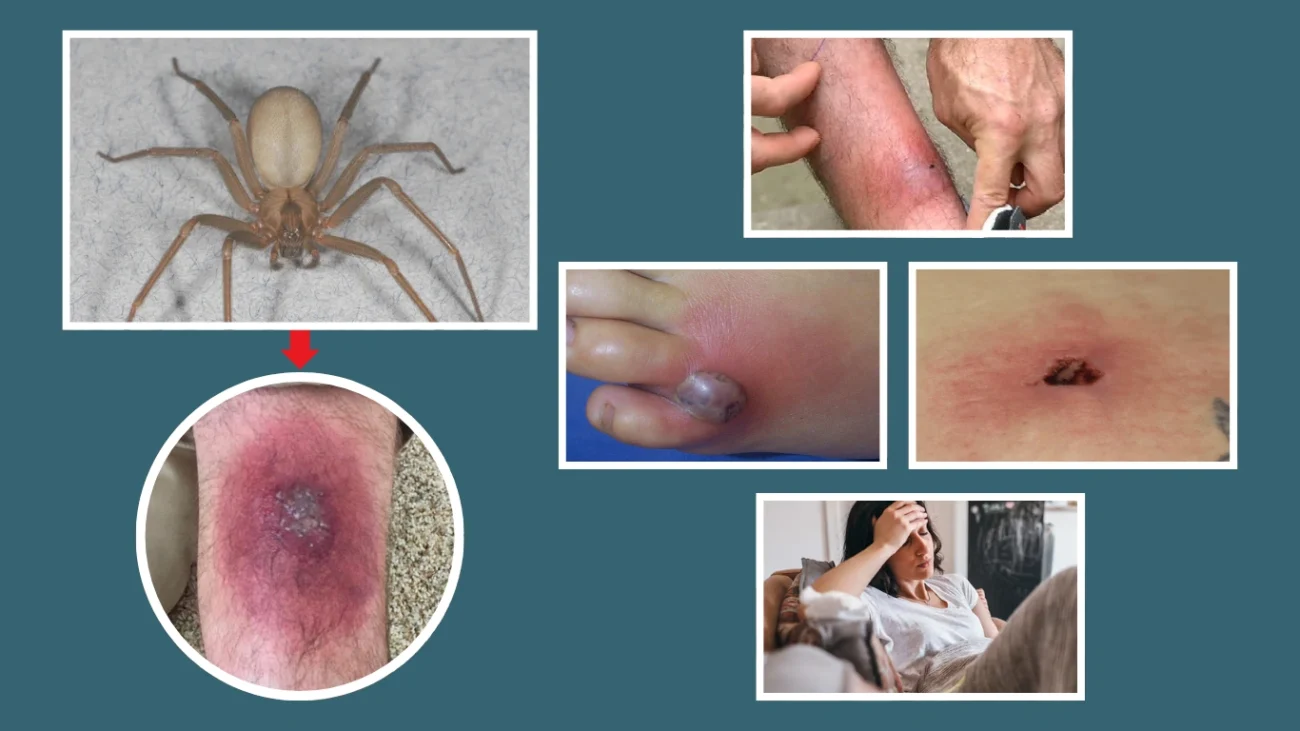
A bruise that deepens in color, spreads rapidly, or develops a dark or crusty center could indicate serious tissue damage. Seek medical attention immediately if you experience:
- Intense pain that worsens after 48 hours
- A growing or changing bull’s-eye wound
- Fever, chills, nausea, or fatigue
- Oozing pus, a foul odor, or red streaks radiating from the bite
Children, older adults, and people with weak immune systems should seek care right away, even if the bite seems minor.
Medical Treatments for Bruised Recluse Bites
Wound Evaluation and Monitoring
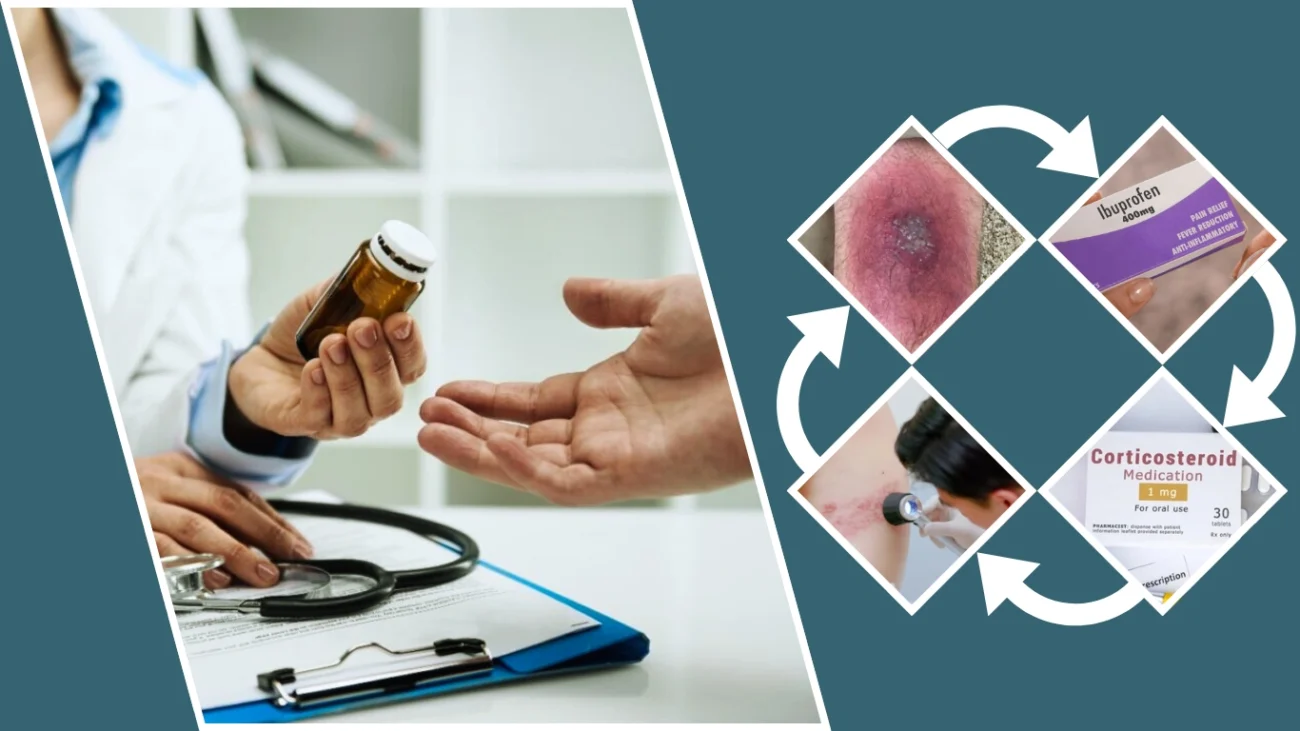
At the clinic, your doctor will examine the wound, assess its depth and size, and check for signs of necrosis or infection. In some cases, blood tests may be done to rule out systemic effects of the venom.
Medications or Procedures
If infection is suspected, oral or topical antibiotics may be prescribed. For moderate swelling or inflammation, your doctor might suggest anti-inflammatory medications or corticosteroids.
In more serious cases involving dead tissue or spreading necrosis, wound debridement (removal of dead tissue) might be necessary to promote healing. If a large area is affected, surgical intervention or skin grafts may be required.
How Long Does It Take for the Bruise to Heal?
Mild Cases
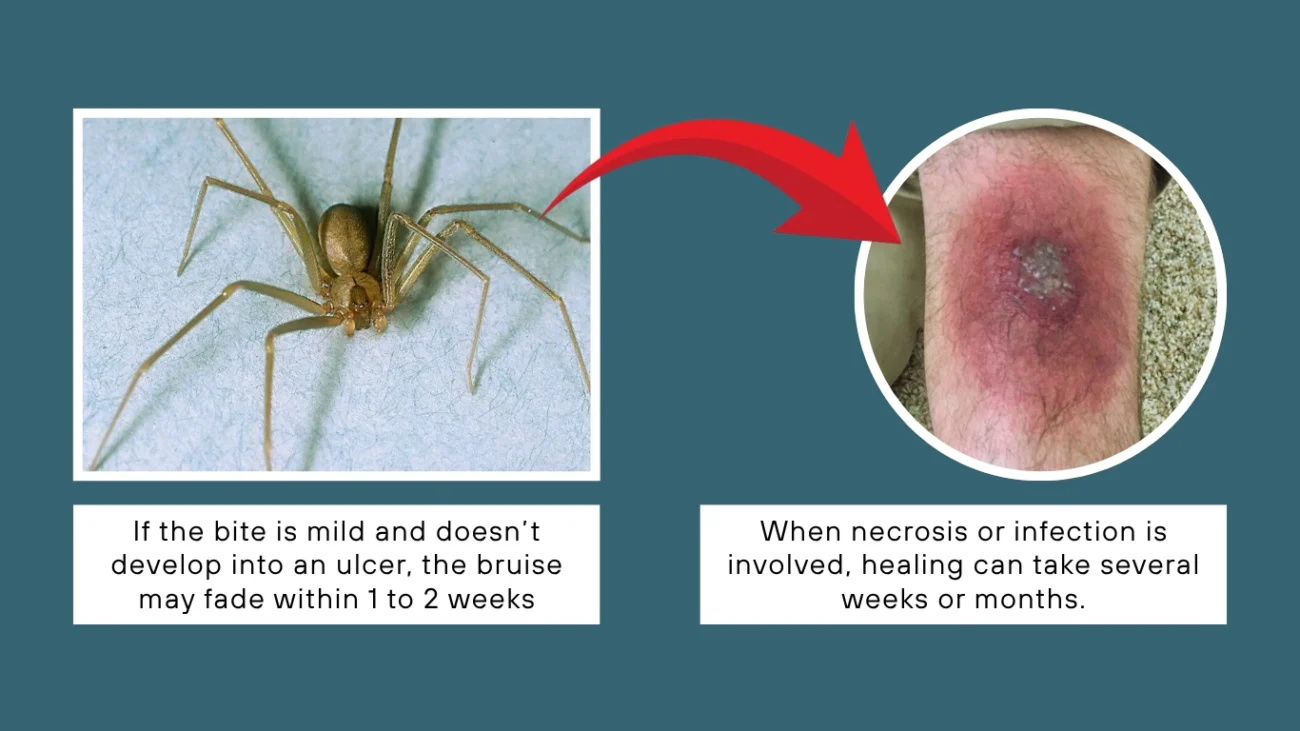
If the bite is mild and doesn’t develop into an ulcer, the bruise may fade within 1 to 2 weeks. The area may peel as it heals, and skin color may return to normal gradually.
Severe Cases
When necrosis or infection is involved, healing can take several weeks or months. Deep ulcers may scar and require regular wound care. In rare situations, permanent tissue damage may lead to nerve sensitivity or disfigurement.
Prevention Tips

- Shake out shoes, clothing, and towels before use—especially if stored in garages or closets.
- Use gloves when cleaning storage areas, basements, or attics.
- Seal cracks and crevices around your home where spiders might enter.
- Keep clutter low in rooms, storage bins, and corners where spiders can hide.
Final Thoughts
A bruise from a brown recluse spider bite shouldn’t be taken lightly. While it might look like a harmless discoloration at first, it can signal deeper damage that needs medical attention. The earlier you act, the better your chances of avoiding a severe wound, long-term scarring, or surgical treatment. Monitor carefully, treat responsibly, and don’t hesitate to seek professional help.
FAQs
Is bruising normal after a brown recluse spider bite?
Yes, bruising can be a normal reaction due to damage to small blood vessels under the skin caused by the venom. However, if the bruise expands rapidly, darkens significantly, or forms a blister or ulcer in the center, it could indicate necrosis. These symptoms require prompt medical evaluation.
How can I tell if the bruise is turning into necrosis?
If the center of the bruise turns gray, blue, or black, begins to sink, or starts peeling, it may be a sign of tissue death. You may also feel increasing pain, experience swelling around the area, or notice a foul odor—all of which suggest necrosis rather than a simple bruise.
Can a brown recluse bruise heal on its own?
In many mild cases, yes. If the bite doesn’t become infected or necrotic, the bruise may heal within 1–2 weeks with basic wound care. However, monitoring is key. If there’s any sign of spreading damage or worsening symptoms, medical care is essential.
Should I pop a blister that forms over the bruised area?
No. Popping a blister can introduce bacteria and increase the risk of infection. It’s best to leave the blister intact and let a healthcare provider evaluate it. If the blister ruptures on its own, clean the area gently and keep it covered with a sterile dressing.
When should I go to the doctor for a spider bite bruise?
See a doctor if:
- The bruise is larger than 2 inches and growing
- The center of the bruise becomes black, gray, or crusty
- You have symptoms like fever, chills, nausea, or fatigue
- The bite area starts oozing or shows red streaks
- Pain becomes intense or radiates beyond the bruise
Early treatment can prevent complications like deep ulcers, infections, or permanent scarring.