The bite of a brown recluse spider can be deceptively mild at first—often resembling nothing more than a mosquito bite. But within hours, it can spiral into a deep, rotting wound that’s both painful and potentially dangerous. Some heal quickly, others worsen rapidly. Knowing how a brown recluse bite progresses—day by day—could be the key to stopping severe tissue damage before it starts.
In this guide, we’ll break down each stage from Day 1 to Day 10 and beyond, helping you recognize warning signs, understand symptoms, and take the right steps at the right time.
What Makes a Brown Recluse Bite So Dangerous?
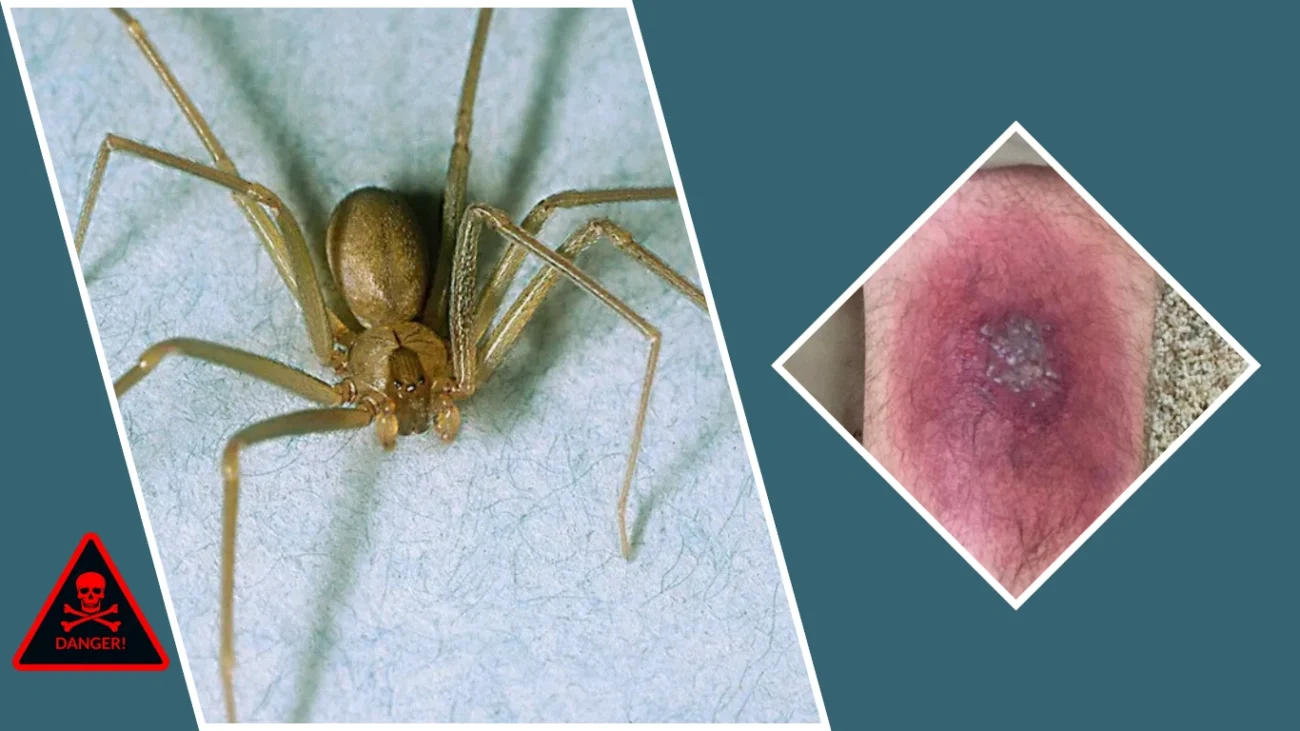
Brown recluse spider bites are serious because of the venom’s ability to destroy skin and soft tissue. The toxin can cause localized cell death, leading to deep, painful wounds.
The most concerning part is that the bite may not hurt at first. Many people don’t notice it until the symptoms worsen.
Without timely care, the wound can grow, get infected, and take weeks to heal—sometimes requiring medical or surgical treatment.
Brown Recluse Spider Bite Stages – Timeline from Day 1 to Day 10

A brown recluse spider bite doesn’t always look alarming right away, but the symptoms can change rapidly over the course of several days. Below is a detailed, day-by-day timeline of what typically happens after a bite, based on both clinical observation and real-world cases.
Day 1 – The Bite Happens
On the first day, many people don’t realize they’ve been bitten. The initial bite may feel like a pinprick or go completely unnoticed. Within a few hours, a small red mark often appears. This may be slightly raised and surrounded by mild swelling. In some cases, a small blister forms at the center, filled with clear or pale yellow fluid. There may be a light burning or itching sensation, but pain is usually minimal.
Day 2 – Pain and Inflammation Begin
By the second day, the bite area often becomes more painful and tender. Swelling increases, and the surrounding skin may look red or inflamed. The blister at the center may grow slightly larger. Some people develop a mild fever, chills, or body aches—early signs of the body reacting to the venom. At this point, the wound may still resemble a common insect bite, but it’s starting to progress internally.
Day 3 – Tissue Damage Starts to Show
Day three is often when the real damage becomes visible. The blister may rupture, and the skin begins to break down. The bite may develop a “bull’s-eye” appearance with a dark center surrounded by red and white rings. Pain intensifies, and the affected tissue may start turning purple or bluish. This is a clear sign of necrosis starting to form. Immediate medical attention is strongly advised at this stage.
Day 4 – Worsening Necrosis and Open Ulcer
By the fourth day, the center of the wound may begin to die off, forming an ulcer with black or grayish tissue. The edges of the bite may swell more and appear irritated. The pain is often throbbing or sharp. If untreated, this necrotic area can grow in size. Some people report symptoms like fatigue, nausea, or mild fever. If signs of infection appear—such as pus or foul odor—prompt medical care is critical.
Day 5 to Day 7 – Peak Wound Severity
During these days, the wound typically reaches its most severe state. The ulcer may become deeper and wider, surrounded by inflamed, dying skin. A thick scab or crust may form over the center, and the skin around it may look red, dry, and cracked. If the wound becomes infected, pus and swelling may increase. At this point, medical treatment is often required, especially if the bite is not healing or worsening.
Day 8 to Day 10 – Healing Begins or Infection Spreads
If the wound has been properly cleaned and cared for, healing may slowly begin between Day 8 and Day 10. The area may scab over and gradually shrink. However, if infection sets in or the necrosis spreads, the wound can worsen. Swelling, pus, or red streaks extending from the wound may indicate a spreading infection like cellulitis, which requires antibiotics or hospital care.
Beyond Day 10 – Recovery or Surgical Care
If healing has started, the skin may regenerate slowly, but deep wounds can take weeks or months to close fully. Scarring is common, especially in larger ulcers. In severe cases, where the tissue loss is significant, surgical debridement or skin grafting may be necessary. Long-term effects may include nerve pain or loss of sensation in the area.
This stage-by-stage progression shows how important it is to monitor the bite closely each day, especially during the first week. Early treatment can make the difference between a minor injury and a long-term wound.
Early Stage vs Late Stage Bite – Key Differences
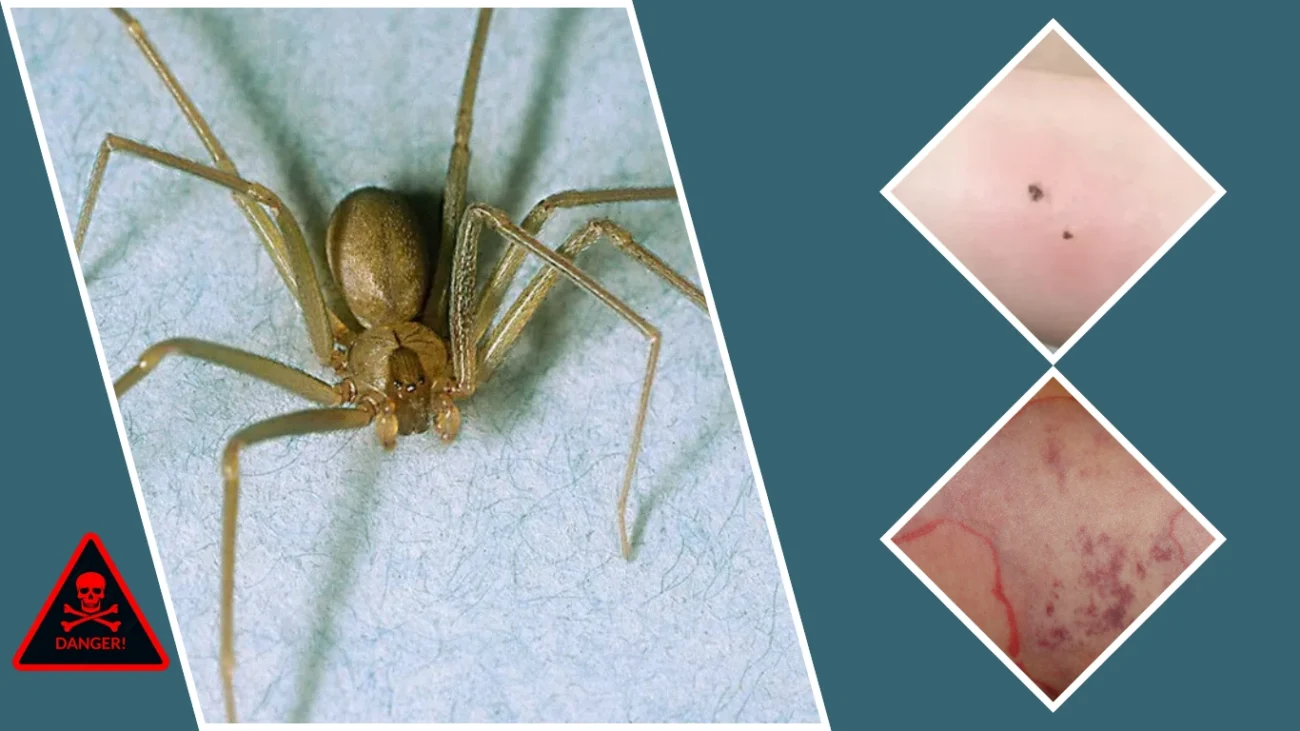
Understanding the contrast between early and late-stage brown recluse bites can help determine whether the wound is healing naturally or becoming more serious. Here’s how to distinguish between the two phases based on how the symptoms appear and evolve.
Early Stage (First 1–2 Days)
In the early stage, the bite may look harmless. It typically starts as a small red bump that might resemble a mosquito or flea bite. The skin may feel mildly itchy or irritated, and a small blister could form. Pain at this point is usually light or absent. Some people may notice a slight burning or stinging sensation within a few hours, but nothing that seems urgent. Because the venom is acting beneath the skin, early signs are often easy to miss or ignore.
Late Stage (Day 3 and Beyond)
From day three onward, the bite becomes more visibly serious. The center of the wound may begin to sink or darken, forming a deep ulcer or black scab. The surrounding skin might look bruised or discolored—often purple, gray, or even black. Pain becomes more intense and persistent, and signs of necrosis (dead tissue) become apparent. At this stage, swelling increases, and there’s a higher risk of secondary infection. Without medical care, the wound can expand significantly, leading to complications.
Recognizing when a bite transitions from a mild irritation to active tissue damage is critical. The earlier this turning point is identified, the better the chances of avoiding long-term damage or surgical intervention.
When to See a Doctor
While some brown recluse bites may heal on their own with basic care, others can rapidly deteriorate and require medical attention. Knowing when to seek professional help can prevent serious complications like infection, extensive tissue loss, or even hospitalization.
Rapid Worsening After 24–48 Hours
If the bite area becomes significantly more painful, swollen, or discolored within the first two days, it’s a strong sign that the venom is causing tissue damage. A growing blister, bull’s-eye pattern, or bluish-black skin should not be ignored.
Signs of Necrosis or Infection
By Day 3 or 4, if the skin starts to break down, forms an open sore, or oozes pus, you need medical help. Signs of infection such as fever, chills, warmth around the bite, or red streaks running outward may indicate a spreading infection like cellulitis.
Persistent or Systemic Symptoms
If you feel generally unwell—nausea, vomiting, dizziness, fatigue, or muscle aches—it may mean the venom has triggered a systemic reaction. While rare, this can be dangerous, especially for children, older adults, or individuals with compromised immune systems.
A brown recluse bite may look small, but it can lead to major complications if left untreated. If there’s any uncertainty about the wound’s progress, it’s always safest to consult a doctor early.
Treatment Options by Stage
Brown recluse spider bites require different levels of care depending on how early they’re identified and how the wound progresses. Immediate first aid can help minimize damage, while more advanced stages may need professional medical treatment or even surgery.
Immediate Care (First 24 Hours)
In the earliest stage, treating the bite quickly may prevent severe symptoms. Wash the bite area gently with mild soap and water to reduce the risk of infection. Apply a cold compress (never heat) to control swelling and inflammation. Elevate the affected area to minimize fluid buildup. Over-the-counter pain relievers like ibuprofen or acetaminophen can help manage discomfort. Most importantly, avoid touching, scratching, or applying home remedies that can worsen the condition.
Medical Care (Days 2 to 10)
If the bite area continues to worsen after the first day, medical attention is necessary. Doctors may prescribe antibiotics to treat or prevent infection. In some cases, corticosteroids or antihistamines are given to control inflammation. Pain management becomes essential, especially if necrosis has started. Doctors may also apply sterile dressings or recommend topical wound care treatments like silver sulfadiazine cream to assist healing.
If necrosis is confirmed, wound debridement—the removal of dead tissue—may be needed to prevent further spread.
Advanced or Surgical Intervention (Beyond Day 10)
In severe cases where tissue loss is extensive, a surgeon may need to remove large areas of damaged skin. Healing at this point can take weeks or months. Some patients may require skin grafting if the wound is deep or won’t close naturally. Follow-up visits, wound cleaning, and prescribed ointments help prevent scarring and promote skin regeneration.
Proper treatment—especially in the first few days—greatly increases the chances of a full recovery. Timely care can mean the difference between a mild wound and one that takes months to heal.
Prevention Tips
Although brown recluse spiders are not aggressive, they often hide in dark, undisturbed areas and may bite when accidentally pressed against the skin. Taking a few simple precautions around your home and belongings can greatly reduce the risk of encountering one.
Inspect and Shake Out Clothing and Shoes
Brown recluses like to hide in folded clothes, towels, shoes, or gloves—especially if they’ve been sitting unused for a while. Always shake out these items before wearing them, particularly if they’ve been in storage, closets, or basements.
Wear Protective Gear in Storage Areas
If you’re cleaning out garages, attics, crawl spaces, or sheds, wear gloves, long sleeves, and closed-toe shoes. These are common hiding spots for recluse spiders, and direct skin contact with infested surfaces increases bite risk.
Reduce Clutter Indoors
Minimize piles of clothes, papers, and storage boxes. Spiders love dark, undisturbed areas where they can hide and hunt. Keep spaces tidy and use sealed plastic bins instead of cardboard boxes for long-term storage.
Seal Entry Points in the Home
Use caulk or weatherstripping to close cracks and gaps around windows, doors, and baseboards. This helps prevent spiders from getting inside. Repair torn window screens and place sticky traps in spider-prone areas for monitoring.
Limit Their Habitat Outdoors
Keep firewood, rocks, and debris at least 20 feet away from your house. Trim overgrown plants and maintain a clean yard to reduce the number of hiding places around your home’s foundation.
By following these prevention steps, you can greatly reduce the chances of a brown recluse encounter—keeping your home safer for you and your family.
FAQs About Brown Recluse Spider Bite Stages
How fast do brown recluse spider bites worsen?
A brown recluse bite can start off deceptively mild. In the first 6 to 12 hours, many people feel little to no pain, and the bite may look like a red or pink pimple. However, by 24 to 72 hours, the venom starts to affect surrounding tissues. Blistering, increased redness, and a blue or purple center can appear, and tissue necrosis may begin. Without treatment, the wound may worsen rapidly between Days 3 to 7, making it essential to monitor closely during the first few days.
What does a brown recluse bite look like in the early stages?
In the first 24 hours, a brown recluse bite often appears as a small, slightly swollen red bump—very similar to a mosquito bite. A blister may form at the center. The area might feel warm or mildly itchy, but it usually isn’t painful yet. Some people may feel a tingling or stinging sensation. Because early signs are so subtle, it’s common to mistake the bite for a less harmful insect sting or rash, which can delay proper treatment.
Can a brown recluse bite heal on its own?
Yes, in many mild cases, especially when the amount of venom injected is low, the bite can heal on its own without extensive medical intervention. The body may naturally limit tissue damage and begin healing within 7–10 days. However, it’s important to keep the area clean, avoid scratching, and monitor for signs of necrosis or infection. Even if the wound seems minor, it’s wise to consult a doctor to rule out hidden tissue damage or internal spread of the venom.
What happens if a brown recluse bite goes untreated?
If left untreated, a serious brown recluse bite can develop into a large open ulcer with dead tissue, often surrounded by red, inflamed skin. The necrotic wound may continue to expand for several days, becoming painful and prone to secondary infections. In severe cases, bacteria can enter the bloodstream, leading to cellulitis, sepsis, or other systemic reactions. Recovery may require antibiotics, wound debridement, or even skin graft surgery. Scarring is likely with severe tissue damage.
Does every brown recluse bite cause skin to rot or die?
No. Only about 10% of bites from brown recluse spiders cause significant necrosis or skin breakdown. Many bites result in mild redness or a small sore that heals naturally. The severity often depends on factors like venom amount, bite location, and the individual’s immune response. Children, the elderly, or those with weakened immune systems may be more prone to severe reactions. Still, due to the venom’s unpredictable nature, all bites should be treated seriously.
When should I go to the hospital for a brown recluse bite?
You should seek immediate medical care if you notice any of the following:
- The bite turns dark purple, blue, or black
- A blister ruptures and an ulcer forms within 2–4 days
- You develop a fever, chills, nausea, or body aches
- The wound starts oozing pus, smells foul, or becomes surrounded by red streaks (signs of infection)
- Pain is worsening instead of improving