
Many bird species avoid trees altogether and instead lay their eggs directly on the ground. These ground-nesting birds rely on camouflage, habitat choice, and protective behaviors to keep their eggs and chicks safe from predators. From tiny larks in open fields to giant ostriches on the savanna, each bird uses unique strategies to raise their young in exposed environments. Here are 12 remarkable birds that nest right on the ground.
1. Killdeer (Charadrius vociferus)
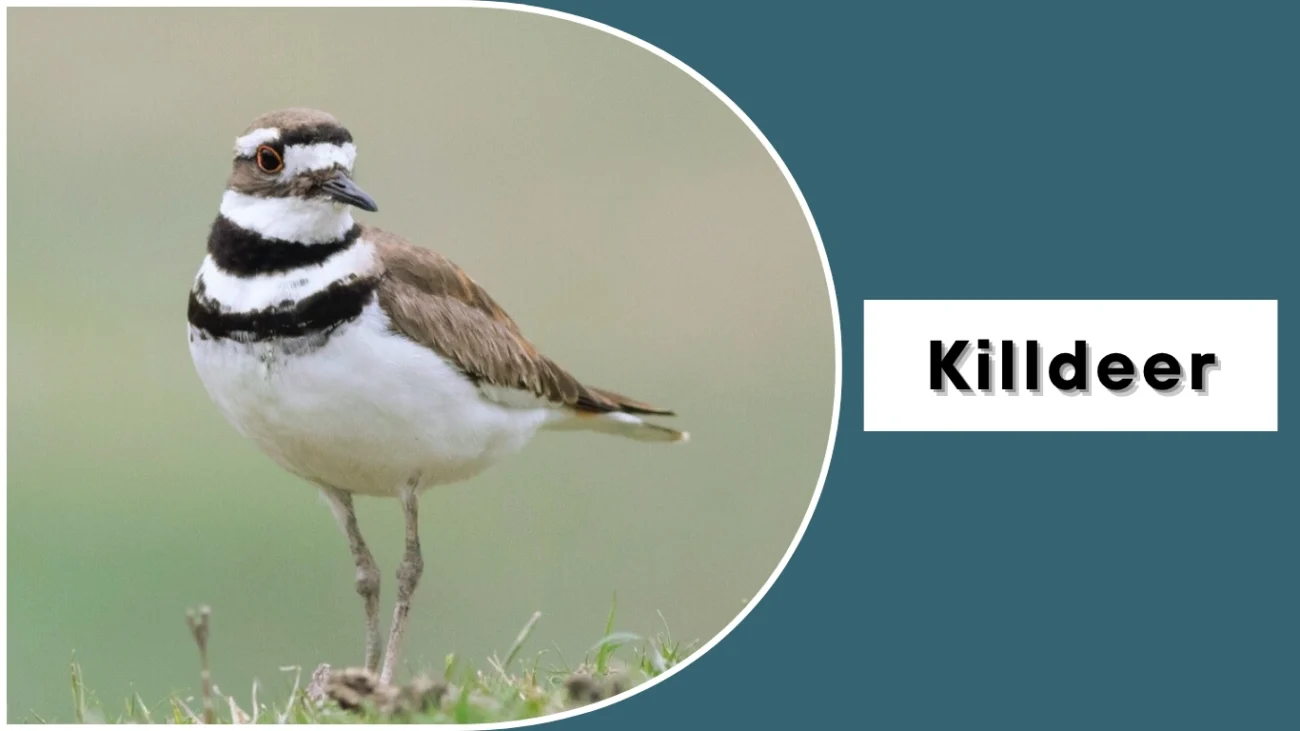
The Killdeer is a well-known shorebird found across North America, including open fields, gravel roads, and urban landscapes. Despite being a member of the plover family, it often nests far from water. Its loud, piercing calls and dramatic “broken-wing” distraction displays are unmistakable. This bird lays its eggs directly on the ground, often in plain sight, relying on camouflage and behavior to protect its nest.
Nesting Behavior
Killdeer are ground-nesters that often choose disturbed or human-modified areas. They lay their eggs in shallow scrapes on gravel, dirt, or grass, making them particularly vulnerable to disturbance. To protect their nests, adults perform elaborate distraction displays to lead predators away.
Habitat
Killdeer commonly nest in open habitats such as agricultural fields, parking lots, rooftops, lawns, and shorelines. They prefer sites with minimal vegetation to maintain clear visibility and easy access to escape routes.
Nest Identification
- Simple shallow depression in the ground
- Often lined with small pebbles or bits of debris
- Eggs are buff-colored with dark speckles, camouflaged against the ground
- Typically contains 4 eggs
- Located in very open areas with sparse vegetation
- Often near human activity or roads
Parental Care
Both parents share incubation duties, and chicks hatch precocial—fully feathered and ready to follow their parents within hours. Adults are highly protective and will vocalize loudly or feign injury to distract intruders.
2. Common Nighthawk (Chordeiles minor)

The Common Nighthawk is a cryptic, insect-eating bird found throughout North and Central America. Though called a “hawk,” it’s actually a member of the nightjar family. These birds are most active at dusk and dawn, flying low over open spaces to catch insects in flight. Remarkably, Common Nighthawks lay their eggs directly on bare ground or gravel rooftops without building any nest structure.
Nesting Behavior
Nighthawks do not construct nests. Instead, females lay eggs directly on flat, open surfaces, relying heavily on camouflage. The birds’ mottled plumage and speckled eggs blend seamlessly into gravel, sand, or forest litter.
Habitat
They nest in open areas such as prairies, sand dunes, forest clearings, gravel bars, and flat rooftops. Urban nesting on tar-and-gravel rooftops is particularly common in cities.
Nest Identification
- No nest structure; eggs laid directly on bare ground or flat surfaces
- Typically 2 eggs, pale with dark blotches
- Often located on gravel, sand, forest floor, or rooftops
- Eggs rely on natural camouflage for protection
- Difficult to spot due to lack of nest materials
- May shift nest site if disturbed early in nesting
Parental Care
The female handles incubation alone, while both parents may distract predators with erratic flight or alarm calls. Chicks hatch well-camouflaged and remain motionless when threatened.
3. Northern Lapwing (Vanellus vanellus)

The Northern Lapwing is a striking wader with a glossy green back, white belly, and a tall wispy crest. Native to Europe and parts of Asia, it is known for its acrobatic flight displays and distinctive “pee-wit” call. It nests in open fields and wetlands, placing its eggs directly on the ground in shallow depressions.
Nesting Behavior
Lapwings create a simple scrape on the ground, often lined with bits of grass or vegetation. They are territorial during the breeding season and will aggressively defend their nest site from predators or intruders.
Habitat
Preferred nesting habitats include wet meadows, farmland, pastures, and open grassy fields. These birds require visibility to detect threats and typically choose sites with minimal vegetation.
Nest Identification
- Shallow depression lined with bits of grass or moss
- Usually contains 3–4 eggs, olive to brown with dark markings
- Eggs are well-camouflaged and pointed to fit snugly in the nest
- Placed in open fields, away from dense cover
- Nests often spaced apart from other lapwing pairs
- Blends seamlessly with surroundings
Parental Care
Both male and female share incubation duties. After hatching, the chicks are mobile and follow parents to feed. Adults use distraction techniques like wing-fluttering and false calls to lure predators away from the nest.
4. Piping Plover (Charadrius melodus)
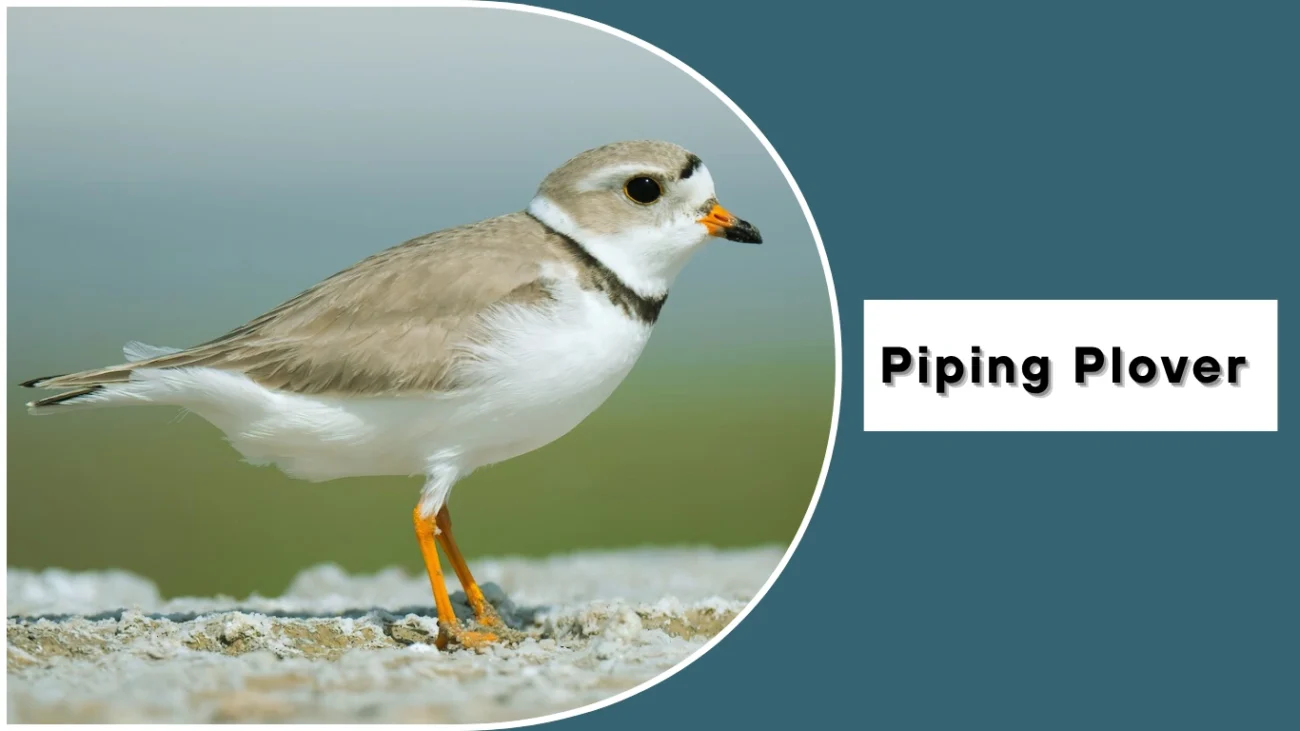
The Piping Plover is a small, pale shorebird known for its short bill, orange legs, and soft peeping calls. Native to North America, it nests along sandy beaches, lake shores, and riverbanks. Due to its preference for open ground nesting, it is highly vulnerable to disturbance, making it a federally protected species in the U.S.
Nesting Behavior
Piping Plovers nest directly on the sand, creating a shallow scrape above the high tide line. These nests are often unnoticeable to the untrained eye. Adults rely on both camouflage and distraction displays to protect their nests from predators and humans.
Habitat
They nest in coastal beaches, sandbars, dunes, and gravelly shorelines, often with minimal vegetation. They require open areas with clear sightlines to detect approaching threats.
Nest Identification
- Shallow scrape in sand or gravel
- Often lined with small pebbles or shell fragments
- Typically contains 4 pale, speckled eggs
- Blends seamlessly with beach surroundings
- Located above high tide line but near feeding areas
- Can be marked by conservationists with symbolic fencing
Parental Care
Both parents share incubation duties. Chicks hatch precocial and begin feeding themselves within hours. Adults remain nearby to guide and protect them from predators.
5. Eastern Meadowlark (Sturnella magna)
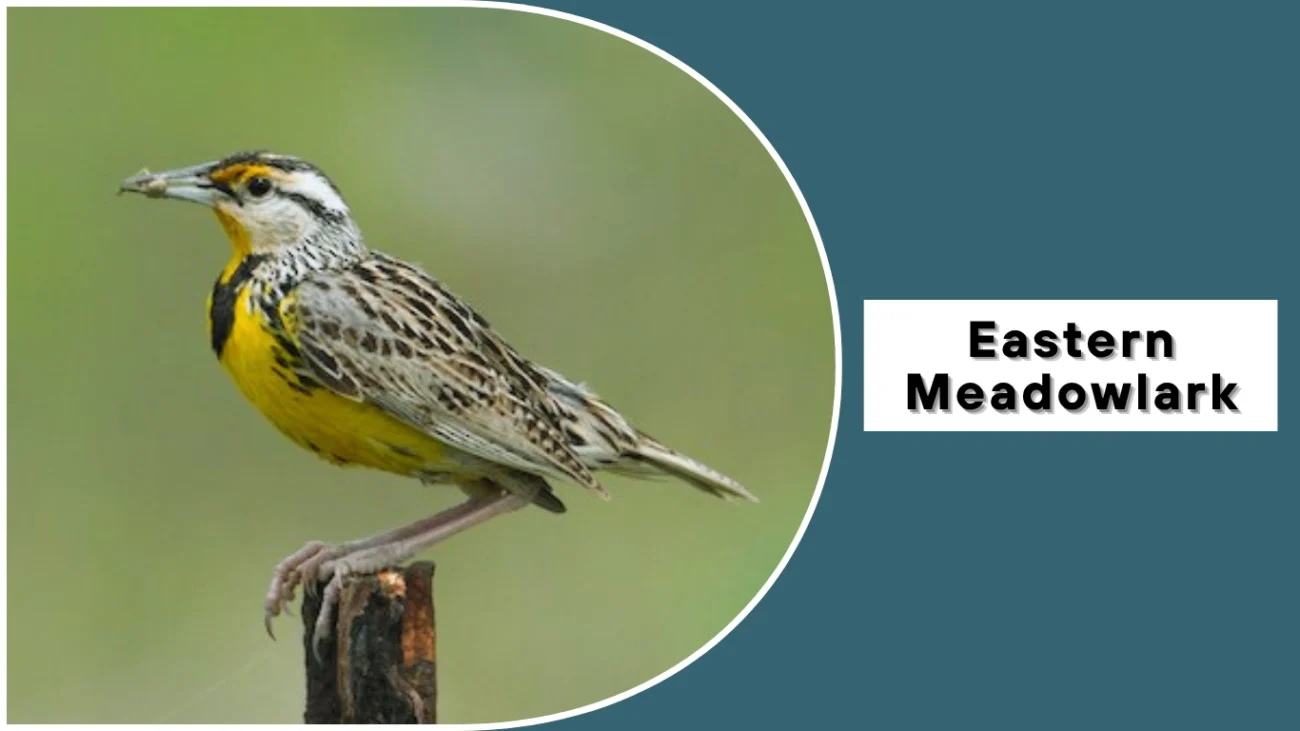
The Eastern Meadowlark is a chunky, ground-dwelling songbird with a bright yellow chest and bold black “V” across the breast. Though often heard more than seen, it is widespread across fields and grasslands in North America. Meadowlarks nest directly on the ground, hidden in thick grasses.
Nesting Behavior
Females build the nest alone, weaving a cup of grasses and lining it with soft materials. The nest is well-hidden and often has a dome or partial roof made from bent-over grasses for added concealment.
Habitat
They prefer large, open grassy areas such as prairies, hayfields, pastures, and meadows. Tall grasses are essential for nesting cover and protection.
Nest Identification
- Cup-shaped nest made of grasses
- Often hidden under a canopy of bent grass
- Contains 3–6 white to lightly speckled eggs
- Deeply concealed among tall vegetation
- Built into ground depressions
- Difficult to find due to camouflage and grass cover
Parental Care
Only the female incubates the eggs. After hatching, she feeds the chicks insects and stays nearby to defend the nest site from intruders or threats.
6. Ostrich (Struthio camelus)

The Ostrich is the world’s largest bird and native to Africa. Though flightless, it is an extremely fast runner and well-adapted to open savannas and deserts. Ostriches are ground-nesters that lay their large eggs in simple scrapes made directly on the earth, often in communal nests.
Nesting Behavior
Male ostriches dig shallow pits in the ground to serve as nests. A dominant female lays her eggs in the center, while other females may lay theirs around the edges. The male typically incubates at night, while the female takes over during the day.
Habitat
Ostriches nest in open grasslands, savannas, and semi-desert regions where there is a clear line of sight to detect predators from afar.
Nest Identification
- Shallow pit scraped into the bare ground
- May contain 15–25 large, cream-colored eggs (from multiple females)
- No nesting materials used
- Nest is exposed but relies on adult vigilance
- Located in open terrain for maximum visibility
- Communal nesting behavior is common
Parental Care
Both parents share incubation, with males more active at night. Chicks are precocial and follow adults soon after hatching. Ostrich parents are known to fiercely defend their young from predators.
7. Emu (Dromaius novaehollandiae)
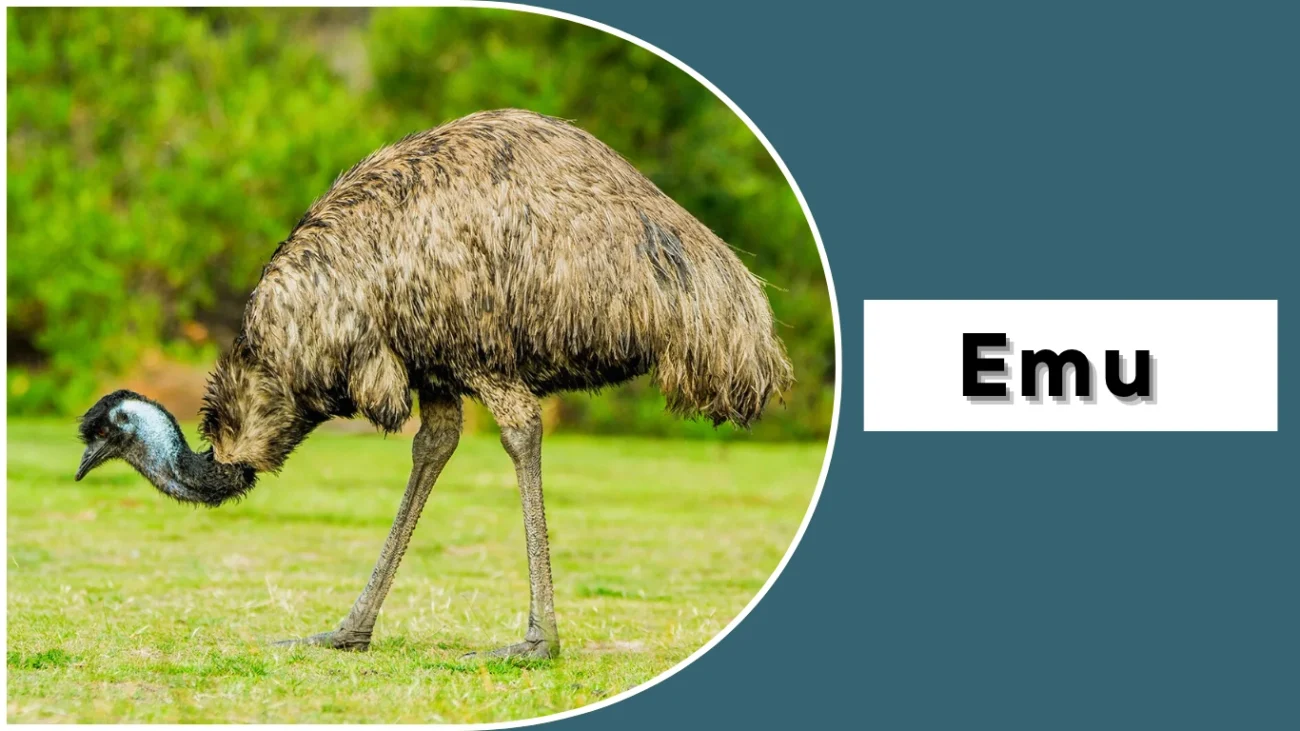
The Emu is a large, flightless bird native to Australia and closely related to the ostrich. Though not native to Hawaii, it has been introduced on some farms. Emus are ground-nesters and lay large eggs in open grasslands or woodlands.
Nesting Behavior
The male builds a shallow ground nest using leaves, bark, and grass. Once the female lays the eggs, the male takes full responsibility for incubation, often going weeks without food or water during this period.
Habitat
Emus prefer open forests, woodlands, grasslands, and scrublands. Nests are usually placed in shaded, protected areas with nearby food sources.
Nest Identification
- Shallow bowl-shaped depression
- Lined with grass, bark, and leaves
- Contains 5–15 dark green, thick-shelled eggs
- Nest is often partially concealed in vegetation
- Built by the male
- Located in secluded but accessible open areas
Parental Care
The male incubates the eggs alone for about 8 weeks and cares for the chicks after hatching. He leads them to food and water and protects them from threats during early development.
8. Snowy Owl (Bubo scandiacus)
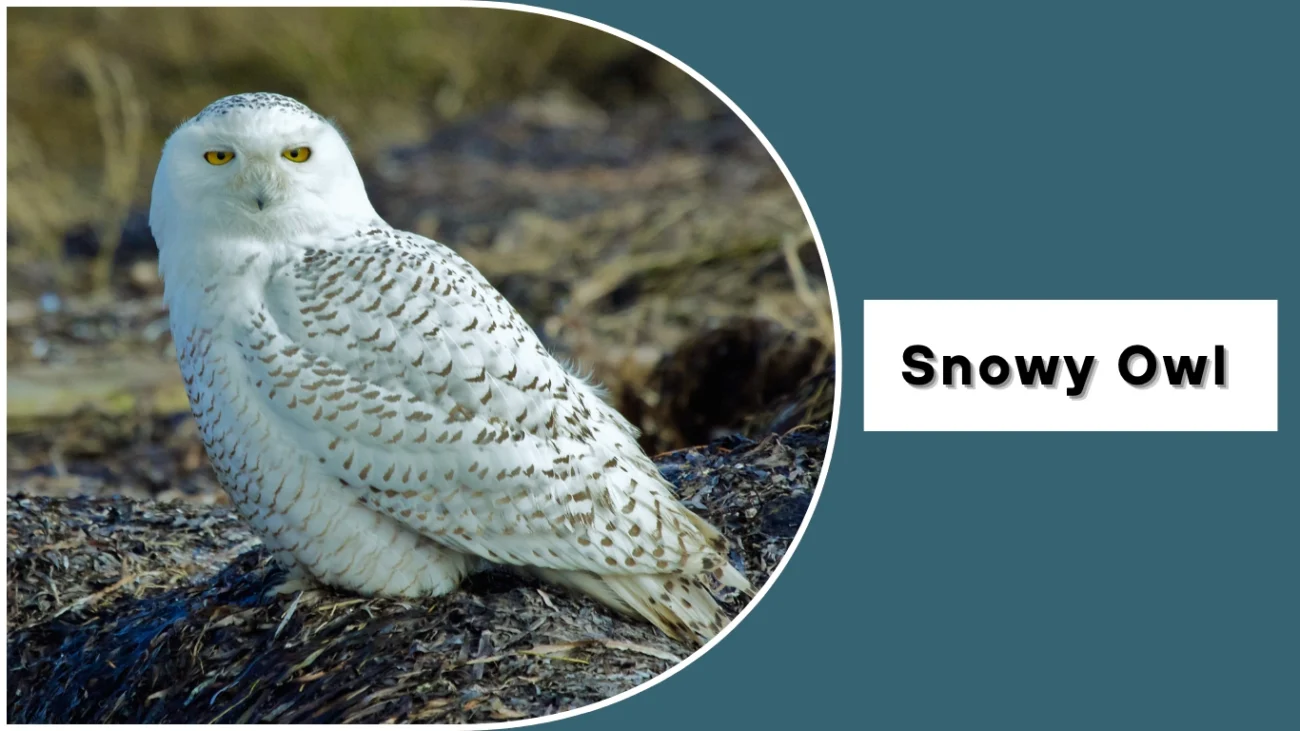
The Snowy Owl is a powerful Arctic predator known for its striking white plumage and yellow eyes. Unlike most owls, it is active during the day and nests directly on the ground in the treeless tundra. These owls rely on their excellent camouflage and fierce defense tactics to protect their nests.
Nesting Behavior
Females choose a slightly raised spot on the tundra and create a simple scrape. No nesting material is used, and the same nest site may be reused for multiple years if successful.
Habitat
Snowy Owls nest in Arctic tundra habitats—open, treeless plains with good visibility. These areas offer views of approaching predators and proximity to food like lemmings.
Nest Identification
- Shallow scrape in moss or bare ground
- No lining material used
- Usually contains 3–11 white eggs
- Placed on a slightly elevated ridge or mound
- Surrounded by droppings, feathers, and prey remains
- Exposed to wind and cold, but well camouflaged
Parental Care
The female incubates the eggs while the male hunts and provides food. Both parents fiercely defend the nest, and the chicks are covered in dense white down after hatching.
9. Northern Bobwhite (Colinus virginianus)

The Northern Bobwhite is a small, plump quail native to North America, known for its distinctive “bob-WHITE!” call. It nests directly on the ground, well hidden among grasses or shrubs, and is commonly found in agricultural fields and open woodlands.
Nesting Behavior
The female builds a small, dome-shaped nest with a side entrance, using grasses and leaves. The nest is well hidden and provides shelter for the eggs and chicks.
Habitat
Northern Bobwhites prefer grassy fields, farmlands, forest edges, and overgrown meadows. Thick ground cover is essential for nesting and protection from predators.
Nest Identification
- Shallow cup-shaped nest built into ground
- Often dome-shaped with a side entrance
- Lined with grass and leaf material
- Typically contains 12–16 creamy white eggs
- Well-concealed under vegetation or shrubbery
- Located in dense cover for protection
Parental Care
Both parents may care for the brood, although the female typically incubates the eggs. Chicks are precocial and begin foraging with their parents shortly after hatching.
10. Greater Roadrunner (Geococcyx californianus)
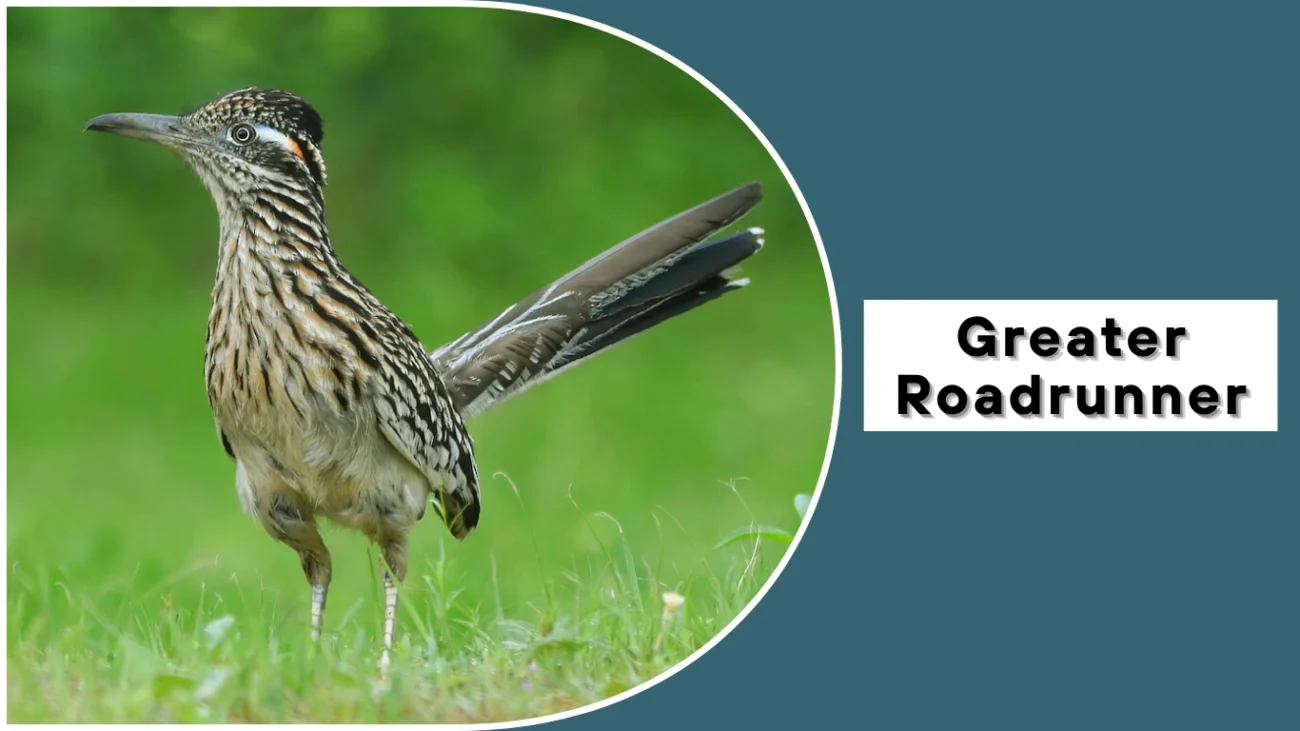
The Greater Roadrunner is a ground-dwelling bird of the American Southwest, famous for its speed and curious behavior. Though it often builds nests in shrubs or low trees, it also lays eggs directly on the ground, particularly in desert habitats with sparse cover.
Nesting Behavior
Roadrunners may build a simple ground nest in arid environments, especially if trees or shrubs are scarce. The nest is a shallow depression lined with leaves, twigs, or grass.
Habitat
Prefers deserts, scrublands, and arid grasslands. Ground nests are often placed under cactus, creosote bushes, or overhanging rocks to offer shade and protection.
Nest Identification
- Shallow scrape on the ground
- Lined with twigs, leaves, or snake skin
- Contains 2–6 white eggs
- Usually partially shaded by desert vegetation
- Camouflaged against sand and rocks
- May reuse or repair old nests
Parental Care
Both parents incubate the eggs and feed the chicks. They bring insects, lizards, and small rodents to the nest and protect the young until fledging.
11. Common Pheasant (Phasianus colchicus)
The Common Pheasant is a game bird introduced widely across North America and Hawaii. Males are vividly colored, while females are cryptically brown. These birds nest exclusively on the ground, hidden in tall grass or brushy areas.
Nesting Behavior
Females build the nest alone, forming a shallow depression lined with grass and feathers. The nest is usually well-hidden and built away from paths or open spaces.
Habitat
They favor agricultural fields, hedgerows, grassy meadows, and forest edges. Dense ground vegetation is essential for nest concealment and predator avoidance.
Nest Identification
- Simple ground scrape lined with dried grass and feathers
- Typically contains 8–15 olive to buff-colored eggs
- Nest is hidden in thick grass, brush, or weeds
- May be located near field edges or under low shrubs
- Difficult to locate due to effective camouflage
- Built exclusively by the female
Parental Care
The female incubates alone. After hatching, chicks are mobile and begin foraging immediately, guided and protected by the mother.
12. Horned Lark (Eremophila alpestris)
The Horned Lark is a small songbird adapted to open landscapes such as grasslands, tundra, and deserts. Its name comes from the tiny feather tufts that resemble horns. These birds nest directly on the bare ground, often in exposed and windy environments.
Nesting Behavior
The female creates a small, well-shaped cup in the soil, sometimes with a partial roof made from surrounding vegetation or pebbles. The nest blends almost perfectly with the surrounding terrain.
Habitat
They prefer flat, open areas with sparse vegetation, including farmland, prairie, tundra, and desert plains. Nesting sites are usually dry and elevated slightly above surrounding terrain.
Nest Identification
- Cup-shaped depression in bare soil or short grass
- Sometimes lined with grass, roots, or small pebbles
- Often sheltered by a clump of grass or dirt clod
- Contains 2–5 speckled eggs
- Difficult to detect due to perfect camouflage
- Built by the female, often in windy, exposed locations
Parental Care
The female incubates the eggs, while both parents feed the young. Chicks are well-camouflaged and remain still to avoid predators until they are strong enough to fledge.