Owls are master survivors, adapting to a wide variety of nesting environments across forests, deserts, cliffs, and even urban areas. Unlike many birds, owls rarely build their own nests from scratch. Instead, they take advantage of natural structures and abandoned sites that offer safety, height, and shelter. From tree cavities and cliff ledges to barns and cacti, each nesting type reflects the owl’s remarkable adaptability.
In this guide, you’ll explore 10 types of owl nests, how they’re used, which species prefer them, and where they can be found.
1. Tree Cavity Nest

Tree cavity nests are one of the most common nesting sites for many owl species. These nests are built inside natural hollows or holes found in mature trees, providing excellent protection from weather and predators.
Nesting Process
- Locate a suitable cavity in a dead or live tree
- Clear out loose debris or use existing leaf litter as bedding
- Make minimal adjustments—owls do not build nests from scratch
- Lay eggs directly on the cavity floor
- Use the same cavity for multiple years if undisturbed
Which Species Builds It
Eastern Screech Owls, Northern Saw-whet Owls, Boreal Owls, and Barred Owls commonly use tree cavities. Some owls also rely on cavities created by woodpeckers or formed by decay in old trees.
Preferred Nesting Locations
Tree cavities are usually found in hardwood trees such as oaks, maples, or beeches, typically 10 to 50 feet above ground. These are often located in forests, woodlots, or suburban areas with mature trees.
Nest Materials
- Minimal nesting material used
- May contain wood chips, leaves, or soft debris already in the cavity
- Occasionally lined with feathers or regurgitated pellets
Eggs and Baby Owls
Owls lay 2 to 6 white eggs, which are incubated for about 28 to 35 days depending on the species. Chicks remain in the cavity for several weeks before branching out, with the cavity offering shelter during early development.
2. Cliff Ledge Nest

Cliff ledge nests are used by owl species that prefer open landscapes or rocky terrains. These nests are simple scrapes made on natural rock ledges, providing a wide, elevated view of the surroundings and protection from ground predators.
Nesting Process
- Select a stable, flat ledge on a cliff or rocky outcrop
- Scratch out a shallow depression in the dirt or gravel
- Make no elaborate nest—eggs are laid directly on the surface
- Choose ledges with natural overhangs for shelter from weather
- Reuse the same ledge in future seasons if it remains safe
Which Species Builds It
Barn Owls, Great Horned Owls, and Snowy Owls are known to nest on cliff ledges, particularly in regions with limited tree cover. In mountainous or coastal areas, these sites provide strategic vantage points.
Preferred Nesting Locations
Cliff ledges are typically found 10 to 100+ feet high, depending on the terrain. Common in deserts, canyons, rocky coastlines, and mountainous regions. The best ledges are those with limited access for predators and partial shade.
Nest Materials
- No real materials are added
- Eggs are laid on bare rock, gravel, or packed dirt
- Some nests may have traces of owl pellets or feathers
Eggs and Baby Owls
Owls lay 2 to 5 eggs, which are incubated for around 30 to 35 days. The exposed nature of these nests means both parents are highly alert and protective. Chicks remain on the ledge for several weeks before taking short exploratory hops along the rock face.
3. Abandoned Raptor Nest
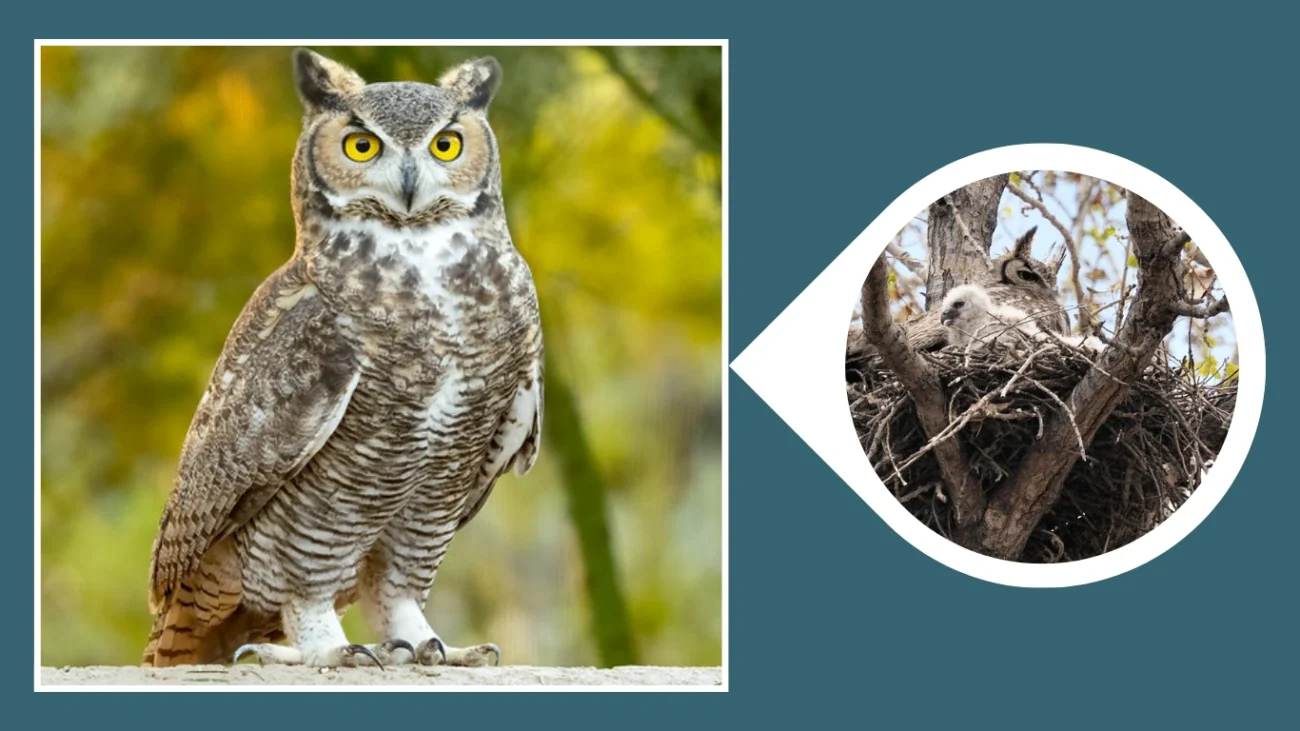
Many owl species, especially large ones, take advantage of abandoned nests built by hawks, eagles, or crows. These nests are usually already elevated, stable, and well-constructed, allowing owls to focus on raising their young rather than building from scratch.
Nesting Process
- Locate an unused nest built by hawks, crows, or other raptors
- Inspect the structure for stability and safety
- Make minor repairs or modifications if needed
- Lay eggs directly into the existing bowl of the nest
- May add a light layer of feathers or natural debris
Which Species Builds It
Great Horned Owls are the most well-known users of abandoned raptor nests. They often take over nests built by Red-tailed Hawks, Bald Eagles, or Common Ravens. Other large owls may also use these sites if available.
Preferred Nesting Locations
These nests are typically found 30 to 70 feet high in large trees, cliffs, or utility poles. Owls prefer locations with good elevation and visibility but not too exposed to wind or rain.
Nest Materials
- Original nest materials: sticks, twigs, leaves, bark
- May add feathers, moss, or shredded bark
- Little to no effort made to fully rebuild or restructure the nest
Eggs and Baby Owls
Owls lay 1 to 4 eggs, incubated for 30 to 37 days. The borrowed nest offers space for larger chicks to grow, though it may wear down over the season. After fledging, owls may not return the next year, especially if the structure deteriorates.
4. Ground Nest
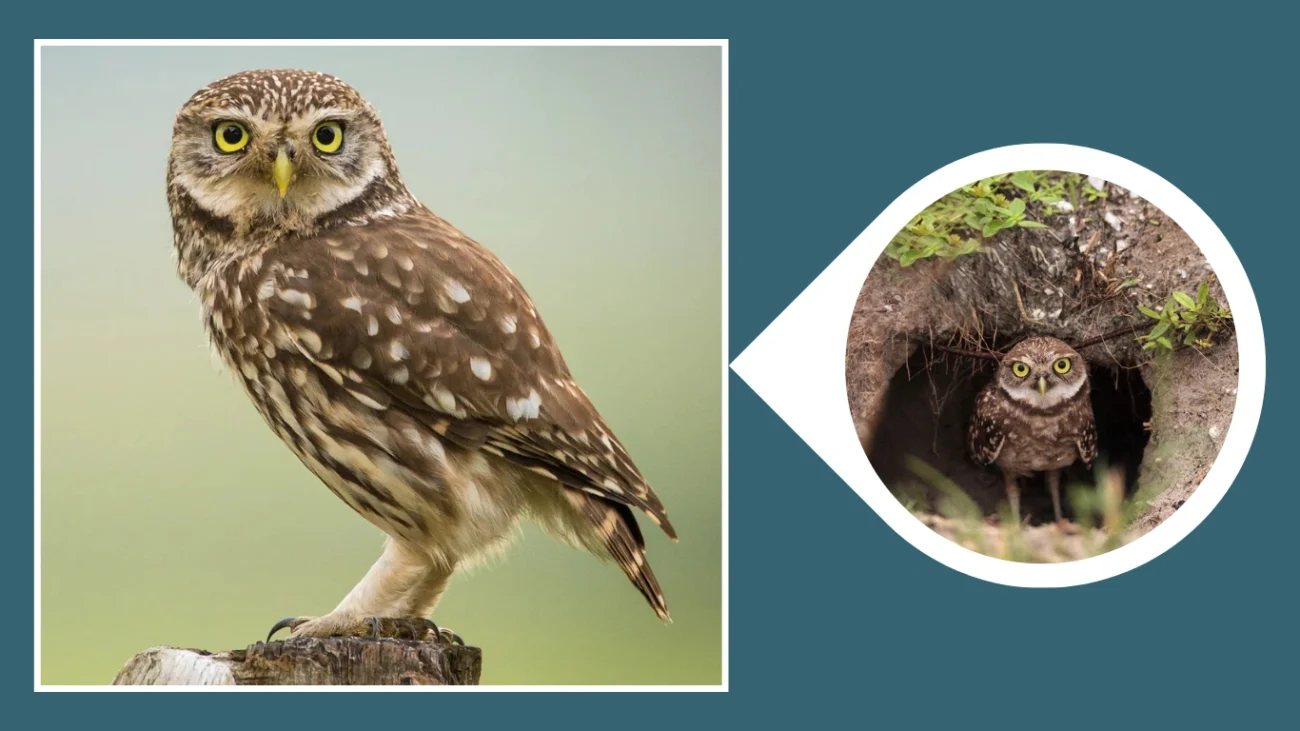
Ground nests are simple, unlined scrapes made directly on the earth, usually in open habitats where trees and cliffs are scarce. These nests rely on natural camouflage and surrounding terrain for protection rather than elevation.
Nesting Process
- Choose a concealed spot on flat ground, often near rocks or vegetation
- Create a shallow depression by scraping the soil or grass
- Add little to no nesting material—eggs are laid directly on the bare surface
- Select a location with good visibility to spot predators early
- Use natural cover such as tall grass, tundra mounds, or low shrubs
Which Species Builds It
Snowy Owls, Short-eared Owls, and Burrowing Owls often nest on the ground. These species are adapted to open landscapes such as tundra, grasslands, prairies, or deserts, where other nest types are unavailable.
Preferred Nesting Locations
Ground nests are typically found in wide-open fields, coastal dunes, tundra, or savannas, often surrounded by grasses or rocks. Slight elevation or dry ridges are preferred to avoid flooding and improve sightlines.
Nest Materials
- Bare dirt, gravel, or dry grass
- Some may use feathers, small sticks, or pellets for slight padding
- Often camouflaged by surrounding vegetation and owl coloration
Eggs and Baby Owls
These owls lay 3 to 11 eggs, depending on the species and food availability. Incubation lasts 24 to 32 days. Chicks are extremely vulnerable on the ground, so parents are vigilant and may use distraction displays or aggression to protect the nest.
5. Barn or Building Nest
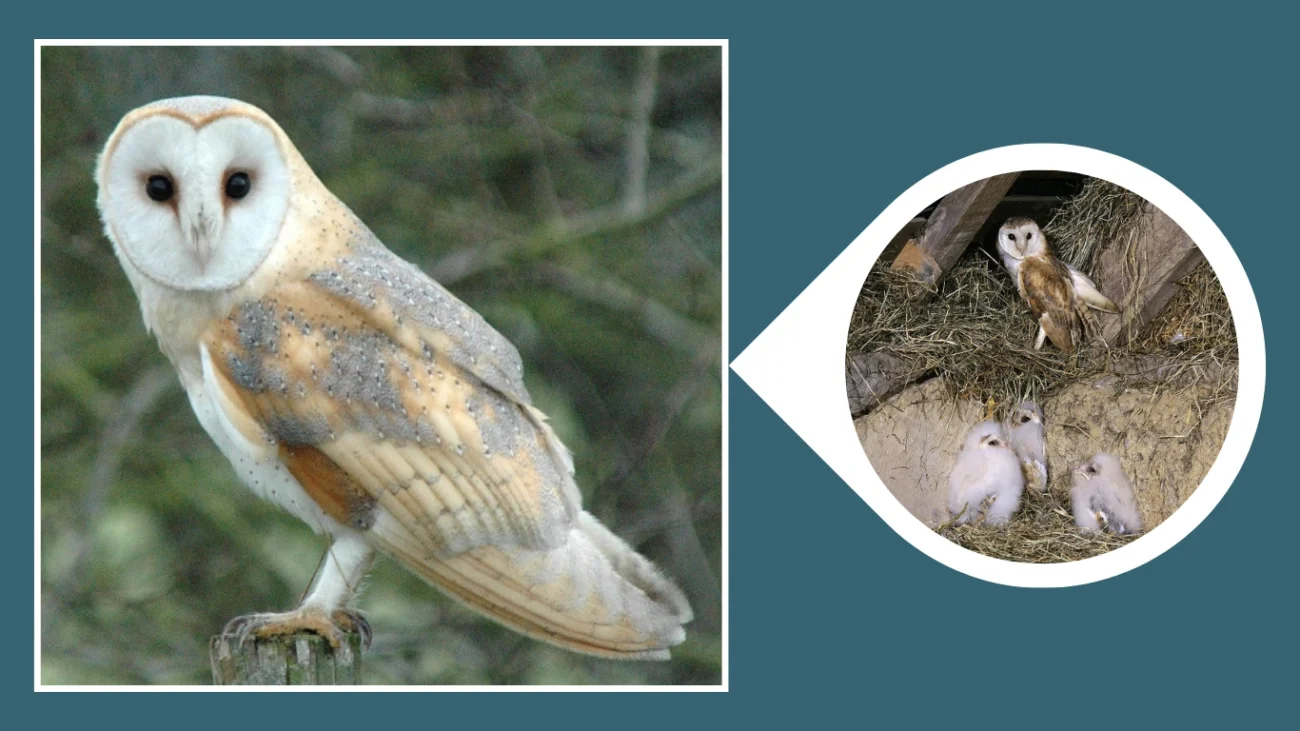
Barn or building nests are made inside human-made structures such as barns, sheds, attics, church steeples, and abandoned buildings. These sheltered environments offer owls protection from weather, predators, and ground disturbance, making them ideal for species that adapt well to human presence.
Nesting Process
- Locate a quiet, dark, and undisturbed corner inside a structure
- Settle on a flat surface like a beam, loft floor, or ledge
- No nest is constructed—eggs are laid directly on the surface
- Rely on accumulated debris, pellets, or dust for cushioning
- May use the same location for multiple breeding seasons
Which Species Builds It
Barn Owls are the most iconic users of barns and buildings. They thrive in rural, agricultural areas and are frequently found nesting in haylofts, silos, or abandoned homes. Occasionally, Eastern Screech Owls and Great Horned Owls also use buildings if access is easy.
Preferred Nesting Locations
Found in barn rafters, attics, towers, old warehouses, or church belfries, usually 10 to 40 feet off the ground. These nests are typically placed away from windows or doors, in dark and hidden spots with minimal disturbance.
Nest Materials
- No constructed nest
- Eggs laid on wood, stone, or metal surfaces
- Sometimes includes a layer of regurgitated pellets, dust, or straw
- May include bits of shed feathers or rodent fur
Eggs and Baby Owls
Barn owls lay 4 to 7 eggs, which are incubated for 29 to 34 days. Chicks remain in the nest for 7 to 9 weeks, and the shelter of a building allows for quiet, secure development. Buildings may host generations of owls if conditions stay favorable.
6. Nest Box

Nest boxes are artificial enclosures provided by humans to support owl breeding, especially in areas where natural cavities are limited. These boxes mimic tree hollows or barn lofts and are widely used in conservation and suburban settings.
Nesting Process
- Locate and enter a properly sized, installed nest box
- Inspect for safety, dryness, and shelter from wind or predators
- Use existing debris or add minimal nesting material like feathers or pellets
- Lay eggs directly on the box floor or existing bedding
- Occupy the same box yearly if undisturbed
Which Species Builds It
Barn Owls, Eastern Screech Owls, Northern Saw-whet Owls, and Western Screech Owls readily use nest boxes. In some regions, even Barred Owls and Kestrels may compete for these artificial homes.
Preferred Nesting Locations
Nest boxes are usually installed on trees, poles, or buildings, 10 to 30 feet high, in quiet areas near open fields or woodlands. They should be placed facing away from prevailing winds and ideally include overhangs or drainage for weather protection.
Nest Materials
- Minimal material provided by owls
- Often includes shredded bark, wood chips, or pellets already inside
- Conservationists may pre-fill with pine shavings or sawdust
- Owls may add feathers or fur from prey
Eggs and Baby Owls
Owls lay 2 to 8 eggs, depending on species and food supply. Incubation lasts 25 to 35 days. Chicks remain in the box for 4 to 9 weeks, and nest boxes are often reused for multiple seasons with regular cleaning.
7. Cactus Nest
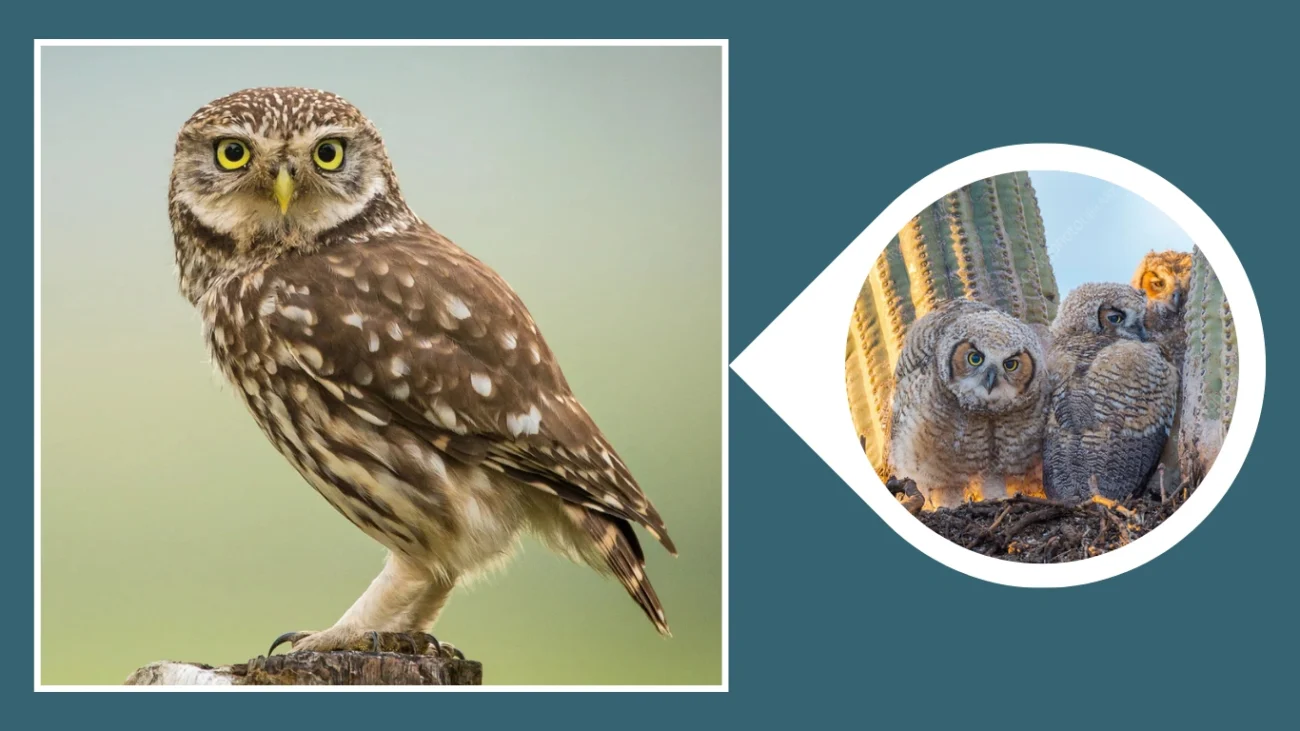
Cactus nests are built inside the protective, spiny arms or cavities of large cacti—most commonly in desert regions. These natural shelters provide both elevation and excellent defense from predators, making them a smart nesting choice in harsh, arid environments.
Nesting Process
- Locate a hollow or natural cavity in a tall cactus (like saguaro)
- Inspect the opening for safety and shade
- Make little to no modifications—eggs are laid directly in the cavity
- Use existing plant debris or owl pellets as a soft base
- Return to the same cavity in future years if successful
Which Species Builds It
Elf Owls, Western Screech Owls, and occasionally Ferruginous Pygmy Owls are known to nest in cacti. This behavior is common in the southwestern United States and parts of Mexico where large cacti dominate the landscape.
Preferred Nesting Locations
Nests are usually found 8 to 30 feet high inside saguaro, organ pipe, or cardón cacti. The entrance is often made by woodpeckers, then taken over by owls after it’s abandoned or vacated.
Nest Materials
- No added materials by the owl
- Cactus interior may contain natural plant debris or woodpecker remains
- Some nests have dried pellets or insect husks as natural bedding
Eggs and Baby Owls
Owls lay 3 to 5 white eggs, incubated for around 24 days. The thick cactus walls regulate temperature and protect chicks from extreme desert heat. Young owls stay in the cavity for 3 to 4 weeks before emerging at night to begin short flights.
8. Platform Nest

Platform nests are flat, open structures either built by other large birds or provided by humans, and are used by owls that prefer wide, elevated surfaces. These nests offer enough space for large-bodied owls to lay eggs and raise chicks, though they are more exposed than cavity nests.
Nesting Process
- Select an existing stick platform built by hawks, herons, or eagles
- Make minimal repairs or adjustments to the existing structure
- Add a few feathers, owl pellets, or debris as lining
- Lay eggs directly on the surface
- Use the same platform if conditions remain safe
Which Species Builds It
Great Horned Owls are the primary users of platform nests, especially in open forests, wetlands, or farmlands. They often take over old nests of Red-tailed Hawks, Ospreys, or Great Blue Herons. Occasionally, Barred Owls and Long-eared Owls may also use them.
Preferred Nesting Locations
Platform nests are found 20 to 80 feet high in tall trees, utility poles, or atop cliffs and man-made towers. Platforms provide excellent visibility and space but require stable weather, as they offer little protection from rain or wind.
Nest Materials
- Existing sticks, twigs, and debris from prior nest
- May include feathers, bark, or moss from surrounding area
- Minimal additions made by the owl
Eggs and Baby Owls
Owls lay 2 to 4 eggs, incubated for 30 to 37 days. Chicks grow quickly and require the broad space a platform offers. However, the openness means higher risk from predators and storms, so parents stay highly protective.
9. Hollow Log Nest

Hollow log nests are built inside the natural cavities of fallen or standing dead trees. These enclosed, shaded spaces offer excellent shelter and insulation, especially in woodland or forested environments with abundant old-growth trees.
Nesting Process
- Locate a hollow inside a fallen trunk, stump, or standing dead tree
- Enter through a natural opening or cavity made by rot or other animals
- Use the hollow space as-is with little to no construction
- Add owl pellets, feathers, or leaf litter as bedding
- Lay eggs directly on the base of the hollow
Which Species Builds It
Barred Owls, Eastern Screech Owls, and Northern Saw-whet Owls commonly use hollow log nests. In heavily wooded areas or old forests, this type is preferred when tree cavities or nest boxes are unavailable.
Preferred Nesting Locations
These nests are found in deciduous or mixed forests, typically 5 to 30 feet off the ground, or sometimes on the forest floor if inside a horizontal log. The ideal location is secluded and dry with minimal exposure to predators or rainfall.
Nest Materials
- Natural wood debris, leaf litter, or bark inside the log
- Soft lining may include fur, feathers, or shredded material from prey
- Occasionally lined with moss or fungi already present in the cavity
Eggs and Baby Owls
Owls lay 2 to 5 eggs, incubated for 28 to 35 days, depending on the species. The hollow log offers steady temperature and darkness, allowing chicks to develop safely. Young owls may stay hidden inside for several weeks before venturing out.
10. Rock Crevice Nest
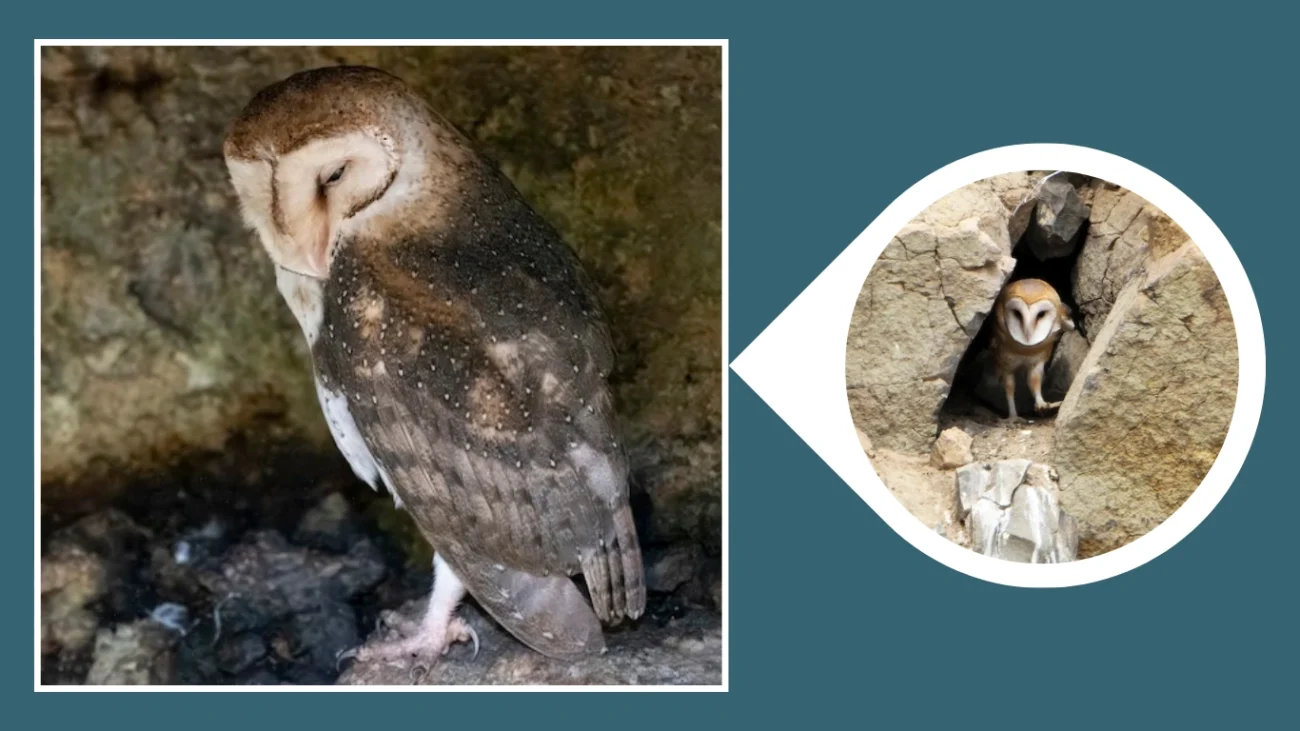
Rock crevice nests are found in natural cracks, gaps, or small caves within rock formations. These sheltered spaces provide strong protection from wind, predators, and harsh weather, especially in arid or mountainous regions where trees are limited.
Nesting Process
- Locate a narrow, secure crevice or hollow between rocks or boulders
- Clear out loose debris or use existing gravel as a base
- Lay eggs directly on the stone or soil surface inside the crevice
- Minimal to no nest-building activity
- Choose crevices with partial cover for shade and concealment
Which Species Builds It
Spotted Owls, Long-eared Owls, and occasionally Barn Owls or Short-eared Owls use rock crevices, especially in canyons, cliffs, or rocky outcrops. This behavior is most common in the western U.S., Mexico, and other dry, rugged terrains.
Preferred Nesting Locations
These nests are typically located in cliff faces, canyon walls, talus slopes, or boulder piles, often 10 to 60 feet above ground or hidden near ground level in remote areas. The goal is to find a cool, shaded space that remains undisturbed.
Nest Materials
- Bare stone or soil surface
- May contain small pebbles, dust, or owl pellets
- Occasionally lined with feathers or fur from prey
- Often left unaltered, relying on the natural cavity
Eggs and Baby Owls
Owls lay 2 to 6 eggs, with an incubation period of 28 to 35 days. The rocky shelter helps maintain stable temperatures and reduces predation risk. Chicks stay hidden deep inside the crevice for several weeks before stepping out into the open.
FAQs About Owl Nests
Do owls build their own nests?
Most owls do not build traditional nests. Instead, they reuse natural cavities, abandoned raptor nests, or sheltered areas like cliffs or barns to lay their eggs.
When do owls usually lay eggs?
Owls typically begin nesting in late winter to early spring, with some species starting as early as January or February, depending on location and climate.
How many eggs do owls lay?
The number varies by species, but most owls lay 2 to 6 eggs. Larger species like the Great Horned Owl may lay fewer, while smaller owls may lay more.
Can you attract owls with a nest box?
Yes. Installing a properly sized owl nest box in a quiet area can attract owls like Barn Owls, Screech Owls, and Saw-whet Owls, especially if natural cavities are limited.
How long do baby owls stay in the nest?
Baby owls usually remain in the nest for 4 to 9 weeks, depending on the species. After leaving the nest, they often stay nearby and continue to be fed by their parents for several weeks.