Quails are small, ground-dwelling birds known for their fast movements, distinct calls, and camouflaged plumage. Found across the globe, these birds vary widely in appearance, behavior, and habitat. From the popular Bobwhite to the rare Snow Mountain Quail, each species offers something unique. In this guide, we’ll explore 20 different types of quail, highlighting their key traits, habitats, and fascinating lifestyles.
1. Bobwhite Quail
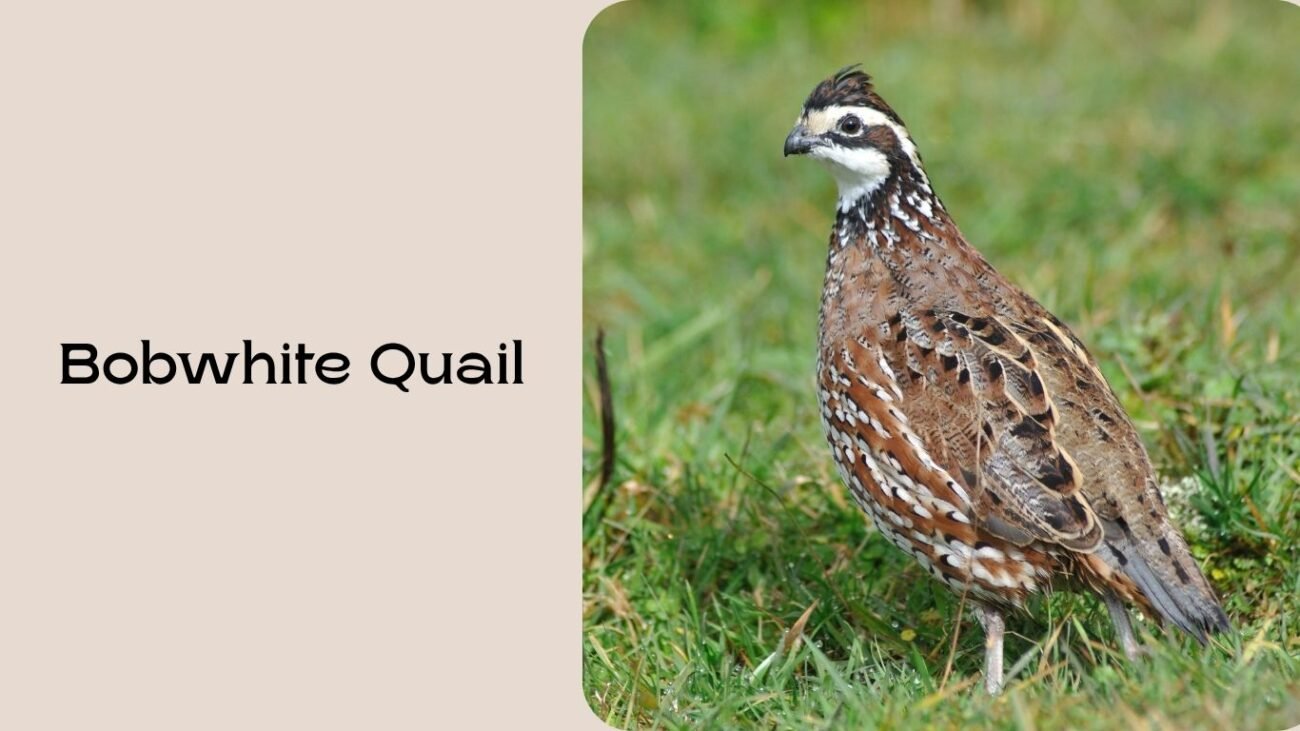
The Bobwhite Quail is one of the most widely recognized and studied quail species in North America. Known for its distinct “bob-white” call, this ground-dwelling bird thrives in grassy fields, farmland edges, and open woodland habitats. It is an important game bird and also plays a role in the ecosystem as both predator and prey.
Identification
- Plump, rounded body
- Short tail and rounded wings
- White throat and supercilium (males); buff-colored in females
- Mottled brown, black, and white plumage
- About 9–11 inches in length
Habitat and Range
Bobwhite Quail are found primarily in the eastern and central United States, from southern Mexico up through the Midwest and into the southeastern U.S. They prefer habitats with a mix of grasses, shrubs, and open ground, often living near agricultural lands and brushy borders.
Diet and Feeding
These quail feed on seeds, insects, and leafy plant material. During summer months, they consume more insects, which provide needed protein, especially for growing chicks. In winter, seeds and berries become their primary food source.
Breeding and Nesting
Bobwhite Quail begin nesting in late spring. The female usually lays a clutch of 12 to 16 eggs in a shallow grass-lined nest on the ground. Both parents may take part in rearing the young, and in some cases, males may incubate a second nest while the female starts another.
2. California Quail

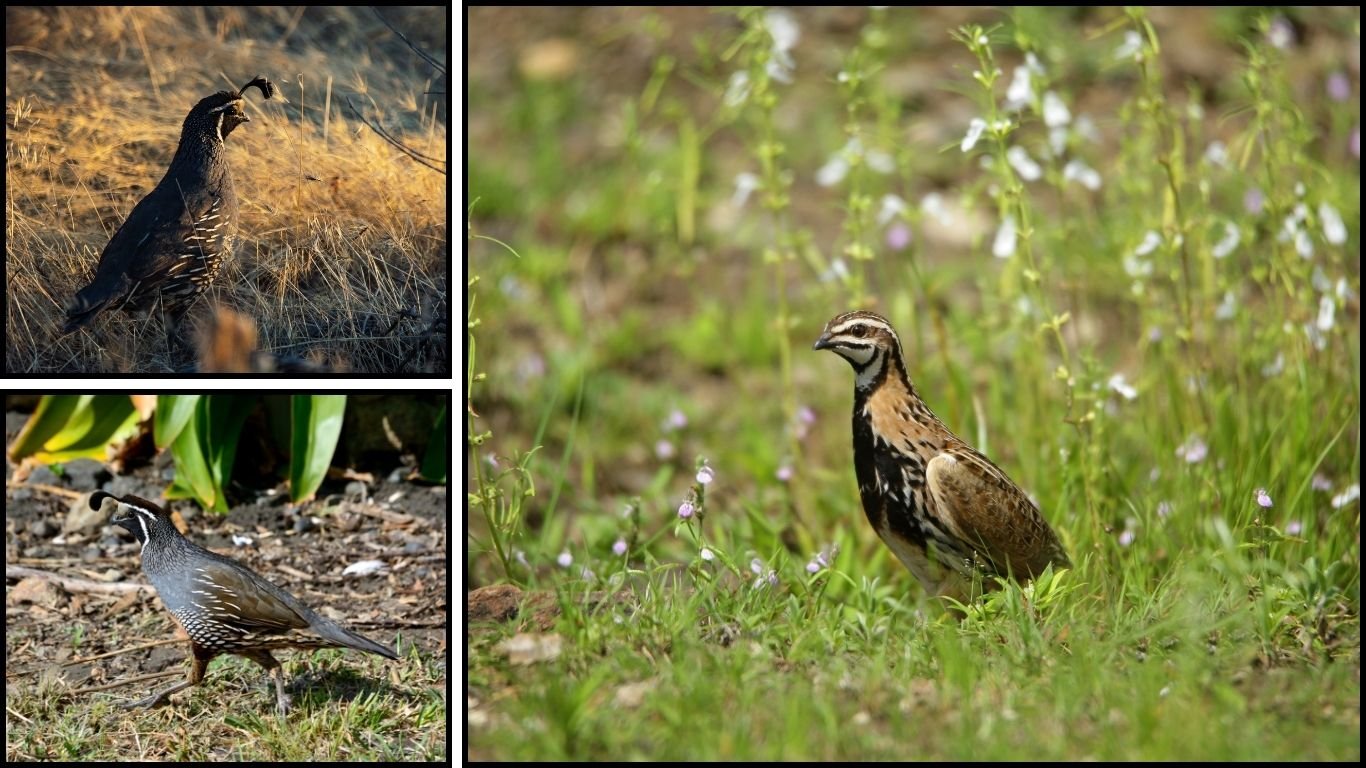
The California Quail is a beautifully plumed bird native to the western coast of the United States. It’s the state bird of California and is commonly found in parks, gardens, and brushy areas. These quail are social and often seen in small coveys, moving together in a tight group.
Identification
- Curved black plume (topknot) on the head
- Males have a bold black face with white outlining
- Scaled belly feathers with a creamy underside
- Females are plainer but still show the head plume
- Compact, rounded body with short wings and tail
Habitat and Range
California Quail inhabit coastal sage scrub, chaparral, foothill woodlands, and suburban gardens across California, Oregon, and parts of the Pacific Northwest. They adapt well to urban environments with suitable shrub cover.
Diet and Feeding
Their diet consists mainly of seeds, leaves, flowers, and small fruits. They forage on the ground, scratching at leaf litter to uncover food. Young birds consume more insects, especially during the first few weeks of life.
Breeding and Nesting
Breeding begins in spring. Females lay about 12 to 16 eggs in a shallow scrape lined with vegetation. Both parents protect the young, which are precocial and follow their parents shortly after hatching.
3. Gambel’s Quail

Gambel’s Quail are desert-dwelling birds commonly found in the southwestern United States. Easily recognized by their head plume and rich, rusty coloring, these birds are especially adapted to arid landscapes and are active during cooler times of day.
Identification
- Black teardrop-shaped head plume
- Rusty-red cap on the head
- Males have black faces and bellies
- Grayish-blue bodies with scaled patterns
- Short tail and rounded body typical of quail
Habitat and Range
They thrive in the deserts of Arizona, New Mexico, southern Nevada, and parts of Texas and California. They prefer thorny shrubs, mesquite, and cactus-dotted regions where they can find cover and food.
Diet and Feeding
Gambel’s Quail primarily feed on seeds, cactus fruit, leaves, and insects. In drier months, they may rely heavily on moisture-rich vegetation like succulent plants. They often feed in early morning and late afternoon.
Breeding and Nesting
Nesting occurs in spring after seasonal rains. Females lay 10 to 14 eggs in nests hidden under shrubs or grasses. The chicks hatch fully feathered and capable of following their parents within hours.
4. Mountain Quail

The Mountain Quail is the largest quail species in North America. Known for its striking head plumes and shy behavior, it inhabits higher elevation forests and dense mountain shrublands. Despite its elusive nature, it’s a remarkable species for bird watchers lucky enough to spot it.
Identification
- Two long, straight head plumes pointing backward
- Chestnut throat with bold white border
- Blue-gray breast and olive-brown back
- Vertical white bars on flanks
- Large and round-bodied for a quail
Habitat and Range
This quail is native to mountainous regions of the western United States, particularly California, Oregon, and parts of Washington and Nevada. It prefers thick understory vegetation in forested hillsides and chaparral-covered slopes.
Diet and Feeding
Mountain Quail consume a diet of seeds, berries, insects, and green plant matter. During winter, they may shift to foraging primarily on seeds and evergreen plants, depending on snow cover and availability.
Breeding and Nesting
Breeding typically occurs in spring or early summer. The female lays around 9 to 10 eggs in a concealed ground nest, often near thick cover. Both adults may help lead the chicks to food after hatching.
5. Scaled Quail
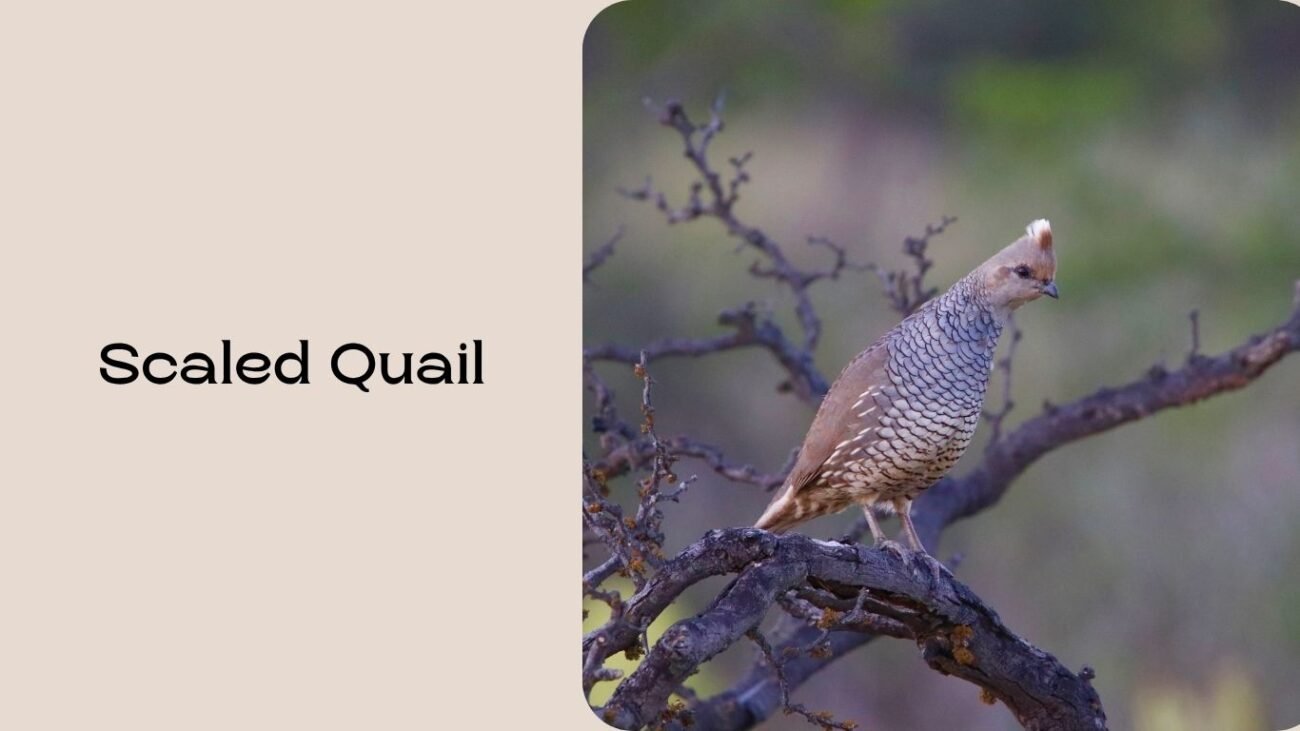
Scaled Quail, also known as “Blue Quail,” are named for the scaly appearance of their chest feathers. These birds are well-suited to hot, open habitats and are most commonly found in the southwestern U.S. They are known for their quick running ability.
Identification
- Scaled, bluish-gray breast and neck
- White-tipped crest (short and bushy)
- Buff belly with a darker central patch
- Rounded wings and short tail
- Slightly slimmer than other quail types
Habitat and Range
They live in dry grasslands, open plains, and scrub deserts across Texas, New Mexico, Arizona, and northern Mexico. Scaled Quail prefer flat, open areas with scattered shrubs or cactus for cover.
Diet and Feeding
Their primary food sources are seeds, grasses, leaves, and insects. They forage mostly on the ground and may travel in groups called coveys, especially in winter months.
Breeding and Nesting
Scaled Quail breed in late spring to early summer. The female usually lays 12 to 14 eggs in a simple ground nest lined with grasses. Chicks are active shortly after hatching and follow their parents as they forage.
6. Japanese Quail
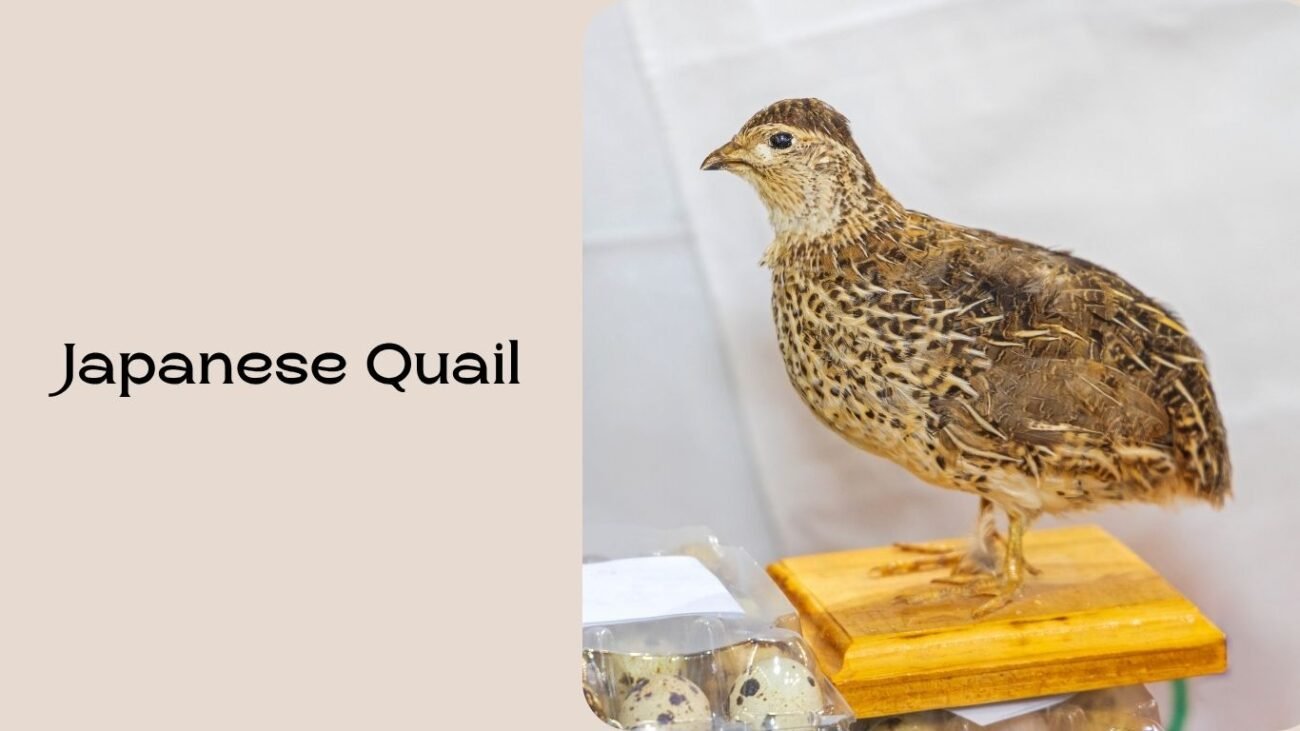
The Japanese Quail is a small, domesticated species originally found in East Asia. It is widely bred for meat and eggs and is also used in scientific research. While wild populations still exist, most Japanese Quail today are found in farms and aviaries worldwide.
Identification
- Small, compact body
- Brown mottled plumage with lighter underparts
- Females are generally duller; males may show reddish tinge on breast
- Short tail and rounded wings
- About 7–8 inches in length
Habitat and Range
In the wild, they are native to East Asia, including Japan, China, Korea, and parts of Russia. Domesticated quail are raised globally, including in Europe, the U.S., and South Asia. In nature, they favor grasslands, rice paddies, and open fields.
Diet and Feeding
Japanese Quail feed on seeds, grains, and small insects. In captivity, they are often provided a balanced diet of formulated feed mixed with greens and grit for digestion.
Breeding and Nesting
These quail are prolific breeders. Females can lay an egg almost daily under optimal conditions. Nests are simple ground scrapes, and chicks are precocial—able to feed themselves shortly after hatching.
7. King Quail

Also called the Blue-breasted Quail or Chinese Painted Quail, the King Quail is a tiny, ornamental species often kept in aviaries. It is popular due to its small size, vibrant plumage, and docile nature.
Identification
- Very small, about 4.5–5 inches long
- Males often have blue-gray breast and chestnut flanks
- Females are brown with fine barring
- Short tail and round, compact body
- Bright eyes and relatively large legs for their size
Habitat and Range
Native to Southeast Asia and parts of India and Australia, King Quail inhabit grassy lowlands, wetlands, and rice fields. In captivity, they adapt well to enclosed aviary environments with cover and warmth.
Diet and Feeding
In the wild, they eat seeds, insects, and green plant material. Captive diets include a mix of game bird feed, millet, chopped vegetables, and occasional live insects for protein.
Breeding and Nesting
King Quail are quick to breed in captivity. The female lays 5 to 8 eggs in a small nest hidden among vegetation. Incubation lasts about 16–18 days, and chicks are highly active from the moment they hatch.
8. Blue Quail

The Blue Quail is another name often used for the Scaled Quail due to its bluish-gray, scaly feather pattern. However, in some regions, “Blue Quail” may also refer to similar small ground-dwelling quail with bluish tones. These birds are fast runners and well adapted to arid environments.
Identification
- Slate-blue to bluish-gray plumage
- Scaled feather pattern on chest and neck
- White-tipped, short crest
- Slightly slimmer build than other quail
- Short tail and strong legs for running
Habitat and Range
Primarily found in the southwestern United States and northern Mexico, Blue Quail favor open desert scrublands, arid plains, and dry grasslands with scattered brush.
Diet and Feeding
These birds forage mostly on the ground, eating seeds, leaves, grass shoots, and insects. They are especially active during cooler parts of the day and may travel in coveys of 20 or more during winter.
Breeding and Nesting
Blue Quail nest on the ground, laying 10 to 15 eggs per clutch. Nests are typically hidden beneath low shrubs or grass tufts. Chicks are independent soon after hatching but stay with the group for protection.
9. Jungle Bush Quail

The Jungle Bush Quail is a small, terrestrial bird native to India and Sri Lanka. It lives in groups and prefers dry scrublands and forested areas. Its camouflaged plumage helps it blend perfectly into its environment.
Identification
- Small size with round body
- Brownish plumage with dark streaks
- Males have reddish facial markings and black-and-white throat patches
- Females are duller and more uniformly colored
- Short, stubby tail
Habitat and Range
Jungle Bush Quail inhabit dry grasslands, rocky hills, open forests, and scrubby terrain throughout India and parts of Sri Lanka. They tend to avoid dense jungle and prefer semi-open areas.
Diet and Feeding
Their diet includes grass seeds, small fruits, shoots, and insects. They forage quietly in the undergrowth, often in small flocks, and rarely fly unless disturbed.
Breeding and Nesting
They breed during the rainy season. The female lays 4 to 7 eggs in a shallow ground nest hidden in tall grasses. The eggs hatch after about 18 days, and chicks follow their parents closely.
10. Harlequin Quail

The Harlequin Quail is a vibrantly colored species found in sub-Saharan Africa. Its unique plumage makes it one of the more visually striking quail species. Despite its beauty, it remains elusive in the wild due to its shy and ground-dwelling nature.
Identification
- Males have bold black, white, and chestnut markings
- Females are more subdued with brown and buff tones
- Compact body with short wings and tail
- Intricate patterns on face and breast
- Small size, around 6–7 inches long
Habitat and Range
This species is native to savannas, grasslands, and lightly wooded areas across parts of East and Central Africa. It prefers regions with tall grass cover and minimal human disturbance.
Diet and Feeding
Harlequin Quail forage for seeds, berries, and small insects. They are often seen feeding at dawn and dusk, using their strong legs to scratch through the ground cover.
Breeding and Nesting
Breeding typically coincides with the rainy season. The female lays about 5 to 8 eggs in a well-hidden ground nest. Both parents may participate in chick-rearing, and the chicks are mobile shortly after hatching.
11. Rain Quail

The Rain Quail is a seasonal breeder known for its calls during the monsoon months in South Asia. It blends easily with its surroundings due to its earthy-toned feathers and stays hidden in grasslands and crop fields.
Identification
- Males have a black breast-band and white throat
- Overall plumage is brown with dark streaks
- Females lack the bold chest markings
- Short tail and rounded body
- Around 6–7 inches in length
Habitat and Range
Rain Quail are found throughout India, Nepal, Pakistan, and Bangladesh. They inhabit agricultural lands, grasslands, and open woodlands, especially during and after monsoon seasons.
Diet and Feeding
They feed mainly on seeds, grass blades, and insects. During breeding months, they consume more protein-rich food like termites and beetles to support chick development.
Breeding and Nesting
Their breeding season aligns with the monsoon. The female lays 6 to 8 eggs in a simple ground nest camouflaged in tall grass. The eggs hatch after about 16–18 days, and chicks are independent shortly after.
12. Common Quail

The Common Quail is a migratory species found across Europe, Asia, and Africa. Known for its distinctive “wet-my-lips” call, it is a secretive bird that prefers hiding in tall grasses. Despite being widespread, it is more often heard than seen.
Identification
- Small, plump body with streaky brown plumage
- Pale eyebrow stripe and buff underparts
- No head plume
- Rounded wings suited for long-distance flight
- Around 6.5–7.5 inches in length
Habitat and Range
This quail breeds across Europe and western Asia and winters in sub-Saharan Africa. It favors grasslands, meadows, and grain fields, especially those with dense ground cover.
Diet and Feeding
Common Quail feed on seeds, grains, and insects. They forage mostly on the ground, using their strong legs to dig and scratch through vegetation.
Breeding and Nesting
Breeding occurs in late spring and summer. Females lay 7 to 12 eggs in a simple nest hidden in tall grasses. Incubation lasts about 16–18 days, and chicks are self-sufficient soon after hatching.
13. Snow Mountain Quail
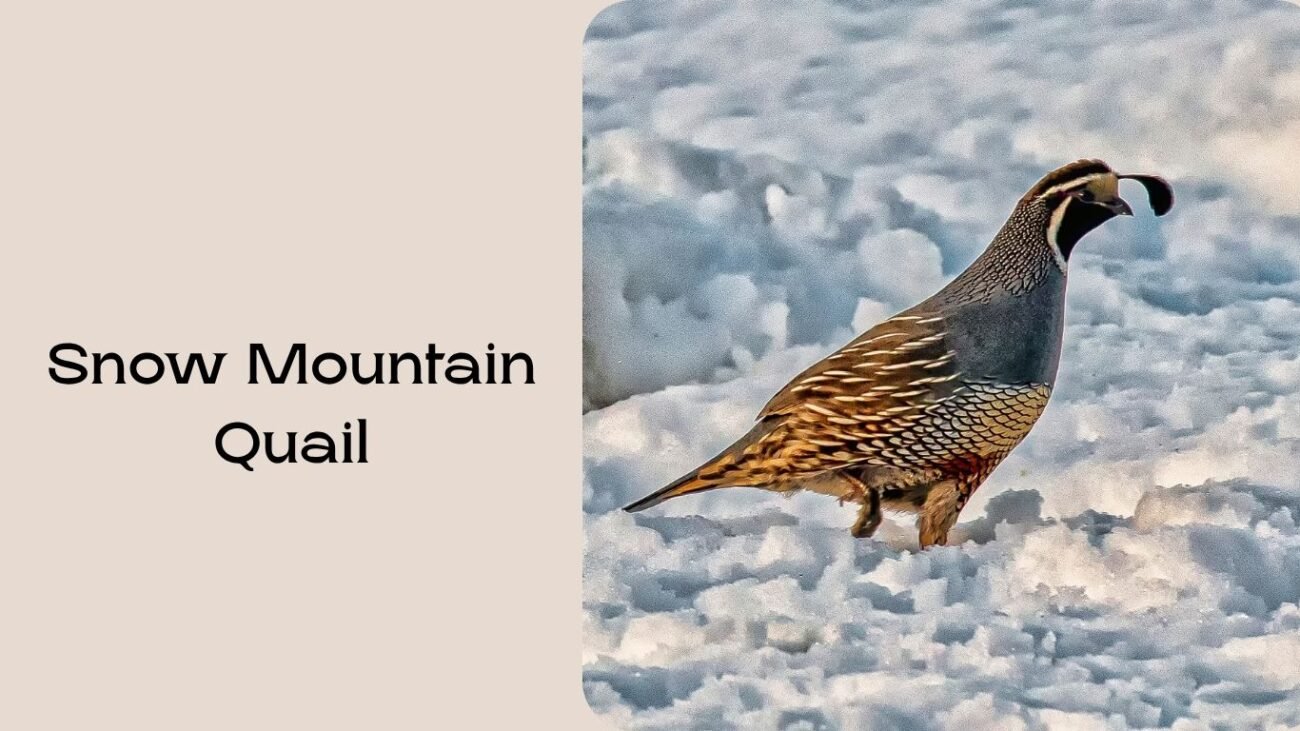
The Snow Mountain Quail is a rare and high-altitude species native to the rugged mountains of New Guinea. It is one of the least studied quail species due to its remote habitat and limited sightings.
Identification
- Chunky body with dark brown and gray plumage
- Short tail and strong legs
- Pale facial markings and scaly chest feathers
- No head plume
- Size ranges around 9–10 inches
Habitat and Range
Endemic to the Snow Mountains of Papua province in Indonesia, this quail lives at elevations above 3,000 meters. It prefers alpine grasslands, rocky slopes, and mossy meadows.
Diet and Feeding
Its diet is believed to consist of seeds, small invertebrates, and alpine plant material. Due to its isolated habitat, it forages in low vegetation near ground level.
Breeding and Nesting
Very little is known about its breeding behavior. It is assumed to nest on the ground like other quail, laying small clutches in protected alpine locations. Further research is needed to understand its lifecycle.
14. Stubble Quail
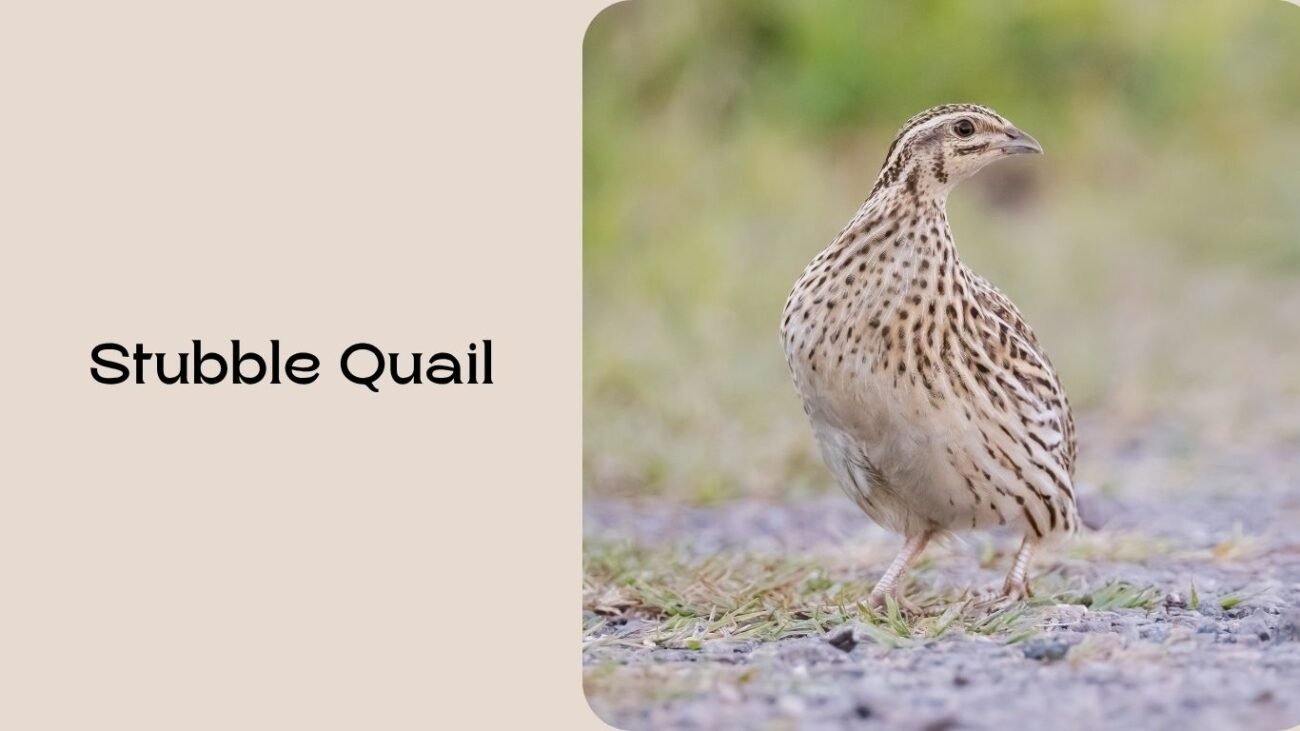
The Stubble Quail is a native species of Australia and is often found in farmlands and grassy plains. It’s known for its fast, low flight and tendency to stay hidden in ground cover until startled. This species is also a popular game bird in Australia.
Identification
- Mottled brown and cream plumage
- Pale stripe above the eye
- Compact, round body with short wings
- No crest or plume
- About 7–8 inches long
Habitat and Range
Found across southeastern and eastern Australia, including Tasmania. It inhabits open grasslands, stubble fields, and agricultural lands with good cover. It avoids dense forests and prefers dry, flat terrain.
Diet and Feeding
Stubble Quail feed on seeds, shoots, and small insects. They forage by walking through vegetation, pecking at food items on or just below the surface.
Breeding and Nesting
Breeding occurs after rainfall. Females lay around 6 to 10 eggs in a well-hidden ground nest. The chicks hatch after about 18 days and quickly become active, following their mother closely.
15. Brown Quail
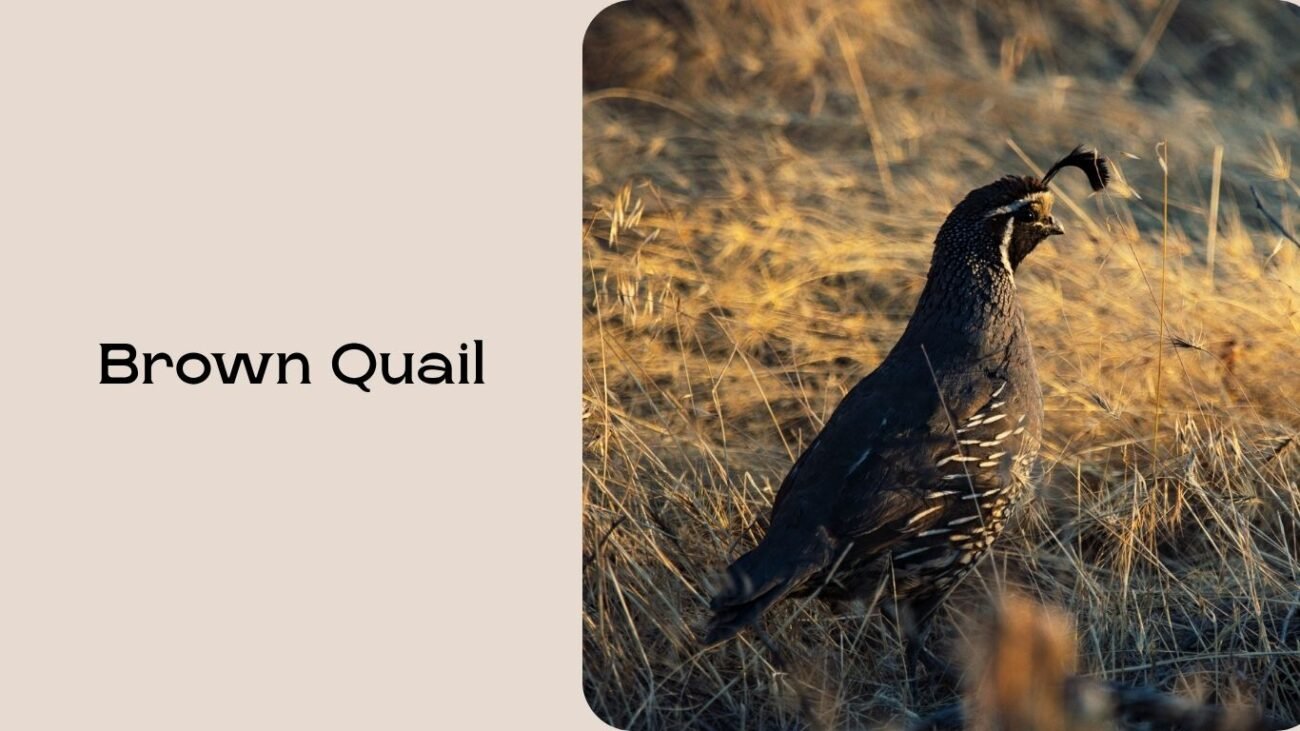
The Brown Quail is a ground-dwelling species native to Australia and nearby regions. It is shy and usually remains concealed in tall grass, only flying short distances when disturbed.
Identification
- Warm brown plumage with dark mottling
- Rounded body with no crest
- Short tail and wings
- Slightly reddish or chestnut tones on flanks
- Size ranges around 7–8 inches
Habitat and Range
Widespread in Australia, New Guinea, and some Pacific islands. It prefers damp grasslands, wetlands, and grassy woodland edges where cover is abundant.
Diet and Feeding
This species feeds on seeds, soft grasses, and small invertebrates. It forages low to the ground, often in early morning or late afternoon, and uses cover for protection.
Breeding and Nesting
Breeding usually aligns with the wet season. Females lay about 6 to 9 eggs in a shallow ground nest hidden in vegetation. Chicks are mobile soon after hatching and can feed themselves quickly.
16. New Zealand Quail
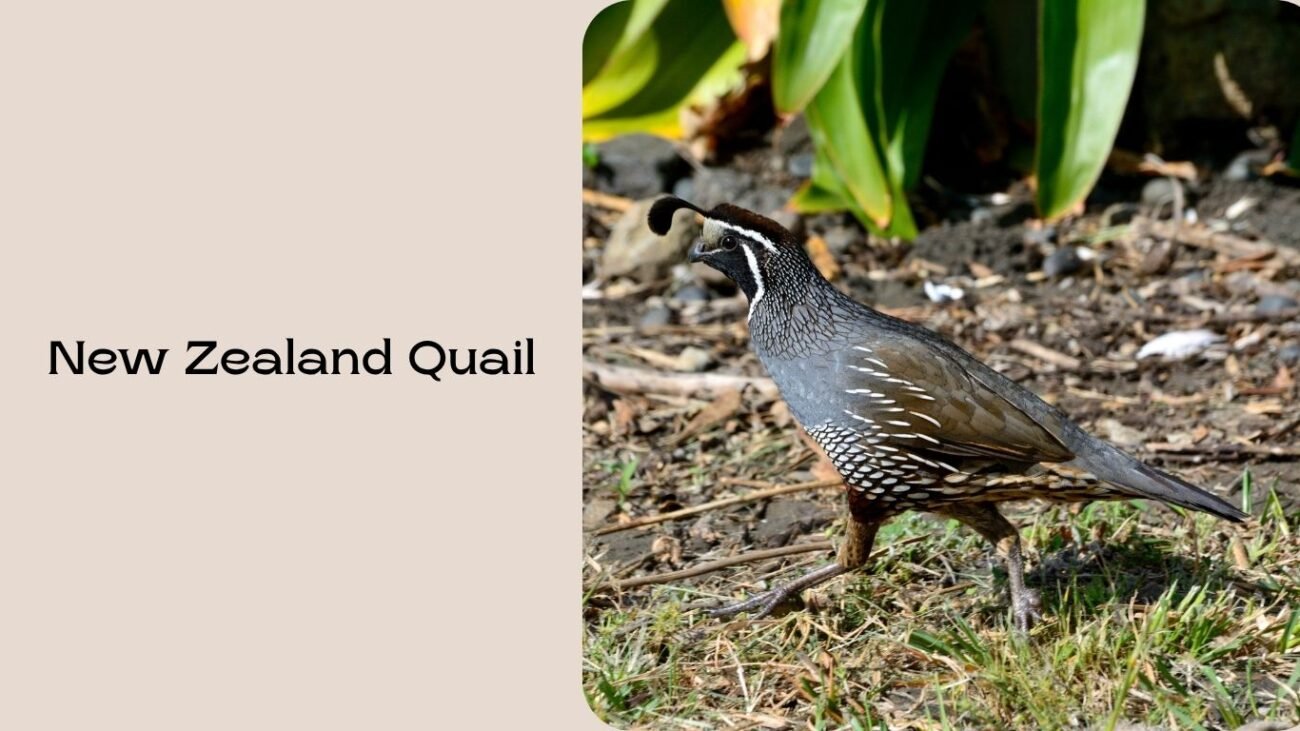
The New Zealand Quail, also known as Coturnix novaezelandiae, is an extinct species that was once native to New Zealand. It was last reliably seen in the 19th century and is known mostly from early descriptions and museum specimens.
Identification
- Small, round body with brown, speckled plumage
- Buff underparts and dark streaks on the back
- No crest or plume
- Similar in appearance to the Common Quail
- Estimated length: 6–7 inches
Habitat and Range
Historically found throughout New Zealand’s grasslands and open scrublands. It likely preferred areas with dense ground vegetation for cover and nesting.
Diet and Feeding
Though little is recorded, it likely fed on seeds, small insects, and green shoots—similar to other ground-dwelling quail species.
Breeding and Nesting
Very little is known about its breeding. It probably nested on the ground in grassy areas and laid small clutches of eggs. The species became extinct due to habitat loss and introduced predators.
17. Manipur Bush Quail
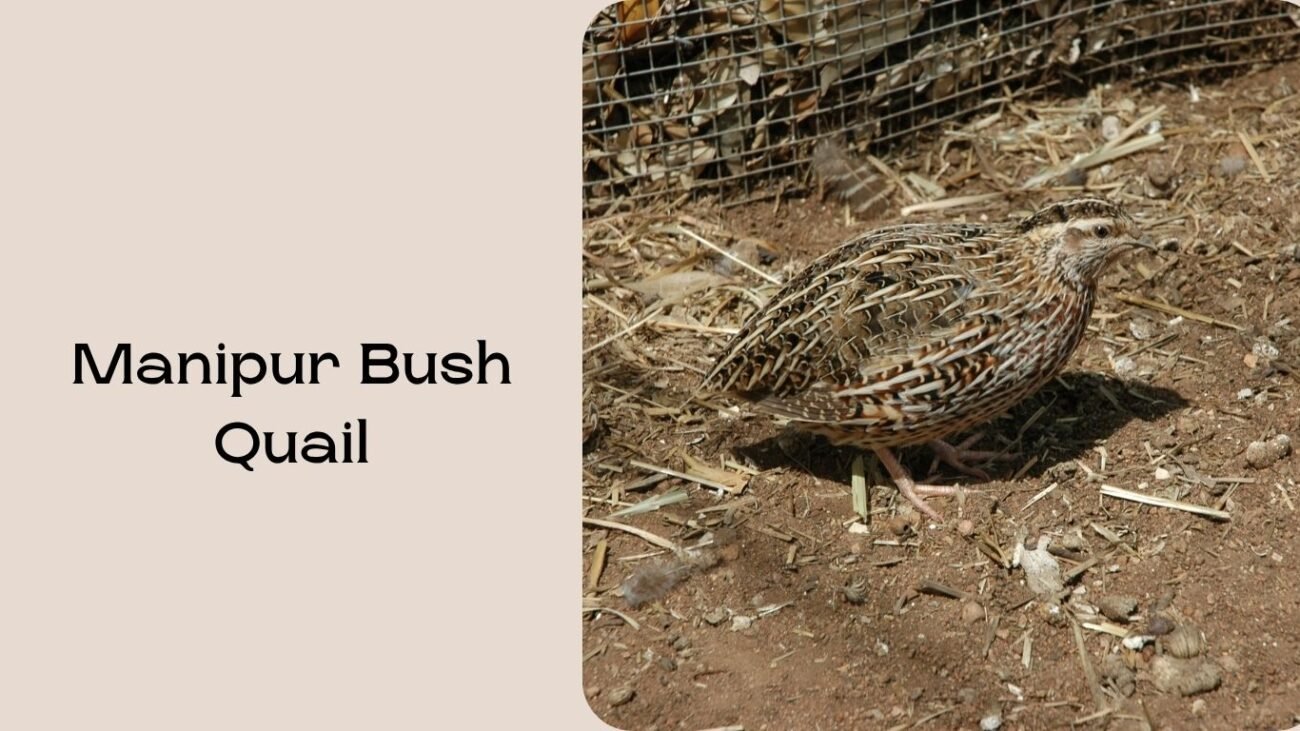
The Manipur Bush Quail is a small and elusive bird native to northeast India. Once thought to be extinct, it was rediscovered in 2006. Its secretive behavior and limited range make it one of the rarest quail species in Asia.
Identification
- Small, rounded body with brown and black mottled plumage
- Distinctive buff-colored eyebrow stripe
- Short tail and wings
- Slight scaling on the chest
- Measures around 6–7 inches long
Habitat and Range
Endemic to the lowland grasslands and bamboo thickets of Manipur and neighboring states in northeastern India. Prefers moist grasslands with tall cover and minimal disturbance.
Diet and Feeding
Feeds on seeds, small insects, and green shoots. It forages quietly in dense underbrush and is rarely seen in open areas.
Breeding and Nesting
Information is limited, but it likely breeds during or after the monsoon. The nest is probably a small depression on the ground, hidden in thick grass. Chicks are expected to be precocial, like other quail species.
18. Painted Bush Quail
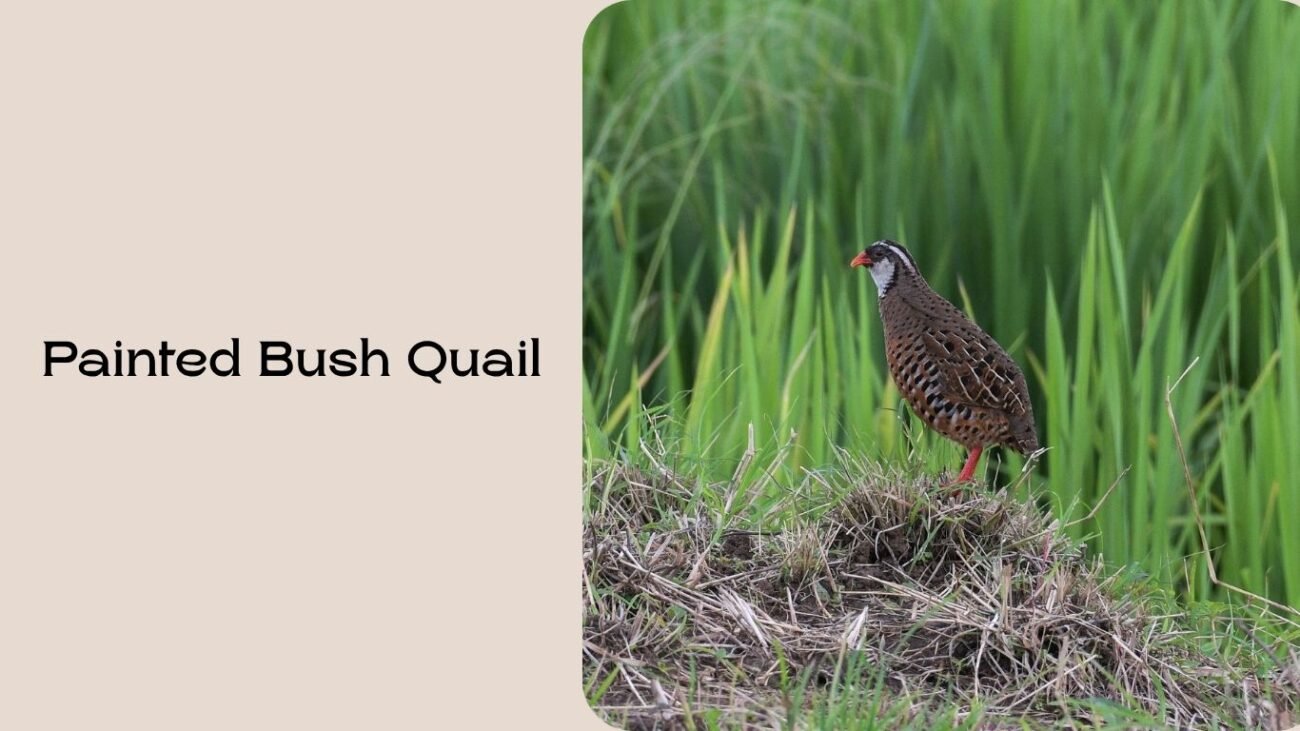
The Painted Bush Quail is a beautifully marked species native to the hill forests of southern India. Its vibrant colors and bold patterns make it one of the most striking quail in its range, though it is shy and often stays hidden in thick vegetation.
Identification
- Males have reddish face and throat with dark barring
- Females are duller with more uniform brown tones
- Compact body with short wings and tail
- Bright pink legs
- Size around 7–8 inches
Habitat and Range
Found in the Western Ghats and southern hill regions of India. It inhabits dense forest undergrowth, bamboo thickets, and grassy hillsides, often at elevations above 1000 meters.
Diet and Feeding
Feeds on seeds, tender shoots, and small insects. Forages in small groups, scratching at the forest floor under cover, especially in early morning or late afternoon.
Breeding and Nesting
Breeds during the monsoon season. The female lays 4 to 6 eggs in a shallow ground nest. Chicks hatch fully feathered and follow parents soon after birth.
19. Chinese Blue-Breasted Quail
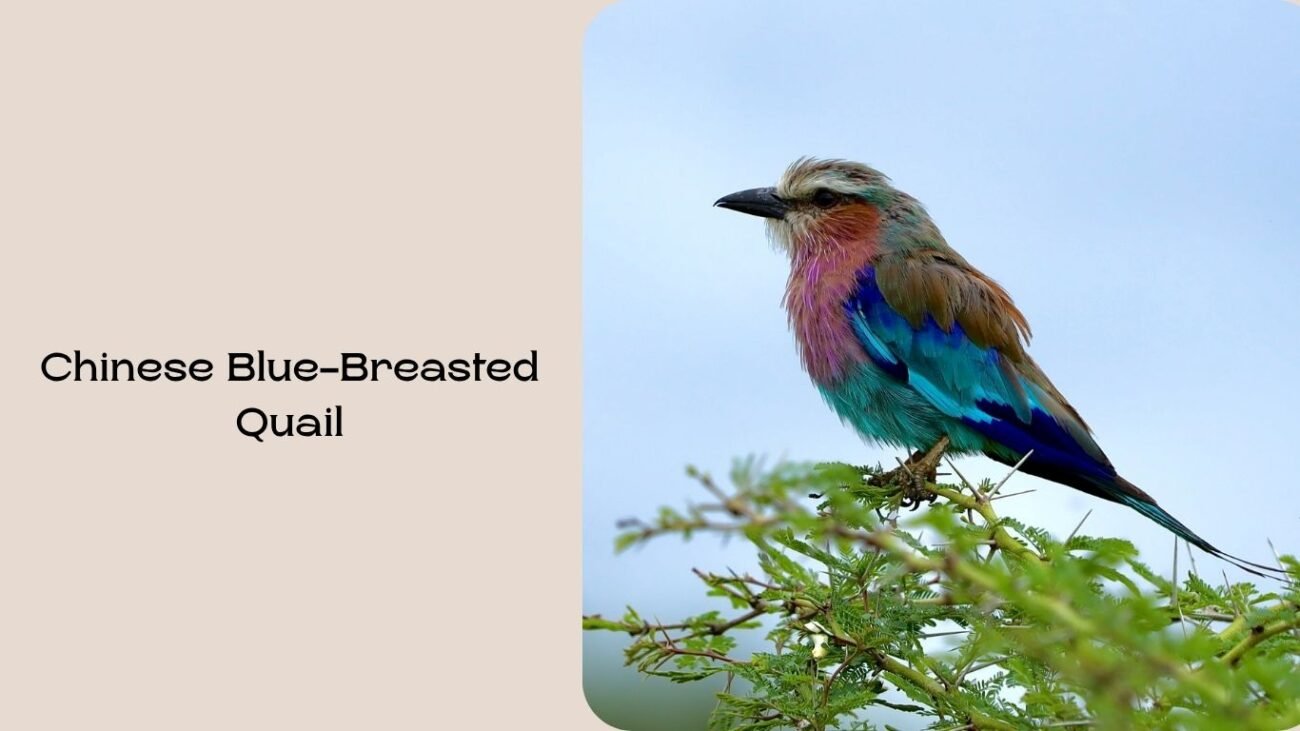
Also known as the King Quail or Button Quail, the Chinese Blue-Breasted Quail is a tiny, colorful bird often kept in aviaries. Though it appears delicate, it is hardy and breeds readily in captivity.
Identification
- Males have bright blue chest and reddish flanks
- Females are brown with faint barring
- Small size: around 4.5–5 inches
- Short tail and rounded wings
- Black face mask in males
Habitat and Range
Native to South and Southeast Asia, including China, India, and parts of Indonesia. Prefers grasslands, rice paddies, and lightly forested areas with dense ground cover.
Diet and Feeding
Eats small seeds, grains, insects, and greens. In captivity, they thrive on a balanced diet of game bird feed, millet, and fresh greens.
Breeding and Nesting
Highly prolific in captivity. Females lay 5 to 8 eggs in concealed nests, which hatch in about 16–18 days. Chicks are very active and grow quickly.
20. Black-breasted Buttonquail
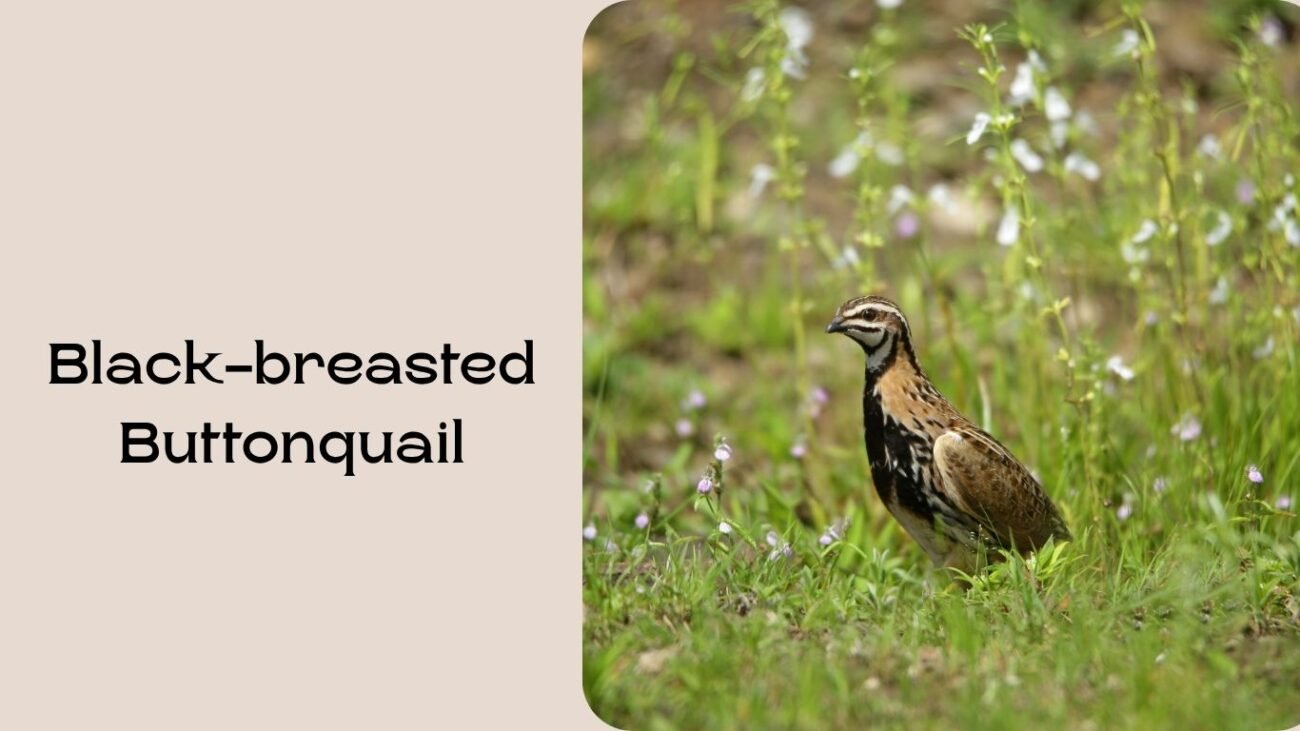
The Black-breasted Buttonquail is a unique and rare species found only in parts of eastern Australia. Despite the name, it is not a true quail but closely resembles one in behavior and appearance. It is most famous for its reverse sexual dimorphism—females are larger and more colorful than males.
Identification
- Females have bold black breast with white spotting
- Males are duller with less contrast in markings
- Reddish-brown back with streaks and mottling
- Short tail, rounded wings
- About 7–9 inches long
Habitat and Range
Found in dry rainforests and dense vine thickets of southeastern Queensland and northeastern New South Wales. It prefers forest floors with thick leaf litter and cover.
Diet and Feeding
Feeds primarily on invertebrates like ants, beetles, and worms. It creates characteristic circular scratch marks, known as “platelets,” while foraging on the forest floor.
Breeding and Nesting
Unlike most quail, the female initiates courtship and the male incubates the eggs. The nest is a shallow scrape lined with leaves, where the male incubates 3 to 4 eggs and raises the chicks alone.