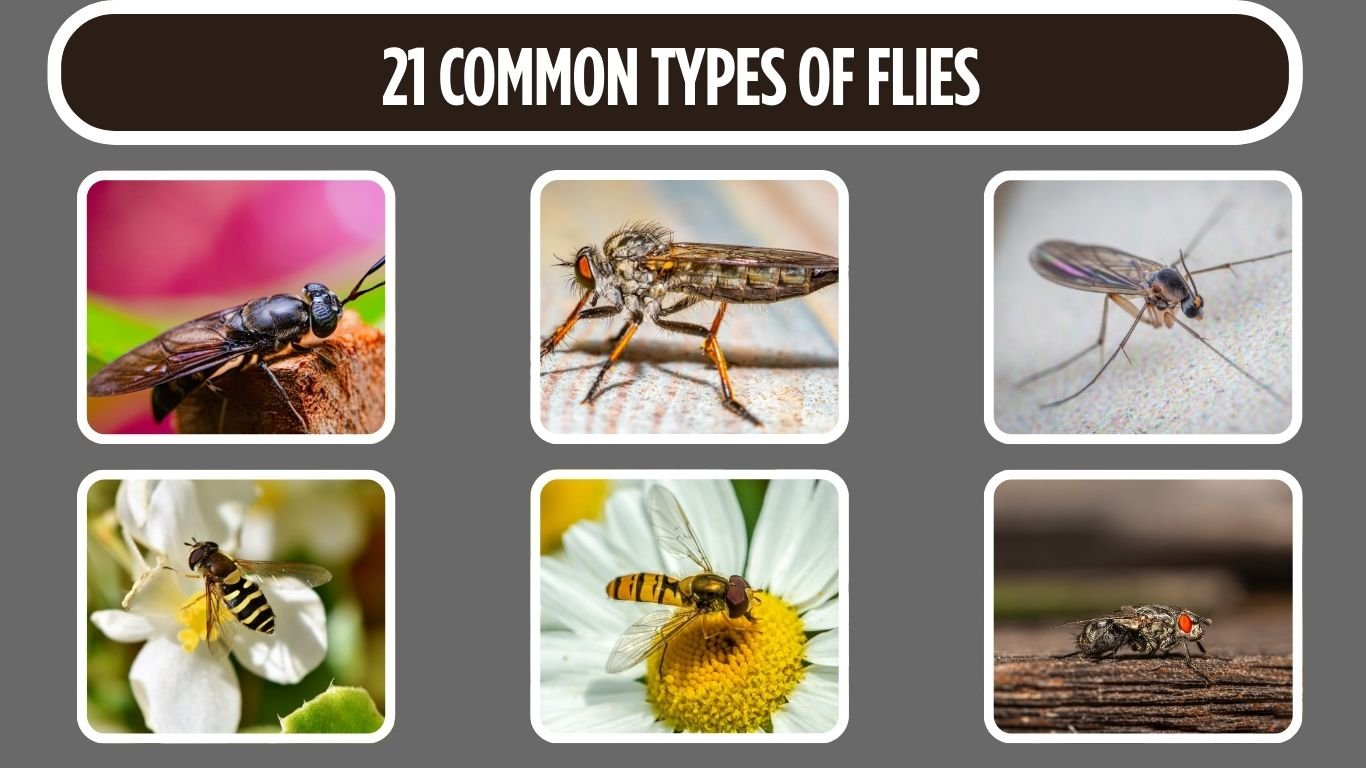
Flies are more than just a nuisance—they come in many forms, each with unique habits, habitats, and health impacts. Some are harmless pollinators, while others spread disease or bite humans and animals. In this guide, you’ll find 21 of the most common fly types found around homes, gardens, farms, and forests. Each section explains how to identify them, where they live, how they reproduce, and whether they pose any risks.
1. House Fly

The house fly (Musca domestica) is one of the most widespread and recognizable flies in the world. Found in homes, farms, restaurants, and garbage sites, they are known carriers of disease and reproduce rapidly in unsanitary environments.
Identification
- Medium size: about 6–7 mm long
- Gray thorax with four dark stripes
- Slightly hairy body
- Large, reddish compound eyes
- Sponging mouthparts (no biting)
- Transparent wings with minimal veining
Habitat and Behavior
House flies thrive near human activity. They breed in decaying organic matter such as food waste, feces, and garbage. Indoors, they’re usually found near windows, kitchens, and trash bins. Outdoors, they hover around compost piles, animal waste, and dumpsters.
Reproduction
Females lay hundreds of eggs at a time, often in moist, rotting material. These eggs hatch into maggots within a day. The full lifecycle—from egg to adult—can take as little as a week in warm environments.
Health Risks
House flies are mechanical carriers of bacteria and viruses. They can contaminate food and surfaces simply by landing on them, spreading diseases like salmonella, E. coli, and typhoid.
2. Fruit Fly

Fruit flies (Drosophila melanogaster) are tiny flies commonly found around ripe or decaying fruits and vegetables. Their rapid reproduction and attraction to fermenting materials make them a frequent indoor nuisance, especially in kitchens and pantries.
Identification
- Very small: about 3–4 mm long
- Tan or yellowish body
- Bright red or dark-colored eyes
- Clear wings
- Rounded abdomen with fine hairs
Habitat and Behavior
Fruit flies are drawn to sugary, fermenting substances. They often enter homes through produce or open doors and windows. Once inside, they hover near fruit bowls, garbage disposals, drains, and recycling bins.
Reproduction
Fruit flies lay their eggs on moist, fermenting organic material. A single female can lay hundreds of eggs, which hatch into larvae within 24 hours. Full development to adult flies takes about 7–10 days.
Health Risks
While not dangerous, fruit flies can carry bacteria from contaminated surfaces to clean areas, especially food prep zones. Their presence indicates poor sanitation or overripe organic matter.
3. Drain Fly

Drain flies, also known as moth flies, are small, fuzzy insects that breed in the organic sludge lining drainpipes. Though harmless, their presence can indicate plumbing issues or biofilm buildup.
Identification
- Size: 2–5 mm
- Fuzzy, moth-like wings
- Gray or tan color
- Slow, hovering flight
- Wings form a roof shape when at rest
Habitat and Behavior
Drain flies breed in the gelatinous organic matter found in drains, sewers, and sump pits. They are commonly seen near sinks, bathtubs, and floor drains. Unlike other flies, they are poor fliers and often crawl along surfaces.
Reproduction
Females lay eggs in drain scum or biofilm. Larvae feed on bacteria and organic buildup inside pipes. The full life cycle can range from 1 to 3 weeks depending on temperature and conditions.
Health Risks
Drain flies don’t spread disease directly, but their breeding ground—sewage or scum—can host harmful bacteria. Their presence suggests it’s time to clean your drains thoroughly.
4. Blow Fly

Blow flies are large, metallic-colored flies often found near decaying meat, carcasses, and garbage. They play a role in decomposition but are also known to spread bacteria.
Identification
- Size: 8–14 mm
- Metallic blue, green, or bronze body
- Large red eyes
- Transparent wings with visible veins
- Buzzing flight sound
Habitat and Behavior
These flies are commonly found outdoors near animal remains, open trash, and compost bins. Indoors, they may enter through open doors and windows, especially if there is exposed meat or waste.
Reproduction
Females lay eggs on dead animals, meat scraps, or garbage. Maggots hatch quickly and feed on decaying organic matter. Blow flies are among the first insects to arrive at decomposing bodies.
Health Risks
Blow flies are known to transmit bacteria such as E. coli and Salmonella. They can contaminate food and surfaces, posing health risks in homes, farms, and food establishments.
5. Bottle Fly

Bottle flies are a type of blow fly but are often specifically recognized by their bright metallic appearance. They are fast fliers and usually indicate the presence of decaying matter nearby.
Identification
- Size: 10–14 mm
- Shiny metallic green or blue body
- Black legs and clear wings
- Large compound eyes
- Fast, noisy fliers
Habitat and Behavior
Bottle flies are found near garbage, dead animals, and pet waste. They are common around outdoor dumpsters and may enter homes if food is left uncovered or windows are open.
Reproduction
They lay eggs in decomposing meat, dead animals, and waste. The maggots hatch rapidly and begin feeding. Their lifecycle is quick—under 10 days in warm conditions.
Health Risks
These flies are major carriers of pathogens due to their preference for decaying material. They can spread bacteria to food and kitchen surfaces, leading to health hazards.
6. Horse Fly
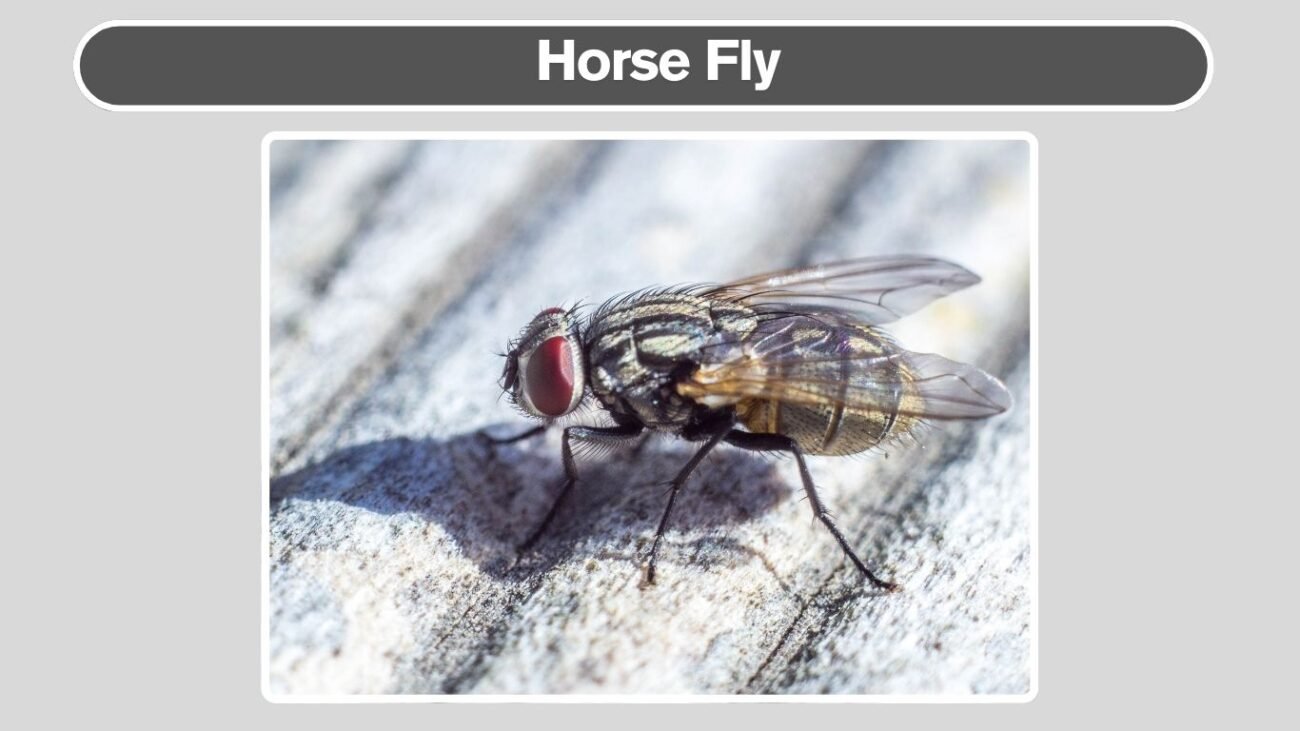
Horse flies are large, strong fliers known for their painful bites. Unlike house flies, female horse flies feed on blood, making them a nuisance for both humans and animals.
Identification
- Size: 10–25 mm
- Gray or black body with green or purple eyes
- Short antennae
- Large, clear or smoky wings
- Females have blade-like mouthparts for biting
Habitat and Behavior
Horse flies are usually found near water sources like ponds, wetlands, or rivers. They are active during warm months and are often seen hovering around livestock, humans, or shaded outdoor areas.
Reproduction
Females lay eggs on vegetation or wet soil near water. Larvae hatch and develop in moist environments. The full lifecycle can take weeks to months, depending on conditions.
Health Risks
Their bites are painful and can cause swelling, allergic reactions, or secondary infections. They can also transmit diseases to livestock, making them a concern in rural and farm settings.
7. Deer Fly
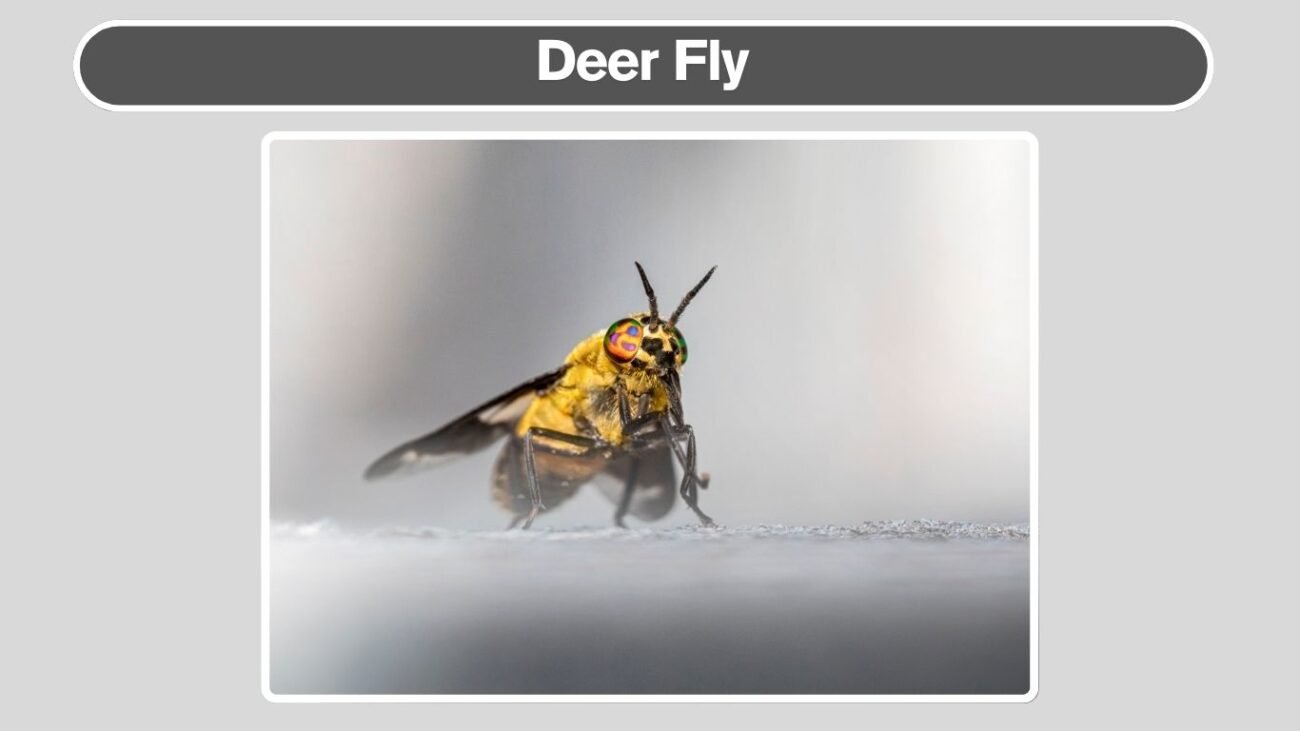
Deer flies are smaller relatives of horse flies but just as aggressive. Known for their painful, blood-feeding bites, they are especially active in wooded and marshy areas.
Identification
- Size: 6–12 mm
- Yellow to brown body with dark bands on wings
- Bright green or gold eyes
- Short, stabbing mouthparts
- Slower fliers than horse flies
Habitat and Behavior
Deer flies are commonly found in forests, marshes, and fields. They tend to circle around heads and shoulders before landing to bite, making them a frequent nuisance to hikers and outdoor workers.
Reproduction
Eggs are laid on plants near moist soil or water. Larvae live in wet environments and feed on decaying organic matter or small invertebrates. Adults are active mainly in summer.
Health Risks
Bites can be painful and itchy, and may lead to allergic reactions or infections. Deer flies are also known vectors of tularemia, a bacterial infection affecting humans and animals.
8. Cluster Fly

Cluster flies are slow-moving flies that often invade homes in large numbers, especially during cooler months. They seek warmth and shelter, commonly clustering in attics, wall voids, or windows.
Identification
- Size: 8–10 mm
- Dark gray body with golden or yellowish hairs
- Overlapping wings when at rest
- Sluggish flight
- Slightly larger and darker than house flies
Habitat and Behavior
Cluster flies typically live outdoors in warmer seasons but move indoors to overwinter. They are found in upper levels of homes, behind curtains, in ceiling lights, and around windows.
Reproduction
Eggs are laid in soil where earthworms are present. The larvae are parasitic to earthworms and develop underground. Adults emerge in summer and seek shelter in fall.
Health Risks
Cluster flies are not harmful to humans or pets, but they are considered a nuisance. Dead flies can attract other pests, and large infestations may require professional control.
9. Stable Fly

Stable flies resemble house flies but are blood feeders, and their bites are painful. They are common near livestock and are known for biting the legs of both animals and humans.
Identification
- Size: 5–8 mm
- Gray body with dark spots on the abdomen
- Prominent, protruding mouthparts
- Slightly checkered appearance on back
- Resemble house flies but with biting mouthparts
Habitat and Behavior
Stable flies are found around barns, stables, pastures, and animal shelters. They rest on walls, fences, and vegetation. They prefer to bite legs and ankles, often in shaded or low areas.
Reproduction
Females lay eggs in moist, decaying organic matter, especially soiled bedding or compost. Larvae develop in wet straw, manure, or grass clippings. Their lifecycle is typically completed in 3–4 weeks.
Health Risks
Stable fly bites are painful and can cause stress and blood loss in livestock. In humans, bites lead to irritation and swelling. They are also potential vectors for animal diseases.
10. Flesh Fly

Flesh flies are often found near decaying organic material, including dead animals, garbage, and open wounds. They are named for their habit of laying live larvae (maggots) on decaying flesh rather than eggs.
Identification
- Size: 8–14 mm
- Grayish-black body with three dark stripes on the thorax
- Red eyes
- Checkered abdomen
- Fast, direct flight
Habitat and Behavior
These flies are commonly found near garbage bins, carrion, and in animal housing areas. Indoors, they may appear near dead rodents, wall voids, or other hidden decay sources.
Reproduction
Instead of laying eggs, females deposit live larvae directly onto decaying flesh or open wounds. The larvae begin feeding immediately and complete development in under a week in warm conditions.
Health Risks
Flesh flies can spread bacteria and are known to contaminate food and surfaces. In rare cases, they may cause myiasis, an infection resulting from larvae infesting living tissue.
11. Phorid Fly

Phorid flies, sometimes called humpbacked flies, are small indoor pests that resemble fruit flies but are more erratic in their movements. They thrive in unsanitary, moist environments.
Identification
- Size: 0.5–6 mm
- Dark brown or black body
- Characteristic humpbacked shape
- Short antennae
- Rapid, darting flight
Habitat and Behavior
They breed in drains, garbage, rotting food, decaying plant matter, and sewage leaks. Indoors, they are often found near trash bins, floor drains, or under leaky sinks.
Reproduction
Eggs are laid in organic material, especially decaying waste. Larvae feed and develop in moist environments. Phorid flies can complete a life cycle in 10–20 days.
Health Risks
Phorid flies are known to spread bacteria and are a concern in hospitals, kitchens, and food facilities. Large infestations are linked to plumbing or structural sanitation issues.
12. Fungus Gnat
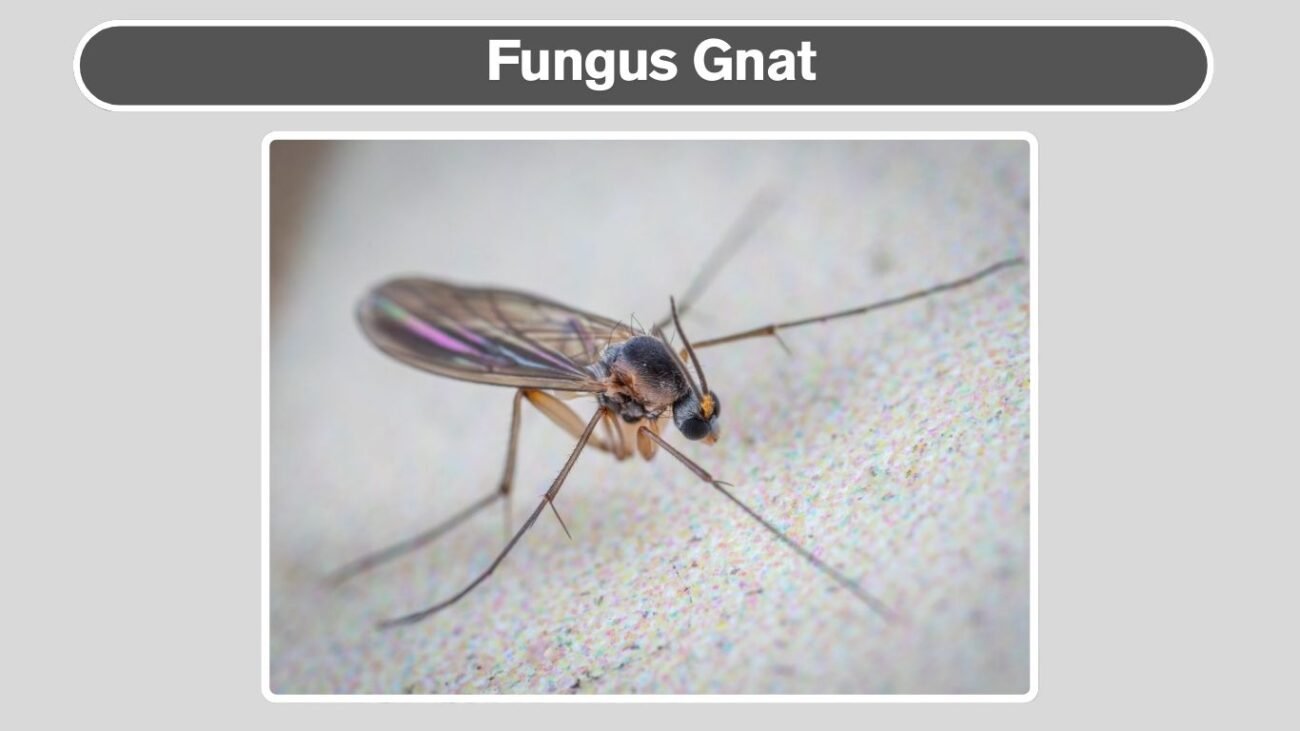
Fungus gnats are small flies commonly found indoors around houseplants. They are weak fliers and more of a nuisance than a threat, though heavy infestations can harm plant roots.
Identification
- Size: 2–5 mm
- Slender black or dark gray body
- Long legs and antennae
- Clear wings with a distinct Y-shaped vein
- Slow, hovering flight near soil
Habitat and Behavior
Fungus gnats thrive in moist, overwatered soil rich in organic matter. They are commonly seen around indoor plants, especially in greenhouses, nurseries, and homes with potted plants.
Reproduction
Females lay eggs in the top layer of moist soil. Larvae feed on fungi and decaying plant matter, and in heavy numbers, they can damage plant roots. The full lifecycle lasts about 3–4 weeks.
Health Risks
Fungus gnats are harmless to humans but can cause damage to seedlings and houseplants. Their presence also indicates overwatering or poor soil drainage.
13. Sand Fly

Sand flies are small, blood-feeding insects found in tropical and subtropical areas. Some species can transmit serious diseases, such as leishmaniasis.
Identification
- Size: 2–3 mm
- Pale brown or yellowish body
- Hairy wings held V-shaped when at rest
- Short legs
- Weak, hopping flight
Habitat and Behavior
Sand flies prefer warm, humid climates and breed in organic-rich soil, leaf litter, or animal burrows. They are active from dusk to dawn and are usually found in forested or rural environments.
Reproduction
Eggs are laid in moist environments rich in organic debris. Larvae develop through four stages before pupating. The full life cycle can take several weeks, depending on environmental conditions.
Health Risks
Female sand flies bite and can transmit parasitic diseases like leishmaniasis. Their bites may also cause allergic reactions, swelling, and itching. Preventing bites is important in endemic regions.
14. Tsetse Fly

Tsetse flies are blood-feeding insects found mainly in sub-Saharan Africa. They are best known for transmitting trypanosomiasis, also called sleeping sickness, which affects both humans and animals.
Identification
- Size: 6–14 mm
- Grayish-brown body with a long, slender proboscis
- Distinctive wing pattern with overlapping wings when at rest
- Large compound eyes
- Biting mouthparts
Habitat and Behavior
Tsetse flies live in wooded, grassy, and riverine areas. They are active during daylight hours and are attracted to movement, dark clothing, and body heat. Both males and females feed on blood.
Reproduction
Unlike most flies, tsetse flies give birth to live larvae instead of laying eggs. The larva pupates in soil, and the adult emerges after several weeks. The reproductive rate is low compared to other flies.
Health Risks
Tsetse flies are the primary vector of sleeping sickness in humans and Nagana in livestock. Their bite can also cause painful skin reactions and swelling even when no disease is transmitted.
15. Black Fly

Black flies are small, dark-colored flies known for their painful bites. They are found near flowing water and are most active during spring and early summer.
Identification
- Size: 1–5 mm
- Dark, hump-backed body
- Short antennae
- Broad wings with few veins
- Females bite; males feed on nectar
Habitat and Behavior
Black flies lay eggs in fast-moving streams and rivers. Adults stay close to these breeding sites and are most active during daylight, especially in the morning and evening. Swarms are common in wooded or rural areas.
Reproduction
Females lay hundreds of eggs on rocks or vegetation near water. Larvae attach themselves to submerged surfaces and feed on organic particles. Adults emerge after pupation and begin seeking hosts.
Health Risks
Bites are painful and may cause itching, swelling, or allergic reactions. In some regions, black flies can transmit parasitic diseases such as river blindness (onchocerciasis) to humans.
16. Crane Fly

Crane flies are often mistaken for giant mosquitoes due to their long legs and slender bodies, but they are harmless and do not bite or sting.
Identification
- Size: 15–25 mm (some species larger)
- Very long, fragile legs
- Slender, mosquito-like body
- Brown or gray color
- Slow, wobbly flight
Habitat and Behavior
Crane flies are commonly found in gardens, lawns, and damp grassy areas. Indoors, they are usually seen near windows or lights. Adults are short-lived and mainly focused on mating.
Reproduction
Females lay eggs in moist soil or grass. The larvae, known as leatherjackets, live underground and feed on plant roots and decaying organic matter.
Health Risks
Crane flies are not harmful to humans or pets. However, large numbers of larvae can damage turfgrass by feeding on roots, especially in lawns and golf courses.
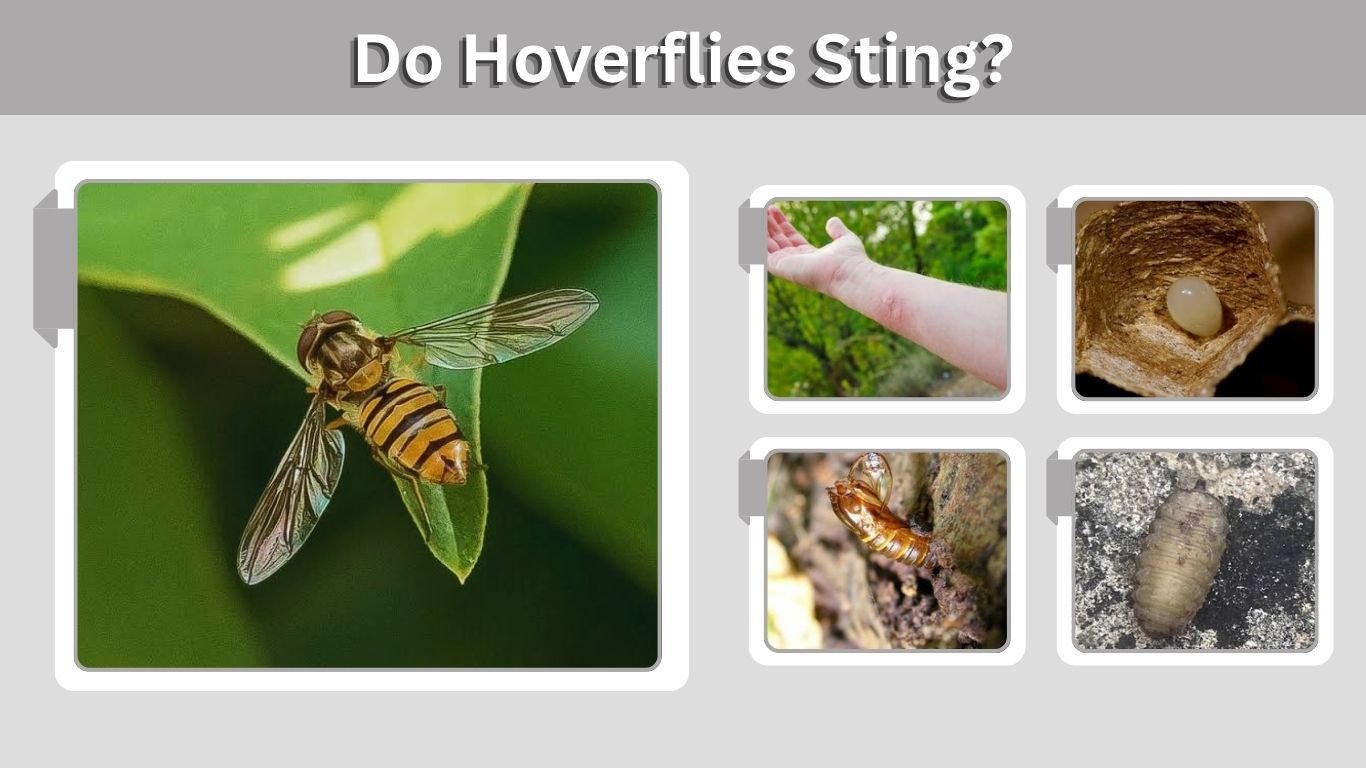
17. Hover Fly

Hover flies, also known as flower flies, are beneficial insects often mistaken for bees or wasps due to their black and yellow markings. They do not sting or bite.
Identification
- Size: 6–12 mm
- Black and yellow striped body
- Large eyes and short antennae
- Rapid, hovering flight
- Resemble bees or wasps in appearance
Habitat and Behavior
Hover flies are commonly seen hovering around flowers, feeding on nectar and pollen. They are active during the day and are beneficial pollinators in gardens and farms.
Reproduction
Females lay eggs near aphid colonies. Larvae feed on aphids and other small pests, making them helpful in natural pest control.
Health Risks
Hover flies are harmless to humans. In fact, they are considered beneficial due to their role in pollination and pest control.
18. Robber Fly
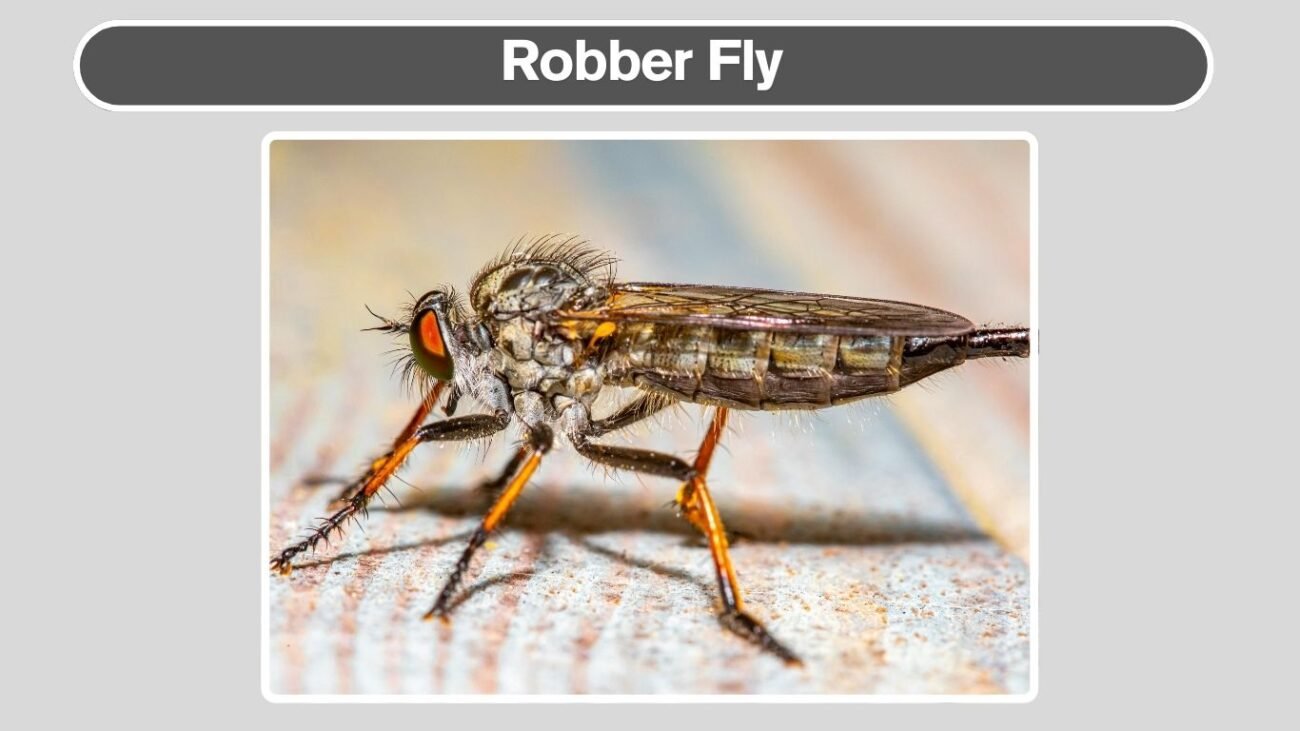
Robber flies are aggressive predatory insects that feed on other flies and insects. They are fast, strong fliers and often seen in open, sunny areas like fields and meadows.
Identification
- Size: 10–30 mm
- Bristly body, often gray or brown
- Long legs and a strong, pointed proboscis
- Prominent eyes
- Hairy face with “beard” appearance
Habitat and Behavior
Robber flies perch on twigs, fences, or other exposed spots while scanning for prey. Once they spot a target, they capture it midair and inject it with saliva to immobilize and digest.
Reproduction
Females lay eggs in soil, plant matter, or rotting wood. Larvae are predatory and feed on other insect larvae underground or within decaying material.
Health Risks
Robber flies do not pose a threat to humans but may bite if handled. Their aggressive predation actually helps control populations of pest insects.
19. March Fly
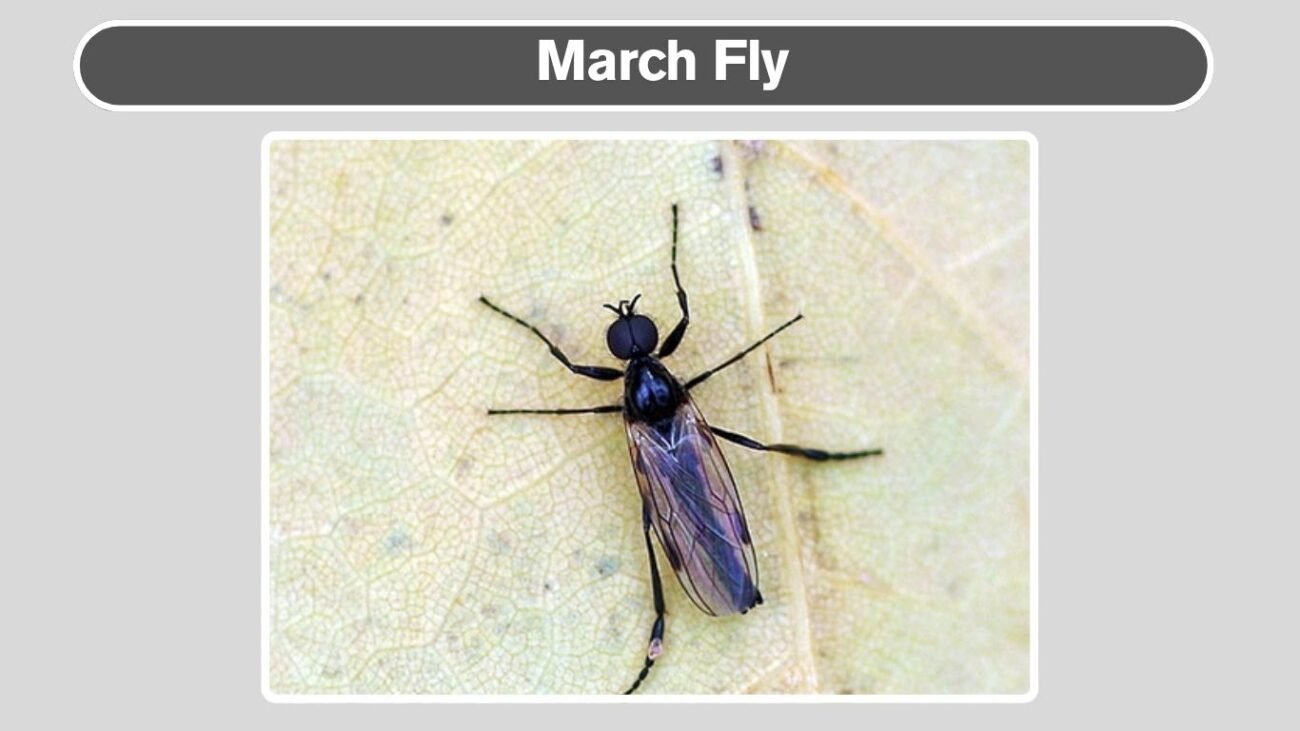
March flies are stout-bodied, blood-feeding flies named for their peak activity in spring. Females bite, while males typically feed on nectar.
Identification
- Size: 8–15 mm
- Black or dark brown body
- Transparent or dark-tinted wings
- Short antennae
- Noisy, heavy fliers
Habitat and Behavior
March flies are found in grassy, wetland, or wooded areas, especially near water sources. They are active during warm, humid months and often swarm in large numbers.
Reproduction
Eggs are laid in moist soil or vegetation. Larvae feed on decaying plant matter or roots before pupating and emerging as adults.
Health Risks
Bites from March flies can be painful and may cause swelling or allergic reactions. Though not major disease carriers, their bites can lead to irritation or secondary infections.
20. Bee Fly
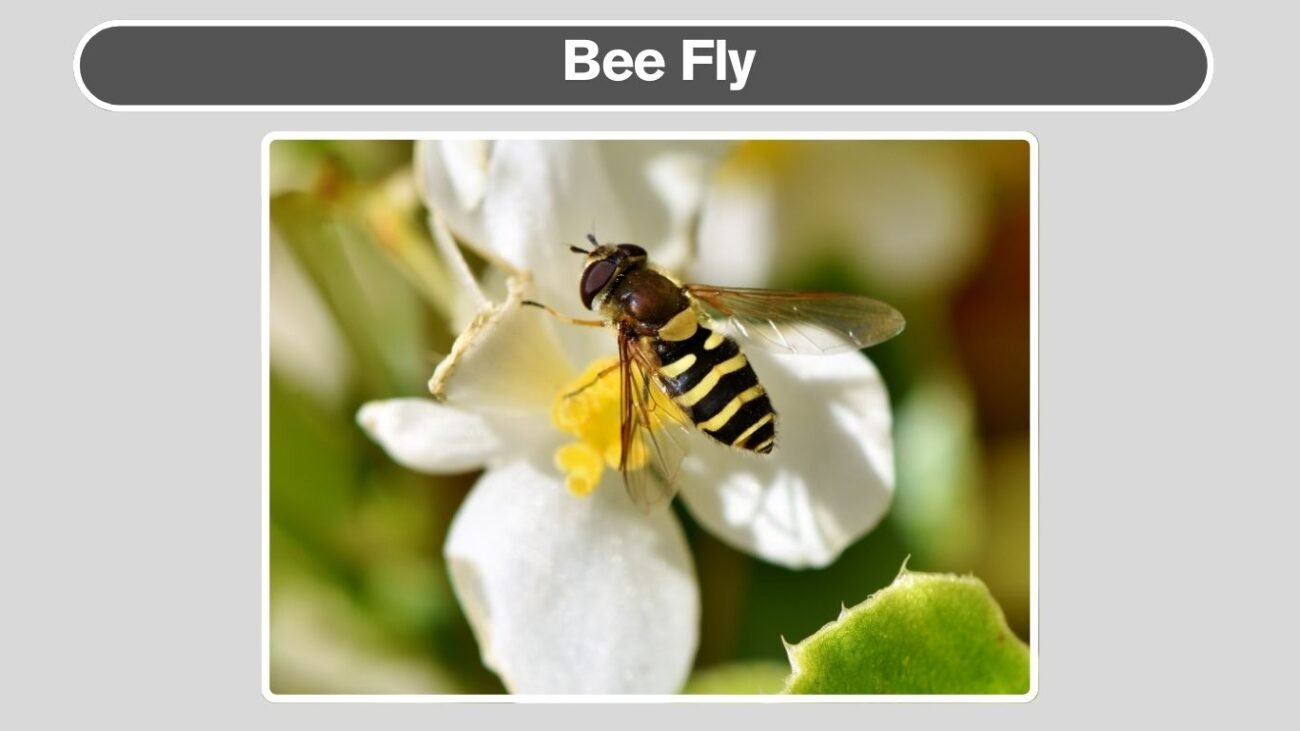
Bee flies are fuzzy, bee-mimicking insects that feed on nectar but lay their eggs near other insects’ nests. Their larvae parasitize host insects, making them a unique part of the ecosystem.
Identification
- Size: 6–12 mm
- Round, hairy body resembling a bee
- Long, slender proboscis for feeding
- Transparent or patterned wings
- Fast, hovering flight
Habitat and Behavior
Bee flies are commonly found in meadows, gardens, and dry open areas. They hover near flowers during the day and feed on nectar and pollen. Despite their appearance, they are harmless and beneficial pollinators.
Reproduction
Females lay eggs near the entrances of solitary bee nests or burrows. After hatching, the larvae invade the host nest and consume bee larvae or stored food.
Health Risks
Bee flies do not bite or sting and pose no risk to humans. They are valuable pollinators and help maintain insect population balance.
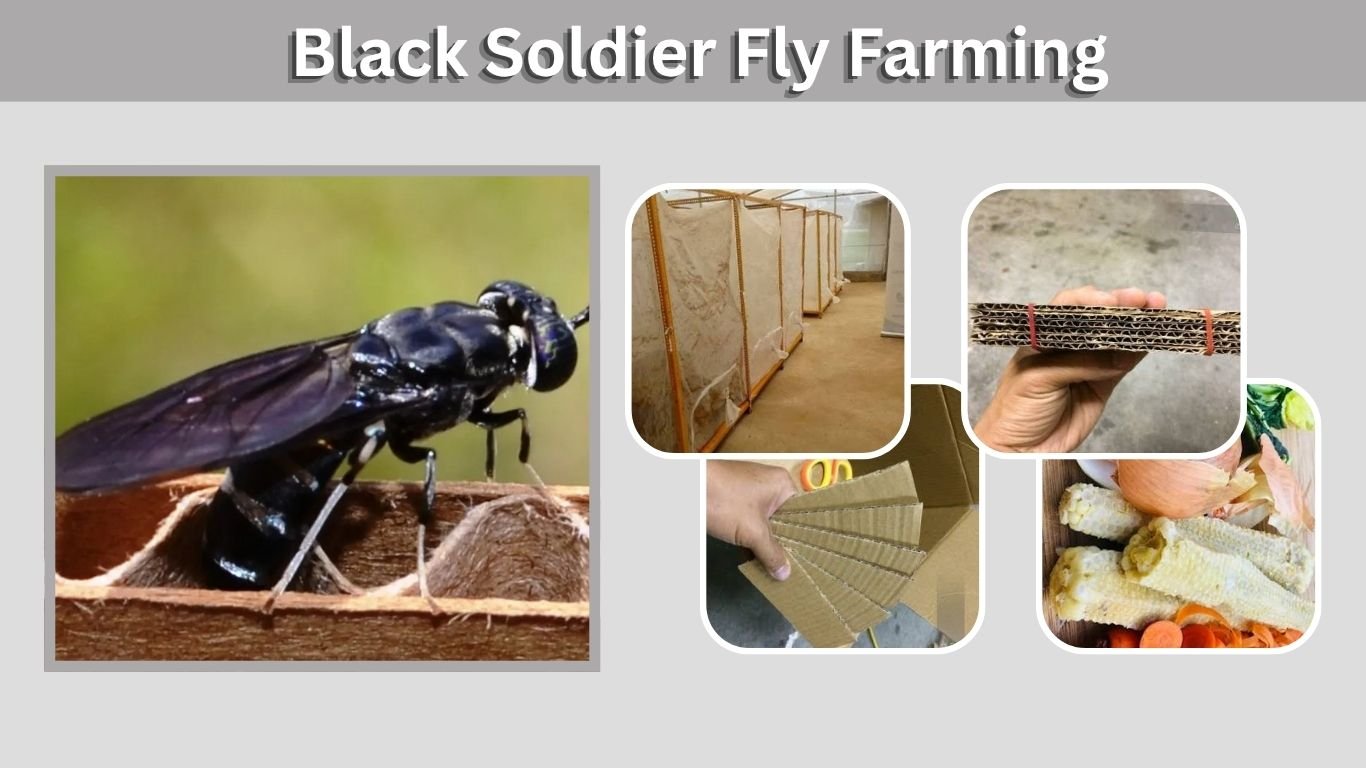
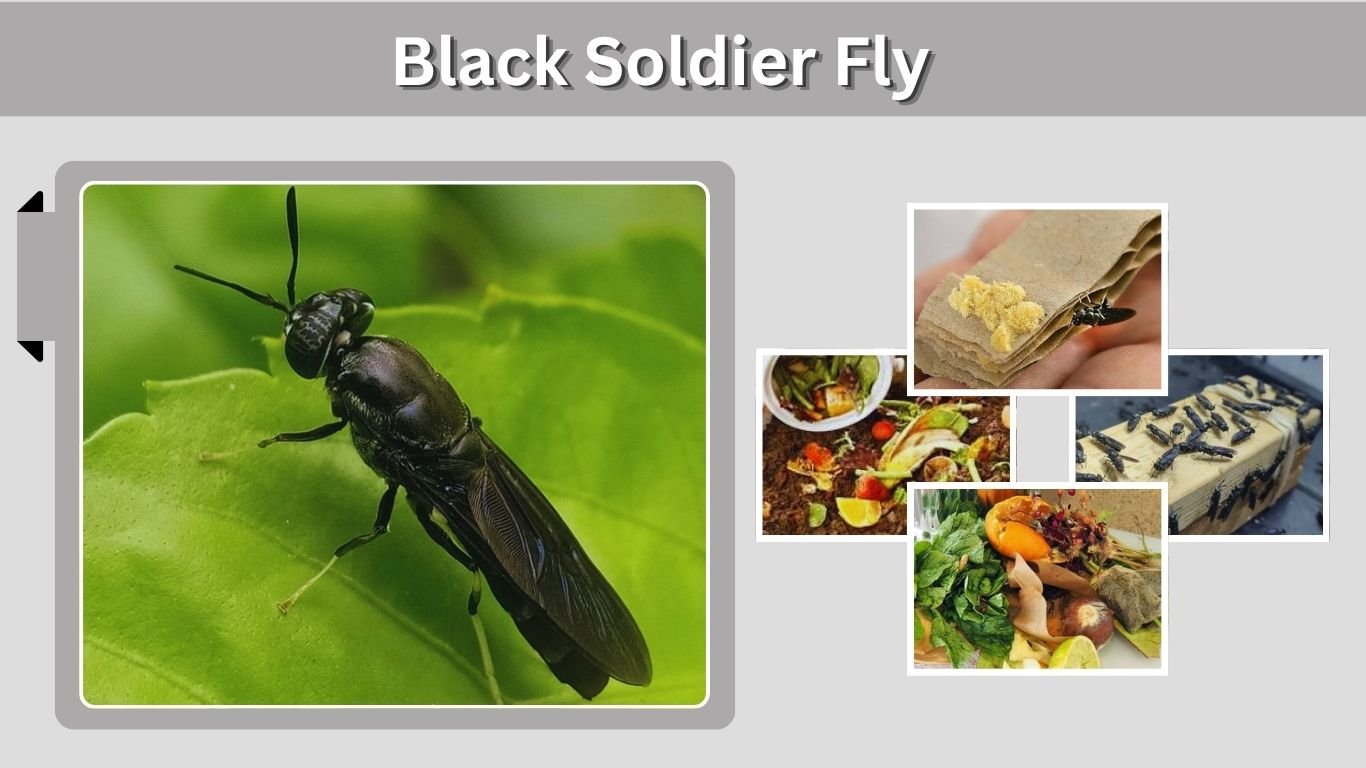
21. Soldier Fly
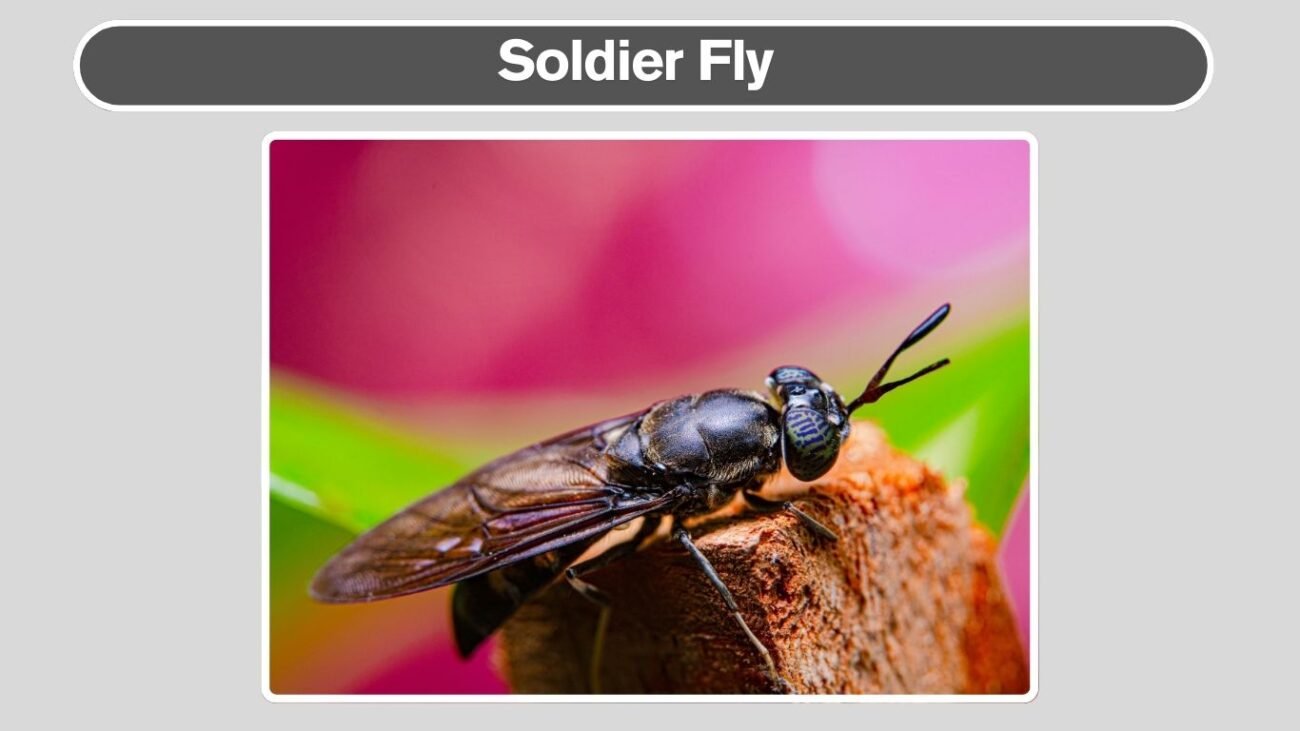
Soldier flies are often mistaken for wasps due to their black and yellow markings. They are not aggressive and are primarily found around compost or decaying organic material.
Identification
- Size: 8–16 mm
- Black or metallic green/blue body
- Clear or slightly smoky wings
- Short antennae and long legs
- Wasp-like appearance
Habitat and Behavior
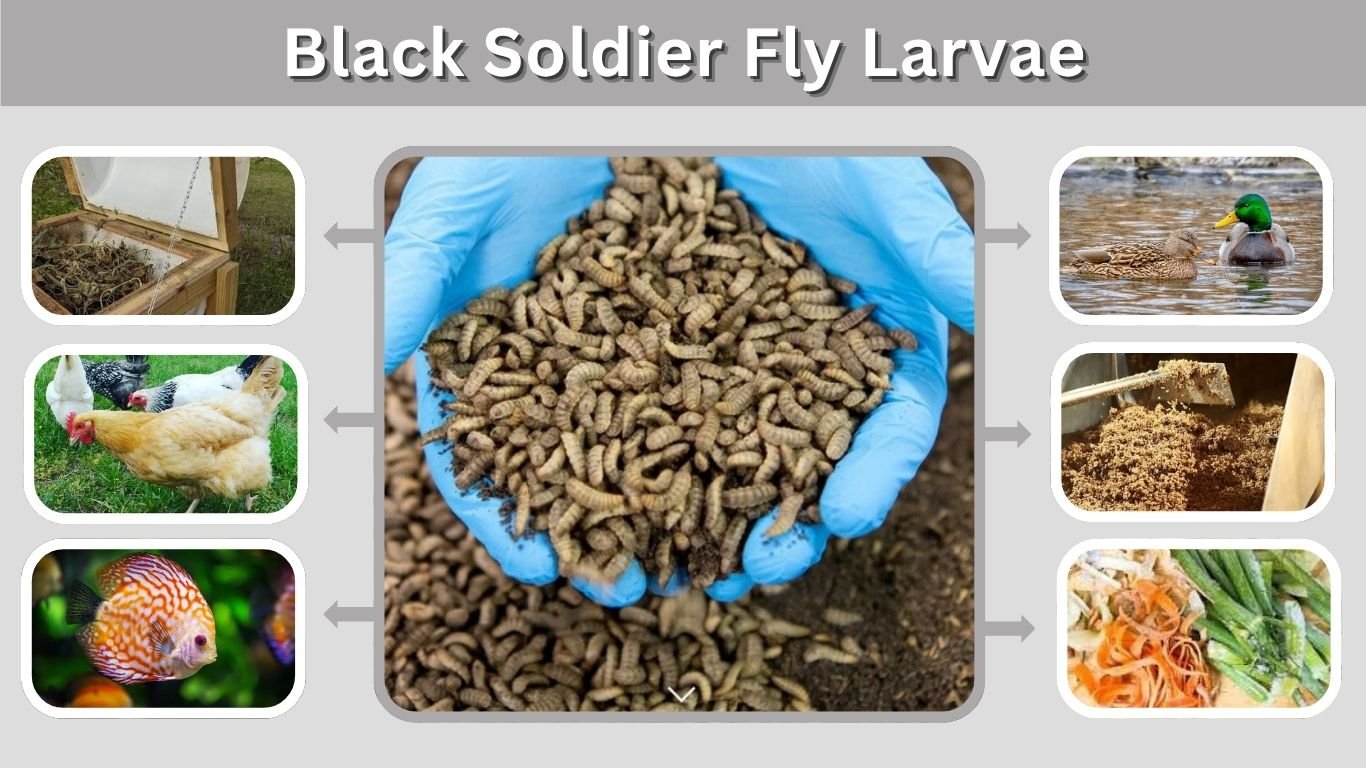
They are typically found around compost piles, manure, and decaying plant material. Soldier fly larvae are excellent decomposers and help break down organic waste efficiently.
Reproduction
Females lay eggs in decaying organic matter. Larvae (grubs) feed on waste and are often used in composting systems. The adult stage is short-lived and focused on reproduction.
Health Risks
Soldier flies are not harmful to humans. In fact, their larvae are beneficial in composting and waste management, contributing to natural recycling processes.