The brown recluse spider is one of the most feared spiders in the United States, primarily because of its venomous bite and the unsettling stories that surround it. But how do you know if you’ve actually seen one? Most people confuse harmless house spiders with the brown recluse, leading to unnecessary panic or even costly pest treatments.
This guide will walk you through the step-by-step process of identifying a brown recluse spider, using clear descriptions of its physical features, behaviors, and habitat clues—so you can tell the difference between real threats and harmless lookalikes.
Step 1: Know Their Native Range

Before diving into appearance, the first step in identification is location. Brown recluse spiders (Loxosceles reclusa) are not found everywhere.
Where They’re Commonly Found
They are native to the central and southern United States, especially in:
- Missouri
- Arkansas
- Kansas
- Oklahoma
- Texas
- Illinois
- Kentucky
- Tennessee
If you live in these areas, it’s reasonable to investigate further. However, brown recluse spiders are rarely found in states like California, Oregon, Washington, or the northeastern U.S. unless transported by accident.
Why This Matters
If you’re outside their known range, the chance of encountering a brown recluse is extremely low. Most reports in non-native areas turn out to be false identifications.
Step 2: Check the Body Size and Shape
Overall Size
Brown recluses are small to medium-sized spiders, with a body length of about 6 to 11 millimeters (around the size of a pea or pencil eraser), and a leg span that can reach the diameter of a U.S. quarter.
They may look larger when their legs are stretched out, but their body remains compact.
Color and Texture
They are typically light to medium brown, but shades may range from tan to dark beige. The body is usually uniform in color, without banding or contrasting spots. The legs and abdomen are smooth, with no distinct stripes or bright patterns.
Step 3: Look for the Violin Marking
One of the most talked-about features is the violin-shaped marking on its back.
Location and Appearance
This marking is located on the cephalothorax (the front part of the spider where the legs attach), with the neck of the violin pointing toward the abdomen. It’s usually a darker brown than the rest of the body.
Common Misunderstandings
Not all brown recluses have a clearly defined violin shape, especially juveniles or light-colored individuals. Likewise, many harmless spiders may have marks that look vaguely similar. So this trait alone shouldn’t be used to confirm identification.
Step 4: Count the Eyes

Unlike most spiders with eight eyes, brown recluse spiders have six eyes arranged in three pairs—a very unusual pattern.
Eye Pattern
The eyes are arranged in a semi-circle: one pair in the center and a pair on each side. You’ll need a magnifying glass or macro photo to clearly see this trait.
This is one of the most reliable identifiers, but it’s rarely visible to the naked eye.
Step 5: Study the Legs and Hair
Unbanded, Smooth Legs
Brown recluse legs are slender, long, and unbanded. There are no stripes, rings, or thick spines. Many common house spiders have banded or hairy legs, so this is an important difference.
Fine Body Hair
They are not fuzzy or hairy like wolf spiders. Their body and legs may have fine, short hairs, but they appear smooth overall.
Step 6: Observe Web Behavior and Movement
Brown recluse spiders do not spin large webs to catch prey. Instead, they build small retreat webs in hidden corners and come out to hunt at night.
Movement Style
They move with a slow, cautious crawl when undisturbed, and dart quickly when threatened. Unlike jumping spiders, they don’t leap, and they don’t dangle visibly from webs like orb weavers.
Step 7: Inspect the Habitat

Where you find the spider is a huge clue in identification.
Indoor Habitats
Brown recluse spiders love dry, dark, and undisturbed areas, such as:
- Closets
- Basements
- Behind furniture
- Inside shoes, clothing, or cardboard boxes
- Inside attics and crawlspaces
Outdoor Habitats
In natural environments, they hide under:
- Logs
- Rocks
- Bark
- Woodpiles
- Sheds or under porches
If the spider is found in a web out in the open, it is unlikely to be a brown recluse.
Common Spiders Mistaken for Brown Recluse
Many harmless spiders are regularly misidentified as brown recluses. Some of the most common include:
- Cellar spiders (Daddy long legs) – thin legs, translucent body
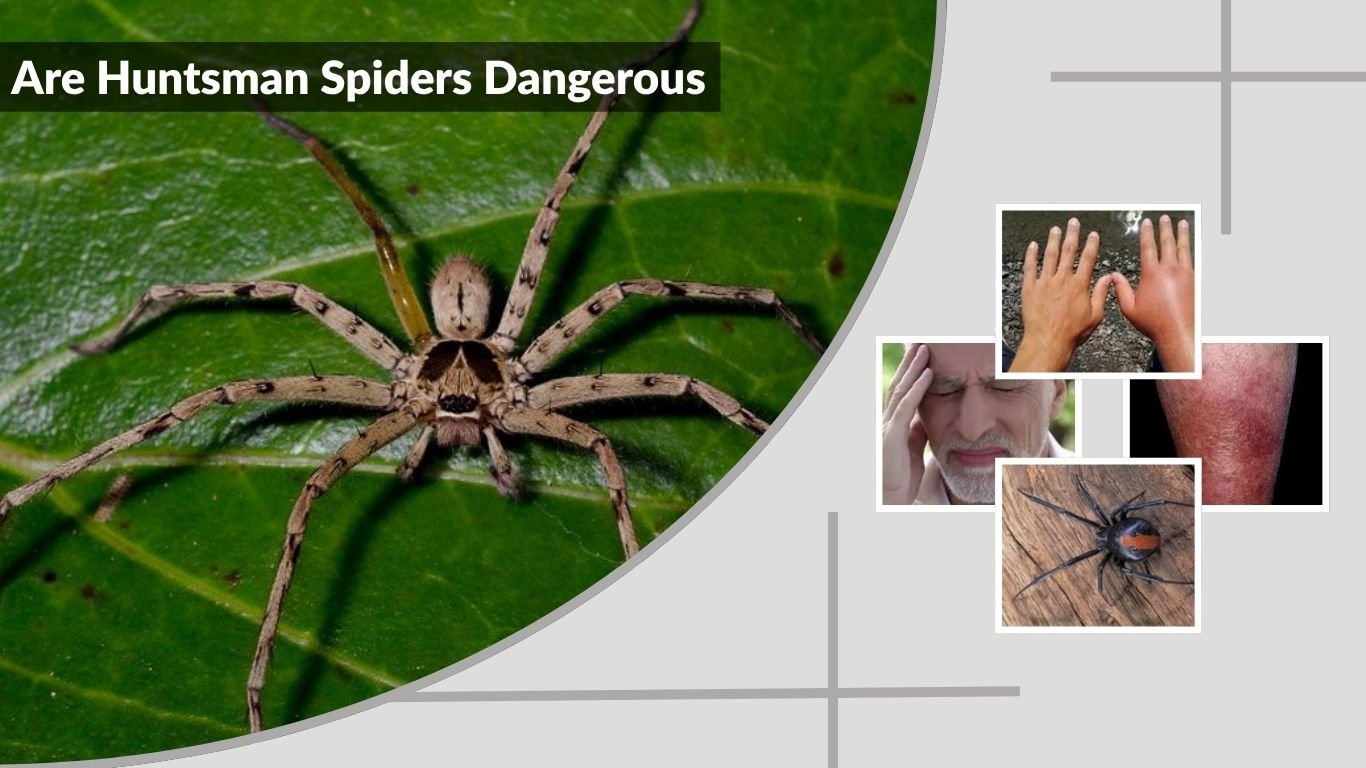
- Wolf spiders – larger, very hairy, fast runners
- House spiders – may have brown coloring, but also have banded legs or eight eyes
- Orb weavers – colorful and build big round webs
- Desert recluse – related to the brown recluse, but only found in specific desert areas
Knowing the differences between these spiders helps prevent fear-based decisions and overreactions.
When to Consult a Professional
If you’re unsure whether the spider you’ve found is a brown recluse, follow these tips:
- Do not kill the spider unless necessary—capture it safely in a container.
- Take a clear photo from above and the side.
- Contact a local university extension, entomologist, or pest control expert for confirmation.
Also, if you believe you’ve been bitten and experience pain, blistering, or spreading skin damage, seek medical attention immediately.
Final Thoughts
Brown recluse spiders have developed a reputation that far exceeds their actual danger in most cases. The reality is that they’re rare, shy, and often misunderstood. Knowing how to identify them accurately helps prevent panic and keeps your household safe.
So, if you suspect you’ve found a brown recluse, take a deep breath, examine it using the steps above, and if in doubt, reach out to an expert. Proper identification is the best defense against both spider bites and unnecessary worry.