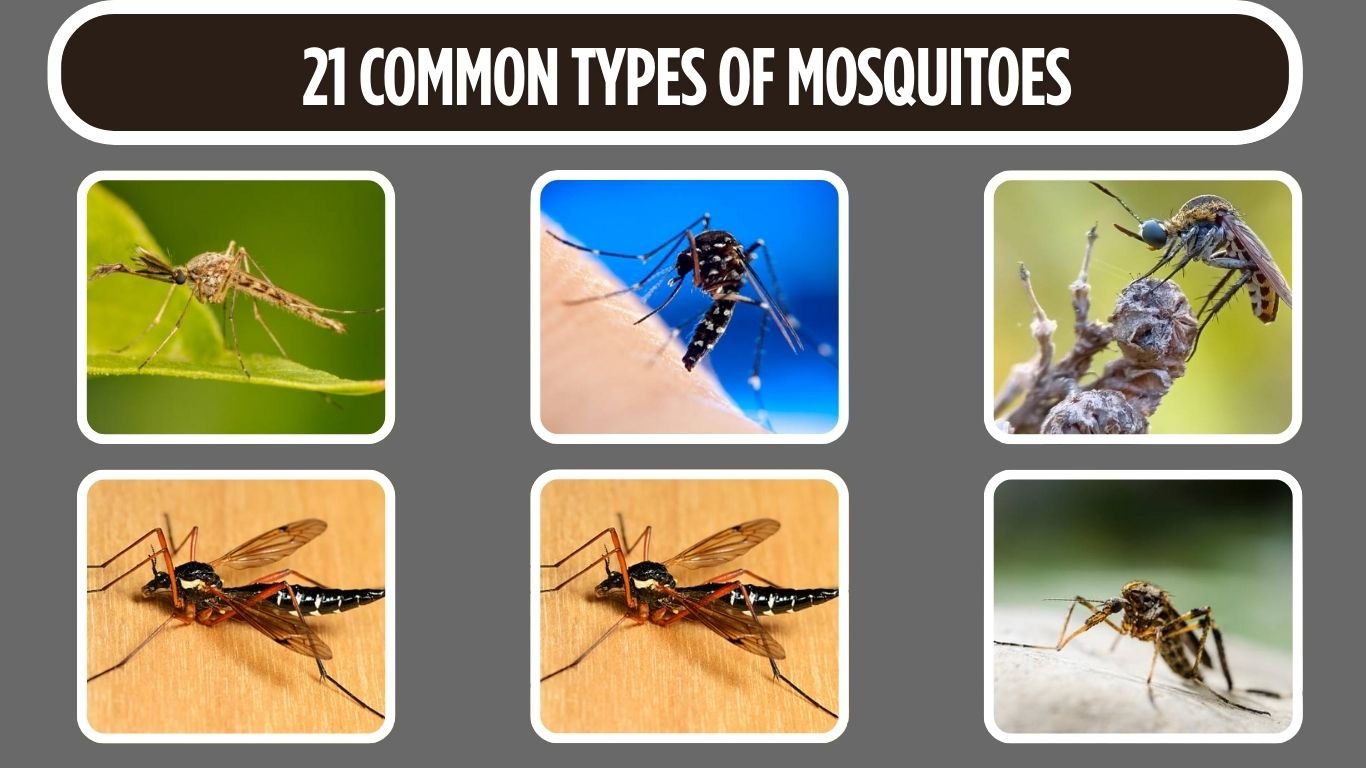
Mosquitoes are more than just annoying pests—they’re one of the world’s most dangerous insects due to the diseases they can transmit. From city dwellers like Aedes aegypti to forest mosquitoes like Haemagogus janthinomys, each species has unique traits, behaviors, and risks. In this guide, you’ll discover 21 common types of mosquitoes, how to identify them, where they thrive, and whether their bites pose a danger to humans or animals.
1. Aedes aegypti
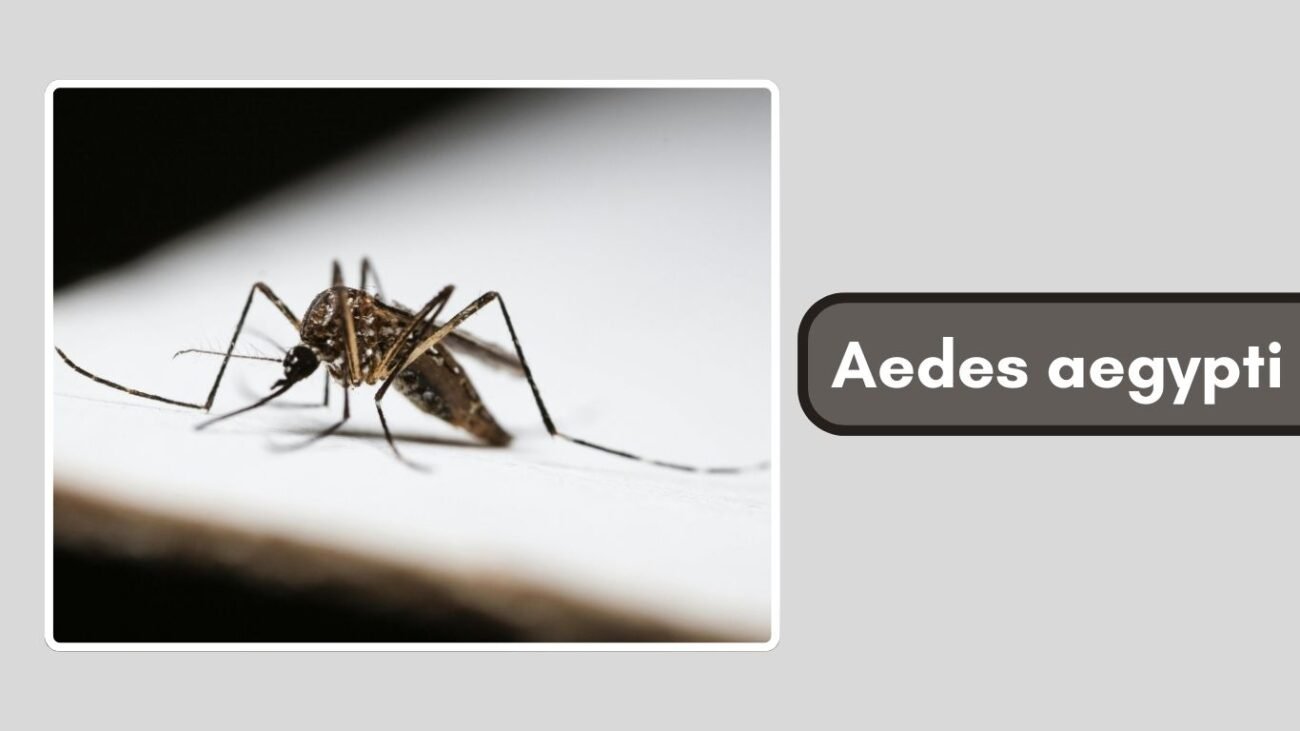
Aedes aegypti, also known as the yellow fever mosquito, is one of the most notorious mosquito species worldwide. Recognized for its daytime biting behavior and strong association with urban areas, it is a primary vector of several dangerous viruses affecting humans.
Identification
- Small, dark mosquito with white lyre-shaped markings on the thorax
- White bands on legs
- Average size: 4–7 mm
- Rapid, darting flight pattern
- Active mostly during daylight hours
Habitat and Behavior
Aedes aegypti thrives in tropical and subtropical climates. It breeds in artificial containers like flowerpots, buckets, and old tires. This mosquito is often found in and around homes, preferring clean, stagnant water to lay its eggs.
Reproduction
Females lay eggs on the walls of water-holding containers just above the waterline. Eggs can survive dry conditions for several months. Once water covers them, they hatch within a few days.
Bite/Sting Danger
Aedes aegypti is a major vector for serious viral diseases including dengue fever, Zika virus, chikungunya, and yellow fever. Its bite is often painless but can result in redness, swelling, and itching. Because it feeds multiple times in one sitting, the risk of disease transmission is especially high.
2. Aedes albopictus (Asian Tiger Mosquito)
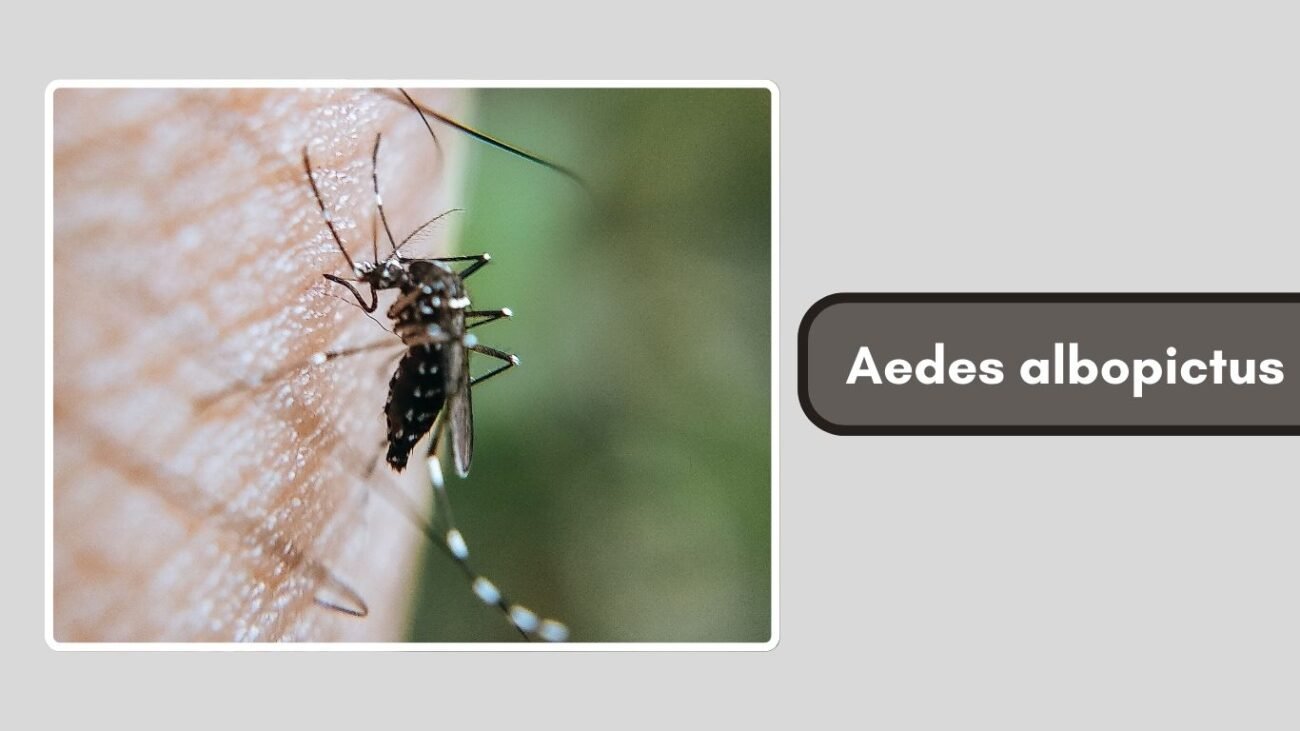
Aedes albopictus, commonly known as the Asian tiger mosquito, is an aggressive, day-biting species known for its striking black and white striped appearance. It is a rapidly spreading invasive species with a strong presence in urban and suburban environments.
Identification
- Black body with white stripes on legs and a white line down the thorax
- Slightly smaller than Aedes aegypti (approx. 2–6 mm)
- White banded antennae and legs
- Active mainly during daylight, especially early morning and late afternoon
Habitat and Behavior
This mosquito prefers warm, humid environments and lays eggs in small containers of standing water. It is commonly found in backyards, gardens, and parks. Unlike other mosquitoes, it is very persistent and aggressive toward humans.
Reproduction
Females lay eggs above the water line in natural and artificial containers. Eggs can survive dry conditions and hatch when submerged. It can complete its lifecycle in less than 10 days in warm temperatures.
Bite/Sting Danger
Aedes albopictus can transmit several diseases such as dengue, Zika, chikungunya, and West Nile virus. Although considered a secondary vector compared to Aedes aegypti, its expanding range and aggressive biting make it a public health concern.
3. Aedes vexans

Aedes vexans is a widespread floodwater mosquito commonly found in North America and other temperate regions. It is known for emerging in large numbers after heavy rains or flooding and is a major nuisance biter.
Identification
- Medium-sized mosquito with brown to gray body
- Bands of white scales on legs and abdomen
- Wings appear slightly spotted
- Strong flier, active mostly at dusk and dawn
Habitat and Behavior
This mosquito breeds in temporary pools formed by rain or flooding. It is commonly found in meadows, woodlands, and rural residential areas. Aedes vexans is highly mobile and can travel long distances from breeding sites.
Reproduction
Eggs are laid on moist soil in areas prone to flooding. When flooded, the eggs hatch within days. Larvae develop rapidly in warm weather, with adults emerging within 7–10 days.
Bite/Sting Danger
While not a primary vector, Aedes vexans is capable of transmitting several viruses including West Nile virus and dog heartworm. Its bites are itchy and painful, often leading to welts and irritation, especially in large outbreaks.
4. Aedes japonicus

Aedes japonicus, also called the Asian bush mosquito, is an invasive species originally from East Asia. It has adapted well to temperate climates and is commonly found in wooded and suburban areas of North America and Europe.
Identification
- Dark brown to black body with bronze-colored scales
- Distinctive white bands on legs
- Short, stocky appearance
- Active during both day and dusk
Habitat and Behavior
This species prefers shaded, cool habitats and breeds in natural and artificial containers such as tree holes, rock pools, buckets, and birdbaths. It is less aggressive than Aedes aegypti but still bites humans and animals.
Reproduction
Females lay eggs just above the waterline in standing water. The eggs can withstand dry conditions and hatch when re-flooded. Larvae develop in cool, shaded environments and take around 10 days to become adults.
Bite/Sting Danger
Aedes japonicus has been shown to carry West Nile virus, La Crosse encephalitis, and potentially other arboviruses. While not a primary vector, it poses moderate risk in areas where these viruses are present.
5. Aedes triseriatus
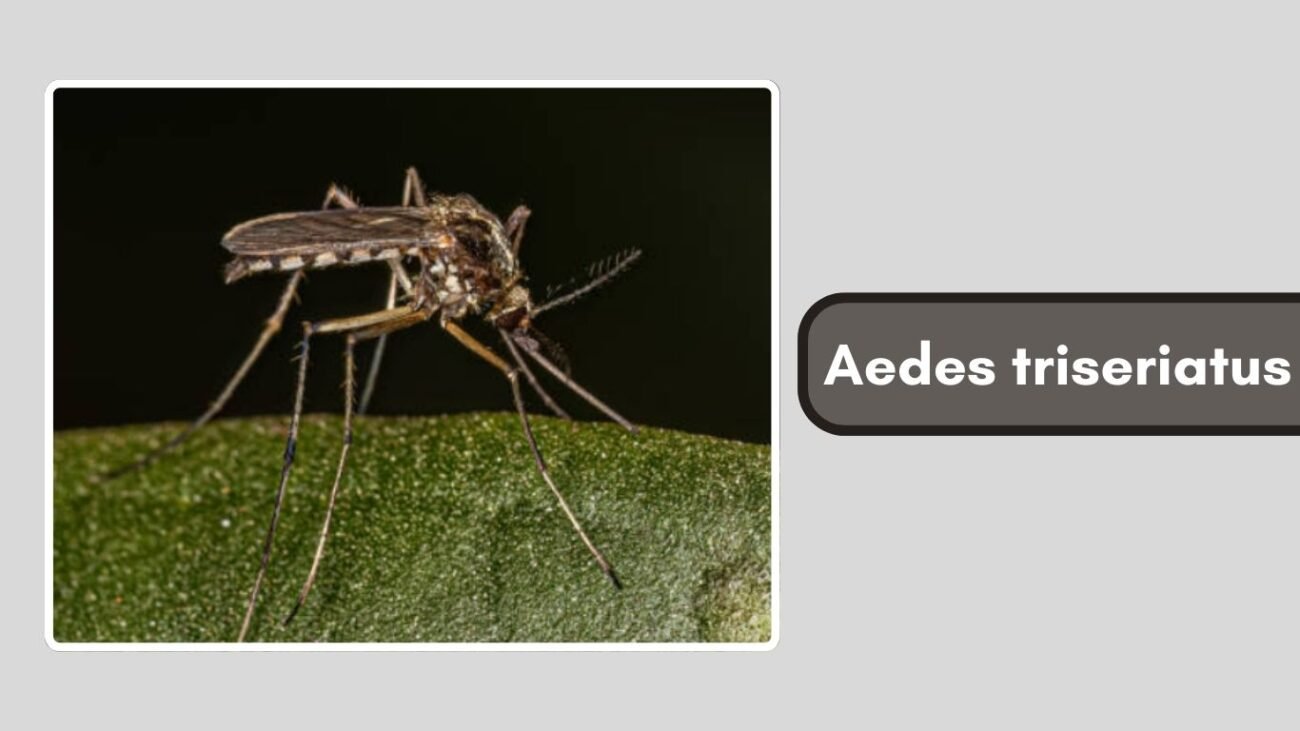
Aedes triseriatus, commonly known as the eastern tree hole mosquito, is native to North America and is the main vector of La Crosse encephalitis. It typically breeds in tree holes but also uses containers.
Identification
- Dark brown body with silvery scales
- Narrow white markings on thorax and legs
- Size ranges from 4–7 mm
- Most active in shaded, wooded environments
Habitat and Behavior
This species prefers hardwood forests and breeds in tree holes or containers like tires and buckets. It is mostly active during the day and tends to avoid open areas, staying close to wooded habitats.
Reproduction
Eggs are laid above the waterline in tree holes or artificial containers. They hatch when water levels rise. Larvae develop in organic-rich water and transform into adults in about 10 days.
Bite/Sting Danger
Aedes triseriatus is the primary vector of La Crosse encephalitis in the U.S., especially in children. Though bites are less frequent than other species, they can lead to serious neurological illness in affected individuals.
6. Anopheles gambiae
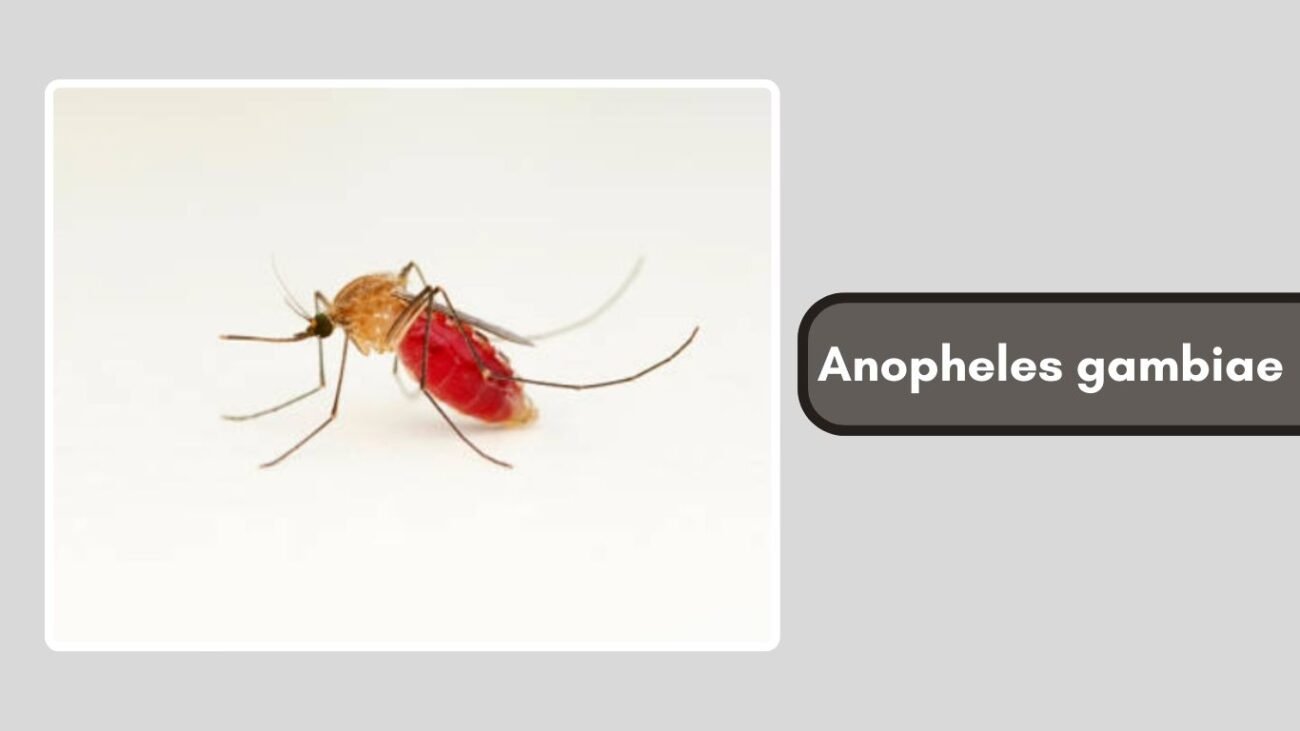
Anopheles gambiae is one of the most dangerous mosquito species in the world due to its role as the primary vector of malaria in sub-Saharan Africa. It thrives in warm, humid environments and feeds mainly at night.
Identification
- Slender body, typically brown or tan
- Long legs and palps about as long as the proboscis
- Wings with dark spots
- Resting posture with rear end raised
Habitat and Behavior
This species prefers shallow, sunlit water sources like puddles, rice fields, and hoof prints. It is most active from dusk till dawn and tends to rest indoors after feeding, making it difficult to detect.
Reproduction
Females lay eggs on the surface of clean, still water. Eggs hatch within 2–3 days, and the lifecycle from egg to adult takes 10–14 days in warm conditions.
Bite/Sting Danger
Anopheles gambiae is the primary vector of Plasmodium falciparum, the parasite that causes the deadliest form of malaria. Its bite can be painless, allowing unnoticed disease transmission, making it a major global health threat.
7. Anopheles stephensi

Anopheles stephensi is another malaria-carrying mosquito species, found mainly in urban areas of South Asia and recently spreading into parts of Africa. It is highly adaptable and thrives in man-made water containers.
Identification
- Dark brown body with narrow wings
- Palps as long as the proboscis
- Speckled wings
- Rests at an upward angle similar to other Anopheles species
Habitat and Behavior
This species is commonly found in urban environments. It breeds in water tanks, containers, and construction sites. It bites primarily at night and often rests indoors afterward.
Reproduction
Females lay eggs on water surfaces in artificial or natural containers. Larvae develop quickly in stagnant water, and adults can emerge in about 10–12 days depending on temperature.
Bite/Sting Danger
Anopheles stephensi is a major vector of urban malaria in India and is now a growing concern in African cities. Its expanding range and adaptability to urban habitats make it a rising public health threat.
8. Anopheles quadrimaculatus
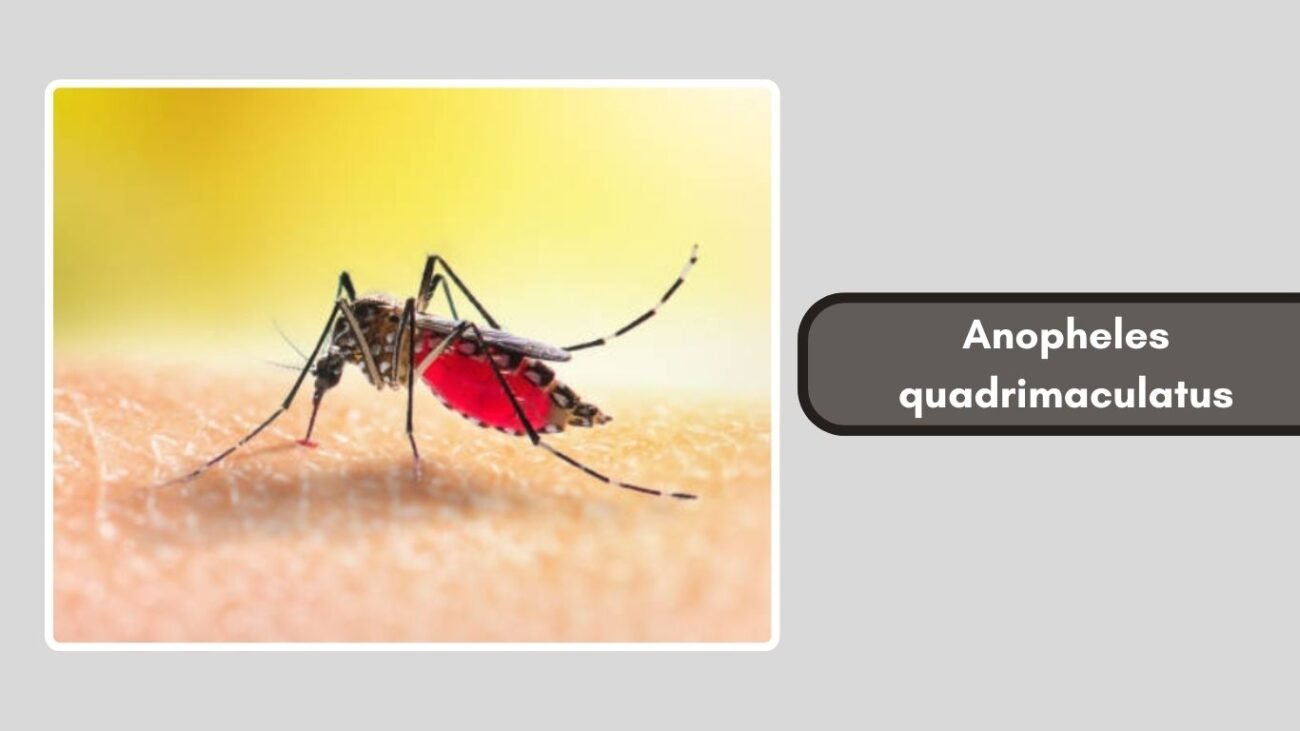
Anopheles quadrimaculatus is the most common malaria mosquito in the eastern United States. Although malaria transmission is rare in the U.S. today, this species was once a major vector and still plays a role in disease surveillance.
Identification
- Large, dark brown to black body
- Four dark spots on each wing (hence the name “quadrimaculatus”)
- Long palps equal in length to the proboscis
- Characteristic upward resting position
Habitat and Behavior
This mosquito prefers freshwater environments like swamps, ponds, marshes, and slow-moving streams. It is most active during dusk and nighttime hours and often enters homes to rest after feeding.
Reproduction
Females lay eggs directly on still water. The eggs float individually and hatch within a few days. The full lifecycle from egg to adult takes about 10–14 days depending on temperature.
Bite/Sting Danger
While Anopheles quadrimaculatus can transmit malaria under the right conditions, it is currently more of a nuisance biter. Its bite is mildly painful and may cause localized irritation, especially in rural areas.
9. Anopheles freeborni
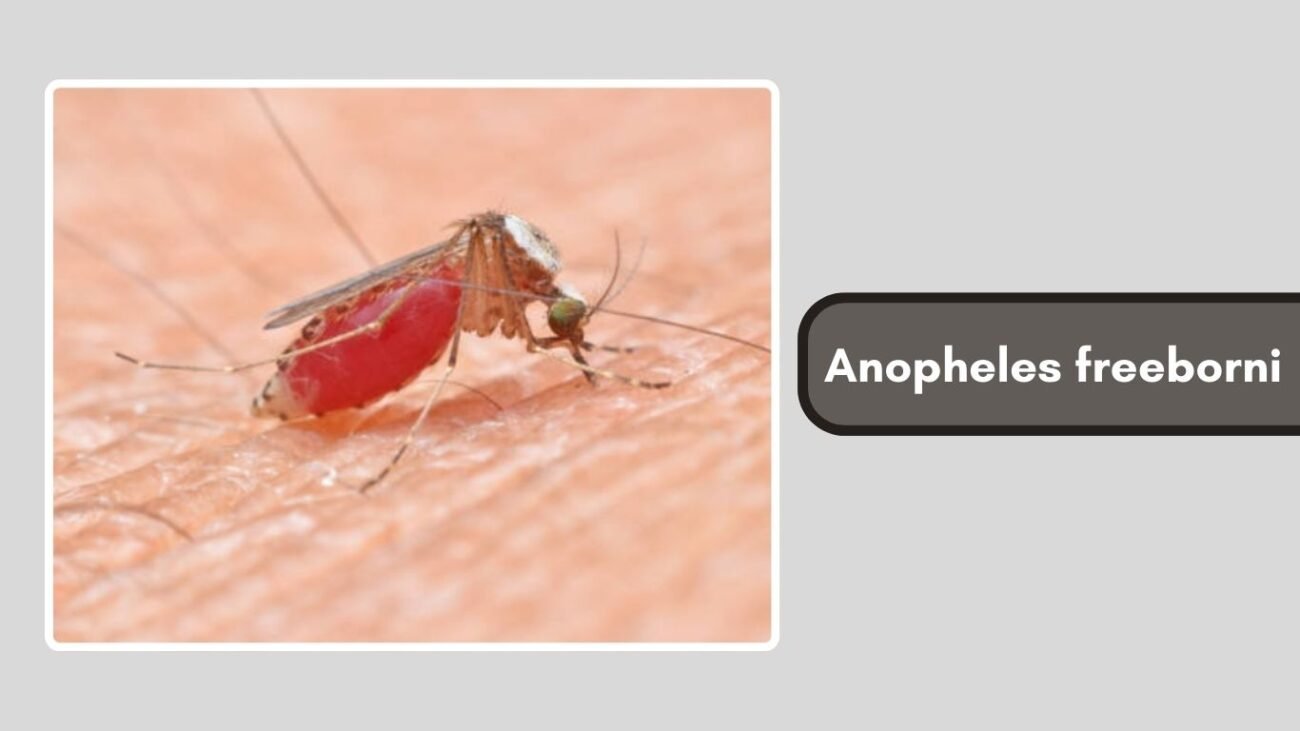
Anopheles freeborni, known as the “western malaria mosquito,” is native to the western United States. It was historically important in malaria transmission in the region and is still monitored for public health reasons.
Identification
- Medium to large mosquito with dark brown body
- Four spotted wings
- Long, slender legs
- Upright resting posture typical of Anopheles species
Habitat and Behavior
Anopheles freeborni breeds in rice fields, irrigation ditches, and other stagnant water bodies. It is mostly active during the evening and night and may rest indoors or in shaded outdoor areas during the day.
Reproduction
Eggs are laid on the surface of calm water and hatch in 2–3 days. Larvae develop over the course of a week or more, depending on environmental conditions.
Bite/Sting Danger
Though currently not a major malaria vector due to control efforts, Anopheles freeborni is capable of transmitting malaria parasites under the right conditions. Its bites can cause discomfort and itching, especially in agricultural zones.
10. Anopheles albimanus
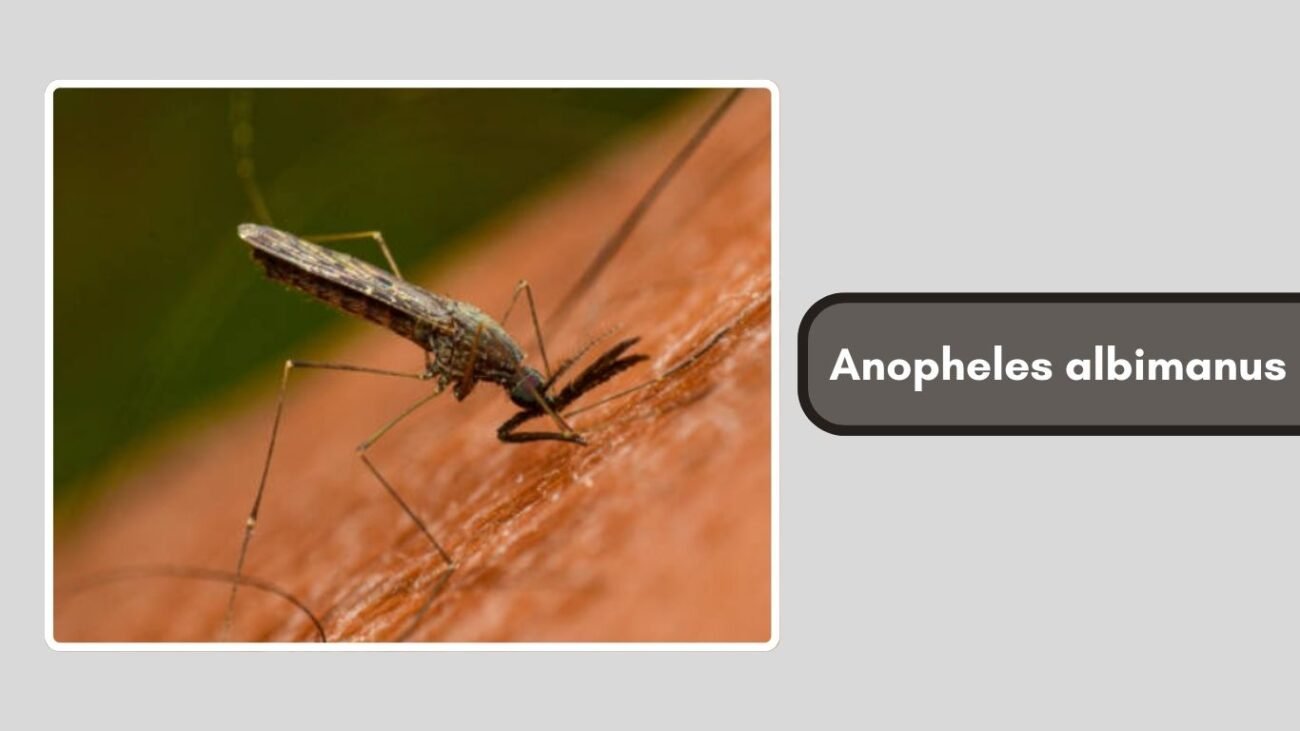
Anopheles albimanus is a prominent malaria vector in Central America, the Caribbean, and parts of northern South America. It is commonly found near coastal and rural environments with brackish or fresh water.
Identification
- Medium-sized mosquito with pale scales on wings
- Palps as long as the proboscis
- Light-colored banding on legs
- Rests in the classic angled posture typical of Anopheles species
Habitat and Behavior
This species breeds in coastal lagoons, rice fields, and other shallow water sources. It is active mainly at dusk and dawn but may bite throughout the night. It can enter homes and shelters to rest after feeding.
Reproduction
Eggs are laid individually on water surfaces and hatch in 2–3 days. Larval development is influenced by water temperature and nutrients, completing in roughly 10–12 days.
Bite/Sting Danger
Anopheles albimanus is a vector of Plasmodium vivax and Plasmodium falciparum, the parasites that cause malaria. It can also cause itchy, irritating bites, making it both a health concern and a nuisance in affected regions.
11. Culex pipiens (Common House Mosquito)
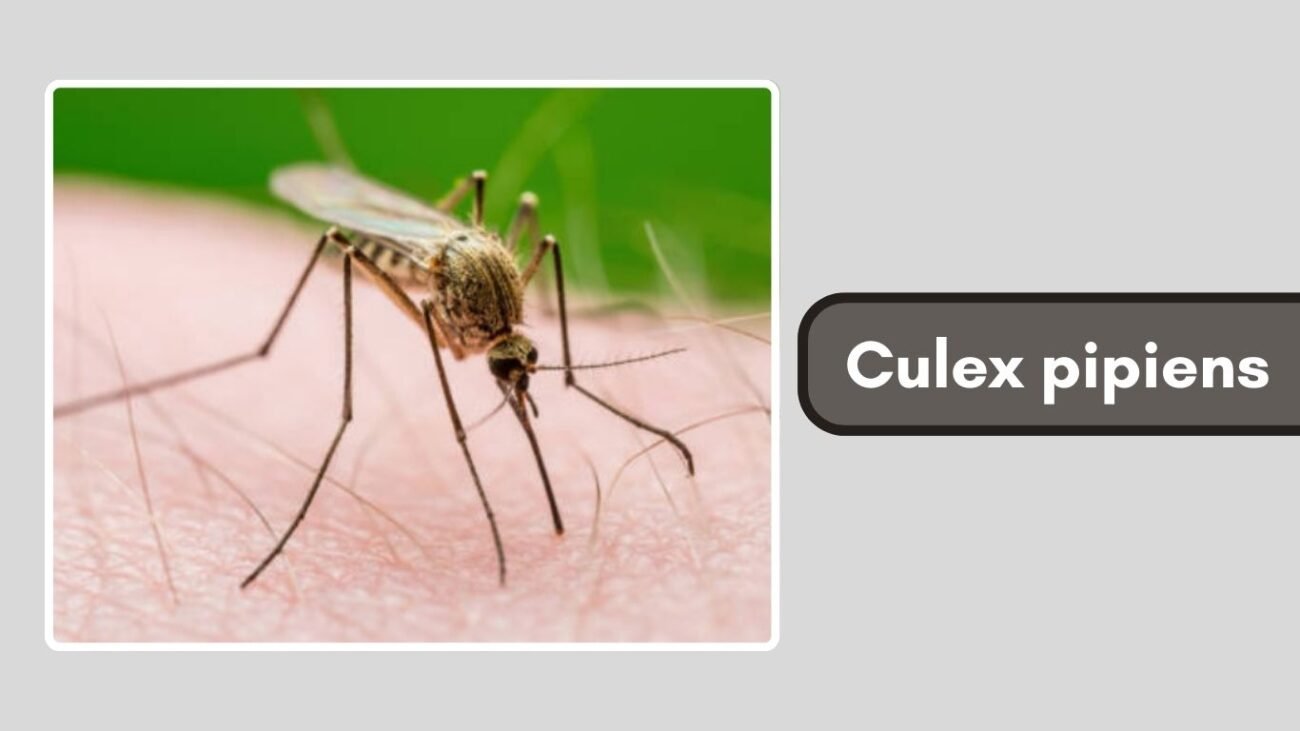
Culex pipiens, often called the common house mosquito, is one of the most widespread mosquitoes in temperate regions. It is known for transmitting West Nile virus and other arboviruses.
Identification
- Small to medium-sized, tan to brown body
- Legs and body covered in fine scales
- Unbanded legs
- Short palps and rounded abdomen
- Wings are narrow and unspotted
Habitat and Behavior
Culex pipiens prefers stagnant water rich in organic matter—such as storm drains, birdbaths, and septic systems. It is most active at dusk and during the night and often enters homes through open windows or vents.
Reproduction
Females lay eggs in clusters called rafts on the surface of stagnant water. Each raft can contain 100 or more eggs. Development from egg to adult takes about 7–10 days in warm conditions.
Bite/Sting Danger
This mosquito can transmit West Nile virus, St. Louis encephalitis, and other pathogens. It typically feeds on birds but will bite humans when populations are high. Bites may cause itching, redness, and swelling.
12. Culex quinquefasciatus (Southern House Mosquito)
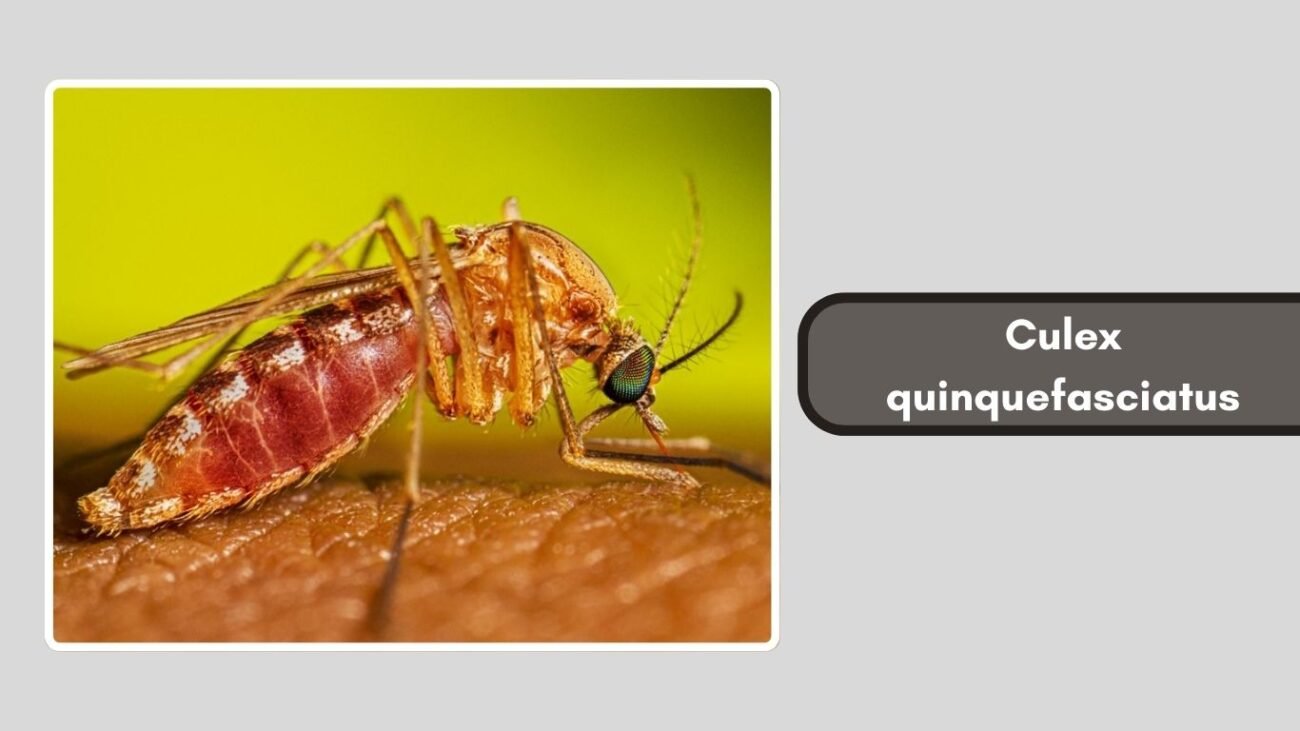
Culex quinquefasciatus, commonly known as the southern house mosquito, is found in tropical and subtropical regions. It is a major vector of several diseases affecting both humans and animals.
Identification
- Medium-sized mosquito, light brown in color
- Unbanded legs
- Slightly rounded abdomen
- Thorax and wings covered with fine brown scales
- Difficult to distinguish from Culex pipiens without close inspection
Habitat and Behavior
This mosquito breeds in stagnant, polluted water sources such as ditches, drains, sewage ponds, and animal troughs. It is nocturnal and commonly enters homes to bite people while they sleep.
Reproduction
Females lay eggs in rafts on the surface of nutrient-rich water. Larvae develop quickly in warm environments, often maturing into adults in just a week.
Bite/Sting Danger
Culex quinquefasciatus transmits West Nile virus, St. Louis encephalitis, and lymphatic filariasis (elephantiasis). While the bite may feel mild at first, repeated exposure can lead to allergic reactions and skin irritation.
13. Culex tarsalis
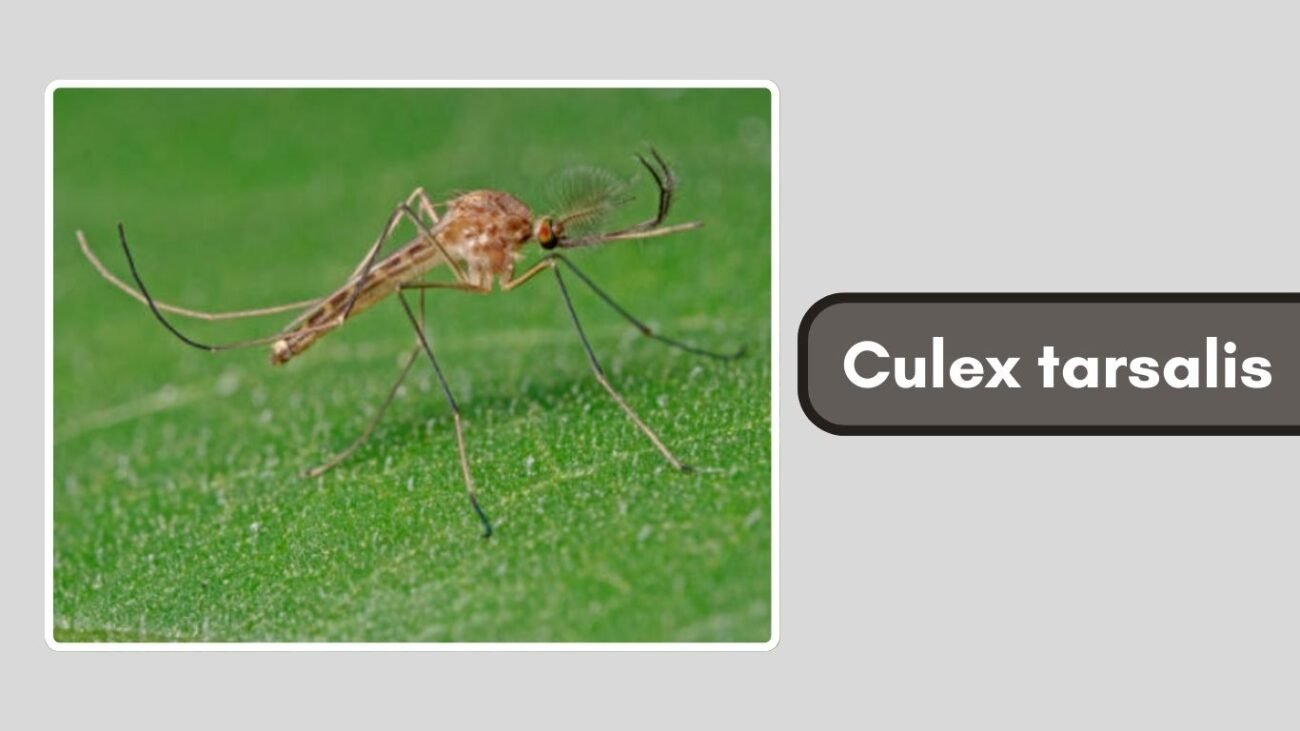
Culex tarsalis is a significant mosquito species in the western United States. It’s known for being a major vector of West Nile virus, Western equine encephalitis, and other mosquito-borne diseases.
Identification
- Medium-sized with a black and white banded appearance on the legs
- White band around the proboscis
- White stripes on the thorax
- Wings are narrow and unspotted
Habitat and Behavior
This species thrives in agricultural settings, irrigation canals, freshwater marshes, and drainage ditches. It is most active from dusk to dawn and is attracted to both humans and birds.
Reproduction
Eggs are laid in rafts on the surface of stagnant or slow-moving water. Larval development is fast in warm conditions, allowing large population booms in late summer.
Bite/Sting Danger
Culex tarsalis is an efficient vector of West Nile virus and encephalitis viruses. Its bites can cause swelling, itching, and in rare cases, lead to serious neurological illness through disease transmission.
14. Culex restuans
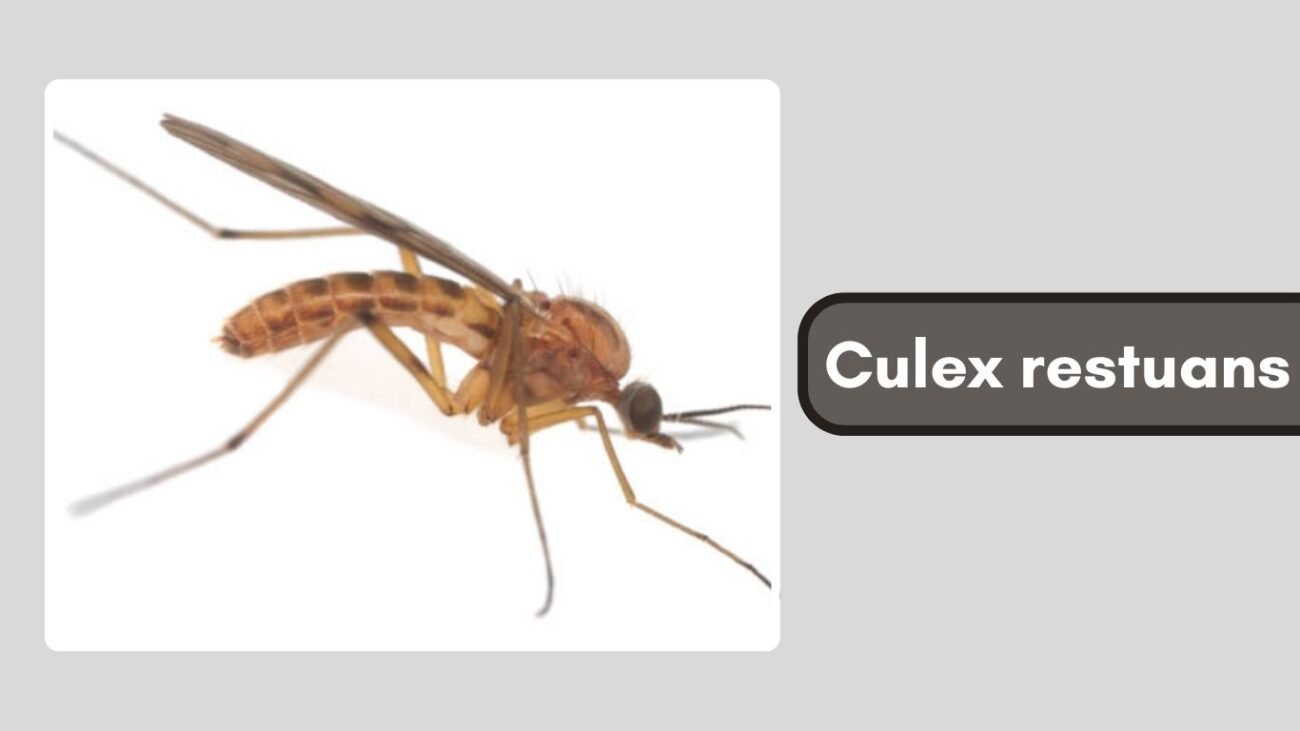
Culex restuans is a close relative of Culex pipiens and is common across North America. It plays an important role in the early season transmission cycle of West Nile virus, especially between birds.
Identification
- Small, brown mosquito
- Unmarked legs
- White scales on the thorax
- Resembles Culex pipiens but tends to appear earlier in the year
Habitat and Behavior
This species prefers shaded, stagnant water—often in artificial containers, catch basins, and wetlands. It is crepuscular, biting mostly at dusk and dawn.
Reproduction
Females lay egg rafts on nutrient-rich standing water. Larvae develop rapidly in warmer temperatures, often completing their life cycle in just a week.
Bite/Sting Danger
Though it typically feeds on birds, Culex restuans can bite humans. It is a vector of West Nile virus and other encephalitic viruses, especially when acting alongside Culex pipiens in outbreak scenarios.
15. Culex nigripalpus
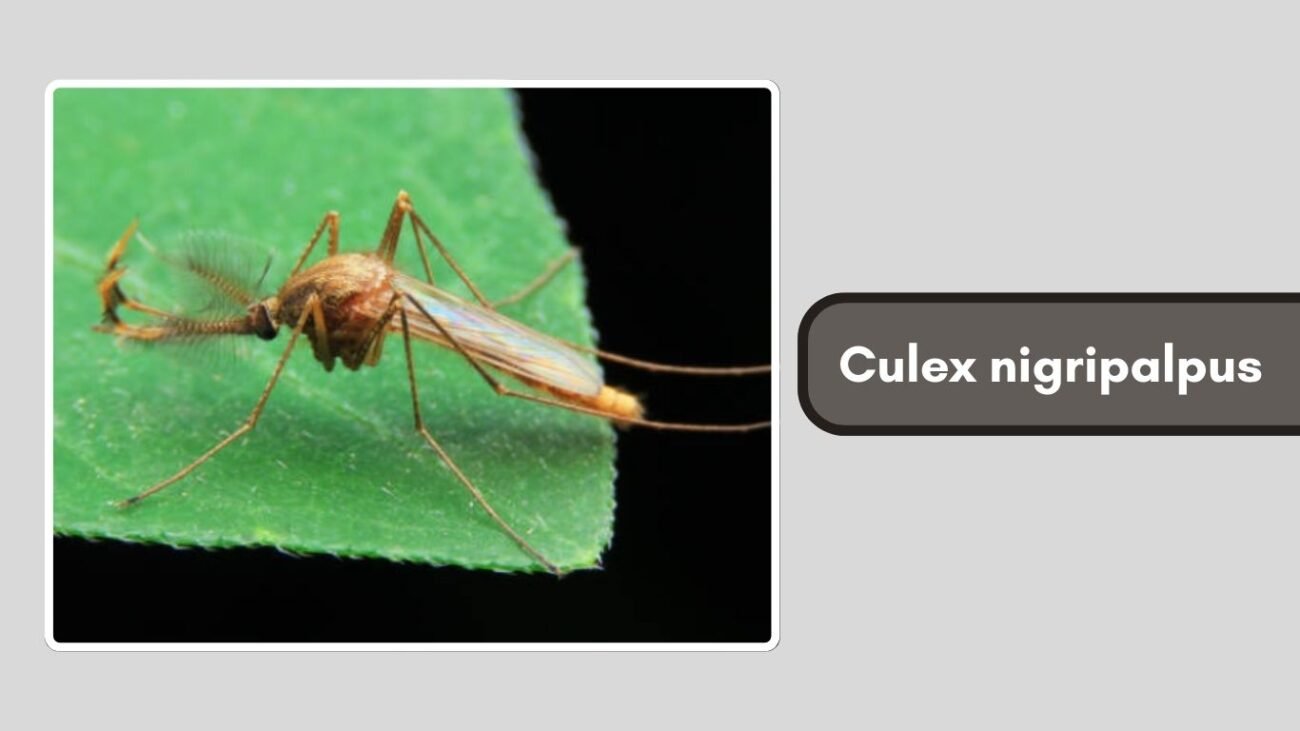
Culex nigripalpus is a prominent mosquito species in the southeastern United States, especially Florida. It is one of the main vectors of St. Louis encephalitis and Eastern equine encephalitis.
Identification
- Medium-sized, dark-colored mosquito
- Legs and body uniformly dark without distinct markings
- Slightly arched thorax
- Smooth appearance compared to other Culex species
Habitat and Behavior
It breeds in freshwater bodies like roadside ditches, ponds, and stormwater canals. This mosquito is nocturnal and prefers warm, humid conditions.
Reproduction
Females deposit egg rafts on still water surfaces. Under favorable conditions, the life cycle from egg to adult can be completed in 7–10 days.
Bite/Sting Danger
Culex nigripalpus can transmit a variety of viruses including St. Louis encephalitis, West Nile virus, and Eastern equine encephalitis. Though its bite isn’t particularly painful, the diseases it can carry are serious.
16. Psorophora ciliata (Gallinipper Mosquito)
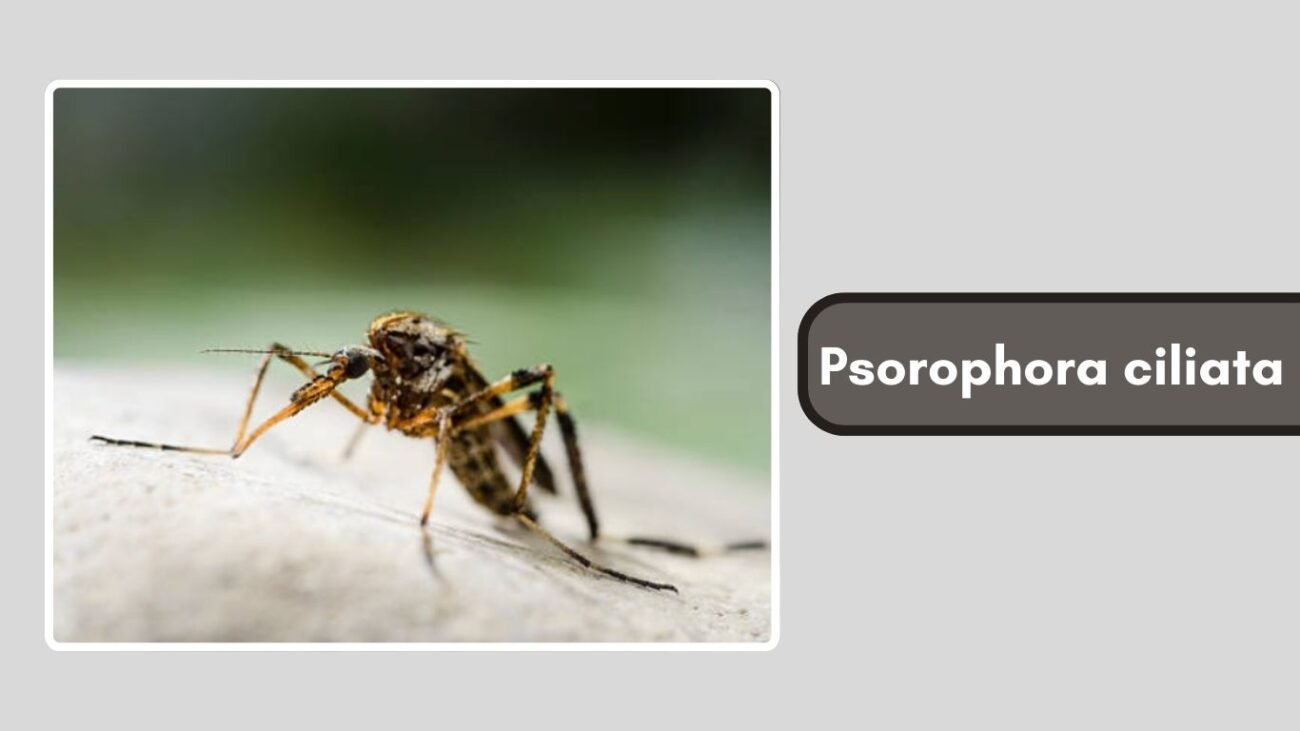
Psorophora ciliata is one of the largest mosquitoes in North America and is known for its aggressive biting behavior. Though not a major disease vector, it’s a nuisance species due to its painful bite and size.
Identification
- Very large mosquito, often over 1 inch long
- Bright yellow legs with dark bands
- Covered in dense, bristly hairs
- Distinctive aggressive flight pattern
Habitat and Behavior
It breeds in flood-prone areas such as temporary pools, grassy fields, and ditches. Psorophora ciliata is active during the day and aggressively pursues both humans and animals for blood meals.
Reproduction
Females lay eggs on moist soil where flooding is likely to occur. Eggs can remain dormant for months until water triggers hatching. Larvae grow rapidly in temporary pools.
Bite/Sting Danger
Although not a major disease carrier, its bite is very painful and can cause strong local reactions. Due to its size and aggressiveness, this species is particularly unwelcome in outdoor recreational areas.
17. Psorophora columbiae
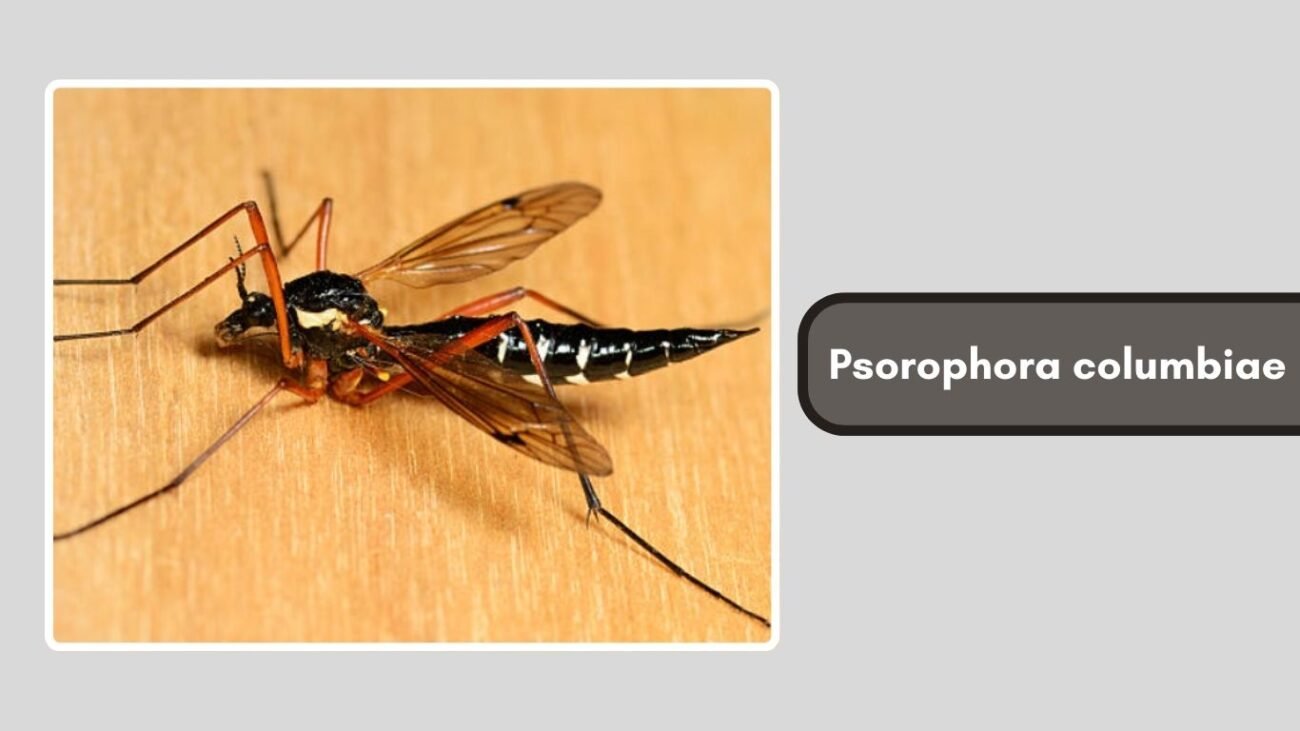
Psorophora columbiae is a floodwater mosquito commonly found in the southern United States. It emerges in huge numbers after heavy rains and is considered a serious pest to both humans and livestock.
Identification
- Medium to large mosquito
- Dark body with white bands on legs
- Hairy appearance
- Long, narrow wings
Habitat and Behavior
It breeds in freshly flooded areas such as fields, pastures, and roadside ditches. Psorophora columbiae is known for its aggressive behavior and will bite during the day, especially in open, sunny environments.
Reproduction
Females lay eggs on moist soil. Eggs hatch quickly once flooded and larvae develop in 5–7 days, depending on temperature and water conditions.
Bite/Sting Danger
While not a major vector of human disease, it has been associated with encephalitis viruses in some studies. More commonly, it causes painful, itchy bites that can affect outdoor workers and animals in large numbers.
18. Toxorhynchites rutilus (Elephant Mosquito)
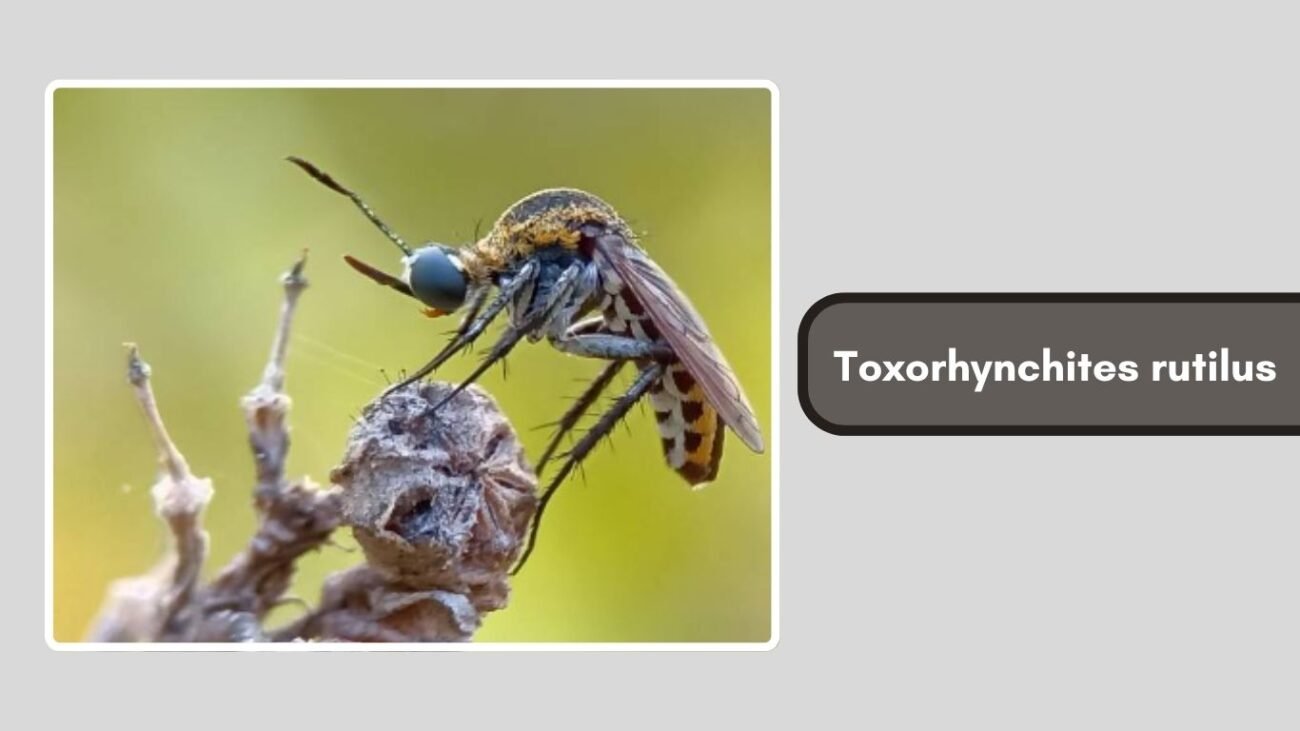
Toxorhynchites rutilus is one of the few mosquito species that does not bite humans or animals. Instead, it plays a beneficial role by preying on the larvae of other mosquitoes, including disease vectors.
Identification
- Large, metallic blue or green body
- Curved proboscis that cannot pierce skin
- Long, elegant wings with a shimmer
- Often mistaken for harmful mosquitoes due to size
Habitat and Behavior
Commonly found in tree holes, containers, tires, and shaded woodland areas. Toxorhynchites rutilus is non-aggressive and active during daylight hours, particularly in shaded areas.
Reproduction
Females lay eggs in stagnant water where other mosquito larvae are present. The larvae are fierce predators, feeding on Aedes, Culex, and other mosquito larvae.
Bite/Sting Danger
This species does not bite or transmit disease. In fact, it is beneficial and sometimes introduced as a biological control agent to help reduce populations of harmful mosquitoes.
19. Haemagogus janthinomys
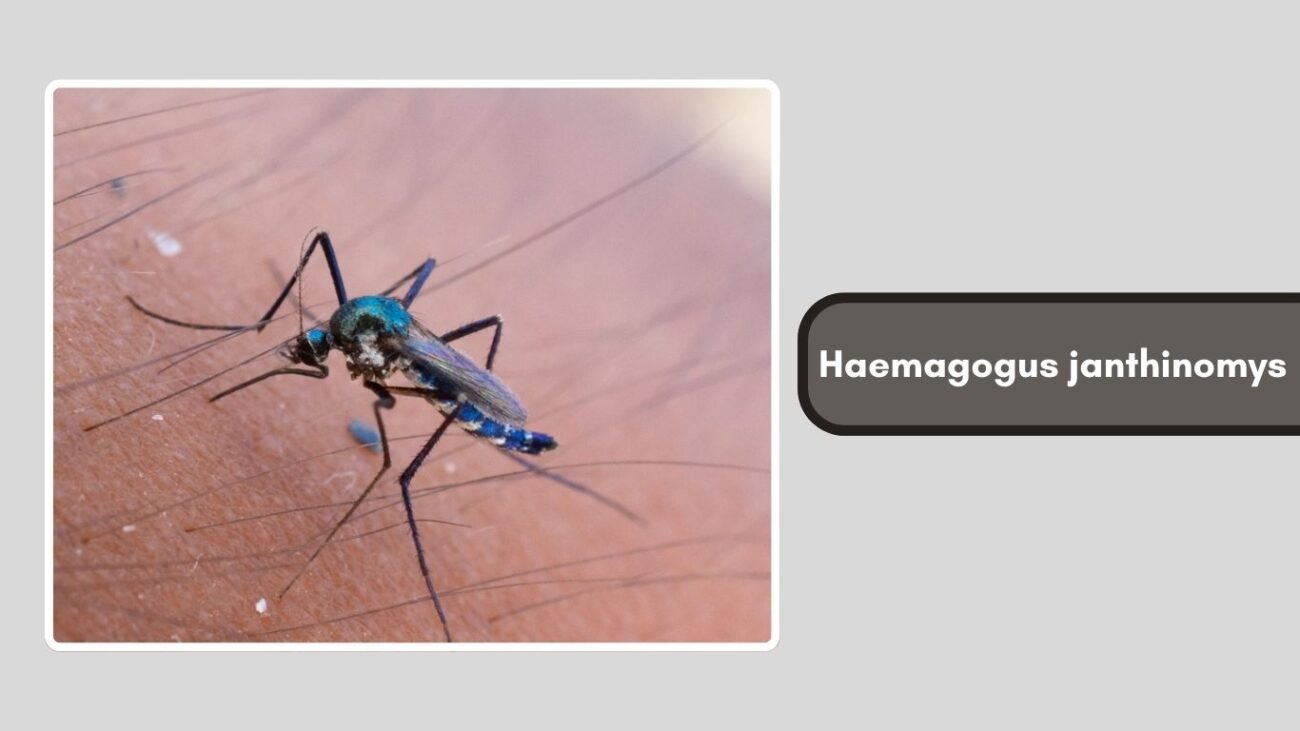
Haemagogus janthinomys is a forest-dwelling mosquito found mainly in Central and South America. It is a major vector of yellow fever in jungle environments, especially in Brazil and surrounding regions.
Identification
- Medium-sized mosquito
- Shiny blue or metallic green body
- Long legs with white bands
- Distinctive forest species with agile flight
Habitat and Behavior
Breeds in tree holes, bamboo internodes, and bromeliads in tropical forests. It is active during the day and prefers to bite high in the forest canopy but will descend to bite humans.
Reproduction
Lays eggs in small, shaded natural containers such as tree holes. Eggs can survive dry conditions and hatch upon re-flooding. Larval development depends on humidity and temperature.
Bite/Sting Danger
Haemagogus janthinomys is a primary jungle vector of yellow fever and can also transmit Mayaro virus. Its bite is moderately painful and dangerous due to its disease-carrying potential in forested areas.
20. Aedes albopictus (Asian Tiger Mosquito)
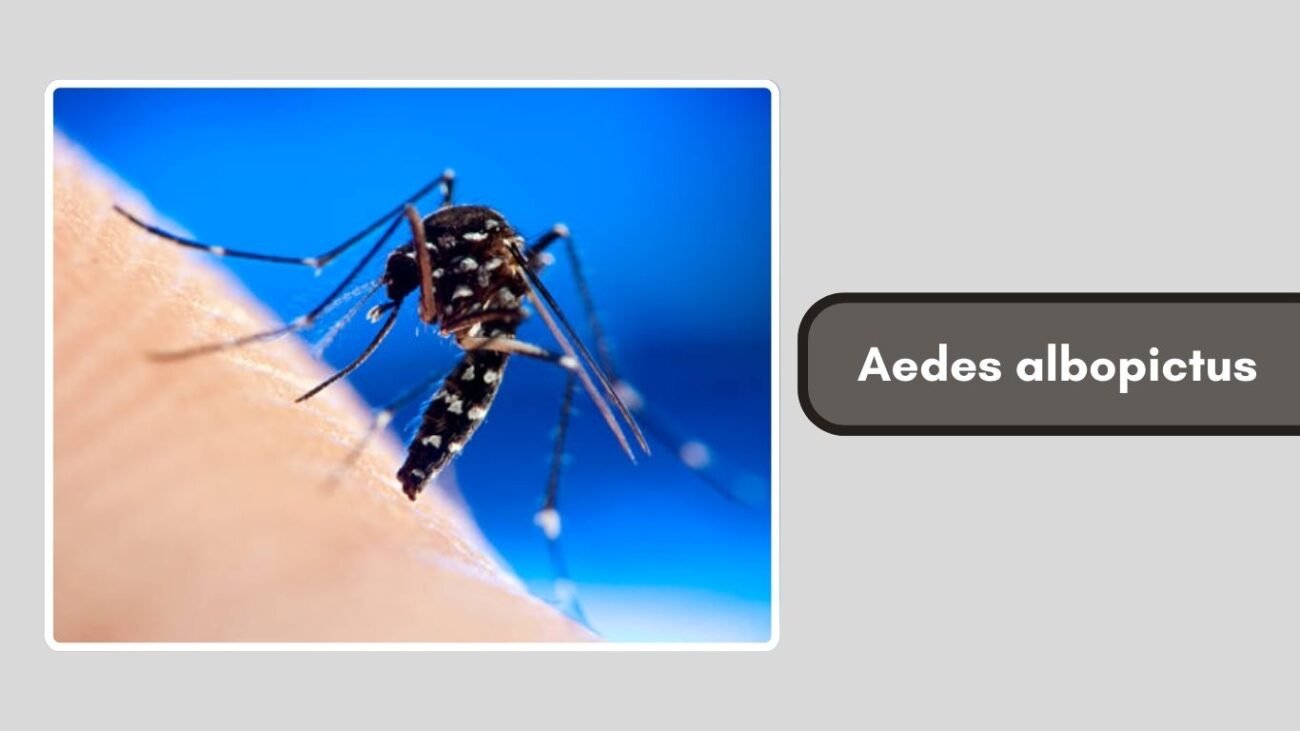
Aedes albopictus, commonly known as the Asian tiger mosquito, is an invasive species originally from Southeast Asia. It has now spread globally and is known for being highly aggressive and active during the day.
Identification
- Small to medium-sized with a striking black-and-white striped body
- Distinct white stripe down the center of the thorax
- White banded legs
- Moves quickly and bites repeatedly
Habitat and Behavior
Breeds in artificial containers like flower pots, tires, gutters, and birdbaths. It’s active during daylight hours, especially early morning and late afternoon, and thrives in urban and suburban areas.
Reproduction
Females lay eggs in small containers with standing water. The eggs are resistant to drying out and can hatch after rainfall. Development from egg to adult takes about 7–10 days.
Bite/Sting Danger
This species can transmit dengue, chikungunya, Zika virus, and yellow fever. Its bite is itchy and irritating, and due to its daytime activity, it poses a constant risk in infested regions.
21. Aedes vexans
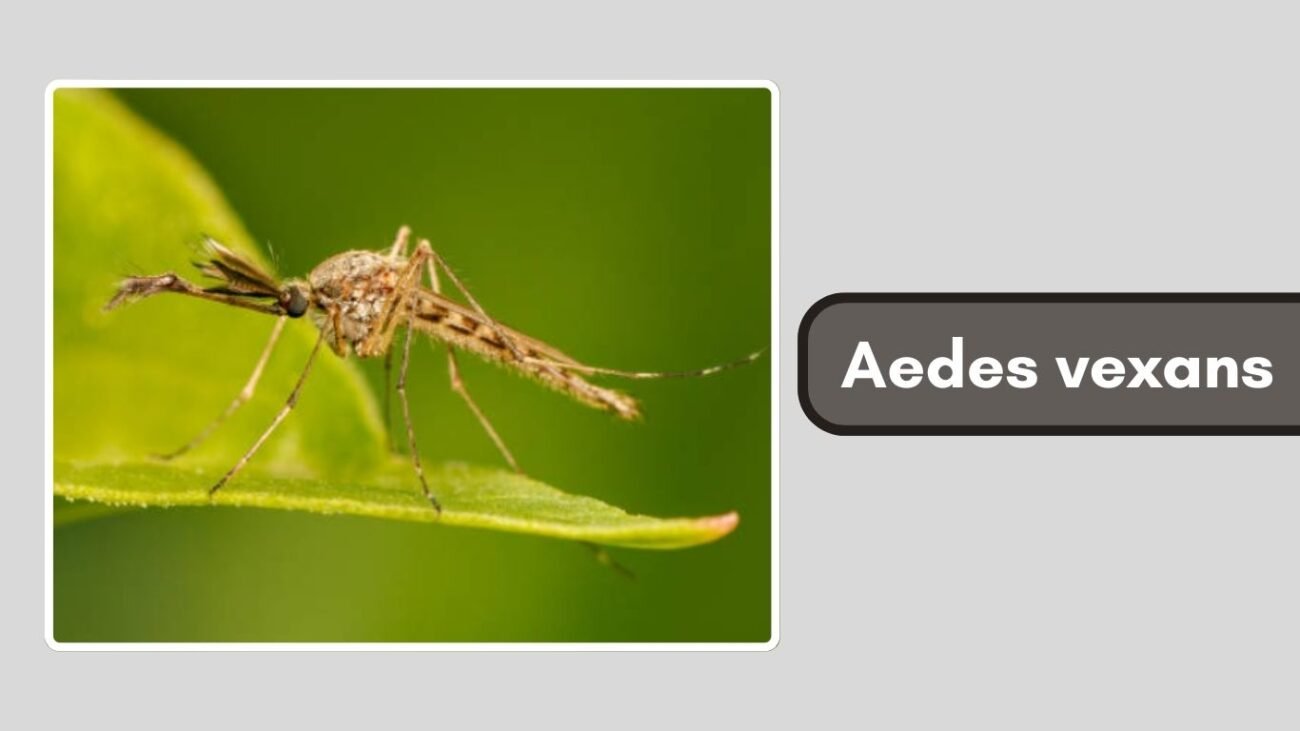
Aedes vexans is one of the most abundant and widespread floodwater mosquitoes in North America. It’s highly aggressive and emerges in large numbers following heavy rains or flooding.
Identification
- Medium-sized mosquito
- Brown body with white markings on legs and abdomen
- Slightly bushy appearance
- Unbanded wings
Habitat and Behavior
Breeds in floodplains, ditches, and temporary pools formed after rainstorms. Aedes vexans is active mainly at dusk and dawn but may also bite during the day in shaded areas.
Reproduction
Lays eggs on moist soil that floodwaters will later cover. Eggs can remain dormant until flooding occurs. Larvae develop quickly, often in just 5–7 days.
Bite/Sting Danger
Though not a major vector of human disease, Aedes vexans can transmit dog heartworm and some arboviruses. Its bite is painful and causes itching and redness, often in large swarms after rain.