Nursery web spiders, belonging to the family Pisauridae, are known for their unique maternal care, where females carry egg sacs in their jaws and later build protective silk “nursery” tents for their young. These agile hunters rely on speed and stealth rather than webs to capture prey. Found across Europe, Asia, and other regions, they thrive in grasslands, wetlands, gardens, and meadows. Below are 12 notable types of nursery web spiders, each with distinct features and fascinating behaviors.
1. Pisaura mirabilis
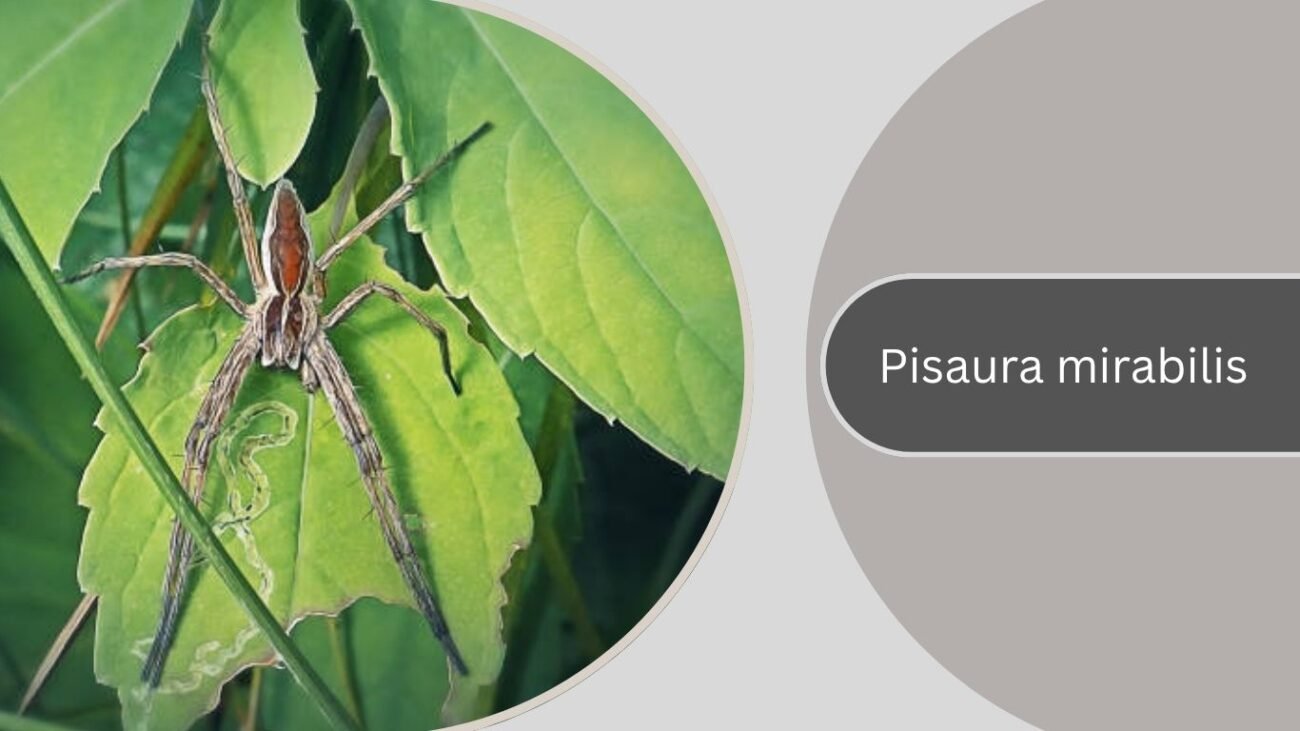
The Pisaura mirabilis, also known as the European nursery web spider, is one of the most recognized members of the Pisauridae family. It is commonly found across Europe in grasslands, meadows, and garden areas. These spiders are famous for their unique courtship ritual, where males present females with a silk-wrapped prey gift before mating.
Identification
- Color: Brown or gray with lighter and darker markings along the body.
- Size: Females measure about 12–15 mm, males around 10–13 mm.
- Body Shape: Slender body with long legs, often held stretched forward.
- Markings: Distinct dark stripe running down the center of the cephalothorax.
Habitat and Range
Pisaura mirabilis prefers sunny, open habitats such as grassy fields, hedgerows, and shrubs. It is found throughout Europe and parts of Asia, adapting well to both wild and semi-urban environments.
Behavior
This spider is a hunting species that does not spin a web to catch prey. Instead, it actively stalks and pounces on insects. Females carry their egg sacs in their jaws until the young are ready to hatch, then build a protective nursery web.
2. Pisaura lama
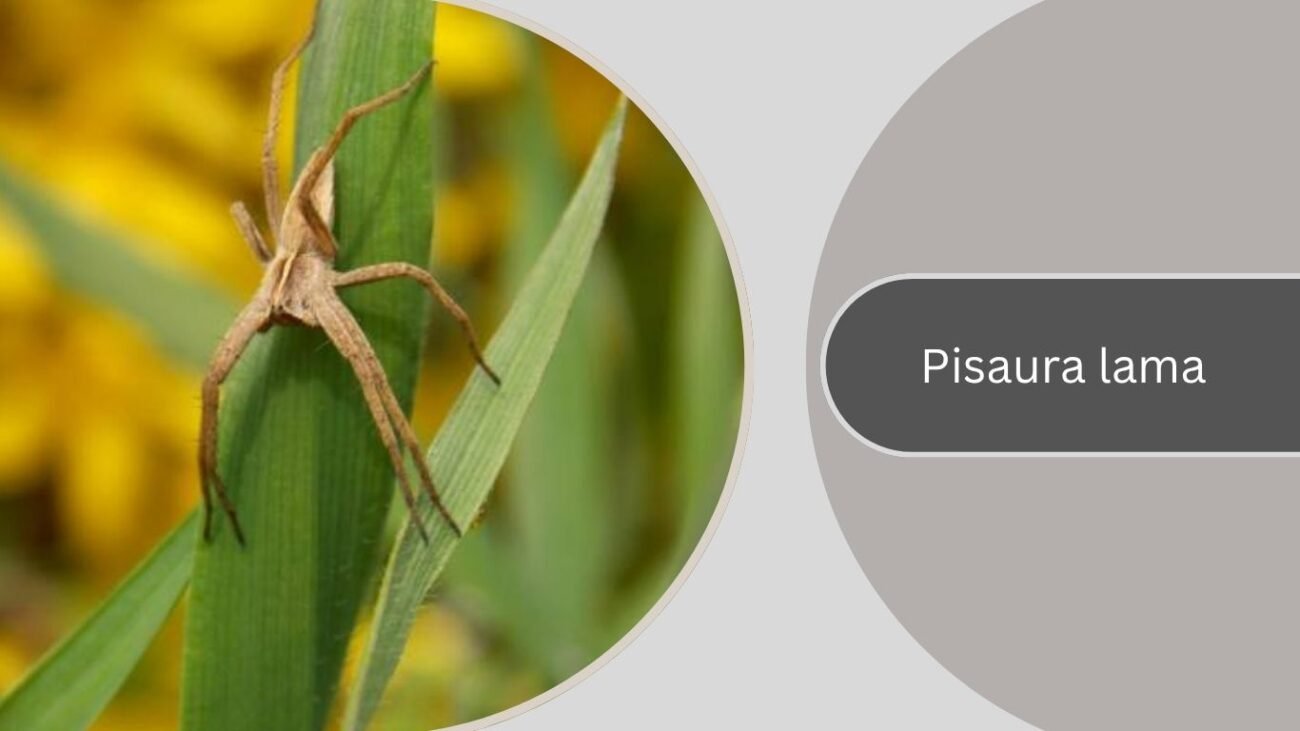
Pisaura lama is a nursery web spider species found mainly in parts of Asia. It is known for its agile hunting style and protective maternal behavior, similar to other Pisaura species.
Identification
- Color: Light brown to yellowish-brown with faint patterns.
- Size: Females about 11–14 mm, males slightly smaller.
- Body Shape: Slender with long, strong legs.
- Markings: Subtle longitudinal stripes on the cephalothorax.
Habitat and Range
This species is typically found in grasslands, rice fields, and low vegetation areas in temperate to tropical climates.
Behavior
Pisaura lama actively hunts during the day, carrying its egg sac in its chelicerae until the spiderlings are ready to emerge. A nursery web is then constructed for the young.
3. Pisaura novicia
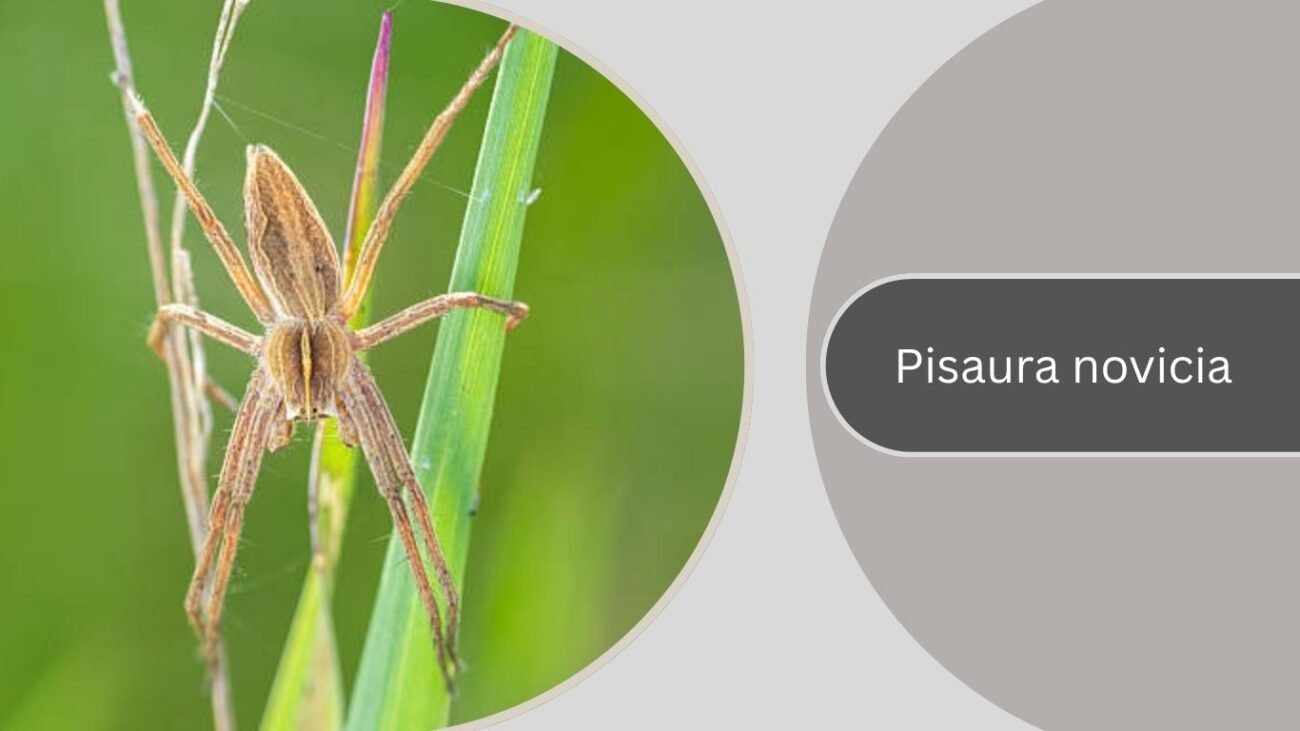
Pisaura novicia is another member of the nursery web spider group, found in various parts of Asia and Eastern Europe. It is recognized for its careful guarding of egg sacs and nursery webs.
Identification
- Color: Brown or grayish-brown with darker markings.
- Size: Females 10–13 mm, males 9–11 mm.
- Body Shape: Elongated with thin legs.
- Markings: Dark median stripe on the cephalothorax and spotted abdomen.
Habitat and Range
It inhabits grasslands, bushes, and wetland edges, often near bodies of water.
Behavior
This species hunts without a web, ambushing prey among vegetation. The female constructs a silk nursery tent to protect her offspring until they are independent.
4. Pisaura acoreensis
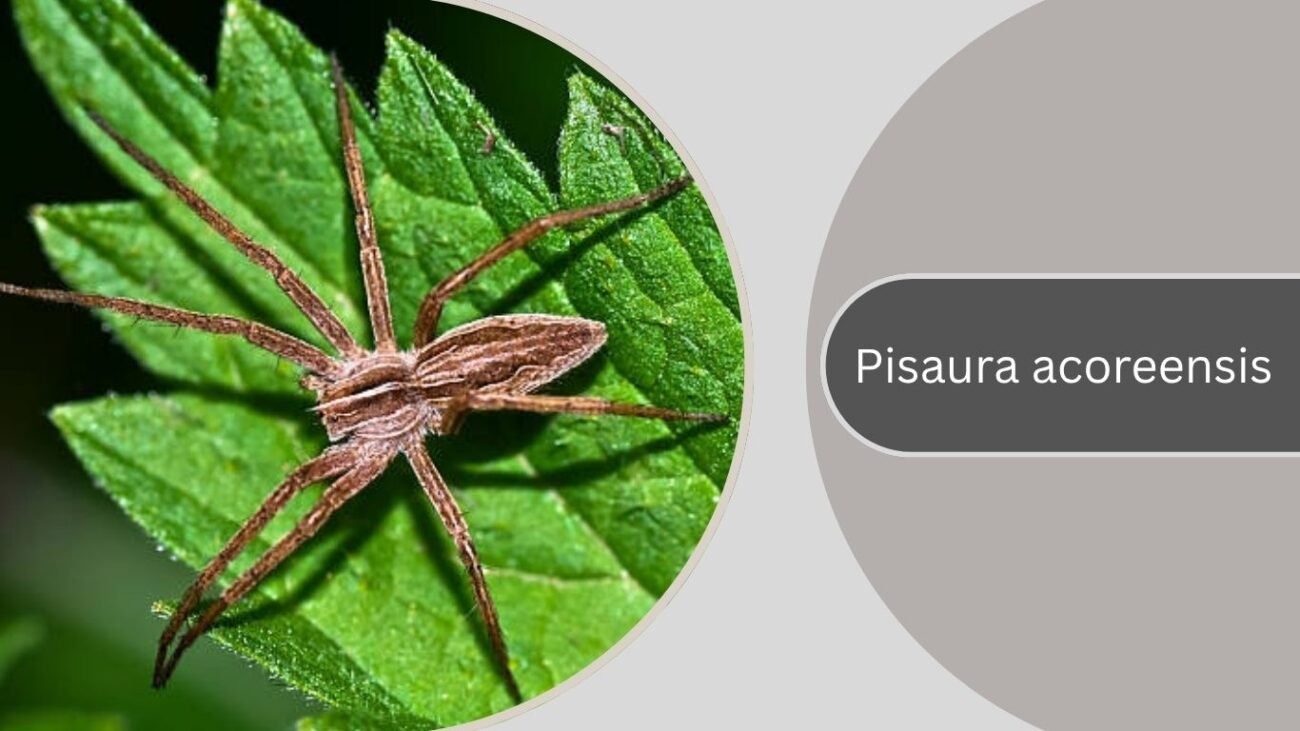
Pisaura acoreensis is an endemic nursery web spider found only in the Azores Islands, Portugal. Its isolated habitat has given it unique adaptations suited to the subtropical island climate.
Identification
- Color: Brown to reddish-brown with faint, wavy patterns.
- Size: Females reach 12–14 mm; males are 9–12 mm.
- Body Shape: Slender and elongated with proportionally long legs.
- Markings: Light central stripe bordered by darker shades on the cephalothorax.
Habitat and Range
Exclusively inhabits grasslands, shrubs, and forest edges in the Azores. Prefers moist, sheltered areas with abundant insect life.
Behavior
Pisaura acoreensis is an active hunter, using its long legs to swiftly grab prey. Females carry egg sacs until hatching, then construct a dense silk nursery web for the spiderlings. The species plays an important role in controlling insect populations in its limited range.
5. Pisaura quadrilineata
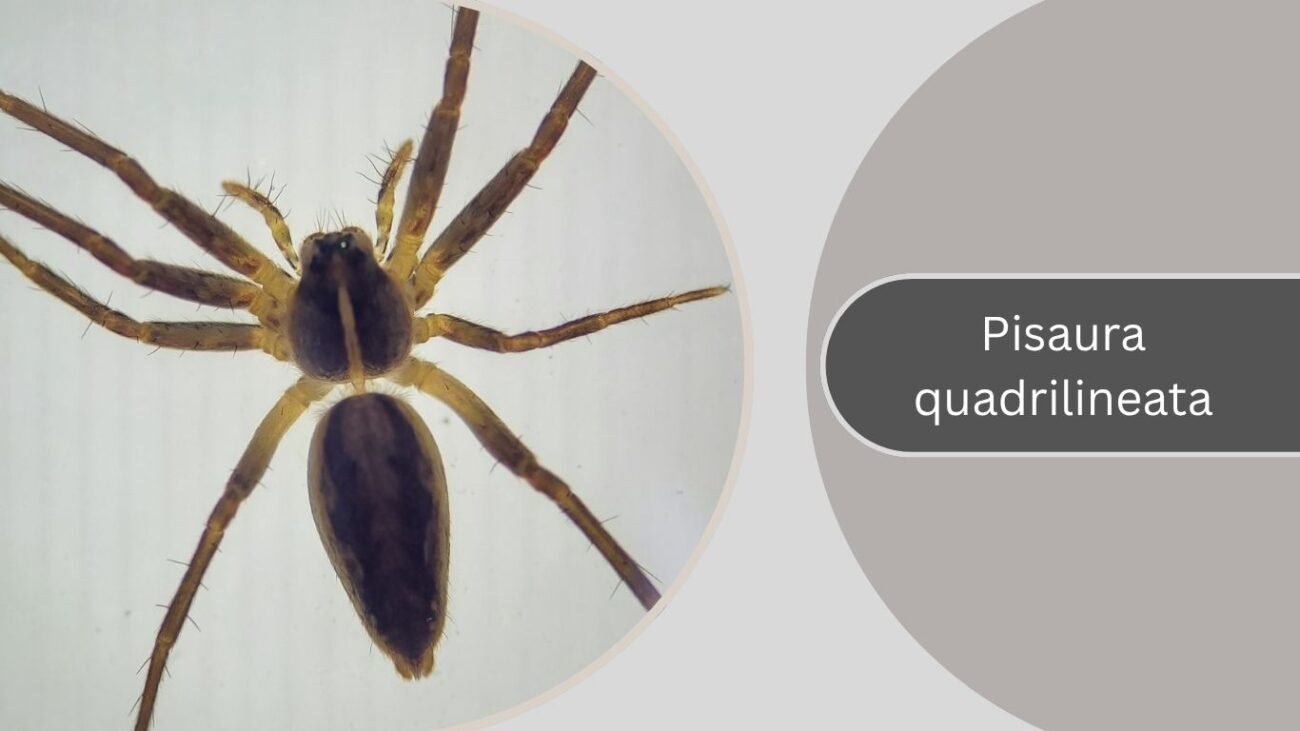
Pisaura quadrilineata is distinguished by the four parallel lines running along its abdomen, making it one of the more visually distinctive nursery web spiders.
Identification
- Color: Light brown to tan with darker longitudinal lines.
- Size: Females about 11–13 mm; males around 9–11 mm.
- Body Shape: Slim, elongated body with long, agile legs.
- Markings: Four dark lines on the abdomen, dark stripe on cephalothorax.
Habitat and Range
Found in parts of East Asia, particularly in grassy fields, meadows, and agricultural areas.
Behavior
Like other nursery web spiders, it does not weave a prey-catching web but hunts actively in vegetation. The female guards her egg sac closely, later suspending it within a silken tent that shelters the young from predators and harsh weather.
6. Pisaura tipula
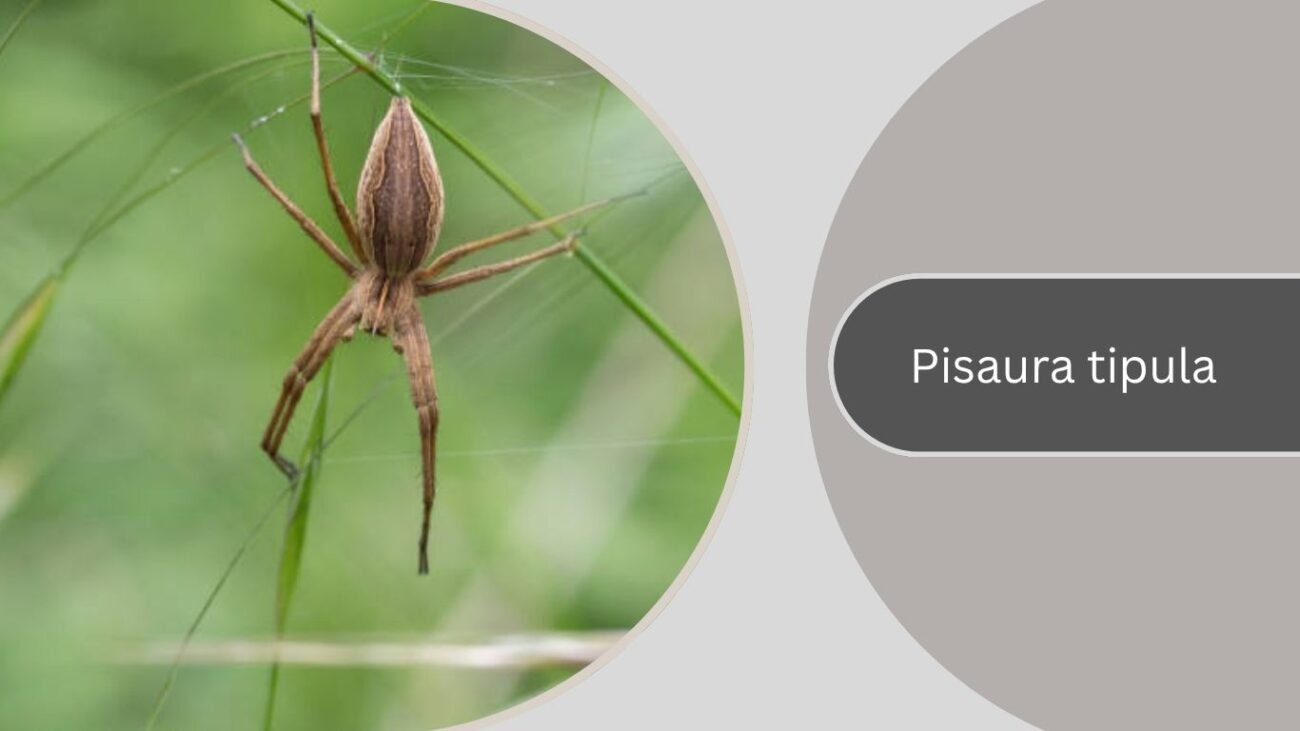
Pisaura tipula is a lesser-known nursery web spider found in select regions of Asia. Its name is inspired by its slender, crane fly–like appearance when viewed from above.
Identification
- Color: Pale brown to grayish-brown with subtle mottling.
- Size: Females 10–12 mm; males 8–10 mm.
- Body Shape: Slender body and very long legs, giving it a delicate appearance.
- Markings: Narrow dark stripe running down the cephalothorax; abdomen with faint chevron patterns.
Habitat and Range
Commonly inhabits grasslands, wetlands, and low vegetation near rivers and ponds. It thrives in humid conditions and can be found resting among tall grasses during the day.
Behavior
Pisaura tipula is an active predator that hunts insects without using a capture web. Females carry egg sacs in their jaws and later build protective nursery webs where spiderlings develop before dispersing.
7. Pisaura orientalis
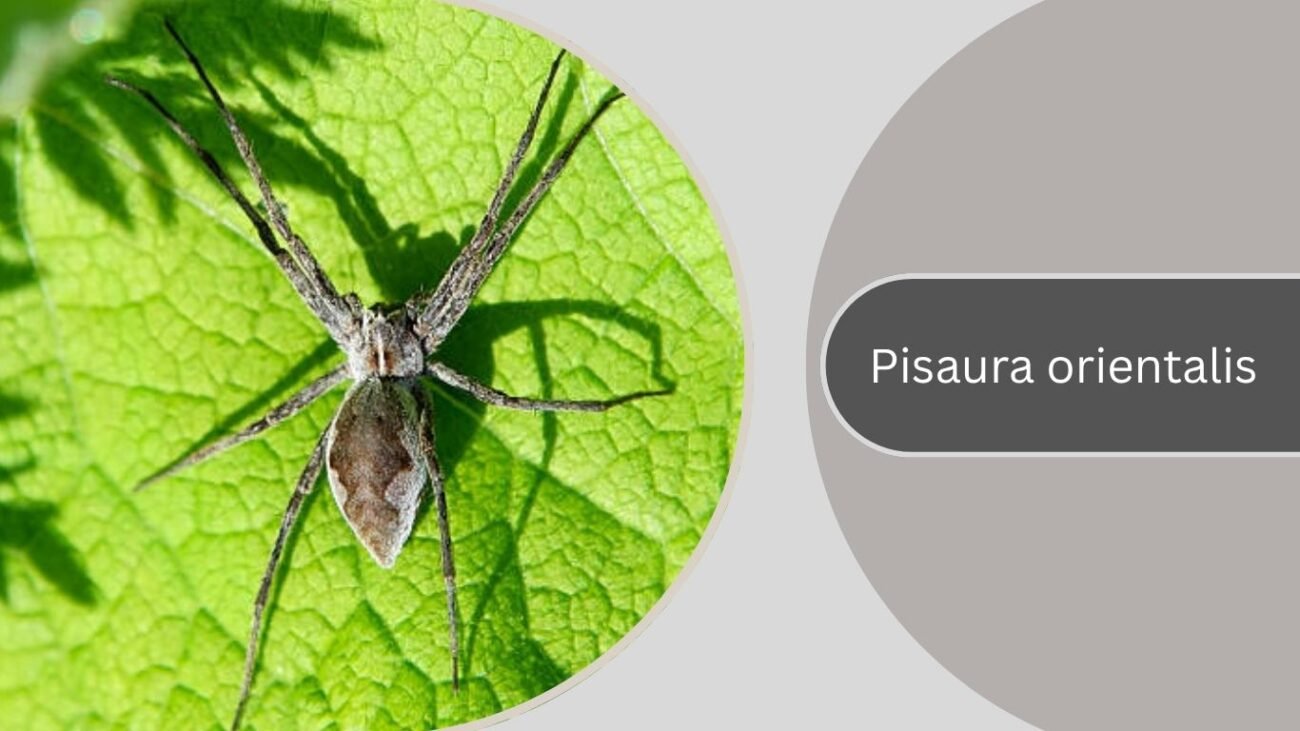
Pisaura orientalis is a widespread nursery web spider native to East and Southeast Asia. Known for its adaptability, it can be found in both rural farmlands and semi-urban gardens.
Identification
- Color: Yellowish-brown to light tan with darker markings.
- Size: Females 11–14 mm; males 9–11 mm.
- Body Shape: Elongated, slender form with long, thin legs.
- Markings: Distinct central stripe on the cephalothorax and faint stripes on the abdomen.
Habitat and Range
Thrives in grassy meadows, agricultural lands, and even home gardens. Often spotted on plant stems and leaves, especially in the warmer months.
Behavior
A skilled visual hunter, Pisaura orientalis actively stalks prey. Females are attentive mothers, carrying their egg sacs until the spiderlings are ready, then suspending them in a well-hidden silk nursery web.
8. Pisaura subpunctata
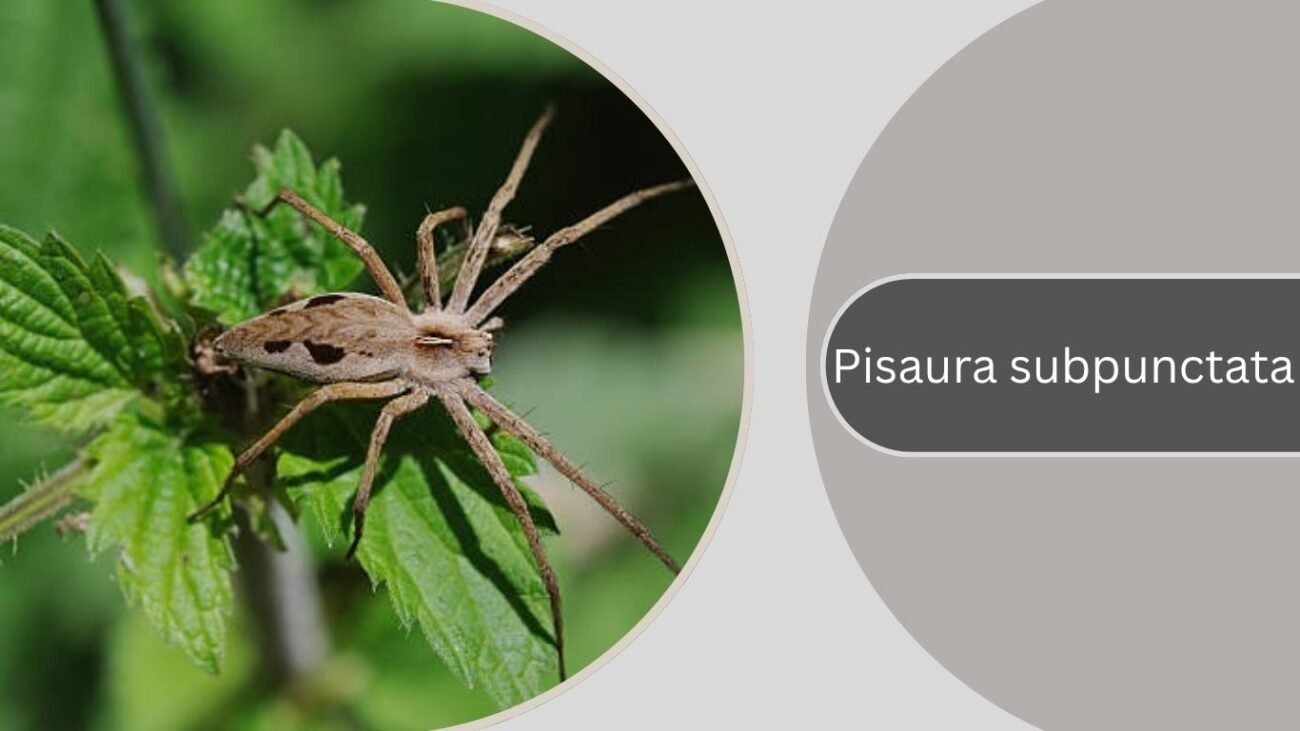
Pisaura subpunctata is a nursery web spider known for its finely spotted body pattern. It inhabits a variety of moist, vegetated environments and is recognized for its patient hunting style.
Identification
- Color: Light brown to gray-brown with numerous small dark speckles.
- Size: Females 10–13 mm; males 8–11 mm.
- Body Shape: Slender with long, sturdy legs.
- Markings: Dark median stripe on the cephalothorax; abdomen covered with fine punctate spots.
Habitat and Range
Commonly found in wetlands, riverbanks, marshy meadows, and dense grasslands across parts of Europe and Asia. Prefers areas with abundant cover and moisture.
Behavior
An active hunter that relies on stealth rather than webs for capturing prey. Females guard their egg sacs closely before securing them in a camouflaged nursery web for their young.
9. Pisaura gitae
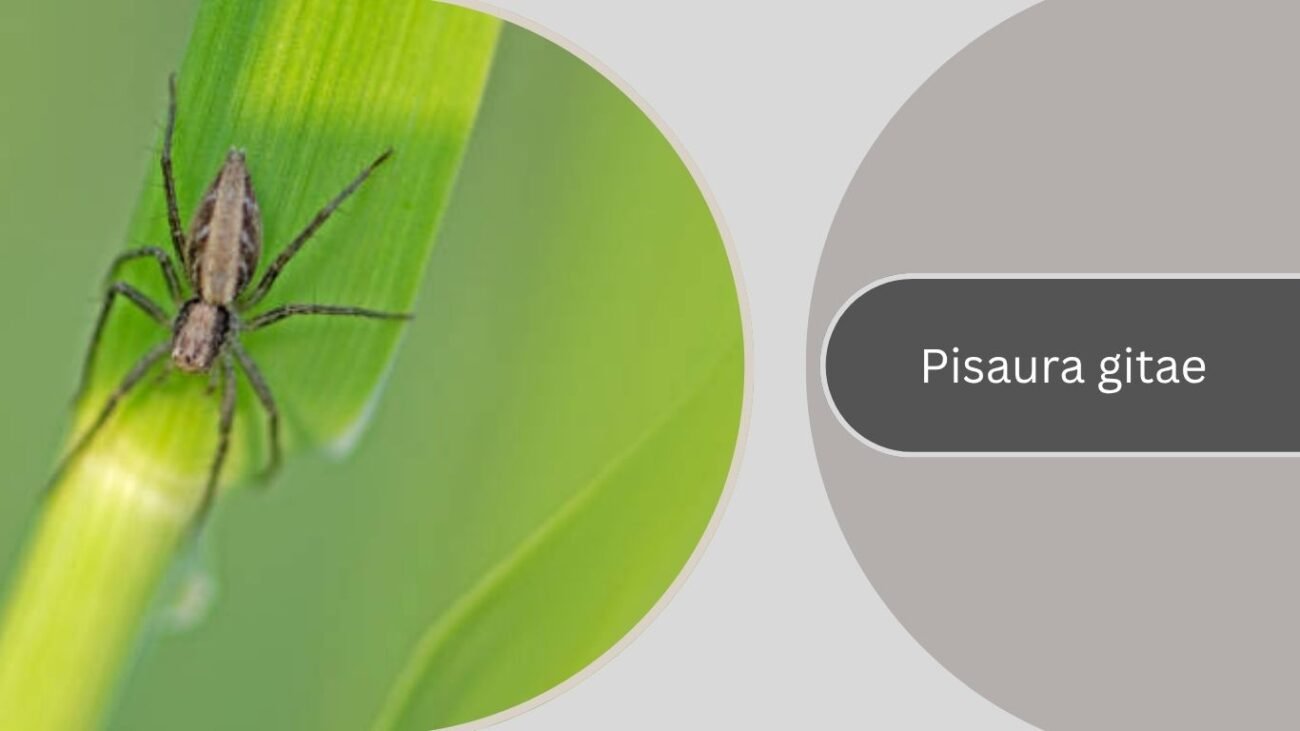
Pisaura gitae is a relatively rare species of nursery web spider with limited distribution in parts of East Asia. It is named in honor of arachnologist Gita, who contributed to Pisauridae research.
Identification
- Color: Pale yellow-brown with light mottling and faint striping.
- Size: Females 9–12 mm; males 8–10 mm.
- Body Shape: Slender frame with proportionally long legs.
- Markings: Thin longitudinal stripe down the cephalothorax and faint abdomen patterns.
Habitat and Range
Found in grassy fields, low shrubs, and agricultural landscapes in its native range. Often observed during the breeding season in spring and early summer.
Behavior
A diurnal hunter that moves swiftly to ambush small insects. Females follow the typical Pisaura pattern—carrying egg sacs in their jaws and later suspending them in nursery webs for spiderling protection.
10. Pisaura tessellata
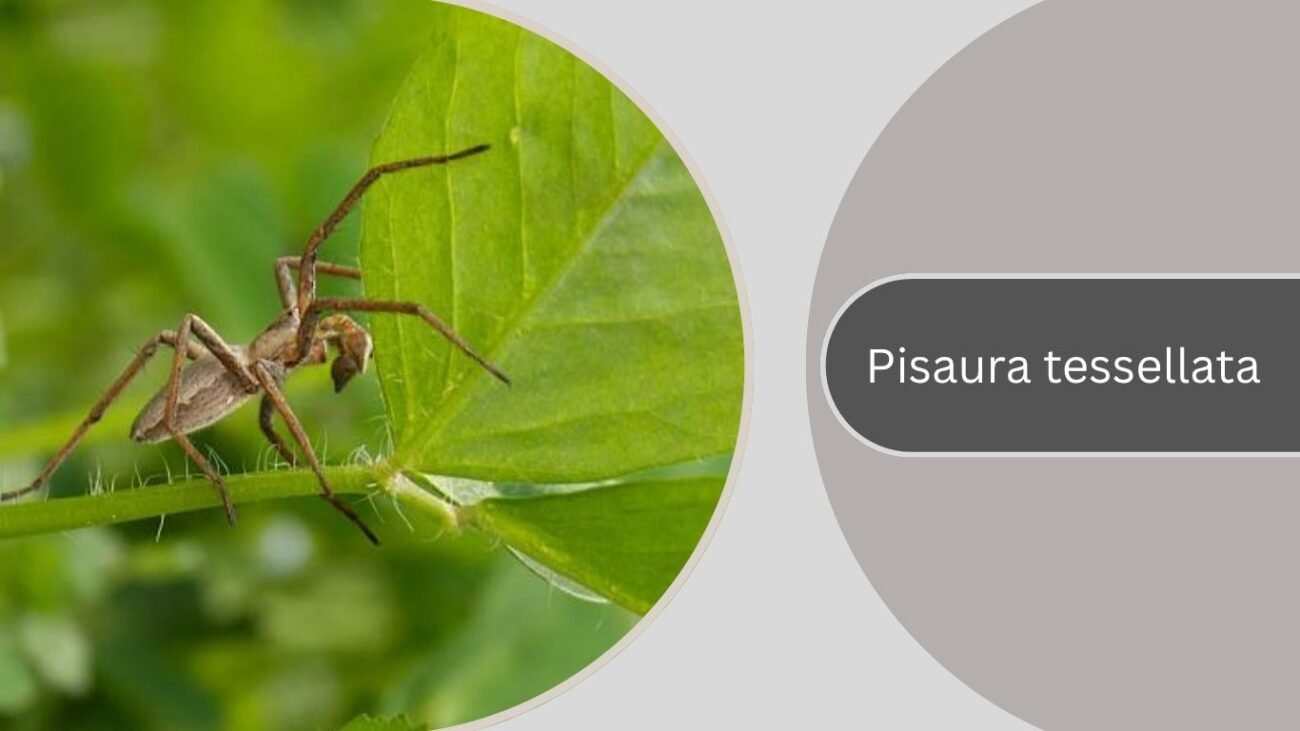
Pisaura tessellata is recognized for its intricate, tile-like (tessellated) body pattern that provides excellent camouflage in its grassy habitat.
Identification
- Color: Light to medium brown with darker tessellated markings.
- Size: Females 11–14 mm; males 9–12 mm.
- Body Shape: Slender and elongated with long, agile legs.
- Markings: Complex geometric patterns on the abdomen; dark stripe on cephalothorax.
Habitat and Range
Inhabits grasslands, hedgerows, and meadow edges in parts of Europe and temperate Asia. Prefers sunny, open environments with tall vegetation.
Behavior
This species hunts during the day, relying on its camouflage to remain undetected before striking. Females care for their egg sacs until hatching, then weave a protective nursery web for the young.
11. Pisaura stoliczkai
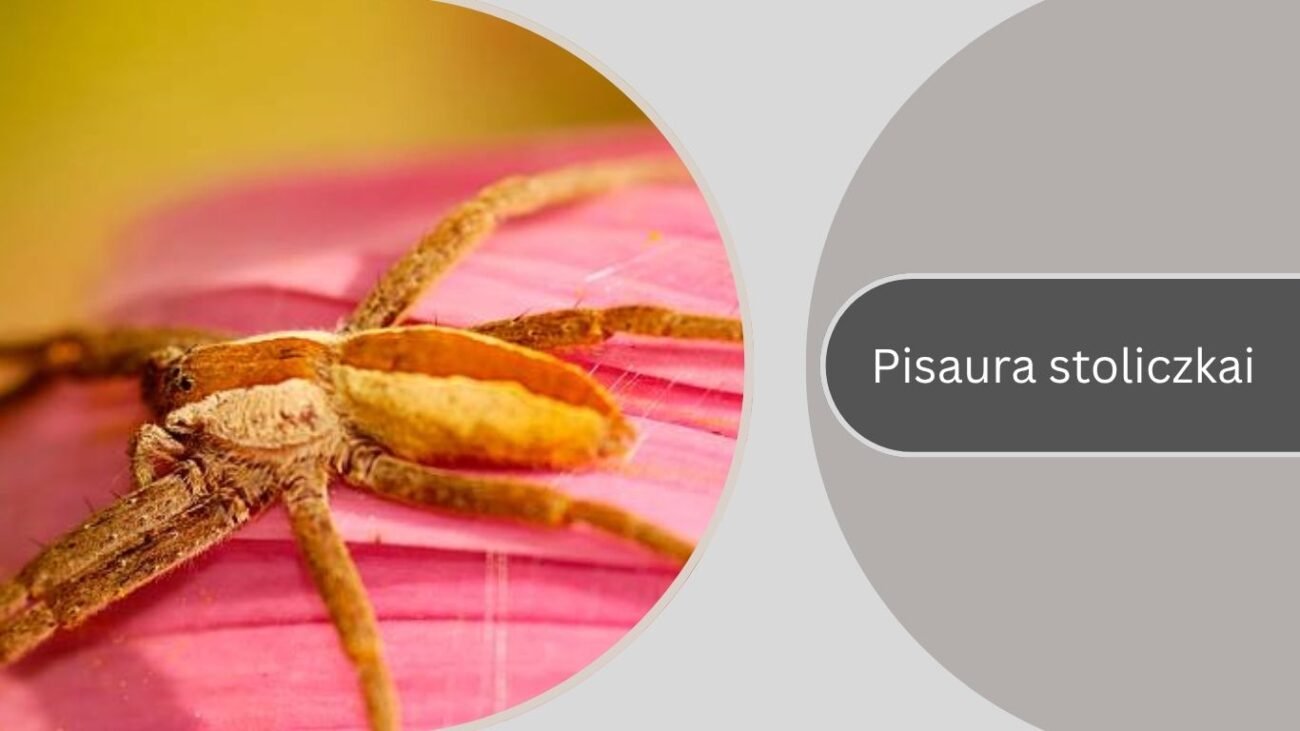
Pisaura stoliczkai is a lesser-known nursery web spider distributed in South and Southeast Asia. It is adapted to warmer climates and varied landscapes.
Identification
- Color: Yellowish-brown to reddish-brown with faint longitudinal striping.
- Size: Females 10–13 mm; males 8–11 mm.
- Body Shape: Long-legged with a slender, slightly flattened body.
- Markings: Narrow median stripe on the cephalothorax and faint spots on the abdomen.
Habitat and Range
Found in agricultural areas, grasslands, and forest edges. Often encountered on low foliage where it actively hunts.
Behavior
An agile predator that ambushes small insects. Females guard egg sacs and later suspend them in vegetation within a silk nursery tent for spiderling safety.
12. Pisaura flavipes
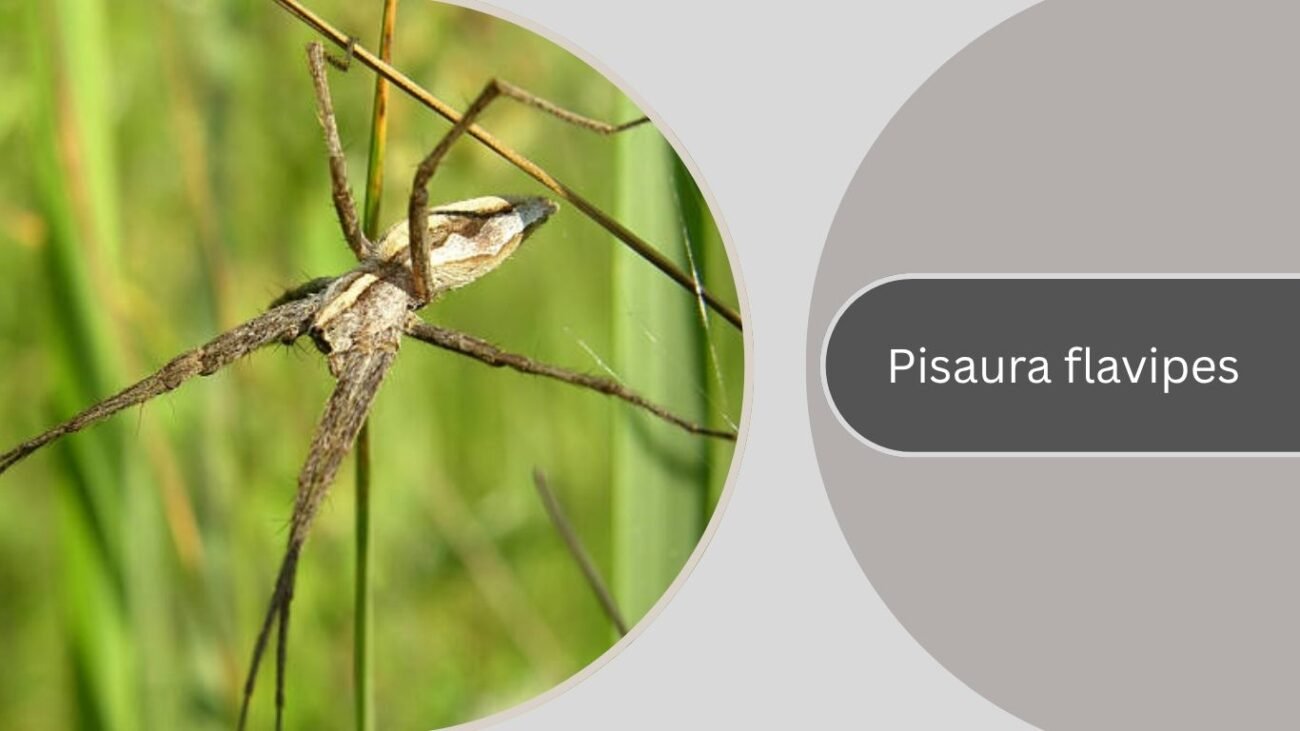
Pisaura flavipes, meaning “yellow foot,” is distinguished by its pale yellowish legs, which set it apart from other Pisaura species.
Identification
- Color: Light brown body with yellowish legs and faint patterns.
- Size: Females 9–12 mm; males 8–10 mm.
- Body Shape: Slim with long, delicate legs.
- Markings: Subtle central stripe on the cephalothorax; abdomen with soft mottling.
Habitat and Range
Found in grassy meadows, marshlands, and occasionally gardens across parts of Asia.
Behavior
This species actively hunts small insects on plants and ground cover. Females carry the egg sac in their jaws until ready, then construct a silk nursery to protect the spiderlings until dispersal.