Fishing spiders are large, agile hunters that thrive in wetland habitats, riverbanks, lakeshores, and swamps around the world. Unlike web-building spiders, they actively hunt prey by skimming across the water’s surface or diving beneath it. These semi-aquatic arachnids feed on aquatic insects, tadpoles, small fish, and even amphibians. In this guide, we’ll explore 25 fascinating fishing spider species, detailing their unique features, habitats, and hunting behaviors.
1. Dark Fishing Spider
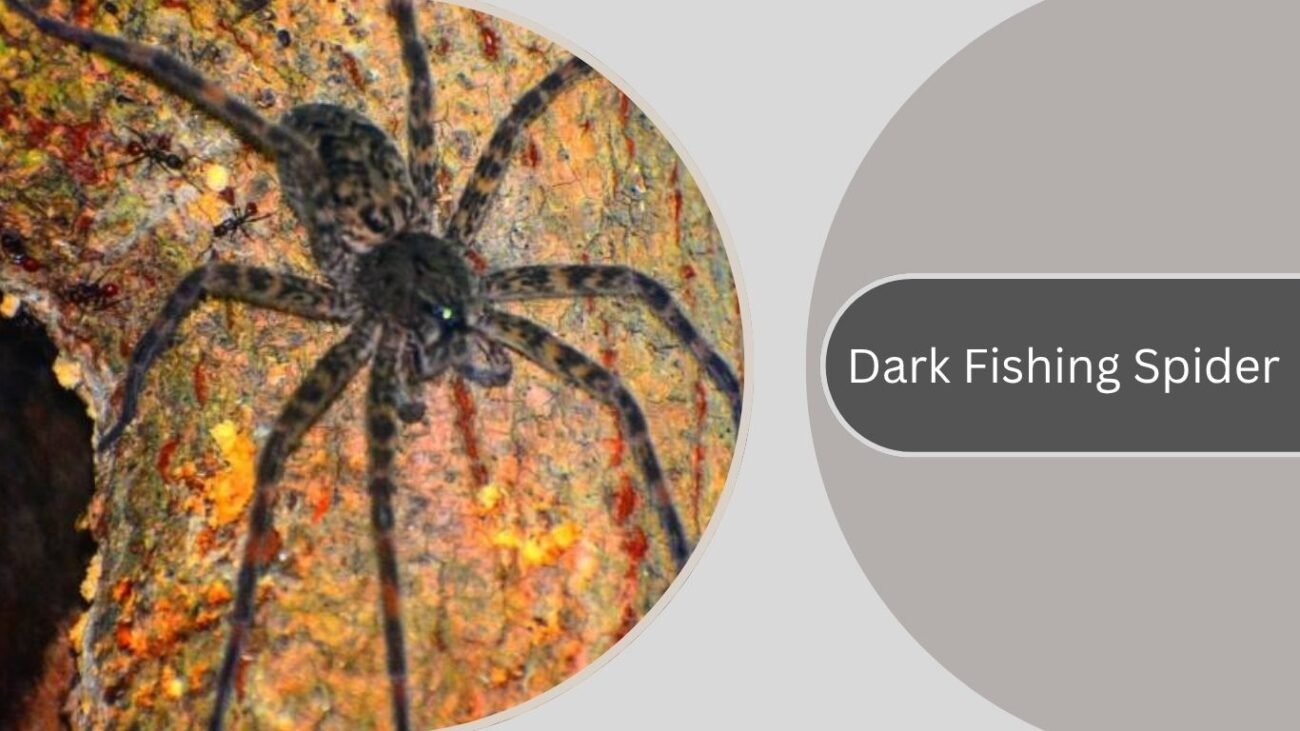
The dark fishing spider is a large, semi-aquatic spider known for its ability to walk on water and even dive beneath the surface to catch prey. Despite its intimidating size and appearance, it is harmless to humans. Found near lakes, rivers, and wetlands, this spider is an adept hunter that relies on speed and stealth rather than webs to capture food.
Identification
- Scientific Name: Dolomedes tenebrosus
- Body Size: Females up to 26 mm, males around 13 mm (leg span up to 9 cm)
- Color: Brown to dark brown with lighter and darker mottled patterns
- Legs: Long, banded, and covered in fine hairs that repel water
- Eyes: Eight eyes arranged in two horizontal rows
Habitat and Distribution
Common across North America, especially near freshwater habitats such as ponds, streams, marshes, and lakeshores. They may also be found in nearby wooded areas.
Behavior and Diet
Feeds on aquatic insects, tadpoles, and even small fish. It hunts by sensing vibrations on the water’s surface, rushing across or diving to seize prey with its strong front legs and fangs.
2. Six-Spotted Fishing Spider
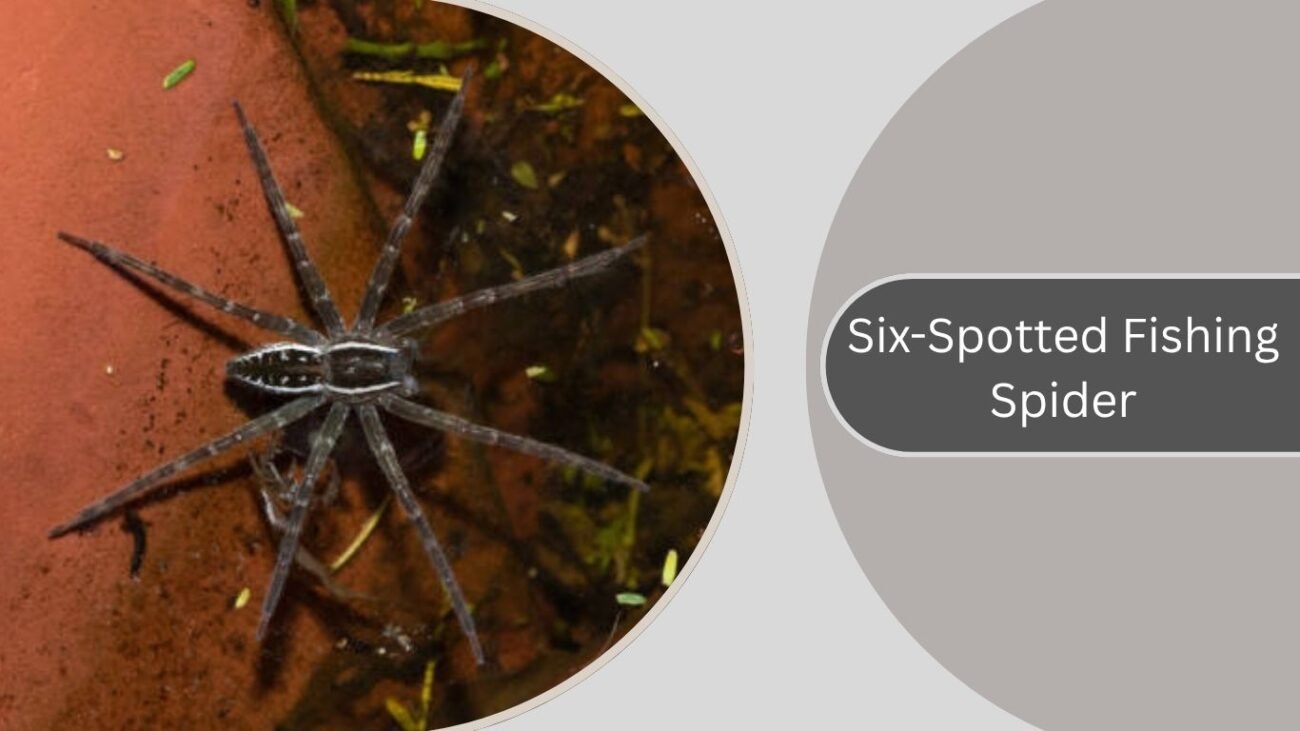
The six-spotted fishing spider is a well-known semi-aquatic species recognized by the distinct black spots on its light-colored head region. It is a skilled hunter both on land and water, able to subdue prey much larger than itself. This spider is harmless to humans and plays a key role in controlling aquatic insect populations.
Identification
- Scientific Name: Dolomedes triton
- Body Size: Females up to 23 mm, males around 12 mm (leg span up to 7.5 cm)
- Color: Brownish-gray body with pale stripes along the sides of the cephalothorax
- Legs: Long, banded, and water-repellent with fine hairs
- Eyes: Eight eyes arranged in two horizontal rows
- Unique Marking: Six small black spots on the lighter dorsal head region
Habitat and Distribution
Found across North America, particularly around ponds, marshes, and slow-moving streams. They rest on vegetation near the water or directly on the water’s surface.
Behavior and Diet
Feeds on aquatic insects, tadpoles, and small fish, detecting prey via water surface vibrations before lunging to capture it.
3. Striped Fishing Spider
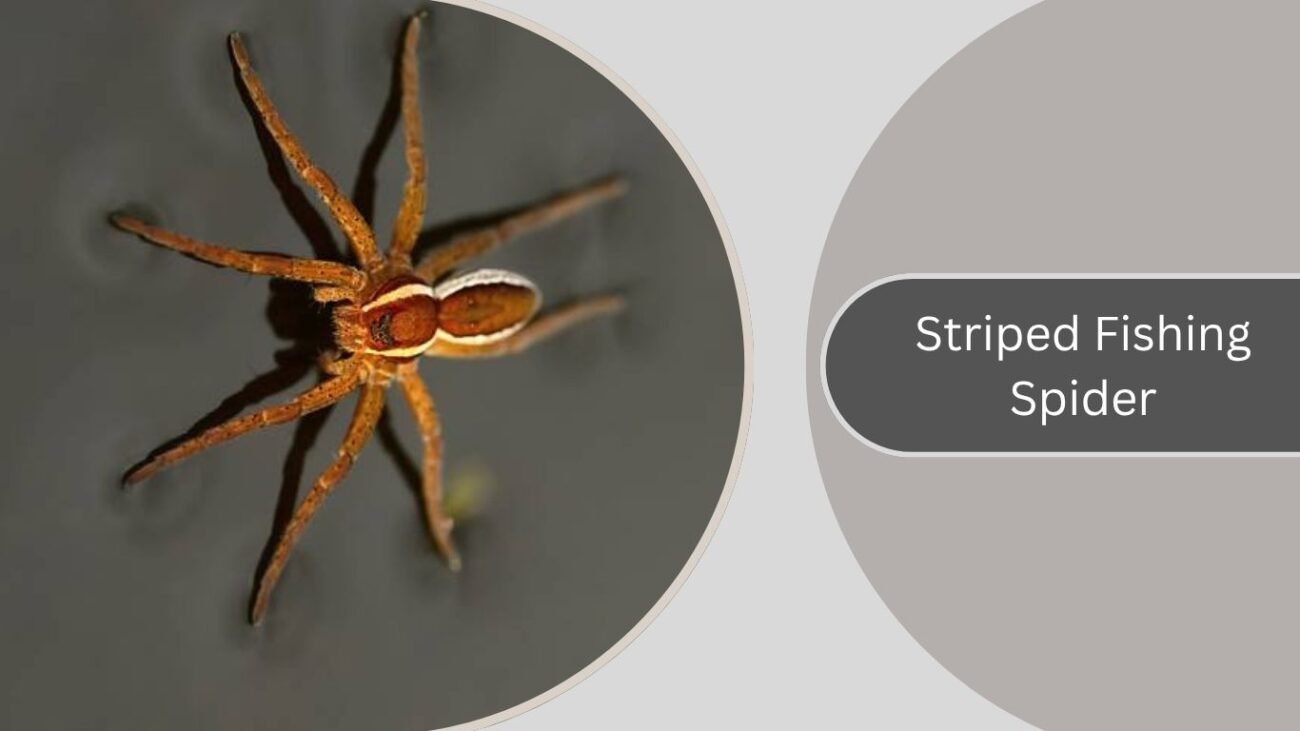
The striped fishing spider is a large, fast-moving species known for the bold stripes running along its legs and body. It is an active hunter that forgoes building traditional webs, preferring to stalk prey along water edges or on floating debris.
Identification
- Scientific Name: Dolomedes scriptus
- Body Size: Females up to 25 mm, males around 13 mm (leg span up to 8 cm)
- Color: Grayish-brown with bold light and dark longitudinal stripes on the body and legs
- Legs: Long, striped, and hydrophobic, allowing movement across water
- Eyes: Eight eyes arranged in two rows
Habitat and Distribution
Native to North America, often found on lakeshores, riverbanks, and in wetland vegetation.
Behavior and Diet
Hunts aquatic insects, small amphibians, and even minnows by detecting ripples on the water’s surface and striking with speed and precision.
4. White-Banded Fishing Spider
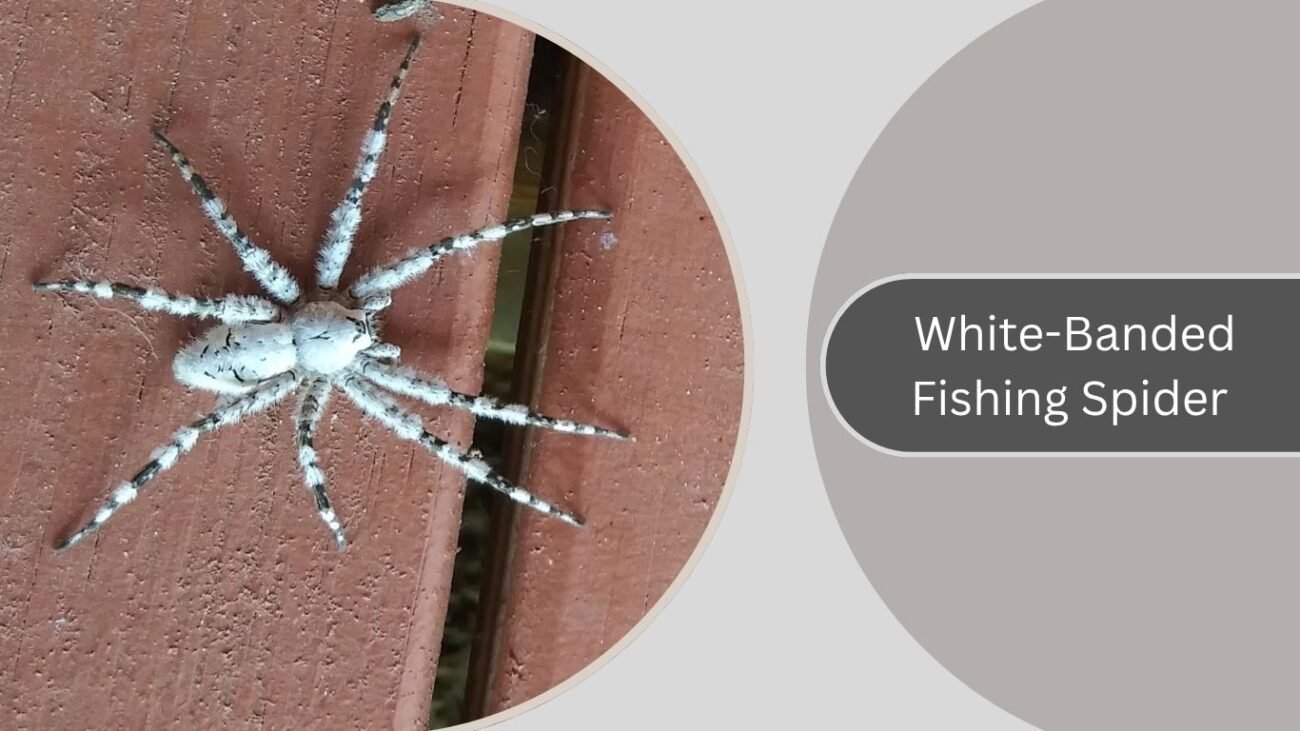
The white-banded fishing spider is easily recognized by the distinctive pale band running across its face just below the eyes. This semi-aquatic hunter is highly adaptable, capable of catching prey both on water and on land. Despite its size, it is non-aggressive toward humans and will usually flee when disturbed.
Identification
- Scientific Name: Dolomedes albineus
- Body Size: Females up to 23 mm, males around 12 mm (leg span up to 7–8 cm)
- Color: Pale to medium brown with lighter markings and a white band beneath the eyes
- Legs: Long, pale-banded, and water-repellent
- Eyes: Eight eyes arranged in two horizontal rows
Habitat and Distribution
Common in the southeastern United States, found around ponds, streams, swamps, and wetlands, often resting on vegetation overhanging the water.
Behavior and Diet
Preys on aquatic insects, tadpoles, and small fish, hunting from vegetation or directly from the water surface by detecting vibrations.
5. Giant Fishing Spider
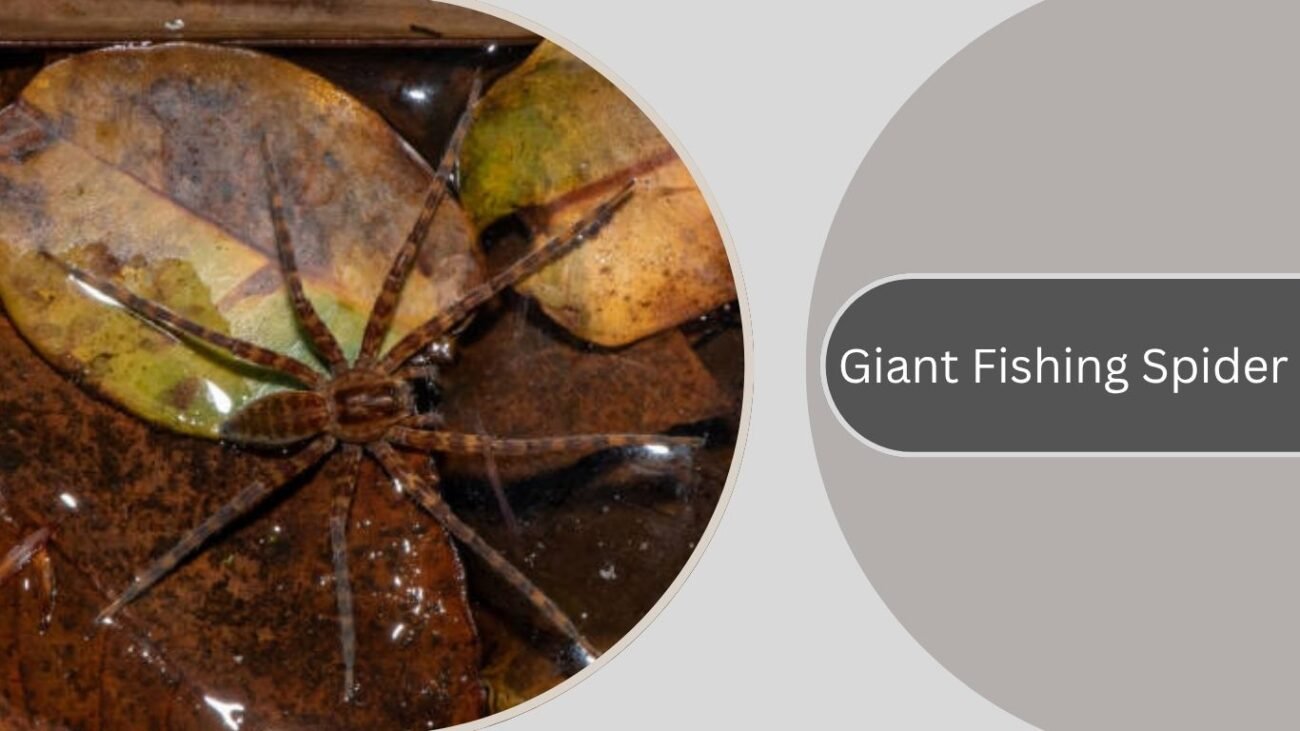
The giant fishing spider is one of the largest fishing spider species in North America, impressive for both its size and hunting skills. It is capable of taking down sizable prey, including small fish, with its lightning-fast strikes.
Identification
- Scientific Name: Dolomedes okefinokensis
- Body Size: Females up to 30 mm, males around 15 mm (leg span up to 9–10 cm)
- Color: Dark brown to black with lighter mottled markings
- Legs: Very long, strong, and covered in hydrophobic hairs
- Eyes: Eight eyes in two horizontal rows
Habitat and Distribution
Found mainly in the southeastern United States, especially in swamps, marshes, and slow-moving waterways.
Behavior and Diet
Hunts aquatic insects, frogs, tadpoles, and small fish by skimming over the water’s surface or diving beneath to seize prey.
6. Pale Green Fishing Spider
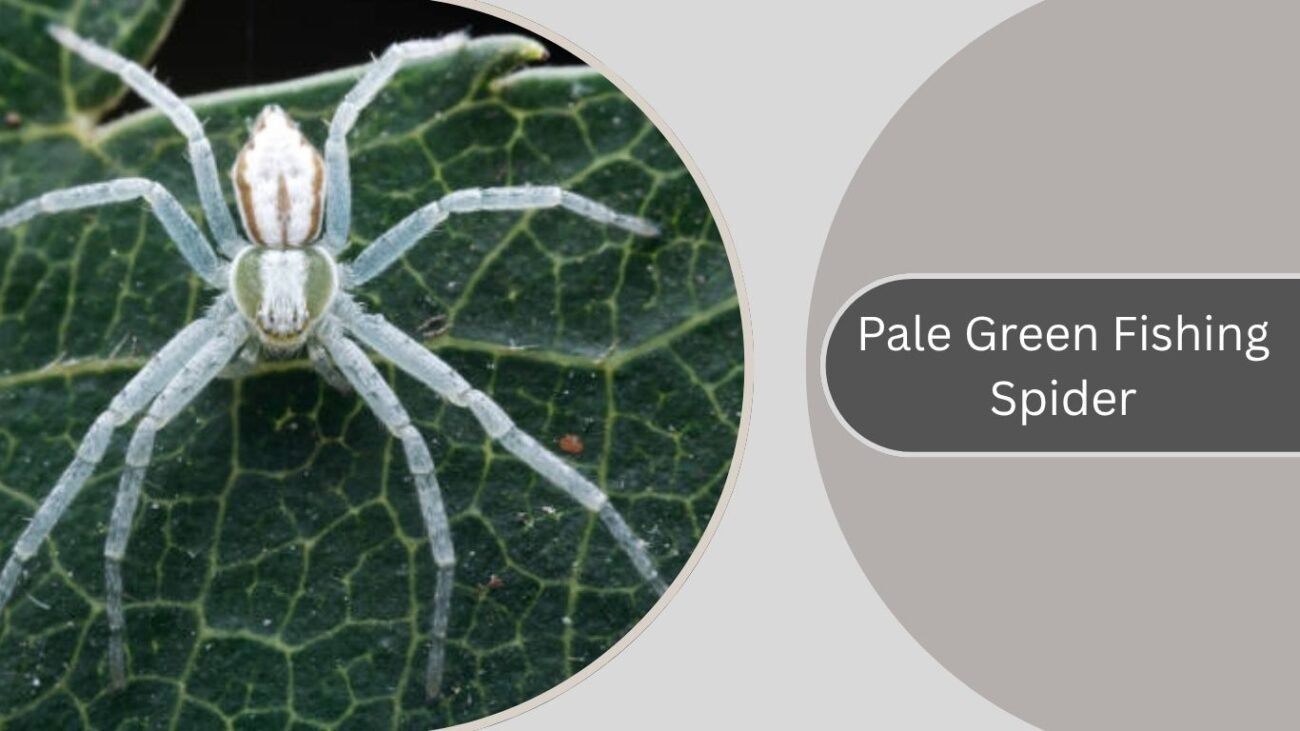
The pale green fishing spider is a slender, light-colored species that blends seamlessly with aquatic vegetation. Its excellent camouflage and speed make it a formidable predator of both aquatic and terrestrial insects. Despite its delicate appearance, it is a skilled hunter capable of capturing prey larger than itself.
Identification
- Scientific Name: Dolomedes minor
- Body Size: Females up to 18 mm, males around 12 mm (leg span up to 6–7 cm)
- Color: Pale green to yellow-green with faint markings on the abdomen
- Legs: Long, thin, and pale green with fine hairs for water resistance
- Eyes: Eight eyes in two horizontal rows
Habitat and Distribution
Native to New Zealand, often found on reeds, grasses, and low vegetation along ponds, lakes, and streams.
Behavior and Diet
Feeds on aquatic insects, small fish, and tadpoles, ambushing prey from vegetation overhanging the water.
7. Brown Fishing Spider
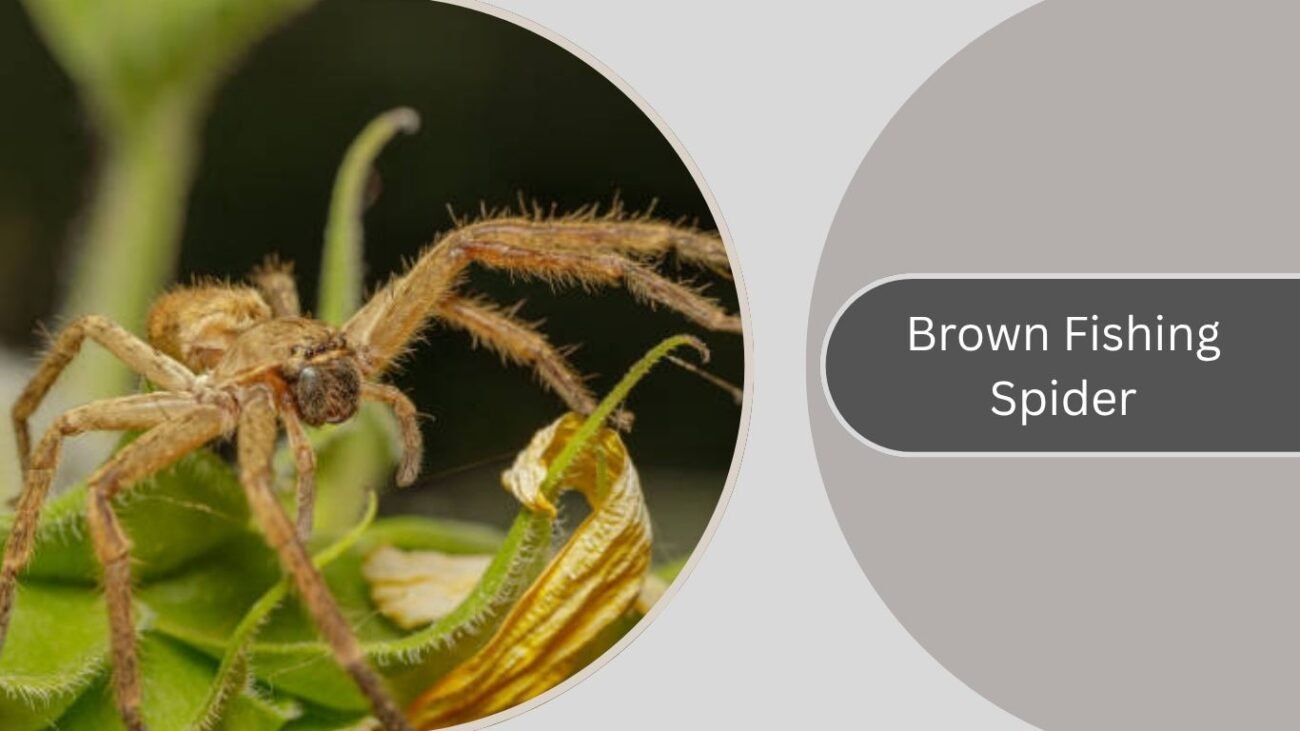
The brown fishing spider is a widespread semi-aquatic hunter found throughout parts of Europe and Asia. Its earthy coloration provides excellent camouflage among rocks, mud, and vegetation at the water’s edge.
Identification
- Scientific Name: Dolomedes sublineatus
- Body Size: Females up to 20 mm, males around 12 mm (leg span up to 6–8 cm)
- Color: Brown to gray-brown with pale lateral stripes on the cephalothorax
- Legs: Long, sturdy, and uniformly brown with fine water-repelling hairs
- Eyes: Eight eyes arranged in two horizontal rows
Habitat and Distribution
Found across Europe and parts of Asia, inhabiting the banks of rivers, lakes, and marshes.
Behavior and Diet
Preys on aquatic insects, small crustaceans, and occasionally minnows, relying on surface vibrations to locate prey.
8. Great Raft Spider
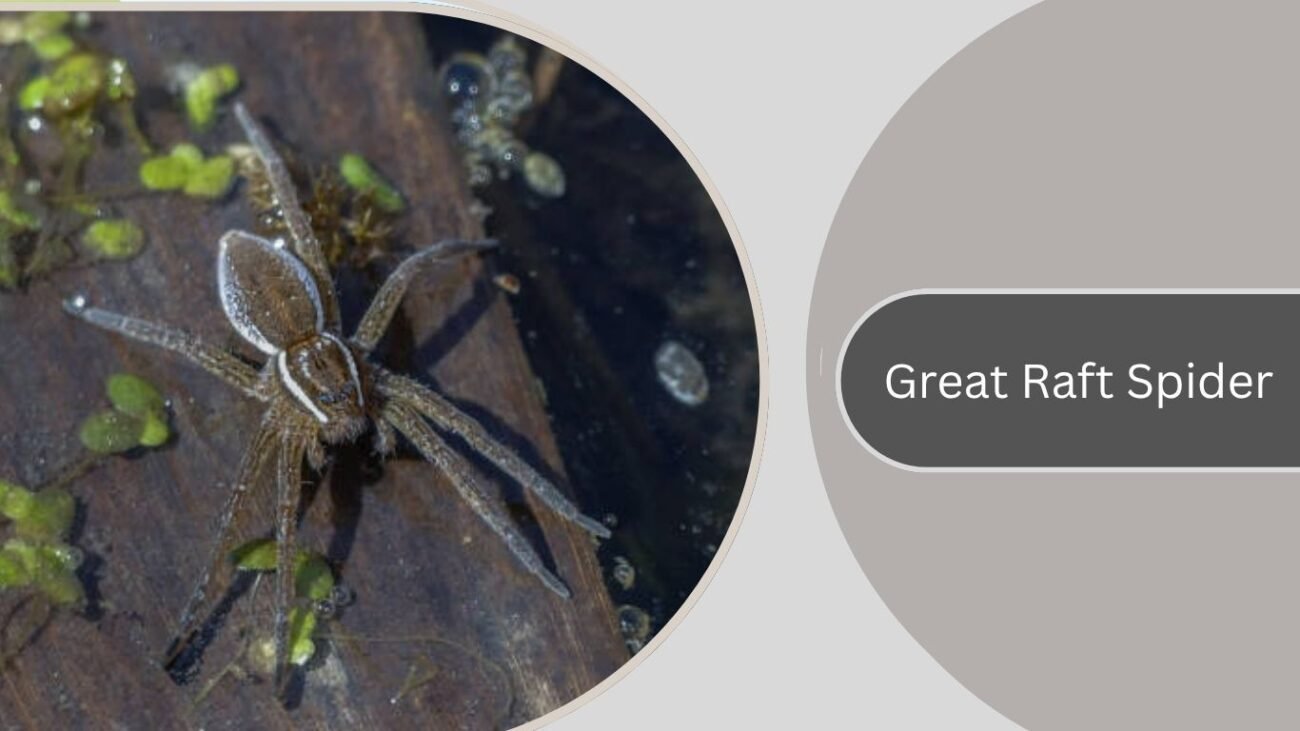
The great raft spider is one of the largest and most impressive fishing spiders in Europe, known for its ability to chase prey across the water’s surface. It is a protected species in some regions due to habitat loss, making sightings rare in the wild.
Identification
- Scientific Name: Dolomedes plantarius
- Body Size: Females up to 23 mm, males around 13 mm (leg span up to 7–8 cm)
- Color: Dark brown with a distinctive pale cream or white stripe running down each side of the body
- Legs: Long, strong, and dark with subtle banding
- Eyes: Eight eyes in two horizontal rows
Habitat and Distribution
Found in parts of Europe, particularly in wetlands, marshes, and slow-moving waterways with abundant vegetation.
Behavior and Diet
Hunts water beetles, aquatic insects, and small fish, often sprinting across the water or diving to capture prey.
9. Raft Spider
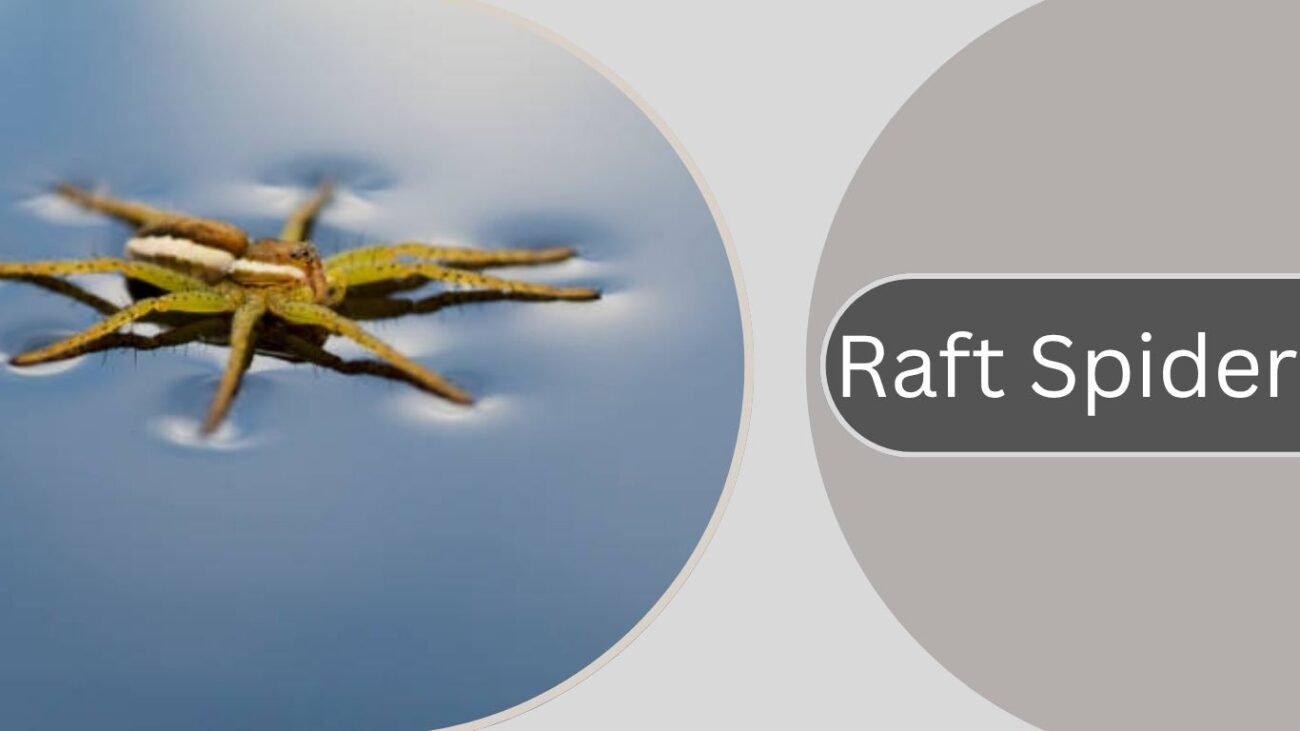
The raft spider is a close relative of the great raft spider and is also adept at water hunting. It gets its name from its ability to sit on the water surface, supported by the surface tension, while waiting for prey to pass.
Identification
- Scientific Name: Dolomedes fimbriatus
- Body Size: Females up to 22 mm, males around 12 mm (leg span up to 7 cm)
- Color: Dark brown with a bold white or cream stripe along each side of the body
- Legs: Long, brown, and water-resistant with fine hairs
- Eyes: Eight eyes arranged in two rows
Habitat and Distribution
Found across Europe and parts of Asia, inhabiting bogs, marshes, and wet heathlands.
Behavior and Diet
Feeds on aquatic insects, small frogs, and tadpoles, detecting ripples on the water before making a rapid strike.
10. Hawaiian Fishing Spider
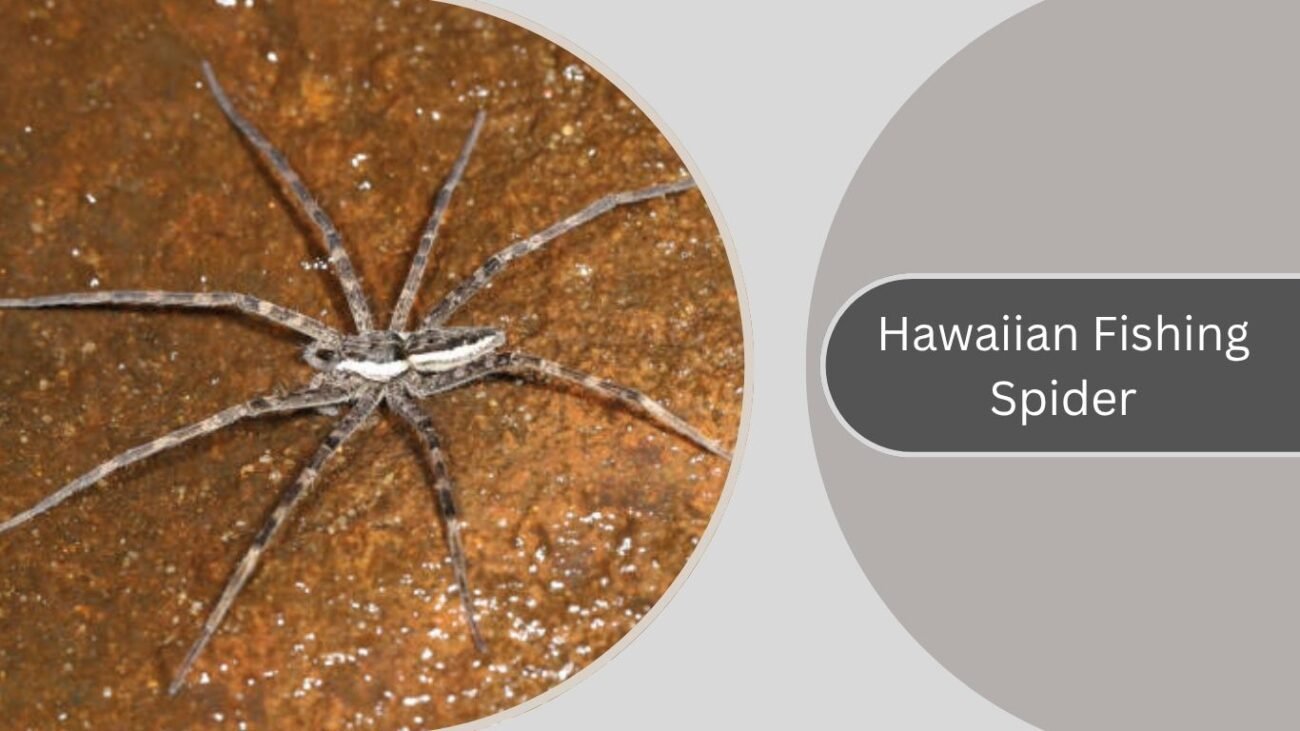
The Hawaiian fishing spider is a unique island species adapted to the tropical freshwater habitats of Hawaii. It is an agile hunter, capable of running across the water’s surface to capture prey, and is sometimes seen resting on floating vegetation.
Identification
- Scientific Name: Dolomedes holti
- Body Size: Females up to 20 mm, males around 12 mm (leg span up to 6–7 cm)
- Color: Brown to reddish-brown with faint mottled markings on the abdomen
- Legs: Long, slender, and slightly banded, with hydrophobic hairs
- Eyes: Eight eyes in two horizontal rows
Habitat and Distribution
Endemic to the Hawaiian Islands, inhabiting streams, ponds, and wetlands with abundant plant cover.
Behavior and Diet
Feeds on aquatic insects, small fish, and tadpoles, hunting by detecting surface vibrations or ambushing from vegetation.
11. Queensland Water Spider
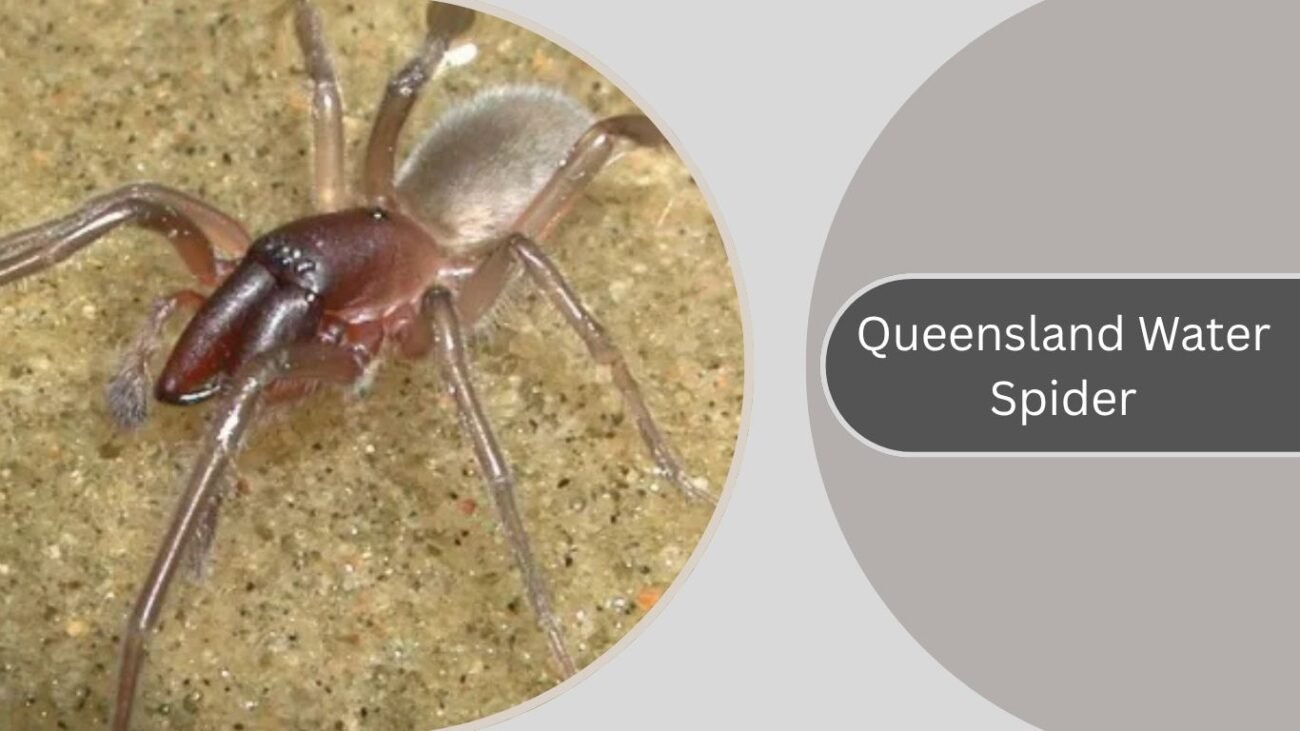
The Queensland water spider is a large fishing spider found in the freshwater habitats of Queensland, Australia. It is known for its bold hunting style, often chasing prey directly across the water surface.
Identification
- Scientific Name: Dolomedes facetus
- Body Size: Females up to 22 mm, males around 13 mm (leg span up to 7–8 cm)
- Color: Dark brown to black with light stripes or patches on the body
- Legs: Long, strong, and dark, with fine water-resistant hairs
- Eyes: Eight eyes in two rows
Habitat and Distribution
Found in Queensland’s rivers, creeks, wetlands, and ponds, especially in shaded areas with overhanging vegetation.
Behavior and Diet
Preys on insects, small fish, and aquatic invertebrates, hunting by skimming across the water or waiting in ambush.
12. New Zealand Fishing Spider
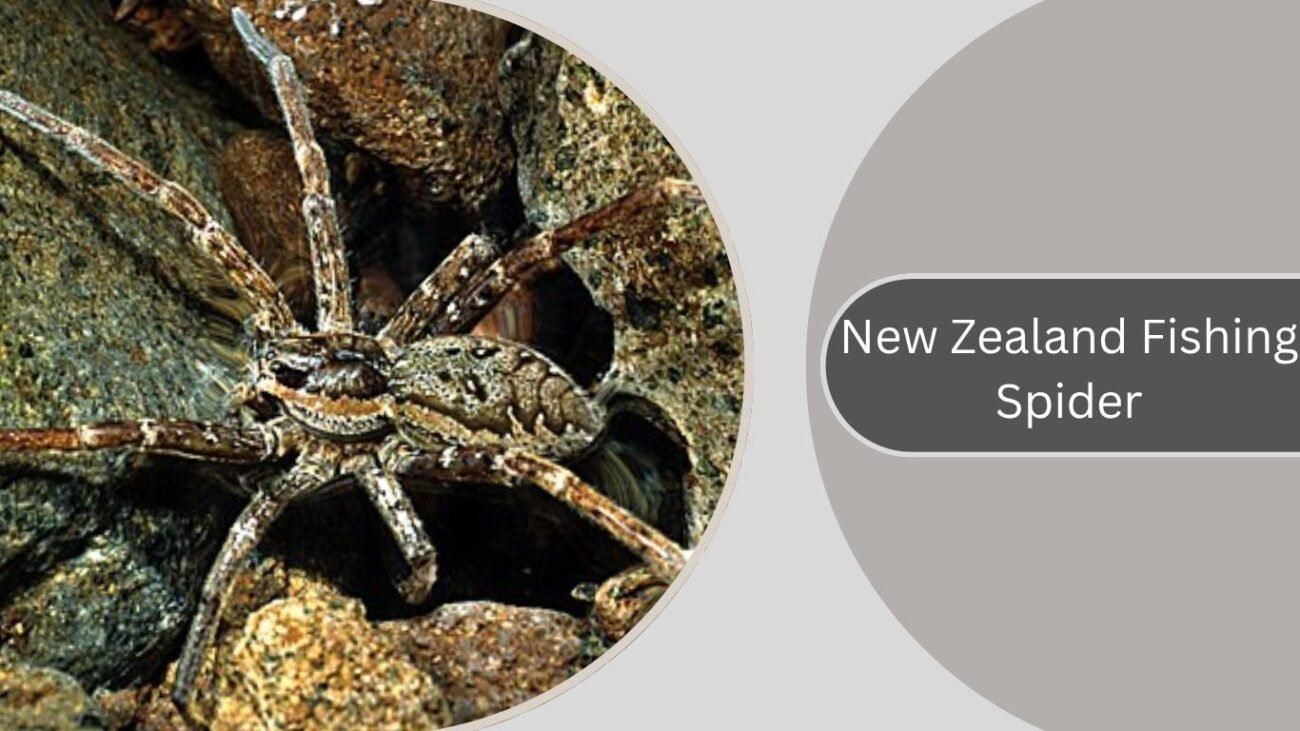
The New Zealand fishing spider is a striking semi-aquatic hunter that thrives in the country’s rivers, lakes, and wetlands. It is well adapted to ambushing prey from the edges of aquatic vegetation and is one of New Zealand’s most skilled water-hunting spiders.
Identification
- Scientific Name: Dolomedes aquaticus
- Body Size: Females up to 18 mm, males around 12 mm (leg span up to 6–7 cm)
- Color: Dark gray to brown with mottled patterns for camouflage
- Legs: Long, strong, and water-repellent with fine hairs
- Eyes: Eight eyes in two horizontal rows
Habitat and Distribution
Endemic to New Zealand, often found along the banks of rivers, lakes, and forest streams.
Behavior and Diet
Feeds on aquatic insects, small fish, and tadpoles, often hunting at night when prey is most active near the water’s surface.
13. Great Fishing Spider
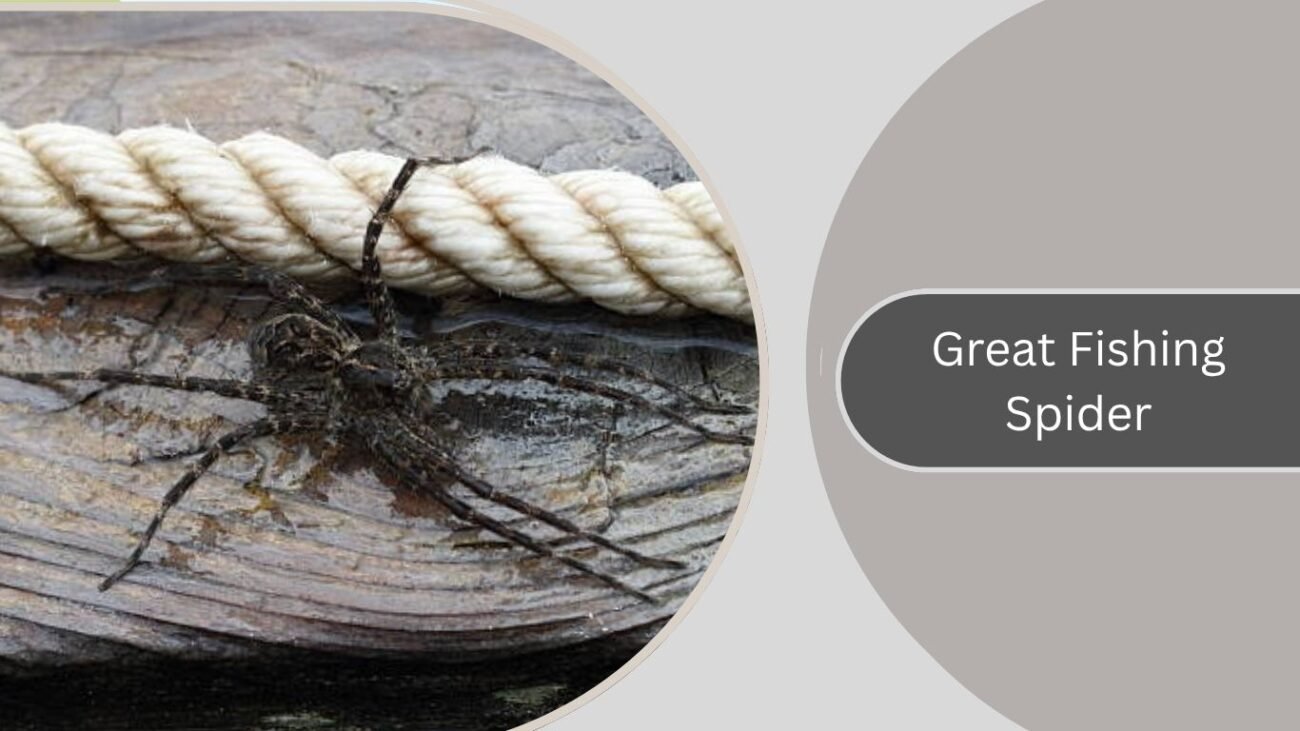
The great fishing spider is a large and powerful species that can subdue surprisingly large prey, including small vertebrates. It is considered one of the most capable hunters among Dolomedes spiders.
Identification
- Scientific Name: Dolomedes triquetrus
- Body Size: Females up to 25 mm, males around 14 mm (leg span up to 8–9 cm)
- Color: Dark brown to black with lighter markings and pale side stripes
- Legs: Long, robust, and hydrophobic, allowing swift movement across water
- Eyes: Eight eyes arranged in two neat rows
Habitat and Distribution
Found in parts of Southeast Asia, particularly in slow-moving rivers, ponds, and forest wetlands.
Behavior and Diet
Hunts aquatic insects, small fish, and tadpoles, detecting prey through water vibrations and striking with speed.
14. Southeast Asian Fishing Spider
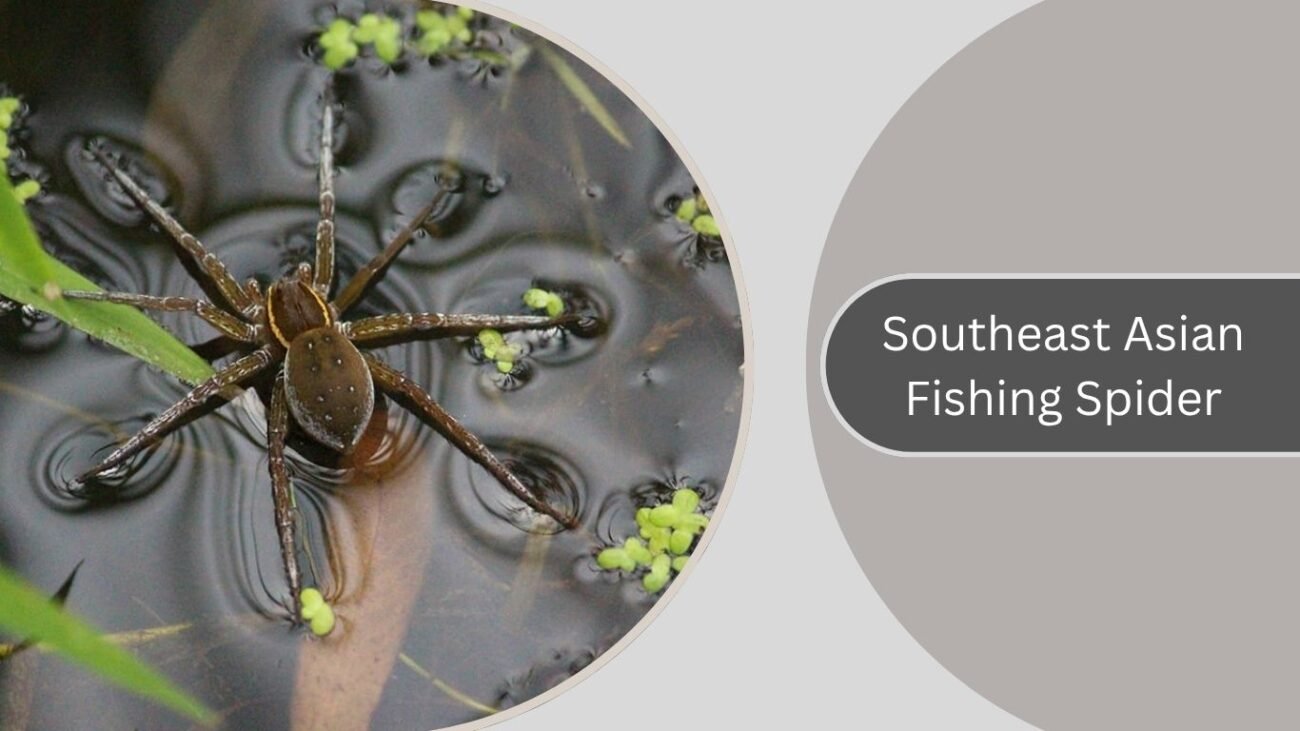
The Southeast Asian fishing spider is a large and agile predator found throughout tropical regions of Southeast Asia. It is often seen clinging to rocks, branches, or vegetation overhanging streams and rivers, ready to pounce on unsuspecting prey. This species thrives in warm, humid environments and is an active hunter both day and night.
Identification
- Scientific Name: Dolomedes yawatai
- Body Size: Females up to 24 mm, males around 14 mm (leg span up to 8–9 cm)
- Color: Medium to dark brown with distinct pale lateral stripes on the cephalothorax and abdomen
- Legs: Long, strong, and covered in fine hydrophobic hairs, allowing it to skate across water surfaces
- Eyes: Eight eyes in two horizontal rows, providing excellent motion detection over water
- Notable Feature: Slightly more elongated body shape compared to many other Dolomedes species
Habitat and Distribution
Distributed across Southeast Asian countries, including Thailand, Malaysia, Vietnam, and the Philippines. Commonly found in forest streams, rice paddies, marshlands, and lakeshores.
Behavior and Diet
This spider is a specialist at hunting aquatic and semi-aquatic prey such as water beetles, tadpoles, and small fish. It waits at the water’s edge or rests on floating leaves, sensing surface vibrations with its front legs before striking. It can also dive briefly to escape predators or capture submerged prey.
15. Madagascar Fishing Spider
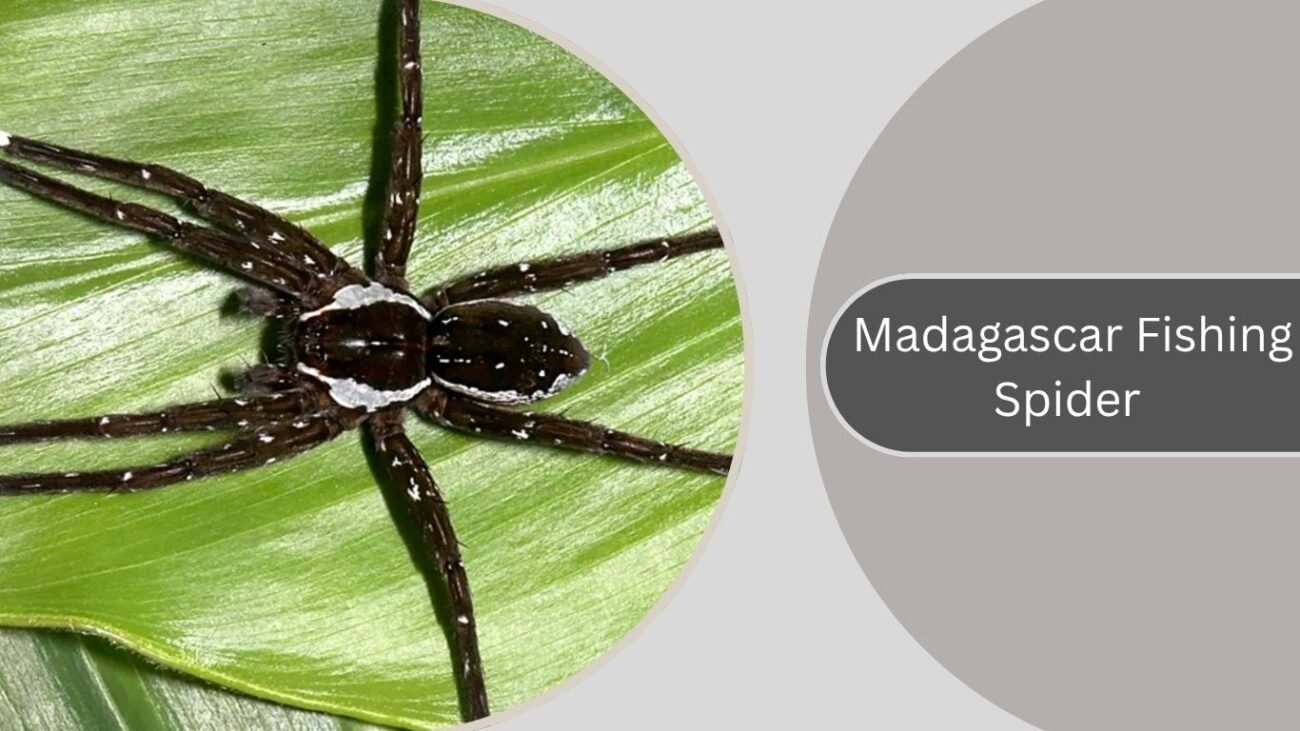
The Madagascar fishing spider is an exotic species endemic to the island of Madagascar. Its striking patterns and large size make it an impressive sight, and it plays an important role in the island’s wetland ecosystems by regulating aquatic insect populations.
Identification
- Scientific Name: Dolomedes madagascariensis
- Body Size: Females up to 26 mm, males around 15 mm (leg span up to 9–10 cm)
- Color: Rich brown to reddish-brown with irregular pale and dark mottling for camouflage among wet vegetation
- Legs: Long, banded, and water-resistant with dense fine hairs
- Eyes: Eight eyes in two rows with high sensitivity to movement
- Notable Feature: Well-adapted to dense mangrove and marsh vegetation, often found in remote wetland areas
Habitat and Distribution
Occurs in Madagascar’s freshwater wetlands, mangrove edges, and slow-moving streams. Prefers shaded areas with abundant aquatic plant cover.
Behavior and Diet
Hunts aquatic insects, small crustaceans, tadpoles, and small fish. It typically adopts a sit-and-wait strategy, placing its front legs lightly on the water’s surface to detect ripples, then rushing forward with lightning speed to seize prey. In the rainy season, it becomes especially active, taking advantage of the abundance of aquatic life.
16. South American Fishing Spider
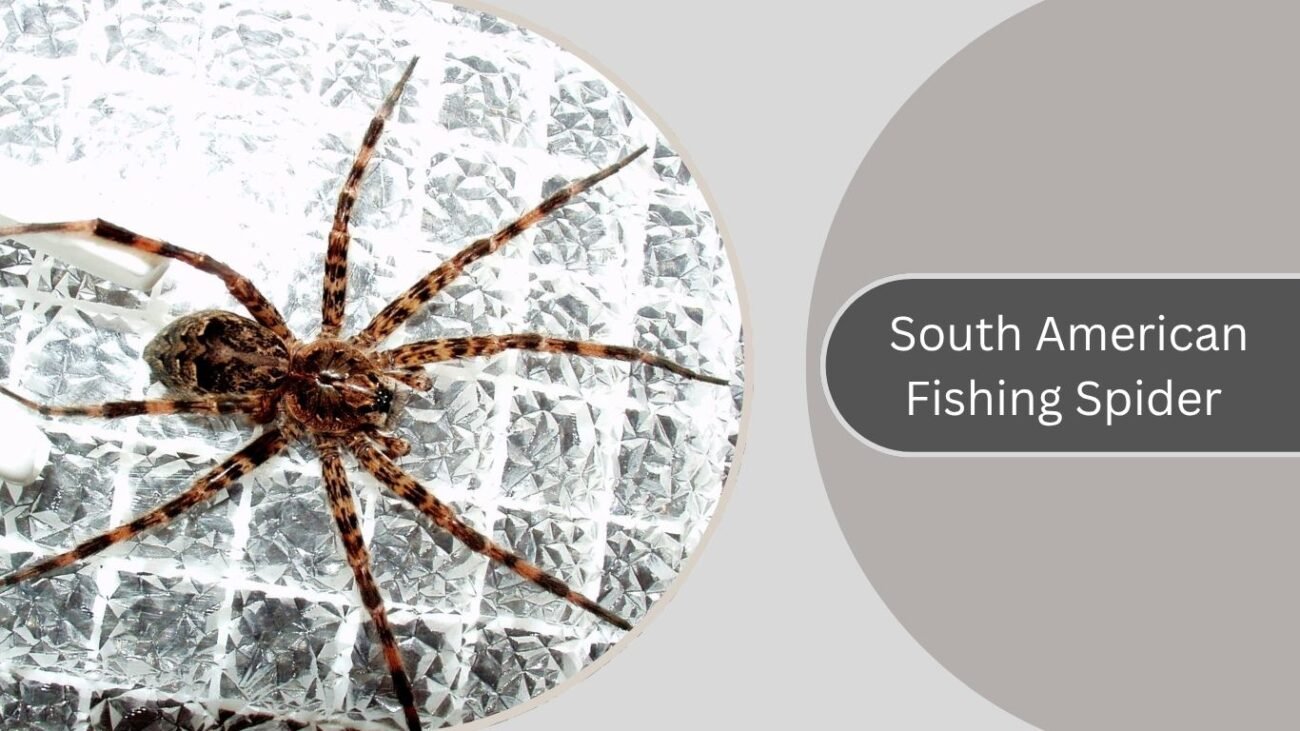
The South American fishing spider is a robust, fast-moving semi-aquatic hunter found throughout rivers and wetlands of South America. It belongs to the Trechalea genus, which is closely related to Dolomedes but tends to be slightly more terrestrial while still capable of capturing prey on or near water. Its bold markings and long legs make it an impressive predator in tropical ecosystems.
Identification
- Scientific Name: Trechalea gertschi
- Body Size: Females up to 25 mm, males around 14 mm (leg span up to 8–9 cm)
- Color: Dark brown or grayish-brown with pale stripes or mottled markings on the cephalothorax and abdomen
- Legs: Very long, strong, and covered with dense hydrophobic hairs; often with light banding near joints
- Eyes: Eight eyes arranged in three distinct rows, with two large central eyes for enhanced vision in low light
- Notable Feature: Longer front legs used for detecting water vibrations and sensing ground movement
Habitat and Distribution
Found in freshwater habitats across northern and central South America, particularly along riverbanks, in mangrove edges, and near flooded forest areas.
Behavior and Diet
Preys on aquatic insects, small fish, and even young amphibians. It often hunts at the water’s edge at night, resting its front legs on the surface to detect ripples. If threatened, it can dash across water or climb quickly into vegetation.
17. Amazon Fishing Spider
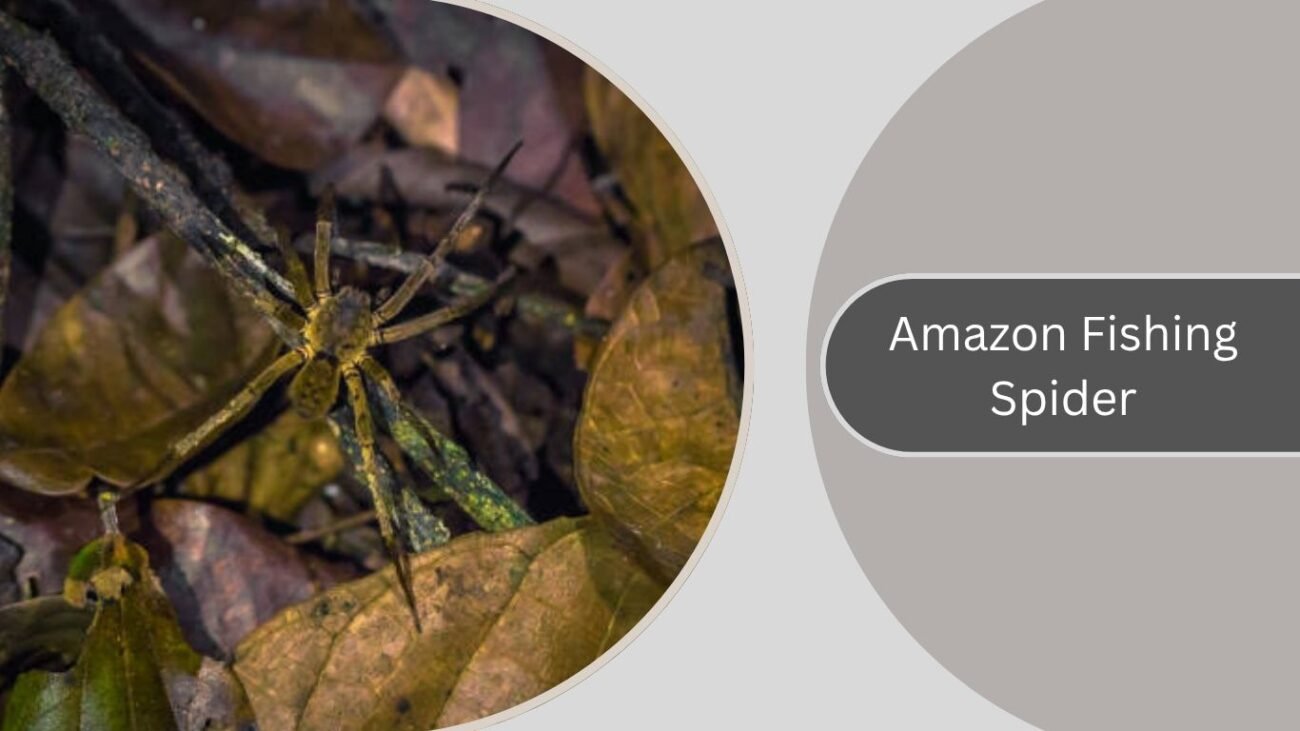
The Amazon fishing spider is one of the largest and most impressive members of the Trechalea group, perfectly adapted to the dense, humid, and water-rich environment of the Amazon rainforest. This spider is an apex invertebrate predator in its habitat, capable of catching prey nearly as large as itself.
Identification
- Scientific Name: Trechalea amazonica
- Body Size: Females up to 28 mm, males around 16 mm (leg span up to 9–10 cm)
- Color: Rich dark brown to almost black, with light stripes or mottled markings for camouflage in wet leaf litter and along muddy banks
- Legs: Exceptionally long and powerful, with hydrophobic hairs enabling water surface movement; often with faint banding
- Eyes: Eight eyes arranged in a 2-4-2 pattern, with the large central pair reflecting strongly in torchlight
- Notable Feature: Highly tolerant of flooding and able to cling to submerged vegetation for extended periods
Habitat and Distribution
Native to the Amazon Basin, found along river edges, swamp forests, flooded grasslands, and oxbow lakes throughout Brazil, Peru, Colombia, and surrounding regions.
Behavior and Diet
Feeds on aquatic insects, water beetles, tadpoles, and small fish. It can wait motionless for extended periods before striking with explosive speed. In the peak wet season, it may also venture into temporarily flooded forest floors to hunt. Known for its impressive jumping ability when chasing prey over water.
18. Costa Rican Fishing Spider
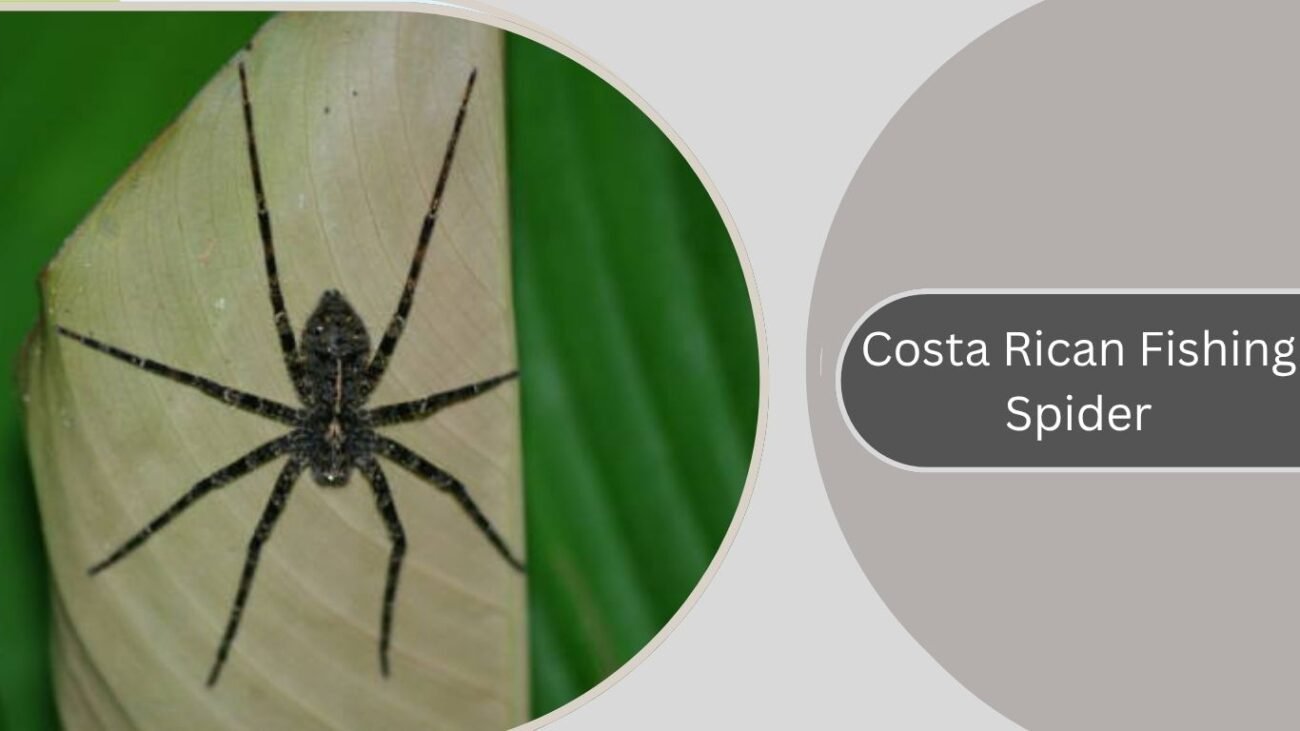
The Costa Rican fishing spider is a sleek and agile hunter that thrives in the lush, water-rich landscapes of Central America. It is a master of stealth, capable of waiting motionless for minutes before ambushing its prey. This species often hunts along riverbanks at night, using its excellent vision and sensitivity to water vibrations.
Identification
- Scientific Name: Trechalea tirimbina
- Body Size: Females up to 26 mm, males around 15 mm (leg span up to 8–9 cm)
- Color: Dark brown to reddish-brown with pale longitudinal stripes and mottling on the abdomen
- Legs: Long, strong, and covered with hydrophobic hairs, often displaying faint banding
- Eyes: Eight eyes arranged in three rows, with the large central pair giving a strong reflective shine in torchlight
- Notable Feature: Exceptionally quick reaction time when detecting water surface ripples
Habitat and Distribution
Endemic to Costa Rica, especially in lowland rainforests, riverbanks, and around forest ponds. It is often observed in protected areas like Tirimbina Biological Reserve, from which it takes its name.
Behavior and Diet
Preys on aquatic insects, small fish, and tadpoles. It adopts a sit-and-wait hunting strategy, resting with its front legs touching the water to detect subtle movements. When startled, it can dart across the water’s surface or hide beneath overhanging vegetation.
19. Giant Wolf Fishing Spider
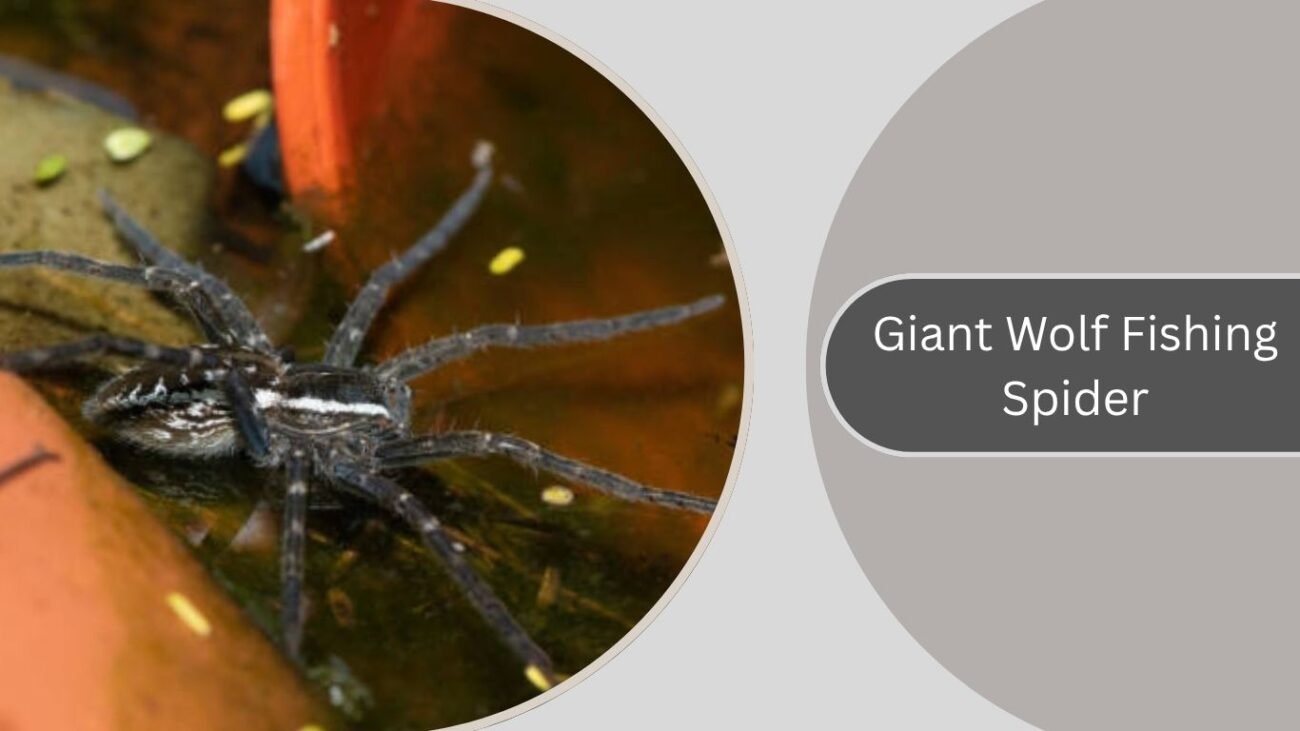
The giant wolf fishing spider is one of the largest arachnids in South America and is part of the Ancylometes genus. Despite its name, it is not a true wolf spider but shares their hunting style — active pursuit rather than passive web trapping. This species is an apex invertebrate predator in its watery habitat.
Identification
- Scientific Name: Ancylometes rufus
- Body Size: Females up to 30 mm, males around 18 mm (leg span reaching 10–12 cm)
- Color: Reddish-brown to chestnut with subtle pale markings on the abdomen and cephalothorax
- Legs: Exceptionally long, powerful, and water-repellent, often with dark banding near the joints
- Eyes: Eight eyes in a 2-4-2 arrangement, providing excellent motion detection in dim light
- Notable Feature: Among the largest fishing spiders in the world, capable of overpowering vertebrate prey
Habitat and Distribution
Widespread across the Amazon Basin and other wetland areas in South America, found along riverbanks, in flooded forests, and near swamps.
Behavior and Diet
Feeds on aquatic insects, frogs, tadpoles, and small fish, but has also been recorded preying on small snakes and lizards. It actively hunts rather than waits passively, patrolling along the water’s edge and even diving beneath the surface when needed.
20. Colombian Giant Fishing Spider
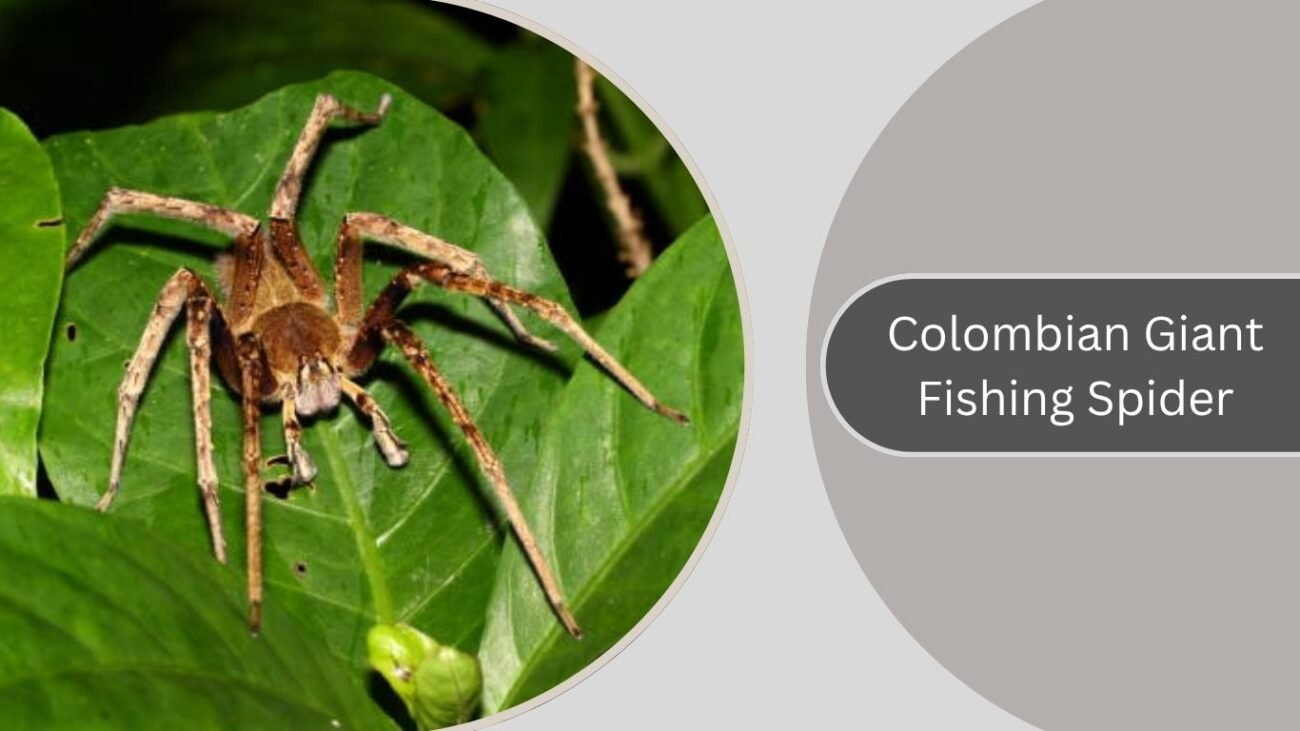
The Colombian giant fishing spider is a formidable predator and one of the largest members of the Ancylometes genus. It is well adapted to the humid tropical wetlands of Colombia, where it patrols riverbanks and flooded forests in search of prey. Its size, speed, and strength make it capable of subduing animals far larger than most spiders could handle.
Identification
- Scientific Name: Ancylometes bogotensis
- Body Size: Females up to 32 mm, males around 18 mm (leg span reaching 11–12 cm)
- Color: Dark brown to olive-brown with pale, irregular markings on the cephalothorax and abdomen
- Legs: Extremely long, muscular, and water-repellent, with faint banding near the joints
- Eyes: Eight eyes in a 2-4-2 arrangement, offering strong night vision
- Notable Feature: Can remain submerged for several minutes to avoid predators or ambush prey
Habitat and Distribution
Found primarily in Colombia but also in neighboring regions of northern South America, living in river floodplains, forest ponds, and swampy areas.
Behavior and Diet
Hunts fish, frogs, tadpoles, and aquatic insects, using its front legs to detect vibrations on the water’s surface. It can also ambush from underwater, lunging upward to capture prey in a surprise attack.
21. Brazilian Giant Fishing Spider
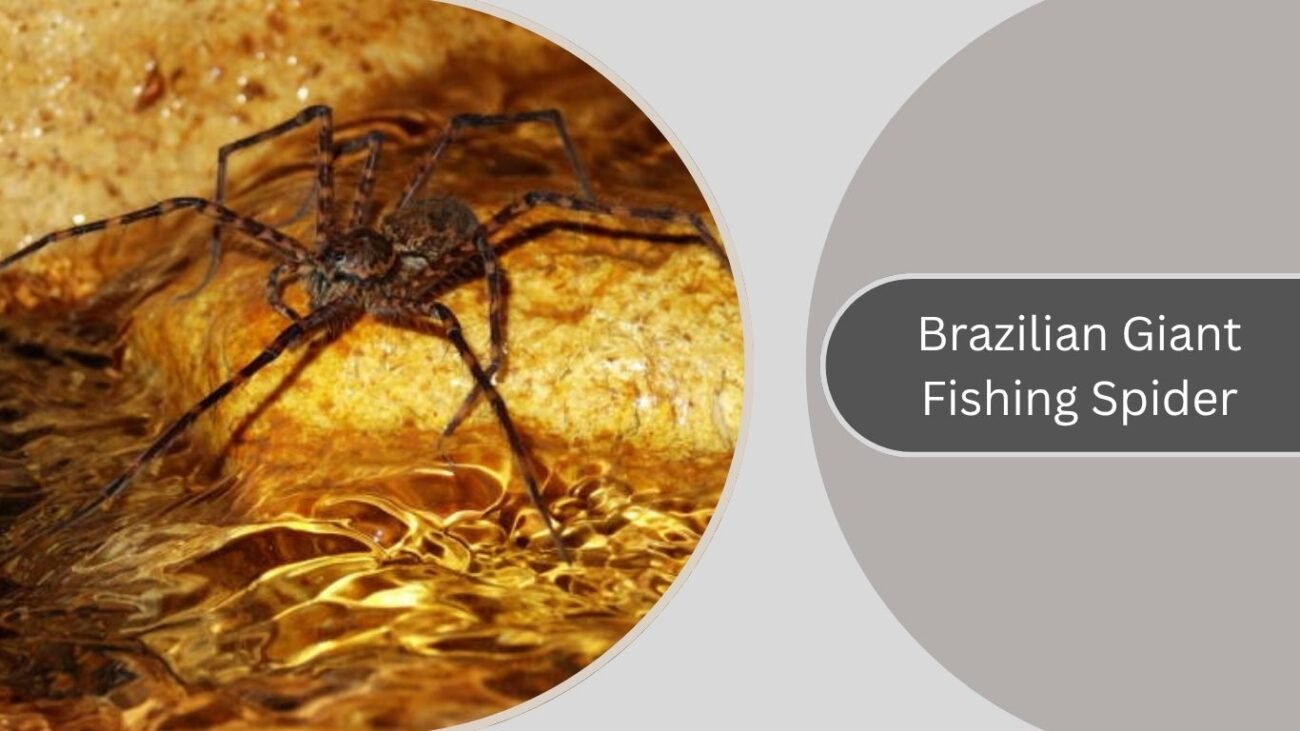
The Brazilian giant fishing spider is a widespread and highly successful predator across Brazil’s wetlands and river systems. Like other Ancylometes species, it is an active hunter rather than a web-dweller, using both speed and stealth to secure a meal.
Identification
- Scientific Name: Ancylometes concolor
- Body Size: Females up to 30 mm, males around 17 mm (leg span up to 11 cm)
- Color: Brown to reddish-brown with subtle pale stripes or mottling along the abdomen
- Legs: Long, strong, and adapted for skimming over water; banded near the joints
- Eyes: Eight eyes arranged in three rows, providing acute motion detection in low light
- Notable Feature: Known for its ability to capture prey both on water and on land seamlessly
Habitat and Distribution
Widespread throughout Brazil, inhabiting wetlands, slow-moving rivers, oxbow lakes, and flooded forests.
Behavior and Diet
Preys on aquatic insects, crustaceans, small fish, and frogs. It frequently hunts at night, using its excellent vision to track prey before striking in a rapid forward burst.
22. Panama Fishing Spider
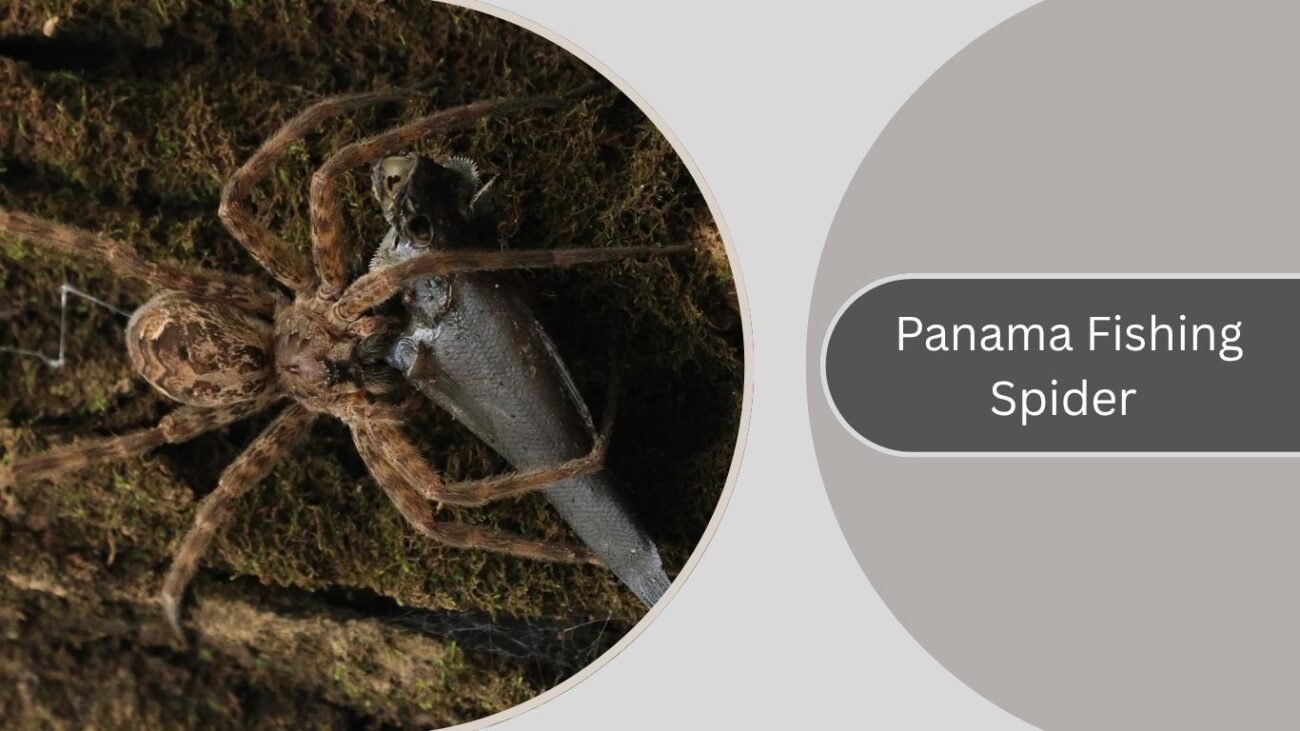
The Panama fishing spider is a striking semi-aquatic predator found in the rivers and wetlands of Central America, particularly in Panama’s tropical lowlands. It is a member of the Ancylometes genus, known for its impressive hunting abilities and large size. Agile both in water and on land, this spider can pursue prey across floating vegetation or skim the surface of calm waters.
Identification
- Scientific Name: Ancylometes terrenus
- Body Size: Females up to 28 mm, males around 16 mm (leg span up to 10–11 cm)
- Color: Medium to dark brown with faint mottled patterns on the abdomen and light lateral stripes
- Legs: Long, strong, and covered in hydrophobic hairs; faint banding near the joints
- Eyes: Eight eyes in a 2-4-2 arrangement, optimized for low-light hunting
- Notable Feature: Highly responsive to water surface vibrations, making it a precise ambush predator
Habitat and Distribution
Found primarily in Panama’s freshwater rivers, oxbow lakes, and swampy lowland forests, often in areas with abundant overhanging vegetation.
Behavior and Diet
Feeds on aquatic insects, tadpoles, frogs, and small fish. It can also submerge for short periods to escape predators or stalk underwater prey.
23. Peruvian Fishing Spider
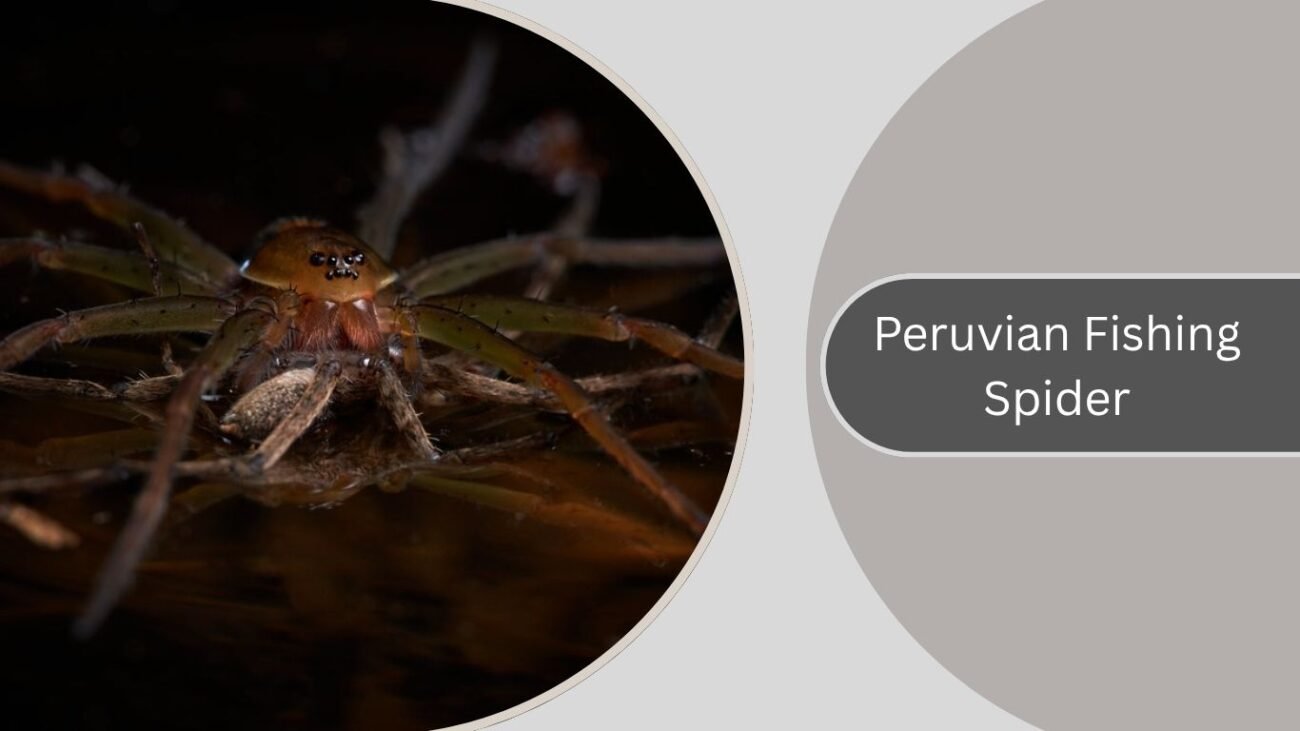
The Peruvian fishing spider is a powerful predator native to Peru’s Amazon Basin and surrounding tropical wetlands. Its large size, strong legs, and water-hunting skills make it a dominant arachnid in its habitat. Like other Ancylometes species, it actively hunts rather than relying on webs.
Identification
- Scientific Name: Ancylometes laticeps
- Body Size: Females up to 30 mm, males around 17 mm (leg span reaching 10–11 cm)
- Color: Dark olive-brown to reddish-brown with subtle mottling and lighter edges on the cephalothorax
- Legs: Long, sturdy, and water-resistant with faint banding; adapted for both swimming and running
- Eyes: Eight eyes arranged in three rows, allowing excellent motion detection
- Notable Feature: Exceptional swimmer, often diving beneath the surface to capture prey or hide
Habitat and Distribution
Occurs throughout lowland Peru, particularly along Amazonian tributaries, swamp forests, and floodplains.
Behavior and Diet
Preys on small fish, amphibians, aquatic insects, and even small crustaceans. Often hunts at dusk or night, using its vision and water-surface sensitivity to locate prey.
24. Trinidad Fishing Spider
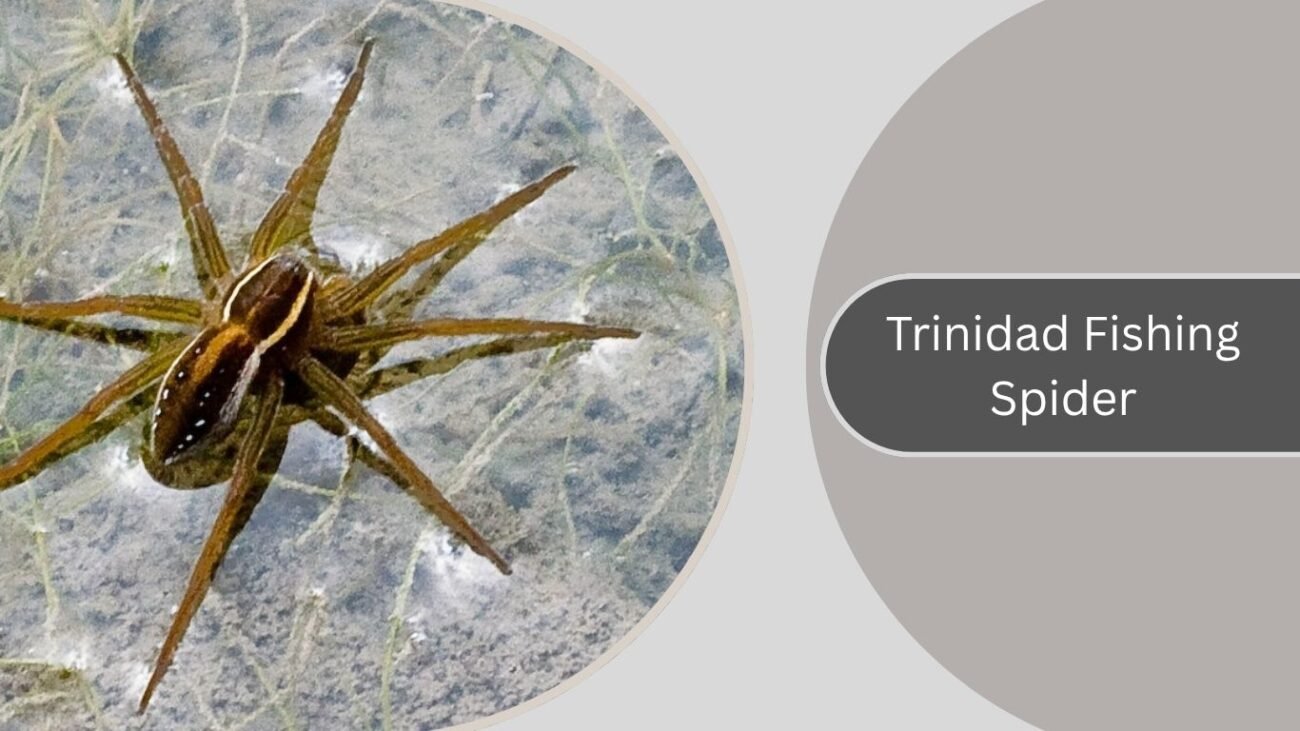
The Trinidad fishing spider is a large, powerful hunter native to the rivers and wetlands of Trinidad and nearby Caribbean regions. Like other Ancylometes species, it relies on speed, strength, and water-surface sensitivity to ambush prey rather than spinning prey-capture webs. Its size and predatory skills make it one of the top invertebrate hunters in its habitat.
Identification
- Scientific Name: Ancylometes cockbaini
- Body Size: Females up to 28 mm, males around 16 mm (leg span reaching 10–11 cm)
- Color: Brown to dark brown with pale lateral stripes and faint mottled patterns
- Legs: Long, strong, and covered in dense hydrophobic hairs; faint banding near the joints
- Eyes: Eight eyes in a 2-4-2 arrangement for excellent low-light hunting
- Notable Feature: Can remain still for long periods, blending into shoreline vegetation before striking
Habitat and Distribution
Found mainly in Trinidad and surrounding islands, inhabiting slow-moving rivers, mangrove edges, and freshwater swamps.
Behavior and Diet
Feeds on aquatic insects, tadpoles, frogs, and small fish, often hunting at dusk and night. Capable of submerging briefly to catch underwater prey or evade predators.
25. Mexican Fishing Spider
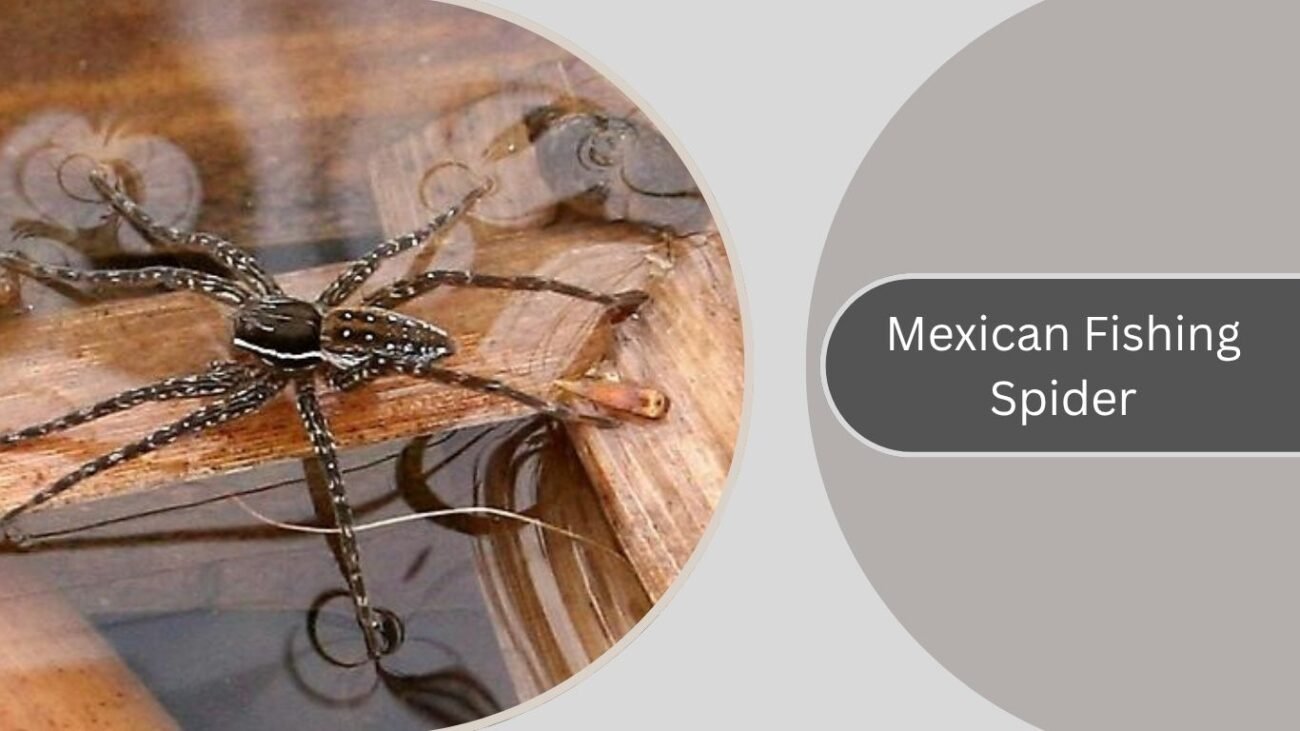
The Mexican fishing spider is a Central American predator found in Mexico’s tropical lowlands, wetlands, and river systems. It is a member of the Trechalea genus, with a body built for agility on both land and water. This species is especially active at night, making it a skilled nocturnal hunter.
Identification
- Scientific Name: Trechalea mexicana
- Body Size: Females up to 26 mm, males around 15 mm (leg span up to 8–9 cm)
- Color: Dark brown with pale stripes along the cephalothorax and faint mottling on the abdomen
- Legs: Long, slender, and water-repellent, often showing faint banding
- Eyes: Eight eyes in three rows, with the large central pair reflecting strongly in light
- Notable Feature: Exceptional night vision and fast strike speed over water surfaces
Habitat and Distribution
Occurs throughout Mexico’s tropical and subtropical river systems, wetlands, and lakeshores.
Behavior and Diet
Preys on aquatic insects, water beetles, tadpoles, and small fish. Often perches on rocks or vegetation just above the water, darting forward to snatch prey detected by ripples or movement.