Bulbuls are lively and melodious songbirds belonging to the family Pycnonotidae. Found across Asia, the Middle East, and parts of Africa, these medium-sized birds are well known for their colorful plumage, energetic behavior, and cheerful calls. They thrive in diverse habitats, from dense forests to urban gardens, and play an important role in ecosystems as seed dispersers. Below, we explore 15 fascinating types of bulbs in detail.
1. Red-vented Bulbul (Pycnonotus cafer)
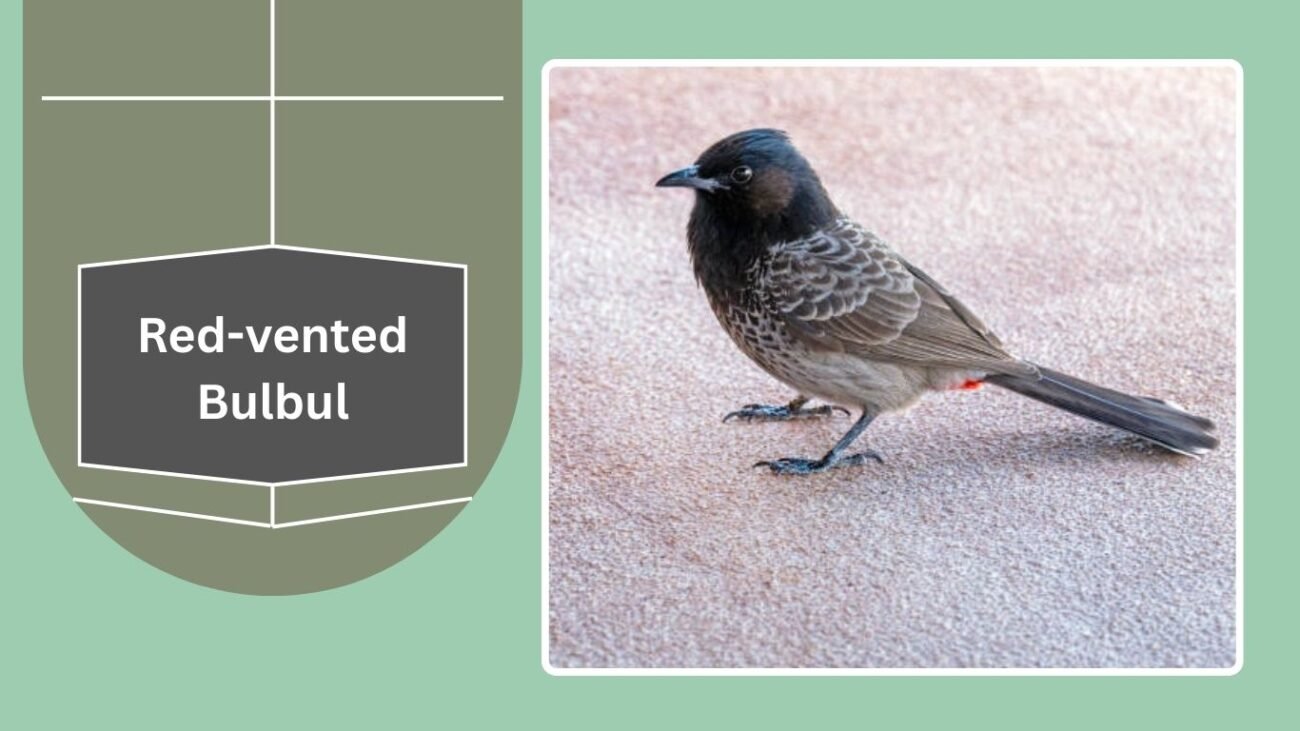
The Red-vented Bulbul is one of the most widespread bulbul species in South Asia. Known for its lively behavior and adaptability, it thrives in urban, rural, and forested areas. Its distinct red patch under the tail makes it easy to recognize, and it is often seen perched on trees, wires, or garden plants.
Identification
- Medium-sized songbird, about 20 cm long
- Dark brown body with scaly feather pattern
- Black head and short crest on the crown
- Red vent (under-tail patch) is the most striking feature
- Slightly notched tail tipped with white
Habitat
This species is highly adaptable and inhabits gardens, agricultural fields, city parks, scrublands, and open forests. It often lives close to human settlements.
Diet
Red-vented Bulbuls feed on fruits, berries, nectar, flower petals, and small insects. They are also known to damage crops like papaya, banana, and guava, making them both loved and disliked by farmers.
Behavior
Active and vocal, they are usually found in pairs or small groups. Their loud, bubbly calls are easily recognized, and they often sing from prominent perches. They are territorial during the breeding season and can be aggressive toward intruders, including other birds.
2. Red-whiskered Bulbul (Pycnonotus jocosus)
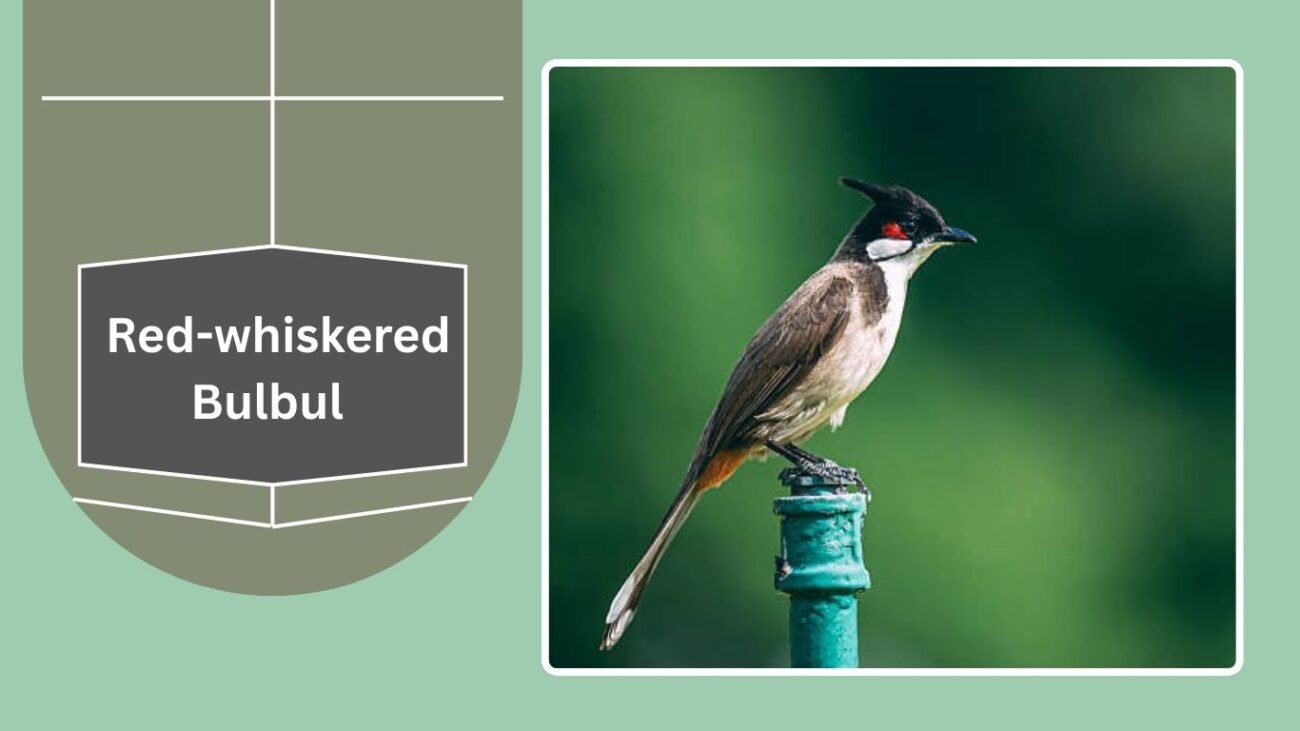
The Red-whiskered Bulbul is a striking bird, easily recognized by its pointed black crest and bright red patches on its face and under the tail. Popular as a cage bird in some regions, it is widely distributed across South and Southeast Asia. Its melodious call makes it a favorite among bird lovers.
Identification
- Medium-sized, about 20 cm long
- Prominent black crest on the head
- White cheeks with a bright red patch below the eye (the “whisker”)
- Brown upperparts and white underparts
- Red vent and long brown tail tipped with white
Habitat
They inhabit gardens, farmlands, forest edges, parks, and suburban areas. They are often seen perched in small groups on trees or wires near human habitation.
Diet
Their diet consists mainly of fruits, berries, nectar, and small insects. They are fond of figs and often feed on cultivated fruits, occasionally causing conflict with farmers.
Behavior
Red-whiskered Bulbuls are very social and vocal, often moving in small flocks. Their calls are sharp and cheerful, and they frequently engage in mutual preening. They are bold, active, and quickly adapt to urban environments.
3. White-eared Bulbul (Pycnonotus leucotis)
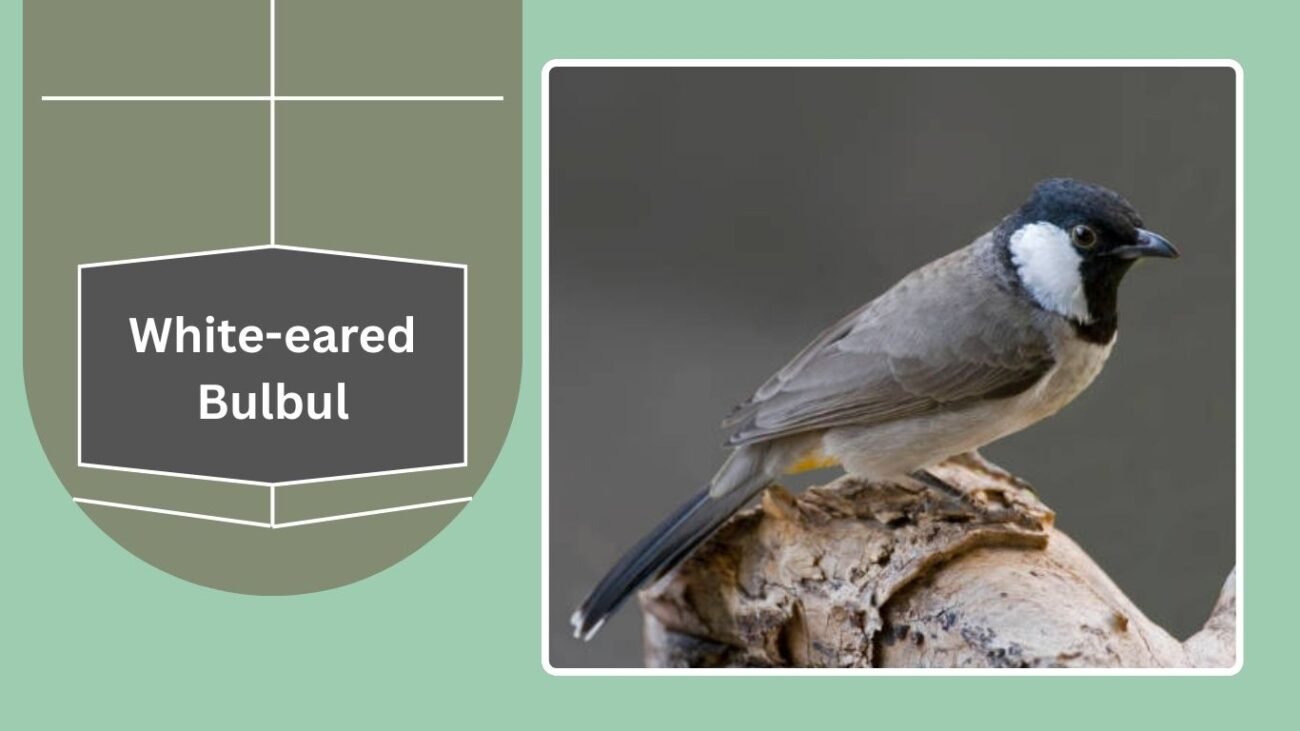
The White-eared Bulbul is a common bulbul species found across parts of the Middle East and South Asia. It is easily identified by the distinctive white patch behind its eyes, which gives the bird its name. This species is well-adapted to both natural and urban landscapes, often seen in gardens and farmlands.
Identification
- Medium-sized, around 18–20 cm long
- Grayish-brown body with lighter underparts
- Distinctive white patch behind each eye (the “white ear”)
- Black head and throat with a short crest
- Yellow vent under the tail, contrasting with otherwise plain plumage
Habitat
The White-eared Bulbul thrives in scrublands, orchards, gardens, cultivated lands, and city parks. It prefers semi-arid and open areas, often staying close to human settlements.
Diet
Its diet includes fruits, berries, flower nectar, seeds, and small insects. They are opportunistic feeders and readily forage in agricultural lands.
Behavior
White-eared Bulbuls are active, noisy, and social birds. They are usually seen in pairs or small groups, often hopping around trees and bushes in search of food. Their calls are loud and repetitive, making them easy to detect even from a distance.
4. Black-capped Bulbul (Rubigula melanictera)
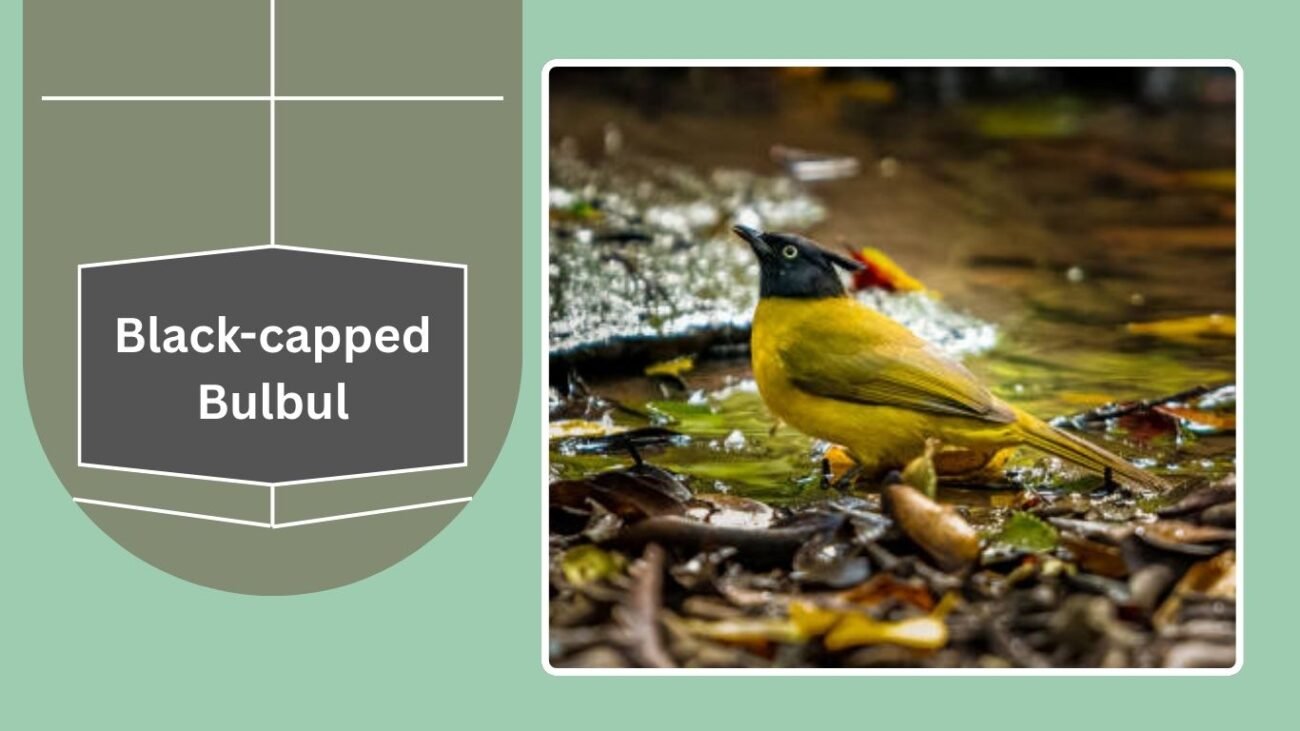
The Black-capped Bulbul is a colorful and attractive bulbul native to Sri Lanka. Unlike many other bulbs, it stands out with its bright yellow body and striking black cap, making it one of the most vibrant members of the bulbul family. Its lively calls and active nature make it a common sight in forests and gardens.
Identification
- Medium-sized bird, about 19–20 cm long
- Bright yellow body and underparts
- Distinct black cap covering the head
- Olive-green wings and back
- Red throat patch and dark eyes, adding contrast to its plumage
Habitat
This species is found in moist forests, forest edges, plantations, and well-wooded gardens. It prefers areas with thick vegetation and is more common in lowland regions of Sri Lanka.
Diet
The Black-capped Bulbul feeds on fruits, berries, flower nectar, and small insects. Its fondness for fruit makes it an important seed disperser in forest ecosystems.
Behavior
They are active, restless, and usually seen in pairs or small groups. Their calls are loud, varied, and musical, often heard before the bird is spotted. They move energetically through the canopy, hopping between branches while foraging.
5. Black-crested Bulbul (Rubigula flaviventris)
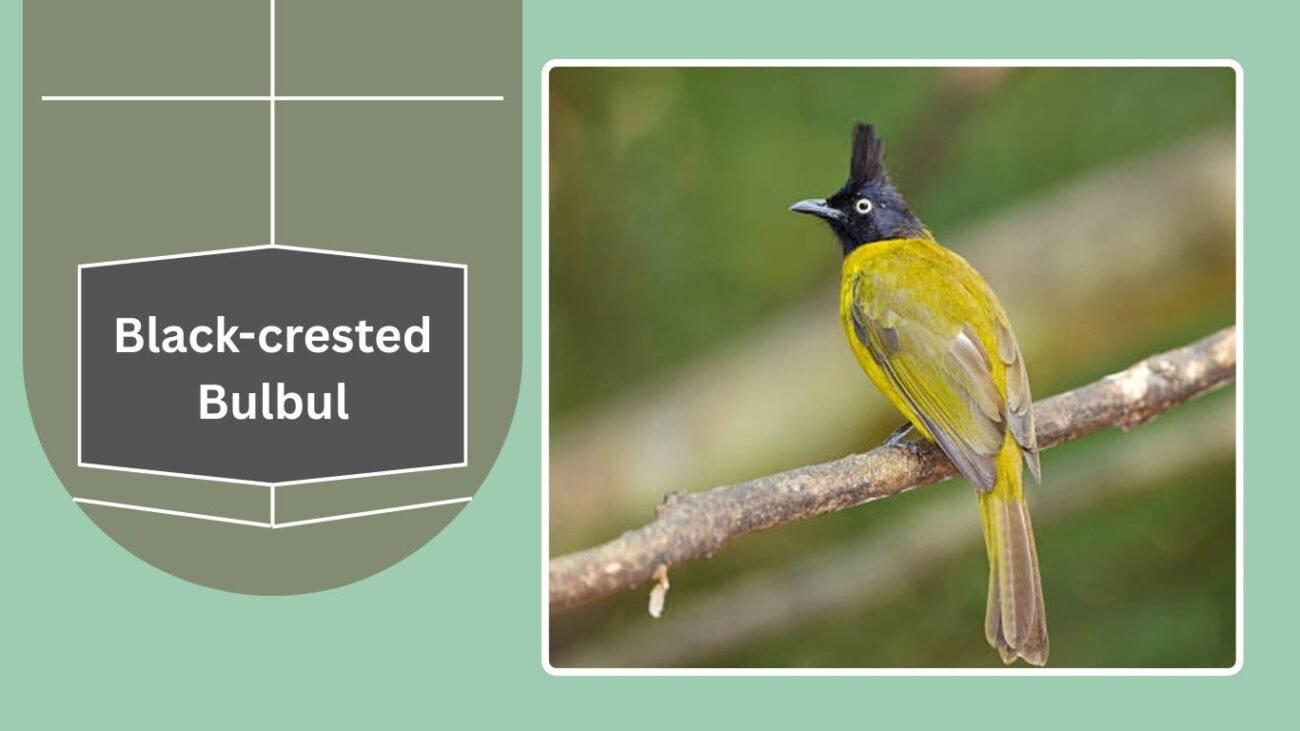
The Black-crested Bulbul is a striking bird widely distributed across South and Southeast Asia. Its bold black crest and bright yellow body make it stand out in the canopy. This species is known for its loud, melodious calls and is often found in forests, gardens, and plantations.
Identification
- Medium-sized bird, around 19–20 cm long
- Distinctive black crest and head
- Bright yellow underparts with olive-green wings and back
- Red or dark throat patch (varies by subspecies)
- Long tail with darker edges
Habitat
They inhabit tropical and subtropical forests, bamboo groves, forest edges, and well-wooded gardens. They prefer moist and semi-evergreen habitats but are also adaptable to cultivated areas.
Diet
The Black-crested Bulbul mainly feeds on fruits, berries, and flower nectar but also supplements its diet with insects, especially during the breeding season.
Behavior
These bulbs are active, vocal, and often found in pairs or mixed flocks with other fruit-eating birds. Their songs are rich and varied, and they frequently perch in open spots while calling. They are also territorial during breeding, defending their nests with aggressive displays.
6. Yellow-vented Bulbul (Pycnonotus goiavier)
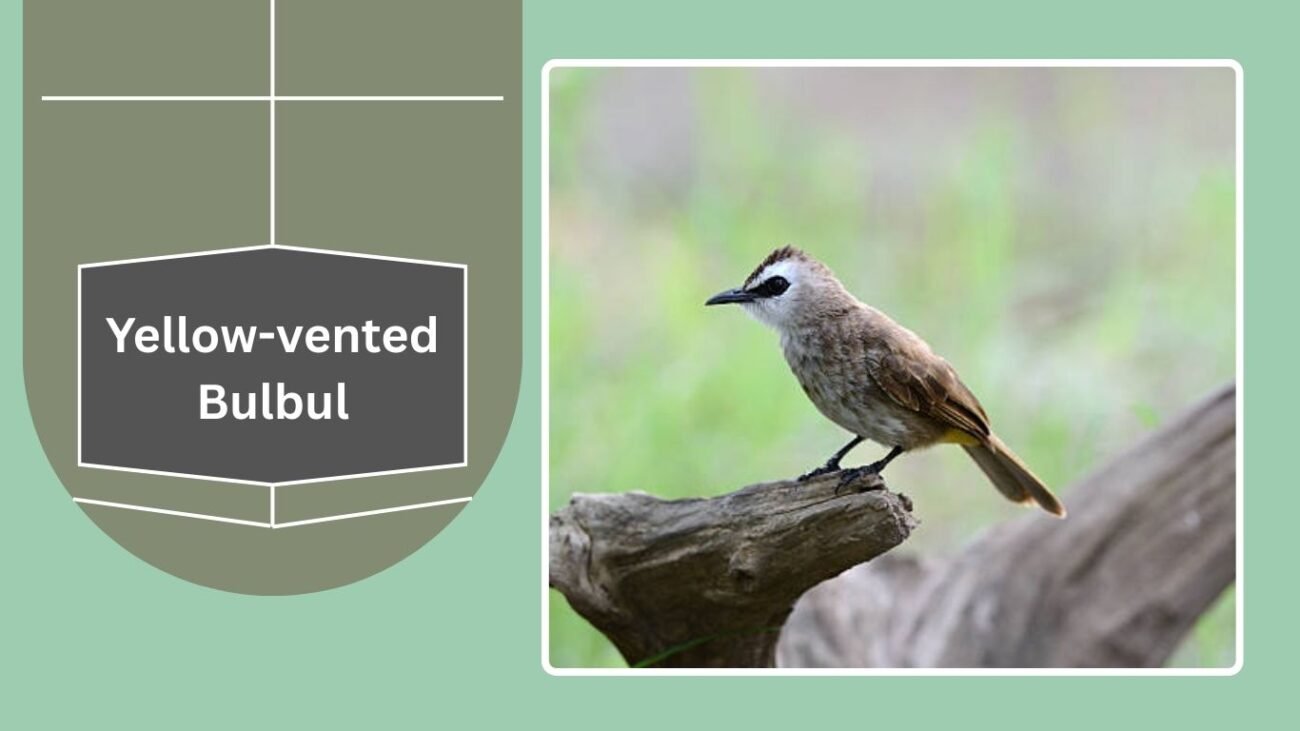
The Yellow-vented Bulbul is one of the most common and widespread bulbs in Southeast Asia. It easily adapts to human presence and thrives in both natural habitats and urban environments. Its yellow vent and white throat make it recognizable, and it is well-loved for its cheerful presence in gardens and parks.
Identification
- Medium-sized bird, about 20 cm long
- Brown upperparts and lighter whitish underparts
- Distinct white throat and eyebrow line
- Bright yellow vent beneath the tail
- Black eyes with a slight crest on the crown
Habitat
This species is highly adaptable and found in gardens, parks, agricultural fields, mangroves, and forest edges. It is common in suburban and urban areas, often nesting in ornamental plants and hedges.
Diet
The Yellow-vented Bulbul feeds mainly on fruits, berries, and nectar but also consumes small insects and flower petals. It plays an important role in seed dispersal across its range.
Behavior
Active and social, they are usually seen in pairs or small family groups. Their calls are loud, varied, and often musical, making them easy to notice. They frequently forage in low shrubs and trees and are bold around humans, often nesting near houses.
7. Sooty-headed Bulbul (Pycnonotus aurigaster)
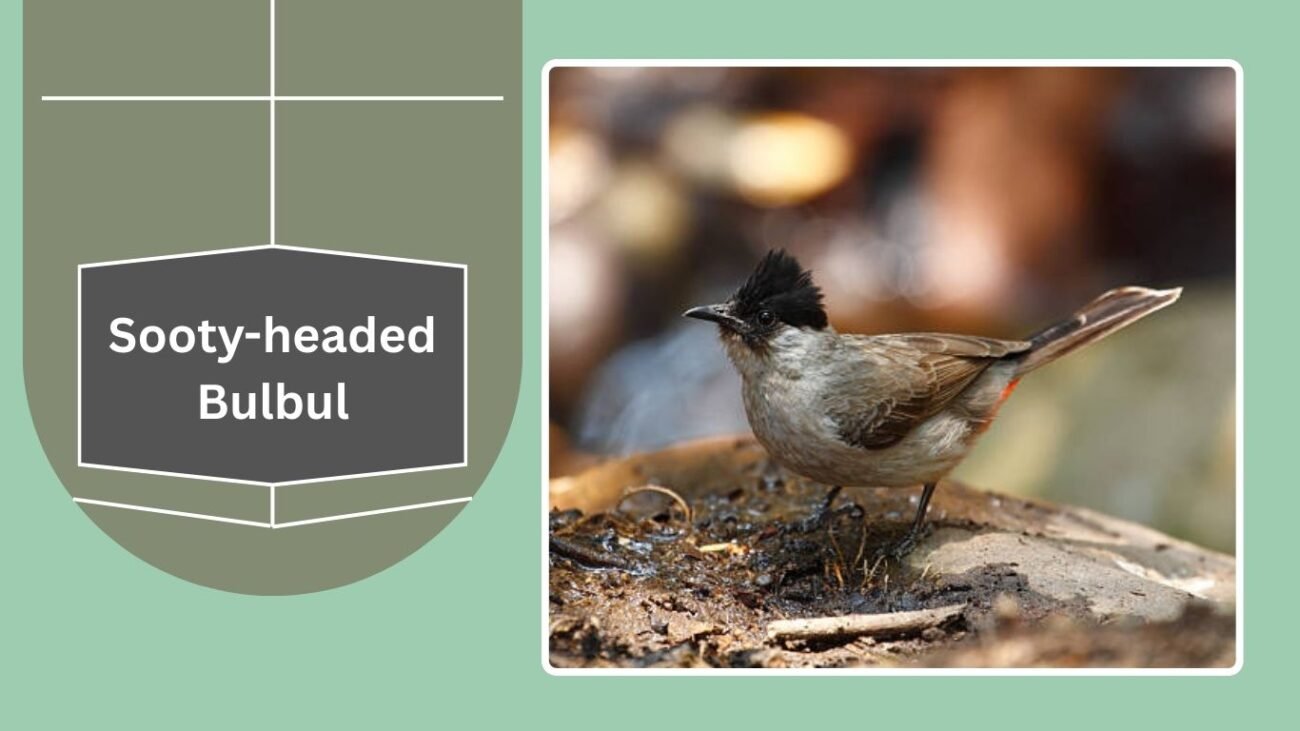
The Sooty-headed Bulbul is a common and adaptable bulbul species found across Southeast Asia. It is recognized by its dark head and contrasting lighter body, along with a distinctive red or orange vent. Its adaptability to farmlands, gardens, and urban areas has made it one of the region’s most familiar birds.
Identification
- Medium-sized bird, about 20 cm long
- Black to dark-brown head and face (“sooty” appearance)
- Grayish-brown upperparts and lighter underparts
- Bright red or orange vent under the tail
- Slight crest on the crown with a relatively long tail tipped with white
Habitat
This species inhabits open woodlands, scrublands, farmlands, parks, and gardens. It is highly tolerant of human activity and often lives near settlements and agricultural fields.
Diet
The Sooty-headed Bulbul feeds on fruits, berries, flower nectar, and small insects. It often raids fruiting trees and orchards, sometimes causing conflicts with farmers.
Behavior
They are active, noisy, and social birds, usually found in pairs or small groups. Their calls are sharp, chattering notes, and they frequently perch in open areas such as tree tops and wires. They are also territorial during the breeding season and can be aggressive toward intruders.
8. Light-vented Bulbul (Pycnonotus sinensis) – also known as the Chinese Bulbul
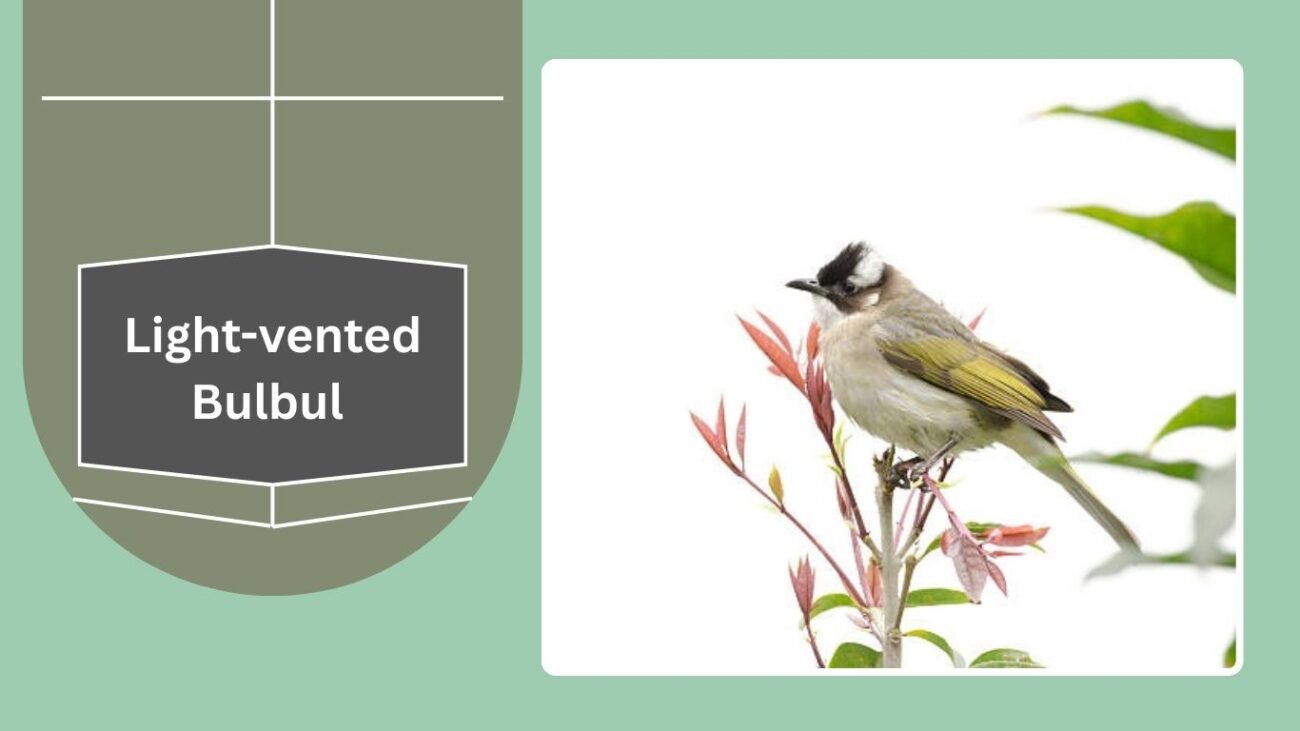
The Light-vented Bulbul, or Chinese Bulbul, is a well-known songbird widely found in China, Taiwan, and parts of Southeast Asia. It is a handsome species with a bright white patch on the head, giving it a distinctive look. Its cheerful calls and adaptability make it a common sight in cities, parks, and countryside areas.
Identification
- Medium-sized bird, about 18–20 cm long
- White patch on the back of the head and cheeks
- Black crown and eye-stripe contrasting with white face
- Olive-green upperparts and lighter underparts
- Yellow vent beneath the tail
Habitat
The Light-vented Bulbul inhabits forest edges, farmlands, parks, gardens, and suburban areas. It adapts well to urban life and is often seen in flocks in fruiting trees and shrubs.
Diet
Its diet mainly includes fruits, berries, nectar, and seeds. It also eats small insects, making it an important contributor to both seed dispersal and pest control.
Behavior
This bulbul is highly social and often travels in groups. They are active and noisy, perching on high branches or wires while singing. Their calls are varied, cheerful, and easy to recognize, making them popular among bird enthusiasts.
9. White-spectacled Bulbul (Pycnonotus xanthopygos)
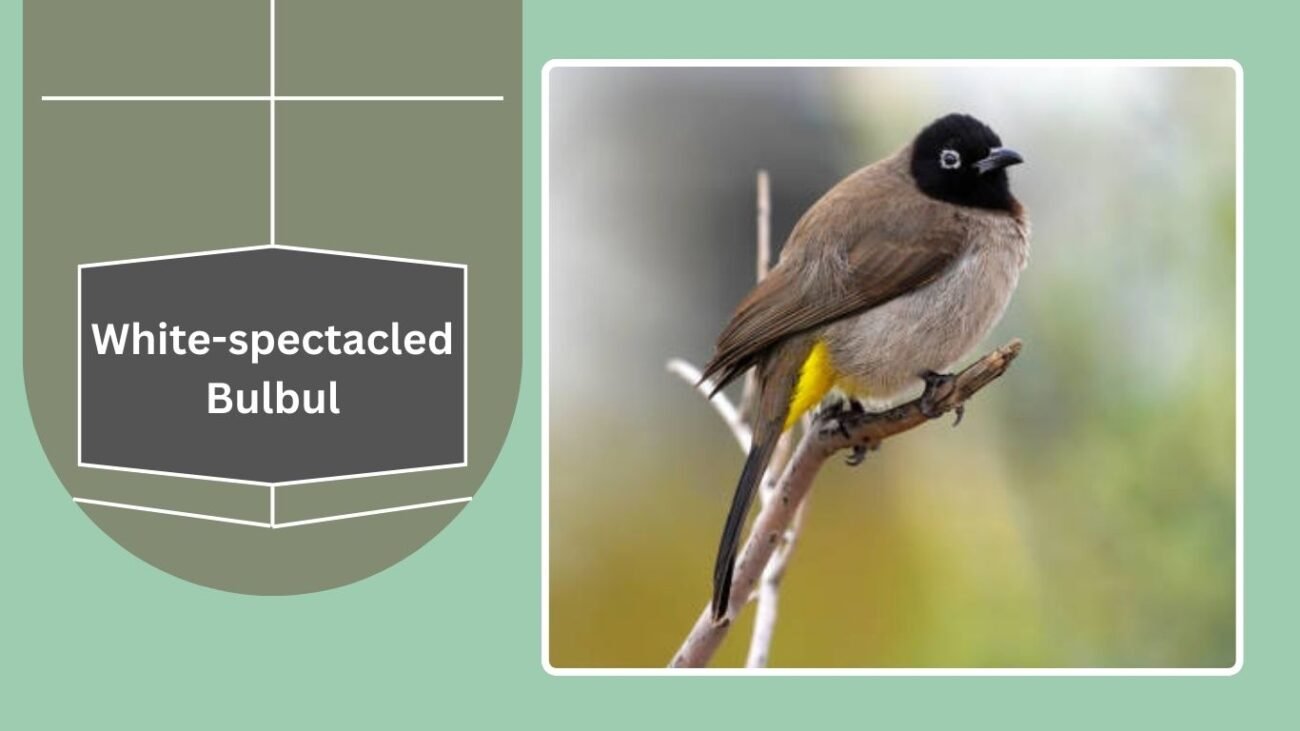
The White-spectacled Bulbul is a widespread species found in the Middle East and northeastern Africa. Its name comes from the distinctive white eye-ring, which looks like a “spectacle.” It is a lively, adaptable bird often seen in gardens, orchards, and scrublands.
Identification
- Medium-sized bird, about 20 cm long
- Grayish-brown upperparts and lighter underparts
- Distinct white eye-ring forming “spectacles”
- Black head and throat
- Bright yellow vent under the tail
Habitat
This species thrives in varied habitats, including scrublands, orchards, parks, gardens, and semi-desert regions. It is especially common near human settlements and cultivated lands.
Diet
The White-spectacled Bulbul primarily feeds on fruits, berries, seeds, and flower nectar. It also supplements its diet with small insects, especially during the breeding season.
Behavior
They are active, noisy, and social birds, often moving in pairs or small flocks. Their calls are loud, repetitive, and musical. They are territorial during nesting but otherwise tolerate other birds and frequently forage together in groups.
10. Cream-vented Bulbul (Pycnonotus simplex)
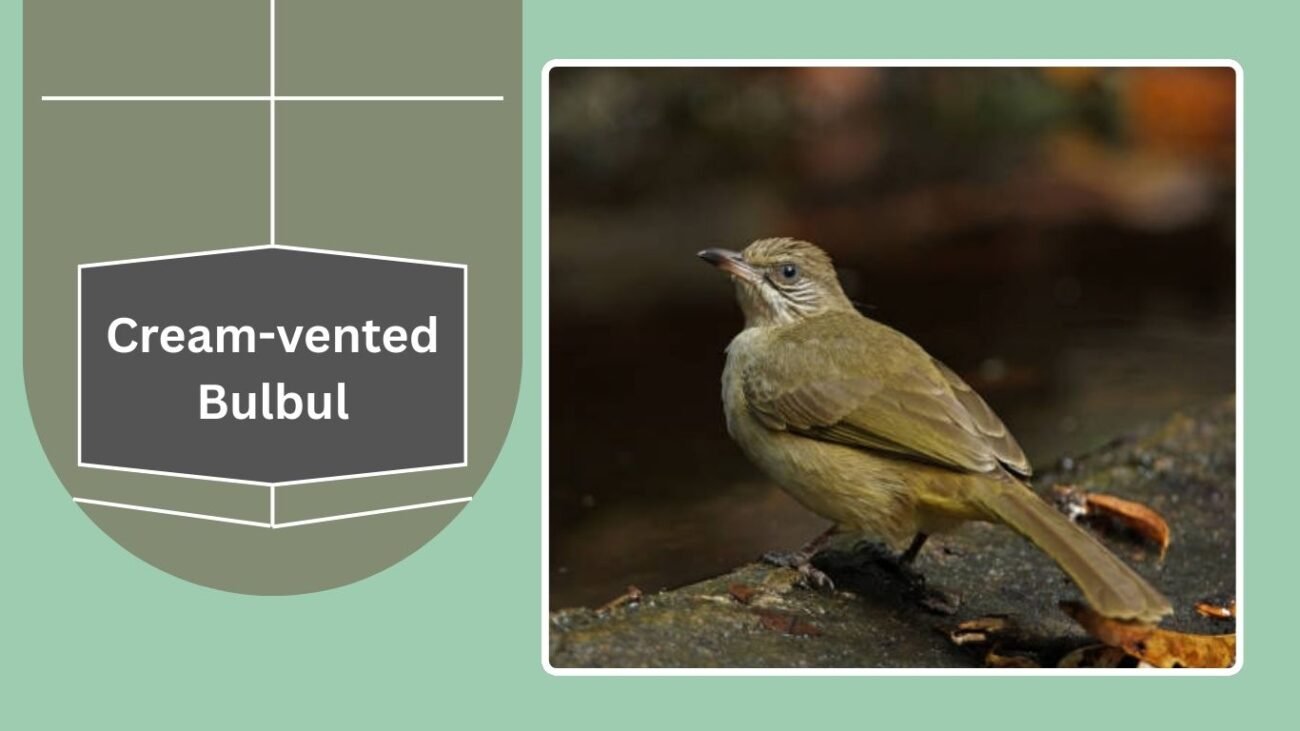
The Cream-vented Bulbul is a forest-dwelling species commonly found in Southeast Asia. Unlike many other bulbs with bright yellow vents, this species has a pale or cream-colored vent, which gives it its name. It is more secretive than urban-adapted bulbs and prefers dense vegetation.
Identification
- Medium-sized, about 19–20 cm long
- Olive-brown upperparts with lighter underparts
- Pale or cream-colored vent (distinctive feature)
- Dark eyes (though some populations have red eyes)
- Rounded wings and a medium-length tail
Habitat
This species inhabits lowland rainforests, forest edges, mangroves, and plantations. It avoids highly urbanized areas, preferring thick foliage for cover and foraging.
Diet
The Cream-vented Bulbul primarily eats fruits and berries but also feeds on nectar and small insects. Its feeding habits make it an important seed disperser in tropical forests.
Behavior
It is less noisy compared to other bulbs, often staying hidden in dense shrubs and trees. Usually seen alone or in pairs, though sometimes joined by mixed flocks. Its call is soft and less conspicuous, making it harder to detect without careful observation.
11. Streak-eared Bulbul (Pycnonotus blanfordi)
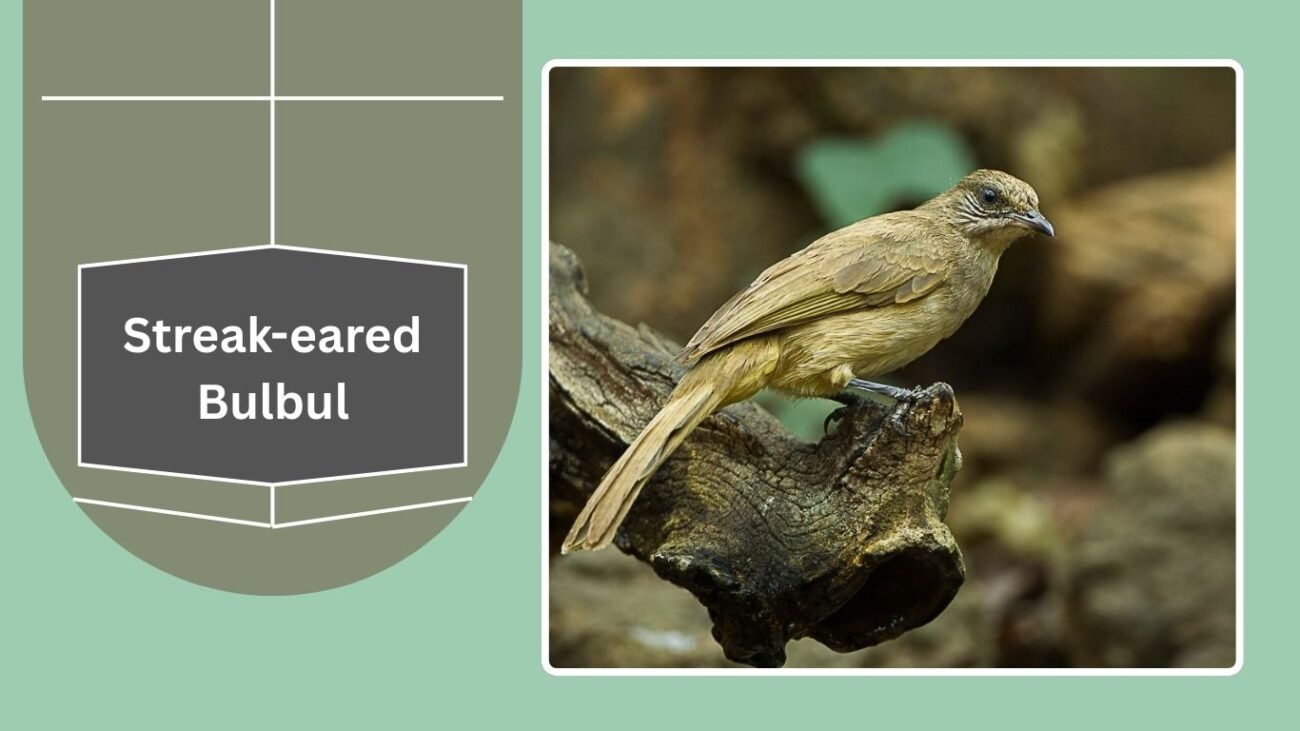
The Streak-eared Bulbul is a common bird in Southeast Asia, easily recognized by the pale streaks running behind its eyes and along the sides of its head. It is often seen in open habitats, farmlands, and gardens, making it one of the most familiar bulbs in its range.
Identification
- Medium-sized bird, about 20 cm long
- Olive-brown upperparts with lighter underparts
- Distinct pale streaks behind the eyes (the “streaked ears”)
- Unmarked throat and breast compared to some other bulbuls
- Yellowish vent and medium-length tail
Habitat
This species inhabits farmlands, scrublands, gardens, orchards, forest edges, and suburban areas. It thrives near human settlements and is often spotted in agricultural landscapes.
Diet
The Streak-eared Bulbul feeds mainly on fruits, berries, nectar, and small insects. It often forages in low shrubs and trees and is known to raid fruiting plants.
Behavior
Active and noisy, these bulbs are often found in pairs or small family groups. They are territorial during the breeding season but otherwise join mixed flocks. Their calls are repetitive and somewhat harsh, helping to identify them even before they are seen.
12. Yellow-throated Bulbul (Pycnonotus xantholaemus)
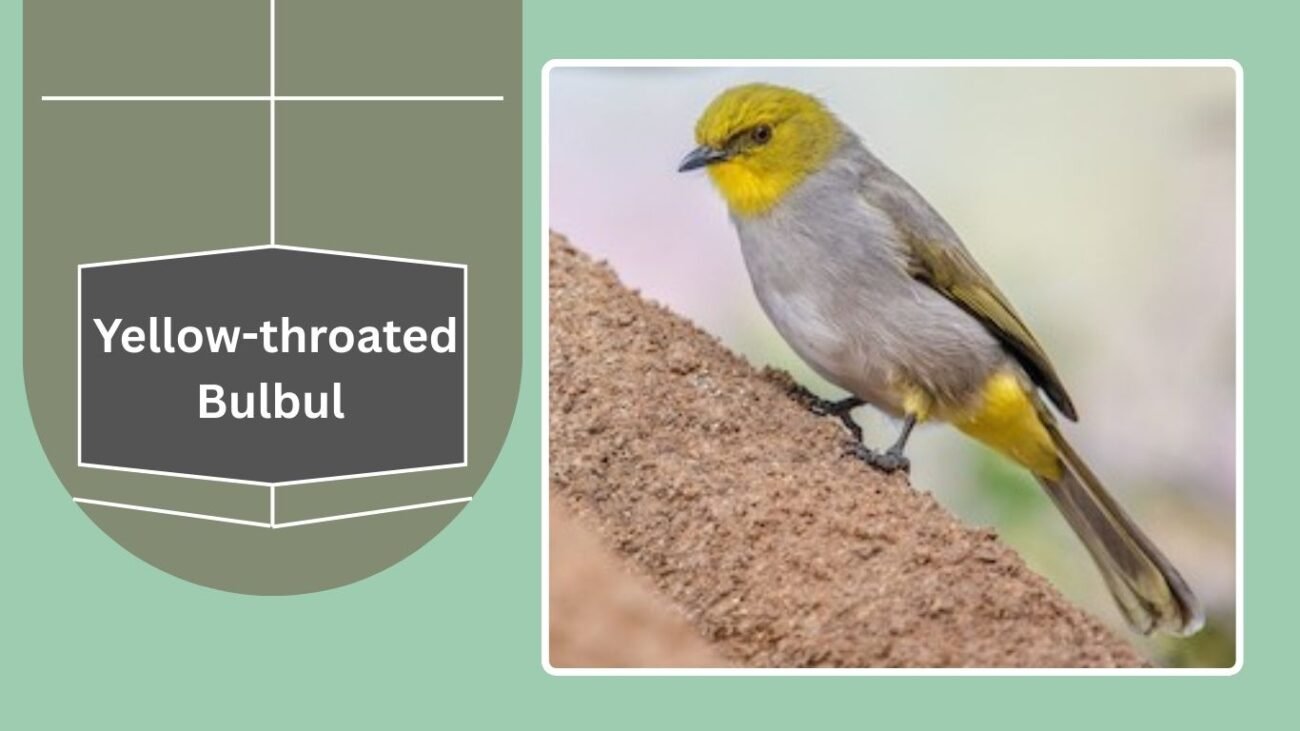
The Yellow-throated Bulbul is a rare and localized species found mainly in rocky hill regions of southern India. It is notable for its bright yellow throat and underparts, which contrast beautifully with its olive-brown body. Due to its limited range, it is considered a vulnerable species.
Identification
- Medium-sized bird, around 20 cm long
- Olive-brown upperparts with grayish tones
- Bright yellow throat and breast, fading into whitish belly
- Dark head with pale eye-ring
- Medium-length tail with darker edges
Habitat
This bulbul inhabits rocky hills, scrub-covered slopes, and dry deciduous forests. It prefers thorny bushes and rocky outcrops, usually at low elevations.
Diet
The Yellow-throated Bulbul primarily feeds on wild fruits, berries, nectar, and occasionally insects. It is often found foraging among fruiting trees and bushes.
Behavior
This species is shy and less vocal compared to other bulbs. It is usually seen in pairs or small groups, keeping close to dense scrub or rocky cover. Its calls are soft and not as musical, making it harder to detect unless observed directly.
13. Ashy Bulbul (Hemixos flavala)
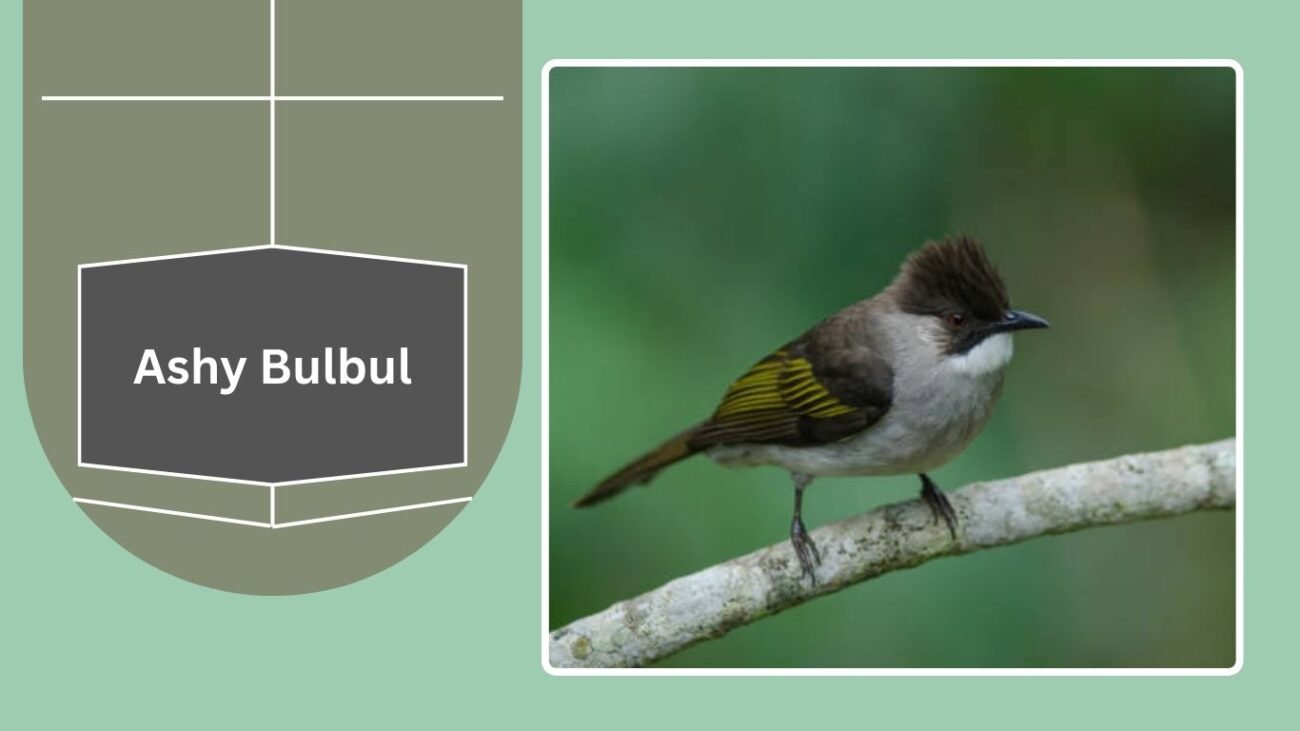
The Ashy Bulbul is a graceful and attractive species found in the forests of South and Southeast Asia. Its ashy-gray plumage combined with a bright yellow vent and throat tinges make it stand out among foliage. Known for its sweet, whistling song, it is often heard before being seen.
Identification
- Medium-sized bird, about 19–20 cm long
- Overall ashy-gray plumage
- Yellow vent and undertail coverts
- Pale throat with a slight yellow wash
- Slight crest on the head and a slender black bill
Habitat
The Ashy Bulbul inhabits subtropical and tropical forests, forest edges, bamboo groves, and secondary growth. It prefers wooded areas with dense cover and is often found at mid to higher elevations.
Diet
This species feeds mainly on fruits, berries, flower nectar, and small insects. It plays a role in seed dispersal within its forest habitat.
Behavior
Ashy Bulbuls are usually seen in pairs or small flocks. They are active foragers, moving quickly through the canopy and mid-level branches. Their song is sweet and melodious, often with a series of whistling notes that makes them popular among birdwatchers.
14. Flame-throated Bulbul (Rubigula gularis)
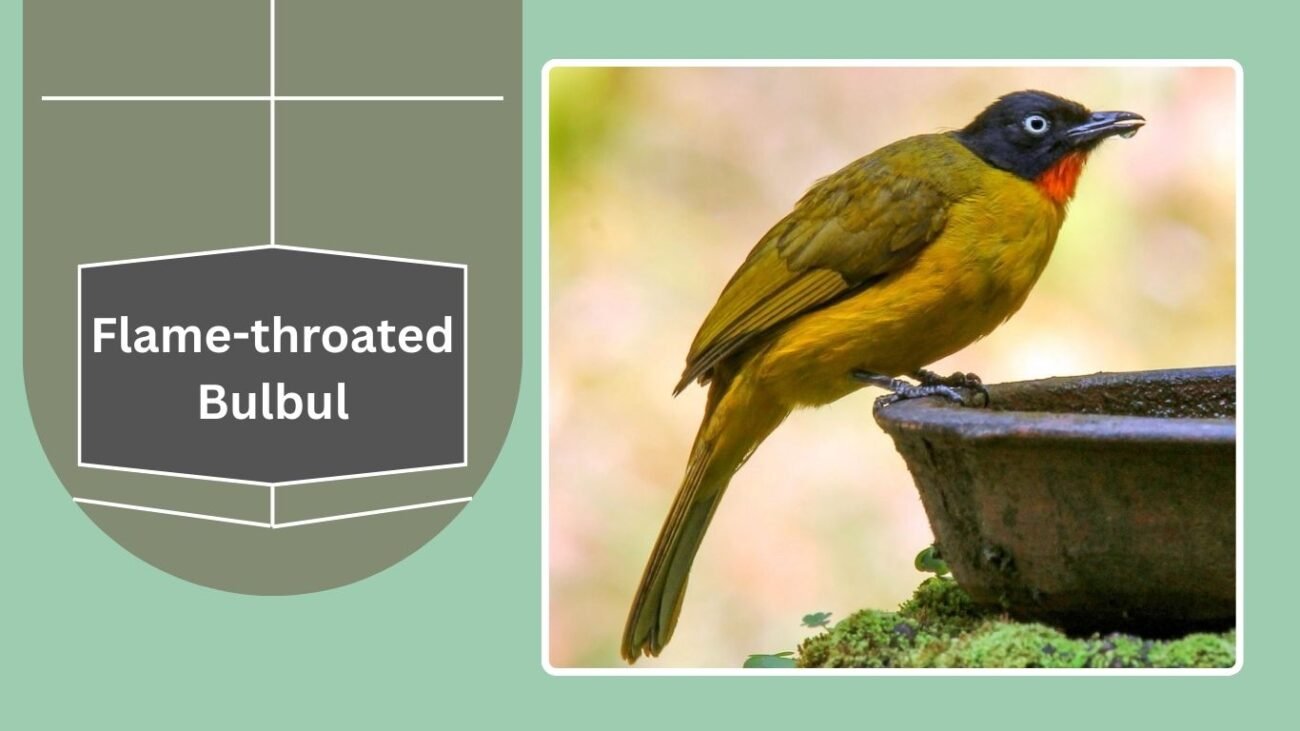
The Flame-throated Bulbul, also known as the Ruby-throated Bulbul, is the state bird of Goa, India. It is a striking and colorful species, instantly recognizable by its bright red throat contrasting with its yellow body. This bird is confined to the Western Ghats and is a favorite among bird enthusiasts due to its vivid plumage and lively behavior.
Identification
- Medium-sized bird, about 19–20 cm long
- Bright yellow body and underparts
- Distinctive flame-red throat patch
- Black head with a short crest
- Dark wings and tail with olive edges
Habitat
This species is found mainly in the moist forests of the Western Ghats, including evergreen and semi-evergreen forests. It prefers dense vegetation and forest edges but can also be seen in well-wooded plantations.
Diet
The Flame-throated Bulbul feeds on fruits, berries, flower nectar, and small insects. Its role as a seed disperser is vital in maintaining the health of forest ecosystems.
Behavior
Active and vocal, these bulbs are usually found in pairs or small groups. Their calls are loud and musical, often a mix of whistles and chatters. They are energetic foragers, frequently hopping between branches and feeding on fruiting trees.
15. Black-headed Bulbul (Rubigula melanictera)
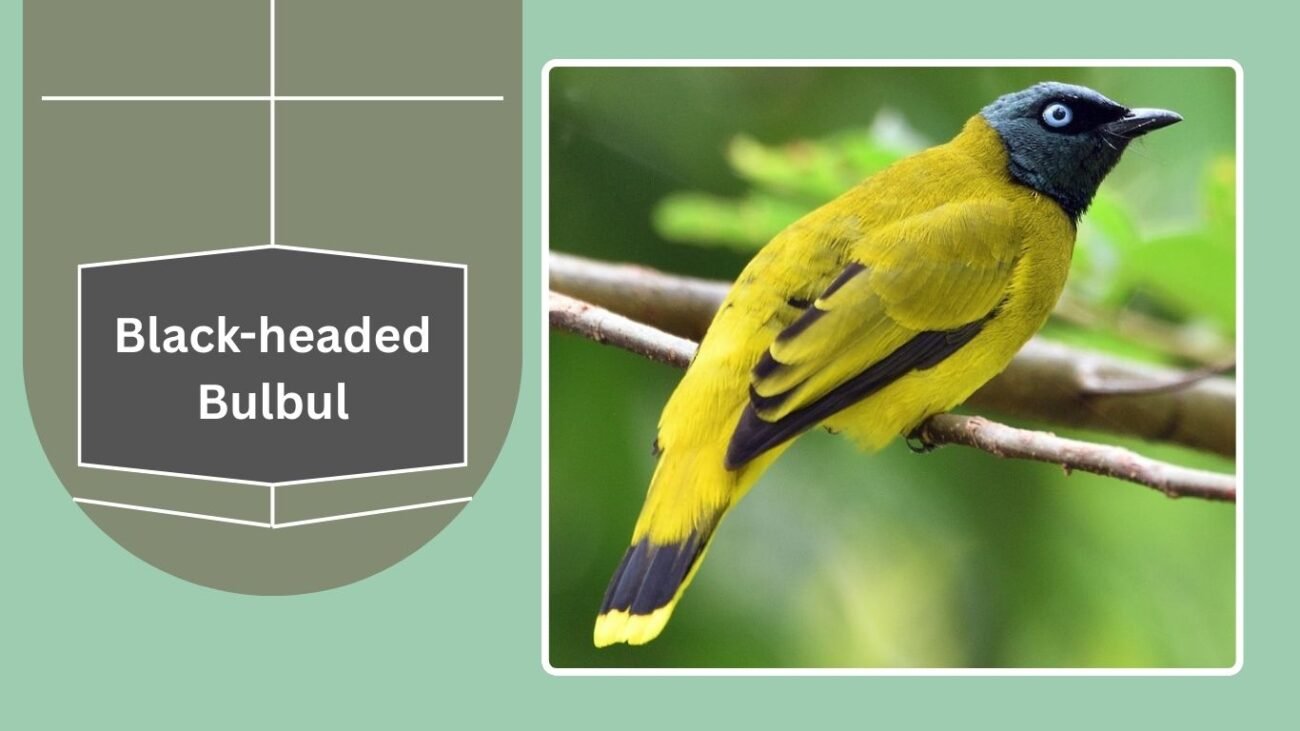
The Black-headed Bulbul is a bright and attractive species found across South and Southeast Asia. It is best recognized by its glossy black head that sharply contrasts with its vivid yellow body. This bird is often seen in forest edges, plantations, and gardens, where its lively presence and musical calls make it stand out.
Identification
- Medium-sized bird, about 18–20 cm long
- Glossy black head and throat
- Bright yellow body and underparts
- Olive-green wings with darker edges
- Red or bluish eye-ring, depending on the subspecies
Habitat
This species inhabits tropical and subtropical forests, forest edges, plantations, and wooded gardens. It is often found in well-vegetated lowlands and hilly regions.
Diet
The Black-headed Bulbul primarily feeds on fruits and berries, but it also eats nectar and small insects. Its fruit-eating habits make it an important contributor to seed dispersal.
Behavior
These bulbs are active, noisy, and often found in small groups. Their calls are loud, varied, and somewhat musical, helping them stay connected while moving through trees. They are agile foragers, hopping through branches in search of food.