Choosing the right bird as a beginner can be exciting yet overwhelming, given the wide variety of species available. Small pet birds are often the best choice for first-time owners because they are easier to care for, less noisy, and more affordable than larger parrots. In this guide, we’ll explore 12 beginner-friendly small birds—from playful budgies and affectionate cockatiels to calm canaries and gentle diamond doves—each with unique traits, behaviors, and care needs to help you find the perfect feathered companion.
1. Budgerigar (Budgie)
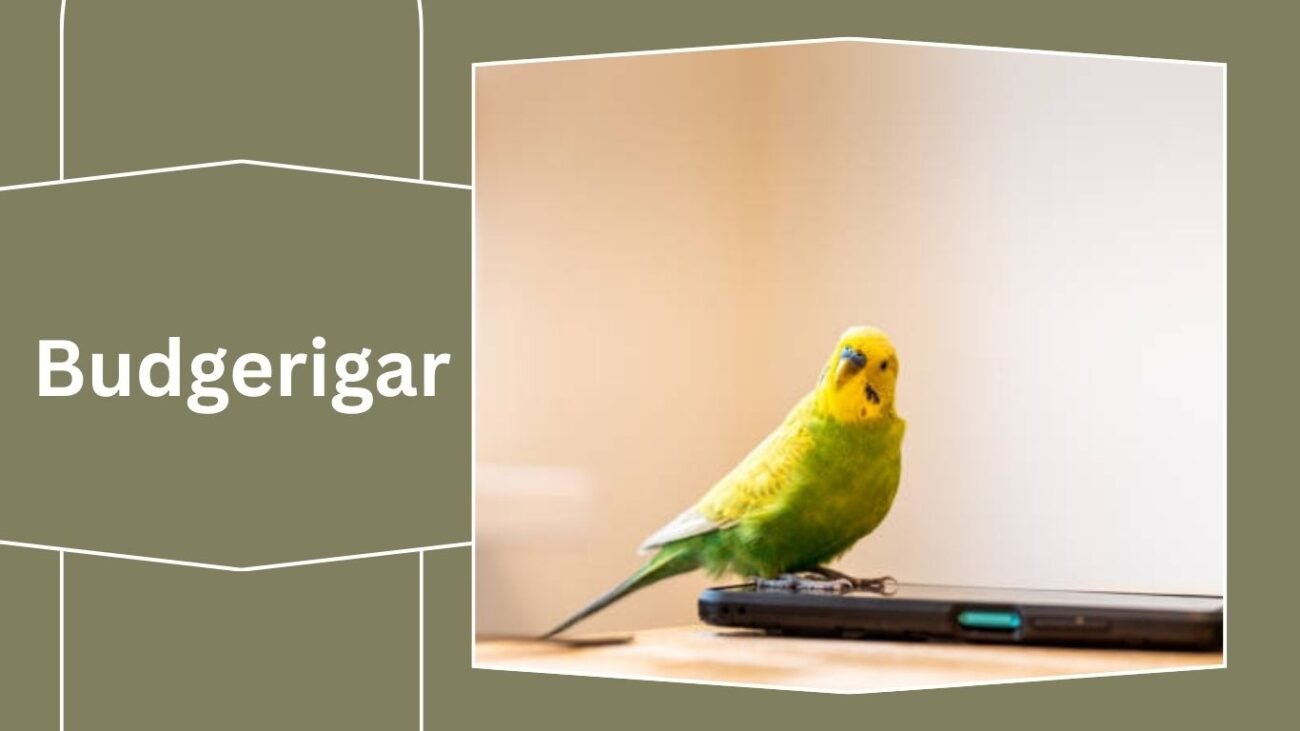
The Budgerigar, often called a “budgie,” is one of the most popular pet birds worldwide. Known for its small size, bright colors, and friendly nature, this parakeet makes a great choice for beginners. They are social, playful, and relatively easy to care for compared to larger parrots.
Identification
Budgies are small parakeets, usually 7–8 inches long, with long tail feathers. They come in a variety of colors, most commonly green and yellow with black markings on the wings and back. Their beaks are small and curved, and they have a distinctive cere (fleshy area above the beak).
Behaviors
Budgies are highly social and love interacting with their owners. They are playful, enjoy toys, and can mimic simple sounds or words. They thrive when kept in pairs or groups but can bond strongly with humans if kept alone with enough interaction.
Care
Budgies require a spacious cage, a balanced diet of seeds, pellets, fruits, and vegetables, and daily social interaction. Regular cage cleaning, fresh water, and safe toys are essential. They also benefit from supervised out-of-cage time for exercise.
Lifespan
With proper care, budgies typically live 7–10 years, though some may reach up to 15 years. Good nutrition and a stress-free environment help extend their lifespan.
Suitability for Beginners
Budgies are ideal for beginners because they are hardy, adaptable, and not too demanding. Their small size makes them easy to house, and their cheerful personalities bring joy to first-time bird owners.
2. Cockatiel
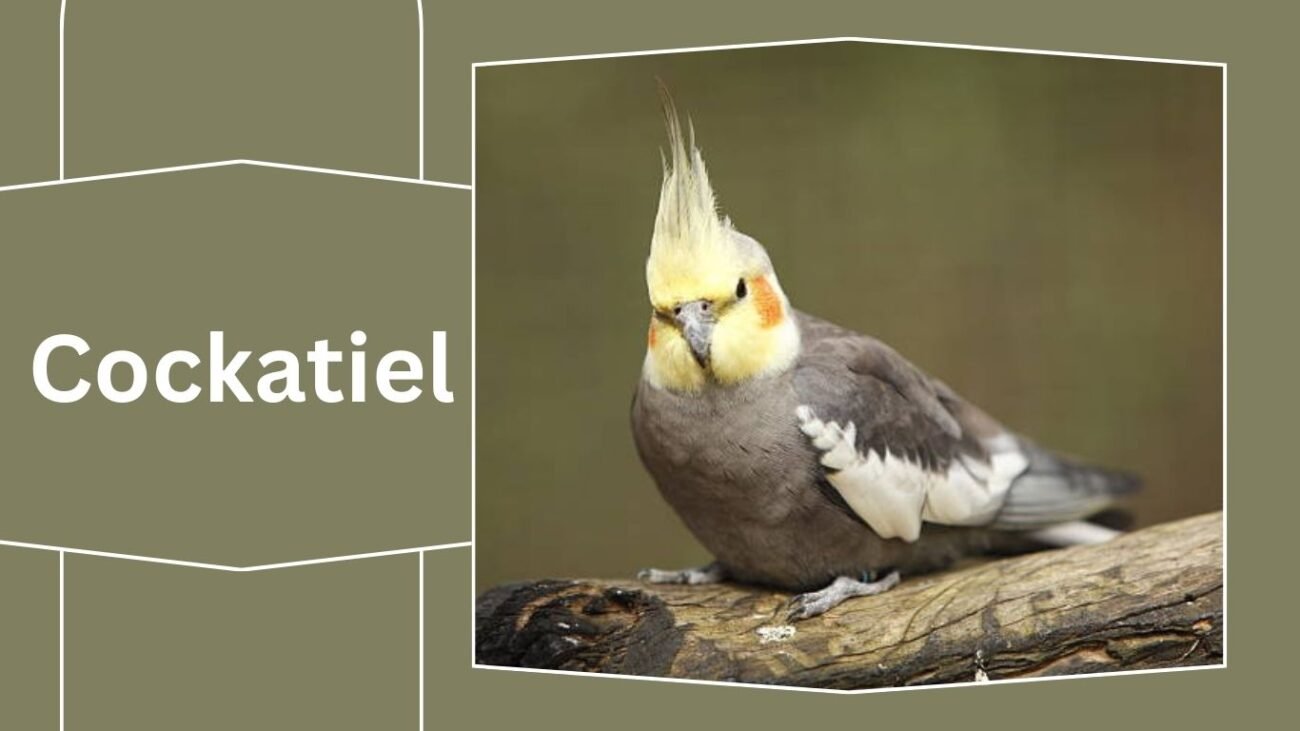
Cockatiels are gentle, affectionate birds known for their charming crests and whistling abilities. They are easy to tame, making them one of the most beloved beginner pet birds.
Identification
- Size: 12–13 inches long
- Colors: Grey body with yellow face and orange cheek patches
- Crest: Prominent head crest that shows mood changes
- Tail: Long and pointed
- Beak: Small, curved, grey beak
Behaviors
Cockatiels are calm, friendly, and love spending time with their owners. They can whistle tunes, mimic sounds, and display affection by head-bobbing or cuddling. They enjoy perching on shoulders and are less noisy than larger parrots.
Care
Provide a medium-to-large cage, toys for enrichment, and a diet of seeds, pellets, fruits, and vegetables. Daily out-of-cage interaction keeps them happy and bonded. Regular grooming, such as nail trimming, may be needed.
Lifespan
Cockatiels can live 15–20 years with proper care, and some even exceed this age with a healthy diet and safe environment.
Suitability for Beginners
Their affectionate personality and trainability make cockatiels a top choice for beginners who want a friendly companion bird.
3. Lovebird
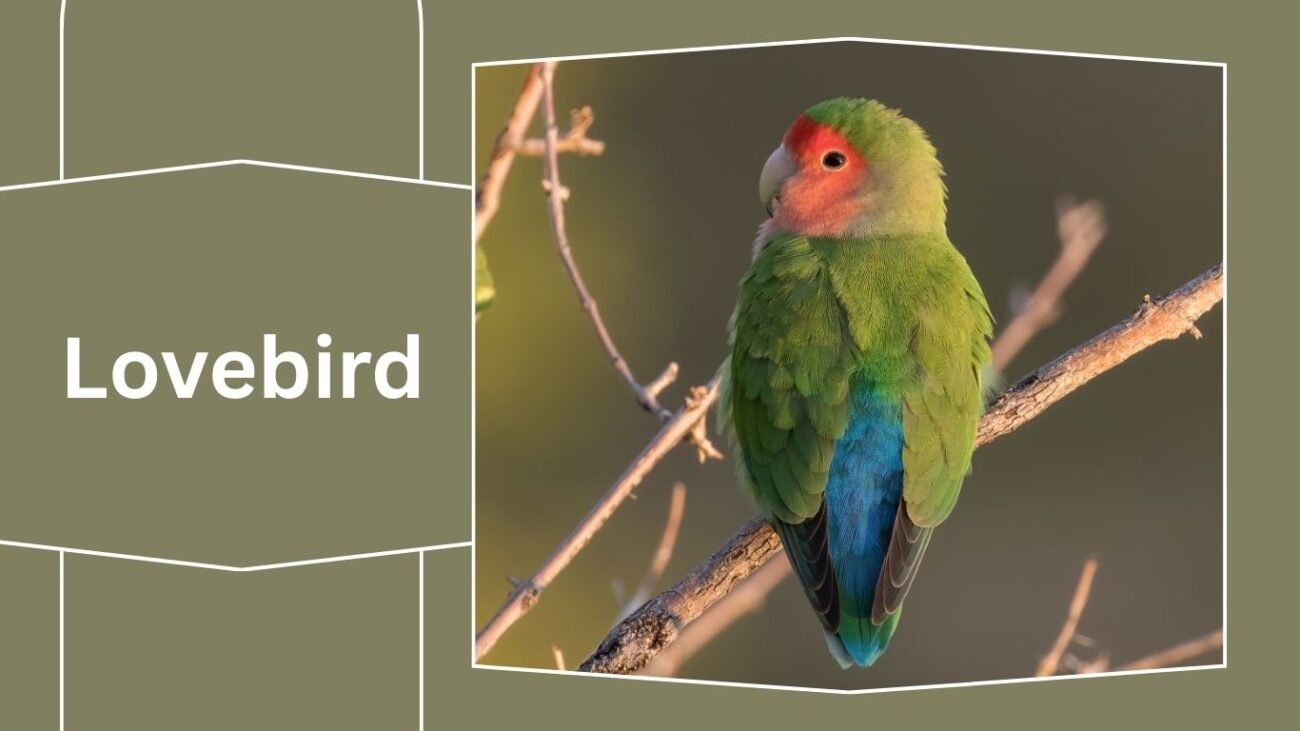
Lovebirds are small, colorful parrots with a lively and affectionate nature. They are named for their strong pair-bonding behavior and playful personalities.
Identification
- Size: 5–7 inches long
- Colors: Bright variations including green, peach, blue, and yellow
- Beak: Stocky, hooked beak
- Tail: Short and rounded
- Eyes: Prominent with white eye rings in some species
Behaviors
Lovebirds are active, curious, and can form strong bonds with humans or other lovebirds. They are playful, enjoy climbing, and can be slightly nippy if not well-socialized. They are also known for their constant chirping and interactive behavior.
Care
They require a secure cage with chewable toys, daily interaction, and a balanced diet of seeds, pellets, and fresh produce. They thrive when given time outside the cage for exercise.
Lifespan
Lovebirds live around 10–15 years, depending on diet, care, and environment.
Suitability for Beginners
Best for owners who can dedicate time daily to interaction. Their playful energy makes them rewarding, though they need consistent handling to remain tame.
4. Parrotlet
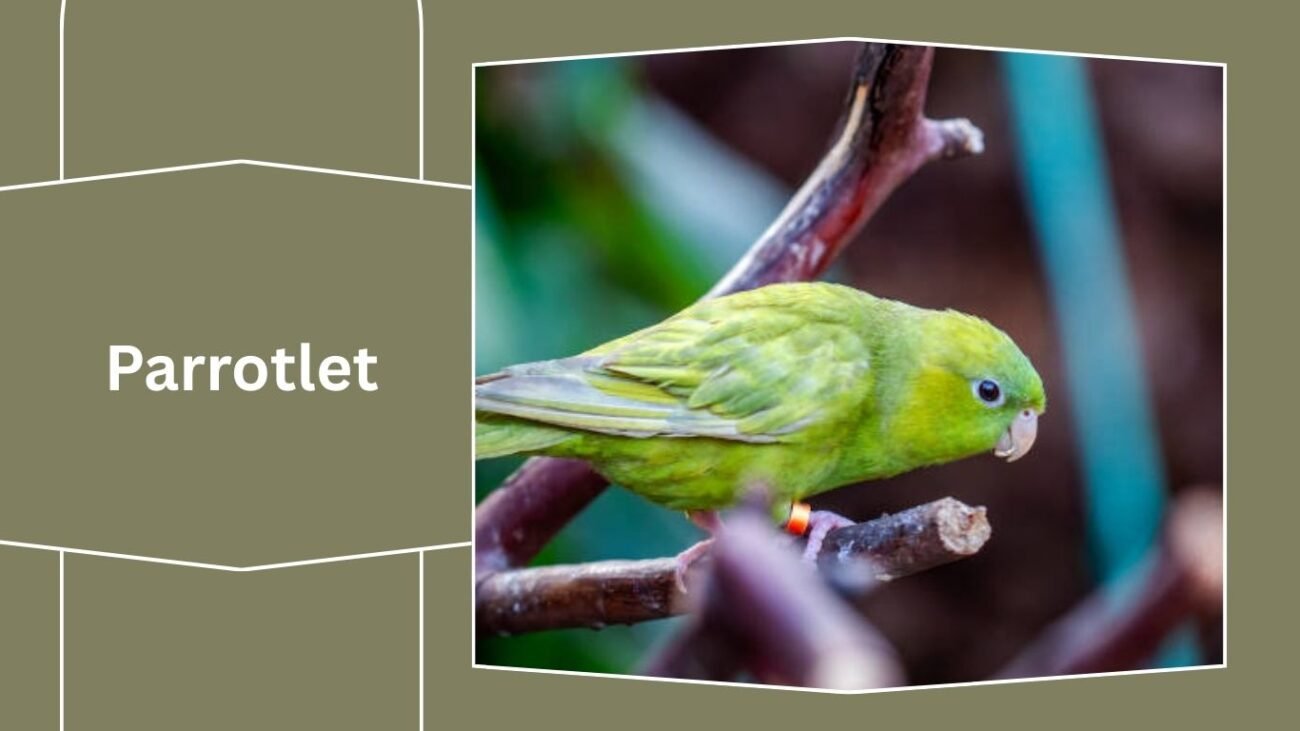
Parrotlets are tiny parrots full of personality. Despite their small size, they are bold, curious, and affectionate, often compared to larger parrots in spirit.
Identification
- Size: 4–5 inches long
- Colors: Mostly green, with blue markings (males show brighter blues)
- Beak: Small, pale, hooked beak
- Tail: Short and square
- Eyes: Dark and expressive
Behaviors
Parrotlets are energetic, playful, and can be feisty if not socialized. They bond closely with their owners and can learn simple tricks. Although small, they are fearless and often show a strong will.
Care
They need a cage with horizontal bars for climbing, chew toys, and daily interaction to prevent aggression. Their diet should include pellets, seeds, fruits, and vegetables. Supervised out-of-cage play is important for exercise.
Lifespan
Parrotlets live 15–20 years, making them long-term companions for their small size.
Suitability for Beginners
Good for beginners who want a small bird with a big personality and have time to handle them regularly.
5. Canary
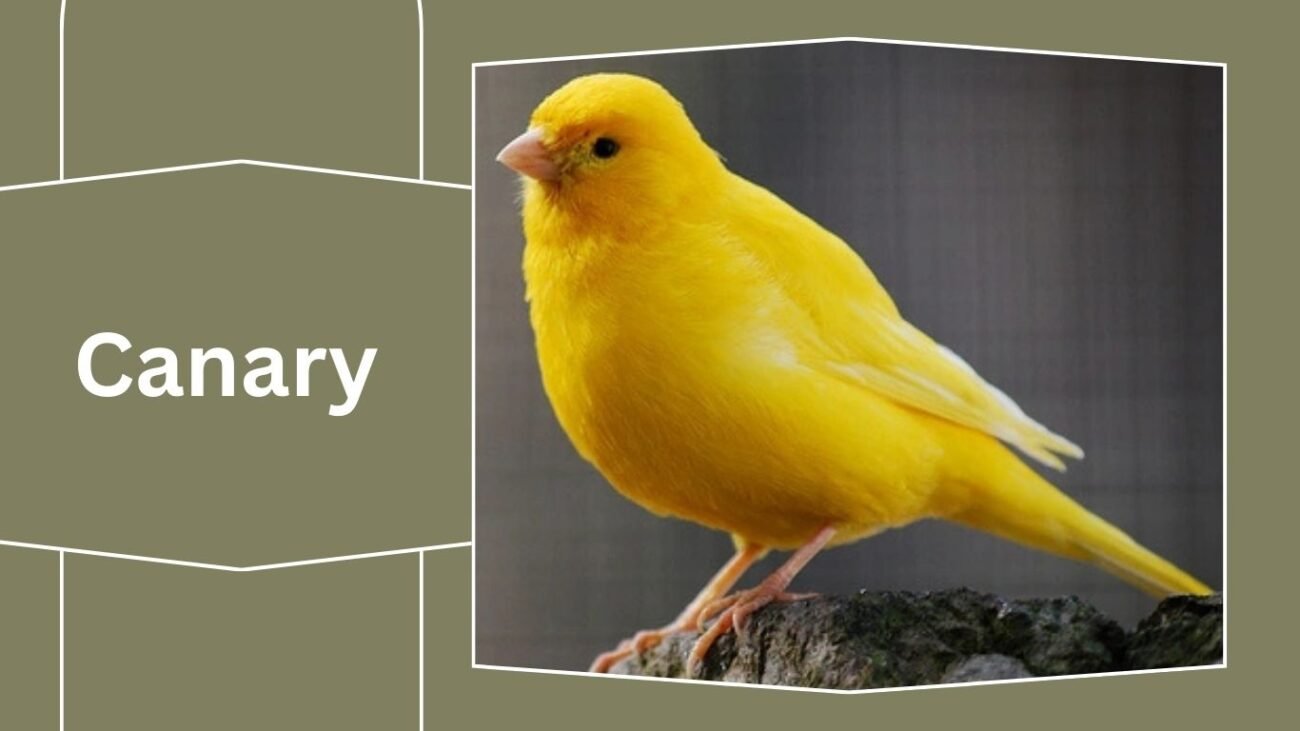
Canaries are admired for their beautiful singing and bright colors. They are less interactive but excellent for those who enjoy observing and listening rather than handling.
Identification
- Size: 5–6 inches long
- Colors: Yellow is most common, but also red, orange, and white
- Beak: Small and cone-shaped
- Tail: Slim and slightly forked
- Eyes: Round and dark
Behaviors
Male canaries are known for their melodious singing, while females chirp more softly. They are independent and prefer observing over cuddling. Active and lively, they enjoy hopping around their cage.
Care
Provide a roomy cage with perches, swings, and a seed- and pellet-based diet supplemented with greens. They appreciate natural sunlight and a quiet environment for singing.
Lifespan
Canaries live around 10–15 years with proper care and diet.
Suitability for Beginners
Perfect for beginners who want a low-maintenance bird that brings joy through song and color rather than interaction.
6. Zebra Finch
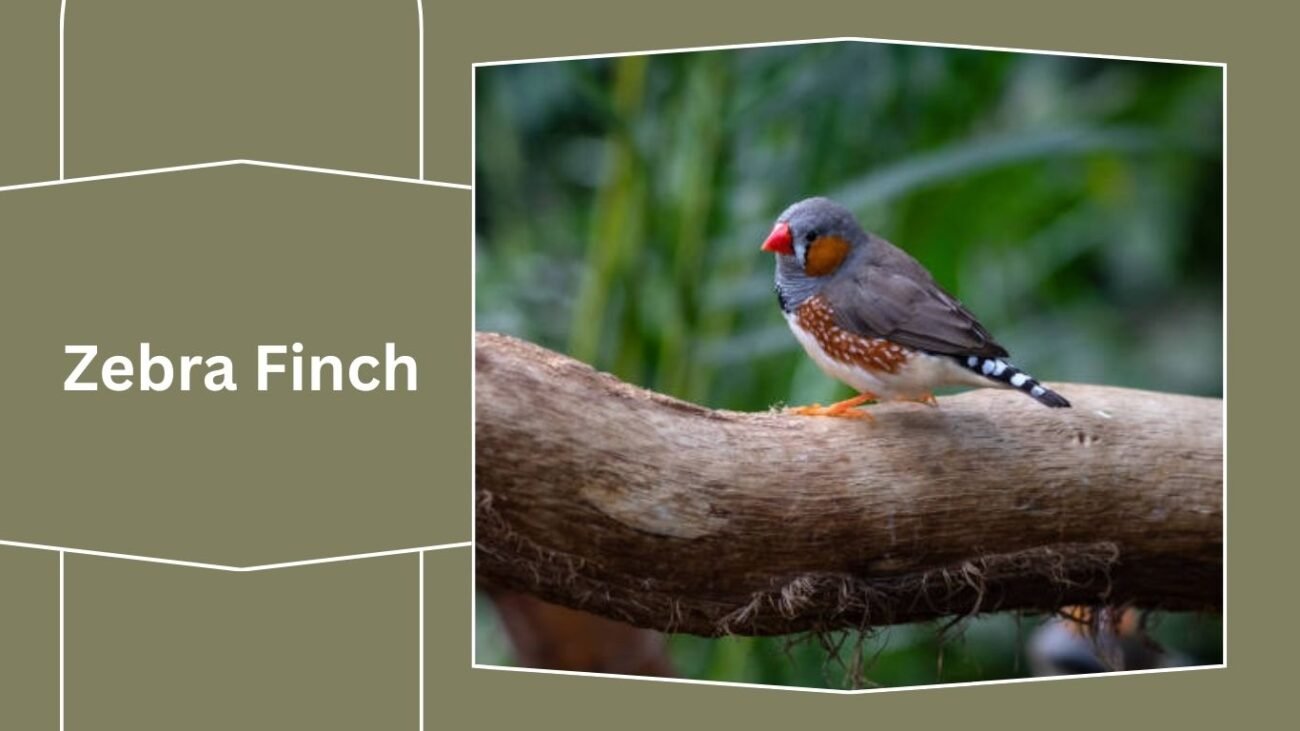
Zebra finches are lively, social birds that are easy to care for and fun to watch. They are best kept in pairs or small groups, as they thrive on companionship.
Identification
- Size: 4 inches long
- Colors: Grey body, black-and-white barred tail, orange beak
- Markings: Males have orange cheek patches and a black breast bar
- Tail: Short and patterned
- Eyes: Dark and round
Behaviors
Zebra finches are active, constantly chirping, flying, and hopping around. They are not fond of handling but provide endless entertainment with their busy nature. Males sing short, unique songs to attract mates.
Care
Provide a wide cage for flying, fresh seeds, millet, pellets, and leafy greens. They need nesting material if breeding, and toys for enrichment. Daily cleaning is essential for hygiene.
Lifespan
They generally live 5–10 years with good care.
Suitability for Beginners
Perfect for those who enjoy watching and listening rather than handling, as zebra finches require minimal human interaction.
7. Society Finch
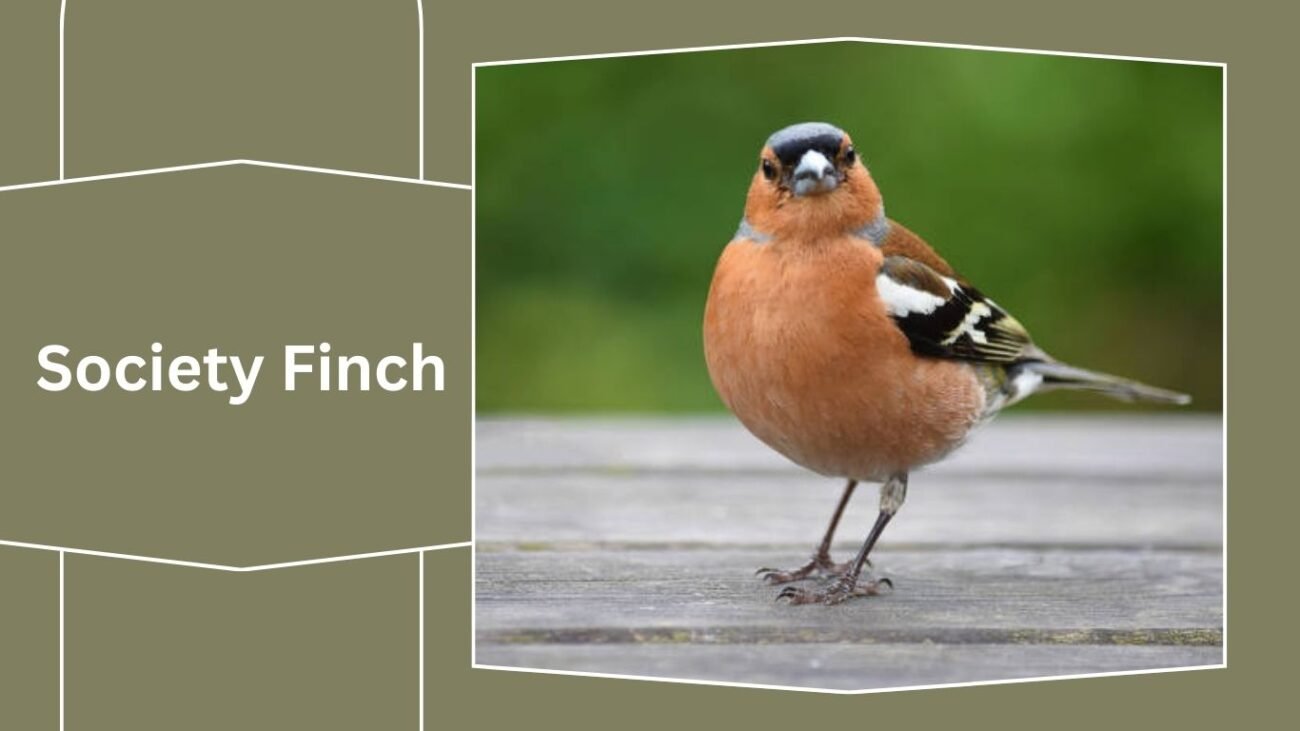
Society finches, also called Bengalese finches, are gentle, social, and easygoing birds. They are popular among beginners because of their calm temperament and ease of care.
Identification
- Size: 4–5 inches long
- Colors: Brown, white, or pied (mixed patterns)
- Beak: Small and pale cone-shaped beak
- Tail: Short and neat
- Eyes: Small, dark, and soft-looking
Behaviors
They are peaceful birds that get along well in groups. Society finches rarely bite and are not noisy, making them great for calm households. They chirp gently and often engage in communal activities.
Care
Provide a roomy cage for flying, with perches and swings. Their diet includes seeds, pellets, fruits, and vegetables. They need clean water for drinking and bathing.
Lifespan
Society finches live around 7–10 years, sometimes longer in ideal conditions.
Suitability for Beginners
Excellent for beginners who want friendly, low-maintenance birds that are happy living with others of their kind.
8. Bourke’s Parakeet
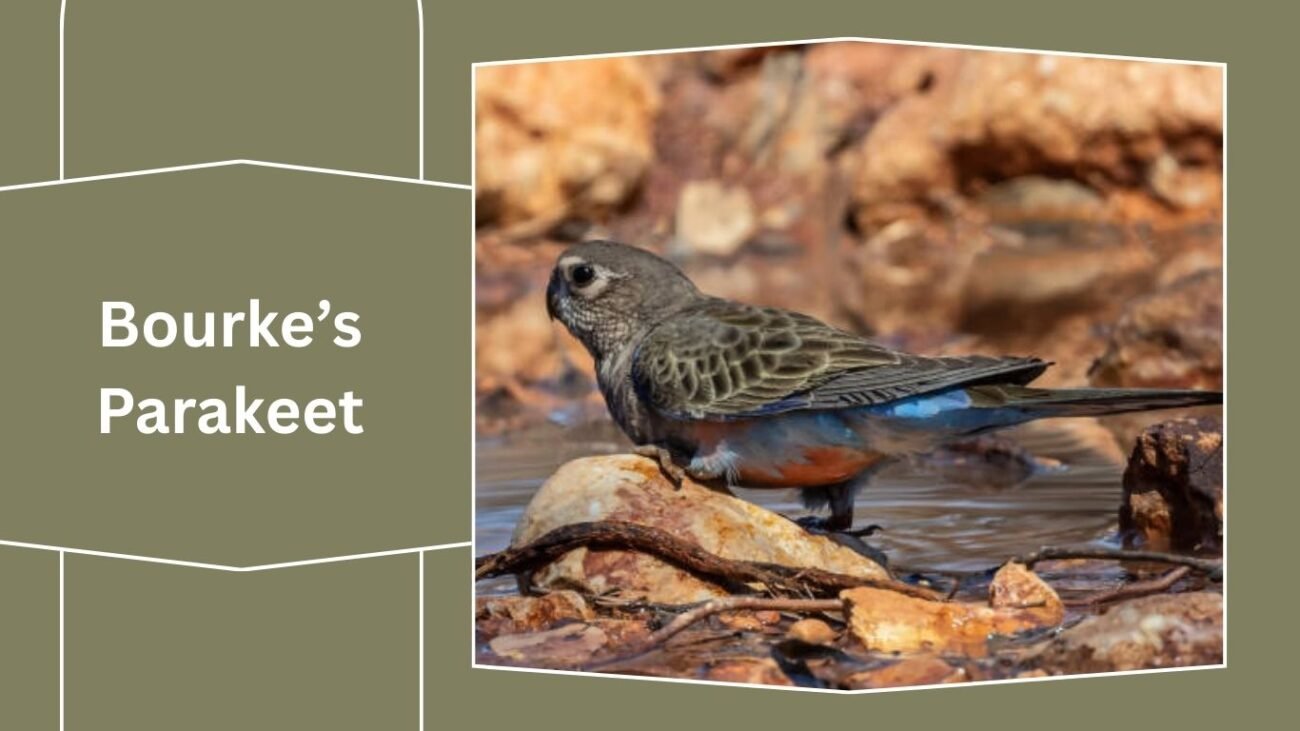
Bourke’s parakeets are gentle, quiet, and easy-to-care-for birds, making them an excellent choice for beginners. They are less demanding compared to other parrots and have a calm personality.
Identification
- Size: 7–8 inches long
- Colors: Soft pink chest, brownish wings, and blue highlights on wings and tail
- Beak: Small, curved, grey beak
- Tail: Long and narrow
- Eyes: Large and dark, often with a sweet expression
Behaviors
They are calm, peaceful, and less noisy than most parrots. Bourke’s parakeets enjoy flying around during dawn and dusk but spend much of the day quietly perched. They are affectionate without being overly clingy.
Care
Provide a spacious cage for flying and toys for enrichment. A diet of seeds, pellets, fruits, and greens keeps them healthy. They also appreciate quiet environments and gentle handling.
Lifespan
They live about 10–15 years with proper care.
Suitability for Beginners
Ideal for those who want a low-noise, easygoing bird that doesn’t require constant interaction.
9. Lineolated Parakeet (Linnie)

Lineolated parakeets, or “Linnies,” are small, calm birds that are quieter than most parakeets and adapt well to family life.
Identification
- Size: 6–7 inches long
- Colors: Green is most common, with blue, turquoise, and pied variations
- Markings: Dark streaks (“lines”) along the feathers
- Beak: Small, pale, and hooked
- Tail: Short and square
Behaviors
Linnies are known for their calm and cuddly nature. They enjoy climbing, walking, and sometimes hanging upside down. They are quieter than budgies but can mimic soft sounds. Friendly and affectionate, they often bond well with owners.
Care
Provide a cage with plenty of climbing space and chew toys. They thrive on a diet of pellets, seeds, fruits, and fresh vegetables. Regular social interaction helps them stay tame.
Lifespan
Lineolated parakeets typically live 10–15 years.
Suitability for Beginners
Great for beginners who want a quiet, gentle bird with a sweet disposition and low noise level.
10. Pacific Parrotlet
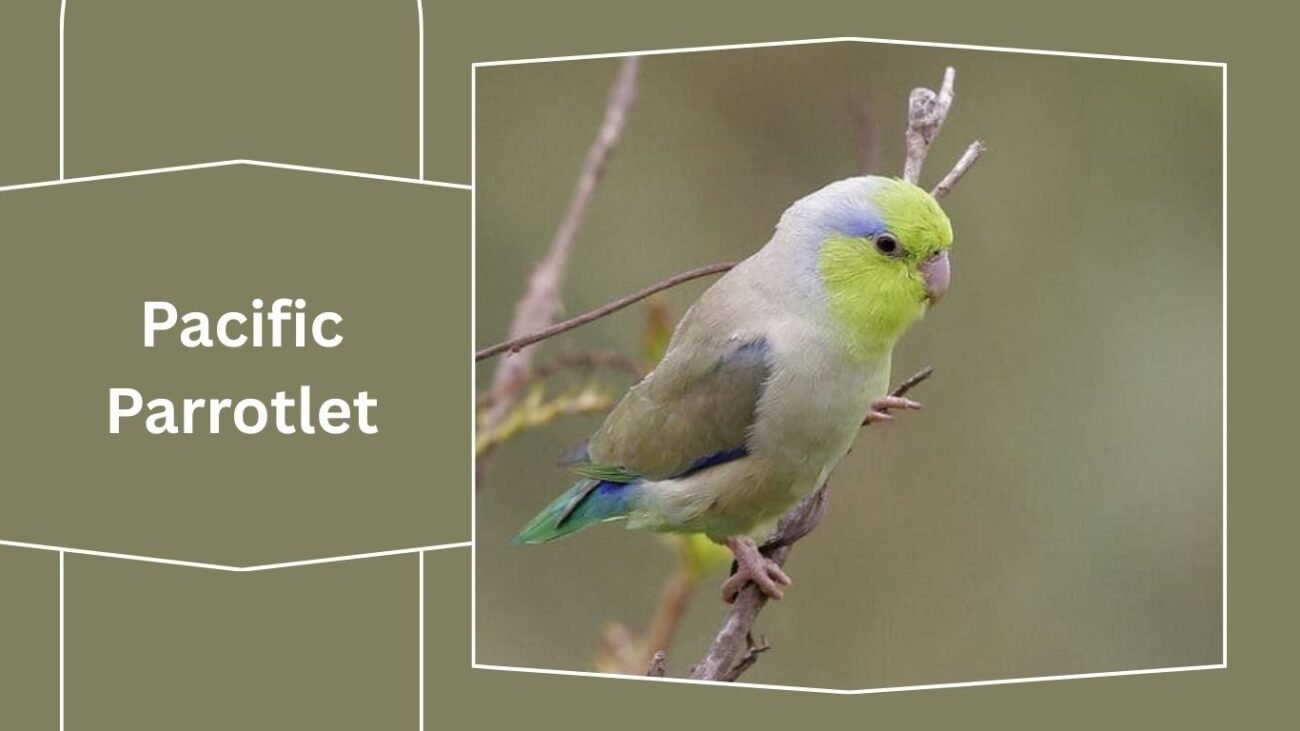
Pacific parrotlets are the smallest parrots kept as pets, but they have bold personalities. They are playful, intelligent, and can form strong bonds with their owners.
Identification
- Size: 4–5 inches long
- Colors: Green is most common; males have blue streaks behind eyes and wings
- Beak: Tiny, pale, hooked beak
- Tail: Short and stubby
- Eyes: Small, dark, and expressive
Behaviors
Parrotlets are curious, active, and sometimes a bit feisty. They love to explore, chew, and interact daily. With training, they can learn simple words or tricks. Despite their size, they can be territorial if not socialized.
Care
They need a cage with toys, ladders, and swings to stay busy. A healthy diet of seeds, pellets, and vegetables is essential. Daily handling is necessary to keep them tame and affectionate.
Lifespan
Pacific parrotlets live 15–20 years with good care.
Suitability for Beginners
Perfect for beginners who want a small, long-living parrot and have time for daily interaction.
11. Diamond Dove
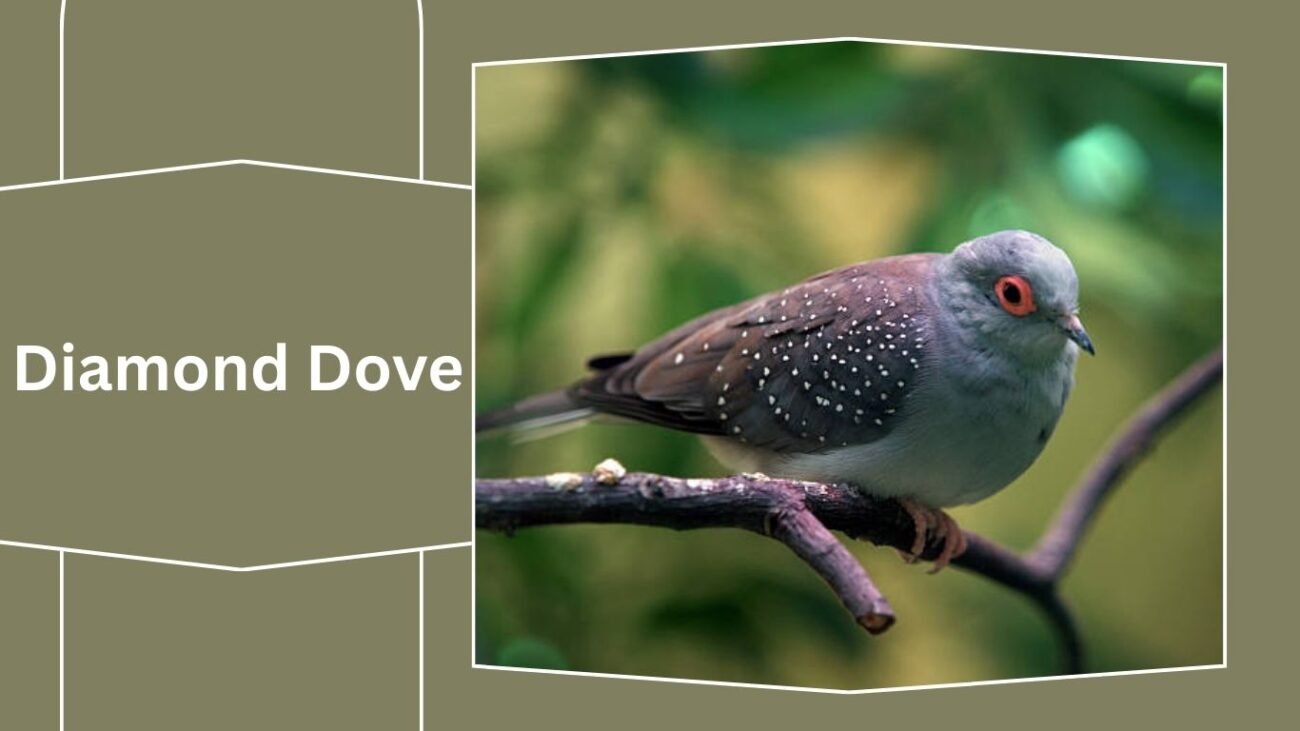
Diamond doves are gentle, quiet birds with a sweet temperament. They are not demanding and are admired for their beauty and soft cooing sounds.
Identification
- Size: 7–9 inches long
- Colors: Grey body with white “diamond” spots on wings
- Beak: Small and slender
- Tail: Long and tapered
- Eyes: Bright orange or red eye ring with dark pupils
Behaviors
They are calm, peaceful, and enjoy cooing softly, creating a soothing atmosphere. They are more for watching than handling but may become tame with gentle care.
Care
Provide a wide cage for flying, perches, and a diet of seeds, grit, and greens. They also need clean water for drinking and bathing.
Lifespan
Diamond doves typically live 8–12 years, sometimes longer in captivity.
Suitability for Beginners
Ideal for beginners seeking a gentle, low-maintenance bird that is enjoyable to watch and listen to.
12. Green-Cheeked Conure
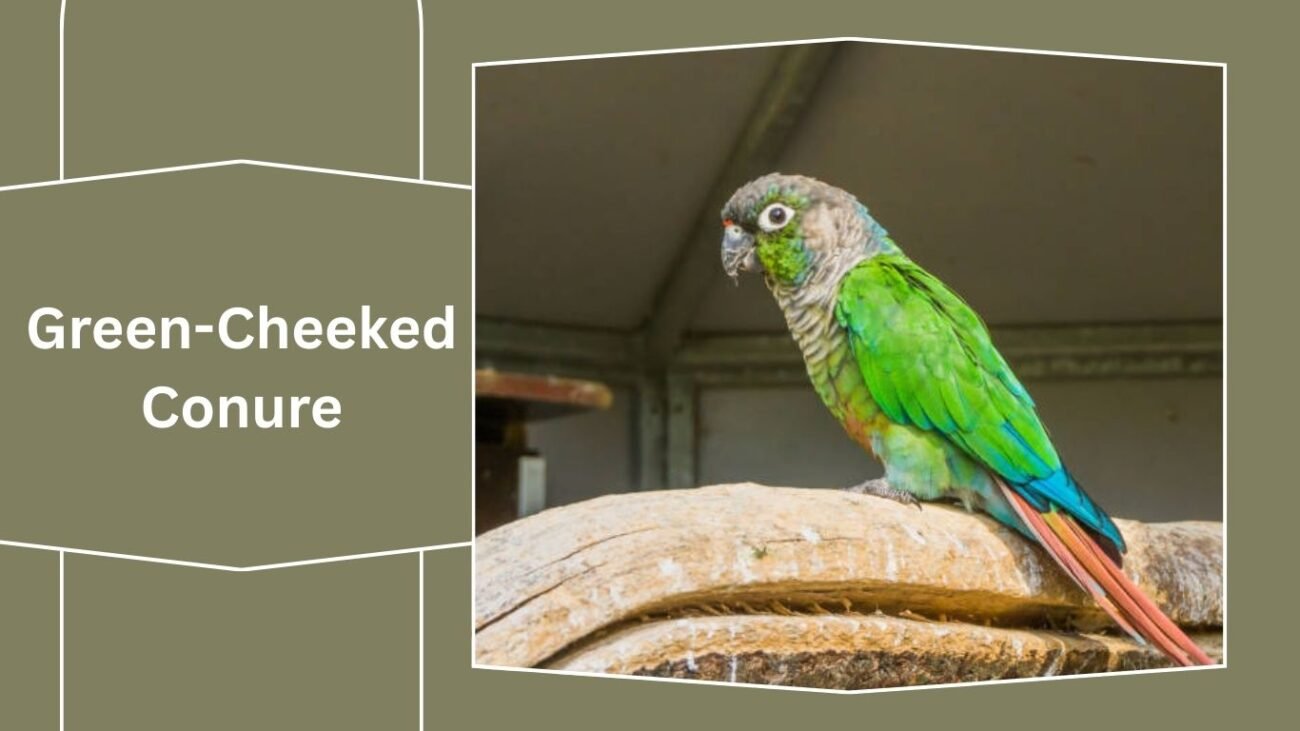
Green-cheeked conures are small parrots with playful, affectionate personalities. They are quieter than many other conures and make excellent companions for beginners willing to spend time with them.
Identification
- Size: 10–11 inches long
- Colors: Green body, maroon tail, blue flight feathers, and a grey chest
- Beak: Medium-sized, dark, hooked beak
- Tail: Long and tapered with reddish underside
- Eyes: Dark with a subtle white eye ring
Behaviors
They are energetic, curious, and love to play. Green-cheeked conures often enjoy cuddling with their owners and can learn tricks or mimic sounds. They may be a little mischievous but are generally less noisy than larger parrots.
Care
Provide a medium-to-large cage with plenty of toys and climbing structures. Their diet should include pellets, seeds, fruits, and vegetables. Daily interaction and out-of-cage time are essential for bonding and exercise.
Lifespan
They usually live 20–30 years when properly cared for.
Suitability for Beginners
Great for beginners who want an affectionate, trainable parrot and are ready to invest time in daily interaction.
Choosing the right bird as a beginner can be exciting yet overwhelming, given the wide variety of species available. Small pet birds are often the best choice for first-time owners because they are easier to care for, less noisy, and more affordable than larger parrots. In this guide, we’ll explore 12 beginner-friendly small birds—from playful budgies and affectionate cockatiels to calm canaries and gentle diamond doves—each with unique traits, behaviors, and care needs to help you find the perfect feathered companion.
1. Budgerigar (Budgie)
The Budgerigar, often called a “budgie,” is one of the most popular pet birds worldwide. Known for its small size, bright colors, and friendly nature, this parakeet makes a great choice for beginners. They are social, playful, and relatively easy to care for compared to larger parrots.
Identification
Budgies are small parakeets, usually 7–8 inches long, with long tail feathers. They come in a variety of colors, most commonly green and yellow with black markings on the wings and back. Their beaks are small and curved, and they have a distinctive cere (fleshy area above the beak).
Behaviors
Budgies are highly social and love interacting with their owners. They are playful, enjoy toys, and can mimic simple sounds or words. They thrive when kept in pairs or groups but can bond strongly with humans if kept alone with enough interaction.
Care
Budgies require a spacious cage, a balanced diet of seeds, pellets, fruits, and vegetables, and daily social interaction. Regular cage cleaning, fresh water, and safe toys are essential. They also benefit from supervised out-of-cage time for exercise.
Lifespan
With proper care, budgies typically live 7–10 years, though some may reach up to 15 years. Good nutrition and a stress-free environment help extend their lifespan.
Suitability for Beginners
Budgies are ideal for beginners because they are hardy, adaptable, and not too demanding. Their small size makes them easy to house, and their cheerful personalities bring joy to first-time bird owners.
2. Cockatiel
Cockatiels are gentle, affectionate birds known for their charming crests and whistling abilities. They are easy to tame, making them one of the most beloved beginner pet birds.
Identification
- Size: 12–13 inches long
- Colors: Grey body with yellow face and orange cheek patches
- Crest: Prominent head crest that shows mood changes
- Tail: Long and pointed
- Beak: Small, curved, grey beak
Behaviors
Cockatiels are calm, friendly, and love spending time with their owners. They can whistle tunes, mimic sounds, and display affection by head-bobbing or cuddling. They enjoy perching on shoulders and are less noisy than larger parrots.
Care
Provide a medium-to-large cage, toys for enrichment, and a diet of seeds, pellets, fruits, and vegetables. Daily out-of-cage interaction keeps them happy and bonded. Regular grooming, such as nail trimming, may be needed.
Lifespan
Cockatiels can live 15–20 years with proper care, and some even exceed this age with a healthy diet and safe environment.
Suitability for Beginners
Their affectionate personality and trainability make cockatiels a top choice for beginners who want a friendly companion bird.
3. Lovebird
Lovebirds are small, colorful parrots with a lively and affectionate nature. They are named for their strong pair-bonding behavior and playful personalities.
Identification
- Size: 5–7 inches long
- Colors: Bright variations including green, peach, blue, and yellow
- Beak: Stocky, hooked beak
- Tail: Short and rounded
- Eyes: Prominent with white eye rings in some species
Behaviors
Lovebirds are active, curious, and can form strong bonds with humans or other lovebirds. They are playful, enjoy climbing, and can be slightly nippy if not well-socialized. They are also known for their constant chirping and interactive behavior.
Care
They require a secure cage with chewable toys, daily interaction, and a balanced diet of seeds, pellets, and fresh produce. They thrive when given time outside the cage for exercise.
Lifespan
Lovebirds live around 10–15 years, depending on diet, care, and environment.
Suitability for Beginners
Best for owners who can dedicate time daily to interaction. Their playful energy makes them rewarding, though they need consistent handling to remain tame.
4. Parrotlet
Parrotlets are tiny parrots full of personality. Despite their small size, they are bold, curious, and affectionate, often compared to larger parrots in spirit.
Identification
- Size: 4–5 inches long
- Colors: Mostly green, with blue markings (males show brighter blues)
- Beak: Small, pale, hooked beak
- Tail: Short and square
- Eyes: Dark and expressive
Behaviors
Parrotlets are energetic, playful, and can be feisty if not socialized. They bond closely with their owners and can learn simple tricks. Although small, they are fearless and often show a strong will.
Care
They need a cage with horizontal bars for climbing, chew toys, and daily interaction to prevent aggression. Their diet should include pellets, seeds, fruits, and vegetables. Supervised out-of-cage play is important for exercise.
Lifespan
Parrotlets live 15–20 years, making them long-term companions for their small size.
Suitability for Beginners
Good for beginners who want a small bird with a big personality and have time to handle them regularly.
5. Canary
Canaries are admired for their beautiful singing and bright colors. They are less interactive but excellent for those who enjoy observing and listening rather than handling.
Identification
- Size: 5–6 inches long
- Colors: Yellow is most common, but also red, orange, and white
- Beak: Small and cone-shaped
- Tail: Slim and slightly forked
- Eyes: Round and dark
Behaviors
Male canaries are known for their melodious singing, while females chirp more softly. They are independent and prefer observing over cuddling. Active and lively, they enjoy hopping around their cage.
Care
Provide a roomy cage with perches, swings, and a seed- and pellet-based diet supplemented with greens. They appreciate natural sunlight and a quiet environment for singing.
Lifespan
Canaries live around 10–15 years with proper care and diet.
Suitability for Beginners
Perfect for beginners who want a low-maintenance bird that brings joy through song and color rather than interaction.
6. Zebra Finch
Zebra finches are lively, social birds that are easy to care for and fun to watch. They are best kept in pairs or small groups, as they thrive on companionship.
Identification
- Size: 4 inches long
- Colors: Grey body, black-and-white barred tail, orange beak
- Markings: Males have orange cheek patches and a black breast bar
- Tail: Short and patterned
- Eyes: Dark and round
Behaviors
Zebra finches are active, constantly chirping, flying, and hopping around. They are not fond of handling but provide endless entertainment with their busy nature. Males sing short, unique songs to attract mates.
Care
Provide a wide cage for flying, fresh seeds, millet, pellets, and leafy greens. They need nesting material if breeding, and toys for enrichment. Daily cleaning is essential for hygiene.
Lifespan
They generally live 5–10 years with good care.
Suitability for Beginners
Perfect for those who enjoy watching and listening rather than handling, as zebra finches require minimal human interaction.
7. Society Finch
Society finches, also called Bengalese finches, are gentle, social, and easygoing birds. They are popular among beginners because of their calm temperament and ease of care.
Identification
- Size: 4–5 inches long
- Colors: Brown, white, or pied (mixed patterns)
- Beak: Small and pale cone-shaped beak
- Tail: Short and neat
- Eyes: Small, dark, and soft-looking
Behaviors
They are peaceful birds that get along well in groups. Society finches rarely bite and are not noisy, making them great for calm households. They chirp gently and often engage in communal activities.
Care
Provide a roomy cage for flying, with perches and swings. Their diet includes seeds, pellets, fruits, and vegetables. They need clean water for drinking and bathing.
Lifespan
Society finches live around 7–10 years, sometimes longer in ideal conditions.
Suitability for Beginners
Excellent for beginners who want friendly, low-maintenance birds that are happy living with others of their kind.
8. Bourke’s Parakeet
Bourke’s parakeets are gentle, quiet, and easy-to-care-for birds, making them an excellent choice for beginners. They are less demanding compared to other parrots and have a calm personality.
Identification
- Size: 7–8 inches long
- Colors: Soft pink chest, brownish wings, and blue highlights on wings and tail
- Beak: Small, curved, grey beak
- Tail: Long and narrow
- Eyes: Large and dark, often with a sweet expression
Behaviors
They are calm, peaceful, and less noisy than most parrots. Bourke’s parakeets enjoy flying around during dawn and dusk but spend much of the day quietly perched. They are affectionate without being overly clingy.
Care
Provide a spacious cage for flying and toys for enrichment. A diet of seeds, pellets, fruits, and greens keeps them healthy. They also appreciate quiet environments and gentle handling.
Lifespan
They live about 10–15 years with proper care.
Suitability for Beginners
Ideal for those who want a low-noise, easygoing bird that doesn’t require constant interaction.
9. Lineolated Parakeet (Linnie)
Lineolated parakeets, or “Linnies,” are small, calm birds that are quieter than most parakeets and adapt well to family life.
Identification
- Size: 6–7 inches long
- Colors: Green is most common, with blue, turquoise, and pied variations
- Markings: Dark streaks (“lines”) along the feathers
- Beak: Small, pale, and hooked
- Tail: Short and square
Behaviors
Linnies are known for their calm and cuddly nature. They enjoy climbing, walking, and sometimes hanging upside down. They are quieter than budgies but can mimic soft sounds. Friendly and affectionate, they often bond well with owners.
Care
Provide a cage with plenty of climbing space and chew toys. They thrive on a diet of pellets, seeds, fruits, and fresh vegetables. Regular social interaction helps them stay tame.
Lifespan
Lineolated parakeets typically live 10–15 years.
Suitability for Beginners
Great for beginners who want a quiet, gentle bird with a sweet disposition and low noise level.
10. Pacific Parrotlet
Pacific parrotlets are the smallest parrots kept as pets, but they have bold personalities. They are playful, intelligent, and can form strong bonds with their owners.
Identification
- Size: 4–5 inches long
- Colors: Green is most common; males have blue streaks behind eyes and wings
- Beak: Tiny, pale, hooked beak
- Tail: Short and stubby
- Eyes: Small, dark, and expressive
Behaviors
Parrotlets are curious, active, and sometimes a bit feisty. They love to explore, chew, and interact daily. With training, they can learn simple words or tricks. Despite their size, they can be territorial if not socialized.
Care
They need a cage with toys, ladders, and swings to stay busy. A healthy diet of seeds, pellets, and vegetables is essential. Daily handling is necessary to keep them tame and affectionate.
Lifespan
Pacific parrotlets live 15–20 years with good care.
Suitability for Beginners
Perfect for beginners who want a small, long-living parrot and have time for daily interaction.
11. Diamond Dove
Diamond doves are gentle, quiet birds with a sweet temperament. They are not demanding and are admired for their beauty and soft cooing sounds.
Identification
- Size: 7–9 inches long
- Colors: Grey body with white “diamond” spots on wings
- Beak: Small and slender
- Tail: Long and tapered
- Eyes: Bright orange or red eye ring with dark pupils
Behaviors
They are calm, peaceful, and enjoy cooing softly, creating a soothing atmosphere. They are more for watching than handling but may become tame with gentle care.
Care
Provide a wide cage for flying, perches, and a diet of seeds, grit, and greens. They also need clean water for drinking and bathing.
Lifespan
Diamond doves typically live 8–12 years, sometimes longer in captivity.
Suitability for Beginners
Ideal for beginners seeking a gentle, low-maintenance bird that is enjoyable to watch and listen to.
12. Green-Cheeked Conure
Green-cheeked conures are small parrots with playful, affectionate personalities. They are quieter than many other conures and make excellent companions for beginners willing to spend time with them.
Identification
- Size: 10–11 inches long
- Colors: Green body, maroon tail, blue flight feathers, and a grey chest
- Beak: Medium-sized, dark, hooked beak
- Tail: Long and tapered with reddish underside
- Eyes: Dark with a subtle white eye ring
Behaviors
They are energetic, curious, and love to play. Green-cheeked conures often enjoy cuddling with their owners and can learn tricks or mimic sounds. They may be a little mischievous but are generally less noisy than larger parrots.
Care
Provide a medium-to-large cage with plenty of toys and climbing structures. Their diet should include pellets, seeds, fruits, and vegetables. Daily interaction and out-of-cage time are essential for bonding and exercise.
Lifespan
They usually live 20–30 years when properly cared for.
Suitability for Beginners
Great for beginners who want an affectionate, trainable parrot and are ready to invest time in daily interaction.