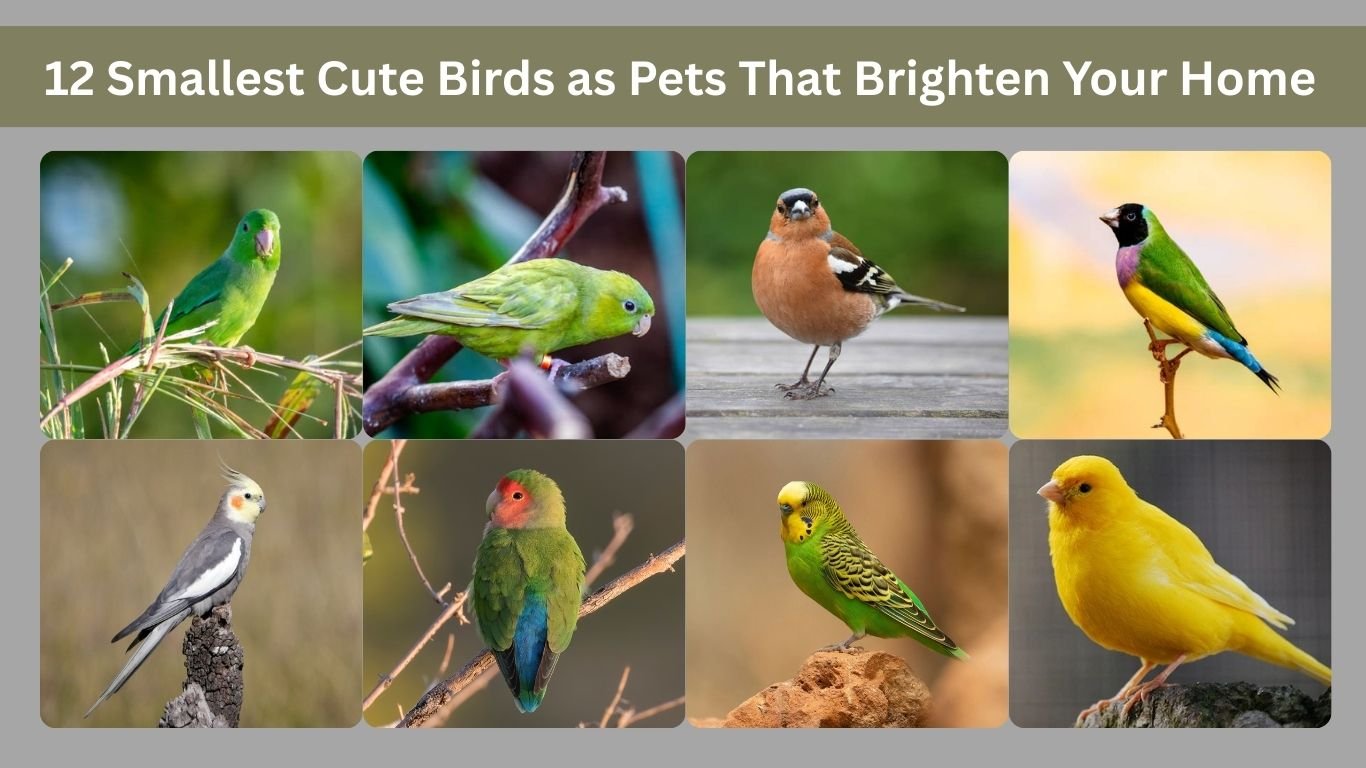
Tiny birds can make wonderful companions, especially for those who prefer low-maintenance, charming, and space-friendly pets. From playful parrots to colorful finches, these small feathered friends bring joy, music, and personality into any home. In this guide, we’ll explore 12 of the smallest and cutest pet birds, highlighting their traits, behavior, and care needs so you can choose the perfect little companion.
1. Budgerigar (Budgie)
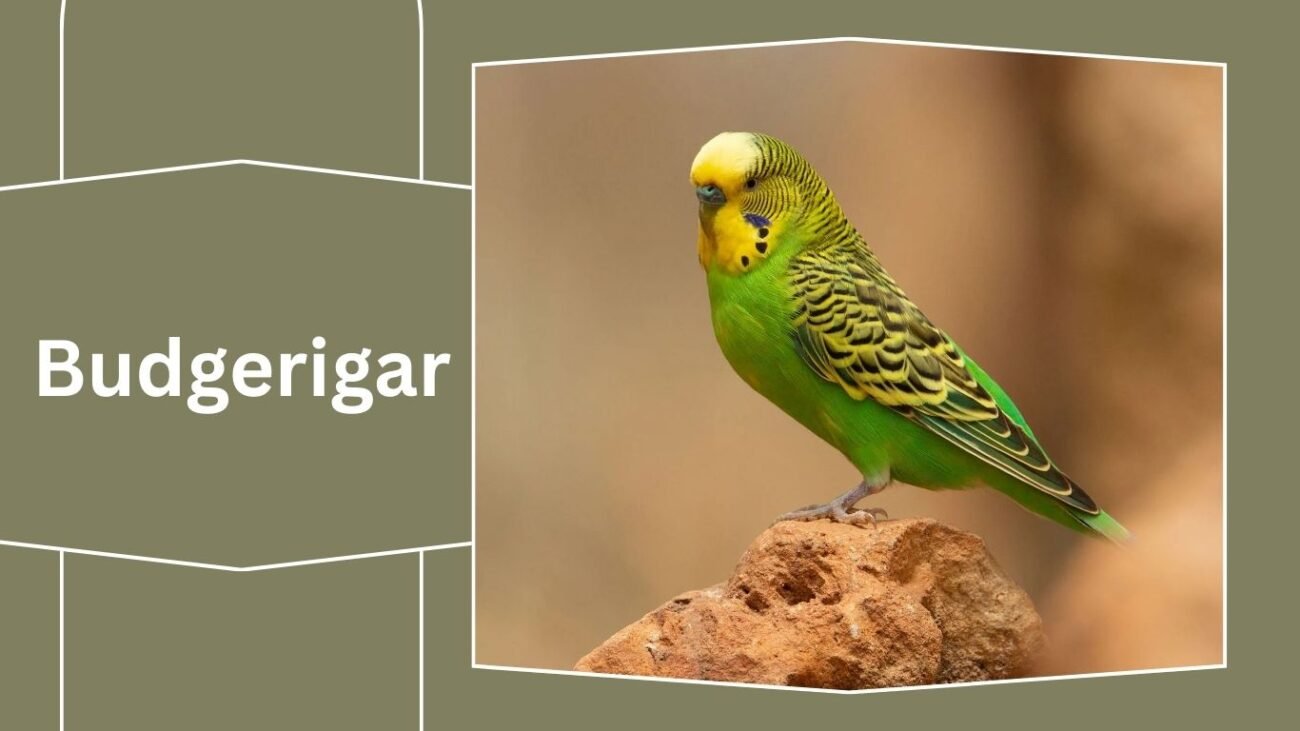
Small, colorful, and playful, the Budgerigar is one of the most popular pet birds worldwide. Native to Australia, these tiny parrots are loved for their intelligence, cheerful personality, and ability to mimic sounds. Budgies are affordable, easy to care for, and thrive in pairs or flocks, making them a perfect choice for beginners.
Identification
- Size: 6–8 inches long
- Weight: 25–35 grams
- Color: Green and yellow are common, but blue, white, and grey varieties exist
- Distinctive barred markings on head and wings
Behavior
Budgies are very social and active. They love interaction, chirping, and learning tricks. With patience, they can mimic words and short phrases. They do best with daily human attention or when kept with another budgie companion.
Care
Budgerigars require a spacious cage, balanced diet (pellets, seeds, fresh vegetables, and fruits), and toys for mental stimulation. Regular cage cleaning and fresh water are essential. They enjoy safe out-of-cage time for exercise.
Lifespan
With good care, budgies live 7–12 years, sometimes longer.
Special Note
Budgies are often recommended as a first pet bird for beginners due to their small size, low maintenance needs, and delightful personality.
2. Parrotlet
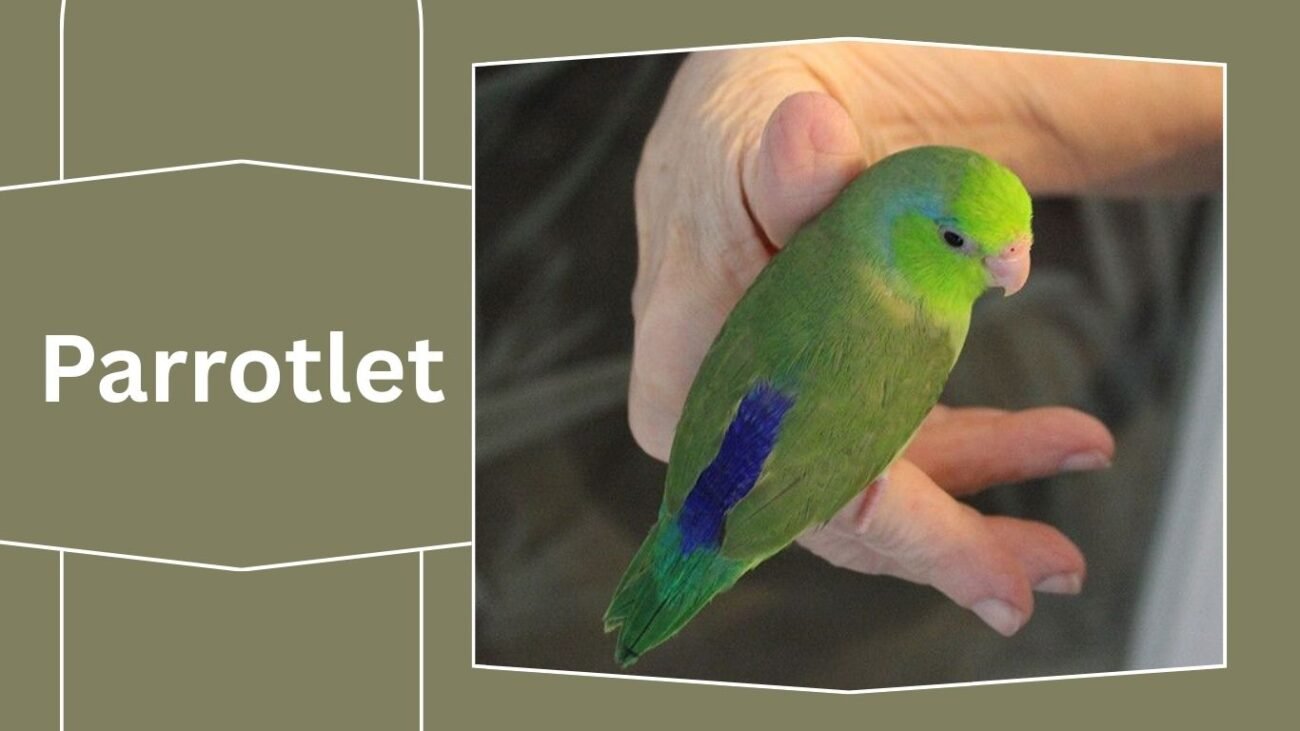
Tiny yet full of attitude, Parrotlets are known as “pocket parrots.” Despite their small size, they have big personalities and can form strong bonds with their owners.
Identification
- Size: 4–5 inches long
- Weight: 18–28 grams
- Color: Mostly green with blue highlights; mutations include yellow, blue, and white
- Short tails and stocky bodies
Behavior
Parrotlets are bold, curious, and playful. They can be feisty but affectionate with regular handling. They are quieter than many parrots but still very interactive.
Care
Provide a medium-sized cage, chew toys, and foraging activities. Their diet should include pellets, seeds, and fresh produce. Social interaction is vital to prevent boredom.
Lifespan
15–20 years with proper care.
3. Lovebird
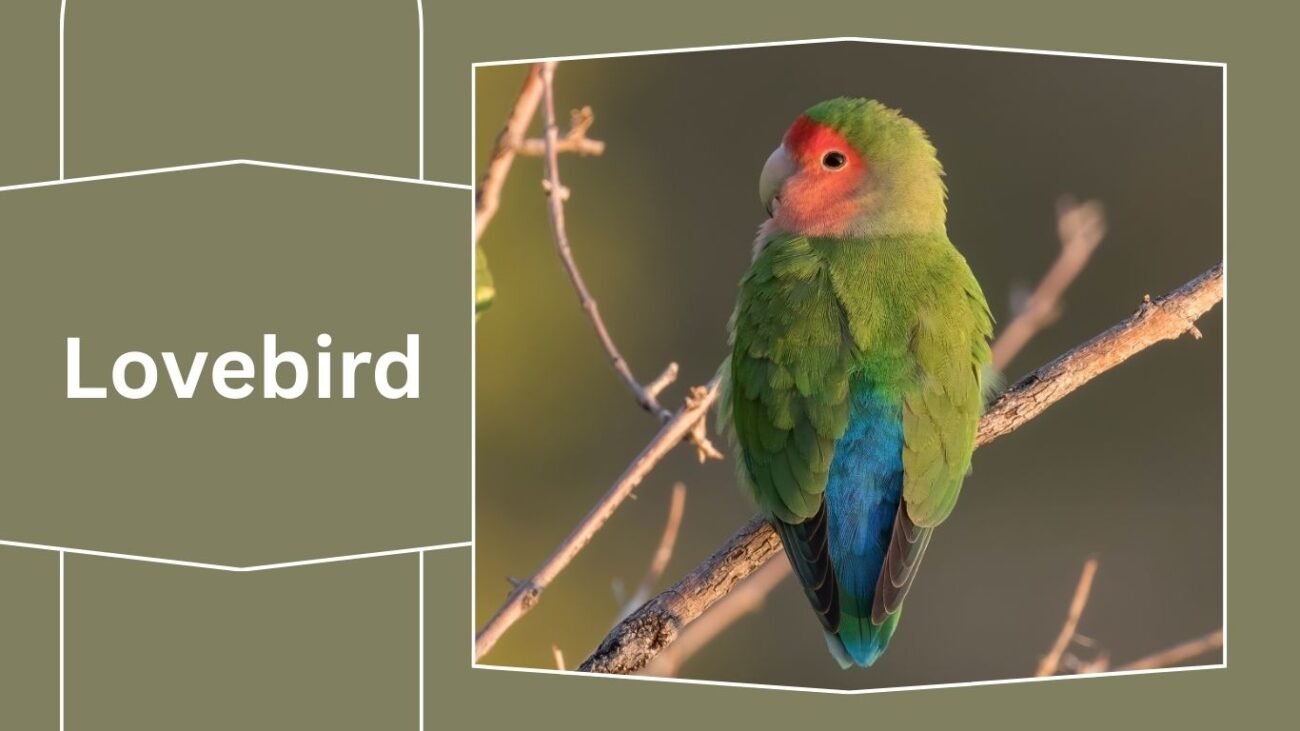
Lovebirds are small parrots famous for their affectionate nature and vibrant colors. They are often seen in pairs, forming strong bonds.
Identification
- Size: 5–7 inches long
- Weight: 40–60 grams
- Color: Bright green, peach-faced, yellow, and blue varieties
- Stocky build with short, blunt tails
Behavior
Lovebirds are active, playful, and social. They can be noisy but are very entertaining. Bonded pairs thrive together, though single birds need daily attention from their owner.
Care
A roomy cage with perches and toys is essential. They need a varied diet of seeds, pellets, and fresh fruits/vegetables. Regular flight time outside the cage keeps them healthy.
Lifespan
10–15 years on average.
4. Zebra Finch
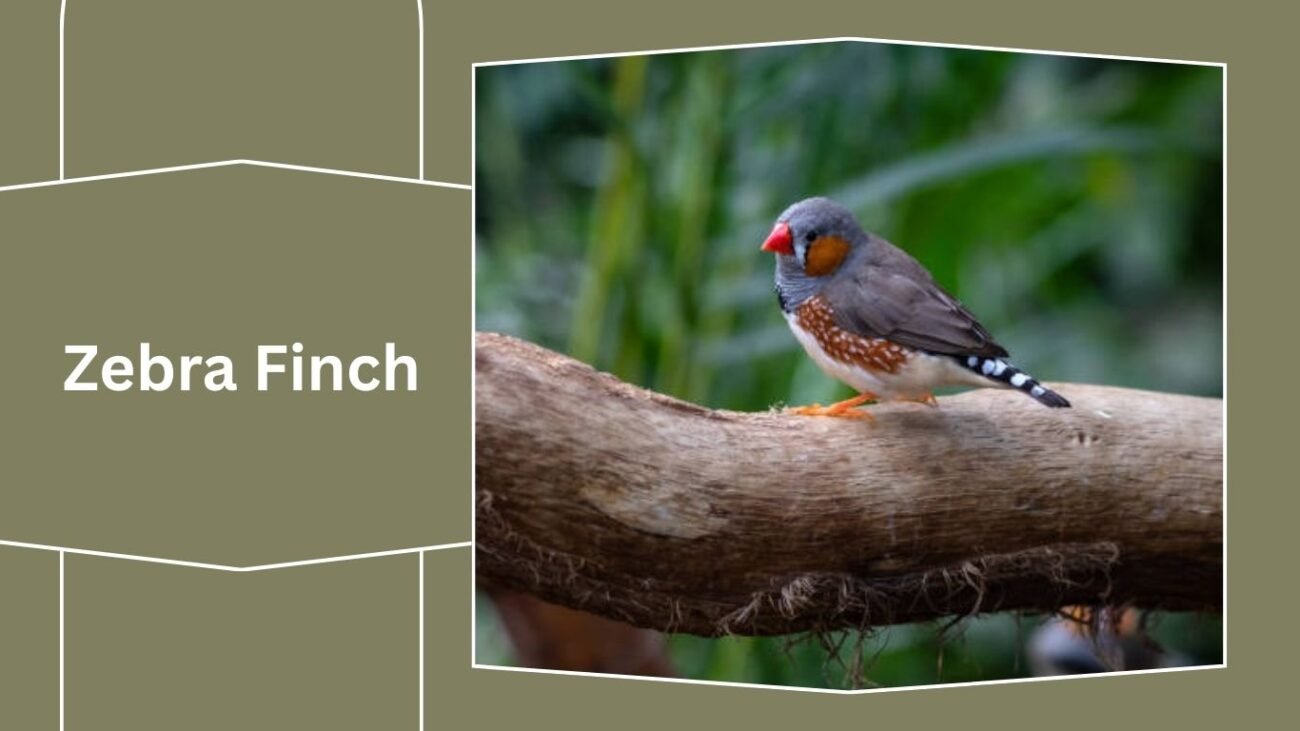
Zebra Finches are tiny, hardy birds often kept in pairs or groups. They are active, easy to care for, and produce soft, pleasant chirping.
Identification
- Size: 4–5 inches long
- Weight: 12–16 grams
- Color: Grey body, orange beak, black-and-white barred tail, males have orange cheek patches
- Known for “zebra-like” stripes on the chest and tail
Behavior
Zebra Finches are lively, social, and best kept in pairs or flocks. They aren’t cuddly or hand-tamed easily, but they are fascinating to watch. Males are the singers, while females chirp softly.
Care
They need a wide cage for flying, fresh seed mix, millet sprays, vegetables, and calcium supplements. Provide nesting material if breeding. Minimal human handling is needed, making them beginner-friendly.
Lifespan
5–9 years, sometimes up to 10 with good care.
5. Society Finch
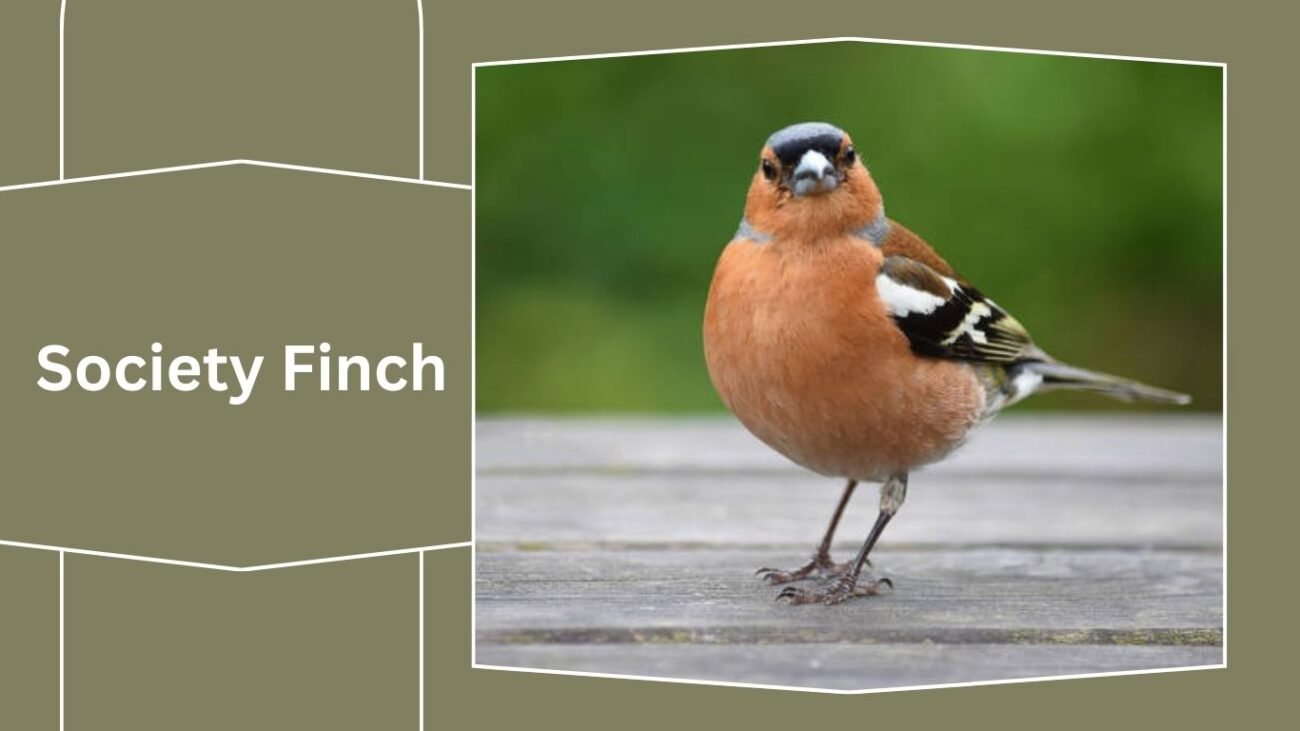
Society Finches, also called Bengalese Finches, are gentle and friendly birds that thrive in groups. They are known for their cooperative nature and calm temperament.
Identification
- Size: 4–5 inches long
- Weight: 12–16 grams
- Color: Brown, white, or pied patterns with a soft, fluffy appearance
- Short tail and rounded body shape
Behavior
These finches are peaceful and get along well with other finch species. They rarely fight and enjoy perching close together. They aren’t talkers, but their soft chirping is soothing.
Care
Provide a large horizontal cage for flying, seed mixes, leafy greens, and occasional egg food for protein. They love having companions, so never keep a Society Finch alone. Nesting boxes are a must if breeding.
Lifespan
7–10 years with proper nutrition and care.
6. Canary
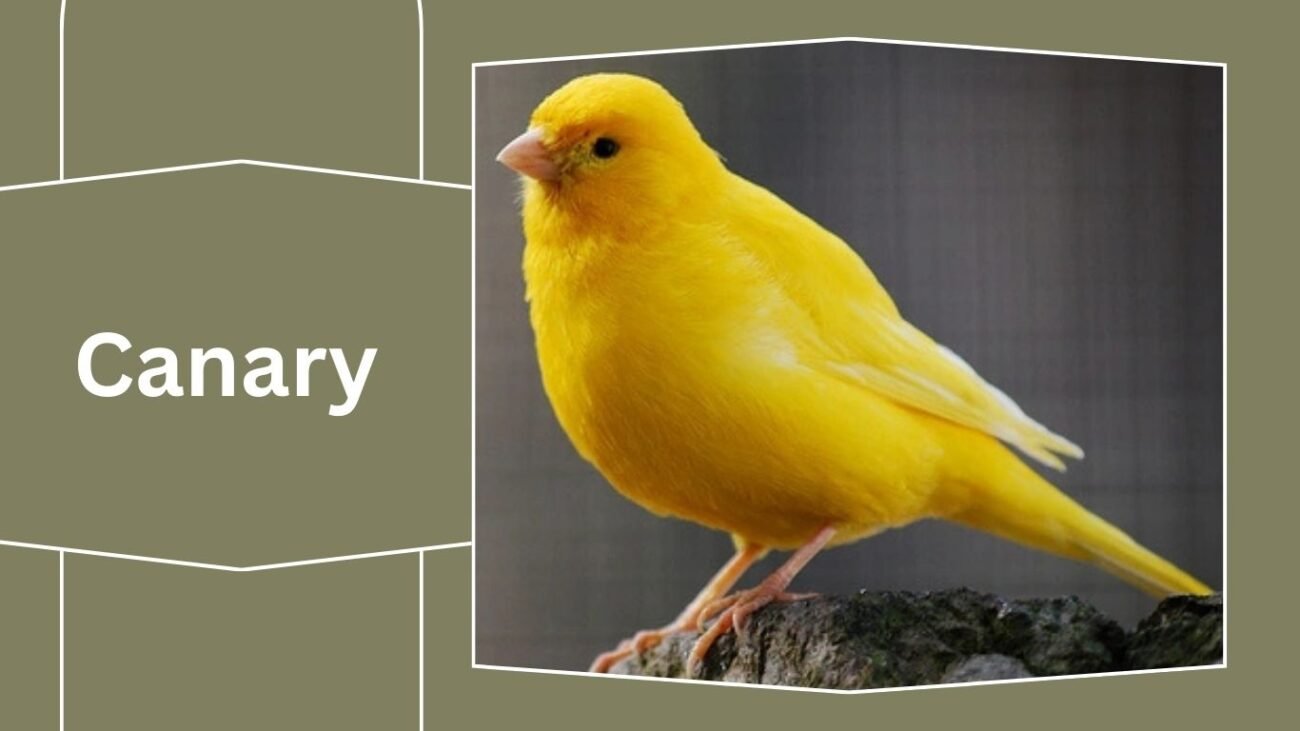
Canaries are admired for their singing ability and bright colors. These small songbirds have been popular pets for centuries and come in many varieties.
Identification
- Size: 4–5 inches long
- Weight: 15–25 grams
- Color: Commonly yellow, but also red, orange, green, and white varieties
- Slender body with a pointed beak
Behavior
Male canaries are the singers, producing melodious tunes, while females chirp softly. They are not fond of handling but are entertaining to watch and listen to.
Care
They need a spacious cage for flying, a diet of seeds, fresh greens, and fruits. Regular sunlight or full-spectrum lighting keeps them healthy. Avoid drafts and sudden temperature changes.
Lifespan
8–12 years, some living up to 15 years.
7. Bourke’s Parrot
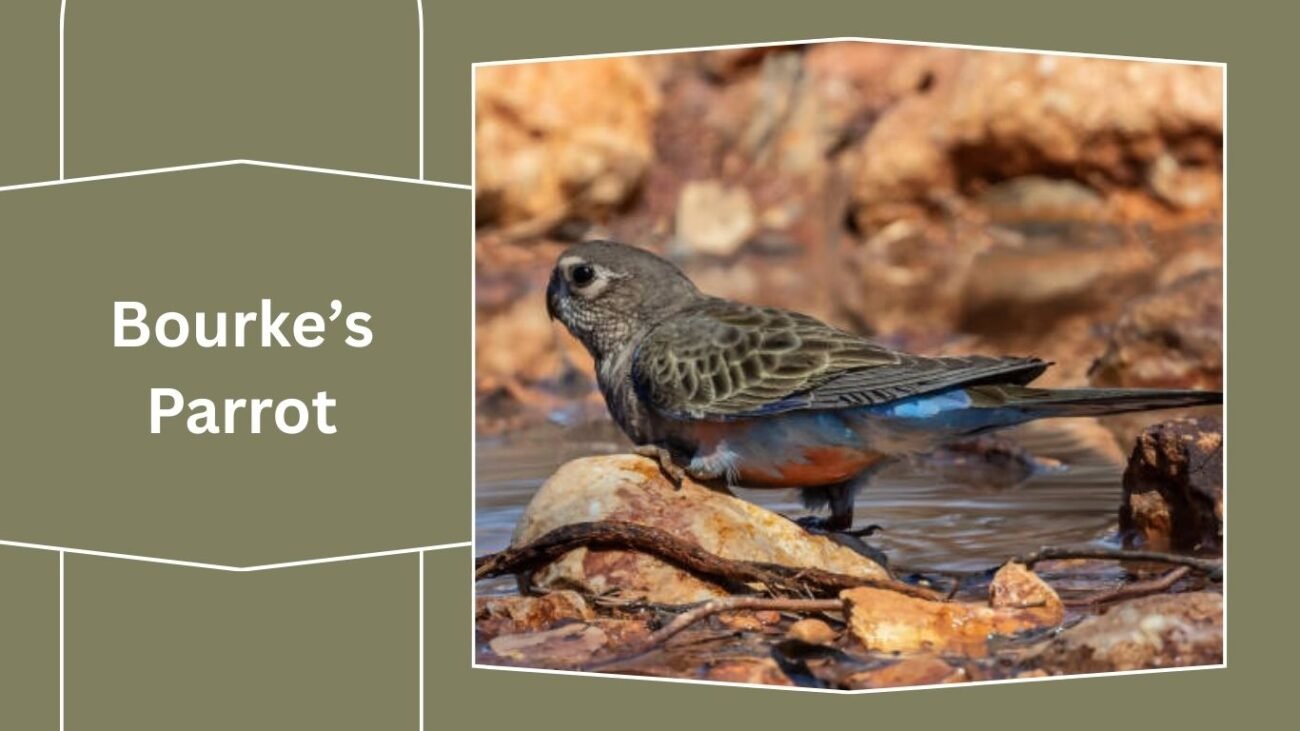
Bourke’s Parrots are gentle, quiet, and calm little birds, making them excellent for households seeking a low-noise pet.
Identification
- Size: 7–8 inches long
- Weight: 40–50 grams
- Color: Soft brown with pink chest, blue wings, and tail highlights
- Slender body with a slightly curved beak
Behavior
They are mild-mannered, rarely aggressive, and can be kept in pairs or aviaries. Bourke’s Parrots are less demanding and enjoy peaceful environments. They are active during dusk and dawn.
Care
Provide a wide cage for flight, perches, toys, and a varied diet of seeds, pellets, and fresh greens. They appreciate quiet interaction but do not require constant handling.
Lifespan
10–15 years on average.
8. Lineolated Parakeet (Linnie)
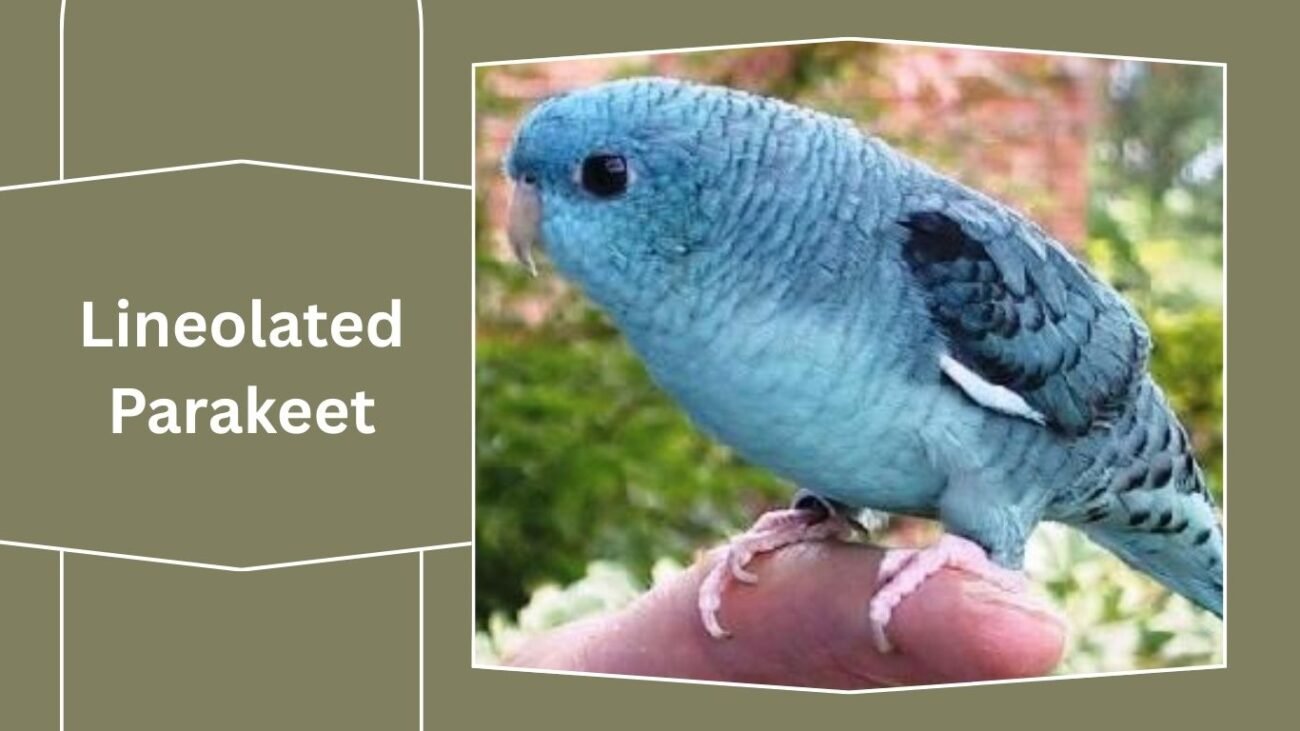
Lineolated Parakeets, also called Linnies, are calm, quiet, and friendly birds. They are loved for their gentle nature and subtle beauty.
Identification
- Size: 6–7 inches long
- Weight: 45–55 grams
- Color: Green base with black or dark green “lined” markings; mutations include blue, turquoise, and lutino
- Stocky build with short tails
Behavior
Linnies are affectionate and social, often forming strong bonds with their owners. They are quieter than most parakeets, making them apartment-friendly. They enjoy climbing more than flying and love gentle handling.
Care
They require a medium cage with horizontal bars for climbing, chew toys, and fresh vegetables along with pellets and seeds. Out-of-cage time for exercise is important.
Lifespan
10–15 years with good care.
9. Pacific Parrotlet
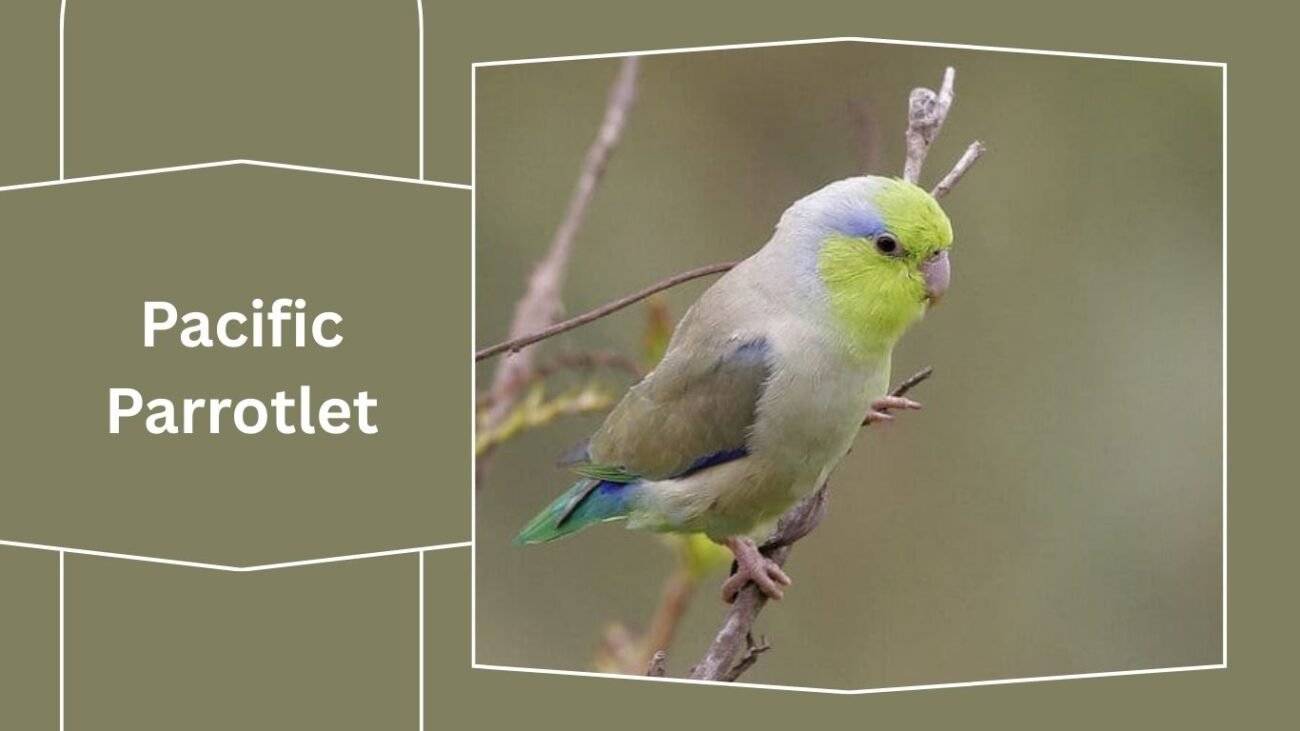
Pacific Parrotlets are among the smallest parrots, packed with boldness and charm. They are intelligent, playful, and can even learn words.
Identification
- Size: 4–5 inches long
- Weight: 18–30 grams
- Color: Bright green with blue streaks (males show blue on wings and back); other color mutations include yellow and turquoise
- Short tails and compact bodies
Behavior
They have big personalities, often called “large parrots in tiny bodies.” Parrotlets can be territorial but bond deeply with their owners. They are curious, active, and need daily interaction.
Care
Provide a roomy cage with chew toys, climbing ropes, and foraging activities. Their diet should include pellets, seeds, vegetables, and fruits. They thrive with training and play sessions.
Lifespan
15–20 years, making them long-term companions.
10. Gouldian Finch
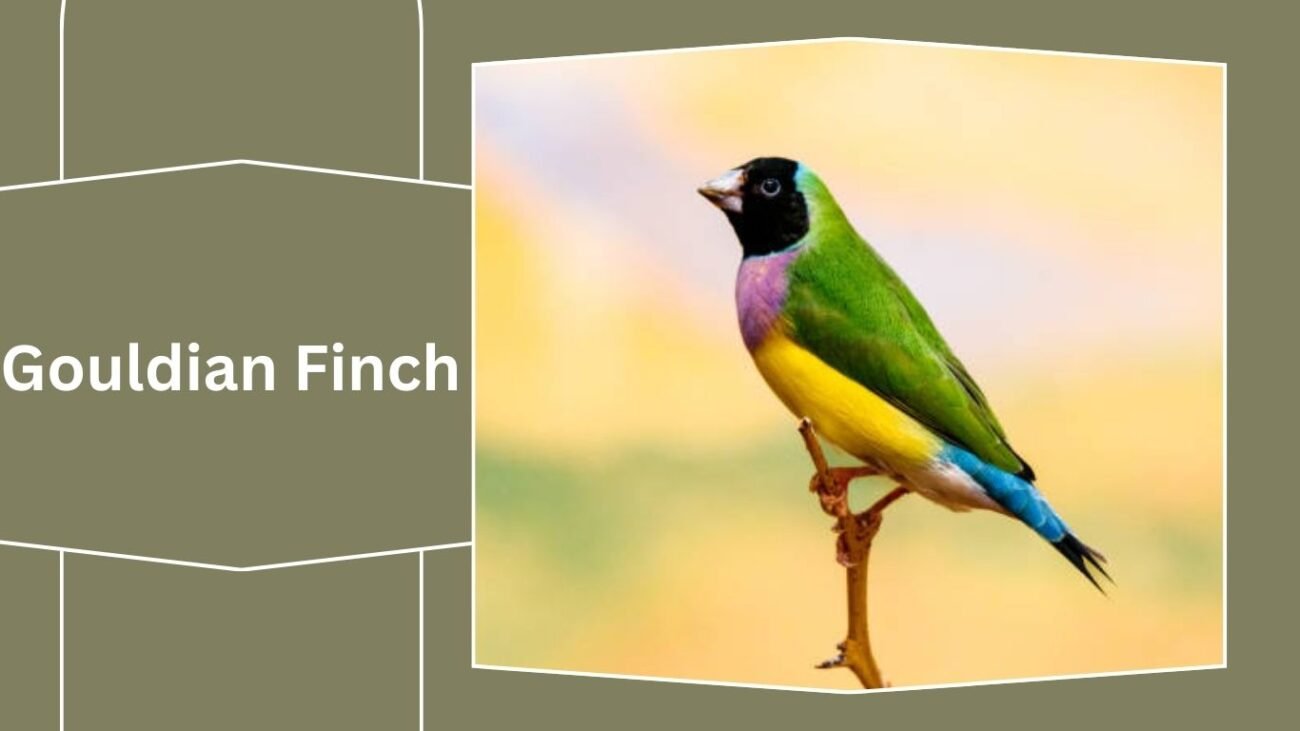
Known as the “Rainbow Finch,” the Gouldian Finch is one of the most colorful and visually stunning pet birds.
Identification
- Size: 5–6 inches long
- Weight: 12–17 grams
- Color: Bright mix of green, yellow, red, purple, and blue (varies by mutation)
- Slender body with short, rounded tail
Behavior
Gouldians are gentle, shy, and best suited for aviary life with other finches. They are not fond of handling but are mesmerizing to watch. Males sing soft, pleasant songs, while females are quieter.
Care
They need a large cage or aviary for flight, with plenty of perches and space. Their diet should include seeds, fresh greens, egg food during breeding, and mineral supplements. A calm, stress-free environment is essential.
Lifespan
5–8 years on average.
11. Cockatiel
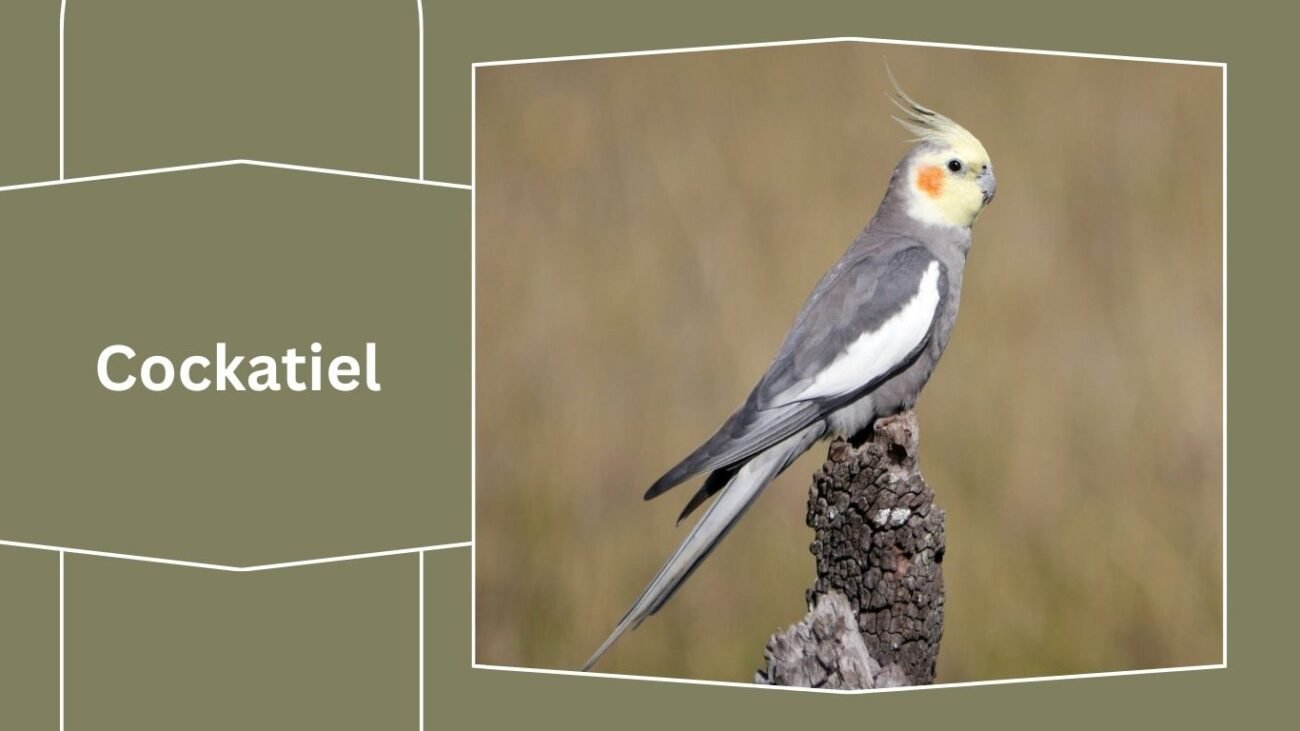
Cockatiels are the smallest members of the cockatoo family and are beloved for their whistling skills and friendly personalities.
Identification
- Size: 12–13 inches long (including tail)
- Weight: 80–120 grams
- Color: Grey with orange cheek patches and yellow crests; color mutations include whiteface, lutino, pied, and cinnamon
- Long pointed tails with expressive crests
Behavior
Cockatiels are affectionate, social, and enjoy human interaction. They are talented whistlers and can learn tunes. Males are usually better singers, while females are quieter. They thrive on attention and gentle training.
Care
Provide a spacious cage with toys, perches, and out-of-cage time for flying. Their diet should include pellets, seeds, vegetables, and occasional treats. They need daily socialization to stay happy.
Lifespan
15–20 years with proper care, sometimes longer.
12. Green-Rumped Parrotlet
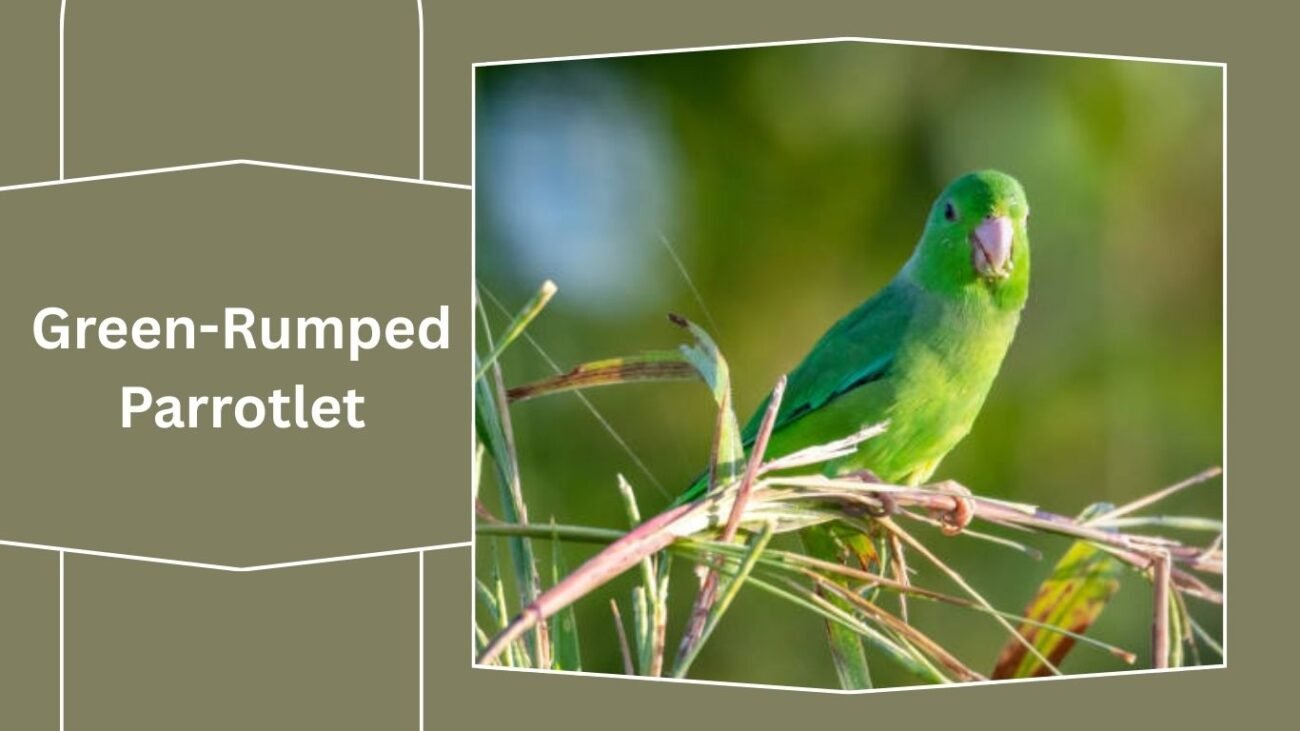
The Green-Rumped Parrotlet is one of the tiniest parrot species, known for its sweet personality and manageable size.
Identification
- Size: 4–5 inches long
- Weight: 18–25 grams
- Color: Bright green body with a lighter green rump; males show blue on wings, while females lack it
- Short, stubby tails and petite beaks
Behavior
These parrotlets are gentle, social, and less aggressive than other parrotlet species. They bond closely with owners, enjoy gentle handling, and are relatively quiet. They love to explore but stay calm compared to bolder parrotlets.
Care
A medium cage with climbing ropes, perches, and chew toys is essential. Provide a varied diet of pellets, seeds, leafy greens, and fruits. They need daily interaction but adapt well to small living spaces.
Lifespan
12–15 years on average, sometimes up to 20 with excellent care.