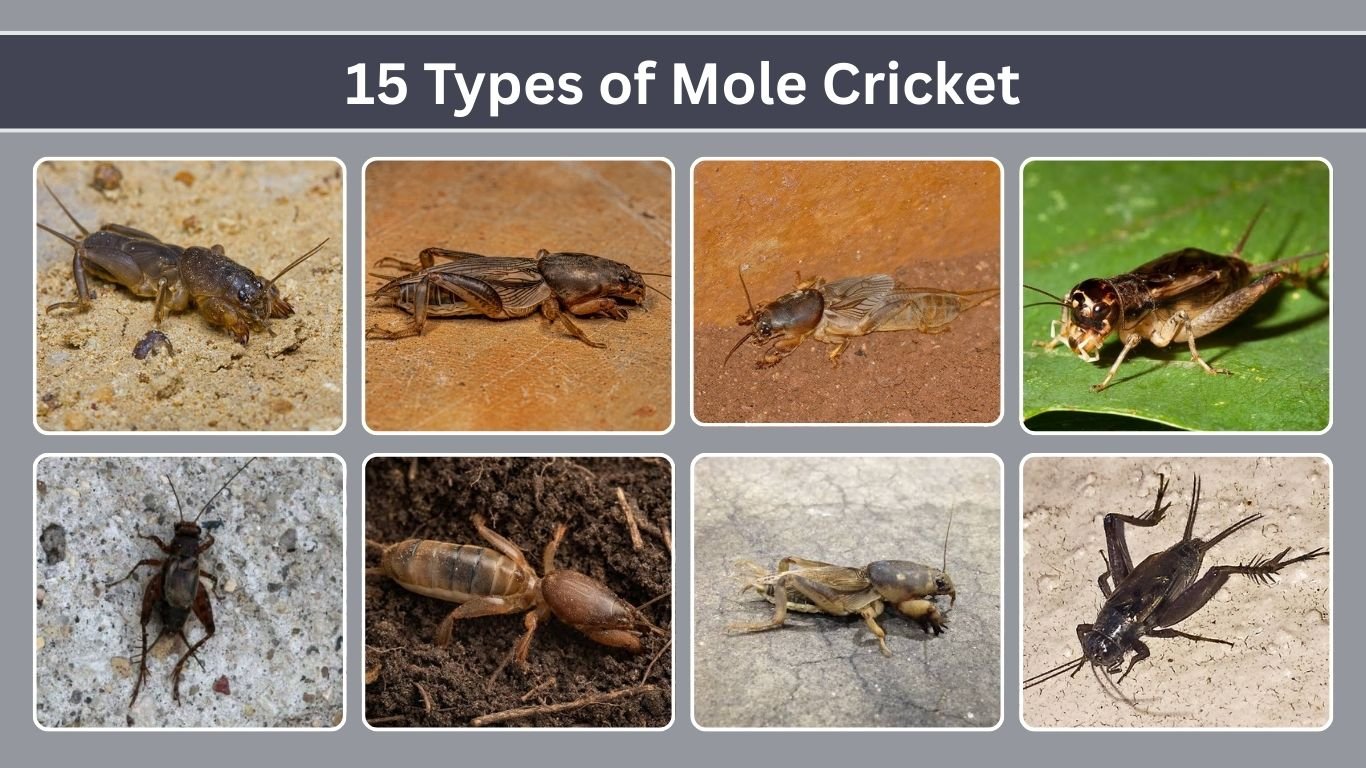
Mole crickets are fascinating burrowing insects known for their spade-like forelegs and subterranean lifestyles. While some species are harmless, others are notorious agricultural pests, damaging turf, crops, and pastures through tunneling and root-feeding. Found across the world, these insects exhibit diverse behaviors and adaptations to their environments. This guide highlights 15 notable types of mole crickets, exploring their identification, habitats, behaviors, and lifecycles in detail.
1. Northern Mole Cricket
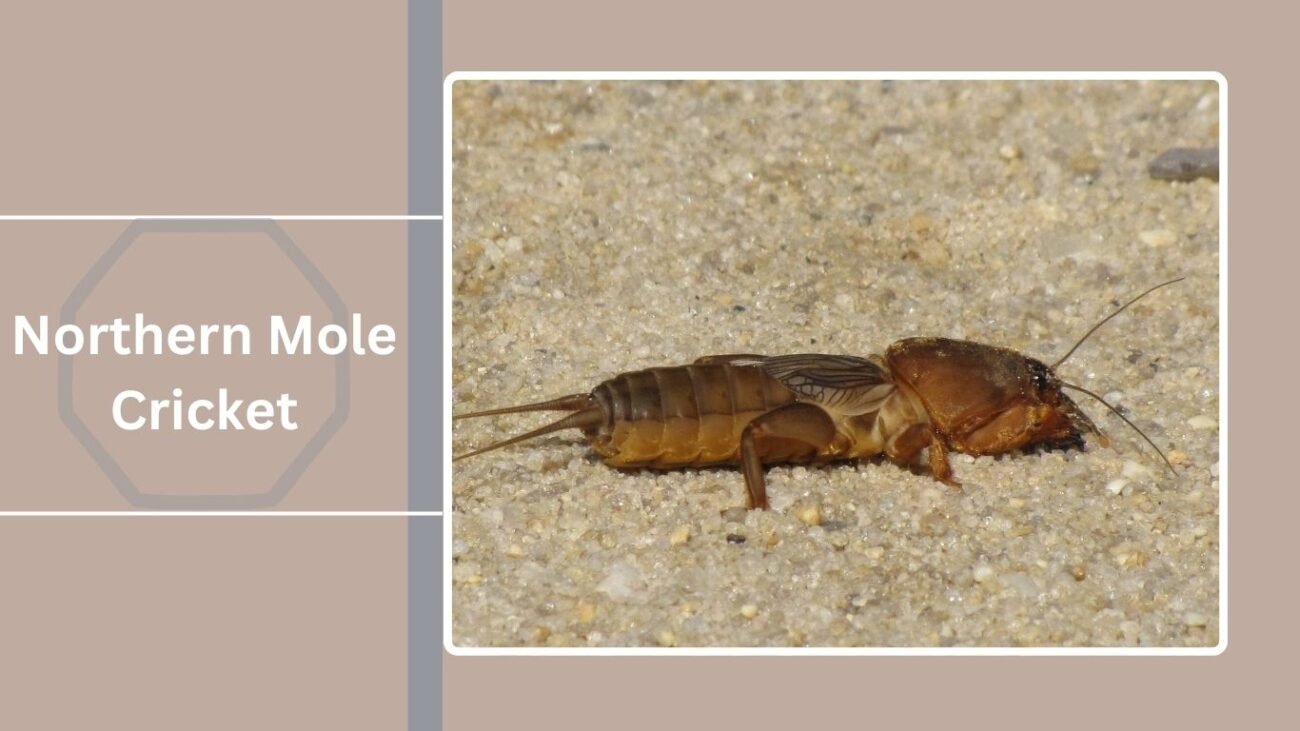
The Northern Mole Cricket (Neocurtilla hexadactyla) is a burrowing insect found mainly in North America. It is well known for its underground lifestyle, where it digs complex tunnels in moist soil. Unlike some other mole crickets, it is less damaging to crops but is still recognized for its distinctive digging behavior.
Identification
- Size: About 25–35 mm long
- Color: Brownish to dark tan
- Forelegs: Enlarged, spade-like, adapted for digging
- Body: Cylindrical and robust, suited for burrowing
- Wings: Present, but not used often for long-distance flight
- Antennae: Short compared to body length
Habitat
Northern Mole Crickets are commonly found in moist soils such as gardens, fields, and near water bodies. They prefer loose soil that is easy to tunnel through, avoiding very dry or overly compact ground.
Behavior
These mole crickets are nocturnal and spend most of their lives underground. They dig intricate tunnels that they use for protection and foraging. Their sound production is softer compared to field crickets, with males calling from burrow openings to attract females.
Lifecycle
The Northern Mole Cricket undergoes incomplete metamorphosis: egg, nymph, and adult. Eggs are laid in underground chambers, and the nymphs resemble smaller, wingless adults. It may take several months to reach maturity, depending on climate and soil conditions.
2. Southern Mole Cricket

The Southern Mole Cricket (Scapteriscus borellii) is one of the most notorious mole cricket species, especially in the southeastern United States. Unlike its northern counterpart, this species is highly destructive to turfgrass, crops, and pastures due to its aggressive tunneling and root-feeding habits.
Identification
- Size: Around 30–35 mm long
- Color: Brown to dark brown, often with lighter markings
- Forelegs: Strong, shovel-like, highly specialized for digging
- Body: Cylindrical with a smooth, glossy surface
- Wings: Fully developed, capable of flight
- Antennae: Short and slender
Habitat
Southern Mole Crickets prefer sandy soils in warm climates. They thrive in lawns, golf courses, agricultural fields, and pastures, where they can easily dig and cause significant root damage.
Behavior
This species is nocturnal and both digs tunnels and feeds on plant roots, making it a serious agricultural pest. Males produce loud, resonant chirps from their burrow entrances to attract females. They are strong fliers, allowing them to disperse over wide areas.
Lifecycle
Their lifecycle includes egg, nymph, and adult stages. Eggs are laid in underground chambers, with nymphs emerging to begin feeding on roots. Development to adulthood can take several months, with the potential for multiple generations per year in warmer climates.
3. Tawny Mole Cricket
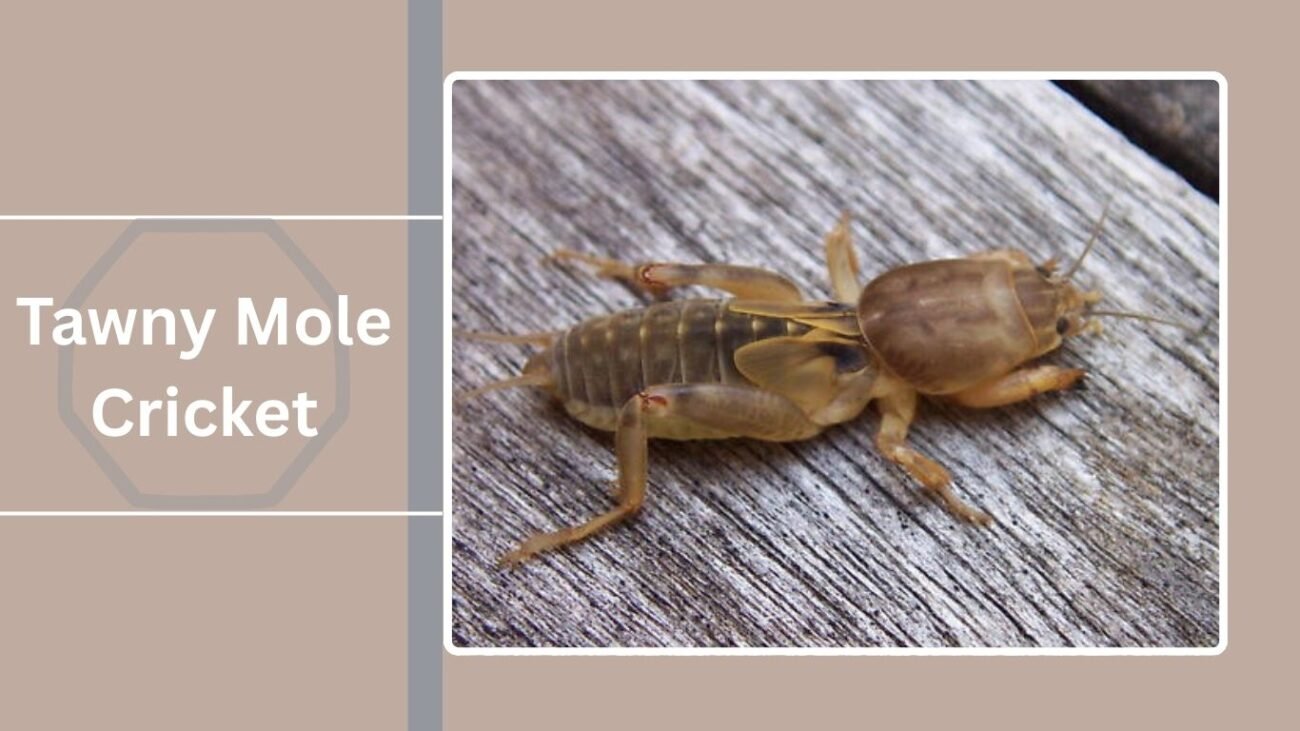
The Tawny Mole Cricket (Scapteriscus vicinus) is a destructive species known for its burrowing and root-feeding activities. Native to South America, it has become a significant pest in the southeastern United States, especially in turfgrass and agricultural fields.
Identification
- Size: About 32–36 mm long
- Color: Light brown to tawny, often with darker markings
- Forelegs: Enlarged and shaped like spades for digging
- Body: Cylindrical and sturdy, designed for underground life
- Wings: Fully developed, enabling flight and wide dispersal
- Antennae: Relatively short, straight, and thin
Habitat
Tawny Mole Crickets prefer sandy, well-drained soils. They are frequently found in lawns, pastures, and golf courses, where their tunneling and feeding cause widespread damage to grass and crops.
Behavior
Unlike the Northern Mole Cricket, this species actively feeds on plant roots and shoots, leading to weakened turf and crop loss. Males call from burrow entrances, producing distinctive, continuous chirps to attract females. Tawny Mole Crickets are also strong fliers and can spread rapidly across regions.
Lifecycle
The lifecycle consists of three main stages: egg, nymph, and adult. Females lay eggs in subterranean chambers, and the nymphs hatch as miniature versions of adults without wings. Growth to maturity takes several months, and in warm climates, multiple generations can occur in a year.
4. Short-winged Mole Cricket

The Short-winged Mole Cricket (Scapteriscus abbreviatus) is unique among mole crickets because it is flightless. While it is less capable of spreading over large areas compared to other species, it is still considered a pest due to its extensive tunneling and damage to turf and crops.
Identification
- Size: About 30–32 mm long
- Color: Brown to dark brown with a slightly lighter underside
- Forelegs: Broad, spade-like, well-adapted for digging
- Body: Robust and cylindrical, built for burrowing
- Wings: Short and non-functional, making the species flightless
- Antennae: Short and fine compared to body size
Habitat
This species prefers sandy soils and is found mostly in lawns, golf courses, and agricultural lands in warm regions. Because it cannot fly, its distribution is localized, but once established, populations can be dense.
Behavior
The Short-winged Mole Cricket is nocturnal, remaining underground during the day and emerging at night to dig and feed. Unlike some mole crickets that primarily feed on roots, this species is both a root feeder and soil excavator, leaving visible tunnels and disturbed soil.
Lifecycle
Like other mole crickets, its lifecycle includes egg, nymph, and adult stages. Eggs are deposited in underground chambers. Nymphs resemble adults but are smaller and wingless, undergoing several molts before reaching maturity. Because it is flightless, dispersal to new areas is slower, usually occurring through soil transport or local spread.
5. African Mole Cricket
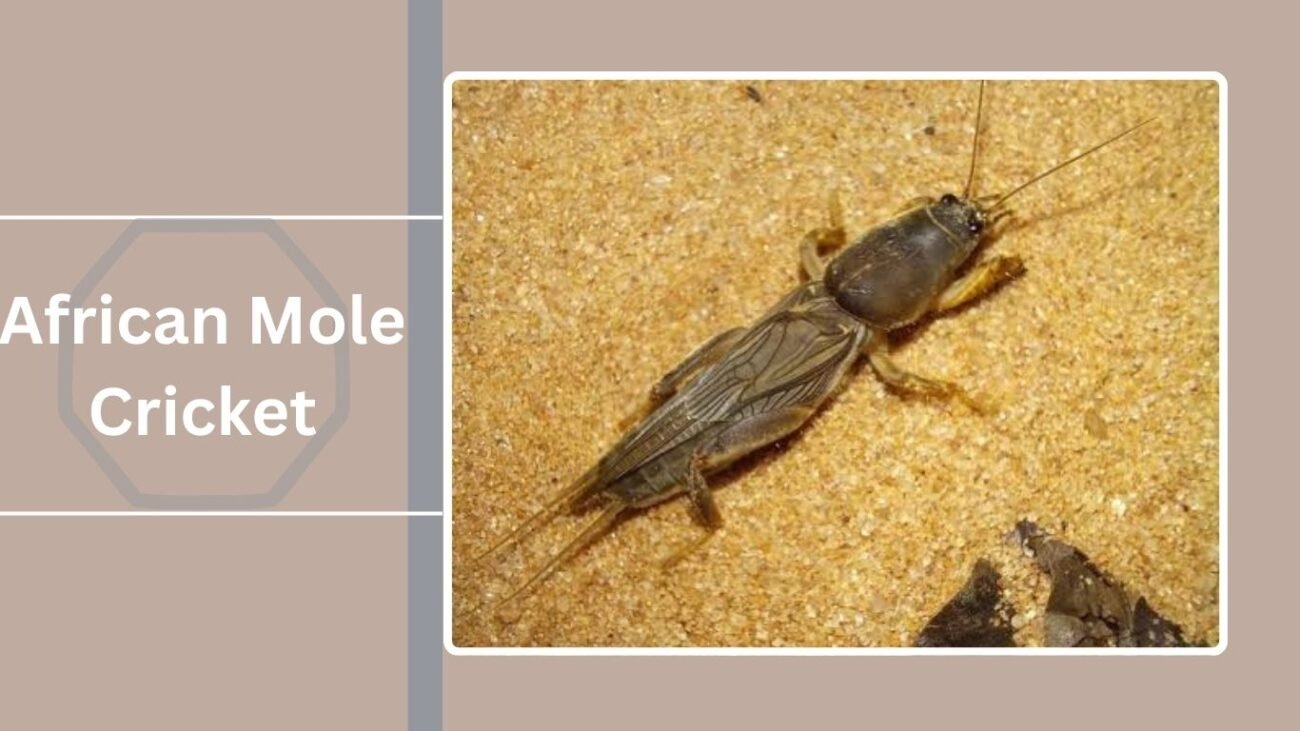
The African Mole Cricket (Gryllotalpa africana) is a widespread species found across Africa, southern Europe, and parts of Asia. It is known for its strong burrowing ability and loud, resonant calls that can often be heard at night near moist soils.
Identification
- Size: Around 35–45 mm long
- Color: Dark brown to reddish-brown
- Forelegs: Strong, broad, and spade-shaped for digging
- Body: Cylindrical and powerful, adapted for underground movement
- Wings: Well-developed, allowing for flight
- Antennae: Moderately long, straight, and slender
Habitat
The African Mole Cricket inhabits moist soils, riverbanks, grasslands, and agricultural fields. It prefers areas where the soil is soft and easy to tunnel, often near water sources.
Behavior
This species is nocturnal and spends much of its time underground. It constructs deep tunnels used for shelter, feeding, and mating calls. Males are particularly loud, producing strong, far-reaching chirps to attract females. While not as destructive as some pest mole crickets, it can still damage young plants by disturbing the soil and feeding on roots.
Lifecycle
The lifecycle follows incomplete metamorphosis with egg, nymph, and adult stages. Eggs are laid in underground chambers, and nymphs hatch as wingless versions of the adult. Several molts occur before adulthood, with development speed depending on climate and soil conditions.
6. European Mole Cricket
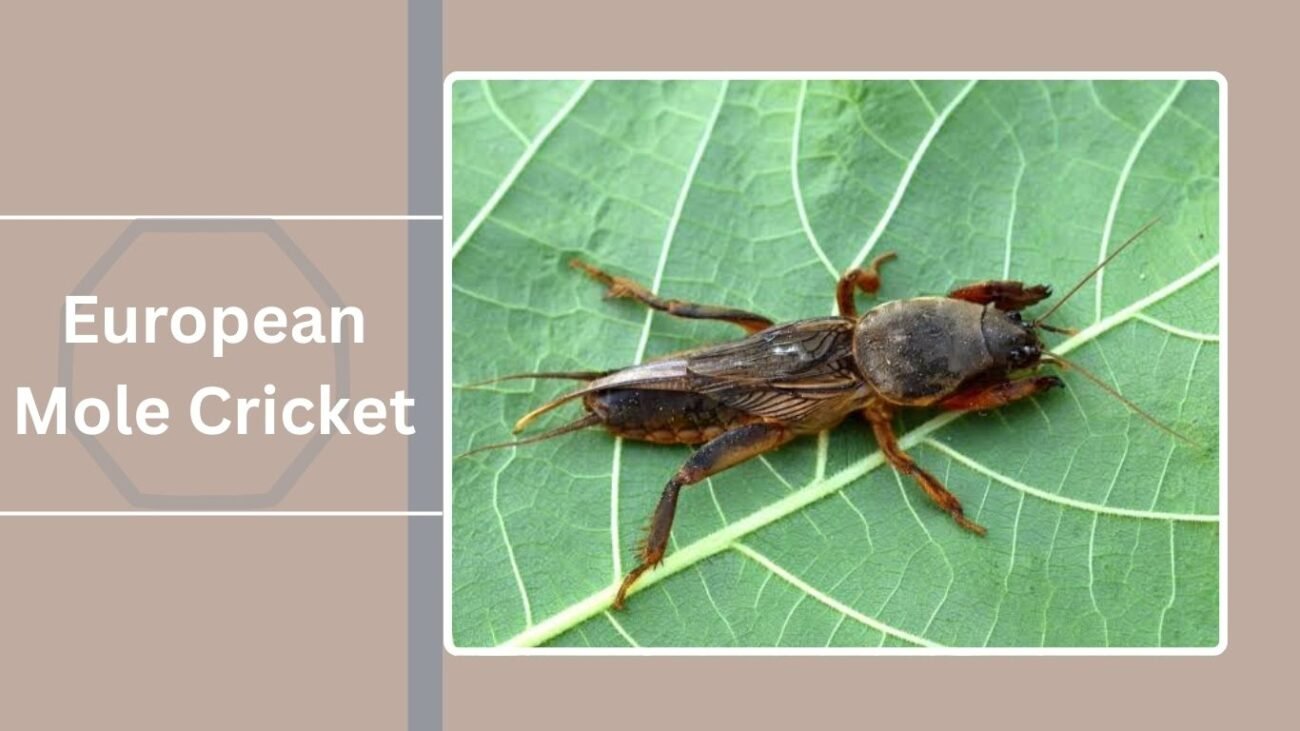
The European Mole Cricket (Gryllotalpa gryllotalpa) is one of the most widely recognized mole crickets, native to Europe but also found in parts of Asia and North Africa. It is infamous for being a pest in agricultural lands and gardens due to its tunneling and root-feeding habits.
Identification
- Size: About 40–50 mm long
- Color: Dark brown to almost black with lighter undersides
- Forelegs: Broad, spade-like, perfect for digging
- Body: Elongated and cylindrical, well-suited for burrowing
- Wings: Fully developed, capable of flight
- Antennae: Long and slender, extending beyond the head
Habitat
This species prefers moist, loamy soils and is common in farmlands, gardens, grasslands, and riverbanks. It thrives in environments where the soil is soft enough for tunneling but rich in organic matter for feeding.
Behavior
The European Mole Cricket is nocturnal, creating extensive tunnel systems underground. Males produce loud, continuous trilling calls from burrow entrances, particularly during spring and early summer. This species feeds on plant roots, shoots, and sometimes small soil invertebrates, making it both a herbivore and opportunistic carnivore.
Lifecycle
Like other mole crickets, its lifecycle consists of egg, nymph, and adult stages. Eggs are laid in specially prepared underground chambers. Nymphs resemble miniature adults without wings and undergo several molts before reaching maturity. The complete lifecycle can take up to two years in cooler climates.
7. Australian Mole Cricket
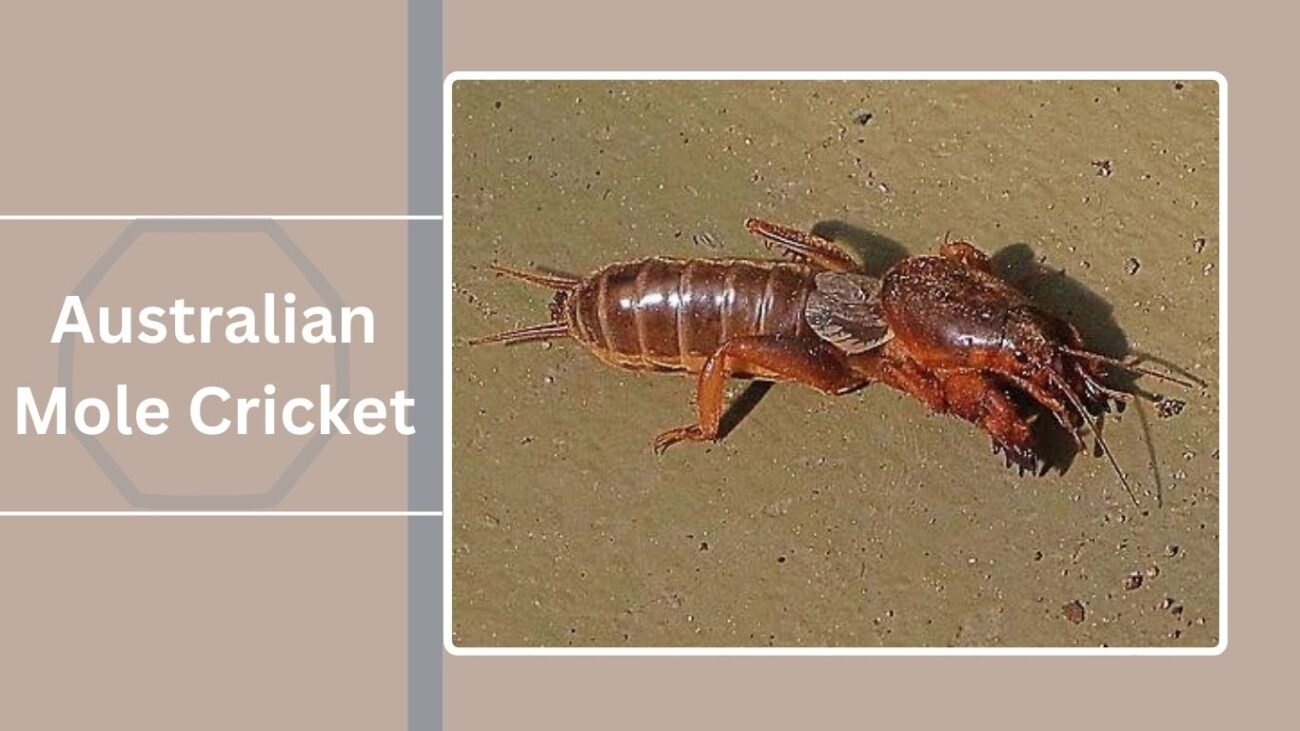
The Australian Mole Cricket (Gryllotalpa australis) is a burrowing insect native to Australia. It is commonly encountered in gardens and farmlands, where it tunnels through the soil. While it is not considered as destructive as some other mole crickets, its digging can disturb plants and lawns.
Identification
- Size: Around 30–40 mm long
- Color: Brown to dark brown with a lighter underside
- Forelegs: Broad, spade-shaped, adapted for efficient digging
- Body: Cylindrical and muscular, well-suited for underground life
- Wings: Fully developed, capable of flight
- Antennae: Relatively long and thin
Habitat
This species is found throughout Australia in loose, moist soils. It is particularly common in gardens, lawns, and agricultural fields where soil is easy to dig.
Behavior
The Australian Mole Cricket is nocturnal and spends much of its life underground. It constructs tunnels for protection and foraging. While primarily a root feeder, it may also consume organic matter in the soil. Males call from burrow entrances during the breeding season, producing a low, resonant song.
Lifecycle
The lifecycle includes egg, nymph, and adult stages. Eggs are deposited in underground chambers, with nymphs hatching as small, wingless versions of adults. Several molts are required before reaching full size. Development time varies with climate, but typically takes several months to a year.
8. Oriental Mole Cricket
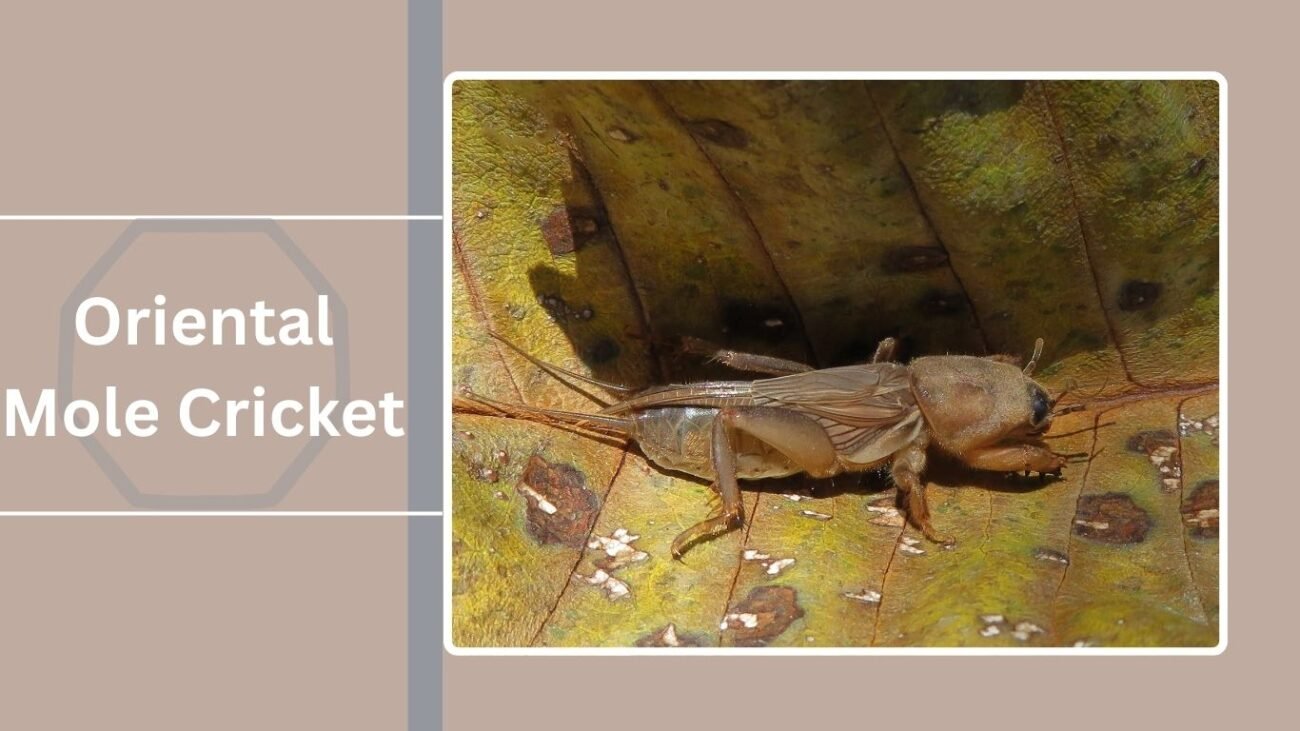
The Oriental Mole Cricket (Gryllotalpa orientalis) is a widespread species found across Asia and parts of the Pacific. It is a well-adapted burrower and is considered an agricultural pest in rice fields and vegetable farms, where its tunneling disrupts roots and seedlings.
Identification
- Size: 35–45 mm long
- Color: Dark brown to reddish-brown with lighter markings
- Forelegs: Strong, broad, and spade-shaped for digging
- Body: Cylindrical and powerful, adapted for burrowing
- Wings: Fully developed, enabling flight
- Antennae: Long and slender
Habitat
This species is most common in moist, cultivated soils, particularly in rice paddies, gardens, and farmland. It thrives in environments where the soil is both soft for tunneling and rich in plant matter.
Behavior
Oriental Mole Crickets are nocturnal, spending daylight hours underground. They build extensive tunnel systems that damage plant roots and seedlings. Males produce distinct, resonant songs from burrow entrances to attract females, especially during the breeding season.
Lifecycle
The lifecycle consists of egg, nymph, and adult stages. Females lay eggs in soil chambers, and the nymphs hatch as miniature, wingless adults. They undergo multiple molts before reaching maturity. In warmer regions, they may complete their life cycle within a single year, allowing populations to grow quickly.
9. New Zealand Mole Cricket
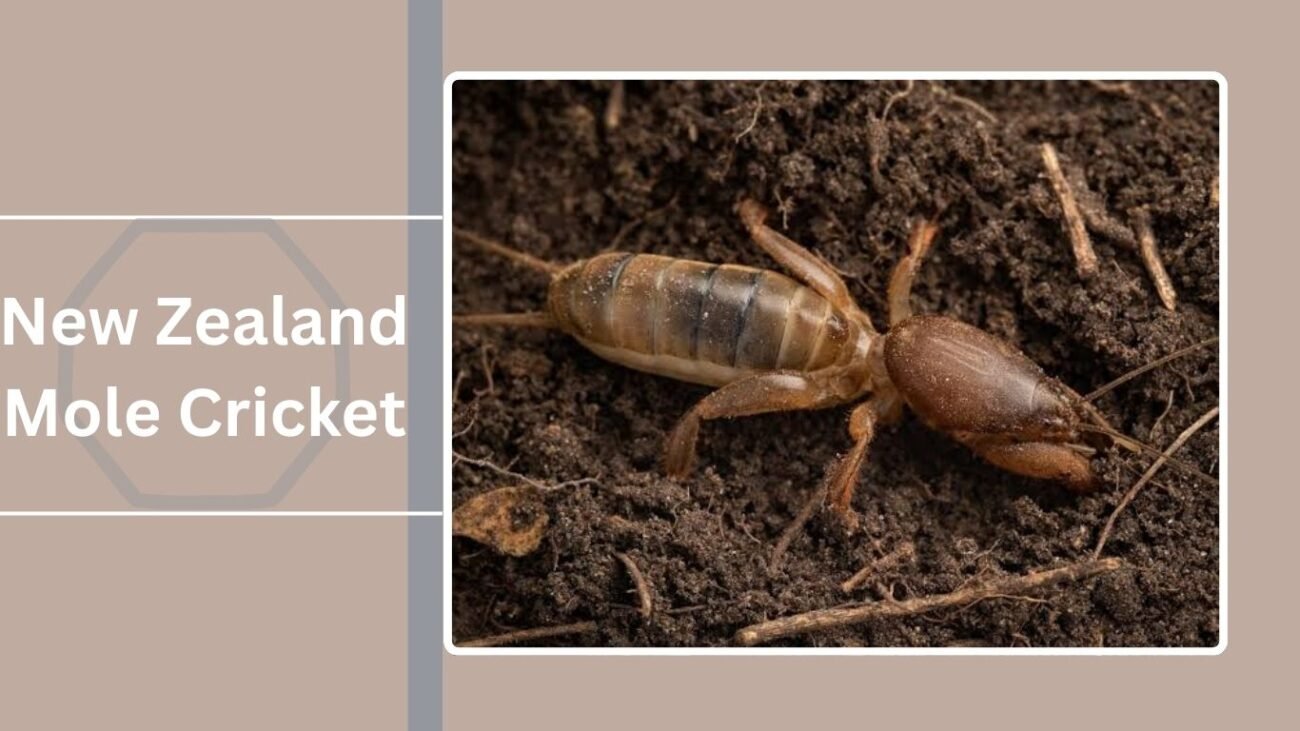
The New Zealand Mole Cricket (Gryllotalpa pluvialis) is a burrowing insect native to New Zealand. Unlike many mole cricket species considered pests, this one is relatively harmless and is more often noted for its unusual appearance and subterranean habits.
Identification
- Size: Around 40–50 mm long
- Color: Dark brown to almost black with a glossy sheen
- Forelegs: Strong, spade-shaped, designed for digging
- Body: Cylindrical, robust, and heavily built for burrowing
- Wings: Short, making it a poor flier compared to other mole crickets
- Antennae: Short to medium length
Habitat
This species is typically found in moist soils such as gardens, riverbanks, pastures, and damp fields. It prefers softer soils that are easier to tunnel, often in areas with consistent rainfall.
Behavior
The New Zealand Mole Cricket is nocturnal and spends most of its life underground. It creates complex tunnels for shelter and feeding. Unlike pest mole crickets, it does not cause significant damage to crops but may occasionally disturb garden soils. Its calls are less frequent and softer compared to other mole cricket species.
Lifecycle
The lifecycle includes egg, nymph, and adult stages, following incomplete metamorphosis. Eggs are laid in underground burrows, and the nymphs resemble wingless adults. Growth is slow, and development may take more than a year depending on environmental conditions.
10. Madagascar Mole Cricket
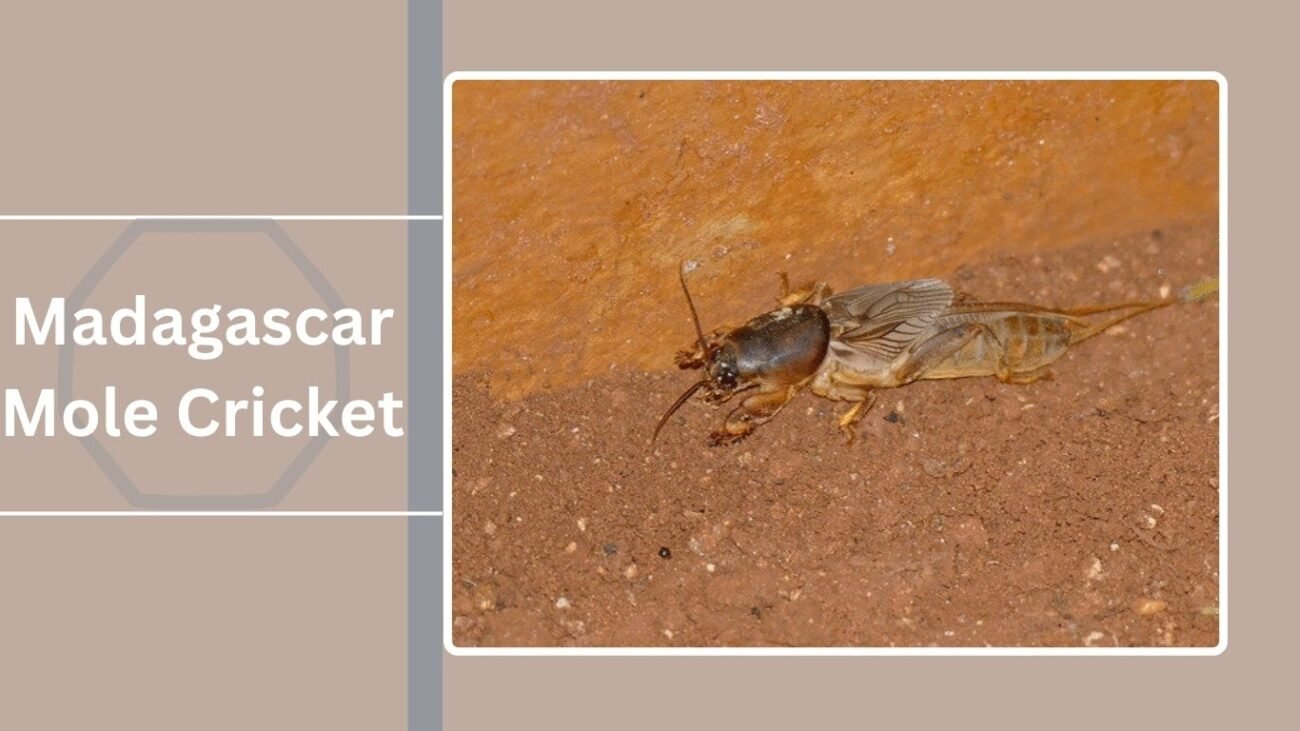
The Madagascar Mole Cricket (Gryllotalpa septemdecimchromosomica) is a burrowing cricket species native to Madagascar and parts of East Africa. Known for its strong digging ability, it is primarily an underground insect, contributing to soil aeration but also capable of disturbing cultivated land.
Identification
- Size: About 35–45 mm long
- Color: Dark brown to reddish-brown
- Forelegs: Strong, broad, spade-shaped, ideal for digging
- Body: Cylindrical and compact, designed for burrowing
- Wings: Present, though flight is infrequent
- Antennae: Moderately long and thin
Habitat
This species is commonly found in moist, tropical soils such as gardens, grasslands, and farmlands. It prefers soft, damp earth that makes tunneling easier, often near rivers or areas with regular rainfall.
Behavior
The Madagascar Mole Cricket is nocturnal, spending most of its time underground. It creates extensive tunnels that it uses for shelter and feeding. While not as aggressively harmful as some pest mole crickets, it can disturb crops by uprooting seedlings and disrupting roots. Males produce deep, resonant calls during the breeding season to attract females.
Lifecycle
The lifecycle consists of three main stages: egg, nymph, and adult. Eggs are laid underground in chambers, and nymphs hatch as miniature, wingless crickets. They molt several times before reaching adulthood. In warm tropical climates, development is relatively fast, often completing within a year.
11. Japanese Mole Cricket
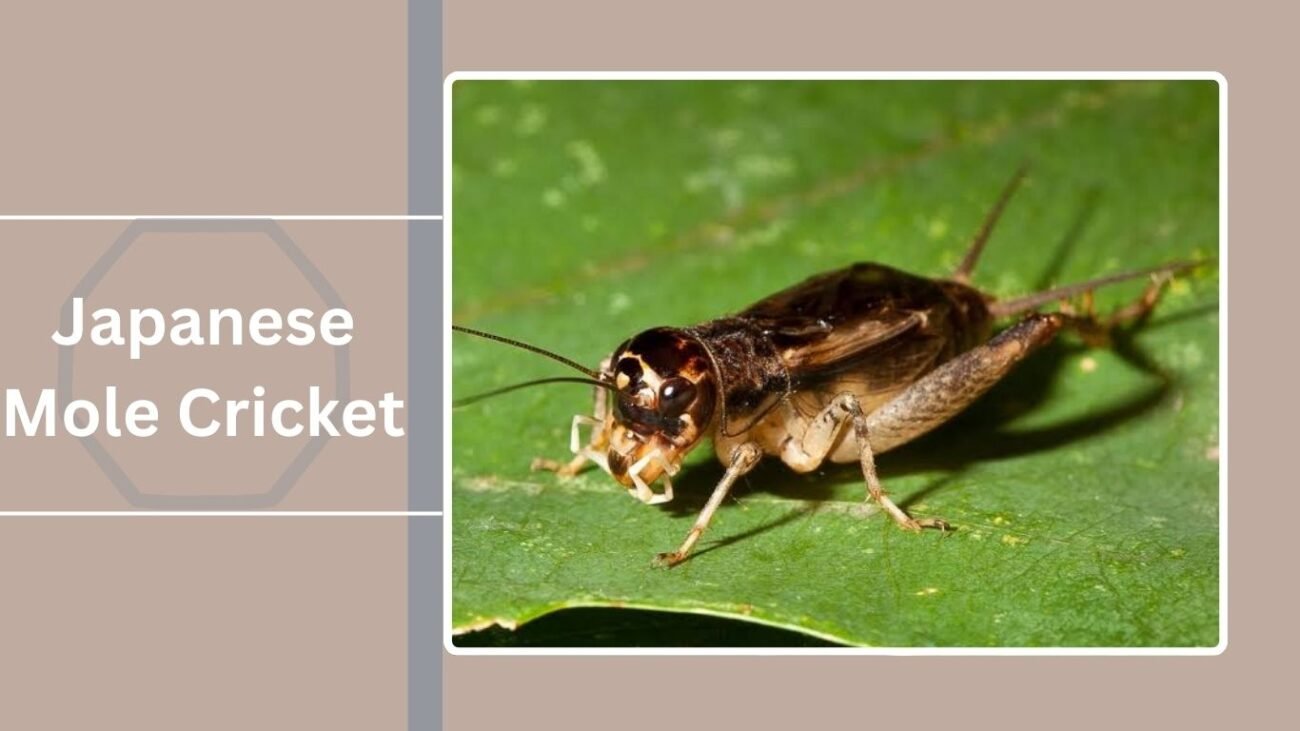
The Japanese Mole Cricket (Gryllotalpa japonica) is a burrowing species native to Japan and other parts of East Asia. It is well adapted to moist environments and is commonly found in rice paddies, where it is considered a pest due to its tunneling and feeding habits.
Identification
- Size: About 30–40 mm long
- Color: Dark brown to reddish-brown with a glossy appearance
- Forelegs: Enlarged and spade-shaped for effective digging
- Body: Cylindrical and compact, specialized for underground life
- Wings: Fully developed, capable of flight
- Antennae: Long and thin, extending well beyond the head
Habitat
The Japanese Mole Cricket thrives in moist agricultural soils, particularly rice fields, gardens, and riverbanks. Its preference for wet soil makes it a common pest in areas with intensive rice cultivation.
Behavior
This species is nocturnal, spending most of its time underground. It digs extensive tunnels that disrupt soil structure and damage roots. Males call from burrow entrances during the breeding season, producing a deep, resonant song that attracts females.
Lifecycle
Its lifecycle consists of egg, nymph, and adult stages. Eggs are laid in underground chambers, and nymphs hatch as wingless, miniature adults. They molt several times before reaching maturity. In warmer climates, the species can complete its lifecycle within a year, allowing for multiple generations.
12. Indian Mole Cricket

The Indian Mole Cricket (Gryllotalpa africana indica) is a common burrowing insect in South Asia, particularly in India and surrounding regions. It is adapted to warm climates and is regarded as an agricultural pest in paddy fields, vegetable farms, and gardens.
Identification
- Size: Around 30–40 mm long
- Color: Light brown to dark brown, often with a reddish tinge
- Forelegs: Enlarged and spade-shaped, specialized for digging
- Body: Cylindrical and muscular, suited for underground life
- Wings: Fully developed, enabling short flights
- Antennae: Long and thread-like
Habitat
This species inhabits moist, loamy soils in rice fields, gardens, and cultivated farmland. It thrives in areas where soil is soft and water-retentive, providing easy tunneling conditions.
Behavior
The Indian Mole Cricket is nocturnal, building intricate burrow systems underground. It damages crops by severing roots and displacing seedlings. Males produce deep, vibrating calls from within burrows during the mating season.
Lifecycle
The lifecycle involves egg, nymph, and adult stages. Females lay clusters of eggs in underground chambers. Nymphs hatch as smaller versions of adults and undergo several molts before reaching maturity. Development time is temperature-dependent, often completing within a single year in tropical regions.
13. Giant Mole Cricket
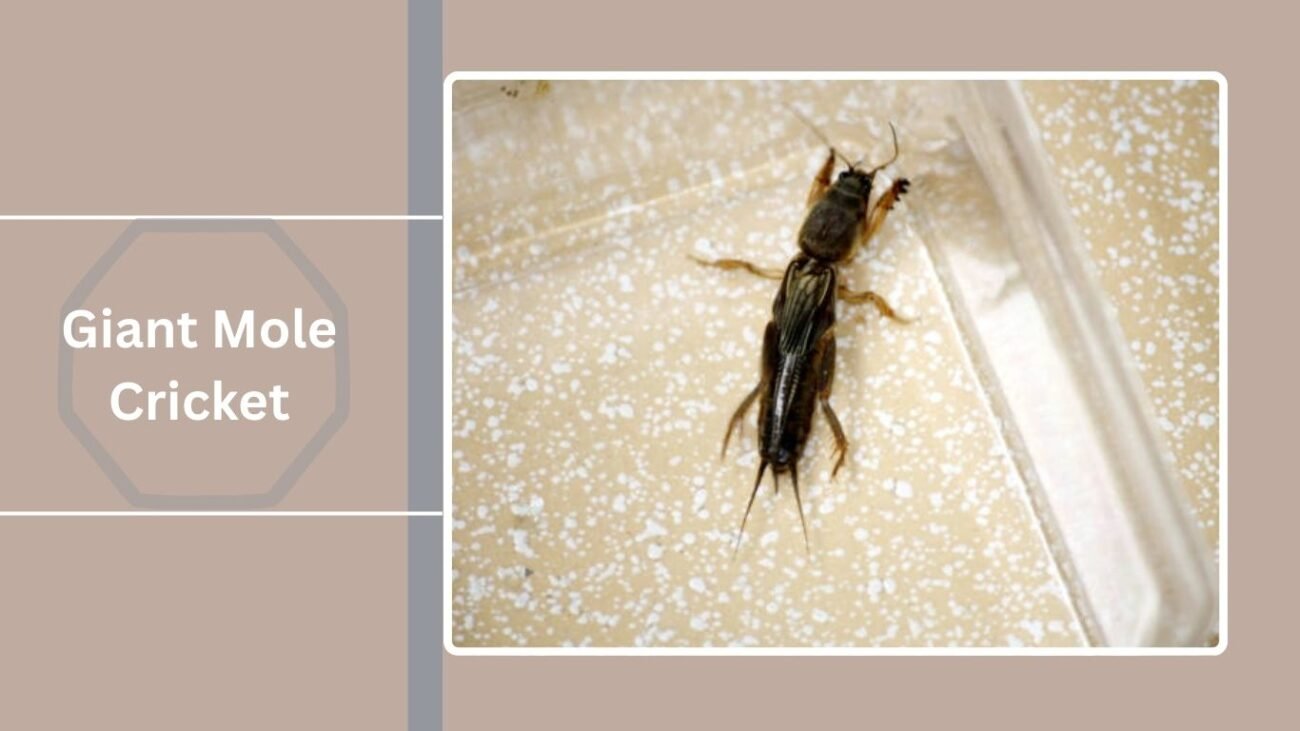
The Giant Mole Cricket (Gryllotalpa robusta) is one of the largest species of mole crickets, recognized for its impressive size and strong digging adaptations. Though not as widespread as some smaller species, it has gained attention due to its striking appearance and deep burrowing habits.
Identification
- Size: 45–55 mm long, larger than most mole crickets
- Color: Dark brown to reddish-brown
- Forelegs: Massive, spade-shaped, designed for heavy digging
- Body: Thick, cylindrical, and heavily built for underground life
- Wings: Present but rarely used for long-distance flight
- Antennae: Long, thin, and highly sensitive
Habitat
The Giant Mole Cricket inhabits moist soils, typically in grasslands, agricultural fields, and near water sources. It prefers loose, fertile earth where it can dig deep burrows for protection and breeding.
Behavior
This species is primarily nocturnal, constructing extensive tunnel networks underground. It can cause soil disturbance and crop damage by severing roots, though it is less common than pest mole crickets like the Tawny or Southern Mole Cricket. Males produce loud, deep calls that can be heard during the breeding season.
Lifecycle
The Giant Mole Cricket follows incomplete metamorphosis: egg, nymph, and adult stages. Eggs are laid in underground chambers, with nymphs resembling smaller, wingless adults. They molt several times before reaching maturity. Development may take longer than in smaller species due to their larger size.
14. Cuban Mole Cricket
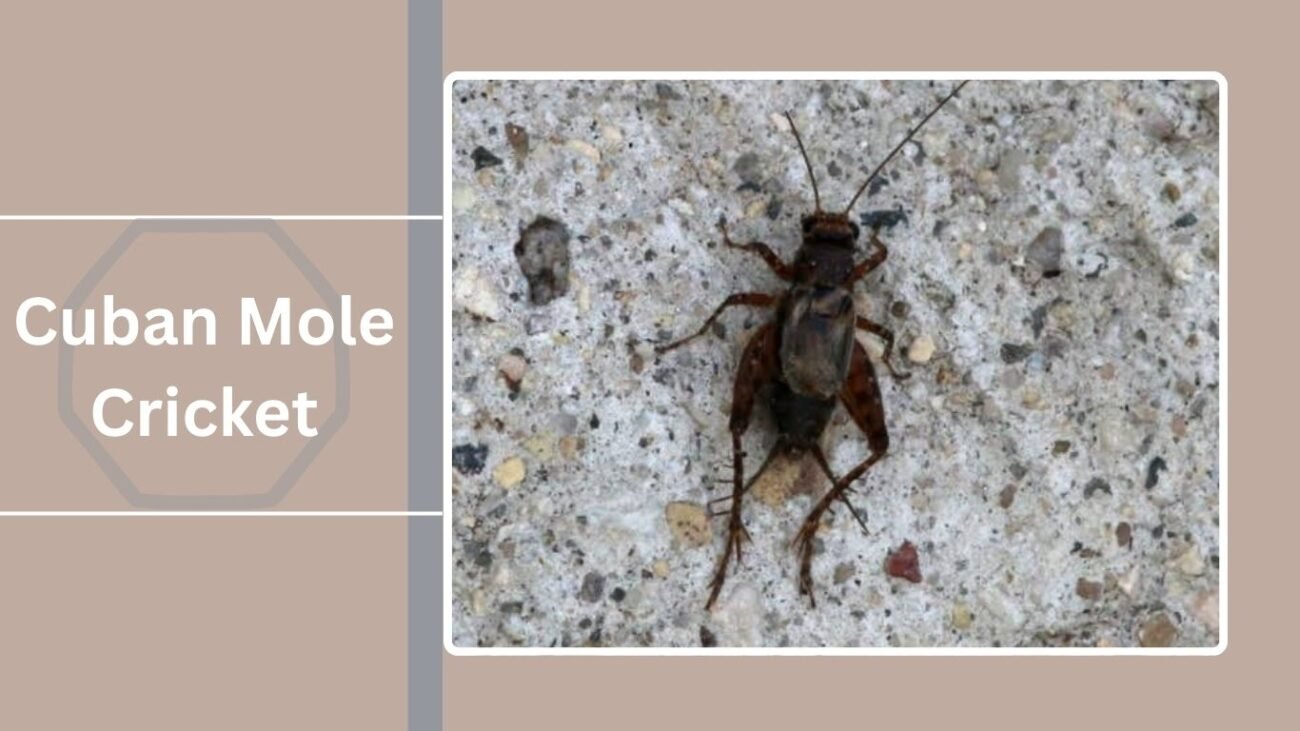
The Cuban Mole Cricket (Neocurtilla hexadactyla cubensis) is a subspecies found primarily in Cuba and parts of the Caribbean. Known for its burrowing lifestyle, it is less widespread than other mole crickets but remains an important soil-dwelling insect in its native range.
Identification
- Size: About 30–40 mm long
- Color: Brown to dark brown, often with lighter underparts
- Forelegs: Broad, shovel-shaped, adapted for digging
- Body: Cylindrical and compact, built for underground life
- Wings: Present, capable of flight over short distances
- Antennae: Medium to long, slender
Habitat
This species is found in tropical soils, particularly in grasslands, agricultural fields, and gardens. It favors moist, sandy, or loamy soils that make tunneling easier.
Behavior
The Cuban Mole Cricket is nocturnal and spends most of its time underground, where it builds complex tunnel systems. While it occasionally feeds on roots and plant material, it is not as aggressive a pest as some of its close relatives. Males call from burrow entrances during the breeding season with low-pitched songs.
Lifecycle
Its lifecycle includes egg, nymph, and adult stages. Eggs are laid in subterranean chambers, hatching into wingless nymphs that resemble smaller adults. After multiple molts, they mature into adults capable of reproduction. In tropical climates, the species can produce more than one generation per year.
15. West Indian Mole Cricket

The West Indian Mole Cricket (Scapteriscus didactylus) is a burrowing insect native to the Caribbean and parts of South America. It has also spread to other regions, where it is sometimes considered a pest due to its root-feeding and tunneling activity.
Identification
- Size: 30–40 mm long
- Color: Light to dark brown, often with slightly mottled patterns
- Forelegs: Strong, spade-shaped, ideal for digging
- Body: Cylindrical and streamlined for subterranean movement
- Wings: Fully developed, capable of flight
- Antennae: Long, thin, and sensitive
Habitat
This species thrives in moist, sandy soils, especially in grasslands, gardens, and cultivated fields. It is also found near coastal areas and wetlands where the soil is soft enough for burrowing.
Behavior
The West Indian Mole Cricket is nocturnal and spends most of its time underground. It digs complex tunnels that damage soil structure and crops by disrupting roots. Males produce resonant calls at burrow entrances to attract females, particularly during the breeding season.
Lifecycle
Like other mole crickets, it undergoes incomplete metamorphosis with egg, nymph, and adult stages. Females lay eggs in soil chambers, and nymphs emerge as small, wingless versions of adults. They molt several times before reaching maturity. In tropical climates, development is rapid, and multiple generations may occur in a single year.