
The Golden Sparrow, admired for its soft plumage and delicate features, stands as one of nature’s understated gems. Often mistaken for its relative, the Golden-Crowned Sparrow, this bird captures the fascination of ornithologists and casual birdwatchers alike. Found across various habitats — from open shrublands to coastal regions — its adaptability and calm behavior make it a unique species to study. Understanding its identification, habitat, and lifestyle reveals why it plays an important role in its environment.
Identification and Species Overview
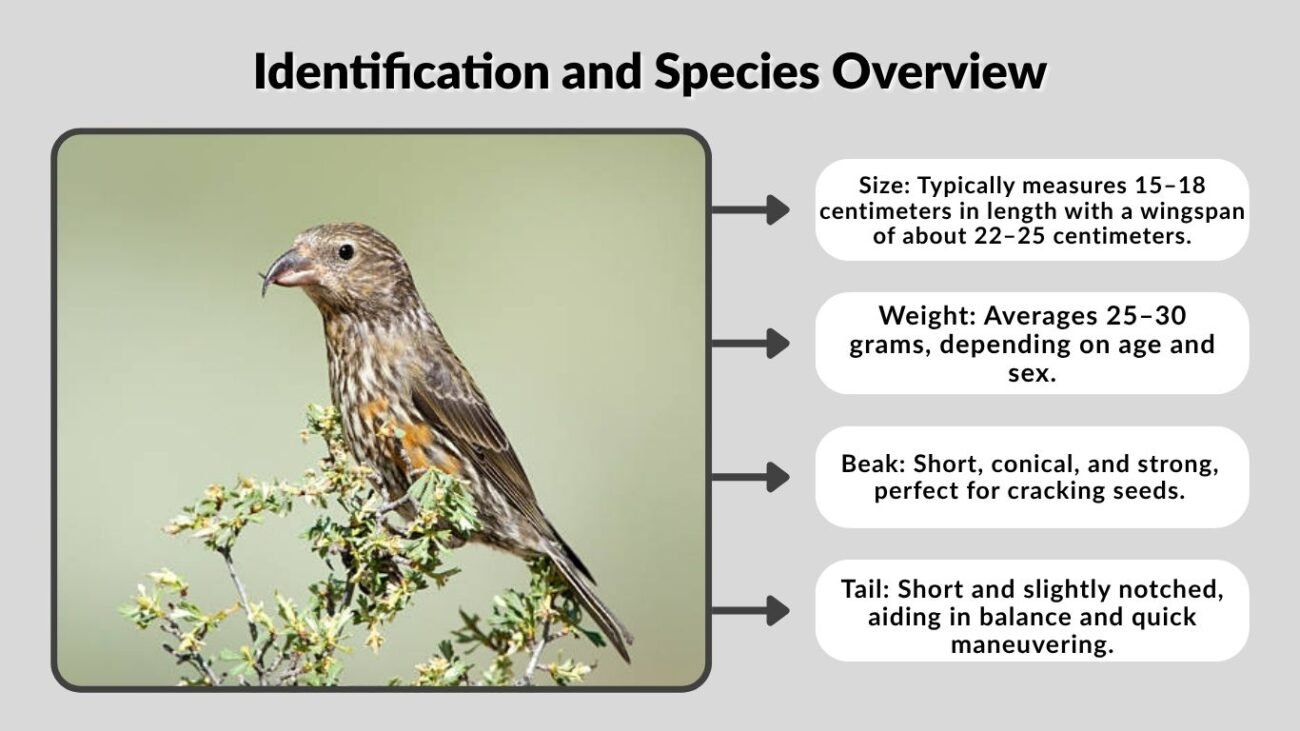
The Golden Sparrow is an elegant, medium-sized bird known for its distinctive plumage and calm temperament. Its physical features make it easy to identify among other sparrow species, especially in open landscapes and shrub-covered regions. Below are its key identifying traits:
Physical Characteristics (At a Glance)
- Size: Typically measures 15–18 centimeters in length with a wingspan of about 22–25 centimeters.
- Weight: Averages 25–30 grams, depending on age and sex.
- Coloration: Warm golden-yellow crown with brownish-gray upperparts and light buff or gray underparts. The contrast of the golden head against the muted body gives the bird its name.
- Beak: Short, conical, and strong, perfect for cracking seeds.
- Wings: Rounded with subtle streaks of brown and gray; capable of short, rapid flight bursts.
- Tail: Short and slightly notched, aiding in balance and quick maneuvering.
- Eyes: Dark and alert, positioned high on the head for wide peripheral vision.
- Legs and Feet: Pinkish or light brown, adapted for ground foraging and perching on shrubs.
Male vs Female Differences
- Males: Display brighter golden crowns and more pronounced contrast on the head and wings, especially during the breeding season.
- Females: Show duller, brownish hues and often lack the vibrant golden tones of males.
- Juveniles: Resemble females but are slightly more streaked, helping them blend into grassy nesting environments.
Similar Species and Comparison
- Golden-Crowned Sparrow: Features a black-and-yellow head pattern, found mainly in North America.
- Arabian Golden Sparrow: Has brighter yellow plumage across the body and thrives in dry desert regions.
- Sudan Golden Sparrow: Exhibits a richer golden-brown hue and lives in arid savannas.
Habitat and Geographic Range
Preferred Environments
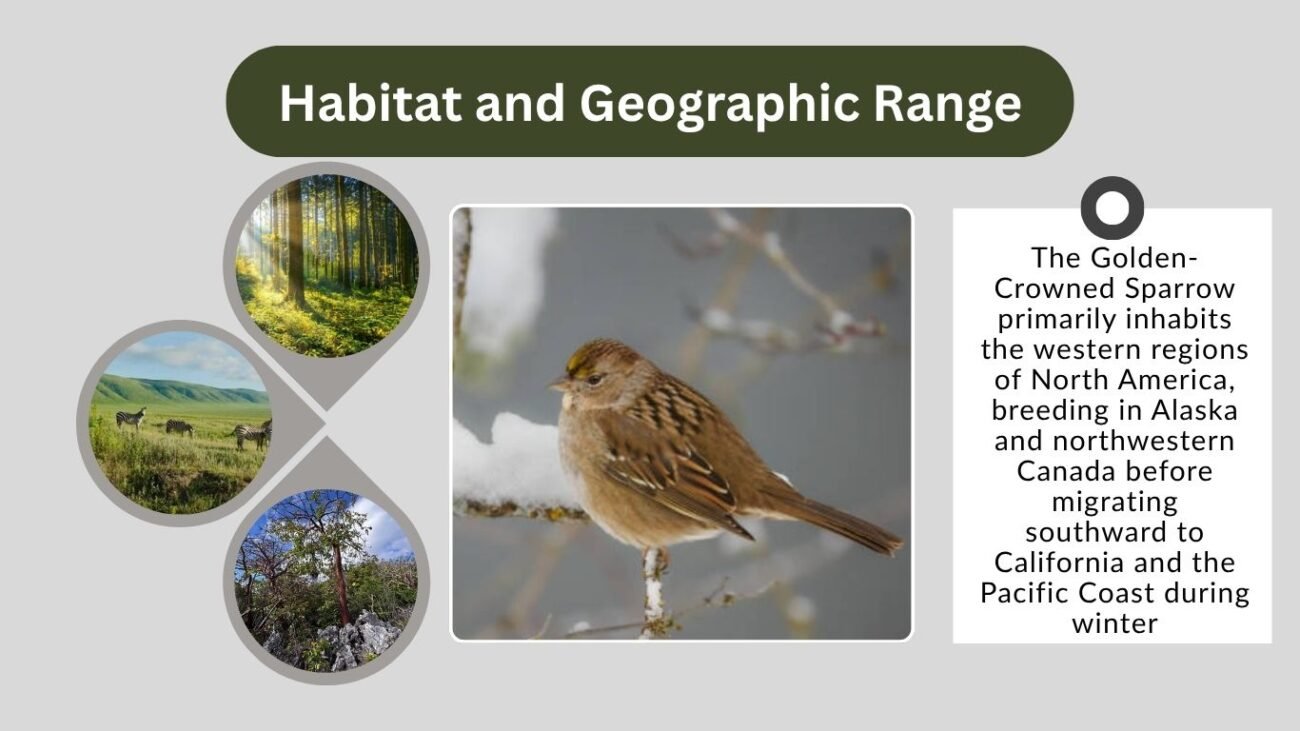
Golden Sparrows thrive in open landscapes that offer both cover and feeding opportunities. Common habitats include shrublands, grasslands, coastal scrub, and light woodlands. They prefer areas with dense vegetation during nesting seasons, as the thick foliage protects their nests from predators and harsh weather. In some regions, these birds are known to frequent agricultural fields, feeding on leftover grains and seeds after harvests.
Distribution Map and Range
The Golden-Crowned Sparrow primarily inhabits the western regions of North America, breeding in Alaska and northwestern Canada before migrating southward to California and the Pacific Coast during winter. Meanwhile, the Arabian Golden Sparrow and Sudan Golden Sparrow occupy parts of the Arabian Peninsula and northeastern Africa, favoring arid and semi-desert environments. Their widespread distribution demonstrates remarkable adaptability to diverse climates, from humid coastlines to sun-baked savannas.
These birds are migratory, moving seasonally to access food and suitable nesting conditions. Migration patterns often follow temperature shifts and food availability, with large flocks seen traveling during the early morning or dusk hours. Observers often note their distinctive calls echoing during migration, marking their passage across wide landscapes.
Behavior and Lifestyle
Migration and Seasonal Movements
Golden Sparrows are known for their impressive migratory journeys. The Golden-Crowned Sparrow, for instance, travels thousands of kilometers each year between its breeding and wintering grounds. Migration typically begins in late summer and concludes by early winter, with return journeys in early spring. Their endurance during these long flights showcases their adaptability and instinctive navigation skills.
Social Structure and Flocking Behavior
These birds are generally social, often gathering in small flocks during migration and winter. In the breeding season, pairs become territorial, defending their nesting sites through calls and displays. Outside the breeding season, however, they form larger, mixed-species flocks, sometimes joining other sparrows and finches. Flocking provides safety in numbers, helping detect predators and improving foraging success.
Vocalizations and Calls
The call of the Golden-Crowned Sparrow is among the most recognizable of North American sparrows. It is a clear, descending whistle often described as plaintive or melancholic — “Oh dear me.” These songs are used for communication, territory defense, and mate attraction. Interestingly, regional variations exist in their songs, with birds from different areas producing slightly different melodies. This regional diversity adds charm and complexity to their vocal behavior.
Diet and Feeding Habits
Primary Diet Components
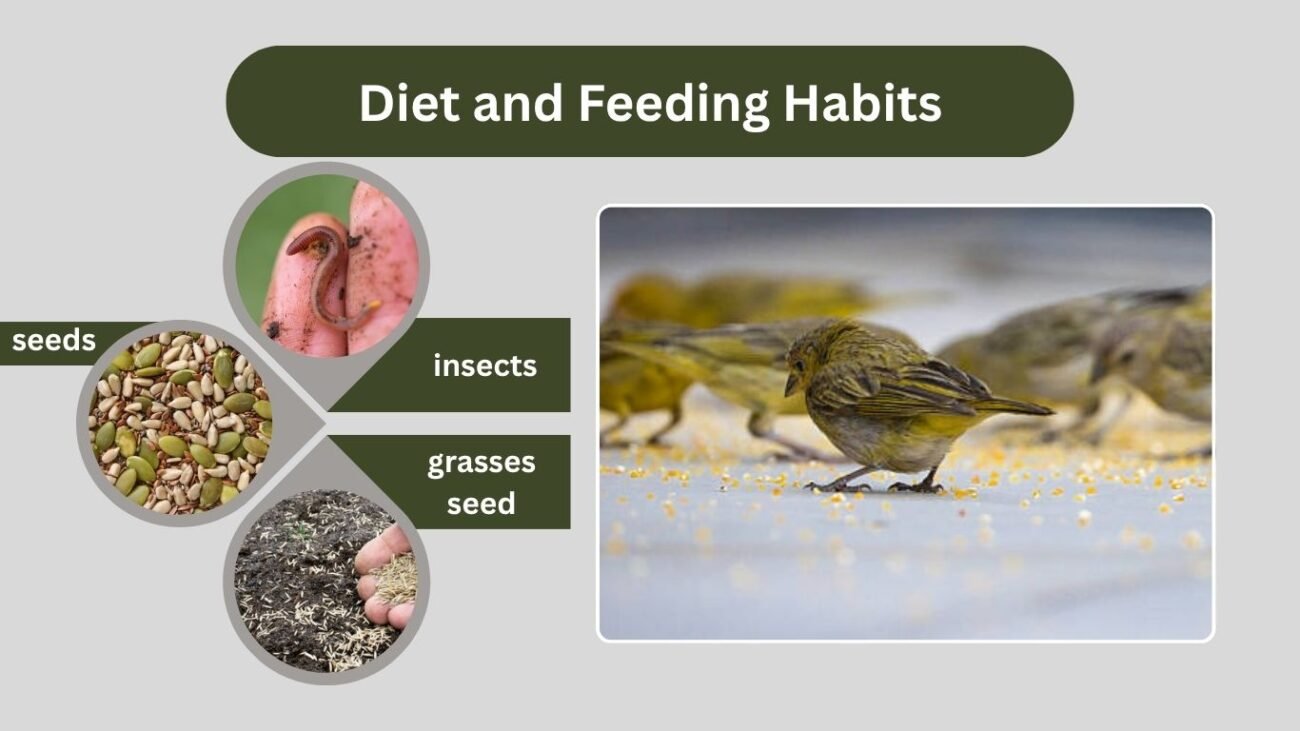
Golden Sparrows primarily consume seeds, especially from grasses and small flowering plants. During spring and summer, their diet expands to include insects, spiders, and berries to meet higher energy needs during breeding. Their strong beaks help crack open seeds efficiently, while their keen eyesight allows them to spot insects on the ground or foliage.
Feeding Behavior
They typically forage on the ground, hopping lightly while pecking at seeds and insects. During the cooler months, they often feed in groups, particularly in open fields or near shrubs where they can quickly retreat from danger. In agricultural areas, they are sometimes seen following tilling machines to feed on disturbed insects and seeds — a clever adaptation to human activity.
Predators and Threats
Natural Predators
Golden Sparrows face a variety of natural predators, particularly during nesting and fledgling stages. Birds of prey such as hawks, falcons, and owls frequently hunt adults and juveniles. Ground predators like snakes, foxes, and domestic cats target eggs and chicks. Their small size and ground-based nesting habits make them particularly vulnerable during the breeding season when they must remain near their nests for extended periods.
Defense Mechanisms
To counter these threats, Golden Sparrows rely heavily on camouflage and collective vigilance. Their brownish plumage blends seamlessly with dried grasses and shrub cover, allowing them to hide from aerial predators. When danger approaches, the flock emits sharp alarm calls that send all nearby birds into immediate flight. Some species also engage in “distraction displays,” pretending to be injured to lure predators away from the nest — a remarkable act of parental instinct.
Human-Related Threats
Human activity remains one of the largest threats to the Golden Sparrow population. Expanding agriculture, urbanization, and deforestation have destroyed significant portions of their natural habitat. Pesticide use reduces the availability of insects, which are a key protein source during the breeding season. Additionally, domestic cats introduced into wild habitats have become major predators, especially in suburban areas. Despite their adaptability, habitat fragmentation continues to pose a serious risk to long-term population stability.
Breeding, Nesting, and Lifespan
Mating and Courtship Rituals
Golden Sparrows typically breed once a year, although favorable conditions may allow multiple broods. Courtship begins in early spring, when males sing to establish territories and attract mates. Their songs, combined with physical displays such as fluttering and head tilting, play a crucial role in pair bonding. Once a pair forms, they work together to select a suitable nesting site that offers both concealment and proximity to food sources.
Nest Construction and Location
The nests are usually built close to the ground, hidden under shrubs or grass clumps. Constructed mainly by the female, the nest is made of fine twigs, dry grass, and lined with softer materials such as feathers or animal hair. The design ensures stability, warmth, and camouflage. In colder regions, birds may reinforce nests to provide insulation against wind and low temperatures.
Such low-lying nests, while offering concealment, increase vulnerability to ground predators. Therefore, nesting sites are often chosen carefully to balance safety with environmental convenience.
Eggs, Incubation, and Chick Rearing
A typical clutch consists of three to five eggs, pale gray or greenish-white with brown speckles. The female incubates the eggs for about 10–14 days, rarely leaving the nest except for brief feeding. Once hatched, both parents share the responsibility of feeding chicks. The young fledge within two weeks, though they remain dependent on their parents for several days afterward as they learn to forage and fly efficiently.
This cooperative parenting increases the survival chances of the chicks. However, heavy rainfall, food shortages, or predator disturbances can drastically affect fledgling success rates in certain seasons.
Average Lifespan and Survival Challenges
The average lifespan of a Golden Sparrow ranges from four to seven years in the wild, though some individuals have been recorded living longer under optimal conditions. The primary causes of mortality include predation, harsh weather, and disease. During migration, exhaustion and collisions with urban structures also contribute to losses. Despite these challenges, their high reproductive rate and adaptability help sustain stable populations in most regions.
Conservation Status
Population Trends
The overall population of Golden Sparrows and their close relatives remains stable, although localized declines have been observed due to habitat loss. The Golden-Crowned Sparrow, for example, is listed as a species of “Least Concern” by the International Union for Conservation of Nature (IUCN). However, certain regional populations—particularly in areas affected by heavy urbanization—require ongoing monitoring to ensure long-term viability.
Conservation Measures and Protections
Efforts to conserve these birds include the preservation of natural habitats and the creation of protected reserves. Environmental organizations promote sustainable farming practices to reduce pesticide impact and encourage farmers to maintain native vegetation around fields. Birdwatching communities have also contributed significantly by reporting sightings that help track migration routes and population shifts.
Public education plays an essential role in raising awareness about sparrow conservation. By teaching communities about the importance of maintaining native shrubs and trees, conservationists help create safer spaces for breeding and foraging.
How Humans Can Help
Individuals can support Golden Sparrow conservation in simple yet effective ways:
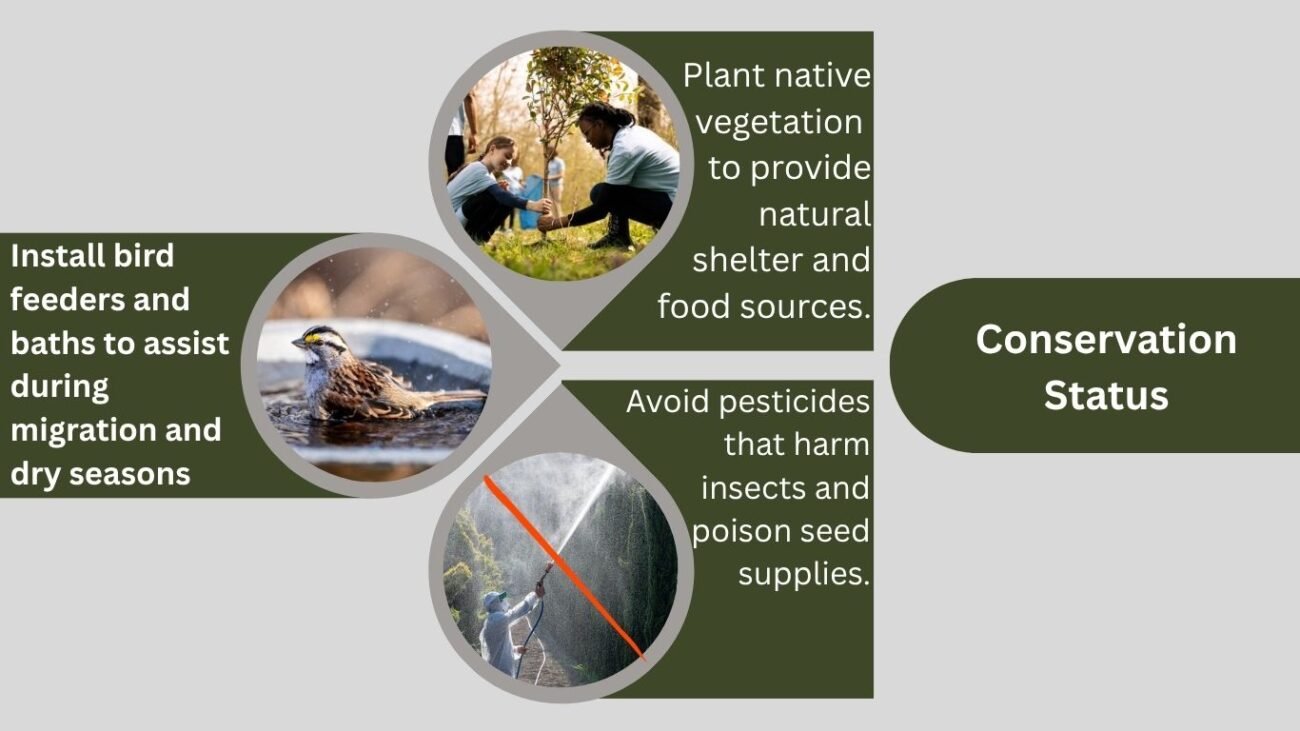
- Plant native vegetation to provide natural shelter and food sources.
- Avoid pesticides that harm insects and poison seed supplies.
- Install bird feeders and baths to assist during migration and dry seasons.
- Keep cats indoors, especially during the breeding season, to reduce nest predation.
- Participate in citizen science projects, reporting local sightings to bird-tracking databases.
Small steps like these collectively make a significant impact on maintaining healthy sparrow populations across regions.
Key Takeaways
- The Golden Sparrow and its relatives are small, adaptable birds known for their golden plumage and gentle calls.
- They inhabit diverse environments, from coastal regions to arid plains, thriving in areas with shrubs and grasslands.
- Their diet includes seeds, grains, insects, and berries, varying with season and habitat.
- Major threats include predators, urbanization, and pesticide use.
- Conservation actions focused on habitat protection and awareness are essential for long-term survival.
FAQs
What is the main difference between a Golden Sparrow and a Golden-Crowned Sparrow?
The Golden-Crowned Sparrow has a distinct yellow and black pattern on its head, while the Golden Sparrow features a more uniformly golden or yellowish crown. The former is native to North America, while the latter includes multiple species across Africa and the Middle East.
Where are Golden Sparrows most commonly found?
Golden Sparrows are widely distributed across arid and semi-arid regions of Africa, particularly in Sudan and Arabia. The Golden-Crowned Sparrow is primarily found along the Pacific coast of North America, from Alaska to California during migration seasons.
What does the Golden-Crowned Sparrow eat?
It primarily feeds on seeds from grasses and weeds but supplements its diet with insects and berries during warmer months. This diet provides the nutrients needed for migration and breeding.
How long does a Golden Sparrow live?
In the wild, a Golden Sparrow typically lives between four and seven years. However, their lifespan can vary depending on predation, environmental conditions, and food availability.
Are Golden Sparrows endangered?
No, Golden Sparrows are not considered endangered globally. Most populations are stable, though localized declines may occur due to habitat loss and pesticide exposure. Continued conservation efforts help ensure their stability in the long term.