
Many birdwatchers often refer to a “red-headed sparrow” after spotting a small brown bird with a red cap or chest in their backyard. However, no true sparrow species naturally has a red head. This common term usually describes similar-looking birds such as the House Finch, Purple Finch, or Cassin’s Finch. This article explores their appearance, habits, and how to identify these fascinating finch-like birds often mistaken for sparrows.
What Is a Red-Headed Sparrow?
Misconception About the Name
The phrase “red-headed sparrow” is a common misunderstanding. Sparrows belong to the family Passeridae and are typically recognized by their plain brown, gray, or buff-colored feathers. They lack the bright red pigmentation seen in finches. When people mention a red-headed sparrow, they are most likely referring to a small songbird with a reddish head and chest — particularly the House Finch (Haemorhous mexicanus), a frequent backyard visitor.
This confusion occurs because House Finches share a similar size and shape to sparrows. Their rounded bodies, short tails, and quick, hopping movements make them nearly indistinguishable from true sparrows to the untrained eye.
True Identity — The House Finch & Its Relatives
The House Finch is the most common bird mistaken for a red-headed sparrow. Males display vibrant red feathers on their head, throat, and chest, which vary in brightness depending on diet. Females, in contrast, are streaked brown without any red tones. This sexual dimorphism often adds to the confusion when both sexes are seen together.
Other species also contribute to this mix-up. The Purple Finch and Cassin’s Finch are close relatives of the House Finch. Both exhibit red or raspberry-colored plumage, making them easy to misidentify. These birds, however, differ slightly in their hue and pattern, something we’ll explore further in later sections.
Identification and Appearance

Key Identification Features
If you spot a small brown bird with a splash of red, here’s how to identify whether it’s a House Finch or another red-headed lookalike.
Size
- Length: About 5 to 6 inches (12–15 cm) — similar to a House Sparrow.
- Wingspan: Around 8 to 10 inches (20–25 cm).
- Build: Small and stocky with a rounded head and short wings.
Coloration (Male)
- Head and Chest: Bright red, orange, or rosy tones depending on diet.
- Back and Wings: Brown with dark streaks.
- Underparts: Light brown to cream with streaked sides.
- Tail: Slightly notched and brown.
Coloration (Female & Juvenile)
- Head: Plain brown or gray; no red feathers.
- Body: Streaked brown and beige pattern.
- Markings: Subtle face patterns, sometimes with a faint eyebrow line.
- Juveniles resemble females until they mature.
Beak Shape
- Finches: Have a curved, conical beak perfect for crushing seeds.
- Sparrows: Have a shorter, straighter beak made for grain foraging.
Tail and Wings
- Finches have a longer, slightly forked tail, while sparrows’ tails are shorter and square.
- Wings are compact with quick, fluttering flight patterns.
Eyes and Face Markings
- House Finches: Plain face, no bold streaks or eye lines.
- Sparrows: Often have distinct eye stripes, cheek patches, or crowns (like the Chipping Sparrow’s red cap).
Red-Headed Sparrow vs. House Finch

Even though “red-headed sparrow” is a common term, it almost always refers to a House Finch. The table below highlights the major differences between the two.
| Feature | Red-Headed Sparrow (Common Misnomer) | House Finch (Actual Species) |
| Scientific Classification | Not a true species — usually a misidentified bird | Haemorhous mexicanus |
| Family | Passeridae (true sparrows) — if referring to real sparrows | Fringillidae (finch family) |
| Size | 5.5–6 inches; small, round body | 5–6 inches; slightly slimmer, longer tail |
| Head Color | Typically brown or gray — true sparrows don’t have red heads | Bright red, orange, or rosy red (males); brown in females |
| Body Color | Brown and gray streaks | Brown-streaked body with reddish wash on head and chest |
| Beak Shape | Short and triangular, ideal for cracking grains | Curved, conical beak designed for seeds and fruits |
| Tail Shape | Short and square | Longer and slightly notched |
| Facial Markings | May have stripes, eye lines, or cheek patches | Plain face with no bold markings |
| Song & Call | Simple, repetitive chirps | Musical, cheerful warbling song |
| Habitat | Gardens, fields, and urban areas | Urban, suburban, and rural regions — especially near feeders |
| Diet | Mostly grains and insects | Seeds, fruits, and buds rich in carotenoids |
| Behavior | Ground forager, quick hops | Perches on feeders and sings from high spots |
Similar Birds Often Mistaken for “Red-Headed Sparrows”
Cassin’s Finch
The Cassin’s Finch is another small songbird that’s often mistaken for a red-headed sparrow. Found primarily in the mountainous regions of the western United States, this bird features a bright crimson crown and forehead that fade into a pinkish breast. Its underparts are mostly white with light streaking, making it cleaner-looking than the House Finch. Cassin’s Finches are often spotted in coniferous forests and higher elevations rather than suburban feeders.
Purple Finch
The Purple Finch is slightly bulkier and has a deeper raspberry hue compared to the House Finch’s orange-red tones. The reddish color spreads over its entire head, chest, and even the back, giving it a more uniform “washed-in-red” appearance. These birds prefer wooded areas across the northeastern and Pacific coastal regions. Females have bold facial stripes and lack the red coloring entirely.
Chipping Sparrow
The Chipping Sparrow is another bird that causes confusion due to its reddish-brown cap. However, unlike finches, it has a grayish face and a sharp black eye line. It’s smaller and slimmer than a House Finch, with a fine, pointed beak instead of a thick conical one. During summer, their rusty crown is especially vibrant, leading to occasional misidentification as a “red-headed sparrow.”
Other Small Birds with Red Heads
A few other birds might fool observers into thinking they’ve spotted a red-headed sparrow. The Vermilion Flycatcher, with its fiery red body and head, occasionally visits southern states. The Pine Grosbeak, common in northern forests, also displays red plumage but is much larger. These species, while unrelated to sparrows, share similar coloration that can trick even experienced birders.
Habitat and Distribution
Common Regions in North America
Most birds mistaken for red-headed sparrows, especially House Finches, are found throughout North America. Originally native to the southwestern U.S. and Mexico, House Finches have successfully expanded eastward and northward due to their adaptability. Purple Finches are common in northeastern states and Canada, while Cassin’s Finches inhabit the Rocky Mountains and western regions.
Urban and Suburban Sightings
The House Finch is a familiar sight in urban neighborhoods, city parks, and residential gardens. They thrive near human habitation, frequently visiting bird feeders stocked with sunflower seeds. Their ability to adapt to urban landscapes sets them apart from more reclusive finch species, which prefer forests and wilderness areas.
Seasonal Movements
House Finches are mostly non-migratory, though some populations move short distances depending on food supply and weather. Purple Finches migrate seasonally, traveling southward during winter to find milder climates. Cassin’s Finches may descend from higher mountain elevations in colder months. Observing these patterns helps birders understand when and where red-headed birds are most likely to appear.
Behavior, Nesting, and Diet
Feeding Habits
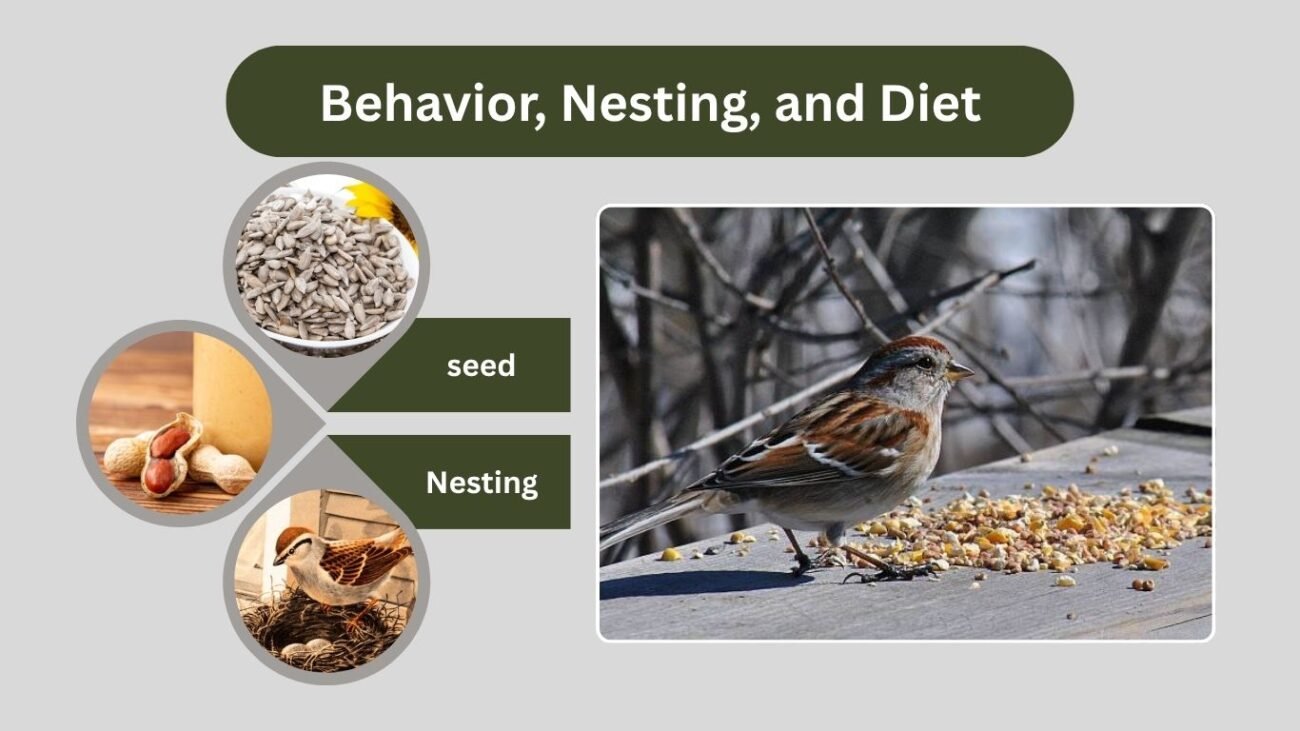
Finches, often mistaken for sparrows, are primarily seed-eaters. They have strong, conical beaks ideal for crushing seeds, grains, and nuts. They also enjoy small fruits, buds, and even nectar from flowers. At feeders, they prefer black oil sunflower seeds. Their diet influences their coloration — birds consuming more carotenoid-rich foods exhibit brighter red feathers.
Nesting Patterns
House Finches and similar species are prolific nesters, building their nests in trees, shrubs, or even man-made structures like hanging planters, window ledges, and porch lights. Their nests are constructed from twigs, grass, leaves, and feathers, forming a neat, cup-shaped structure. Finches are known to reuse the same nest for multiple broods in a single season.
Breeding and Eggs
Breeding typically begins in spring and continues through early summer. Females lay between 3 to 6 pale blue eggs with small brown speckles. Incubation lasts about two weeks, and both parents share the duty of feeding the chicks. Once hatched, the young remain in the nest for another two weeks before fledging, often staying close to their parents for several more days.
Song and Communication
House Finches are talented vocalists. Males use their lively warbles and chirps to attract females and establish territories. Their songs often include a series of quick, rising and falling notes, creating a cheerful melody that can fill an entire backyard. In contrast, true sparrows have simpler, repetitive chirps. Recognizing these sounds can be an excellent way to differentiate between species.
How to Identify a Red-Headed Bird in Your Backyard
Step-by-Step Observation Tips
If you spot a bird that looks like a “red-headed sparrow,” follow these steps to identify it:
- Observe its color: Is the red patch limited to the head and chest, or does it extend across the body?
- Check the beak: Finches have curved, conical beaks; sparrows’ beaks are shorter and thicker.
- Note behavior: Finches perch and sing from elevated spots; sparrows often forage on the ground.
- Look for streaks: House Finches have streaked sides, while Purple Finches appear more solid in color.
- Listen to the song: A warbling, musical tone signals a finch; short chirps suggest a sparrow.
Using Photos or Bird Apps
Modern bird identification tools make this task easier. Apps such as Merlin Bird ID, Audubon Bird Guide, and eBird allow users to upload photos or describe features to identify species accurately. By noting the bird’s location, color, and sound, you can confirm whether that “red-headed sparrow” in your backyard is truly a House Finch or one of its close relatives.
Key Takeaways
- There is no true “red-headed sparrow” species; most sightings are House Finches, Purple Finches, or Cassin’s Finches.
- Males show red or rosy feathers, while females remain brown and streaked.
- These birds thrive in urban and rural areas across North America.
- Their beak shape, song, and coloration help differentiate them from real sparrows.
- Paying attention to detail makes backyard bird identification both fun and educational.
FAQs
What bird looks like a red-headed sparrow?
Most likely, it’s a House Finch, Purple Finch, or Cassin’s Finch. These birds are often mistaken for sparrows because of their size and shape, but they belong to the finch family and not the sparrow family.
Do sparrows have red heads?
No true sparrow species has a red head. However, some may display faint rusty or chestnut-colored markings, leading to confusion. The birds people call “red-headed sparrows” are usually finches with red or pink plumage.
How do I tell a House Finch from a sparrow?
Look for red feathers on the head or chest — a sign of a finch. Also, finches have a longer tail and curved beak, while sparrows have a short, straight beak and more uniform brown plumage.
Where can I find red-headed finch-like birds?
You can find them across the U.S. and southern Canada, especially in backyards, parks, and open woodlands. They’re common at bird feeders and are comfortable around human environments.
Are red-headed sparrows rare?
Not at all. House Finches — the most common red-headed lookalikes — are abundant throughout North America. Their bright plumage and cheerful songs make them one of the most recognizable backyard birds.