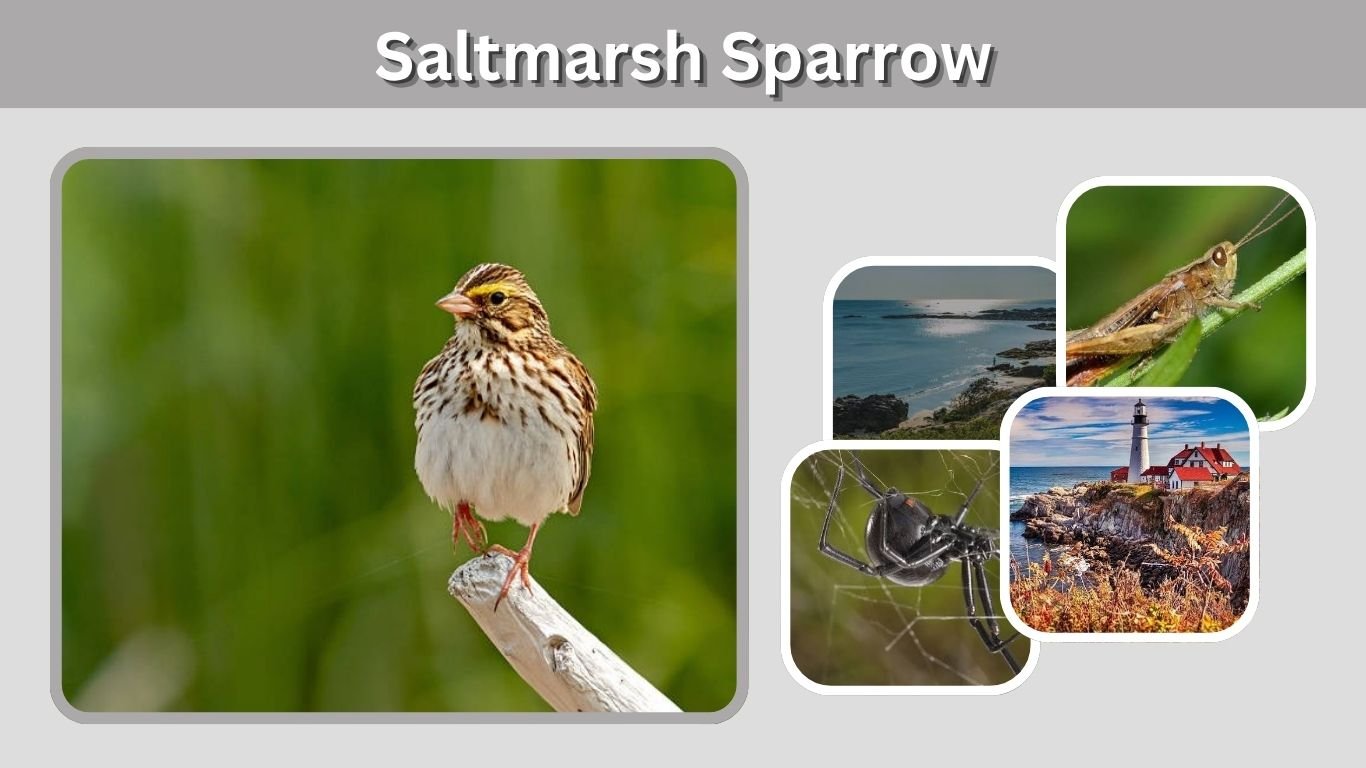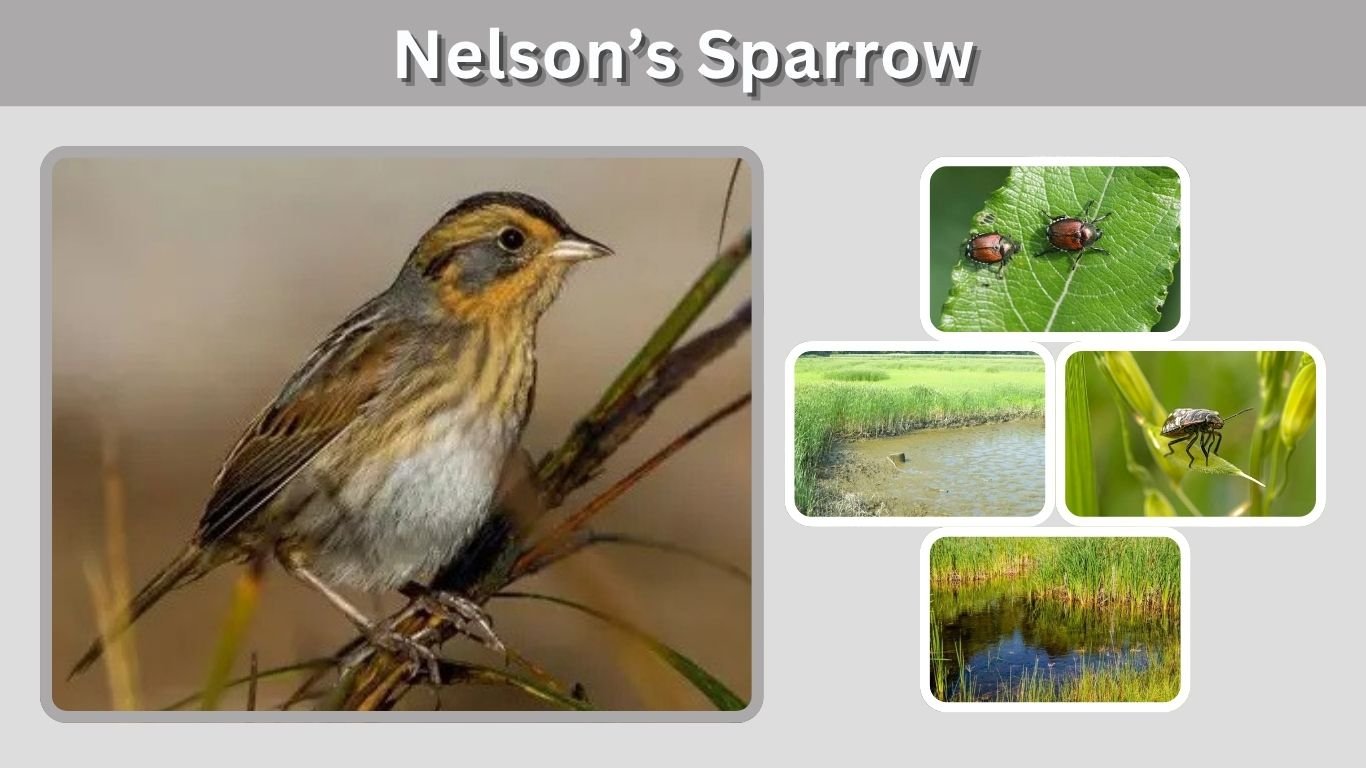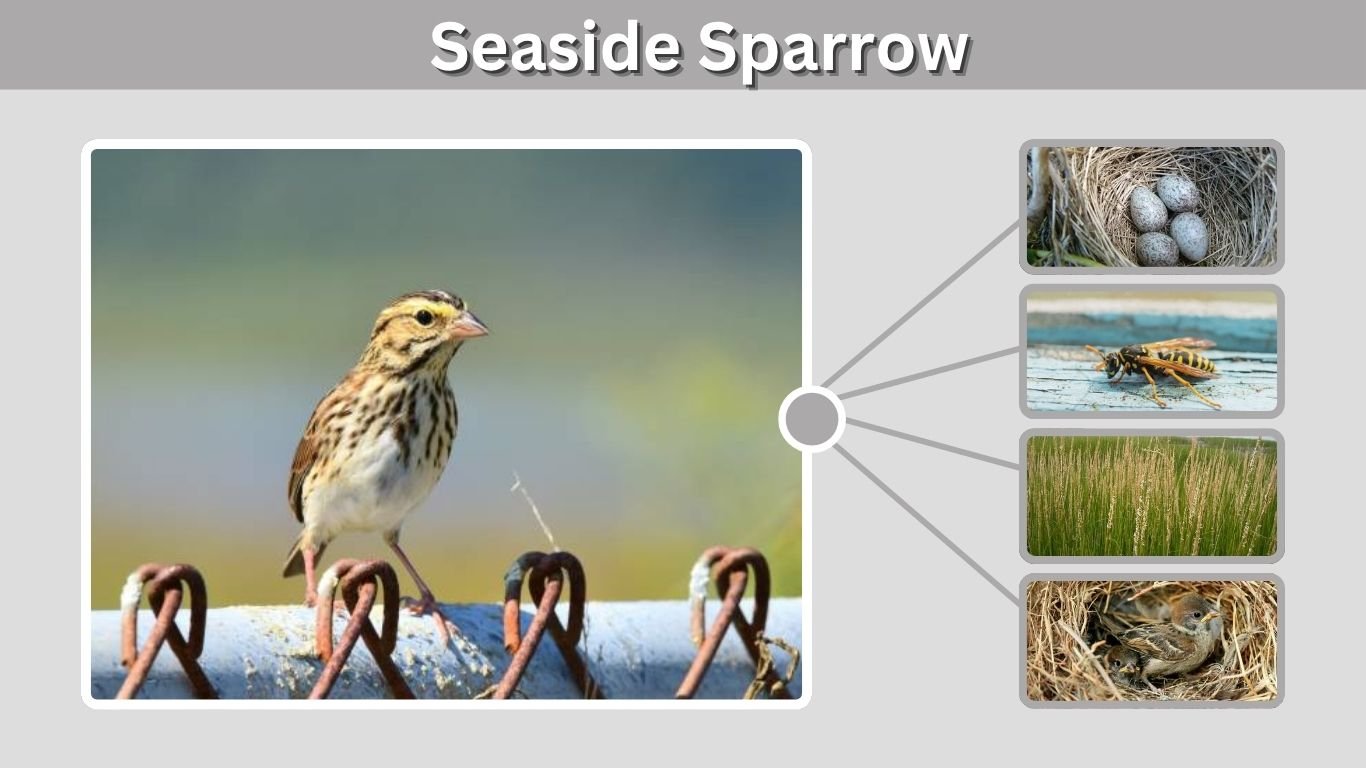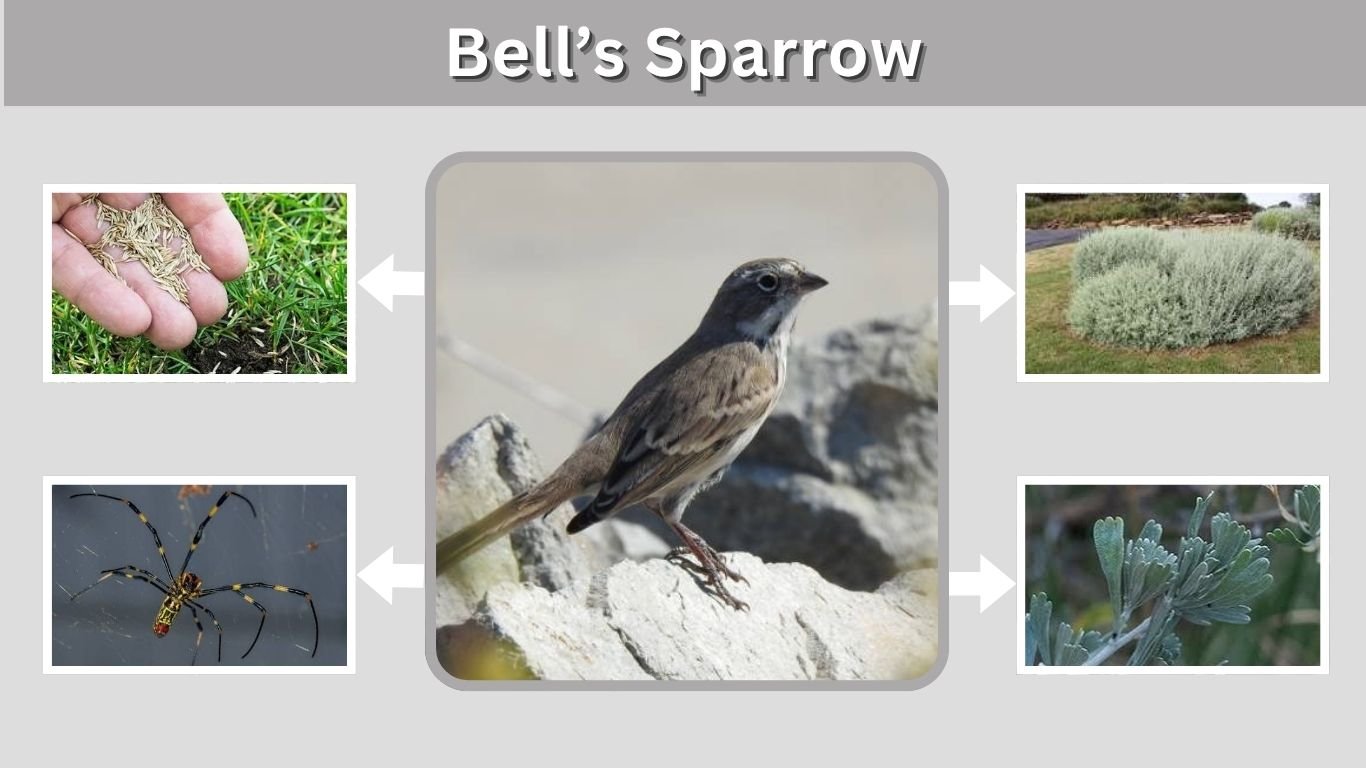

Old World Sparrows are among the most familiar and widespread birds in the world. Belonging to the family Passeridae, they have adapted to a variety of environments—from busy cities to open grasslands. Known for their cheerful chirping and social behavior, these small brown birds play an important role in ecosystems and human culture alike, symbolizing resilience, simplicity, and companionship.
Understanding Old World Sparrows
What Are Old World Sparrows?
Old World Sparrows are small, seed-eating birds native to Europe, Africa, and Asia. Despite their name, many species have been introduced globally, including to North America. They are highly adaptable, thriving in both wild and urban areas. Unlike New World Sparrows, which belong to a different family (Passerellidae), Old World Sparrows are classified under Passeridae, making them evolutionarily distinct.
These sparrows are compact, with short legs, rounded heads, and conical beaks perfectly designed for cracking seeds. Their ability to coexist with humans has made them one of the most recognizable bird families across continents.
Scientific Classification
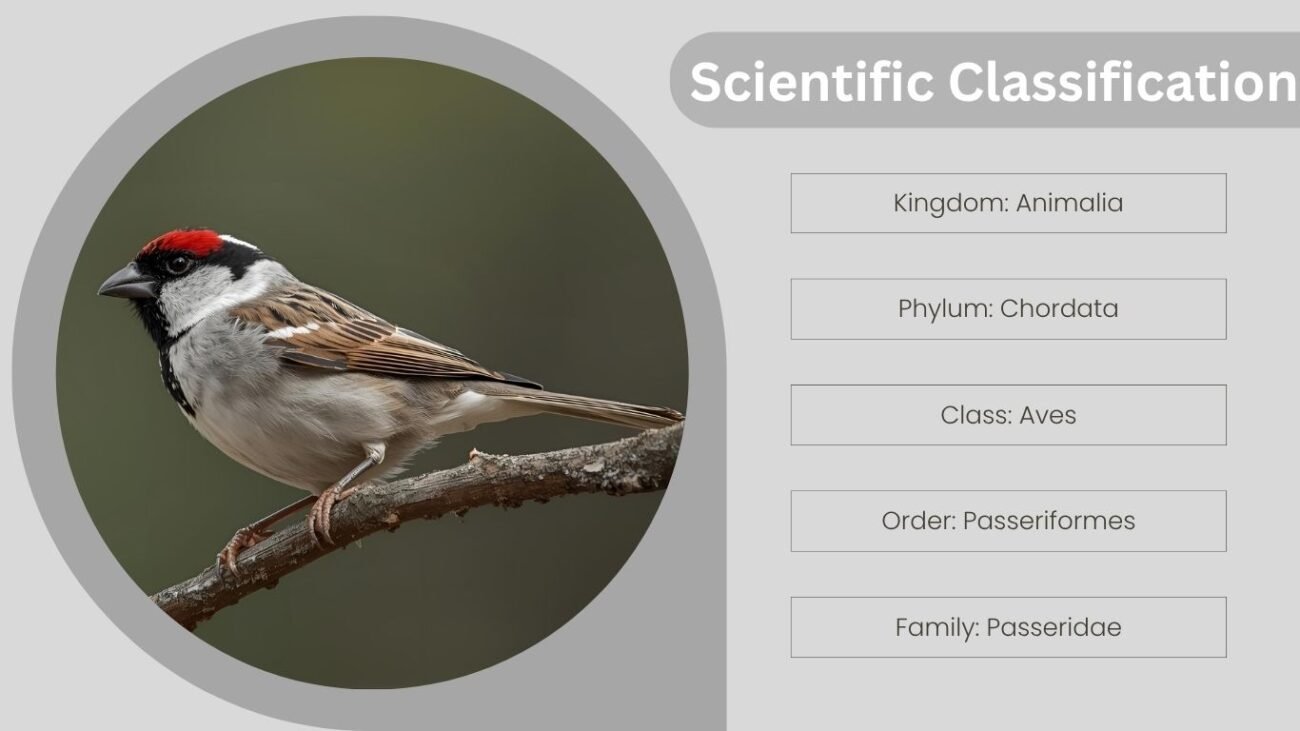
The scientific classification of Old World Sparrows is as follows:
- Kingdom: Animalia
- Phylum: Chordata
- Class: Aves
- Order: Passeriformes
- Family: Passeridae
The most common genus within this family is Passer, which includes the well-known House Sparrow (Passer domesticus). Other genera include Petronia and Gymnoris, representing species adapted to different habitats and climates. This diverse classification highlights the evolutionary success of these small but resourceful birds.
Identification and Physical Characteristics

Old World Sparrows have distinctive physical features that make them easy to identify. Below is a detailed list of their main characteristics:
- Size:
Typically small, measuring 12–18 cm (4.7–7 inches) in length with a wingspan of 19–25 cm (7.5–10 inches). They are compact and sturdy, with a short neck and tail. - Coloration:
Plumage varies among species but generally consists of brown, gray, and buff tones. Males often display darker or more vibrant markings, such as black bibs or chestnut crowns, while females are plainer and lighter in color. - Wings:
Short, rounded wings built for quick, agile flight. The feathers are layered to provide excellent maneuverability in tight urban spaces or dense vegetation. - Eyes:
Dark brown to black eyes positioned on the sides of the head, giving them a wide field of vision. Their sharp eyesight helps detect predators and locate food easily. - Beak (Bill):
Conical and strong, designed for cracking seeds and grains. The beak color ranges from yellowish-brown in juveniles to black or dark gray in adults, especially during breeding seasons. - Legs and Feet:
Short, sturdy legs with anisodactyl feet (three toes forward, one backward), ideal for gripping branches, wires, or building ledges. The legs are typically pinkish or light brown. - Body Shape:
Rounded body with a full chest, short tail, and relatively large head compared to body size. Their posture appears upright when perched.
Habitat and Distribution
Natural Range
Originally, Old World Sparrows were confined to the Eastern Hemisphere, mainly across Europe, Asia, and Africa. However, through human activity, they have spread to almost every continent. Today, species such as the House Sparrow can be found throughout North America, South America, and Australia.
Their preferred habitats vary depending on the species. While some thrive in rural farmlands and open countryside, others have fully adapted to urban life—nesting in buildings, feeding in parks, and roosting in city squares. Their ability to thrive near humans has contributed to their incredible global success.
Old World vs. New World Sparrows
Though similar in name, Old World and New World sparrows differ greatly. New World Sparrows (family Passerellidae) are native to the Americas and include species like the song sparrow and white-throated sparrow. They generally have more complex songs and prefer wooded or grassy habitats.
In contrast, Old World Sparrows (Passeridae) are less musical but more social and adaptive. Their survival instincts have allowed them to flourish in urban environments, while New World Sparrows remain more connected to natural landscapes. These distinctions underline the fascinating diversity within the broader sparrow group.
Diet and Feeding Habits
What Do Old World Sparrows Eat?
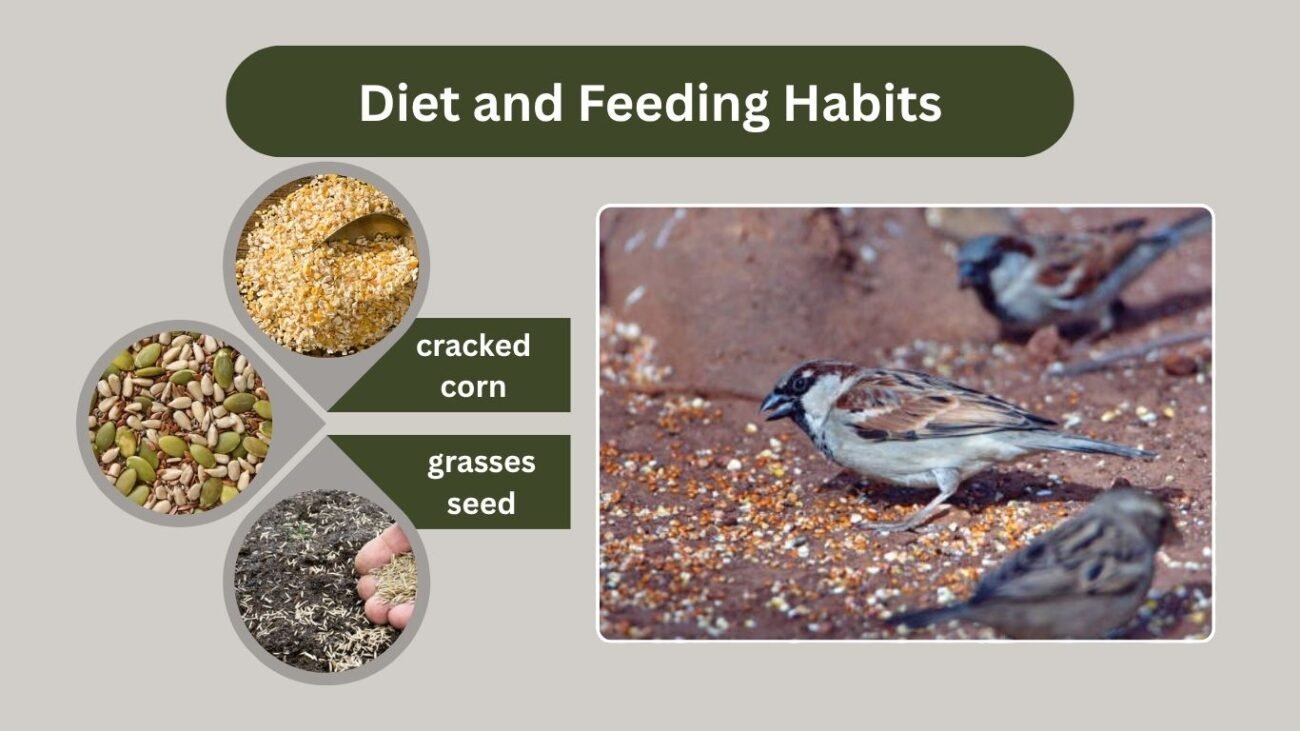
Old World Sparrows are omnivorous, though primarily granivorous—meaning seeds and grains make up the bulk of their diet. They often feed on wheat, corn, millet, and other grains found in farmlands or urban areas. During the breeding season, they supplement their diet with insects such as beetles, caterpillars, and aphids, which provide essential protein for growing chicks.
Their foraging behavior is opportunistic. They hop or flutter along the ground, searching for food, often in groups. In winter, when seeds are scarce, sparrows have been observed scavenging crumbs and leftover food near human dwellings, showing just how adaptive they can be.
Human Interaction and Feeding
Old World Sparrows are frequent visitors to bird feeders and backyards. They are attracted to mixed birdseed, cracked corn, and millet. In cities, they often rely on human-generated waste, feeding on discarded food. While this adaptability helps their survival, it also brings challenges—urban diets can lack the nutrients they get from natural sources.
Their close relationship with humans highlights both their resilience and dependence. Where human settlements thrive, sparrow populations often do too, creating a fascinating ecological link between people and these hardy little birds.
Nesting and Reproduction
Nest Building
Old World Sparrows are skilled nest builders. They typically construct nests in sheltered spots—tree hollows, under eaves, rooftops, or even streetlights. The nests are made from twigs, grass, feathers, paper, and any soft materials available. Their nests are spherical or dome-shaped, with a small entrance hole to protect against predators and weather.
Sparrows are known to reuse nesting sites for several seasons, often refurbishing old nests with fresh material. This behavior reflects their intelligence and adaptability to their surroundings.
Eggs and Breeding Cycle
After nest construction, the female lays three to seven small, white or grayish eggs speckled with brown. Both parents share incubation duties, which last around 10 to 14 days. Once hatched, the chicks are blind and featherless, relying entirely on their parents for warmth and food.
Parents feed their young a protein-rich diet of insects until they fledge—usually within two weeks. Young sparrows leave the nest quickly but often stay close to their family group, learning to forage and navigate their surroundings. This rapid growth and strong parental care contribute to the species’ high reproductive success.
Behavior and Flight
Flight and Speed
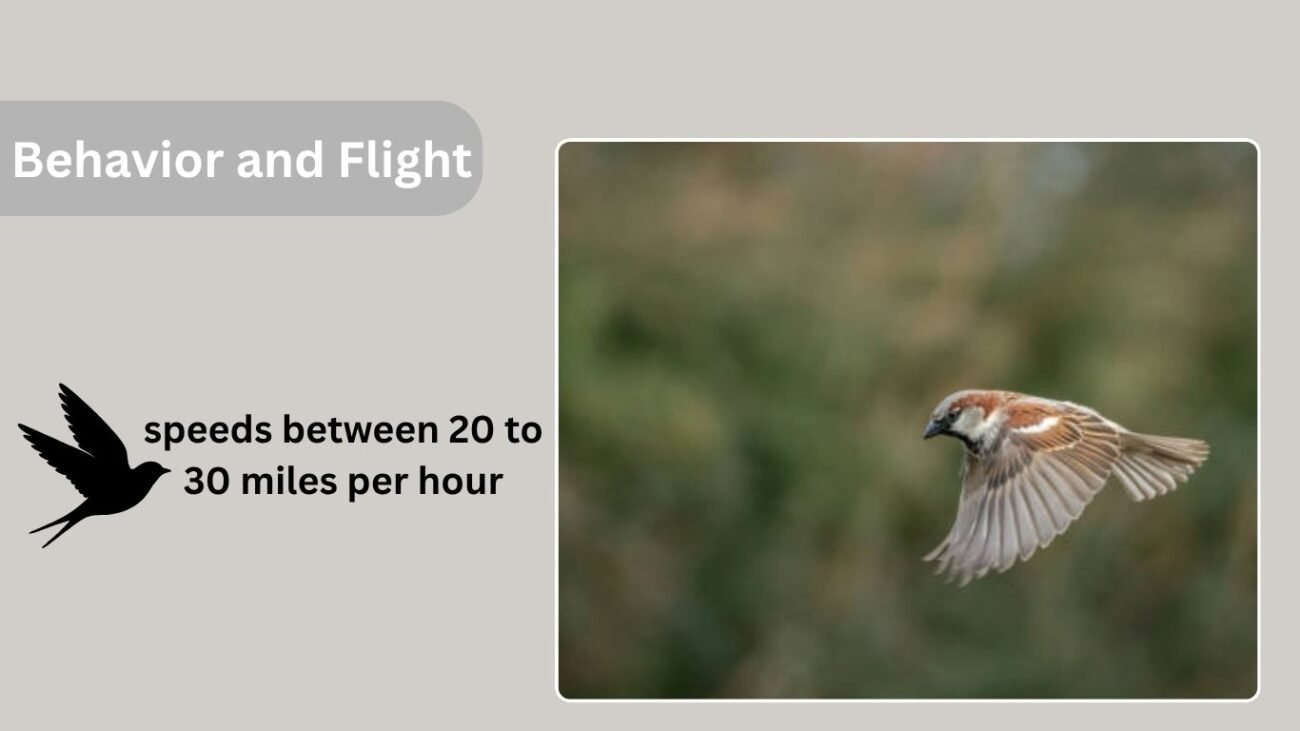
Old World Sparrows are agile fliers, capable of reaching speeds between 20 to 30 miles per hour. Their flight is characterized by rapid wingbeats and short glides. While they’re not long-distance migrants, they move locally in search of food or favorable weather conditions.
Their compact wings and light body make them maneuverable in tight spaces, allowing them to dart through trees, buildings, and open fields with ease. This agility is one of the reasons they adapt so well to city life.
Daily and Seasonal Behaviors
Sparrows are diurnal, meaning they’re active during the day. They typically feed in the early morning and late afternoon, resting or preening during midday. These birds are highly social, often roosting in groups for safety and warmth.
During colder months, they rely on group warmth and communal roosting in dense bushes or man-made structures. Unlike many small birds, most Old World Sparrows do not migrate long distances; instead, they adapt to changing seasons by adjusting their diet and behavior.
Lifespan and Survival
Average Lifespan
The average lifespan of an Old World Sparrow in the wild is about three to five years. However, under ideal conditions, they can live up to eight or even ten years in captivity. Their survival largely depends on food availability, shelter, and avoidance of predators.
Young sparrows face high mortality rates due to predation, harsh weather, and human activity, but their rapid reproduction helps maintain stable populations across regions.
Common Threats
Predators such as hawks, cats, and snakes pose significant risks. Human-related threats include pollution, pesticide use, and the destruction of nesting habitats. In some areas, populations have declined due to urban noise and the reduction of suitable feeding grounds.
Nevertheless, their adaptability and strong reproductive rate have allowed most species to remain resilient despite environmental pressures.
Symbolism and Cultural Meaning
Spiritual and Cultural Significance
Across many cultures, Old World Sparrows symbolize simplicity, diligence, and community. In Christianity, they are often seen as representations of God’s care for even the smallest creatures. In Japanese and Chinese cultures, sparrows symbolize joy, protection, and hard work.
Throughout history, they’ve been referenced in poems, songs, and folklore—often embodying hope and perseverance. Their humble nature and constant presence make them beloved symbols of life’s everyday beauty.
Modern Symbolism
In modern times, sparrows represent freedom and resilience in urban life. Artists and writers often use them to symbolize survival amid adversity. The “Old World Sparrow Christmas” theme, for example, celebrates simplicity and warmth during the holiday season.
These small birds remind people that even the most ordinary beings can hold great significance, bridging the gap between nature and human emotion.
Conservation and Ecological Impact
Are Old World Sparrows Invasive?
Yes, certain species, especially the House Sparrow (Passer domesticus), are considered invasive in some regions. Introduced to new continents by humans, they have competed with native bird species for nesting sites and food. In North America and Australia, their aggressive nesting behavior has displaced some local birds.
However, in their native habitats, Old World Sparrows play a crucial ecological role—controlling insect populations and helping disperse seeds.
Conservation Efforts
Despite their abundance, sparrow populations have declined in some urban centers due to habitat loss, fewer insects, and pollution. Conservationists encourage the creation of bird-friendly spaces—planting native shrubs, reducing pesticide use, and providing bird feeders and nest boxes.
Public awareness campaigns, particularly in Europe and Asia, aim to reconnect people with these familiar yet fading city companions.
Old World vs. House Sparrows
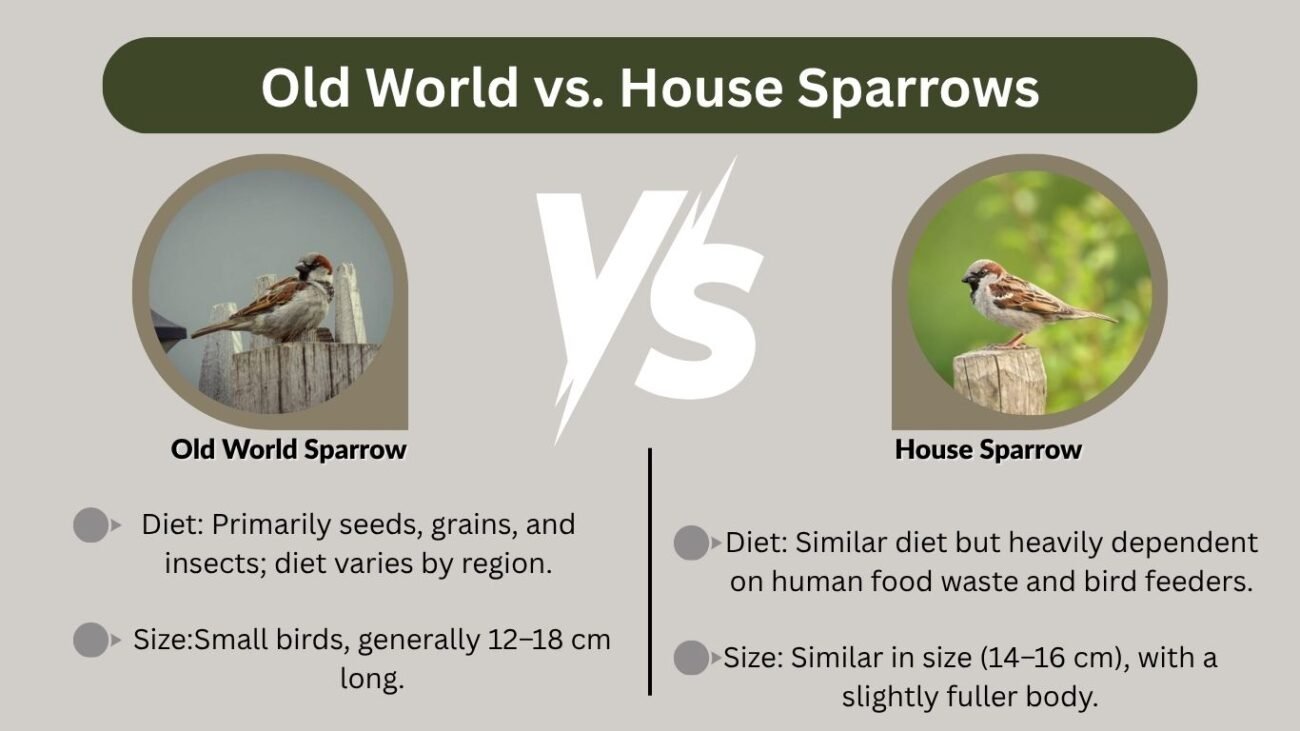
| Feature | Old World Sparrows (Family: Passeridae) | House Sparrow (Passer domesticus) |
| Classification | A large bird family found across Europe, Asia, and Africa, including various genera like Passer, Petronia, and Gymnoris. | A single species within the Passer genus, native to Europe and Asia but now widespread globally. |
| Size | Small birds, generally 12–18 cm long. | Similar in size (14–16 cm), with a slightly fuller body. |
| Plumage Color | Varies among species; generally brown, gray, and buff tones with streaks. | Males have gray crowns, black bibs, and chestnut napes; females are dull brown with lighter underparts. |
| Habitat | Found in diverse habitats — rural fields, forests, grasslands, and deserts. | Strongly associated with human settlements; thrives in cities, towns, and farms. |
| Diet | Primarily seeds, grains, and insects; diet varies by region. | Similar diet but heavily dependent on human food waste and bird feeders. |
| Behavior | Highly social, forming flocks and colonies; some species less urbanized. | Extremely social and bold around humans; nests in buildings and man-made structures. |
| Song and Calls | Simple chirps and trills; vary by species. | Short, repetitive chirps; males often use calls to defend territory. |
| Distribution | Native to the Old World (Europe, Africa, Asia); only some species introduced elsewhere. | Introduced worldwide, now among the most common birds on every continent except Antarctica. |
| Breeding | Varies by species; usually 2–4 broods per year with 3–7 eggs each. | 2–3 broods annually; prefers cavities or crevices in buildings. |
| Conservation Status | Most species are stable; some declining due to habitat loss. | Common globally but declining in some urban centers due to pollution and habitat change. |
| Symbolism | Represents resilience, simplicity, and social harmony. | Symbolizes companionship, city life, and adaptability. |
Fun and Lesser-Known Facts
- Old World Sparrows have been companions of humans for over 10,000 years.
- The phrase “a little bird told me” is thought to reference the sparrow’s watchful nature.
- Despite their size, they show complex social hierarchies within flocks.
- In the 1950s, sparrows were nearly eradicated in China during the “Four Pests Campaign,” which led to massive crop damage due to uncontrolled insect populations—proving their ecological value.
- Their ability to mimic human activities, such as stealing food or nesting in machinery, shows remarkable adaptability.
Key Takeaways
- Old World Sparrows belong to the Passeridae family and are found across most continents.
- They are small, social birds known for their adaptability and close association with humans.
- Their diet includes seeds, grains, and insects, and they thrive in both natural and urban environments.
- Spiritually, they symbolize resilience, simplicity, and community.
- While some species are invasive, others face population declines due to environmental change.
FAQs
What do Old World Sparrows eat?
Old World Sparrows primarily feed on seeds and grains but also consume insects, especially during breeding seasons. They adapt easily to human food sources, often visiting bird feeders and scavenging crumbs in urban areas.
How long do Old World Sparrows live?
Their average lifespan ranges from 3 to 5 years in the wild, but they can live up to 10 years in captivity. Factors such as predators, climate, and food supply heavily influence their longevity.
What is the spiritual meaning of Old World Sparrows?
These birds symbolize simplicity, joy, and community. In many cultures, they represent protection and the importance of small yet meaningful lives. Sparrows are reminders that strength often comes from unity and persistence.
Are Old World Sparrows invasive?
Yes, especially the House Sparrow species, which has spread to non-native regions through human introduction. In some areas, they compete with local birds for food and nesting spaces, impacting native biodiversity.
How can you identify an Old World Sparrow?
They are small, brownish-gray birds with stout bodies and short conical beaks. Males often have darker markings on the head or chest, while females are paler. Their chirping calls and group behavior are also distinctive identifiers.