Bright, cheerful, and full of life — the yellow sparrow is a captivating sight for any bird lover. Although the name “yellow sparrow” doesn’t officially refer to one specific species, it broadly describes several small birds with yellow feathers or markings. These birds often get mistaken for warblers, buntings, or finches due to their similar size and coloration. Understanding their unique features helps identify them accurately and appreciate their role in nature.
Identifying the Yellow Sparrow

- Size: Small; around 12–15 cm in length.
- Shape: Compact body with a rounded head and short tail.
- Beak: Short, conical, and strong — ideal for cracking seeds.
- Color: Brown or grey base plumage with yellow patches on throat, crown, or wings.
- Markings: Some have chestnut shoulders or yellow eyebrows/stripes on the head.
- Eyes: Dark and alert; often with a pale or yellowish brow line.
- Legs & Feet: Pale pink or brownish tone.
- Flight Pattern: Short, quick flights with rapid wingbeats.
- Call: Cheerful “chirp-chirp” or soft, whistled song depending on the species.
- Behavior: Often seen foraging in pairs or small flocks on the ground near bushes or fields.
Distinguishing Yellow Sparrows from Similar Birds
Birds That Look Like Yellow Sparrows
Many small birds are often mistaken for sparrows simply because of their size and shape. These include warblers, finches, and buntings that share the same earthy or yellowish coloration.
For example:
- The Yellowhammer, a bunting species, has a rich golden-yellow head and underparts.
- The American Goldfinch shines with bright yellow feathers during the breeding season but appears olive in winter.
- The Yellow Warbler is another common lookalike known for its vibrant plumage and melodic song.
Understanding these distinctions helps prevent misidentification, especially since sparrows generally have heavier beaks and less vivid coloring.
Key Identification Tips
To tell a yellow sparrow apart from similar birds, observe the following:
- Beak Shape: Sparrows have stout, conical beaks ideal for seeds, while warblers have thinner, pointed ones.
- Color Patterns: Sparrows usually have streaked brown or grey plumage with subtle yellow accents rather than full bright coverage.
- Behavior: Sparrows forage on the ground, hopping in small groups, whereas finches often perch on branches and feeders.
- Call or Song: Each species has a distinct call; the Golden-crowned Sparrow is known for its melancholic, whistled song.
Major Species of Yellow Sparrows

Yellow-Throated Sparrow (Chestnut-Shouldered Petronia)
Also known as the Chestnut-shouldered Petronia, this species is one of the best-known “yellow sparrows.” Found across India, Pakistan, and parts of the Middle East, it features a yellow throat patch, greyish-brown body, and a distinct chestnut shoulder mark.
These birds prefer open woodlands, villages, and farmlands, often nesting in tree holes or building crevices. Their call is a cheerful “chirp-chirp,” and they often move in small flocks.
Golden-Crowned Sparrow
Native to the western parts of North America, the Golden-crowned Sparrow is famous for its striking yellow crown bordered by black stripes. During breeding season, the yellow becomes more vivid, especially in males.
Its song is soft, mournful, and whistled — described by many birders as “Oh-dear-me.” It migrates between Alaska and California, frequenting shrublands and forest edges.
White-Crowned Sparrow (Yellow Variant)
Though primarily grey and white, some variants of the White-crowned Sparrow display a faint yellow tinge near the beak or crown. These subtle hues often cause confusion for casual observers.
They are common across North America and recognized by their clear, whistled songs. Their adaptability allows them to thrive in urban gardens and parks.
Yellow-Browed Sparrow
A South American beauty, the Yellow-browed Sparrow (Ammodramus aurifrons) features a distinct yellow stripe above its eyes, contrasting with olive-brown plumage. Found in grasslands and savannas, this species feeds mainly on seeds and small insects. Its pleasant trilling call makes it easy to recognize during the breeding season.
Other Variants
Birders often report seeing “yellow-headed,” “yellow-bellied,” or “yellow-breasted” sparrows. In most cases, these are regional color variations or other small species mistaken for true sparrows. Some warblers and weavers also share these features, making accurate identification essential.
Habitat and Distribution
Natural Habitats
Yellow sparrows and related species are remarkably adaptable. They inhabit open grasslands, dry forests, scrublands, gardens, and agricultural fields.
For instance:
- The Yellow-throated Sparrow prefers dry, open areas near human settlements.
- The Golden-crowned Sparrow thrives in shrubby coastal environments during winter.
Their versatility allows them to coexist alongside humans in both rural and suburban landscapes.
Geographic Distribution
These birds span multiple continents:
- Asia: Home to the Yellow-throated Sparrow (India, Pakistan, Afghanistan)
- North America: Habitat for Golden-crowned and White-crowned Sparrows
- South America: Territory of the Yellow-browed Sparrow
Additionally, regional reports of yellow-toned sparrows exist in New Zealand and Arizona, likely due to introduced or migratory populations.
Their wide distribution demonstrates the adaptability of sparrow-like birds to diverse climates — from tropical plains to temperate coastlines.
Behavior and Song
Feeding Habits
Like most sparrows, yellow sparrows are primarily granivorous, meaning they eat seeds and grains. However, during the breeding season, they may also consume small insects and larvae to provide extra protein for their young.
They forage mostly on the ground, hopping briskly in short bursts while picking at fallen seeds. In farmlands, they are beneficial allies to farmers since they feed on weed seeds and crop pests. Some species, like the Yellow-throated Sparrow, are often spotted in pairs or small flocks near open fields, demonstrating their social nature.
. Nesting and Breeding
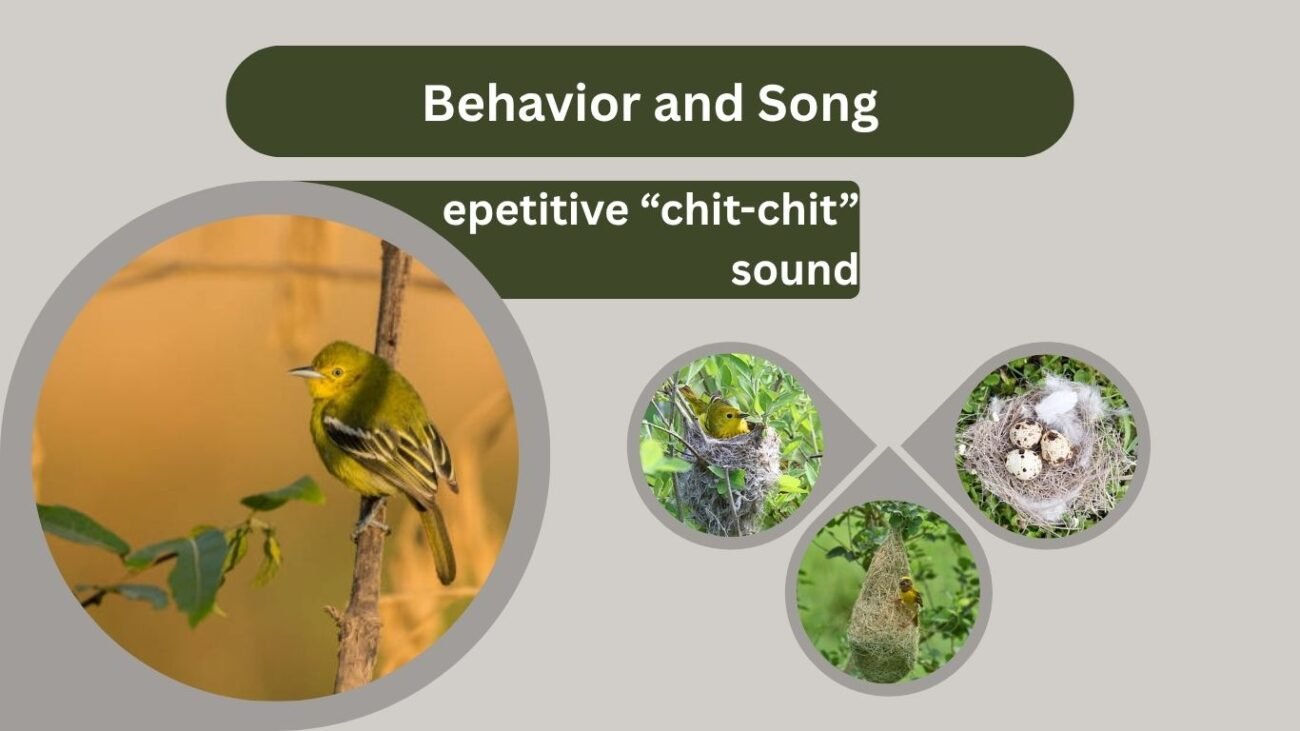
Yellow sparrows build cup-shaped nests made of dry grass, twigs, and feathers. The Yellow-throated Sparrow frequently nests in tree cavities, wall crevices, or even human structures such as eaves or old pipes.
Breeding usually occurs before the rainy season when food availability peaks. Females lay 3 to 5 eggs, which hatch within two weeks. Both parents participate in feeding the chicks, emphasizing their cooperative behavior. This strong parental instinct is one of the key traits that make sparrows resilient in urban environments.
Calls and Songs
Each yellow sparrow species has its distinct vocal signature:
- The Yellow-throated Sparrow produces a fast, repetitive “chit-chit” sound.
- The Golden-crowned Sparrow emits a mournful three-note whistle, often interpreted as “Oh dear me.”
- The Yellow-browed Sparrow creates a high-pitched trilling call that echoes through grasslands.
Birdwatchers often rely on these songs for identification, especially since many yellow-marked species have similar plumage.
Symbolism and Cultural Significance
Meaning of Seeing a Yellow Sparrow
Across cultures, yellow-colored birds are often associated with joy, renewal, and positive energy. The color yellow itself represents sunlight, happiness, and vitality — qualities reflected in these lively birds.
Spotting a yellow sparrow is sometimes interpreted as a sign of optimism or new beginnings, especially in folklore traditions across Asia and Europe. To many nature enthusiasts, these birds symbolize the beauty of small miracles in everyday life, bringing hope and cheer wherever they appear.
Yellow Sparrow in Art and Literature
The yellow sparrow’s charm extends beyond birdwatching into art, literature, and even fashion. Poets have used its golden hue as a metaphor for fleeting happiness, while modern culture occasionally references it in design and branding.
For example, “The Yellow Sparrow” has appeared as the title of books and art projects, symbolizing creative freedom. Fashion brands like Anthropologie have even drawn inspiration from its colors in their “Yellow Sparrow” and floral cardigan collections — proof of how this small bird continues to inspire human creativity.
Common Questions and Misidentifications
Are There Real Yellow Sparrows?
Technically, there isn’t a single species officially named “Yellow Sparrow.” Instead, the term refers to several sparrow-like birds with yellow plumage or markings, such as the Yellow-throated Sparrow and the Golden-crowned Sparrow.
These species belong to different genera but share similar size, feeding habits, and social behavior, which is why they are all commonly grouped under the nickname “yellow sparrows.”
Why Do Some Sparrows Have Yellow Beaks or Eyebrows?
Seasonal and hormonal changes influence coloration in birds. During breeding seasons, male sparrows and similar species may develop yellow beaks, eyebrows, or throat patches to attract mates.
In young birds, the yellow tint around the beak (known as the “gape”) helps parents recognize them for feeding. Over time, these bright colors may fade into more neutral tones as the birds mature.
Sparrow-Like Birds with Yellow Wings or Bellies
Birds that resemble sparrows but have yellow patches on their wings or bellies are often warblers or finches. Examples include:
- Yellow Warbler – bright yellow all over with faint reddish streaks
- American Goldfinch – yellow body with black wings
- Yellowhammer – golden head and chest with brown streaks
Each of these species can easily be mistaken for a “yellow sparrow” at first glance due to similar body shape and size.
Conservation Status and Observation Tips

Conservation and Threats
While many yellow sparrow species are listed as Least Concern by the IUCN, local populations have shown decline due to urbanization, habitat destruction, and pollution.
The Yellow-throated Sparrow has adapted relatively well to human presence, often nesting in city areas. However, widespread pesticide use and reduced green spaces continue to threaten their food sources and nesting sites.
Conservationists emphasize the importance of planting native trees and minimizing chemical use to support local bird populations.
How to Spot Yellow Sparrows
Observing these birds is both enjoyable and rewarding. Here are a few practical tips:
- Early Morning Advantage: Yellow sparrows are most active at dawn when they forage for food.
- Use Binoculars or Apps: Bird identification apps like Merlin Bird ID can help confirm sightings.
- Look for Movement, Not Just Color: Yellow hues may appear faint in shaded light, so focus on shape, beak, and behavior.
- Listen for Calls: Familiarizing yourself with their songs is the fastest way to identify species accurately.
- Encourage Visits: Plant seed-bearing shrubs, leave small water sources, and avoid excessive pesticide use to attract sparrows to your garden.
By fostering friendly environments, bird lovers can help sustain and enjoy these beautiful creatures for generations.
Key Takeaways
- The term “yellow sparrow” refers to multiple small bird species with yellow plumage, not one specific type.
- Notable examples include the Yellow-throated Sparrow, Golden-crowned Sparrow, and Yellow-browed Sparrow.
- They inhabit open woodlands, grasslands, and even urban areas across Asia, North and South America.
- Their cheerful colors and songs symbolize joy, hope, and vitality.
- Conservation and awareness are key to protecting sparrows amid growing urbanization.
FAQs
Are yellow sparrows found in India?
Yes. The Yellow-throated Sparrow (Chestnut-shouldered Petronia) is common across India, often seen in dry regions, farmlands, and gardens. Its yellow throat and chestnut shoulder patch make it easy to identify among local sparrow populations.
What bird looks like a sparrow but has yellow on its head?
That could be the Golden-crowned Sparrow in North America or the Yellow-throated Sparrow in Asia. Both have distinctive yellow head markings that can appear bright during breeding seasons.
Do house sparrows ever have yellow feathers?
House sparrows typically don’t have yellow feathers, but juveniles may show a pale yellow gape near their beak. Some lighting conditions or feather wear might also make their brown tones appear yellowish.
What do yellow sparrows eat?
They feed mainly on seeds, grains, and small insects. During the breeding season, they often catch caterpillars and beetles to feed their chicks, helping maintain ecological balance.
Why are yellow sparrows important to the ecosystem?
Yellow sparrows and similar small birds help control insect populations, disperse seeds, and indicate ecosystem health. Their presence reflects balanced environments and encourages biodiversity in both rural and urban areas.