










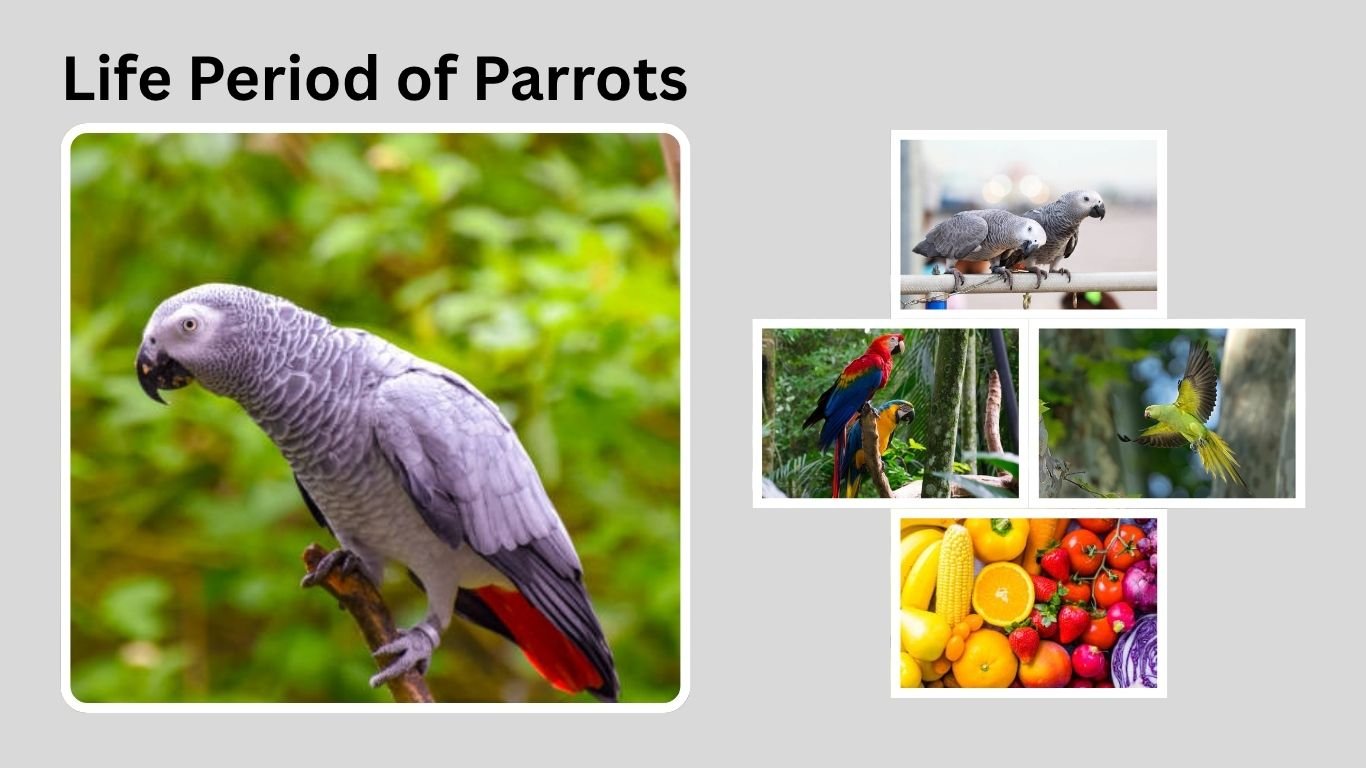
Parrots are among the most fascinating and intelligent bird species in the world. Known for their colorful feathers, mimicry skills, and long lives, they have become popular companions for humans. The life period of a parrot depends on many factors such as its species, diet, environment, and emotional well-being. Some small parrots live just a decade, while larger species like macaws can live well over 70 years in captivity.
Average Life Period of Parrots
Typical Lifespan Range
Parrots are known for their impressive longevity compared to other birds. Their average lifespan ranges between 10 and 80 years, depending on their breed and care conditions. Smaller parrots like budgerigars may live around 10–15 years, while larger ones such as African Greys and Macaws often surpass 50 years. In general, parrots kept as pets tend to live longer because they receive steady nutrition, safety, and medical attention.
In the wild, however, their life period can be shorter. Natural predators, food scarcity, and diseases often reduce their chances of reaching their full potential lifespan. Yet, in both environments, parrots exhibit remarkable endurance when provided with stable conditions and emotional bonding.
Longest-Living Parrot Species
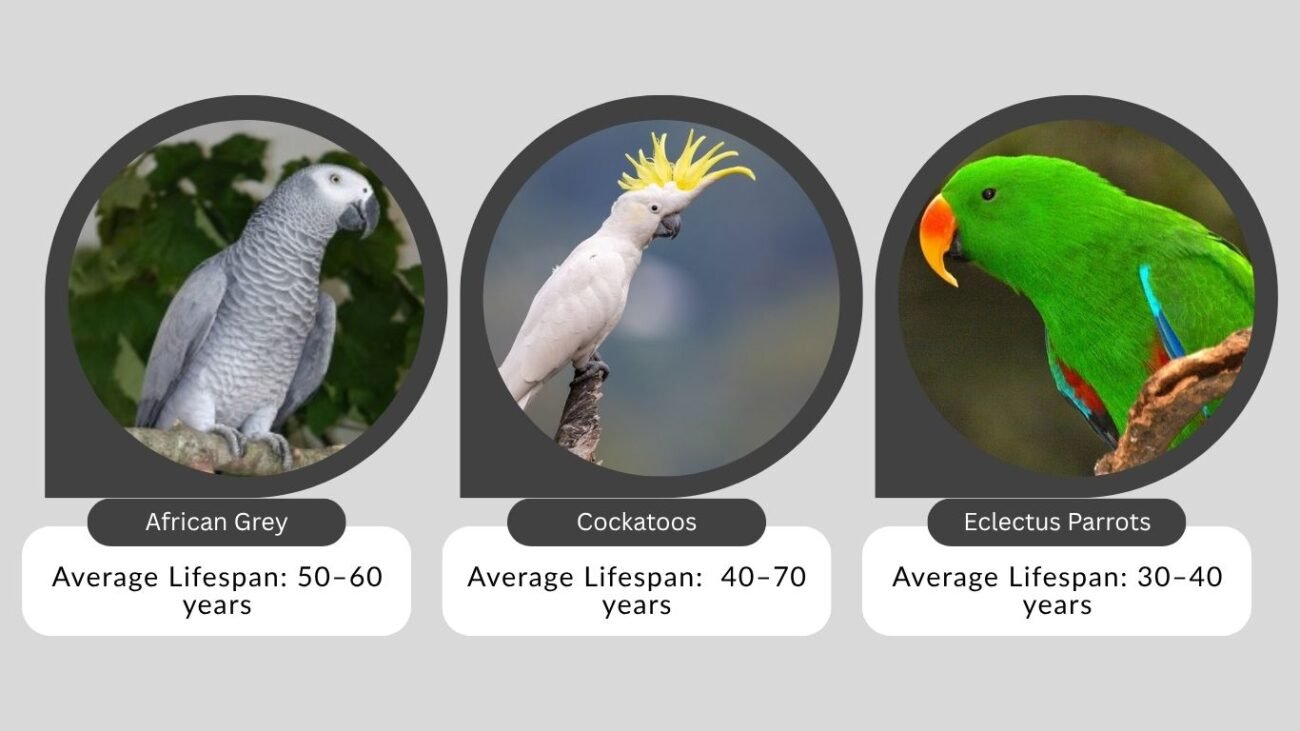
Certain species are famous for their exceptionally long lives.
- Macaws: Among the largest and most colorful parrots, Macaws can live 60–80 years. Their strong immune systems and social behavior contribute to their longevity.
- African Grey Parrots: Known for their intelligence and speech ability, they typically live 50–60 years, sometimes more with excellent care.
- Amazon Parrots: Playful and talkative, these parrots enjoy lifespans of around 40–50 years.
- Cockatoos: Depending on the species, they can live 40–70 years, forming deep emotional attachments with owners.
- Eclectus Parrots: Vibrant and gentle, they often reach 30–40 years under proper conditions.
Each of these species thrives on attention, mental stimulation, and a balanced diet rich in fruits, nuts, and seeds.
Life Period of Indian Parrot
Indian Ringneck Parrot Lifespan
The Indian Ringneck Parrot, also known as the Rose-ringed Parakeet, is a beloved pet species recognized for its bright green body and playful personality. In captivity, this species can live between 20 and 30 years, while in the wild, its lifespan is slightly shorter due to weather and predators.
Their longevity depends heavily on how well they are cared for. A nutrient-rich diet, daily activity, and regular social interaction help extend their lifespan. Without adequate stimulation, Indian Ringnecks may develop stress-related behaviors like feather plucking or aggression. These parrots thrive when they are given companionship and time to engage with their surroundings.
Comparison With Other Common Species
Different parrot species have varying lifespans, influenced by size, genetics, and care.
| Species | Average Lifespan | Common Traits |
| Indian Ringneck | 20–30 years | Intelligent, talkative, social |
| Cockatiel | 15–20 years | Gentle, beginner-friendly |
| African Grey | 50–60 years | Exceptional mimic, loyal |
| Macaw | 60–80 years | Large, colorful, playful |
| Budgerigar | 8–12 years | Small, active, easy to care for |
This table shows that smaller parrots typically have shorter lifespans, while larger ones live longer due to slower metabolism and stronger immune systems.
Factors Affecting a Parrot’s Lifespan
Diet and Nutrition
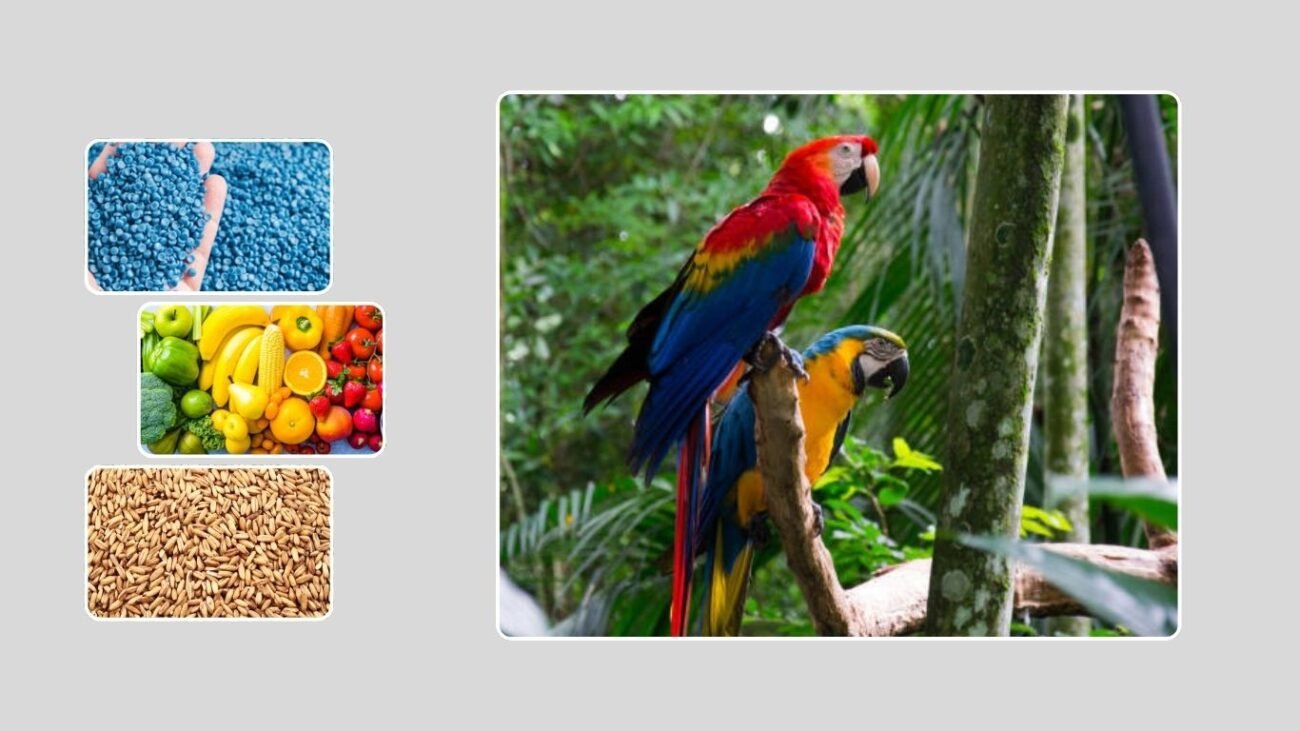
Diet is one of the strongest influences on a parrot’s life expectancy. Parrots require a combination of pellets, fruits, vegetables, grains, and seeds. Too many oily or fatty foods can lead to obesity and liver disease. Certain foods, such as chocolate, avocado, and caffeine, are toxic to parrots and should be strictly avoided. A balanced diet supports strong immunity, glossy feathers, and a long, healthy life.
Exercise and Mental Stimulation
Parrots are highly intelligent and need regular activity to stay happy. Lack of exercise can lead to obesity and boredom-related behaviors. Allowing safe flight time, interactive play, and foraging toys keeps them active both physically and mentally. Engaging with owners daily helps prevent loneliness, which can shorten their lifespan.
Environment and Hygiene
A clean, safe environment is essential for a parrot’s long life. Their cages should be spacious enough for free movement and wing stretching. Cleaning food bowls, perches, and cage trays daily prevents bacterial growth and respiratory infections. Parrots are sensitive to airborne toxins; fumes from non-stick cookware, perfumes, and cigarettes can harm them. Keeping the home well-ventilated with natural light supports good health and balanced sleep patterns.
Cage placement also matters. Avoid drafty or dark corners—parrots need moderate sunlight to synthesize vitamin D. Providing natural wooden perches helps maintain healthy feet and beak structure. A quiet nighttime routine of 10–12 hours of darkness ensures proper rest and reduces stress.
Veterinary Care
Regular vet visits play a major role in ensuring longevity. Parrots should receive an annual checkup from an avian veterinarian, who can detect early signs of illness. Many conditions, such as feather plucking, appetite loss, or wheezing, may signal nutritional deficiencies or infections. Early diagnosis can prevent complications that shorten lifespan.
Routine grooming—such as nail trimming, beak shaping, and occasional feather maintenance—keeps them comfortable and mobile. Vaccinations, parasite control, and maintaining a consistent weight are equally important. Owners should also learn to observe subtle behavioral changes since parrots often hide symptoms until illness becomes severe.
Captivity vs Wild Lifespan
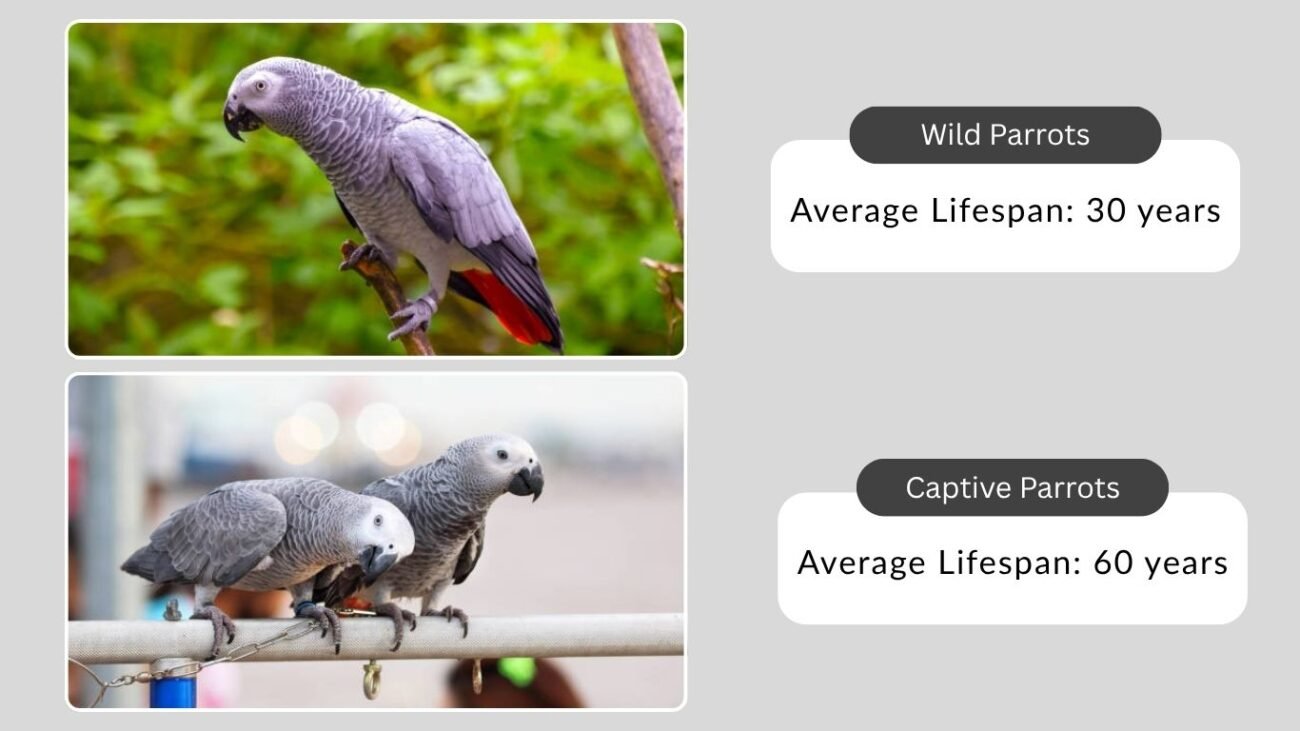
Wild Parrots
In the wild, parrots face unpredictable challenges. Predators, habitat destruction, and food scarcity often limit their life period. Most wild parrots live 40 %–50 % shorter than their captive counterparts. However, wild parrots experience the freedom of flight and natural foraging, which keeps them physically strong and mentally active. Their shorter lifespan results from environmental risk rather than poor health.
Captive Parrots
Captive parrots benefit from stable food supplies, safe surroundings, and medical care. With good handling and interaction, they often live decades longer than their wild relatives. For example, a wild African Grey may live 30 years, while one in captivity can reach 60 years or more. The key factor is mental health—parrots that experience neglect or isolation often develop depression, which can drastically reduce their life expectancy. A loving and interactive household keeps them healthy both emotionally and physically.
Signs of Aging in Parrots
Recognizing signs of aging helps owners provide the right care at each stage of life.
- Feathers may appear duller or thinner.
- Activity levels and playfulness decrease gradually.
- Appetite or favorite foods may change.
- Older parrots may prefer more rest and softer foods.
- Mobility can decline; wider perches and soft bedding reduce joint strain.
Providing gentle attention and modifying diet or perch height ensures senior parrots stay comfortable. Some elderly parrots remain alert and interactive well into their 50s or 60s, proving how nurturing environments prolong life.
Tips to Extend Your Parrot’s Life
- Balanced Diet: Combine pellets, fresh fruits, grains, and greens for complete nutrition.
- Daily Exercise: Allow flight or wing-stretching time to prevent obesity.
- Enrichment Toys: Rotate safe chew toys to stimulate curiosity.
- Social Interaction: Spend time talking and playing to strengthen bonds.
- Clean Environment: Maintain hygiene to prevent respiratory or bacterial issues.
- Regular Checkups: Schedule annual vet visits for preventive care.
- Stress Reduction: Keep a calm household—avoid loud noises and sudden changes.
Consistency is the secret to a long-living parrot. Meeting their physical and emotional needs helps them thrive well beyond the average lifespan.
Fun Facts About Parrot Longevity
- Some parrots can live longer than humans; a few recorded Macaws reached over 80 years.
- Parrots are emotionally intelligent—they recognize owners and express affection.
- Larger parrots tend to live longer because of slower metabolism and sturdy physiology.
- The oldest known Amazon parrot named Cookie lived for more than 80 years in captivity.
- Parrots in calm, loving homes live up to twice as long as those in stressful environments.
FAQs
What is the average life period of a parrot?
The lifespan of a parrot depends on its species. Small parrots like budgies live about 10 years, medium ones such as Ringnecks and Cockatiels 20–30 years, and large parrots like Macaws or African Greys 50–80 years. With proper diet and care, some even surpass a century.
How long do Indian parrots live?
Indian Ringneck parrots usually live between 20 and 30 years in captivity. Good nutrition, playtime, and a calm environment can extend their life further. In the wild, their lifespan averages 15–20 years because of predators and food shortages.
Why do parrots live longer in captivity?
Captive parrots enjoy steady food, clean habitats, and protection from natural threats. They also receive veterinary support and emotional companionship, all of which reduce stress and prolong life expectancy compared to wild parrots.
How long does a parrotfish live?
Parrotfish are colorful reef fish, not birds. They typically live 5–7 years in coral reef habitats. Their “beak-like” mouth inspired the name, but they share no biological link with parrots.
What can I do to make my parrot live longer?
Feed a varied diet, maintain hygiene, and interact daily. Provide safe toys, avoid toxic fumes, and keep regular vet visits. Emotional bonding, affection, and consistent routines are the real secrets behind a long, healthy parrot life.


