











Parrots are colorful, intelligent birds admired worldwide for their mimicry, charm, and curiosity. They belong to the Psittaciformes order and include species like macaws, parakeets, cockatoos, and African greys. Despite their similarities, each bird has unique traits in size, color, speech, and temperament. This article explores how parrots compare with other well-known bird species in personality, care, and intelligence.
Understanding Parrots
What Defines a Parrot
Parrots are known for their curved beaks and zygodactyl feet—two toes forward and two backward. These physical traits allow them to handle food skillfully and climb easily. They are among the most intelligent birds, capable of mimicking human speech and recognizing patterns. Their colorful plumage and playful personalities make them favorites as pets and study subjects.
Habitat and Distribution
Most parrots thrive in tropical and subtropical regions such as South America, Africa, and Australia. They inhabit rainforests, savannas, and woodlands where food sources like seeds, nuts, and fruits are plentiful. Wild parrots often live in flocks, relying on strong social bonds and communication calls to stay connected.
Macaw vs Parrot
Physical Appearance
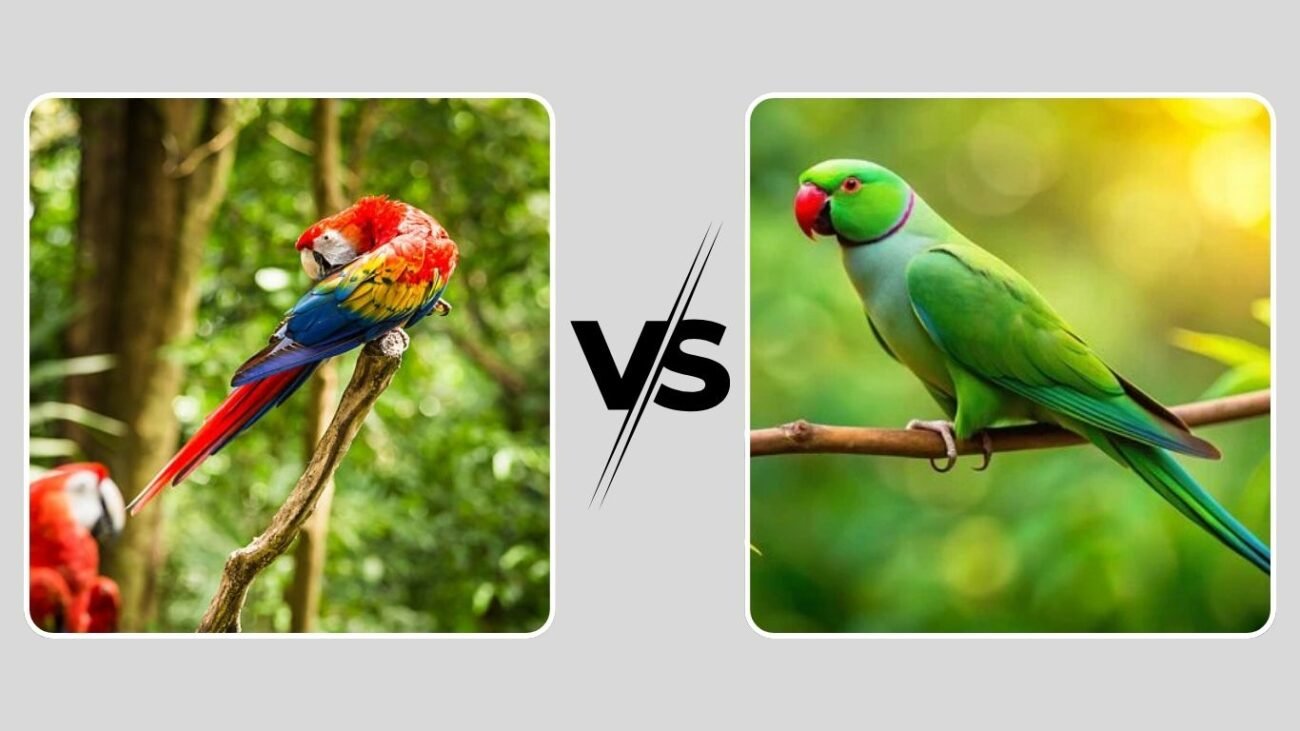
Macaws are among the largest members of the parrot family. They can grow up to 40 inches long, with vivid blue, red, and yellow feathers. While all macaws are parrots, not all parrots are macaws—many parrot species are smaller and less vividly colored. Macaws’ strong, curved beaks are ideal for cracking hard nuts and seeds.
Personality and Behavior
Macaws are affectionate and loyal but can be loud and demanding. They bond deeply with their owners, often displaying playful and curious behavior. Compared to smaller parrots, macaws require more space, attention, and mental stimulation. Their intelligence is remarkable, making them capable of learning tricks and understanding basic commands.
Care and Lifespan
Macaws can live up to 80 years, depending on diet and environment. Their care involves large enclosures, daily interaction, and a varied diet of fruits, vegetables, and pellets. In contrast, smaller parrots may live 20–40 years and adapt better to smaller living spaces.
Parakeet vs Parrot
Key Differences
Parakeets are small to medium-sized parrots, with the budgerigar (budgie) being the most common pet variety. They are colorful, social, and active but much quieter and less demanding than large parrots. While all parakeets are parrots, not all parrots qualify as parakeets. The main differences lie in their size, noise level, and ease of care.
Speech and Learning Ability
Parakeets are surprisingly talented mimics despite their small size. Males, in particular, can learn dozens of words and phrases. However, their voices are softer and less clear than those of larger species like African greys. Their intelligence shines through play and curiosity rather than problem-solving challenges.
Cockatoo vs Parrot
Appearance and Crest Feature
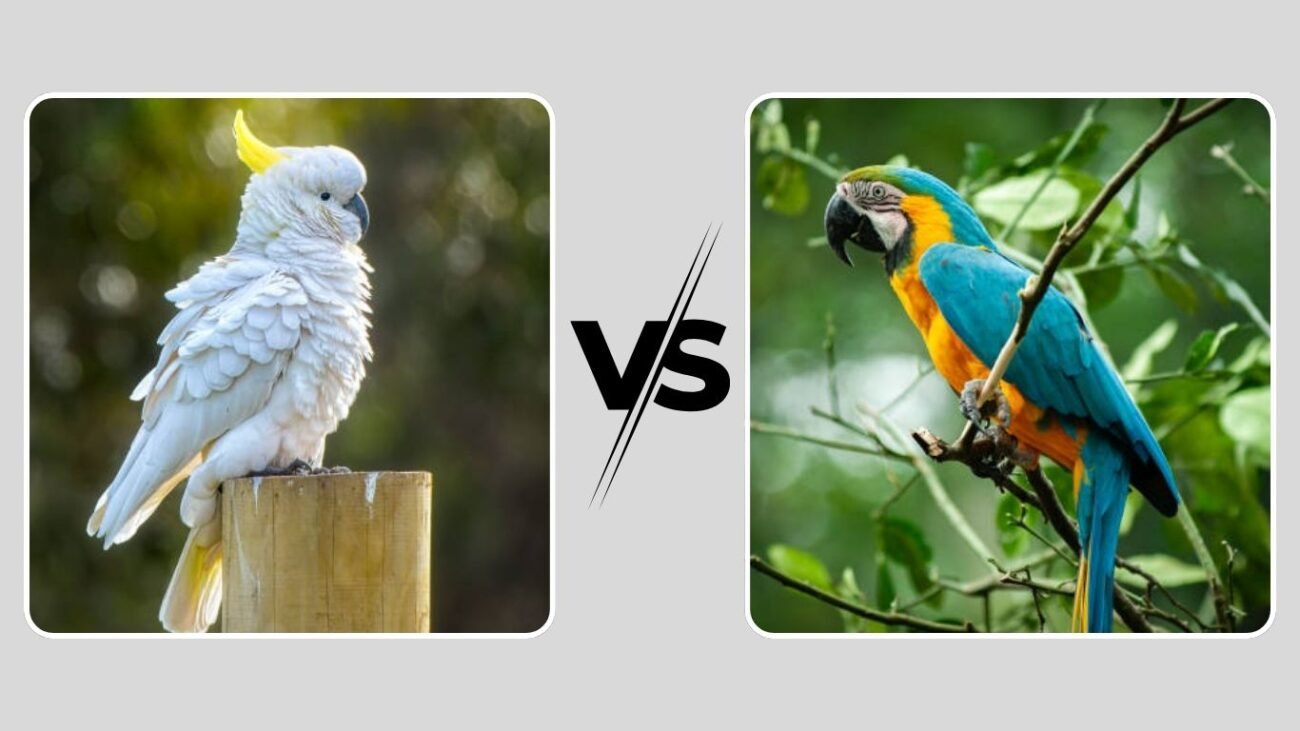
Cockatoos stand out with their expressive crests that rise and fall with mood. Unlike most parrots, cockatoos tend to have softer colors—white, pink, or gray. Parrots, by contrast, are famous for their vibrant greens, reds, and blues. Both share similar beak shapes and strong social tendencies.
Emotional Expression
Cockatoos are highly affectionate and crave constant attention. They are known as the “velcro birds” of the parrot family because of their emotional dependence on humans. Parrots, while friendly and social, often show greater independence and can self-entertain through toys and puzzles.
Toucan vs Parrot
Beak and Feeding Habits
Toucans and parrots are often compared due to their tropical origins and colorful appearance. However, their beaks differ significantly. The toucan’s large, hollow beak is designed for reaching fruit, while the parrot’s strong, curved beak can crack hard seeds and nuts. Toucans have a more specialized frugivorous diet, whereas parrots are omnivorous.
Social Structure and Intelligence
Parrots generally exhibit higher problem-solving abilities and stronger vocal mimicry. Toucans are more reserved, living in small flocks and relying on subtle communication sounds. While both birds are social, parrots tend to bond more closely with their human caretakers due to their interactive nature.
African Grey Parrot Comparisons
Timneh vs Congo
The African grey species splits into two subspecies: Congo and Timneh. The Congo is larger, with bright red tail feathers and lighter plumage. The Timneh is smaller, with darker feathers and a maroon tail. Both are exceptional talkers, though Timnehs often start speaking earlier and show calmer temperaments.
Male vs Female African Grey
Males and females appear nearly identical, though males are slightly larger with flatter heads. Personality-wise, males may be bolder, while females are often gentler and more cautious. Both are incredibly intelligent and require significant mental engagement to remain happy and healthy.
Parakeet, Quaker, and Conure Differences
Quaker Parrot vs Parakeet
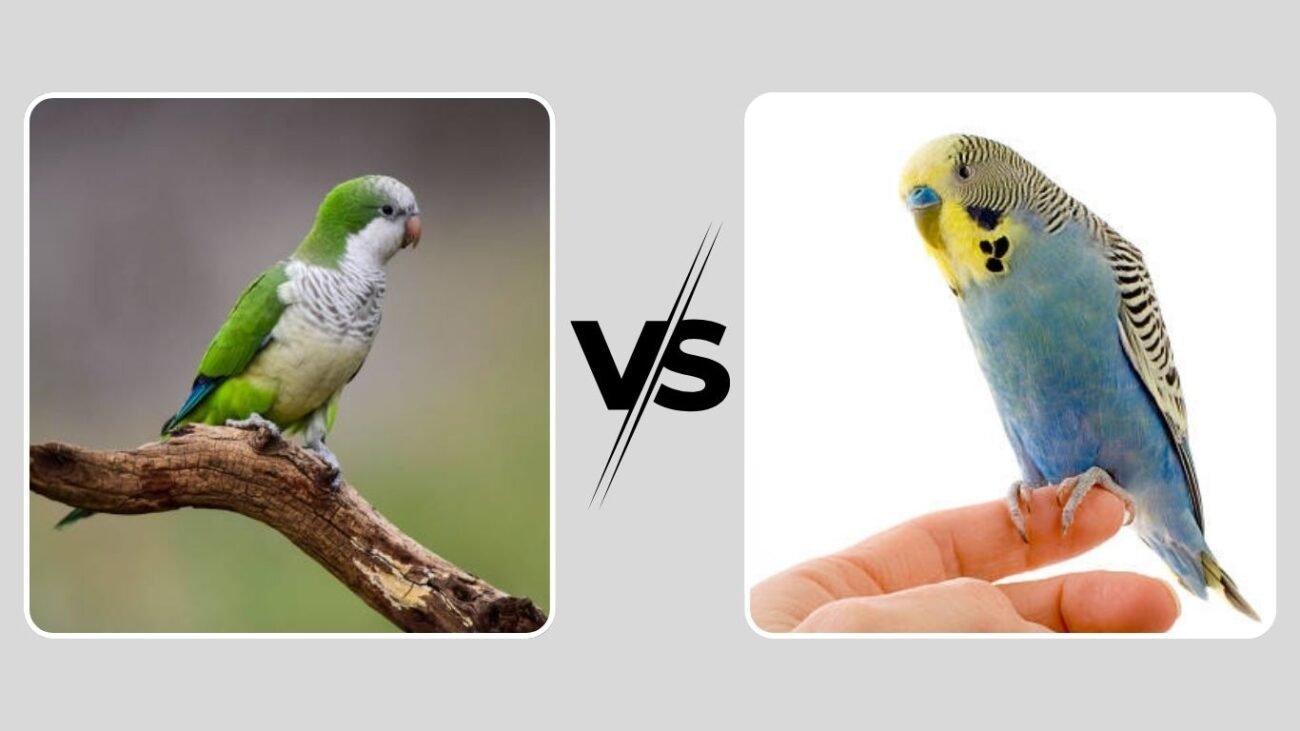
Quaker parrots (Monk parakeets) are medium-sized and known for their green plumage and blue flight feathers. They are louder and more talkative than budgerigars but less intense than large parrots. Parakeets are smaller, quieter, and easier to handle, making them ideal for beginners.
Conure vs Quaker Parrot
Conures are more playful and energetic, often described as “clowns” of the parrot world. Quakers, meanwhile, show remarkable speech abilities and form strong attachments to their owners. Conures may be slightly more colorful and require consistent social interaction to prevent boredom.
Ringneck and Alexandrine Comparisons
Indian Ringneck vs Alexandrine Parrot
The Indian Ringneck and Alexandrine Parrot are closely related but differ in size and temperament. Alexandrines are larger, with longer tails and a distinctive maroon patch on their wings. Indian Ringnecks are smaller and more slender but have stronger talking abilities. Both can develop impressive vocabularies when trained consistently.
African Ringneck vs Indian Ringneck
The African Ringneck is smaller with darker plumage and a calmer nature. Indian Ringnecks are brighter and more vocal, often showing greater independence. Both species thrive in interactive environments and are known for their sharp intelligence and charming personalities.
Parrots vs Parakeets: Overview
Key Similarities
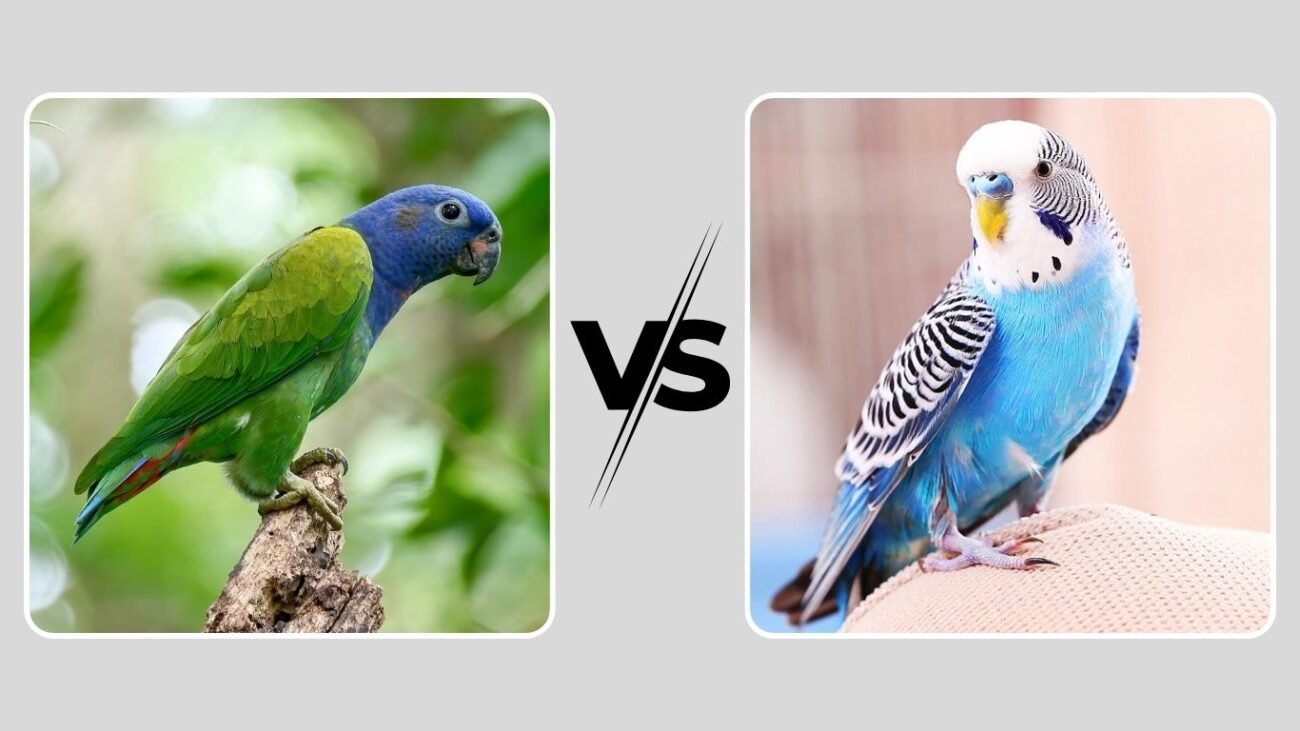
Parrots and parakeets share similar traits—they’re both intelligent, social, and capable of mimicry. They have curved beaks, vivid colors, and strong pair-bonding instincts. Their social behavior makes them excellent pets for people who can dedicate time to interaction and training.
Main Differences
The primary difference lies in their size and energy. Parakeets are smaller, easier to care for, and quieter, while larger parrots require more space and attention. Parrots also tend to have stronger beaks, longer lifespans, and broader vocabularies when trained for speech.
Intelligence and Communication in Parrots
Mimicry and Echolalia
Parrots possess exceptional vocal mimicry skills. They use a process called echolalia—repeating sounds they hear from humans or the environment. This ability doesn’t mean they understand language as humans do, but African Greys and some Amazon parrots can associate words with meanings. Their mimicry showcases both intelligence and social awareness.
Problem-Solving and Emotion
Studies show parrots have problem-solving capabilities similar to young children. They can recognize shapes, colors, and even count objects. Emotional intelligence also sets them apart—many parrots show affection, jealousy, and empathy toward owners. They thrive on positive reinforcement and mental challenges.
Comparison Table
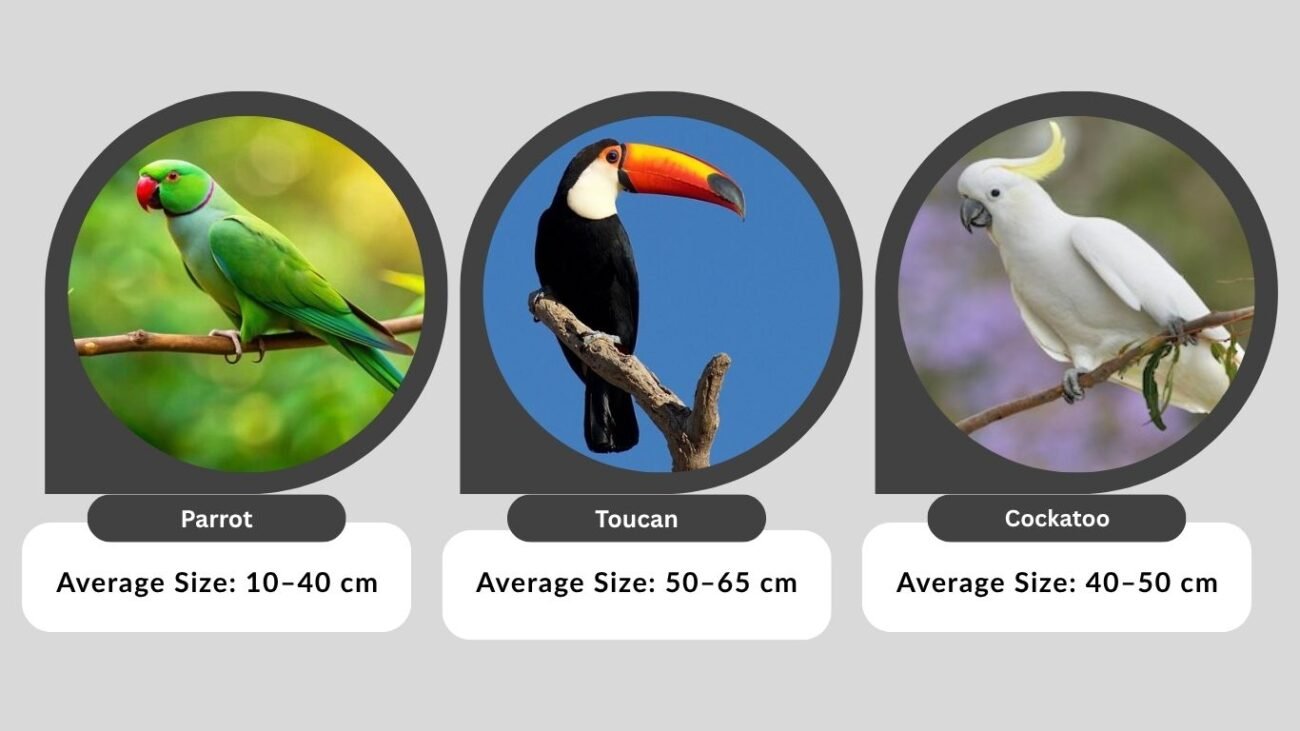
| Bird Type | Average Size | Lifespan | Talking Ability | Personality | Best For |
| Parrot | 10–40 cm | 20–60 years | Excellent | Curious, Social | Experienced owners |
| Macaw | 80–100 cm | 30–80 years | Moderate | Loyal, Loud | Large homes |
| Parakeet | 18 cm | 10–15 years | Good | Playful, Gentle | Beginners |
| Cockatoo | 40–50 cm | 40–70 years | High | Affectionate, Demanding | Attention seekers |
| Toucan | 50–65 cm | 15–25 years | Low | Calm, Exotic | Bird enthusiasts |
Care and Training Tips
Socialization
Parrots are flock animals, so social interaction is vital for their well-being. Regular handling, talking, and playtime strengthen trust. A lonely parrot may become anxious or develop feather-plucking habits. Introducing new toys and rotating them weekly keeps the bird mentally stimulated.
Dietary Requirements
A balanced diet includes pellets, seeds, fruits, and vegetables. Avoid feeding chocolate, avocado, or caffeine as these are toxic to parrots. Larger species like macaws need more nuts and protein, while smaller parrots benefit from fresh greens and limited seed intake.
Training Techniques
Positive reinforcement works best for training parrots. Start with simple commands like “step up” before moving to speech or tricks. Keep sessions short—5 to 10 minutes—to prevent boredom. Use verbal praise and small treats to reward progress and encourage bonding.
FAQs
What’s the smartest parrot species?
The African Grey Parrot is considered the most intelligent. It can understand context, mimic voices with precision, and solve puzzles. Their emotional depth allows them to bond strongly with humans, making them both fascinating and demanding pets.
Are macaws considered parrots?
Yes, macaws are part of the parrot family. They are known for their large size, colorful feathers, and loud calls. While they share many traits with other parrots, macaws require significantly more attention and space due to their social nature and intelligence.
Which bird talks the most clearly?
African Greys have the clearest and most human-like speech. Indian Ringnecks and Amazon parrots also speak well but may have higher-pitched voices. With daily practice and patient training, even smaller species like parakeets can develop clear mimicry skills.
What’s the easiest parrot to train?
Parakeets and Quaker parrots are among the easiest to train. Their small size, gentle temperament, and eagerness to interact make them ideal for beginners. They quickly pick up words and enjoy simple games that involve movement and repetition.
Which parrot species lives the longest?
Macaws and Cockatoos can live between 60 and 80 years with proper care. African Greys usually live around 50 years, while smaller parrots like budgerigars have shorter lifespans of 10–15 years. A healthy diet and mental stimulation contribute to longer lives.


