











Florida is a paradise for bird lovers, and among its most captivating residents are herons — tall, elegant wading birds often seen stalking the shallows of lakes, rivers, and coastal wetlands. Their graceful posture, slow movements, and sharp hunting skills make them one of the state’s most iconic wildlife symbols.
From the majestic Great Blue Heron to the rare Great White Heron of the Florida Keys, these birds thrive in every corner of the Sunshine State. Florida’s unique mix of wetlands, mangroves, and beaches provides perfect year-round habitats for several heron species.
In this guide, we’ll explore the herons of Florida, the most common species you can spot, their favorite habitats, and the best places to see them up close.
Why Florida Is a Heron Paradise
Perfect Habitat and Climate
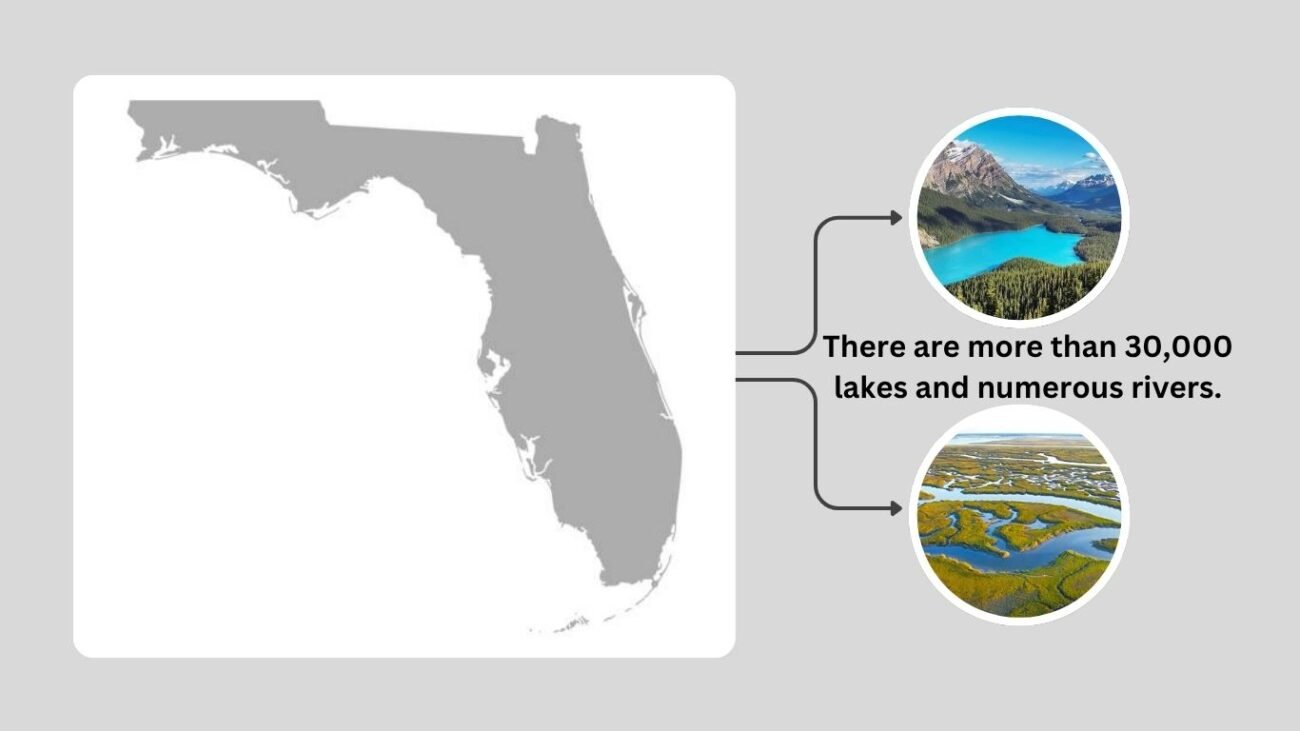
Florida’s mild, subtropical climate makes it a haven for waterbirds. With over 30,000 lakes, countless rivers, and vast coastal wetlands, herons never run out of hunting grounds. The state’s mix of freshwater and saltwater ecosystems allows different heron species to coexist — from the marshes of the Everglades to the tidal flats of the Gulf Coast.
These habitats are filled with small fish, frogs, crustaceans, and insects — the heron’s favorite foods. Whether perched quietly along a canal or flying over a mangrove forest at dusk, herons are a constant part of Florida’s landscape.
Herons and Egrets — Florida’s Wading Bird Family
Herons belong to the Ardeidae family, which also includes egrets and bitterns. Many people confuse herons and egrets because of their similar shape and hunting style, but the main difference lies in coloration and size.
- Herons: Typically blue-gray or brown in color; larger in size.
- Egrets: Usually pure white, with longer, delicate plumes.
Florida is home to more than eight native heron species, along with several visiting and migratory types. Together, they form one of the most diverse and photogenic bird populations in the U.S.
Common Heron Species Found in Florida

Great Blue Heron (Ardea herodias)
The Great Blue Heron is Florida’s largest and most recognizable heron — a true symbol of wetland life. Standing up to 4.5 feet tall with a wingspan reaching 6 feet, this elegant bird can be found nearly everywhere in the state.
It thrives in freshwater and saltwater habitats, including marshes, canals, lakes, and coastal inlets. You might spot it hunting silently in the Everglades, nesting in tall trees near Heron Creek Golf & Country Club, or feeding along the edges of Blue Heron Bridge.
The Great Blue Heron is a year-round resident of Florida, so you can see it in every season. Its slow, deliberate movements and lightning-fast strikes make it a master hunter — capable of catching fish, frogs, and even small snakes.
Great White Heron (Ardea herodias occidentalis)
Unique to South Florida and the Florida Keys, the Great White Heron is a rare color morph of the Great Blue Heron. It’s larger, paler, and found primarily in saltwater habitats such as mangroves, coastal lagoons, and shallow flats.
Unlike the Great Blue Heron, the Great White Heron is found nowhere else in the continental United States, making it a prized sighting for birdwatchers. It is often mistaken for a Great Egret, but can be distinguished by its yellowish legs, thicker neck, and heavier build.
This heron symbolizes the wild, untouched beauty of the Florida Keys and remains an emblem of Florida’s coastal conservation efforts.
Little Blue Heron (Egretta caerulea)
The Little Blue Heron is a smaller, quieter cousin of the Great Blue Heron. Adults have elegant slate-blue feathers, while juveniles are pure white — often confusing observers who mistake them for Snowy Egrets.
This species thrives in marshes, ponds, and flooded fields across central and southern Florida. They prefer calmer waters and often hunt in solitude, wading slowly while watching for fish or insects.
Little Blue Herons are common in places like Herons Glen (North Fort Myers), Corkscrew Swamp Sanctuary, and Merritt Island National Wildlife Refuge. Though smaller than their larger relatives, they play an important role in Florida’s wetland ecosystem.
Tricolored Heron (Egretta tricolor)
Among the most colorful of Florida’s herons, the Tricolored Heron features a striking blend of blue-gray, white, and reddish-brown feathers. Agile and active, it can often be seen darting through shallow waters or lunging quickly after prey.
Tricolored Herons are common along Florida’s coasts, especially in tidal flats, lagoons, and mangrove estuaries. They’re frequent residents of the Everglades and Wakodahatchee Wetlands. Unlike other herons that prefer solitude, Tricolored Herons often feed near other wading birds, showing less territorial behavior.
Green Heron (Butorides virescens)
The Green Heron may be small, but it’s one of Florida’s most fascinating bird species. With its chestnut neck, dark green back, and short legs, it’s often spotted lurking quietly along backyard ponds, creeks, and ditches.
This clever heron is known for its tool-using behavior — dropping twigs, feathers, or insects on the water’s surface to lure fish closer. Found across Florida, especially in North and Central Florida, the Green Heron adapts easily to suburban areas and is often seen near golf course ponds or canal edges.
Black-Crowned and Yellow-Crowned Night Herons
Two of Florida’s most secretive herons are the Black-Crowned Night Heron and the Yellow-Crowned Night Heron. Unlike most herons that hunt during the day, these species are nocturnal feeders, making them a rare treat for early risers and evening birders.
The Black-Crowned Night Heron is short and stocky, with red eyes and a black crown that contrasts against its gray body. It’s found in wetlands, mangrove edges, and coastal lagoons, particularly in South Florida.
The Yellow-Crowned Night Heron prefers crab-rich mangrove swamps and tidal creeks, where it uses its sturdy bill to crack crustacean shells. Common in the Everglades and along the Gulf Coast, this species is known for its striking yellow crown and slow, deliberate movements at dusk.
White, Gray, and Rare Herons of Florida
Great Egret vs. Great White Heron
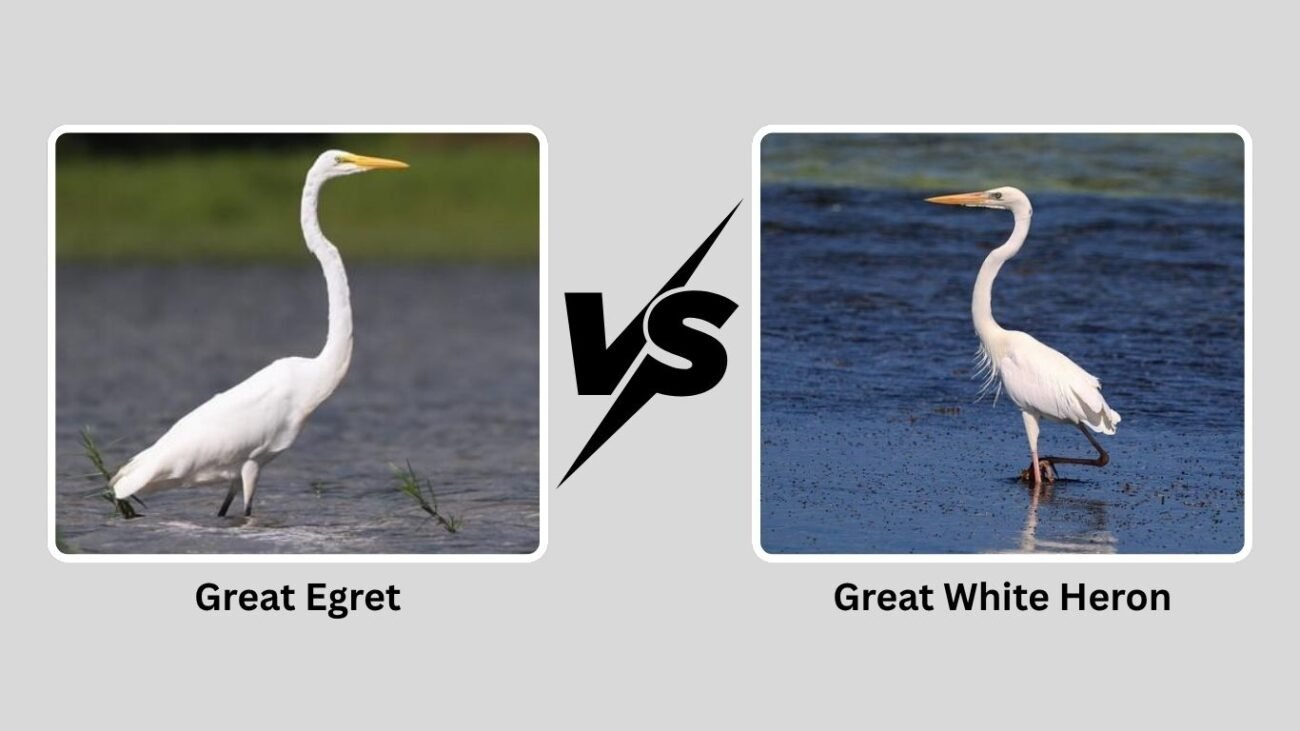
Florida’s wetlands are home to both the Great Egret and the Great White Heron, two elegant but often confused white birds.
The Great Egret is slimmer, with black legs and a long yellow bill. It’s found throughout Florida, often alongside herons and ibises in freshwater marshes. The Great White Heron, however, is much larger, has pale yellow-gray legs, and is found only in southern coastal areas and the Florida Keys.
Spotting both in the same area offers a fascinating glimpse into Florida’s avian diversity — two birds that look similar yet represent very different species stories.
Gray and Black Herons
The Gray Heron, common in Europe and Asia, occasionally makes its way to Florida as a rare visitor. It resembles the Great Blue Heron but is lighter in color. The Black Heron, an African species known for using its wings as a canopy to hunt fish, is not native but sometimes seen in captivity or sanctuaries.
While these sightings are rare, they show Florida’s role as a migration crossroads for wading birds from around the world.
Best Places to See Herons in Florida
Natural Parks and Wetlands
Florida offers some of the best heron-watching locations in North America.
- Everglades National Park – A world-famous heron habitat where Great Blue, Tricolored, Green, and Night Herons nest and feed year-round.
- Merritt Island National Wildlife Refuge – Near the Space Coast, this refuge attracts Great Blue, Little Blue, and Snowy Egrets in abundance.
- Corkscrew Swamp Sanctuary (Naples) – Ideal for spotting Little Blue and Green Herons amid towering cypress trees.
- Wakodahatchee Wetlands (Delray Beach) – One of Florida’s most accessible boardwalk wetlands with nesting Great Blues and Tricolored Herons visible at close range.
Coastal and Urban Hotspots
Herons are equally at home in urban areas where water and food are plentiful.
- Blue Heron Bridge (Riviera Beach) – Famous for birdwatching and underwater photography, this area attracts both Great Blue and Little Blue Herons.
- Heron Bay (Parkland & Coral Springs) – A residential community with lakes and golf courses that draw daily heron visitors.
- Herons Glen (North Fort Myers) – A golf community surrounded by canals and wetlands, frequented by Great Egrets and Little Blues.
- Wild Heron (Panama City Beach) – A nature-rich neighborhood near Lake Powell, home to various wading birds.
Resorts and Places Named After Herons
Herons are so iconic in Florida that many hotels, communities, and golf courses bear their name.
- Blue Heron Beach Resort (Orlando) – A lakeside resort on Lake Bryan where Great Blue Herons often fish near the docks.
- Blue Heron Inn (Indian Rocks Beach & Key West) – Serene coastal retreats named for the elegant bird.
- Heron House (Key West & Largo) – Boutique accommodations celebrating local wildlife.
- White Heron Golf Club (Davenport) – Known for fairways lined with wading birds and wetland ponds.
Herons and People — Coexistence in Florida
Herons in Neighborhoods
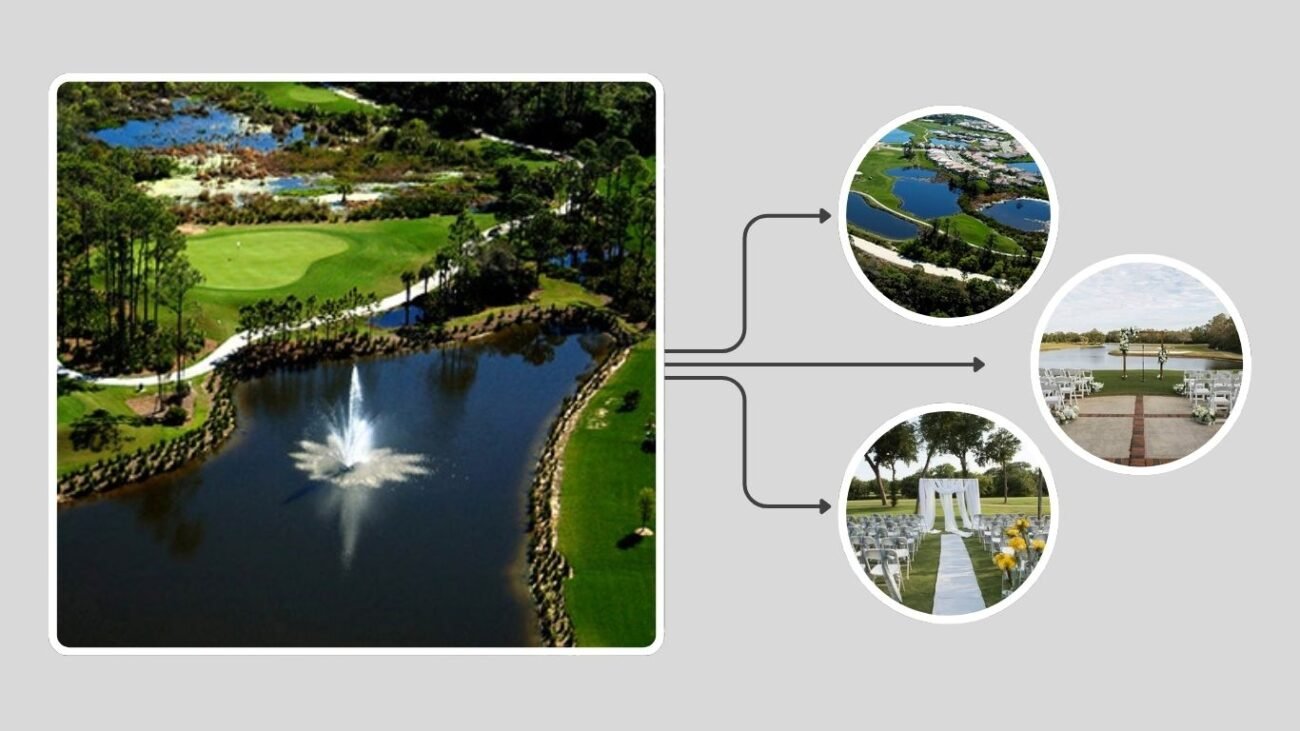
Herons have adapted remarkably well to living alongside humans. In Florida’s suburban areas, they are a common sight in backyard ponds, golf course lakes, and community canals. These birds are often fearless, standing motionless just feet away from people as they fish.
Communities like Heron Bay and Heron Creek Golf & Country Club even embrace them as unofficial mascots, symbolizing harmony between wildlife and modern living.
Conservation Challenges
Despite their adaptability, herons face serious challenges. Rapid urban growth and water pollution threaten Florida’s wetlands. Fishing lines, plastic waste, and habitat loss are common hazards for these birds.
Conservation programs led by groups like Audubon Florida, the Florida Fish and Wildlife Conservation Commission (FWC), and local sanctuaries focus on wetland restoration and public awareness. Thanks to these efforts, heron populations in many areas have remained stable.
Fun Facts About Florida’s Herons
- Florida is home to over eight native heron species, making it one of the richest states for wading birds.
- The Great Blue Heron can stand over 4 feet tall and has a wingspan of up to 6.5 feet.
- The Great White Heron is found nowhere else in the continental U.S.
- Herons can fly up to 30 miles a day between nesting and feeding sites.
- Some heron colonies (called heronries) contain hundreds of nests clustered in tall trees over the water.
These facts highlight how vital Florida’s environment is for sustaining not only herons but countless other wetland creatures.
Why Protecting Florida’s Herons Matters
Herons are more than just beautiful birds — they’re key indicators of environmental health. Their presence reflects clean water, thriving fish populations, and balanced ecosystems. When herons disappear from an area, it often signals pollution or habitat loss.
Protecting wetlands ensures survival for all species that depend on these environments. Every pond, marsh, and mangrove matters — not just for herons, but for alligators, turtles, amphibians, and thousands of fish species that share their homes.


