











Herons are among nature’s most skilled fish hunters, known for their patient stance and lightning-fast strikes. Found near lakes, rivers, and coastal wetlands, these elegant birds rely heavily on fish for survival. Each heron species has developed its own unique fishing techniques — from the Great Blue Heron’s still-water stalking to the Green Heron’s creative use of bait. Let’s explore how these fascinating birds fish and their deep connection to human fishing culture.
Overview of Herons and Fishing Behavior
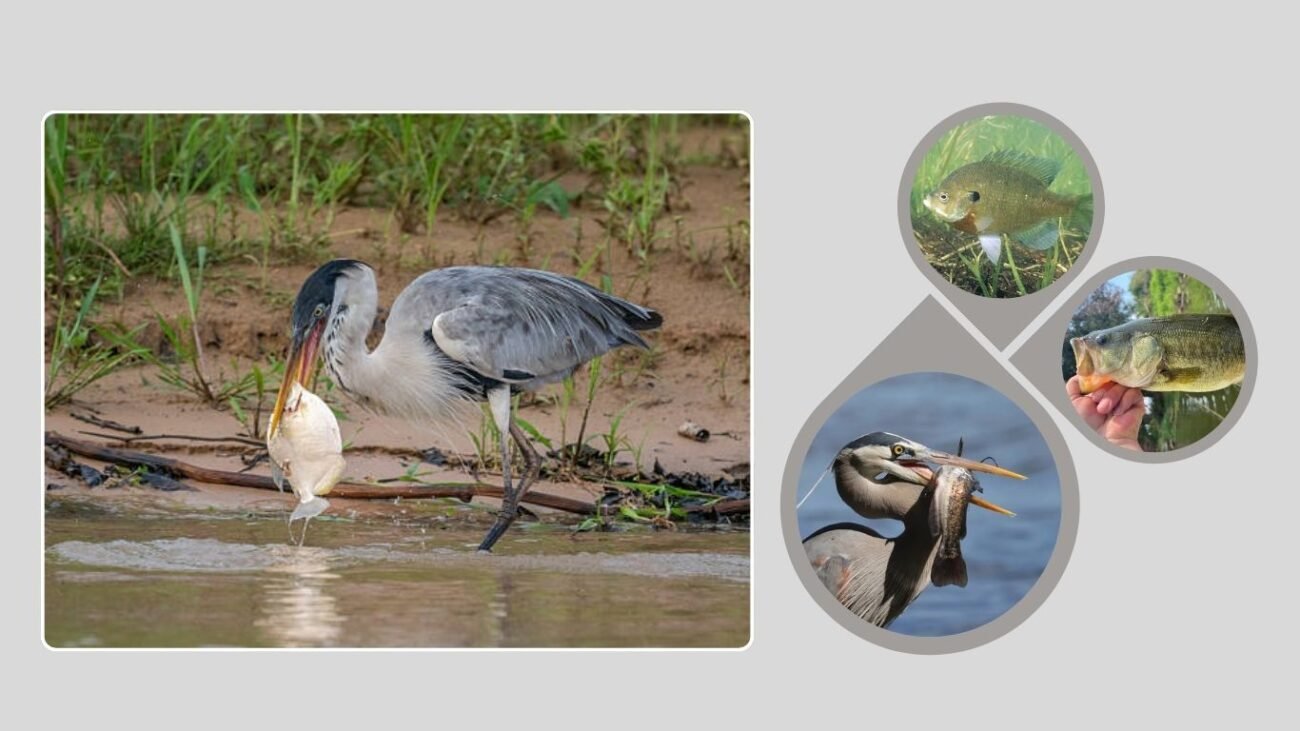
Heron Hunting Instincts
Fishing is instinctive for herons. Their long legs and dagger-shaped bills are perfectly adapted for shallow water hunting. A heron stands motionless, waiting for the slightest movement before striking with incredible precision. This stealth-based method minimizes energy use while maximizing success — a survival trait perfected over centuries. The patience herons exhibit has even made them symbols of focus and stillness in many cultures.
Habitats and Distribution
Herons can be found on every continent except Antarctica. They thrive in wetlands, riverbanks, estuaries, and lakes where fish are plentiful. Coastal species like the Great Blue Heron favor saltwater marshes and mangroves, while Green Herons prefer small freshwater ponds and creeks. These adaptable birds adjust their feeding behavior based on available food sources and environmental conditions.
Do Herons Eat Fish?
Diet and Prey Variety
Yes — fish make up the majority of a heron’s diet, but they’re opportunistic feeders. They also consume frogs, shrimp, snakes, insects, and small mammals. Species like the Great Blue Heron and Grey Heron can swallow surprisingly large fish, sometimes up to a third of their body length. In urban ponds, herons are known to target ornamental fish such as koi and goldfish, making them both admired and resented by pond owners.
Feeding Methods
Herons rely on stealth and patience. They move slowly through the shallows, freezing mid-step to avoid startling prey. Once within range, they strike with lightning speed, using their sharp bills like spears. After catching a fish, they skillfully flip it headfirst to swallow it whole. This ensures the fins don’t get caught in their throat. Their excellent vision, even in low light, allows some species to fish effectively at dawn, dusk, or even at night.
Species-Specific Fishing Styles
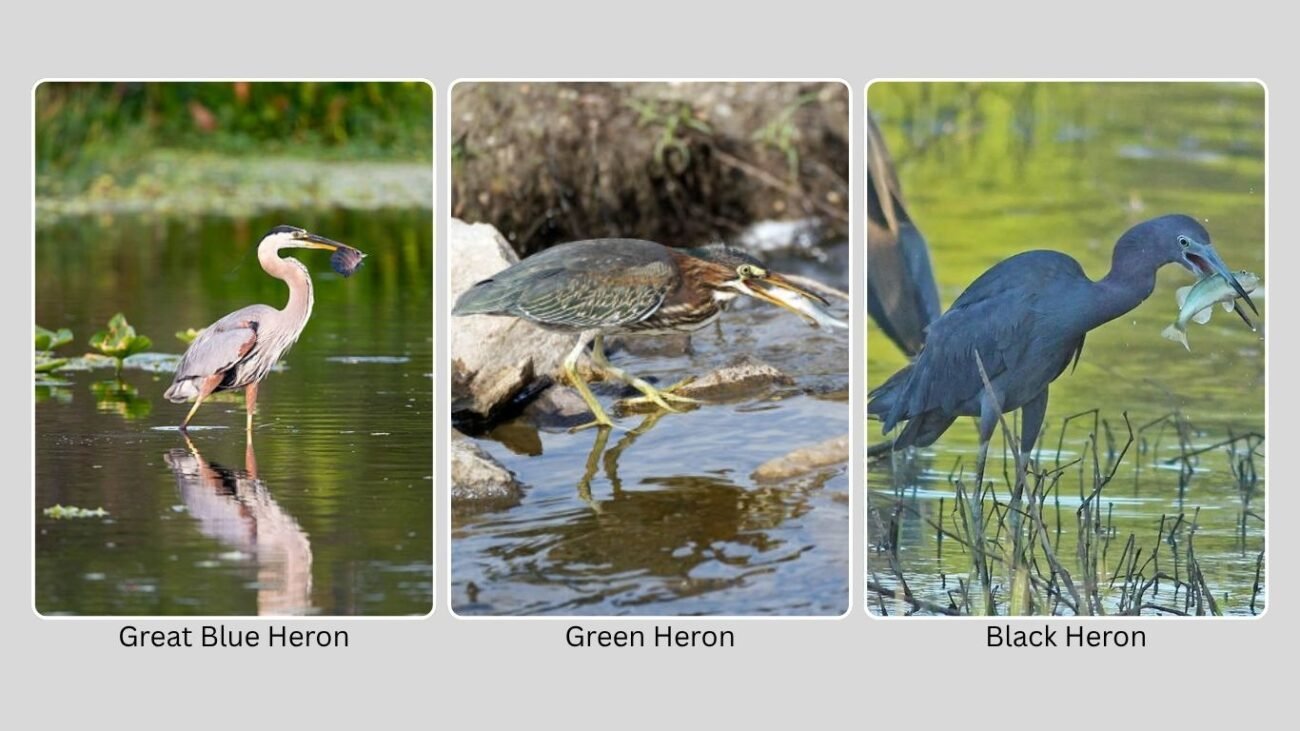
Great Blue Heron
The Great Blue Heron is North America’s largest and most recognized heron. Standing over four feet tall, it uses a slow, deliberate approach while hunting. It often remains perfectly still for minutes before lunging forward to snatch a fish. Great Blue Herons are powerful enough to catch catfish, perch, and even small carp. These birds can be seen wading along shorelines or perched on docks, scanning the water patiently for movement.
Green Heron
The Green Heron demonstrates remarkable intelligence and problem-solving ability. Unlike most birds, it uses tools to catch fish — dropping insects, feathers, or even bits of bread onto the water’s surface to lure prey within striking range. This behavior, known as “bait fishing,” showcases an advanced level of cognition rare among avian species. Green Herons typically inhabit small ponds and marshes, where their compact size allows them to maneuver easily in tight spaces.
Black Heron
The African Black Heron uses one of the most fascinating hunting techniques in the bird world — “umbrella fishing.” It spreads its wings in a circular canopy, creating shade that attracts small fish seeking shelter. Once the fish swim under the shadow, the heron strikes. This behavior not only helps the heron see better by blocking sunlight but also deceives its prey. It’s a brilliant example of natural adaptation and strategy.
Fishing Behavior and Strategies
Techniques Across Species
Herons employ different strategies depending on their environment.
| Technique | Description | Example Species |
| Stalking | Slow walking through water to ambush fish | Great Blue Heron |
| Canopy Feeding | Using wings to create shade | Black Heron |
| Bait Fishing | Dropping objects to attract prey | Green Heron |
| Spearing | Quick, direct strike into water | Grey Heron |
These techniques allow herons to thrive in varied habitats, from mangrove swamps to backyard ponds. Each method demonstrates the bird’s ability to adapt and innovate.
Time and Conditions for Fishing
Herons are primarily crepuscular hunters, meaning they feed during early morning and late evening. This timing gives them an advantage when light levels are low and fish are closer to the surface. Some herons, like the Great Blue, even fish under moonlight. Their ability to remain perfectly still helps them hunt efficiently, even in windy or murky conditions.
Herons and Human Fishing Connections
Blue Heron Fishing Charters
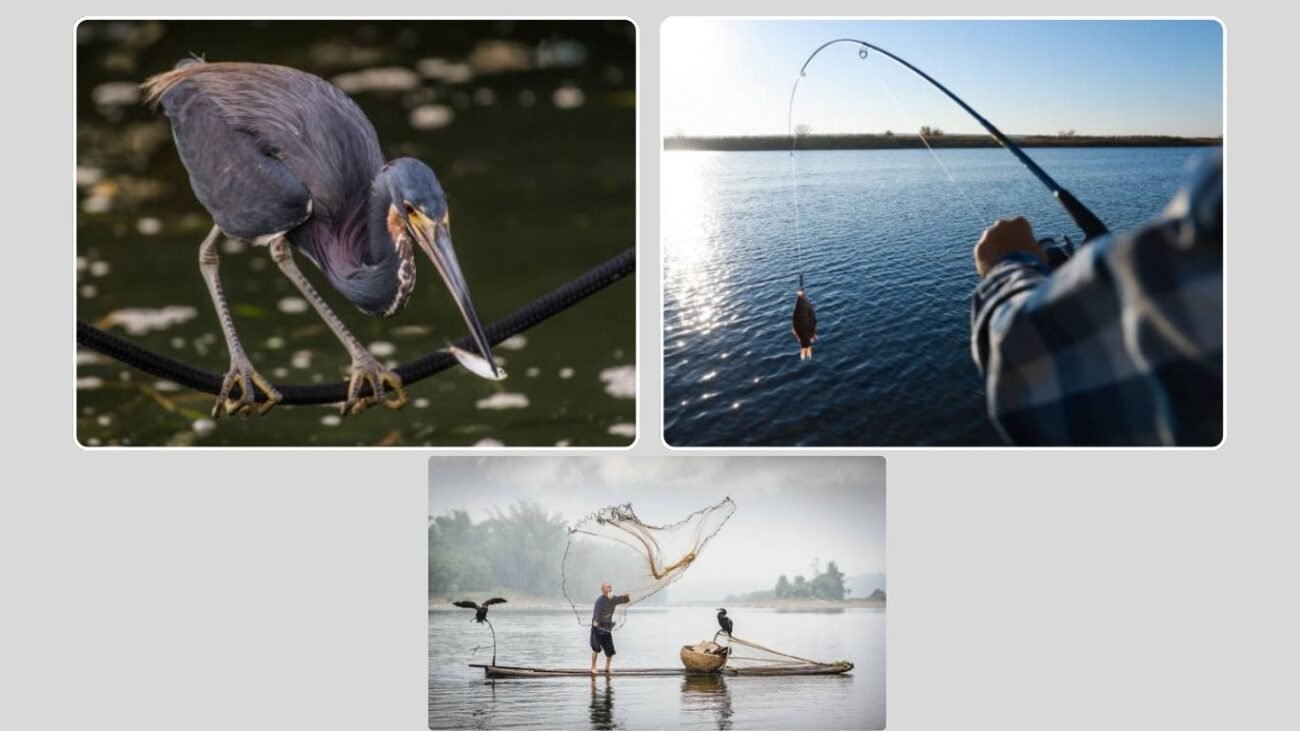
The heron’s image as a patient, successful hunter has inspired many fishing-related businesses, particularly in Florida. Companies like Blue Heron Fishing Charters in Jupiter and Riviera Beach are named after the bird, symbolizing precision and expertise. These charters specialize in deep-sea and drift fishing, offering anglers the chance to catch snapper, grouper, and other coastal species. Just as herons wait for the perfect strike, charter fishers rely on timing, patience, and skill for success.
Heron Lake and Park Fishing
Several lakes and parks across the United States — such as Heron Lake in New Mexico and Blue Heron Lake in Michigan — are popular fishing destinations. These areas are home not only to sport fish like trout and bass but also to herons that thrive along their shores. Birdwatchers and anglers often share these spaces, enjoying the sight of herons gliding above the water or patiently waiting for their next meal.
Herons and Backyard Fish Ponds
Challenges for Pond Owners
While herons are admired for their grace and skill, they can cause frustration for pond owners. These birds are opportunistic and quickly discover easy meals in backyard fish ponds. A single heron visit can result in missing koi, goldfish, or other ornamental species. Their ability to stand silently for long periods makes them nearly invisible until it’s too late, and they can return repeatedly once they’ve found a reliable food source.
Prevention and Protection
Protecting fish ponds from herons requires strategic deterrents rather than harm. Installing pond netting or mesh barriers is one of the most effective methods. Motion-activated sprinklers or reflective surfaces like garden mirrors can startle herons away. Stretching fishing lines in a crisscross pattern over the pond also disrupts their landing space. Providing deeper water zones gives fish a place to hide, minimizing losses while maintaining a natural pond environment.
Heron Fishing in Action
Observation Tips
Watching a heron fish is a mesmerizing experience for nature enthusiasts. To spot one, look for tall, still figures along the shoreline at dawn or dusk. Herons move with extreme patience, often freezing for several minutes before striking. When photographing them, avoid getting too close — sudden movement can cause them to abandon a hunt. A zoom lens allows photographers to capture these birds mid-strike, revealing their precision and power in detail.
Fascinating Behaviors
Herons display a range of ingenious feeding behaviors. The Great Blue Heron is capable of swallowing fish larger than its neck diameter by repositioning them carefully before consumption. The Green Heron’s baiting technique, where it drops twigs or bread crumbs into the water, demonstrates remarkable intelligence. Meanwhile, the Black Heron’s umbrella fishing showcases one of nature’s most creative hunting adaptations. These behaviors reflect not only physical skill but also problem-solving ability, rarely seen in birds.
Human Appreciation and Conservation
Symbolism in Culture
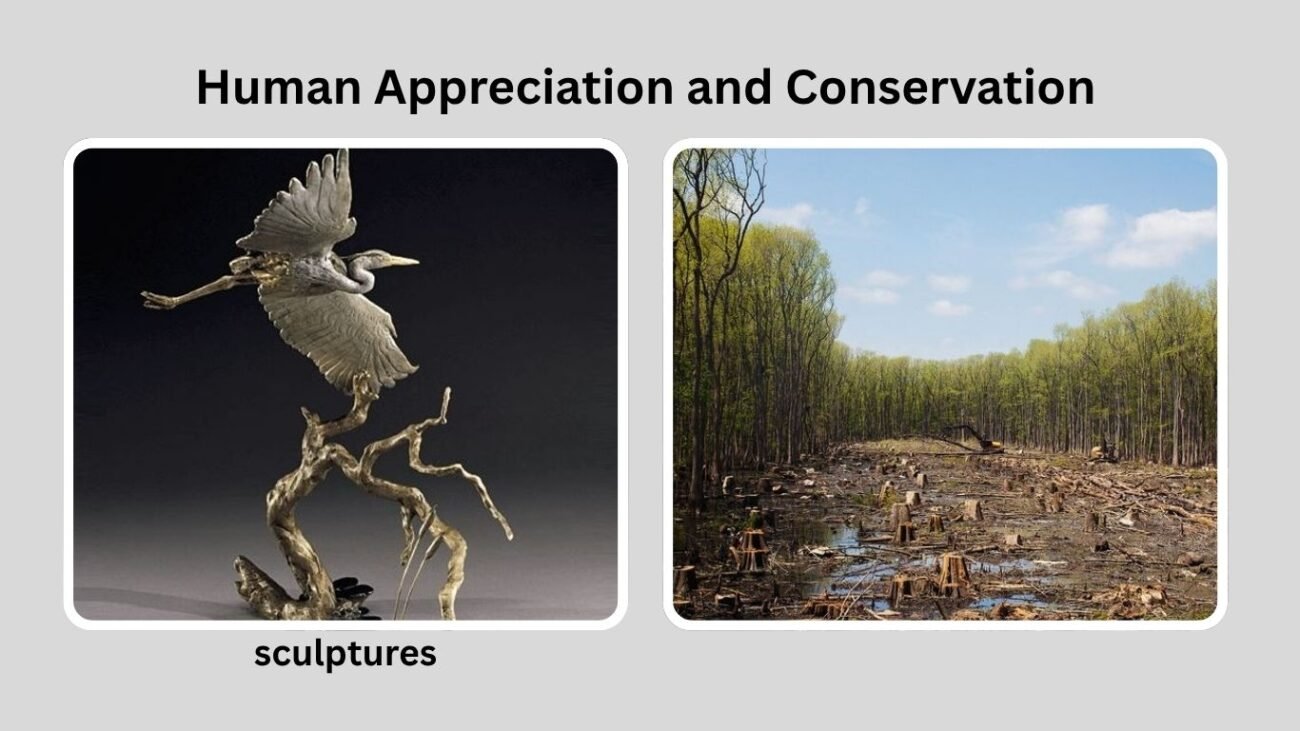
Herons have long been symbols of patience, precision, and balance. In many cultures, they represent stillness, focus, and self-reliance — traits admired by both fishermen and naturalists. In Japanese art, herons often appear as symbols of purity and perseverance. In Native American traditions, they are seen as messengers of wisdom, teaching the value of observation before action — much like their behavior while hunting fish.
Conservation Importance
As wetland inhabitants, herons depend on healthy aquatic ecosystems. Habitat loss due to urban development, pollution, and declining fish populations threatens their survival in many regions. Conservation efforts such as wetland restoration and the establishment of wildlife refuges — like the Great White Heron National Wildlife Refuge in Florida — are crucial for preserving these elegant hunters. By protecting wetlands, we also safeguard countless other species that share their habitat.
Heron Fishing Reports and Charters in Florida
Regional Highlights
In Florida, Blue Heron Fishing Charters operate from locations like Jupiter, Riviera Beach, and West Palm Beach. These charter services draw inspiration from the heron’s precision and timing. Anglers enjoy drift and deep-sea fishing adventures targeting local species like snapper, grouper, and mackerel. Many trips also offer sightings of real herons along the shoreline — a fitting reminder of the bird’s natural mastery of fishing.
Community and Experience
The connection between herons and human fishing traditions is symbolic and practical. Herons embody the same patience and awareness that successful anglers must develop. Charter companies often highlight the heron as their emblem to represent these shared values. Beyond the sport, these excursions promote respect for marine life, coastal preservation, and the artistry of fishing — both human and avian.
FAQs
Do all herons eat fish?
Yes. Fish make up the bulk of a heron’s diet, but they also consume frogs, insects, and small mammals. Their diet varies depending on location, season, and available prey. Large species like the Great Blue Heron primarily target medium-sized fish in shallow waters.
How do Green Herons use bait to fish?
Green Herons are one of the few bird species that use tools. They drop insects, twigs, or even bits of bread into the water to attract fish. When a curious fish approaches, the heron quickly strikes — a behavior that showcases their intelligence and adaptability.
Can herons eat large fish?
Absolutely. Herons have flexible necks and expandable throats that allow them to swallow surprisingly large prey. They reposition the fish headfirst before swallowing to prevent fins from catching in their throat — a strategy that enables them to eat fish nearly half their body length.
How can I protect my pond from herons?
Use pond netting, floating deterrents, or motion-activated sprinklers. You can also install a shallow fence or string fishing lines over the pond to block access. Ensuring deeper pond areas gives fish safe hiding spots without harming or scaring the herons unnecessarily.
Where can I see herons fishing in the U.S.?
Herons can be found throughout the country, but some of the best viewing locations include Heron Lake in New Mexico, Blue Heron Lake in Michigan, and coastal areas of Florida. Early mornings or late evenings near marshes and lakes offer the best chance to see them in action.


