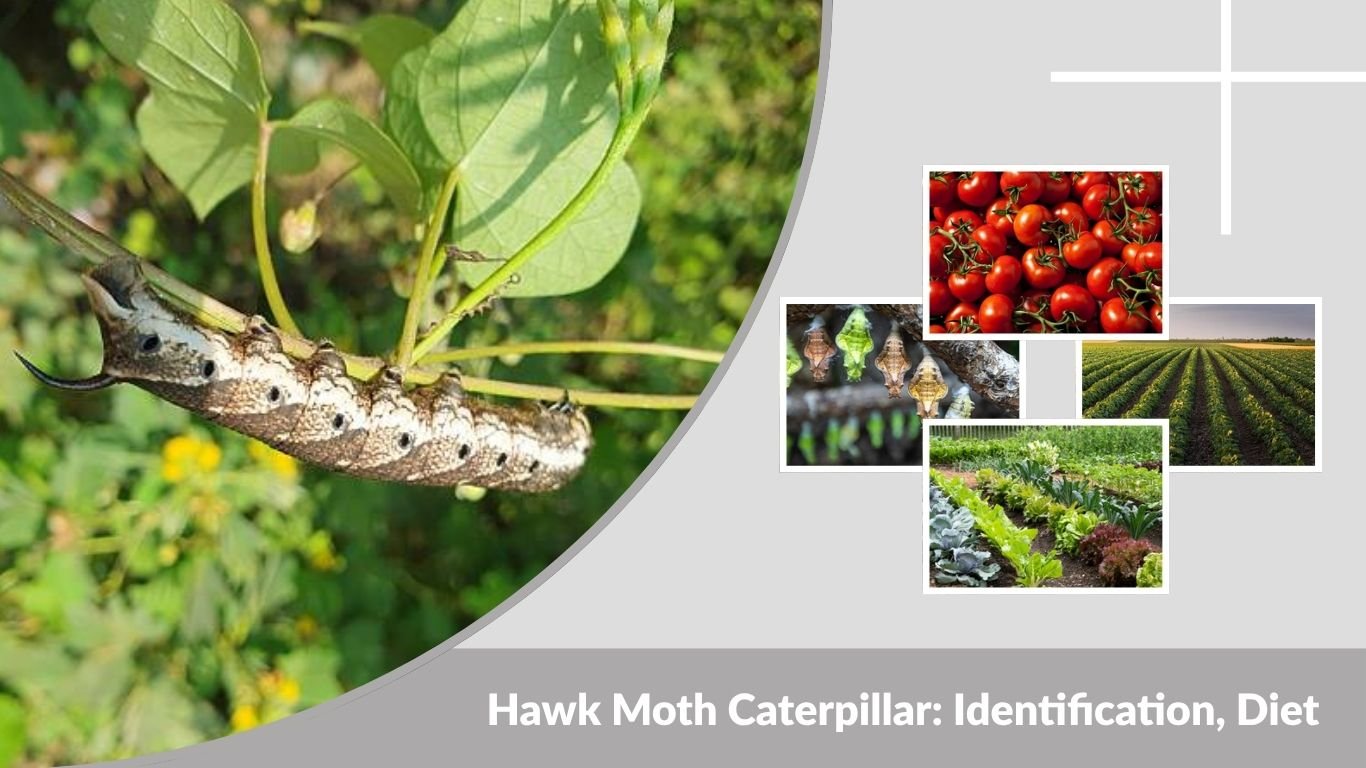
The hawk moth caterpillar is one of the most fascinating and easily recognizable larvae in the insect world. Known for its large size and distinctive horn-like tail, this caterpillar often catches the attention of gardeners and nature enthusiasts alike. Despite its slightly intimidating appearance, it plays an important role in ecosystems. Understanding its features, habits, and types can help you identify it easily and appreciate its place in nature.
What Is a Hawk Moth Caterpillar?
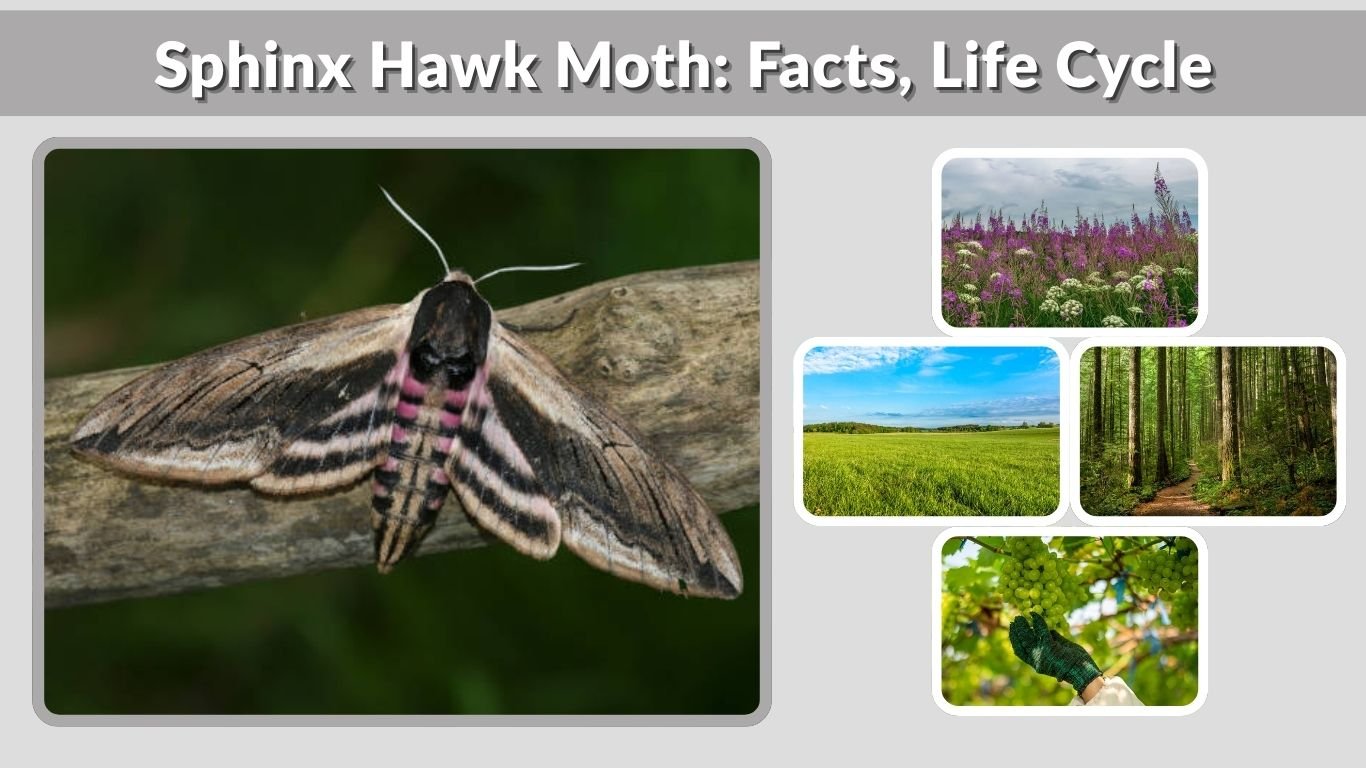
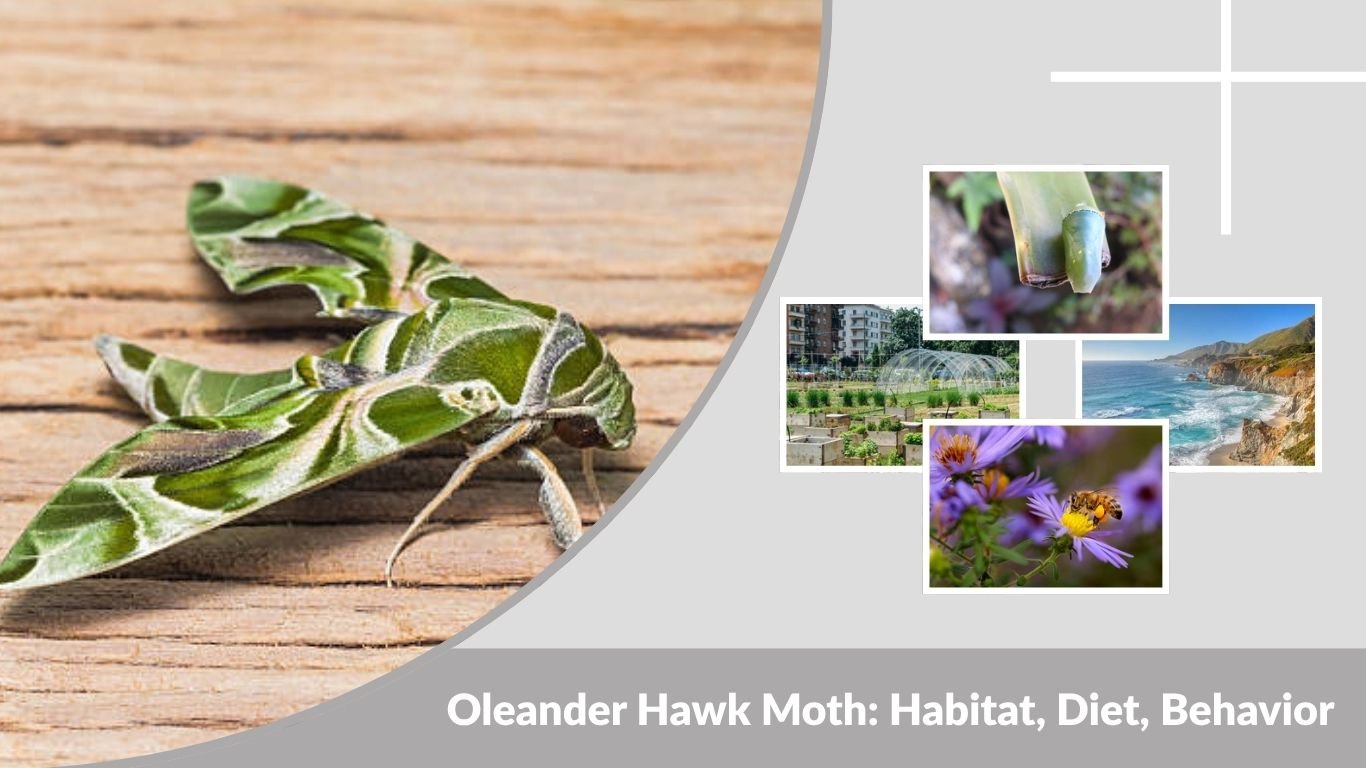
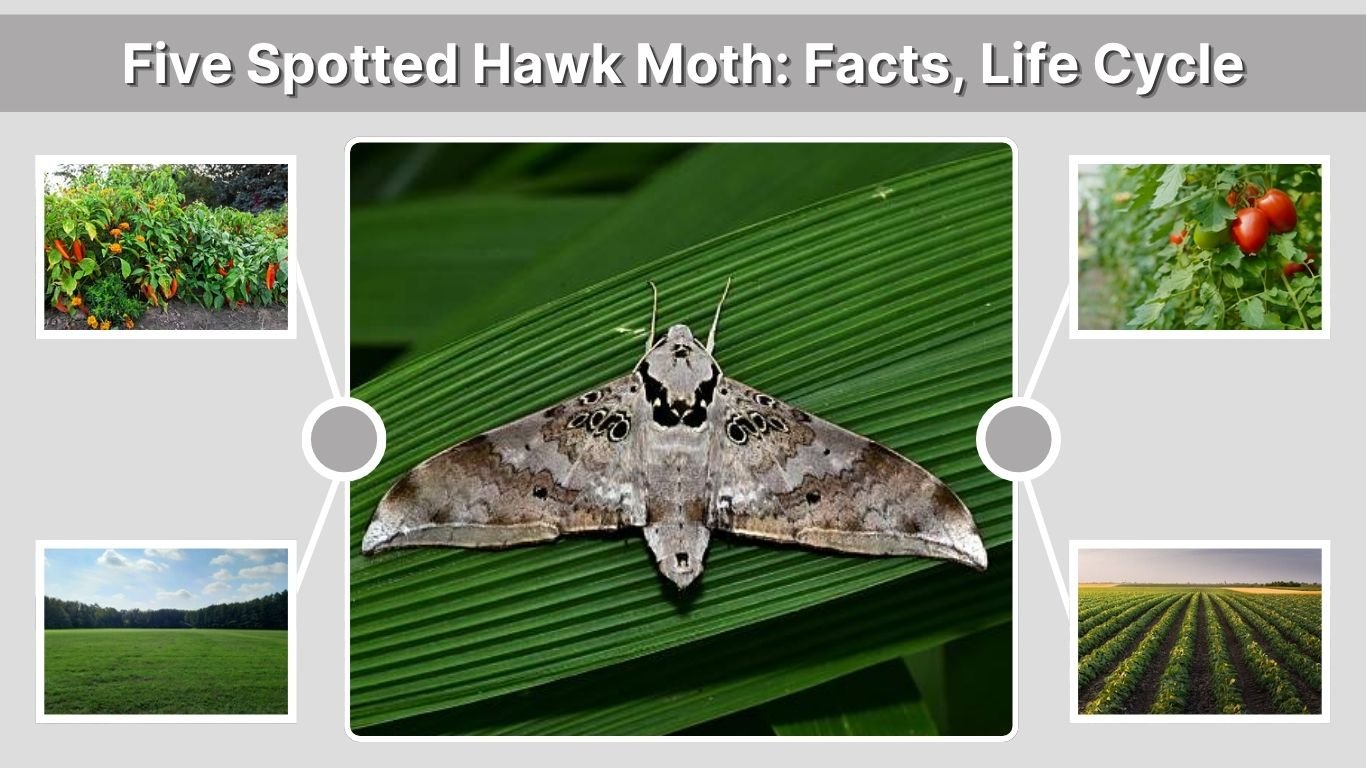
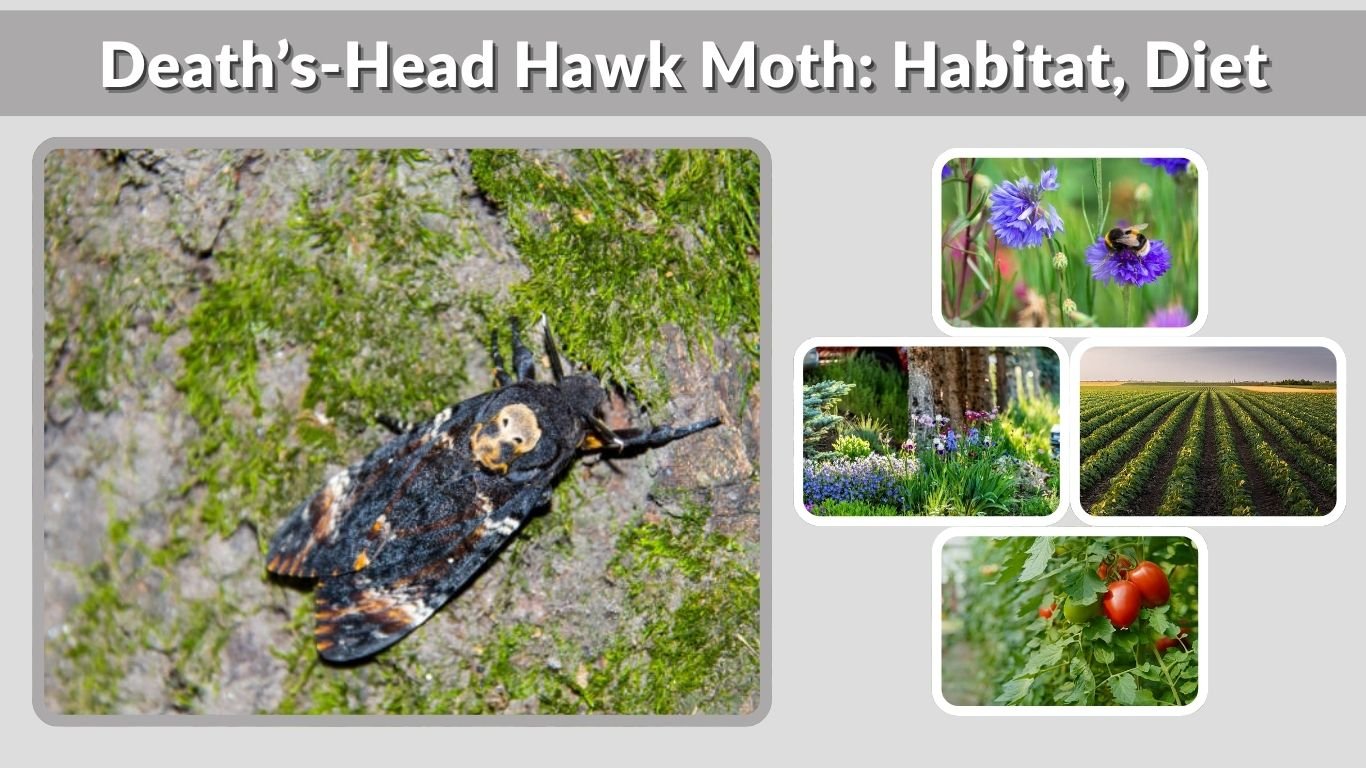
A hawk moth caterpillar is the larval stage of moths belonging to the family Sphingidae. These moths are often called sphinx moths due to the posture their caterpillars sometimes adopt, raising the front part of their bodies like the mythical sphinx. Another common name for these caterpillars is “hornworms,” referring to the small horn-like structure found at the rear end of their bodies.
These caterpillars are typically large, smooth-skinned, and fast-growing. They are known for their ability to consume large amounts of plant material in a short time. As they mature, they eventually transform into hawk moths—strong, fast-flying insects that can hover in mid-air, much like hummingbirds. This unique transformation makes them an interesting subject for both study and observation.
How to Identify a Hawk Moth Caterpillar
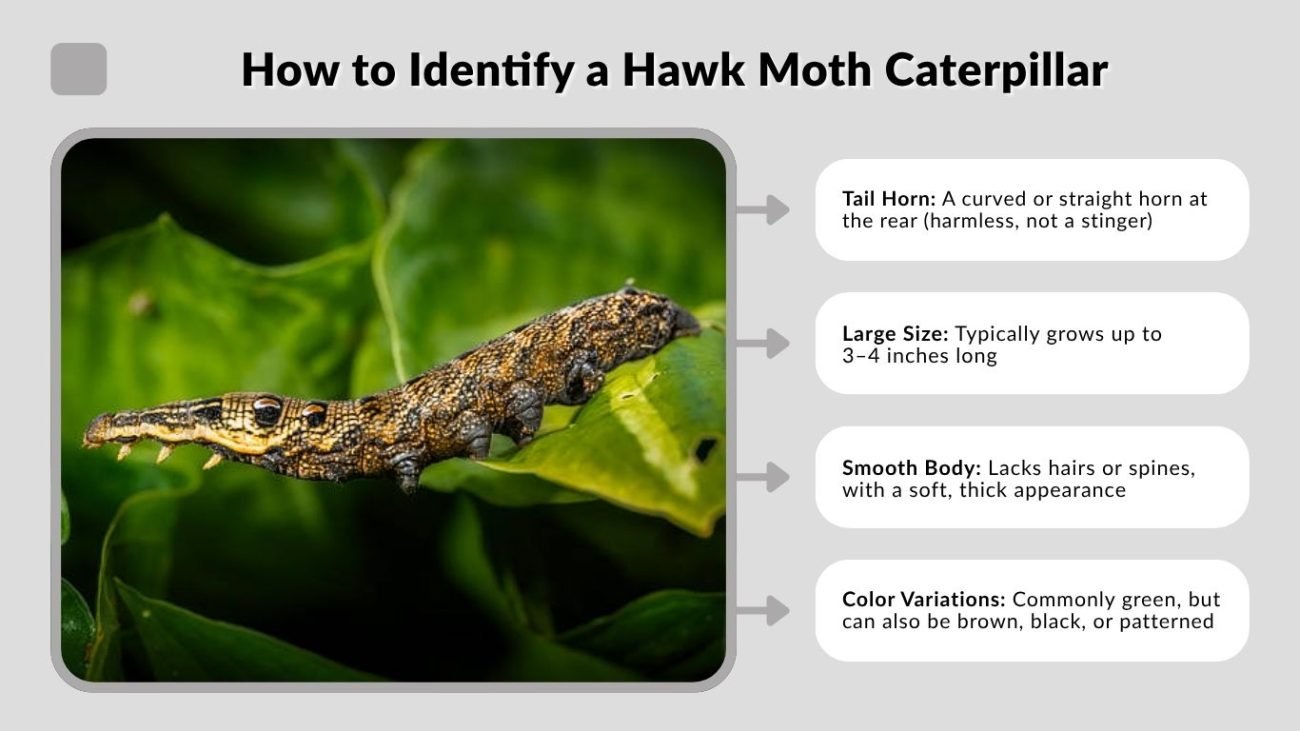
Identifying a hawk moth caterpillar is relatively easy once you know what features to look for. These caterpillars are known for their large size, smooth bodies, and distinctive tail horn. While their colors and patterns may vary depending on the species, they share several common traits that set them apart from other caterpillars. Observing their shape, markings, and behavior can help you quickly recognize them in gardens or natural environments.
Key Identification Features:
- Tail Horn: A curved or straight horn at the rear (harmless, not a stinger)
- Large Size: Typically grows up to 3–4 inches long
- Smooth Body: Lacks hairs or spines, with a soft, thick appearance
- Color Variations: Commonly green, but can also be brown, black, or patterned
- Distinct Markings: May have stripes, spots, or eye-like patterns
- Segmented Body: Clearly divided body sections
- Camouflage Ability: Blends well with leaves and plants
- Feeding Signs: Often found on plants with visible leaf damage
This combination of features makes hawk moth caterpillars one of the easiest large caterpillars to identify in the wild.
Types of Hawk Moth Caterpillars
Tomato Hornworm
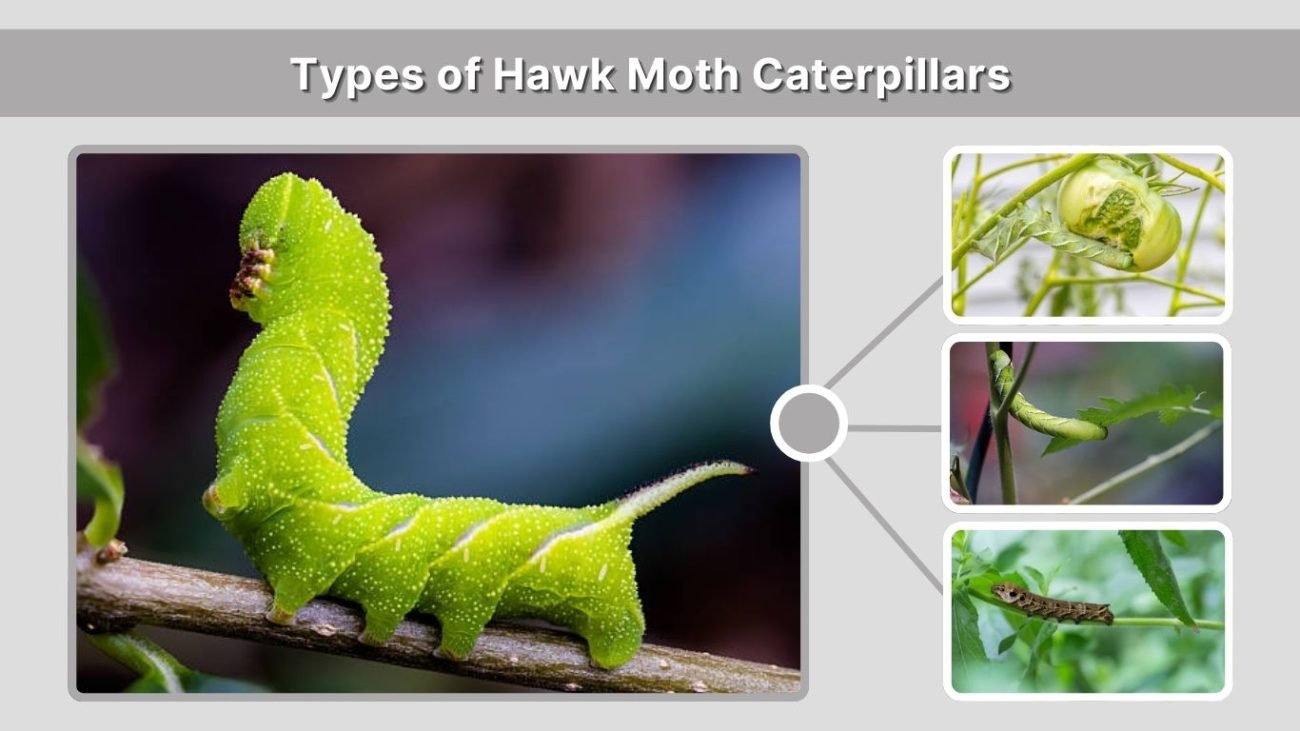
The tomato hornworm is one of the most commonly encountered hawk moth caterpillars, especially in home gardens. It is bright green with white diagonal stripes along its sides and a prominent horn at the rear. This species feeds primarily on tomato plants and can cause significant damage if left unchecked.
Tobacco Hornworm
Closely related to the tomato hornworm, the tobacco hornworm looks very similar but has slightly different markings, such as V-shaped stripes instead of straight ones. It typically feeds on tobacco and other plants in the nightshade family. Gardeners often confuse these two species due to their close resemblance.
Elephant Hawk Moth Caterpillar
This caterpillar is known for its unique appearance. It often has large eye spots near its head, which give it a snake-like look when threatened. Its coloration is usually brown or gray rather than green, making it stand out from other hawk moth caterpillars.
Other Species
There are many other species of hawk moth caterpillars found around the world. Some are brightly colored, while others rely heavily on camouflage. Their diversity reflects the wide range of environments and host plants they inhabit.
Habitat and Distribution
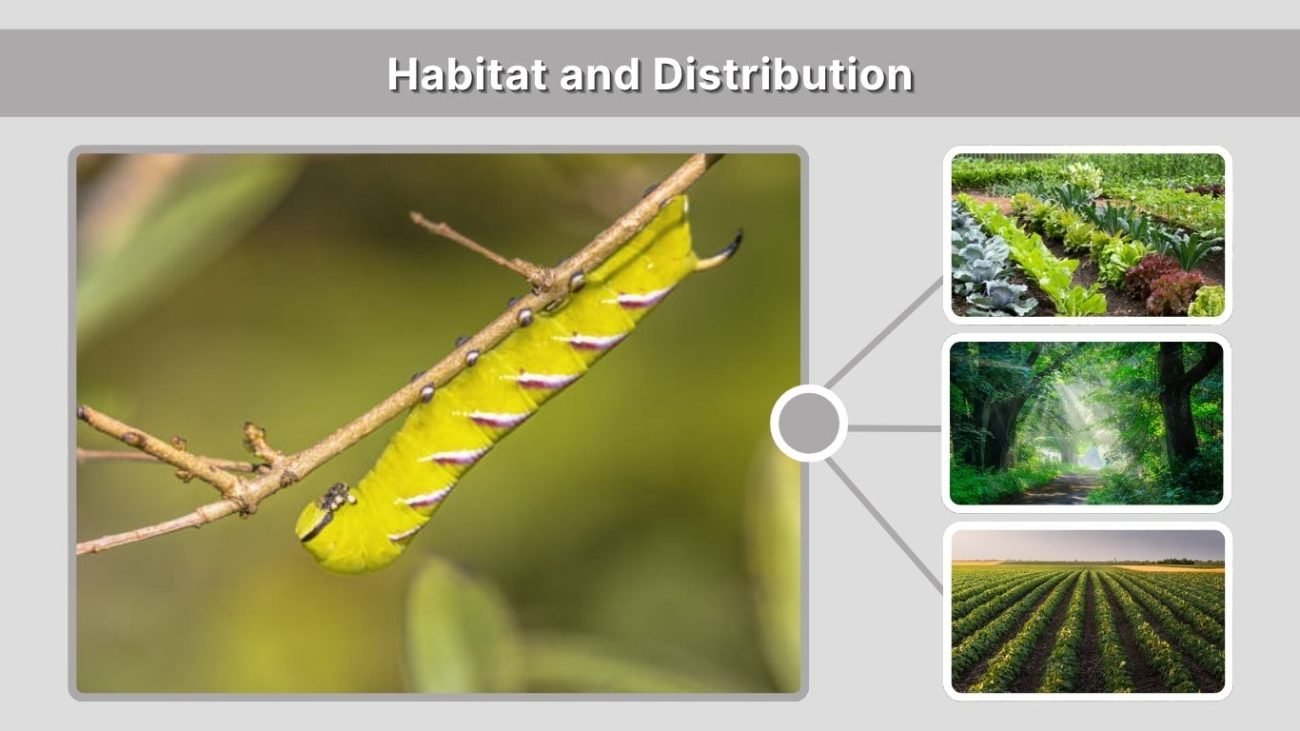
Hawk moth caterpillars are found in many parts of the world, particularly in tropical and temperate regions. They are commonly seen in gardens, forests, and agricultural areas where suitable host plants are available.
These caterpillars prefer environments rich in vegetation, as they rely on plants for food during their larval stage. Their presence is often seasonal, with higher activity during warmer months such as spring and summer. In regions like South Asia, including Bangladesh, they can be spotted in home gardens and rural landscapes where crops and leafy plants are abundant.
What Do Hawk Moth Caterpillars Eat?
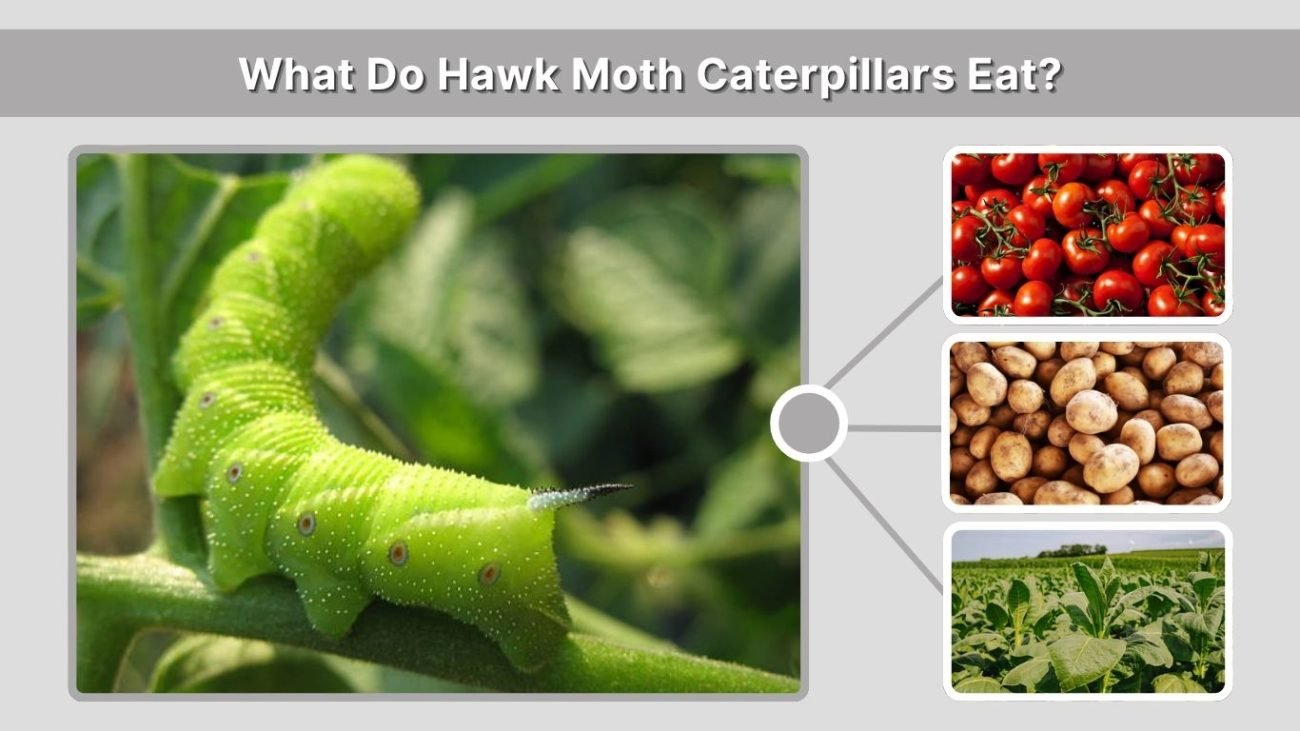
Hawk moth caterpillars are herbivores, meaning they feed exclusively on plant material. Their diet depends largely on their species, but many prefer plants from the nightshade family, such as tomatoes, potatoes, and tobacco.
Some species feed on grapevines, shrubs, or even certain trees. They are known for their strong appetite and can consume large amounts of foliage in a short time. This heavy feeding can sometimes make them a concern for gardeners and farmers.
However, their feeding also plays a role in the natural ecosystem. By consuming plants, they contribute to nutrient cycling and serve as an important food source for birds and other predators.
Life Cycle of a Hawk Moth
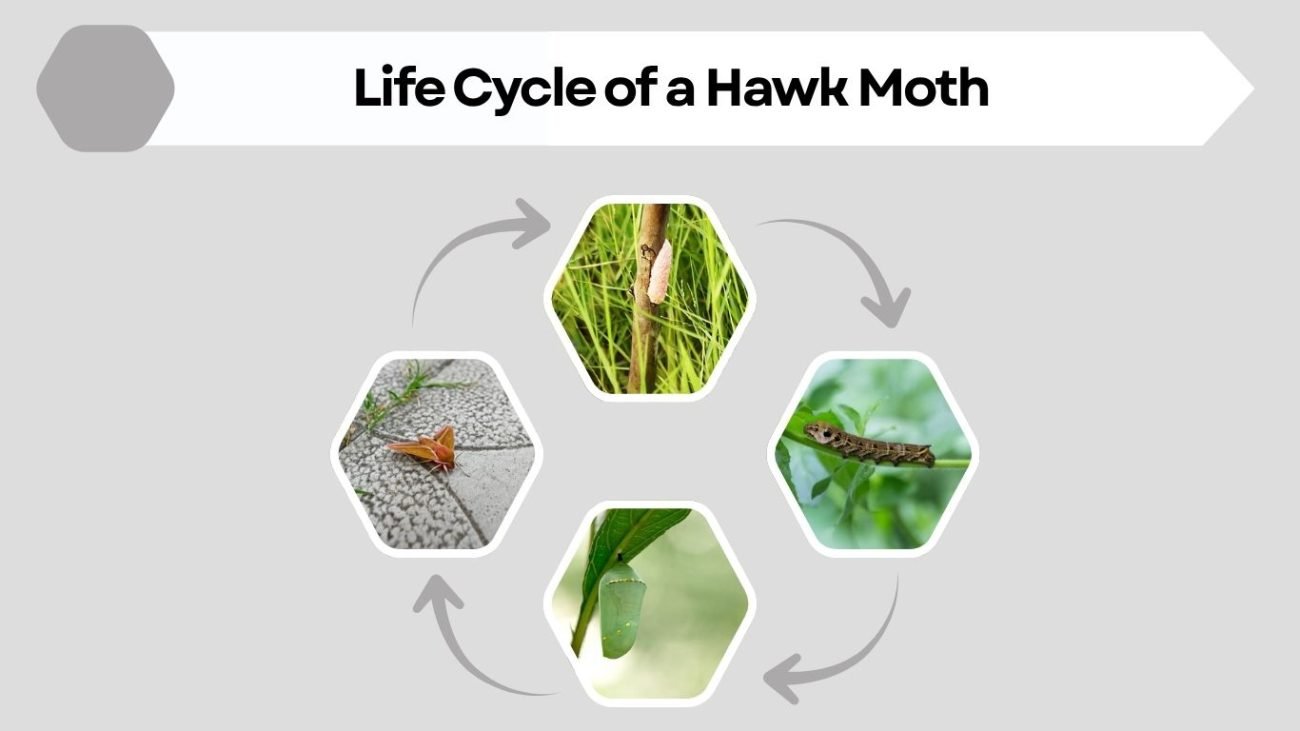
Egg Stage
The life cycle of a hawk moth begins when the adult moth lays small, round eggs on the leaves of suitable host plants. These eggs are usually placed where the emerging caterpillars will have immediate access to food. Depending on temperature and environmental conditions, the eggs typically hatch within a few days.
Caterpillar Stage
Once hatched, the caterpillar enters its most active phase—the larval stage. During this period, it feeds continuously and grows rapidly. The caterpillar goes through several molts, shedding its skin as it increases in size. This stage is crucial for storing the energy needed for transformation.
Pupa Stage
After reaching full size, the caterpillar burrows into the soil or finds a sheltered spot in leaf litter to pupate. Inside the pupa, it undergoes a complete transformation. This stage may last from a few weeks to several months, depending on the species and climate.
Adult Hawk Moth
The fully developed moth eventually emerges from the pupa. Adult hawk moths are powerful fliers, often active at dusk or night. Many species can hover in front of flowers while feeding on nectar, much like hummingbirds. During this stage, their main purpose is reproduction.
Are Hawk Moth Caterpillars Dangerous?
Despite their intimidating appearance, hawk moth caterpillars are not dangerous to humans. The horn on their tail does not sting, bite, or inject venom—it is purely for defense by appearance. They do not possess toxins that can harm people through touch.
However, they can be problematic in gardens because of their strong appetite. Large populations may damage crops by eating leaves and stems. Even so, they are generally safe to handle gently and are more of an agricultural concern than a health risk.
Hawk Moth Caterpillar vs Hornworm
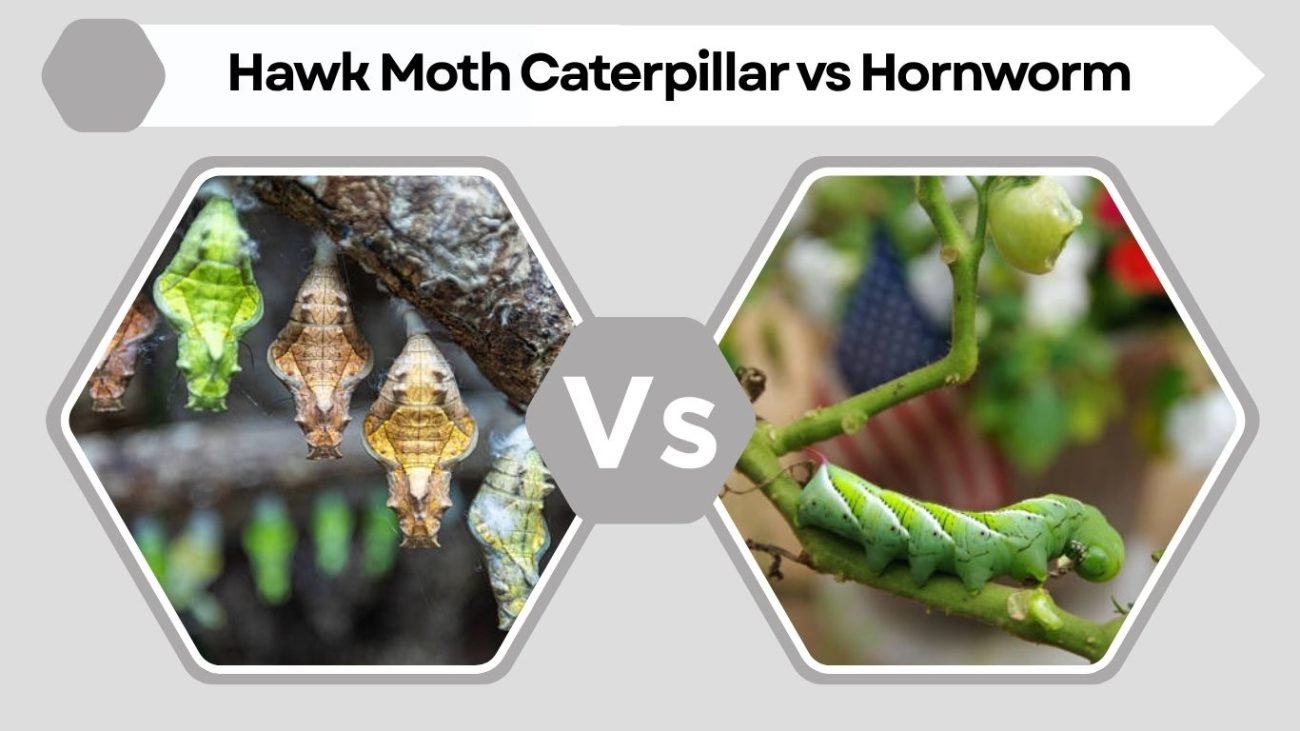
The terms “hawk moth caterpillar” and “hornworm” are often used interchangeably, which can cause confusion. In reality, hornworms are a type of hawk moth caterpillar. The name “hornworm” specifically refers to species that have the characteristic horn at the rear.
For example, tomato hornworms and tobacco hornworms are both hawk moth caterpillars. The difference is mostly in naming rather than biology. Gardeners tend to use the term “hornworm” because these species are commonly found feeding on crops.
Role in the Ecosystem
Hawk moth caterpillars play an important role in maintaining ecological balance. As herbivores, they help regulate plant growth and contribute to nutrient cycling in the environment.
They are also a vital food source for many animals, including birds, reptiles, and predatory insects. When they transform into adult moths, they become pollinators, helping plants reproduce by transferring pollen between flowers. This dual role makes them both consumers and contributors within their ecosystem.
How to Handle or Manage Them in Gardens
Natural Control Methods
If hawk moth caterpillars become too numerous, gardeners can manage them using simple, natural methods. Handpicking is one of the most effective ways to remove them from plants. Additionally, encouraging natural predators such as birds and parasitic wasps can help control their population.
When to Leave Them Alone
In many cases, it is best to leave these caterpillars undisturbed, especially if they are not causing significant damage. Allowing them to grow supports biodiversity and helps maintain a balanced ecosystem.
Raising Caterpillars (Optional)
Some people choose to raise hawk moth caterpillars for educational purposes. This can be a rewarding experience, as it allows you to observe their transformation firsthand. Providing fresh host plant leaves and a safe environment is essential for their development.
Interesting Facts About Hawk Moth Caterpillars
Hawk moth caterpillars have several fascinating traits. Some species can mimic snakes by inflating their bodies and displaying eye-like markings to scare predators. They are also known for their rapid growth, sometimes increasing dramatically in size within just a few days.
As adults, hawk moths are among the fastest flying insects and can hover with remarkable precision. Their ability to transition from a leaf-eating caterpillar to a powerful flying pollinator is truly remarkable.
Conclusion
Hawk moth caterpillars are unique and important creatures that often go misunderstood. While they may appear intimidating, they are harmless to humans and play a valuable role in nature. From their rapid growth to their transformation into agile pollinators, they are a fascinating example of the wonders of the natural world. By understanding and appreciating them, we can better coexist with these remarkable insects.
FAQs
Are hawk moth caterpillars poisonous?
No, they are not poisonous and do not pose a threat to humans.
How long do they stay as caterpillars?
The caterpillar stage usually lasts a few weeks, depending on environmental conditions.
What plants attract them?
They are commonly attracted to plants like tomatoes, tobacco, and other members of the nightshade family.
Can you keep one as a pet?
Yes, with proper care and access to the right host plants, they can be raised for observation and learning.