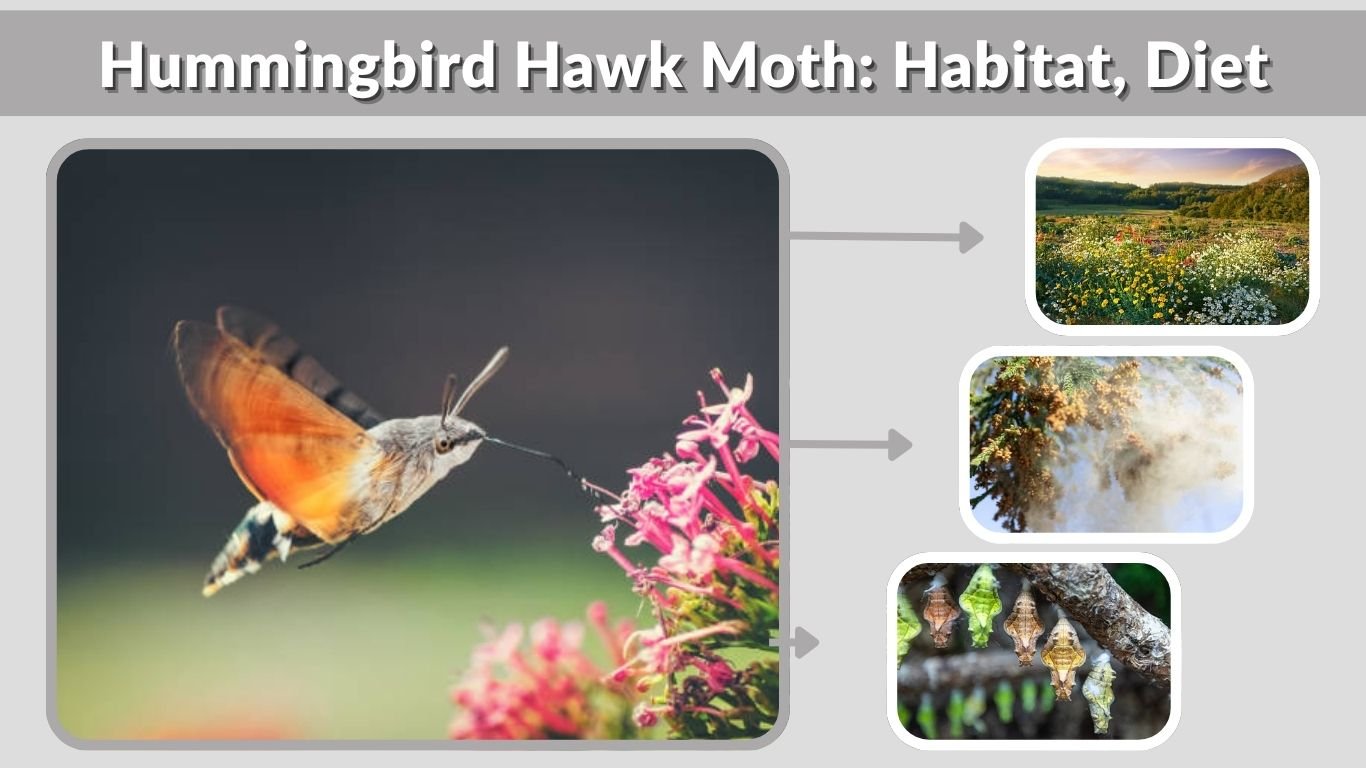
The hummingbird hawk moth is one of nature’s most fascinating creatures, often mistaken for a small bird due to its hovering flight and rapid wing movement. Unlike most moths, it is active during the day and can be seen feeding on flowers in gardens and meadows. This unique insect plays an important role in pollination while captivating observers with its unusual behavior and appearance, making it a true marvel of the natural world.
What Is a Hummingbird Hawk Moth?
The hummingbird hawk moth (Macroglossum stellatarum) is a member of the Sphingidae family, commonly known as hawk moths. It gets its name from its remarkable resemblance to a hummingbird, especially when it hovers in front of flowers while feeding on nectar.
This moth is widely distributed across Europe, Asia, and parts of Africa. It is known for its fast, darting movements and ability to remain suspended in the air, which is uncommon among insects. Unlike many other moth species, the hummingbird hawk moth is diurnal, meaning it is active during daylight hours, making it easier for people to observe.
Physical Characteristics
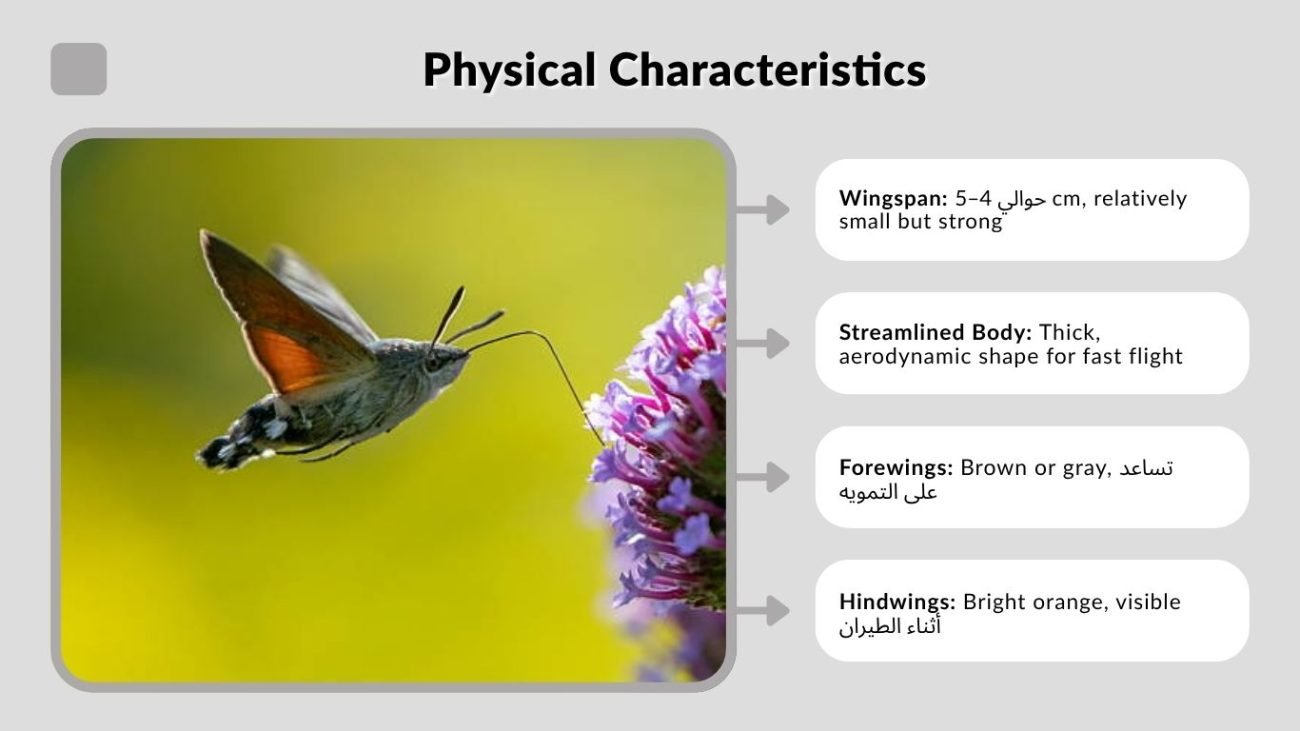
The hummingbird hawk moth has a compact yet powerful body designed for speed and hovering flight. Its physical features allow it to mimic a hummingbird while feeding on nectar, making it one of the most unique-looking moths. Despite its small size, it is highly adapted for agility, balance, and efficient movement in the air.
Key Physical Features
- Wingspan: حوالي 4–5 cm, relatively small but strong
- Streamlined Body: Thick, aerodynamic shape for fast flight
- Forewings: Brown or gray, تساعد على التمويه
- Hindwings: Bright orange, visible أثناء الطيران
- Fan-Shaped Tail: Helps with balance أثناء hovering
- Long Proboscis: Used to extract nectar من الأزهار العميقة
- Rapid Wing Beats: Creates humming sound similar to birds
- Large Eyes: Provide excellent vision during daytime activity
These features make the hummingbird hawk moth highly efficient in flight and well-suited for its role as a daytime pollinator.
Behavior and Flight Style
Hovering Ability
The hummingbird hawk moth is famous for its ability to hover in mid-air while feeding. It can remain stationary in front of a flower, using its long proboscis to reach nectar without landing. This behavior is rare among insects and closely resembles that of hummingbirds.
Speed and Agility
This moth is an incredibly fast and agile flyer. It can quickly change direction, move sideways, or dart from one flower to another with ease. Its strong flight muscles and wing structure allow it to maintain precise control even while hovering.
Diurnal Activity
Unlike most moths, which are nocturnal, the hummingbird hawk moth is active during the day. It is commonly seen in sunny weather, especially in areas rich in flowering plants. This daytime activity makes it one of the most easily observed moth species.
Feeding Habits and Diet
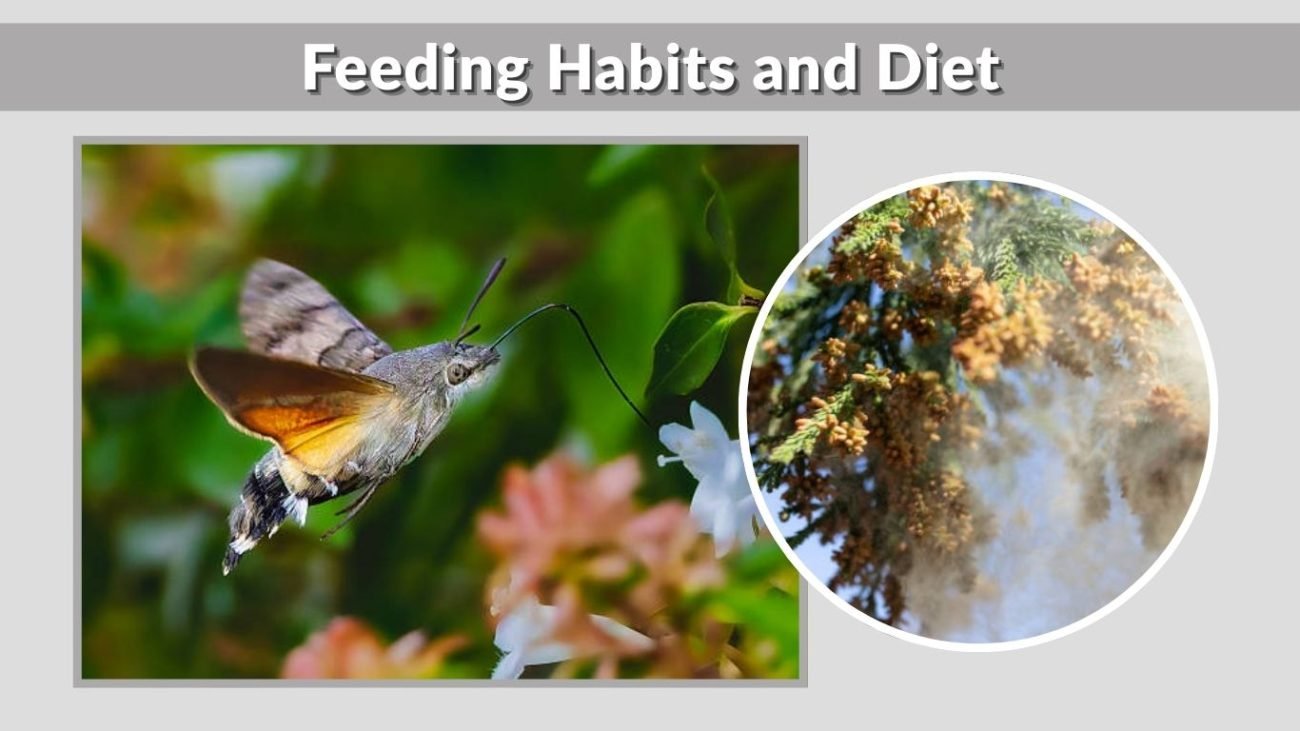
Nectar Feeding
The hummingbird hawk moth primarily feeds on nectar. Using its long proboscis, it can access nectar deep within tubular flowers that many other insects cannot reach. This gives it a unique advantage as a pollinator.
Favorite Plants
It is particularly attracted to plants such as honeysuckle, petunia, jasmine, and other nectar-rich flowers. Gardens with a variety of blooming plants often become feeding grounds for these moths.
Role in Pollination
As the moth feeds, it transfers pollen from one flower to another, helping plants reproduce. This makes it an important pollinator, especially for flowers that open during the day and rely on insects for pollination.
Life Cycle of the Hummingbird Hawk Moth
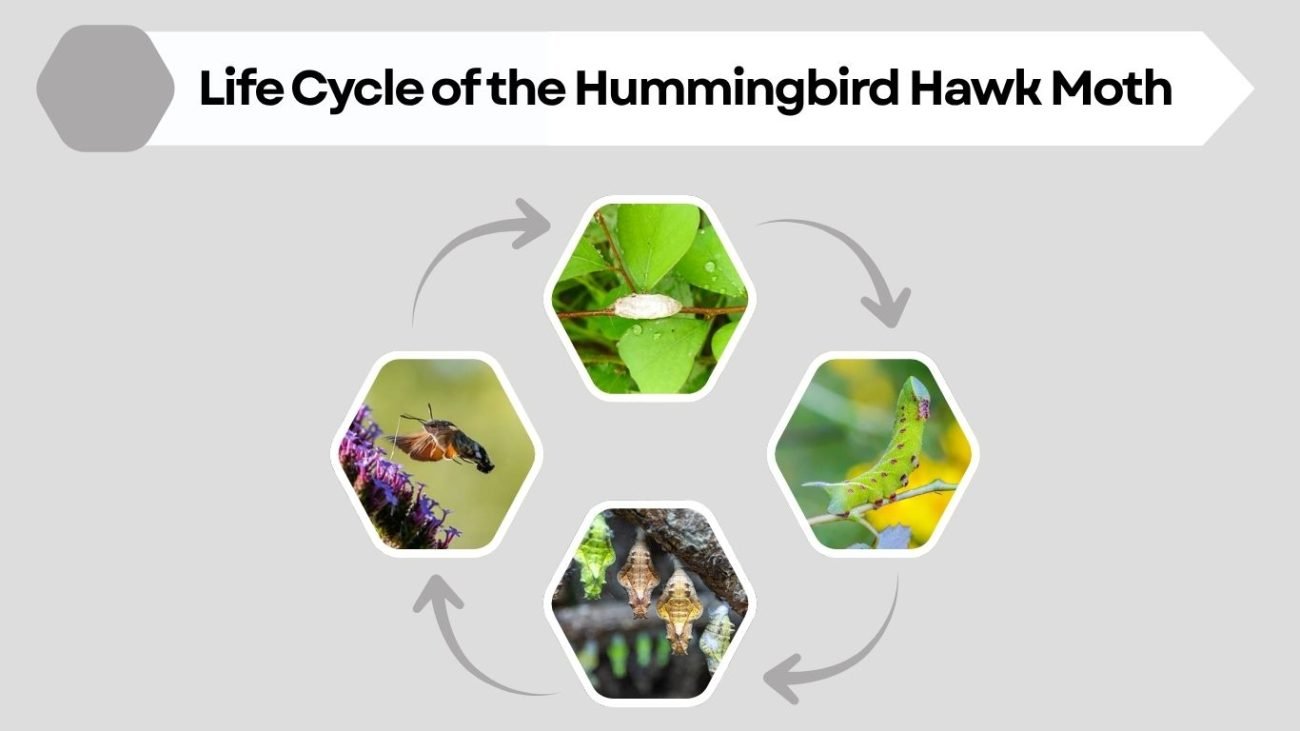
Egg Stage
The life cycle begins when the female lays small eggs on suitable host plants. These plants provide food for the larvae once they hatch.
Caterpillar Stage
After hatching, the larvae, commonly known as caterpillars, begin feeding on plant leaves. They are typically green and feature a distinctive horn-like structure at the rear of their bodies. This stage is focused on growth and development.
Pupa Stage
Once fully grown, the caterpillar enters the pupal stage. During this phase, it forms a protective casing and undergoes transformation. This is the stage where the insect develops into its adult form.
Adult Stage
The adult hummingbird hawk moth emerges from the pupa ready to feed and reproduce. Its lifespan as an adult is relatively short, usually lasting only a few weeks, during which it remains highly active.
Habitat and Distribution
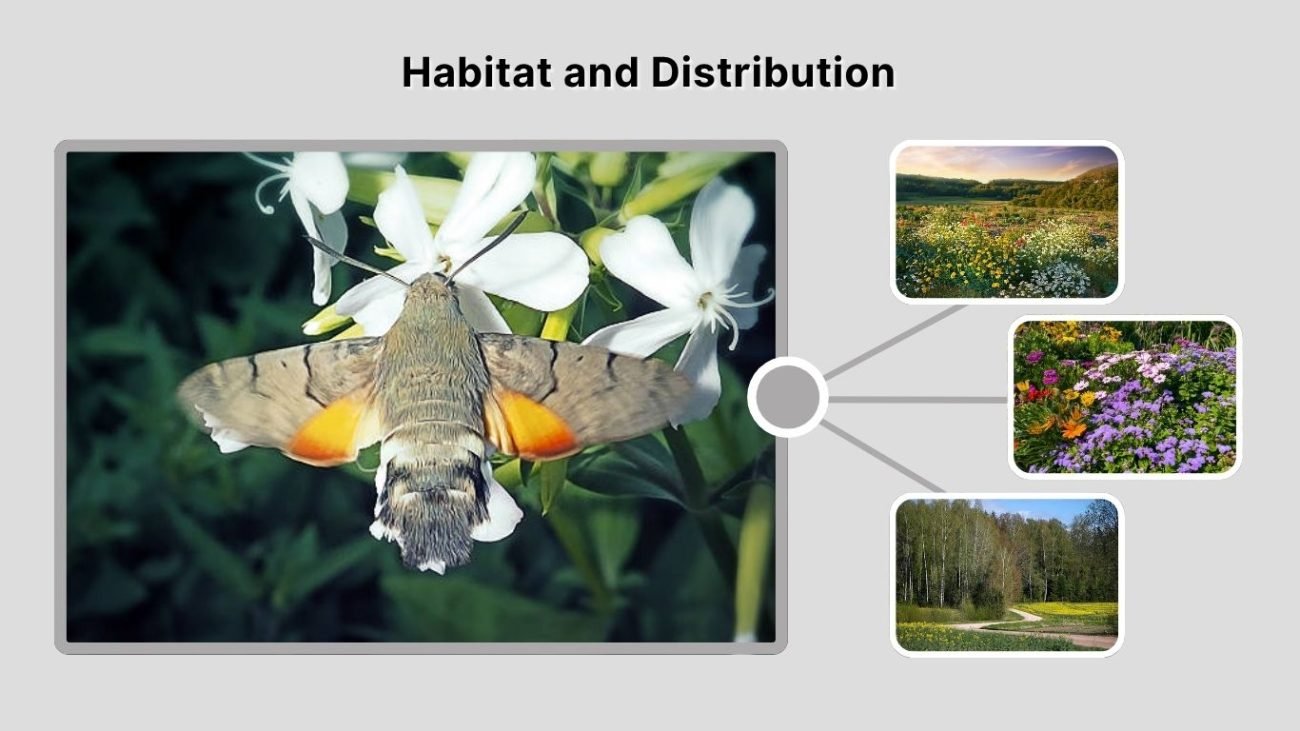
The hummingbird hawk moth is found across Europe, Asia, and North Africa. It is also known for its migratory behavior, often traveling long distances in search of suitable climates and food sources.
It prefers habitats such as gardens, meadows, and woodland edges where flowering plants are abundant. Its adaptability allows it to thrive in both warm and temperate regions, making it a common sight in many parts of the world during warmer months.
Hummingbird Hawk Moth vs Hummingbird
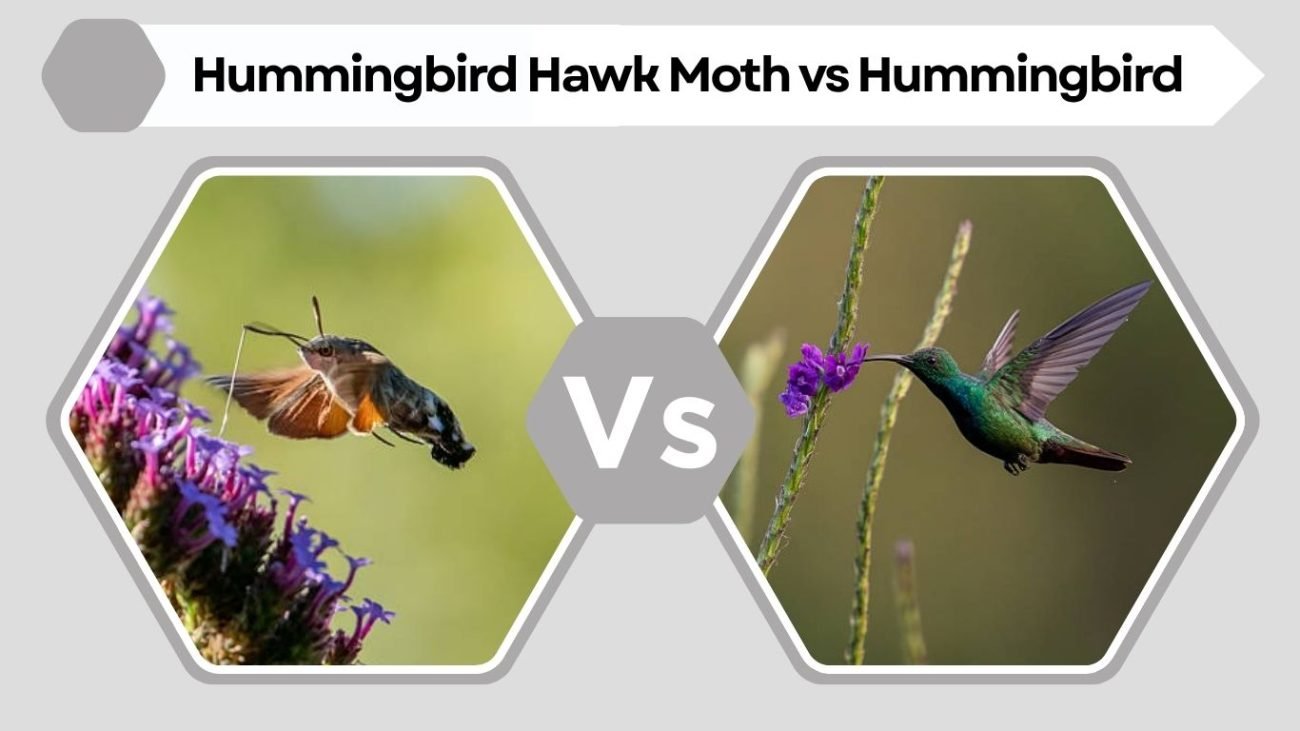
The hummingbird hawk moth is often mistaken for a real hummingbird due to its similar feeding behavior and flight style. Both can hover in mid-air while feeding on nectar and move quickly from flower to flower.
However, the differences are significant. The hummingbird hawk moth is an insect with six legs, antennae, and scaled wings, while a hummingbird is a bird with feathers, a beak, and a skeleton. Moths rely more on smell to locate flowers, whereas hummingbirds use their sharp vision. Additionally, hummingbirds are larger and strictly diurnal, while the moth, although active during the day, belongs to an entirely different biological group.
This similarity is a classic example of convergent evolution, where unrelated species develop similar traits to adapt to comparable environments.
Is the Hummingbird Hawk Moth Rare?
The hummingbird hawk moth is generally not considered rare, but its visibility can vary depending on location and season. In many parts of Europe and Asia, it is a common sight during warmer months, especially in gardens filled with flowering plants.
Its migratory nature means that populations can increase or decrease in certain areas from year to year. In some regions, sightings have become more frequent, possibly due to climate changes that create favorable conditions for their movement and survival.
Are They Dangerous?
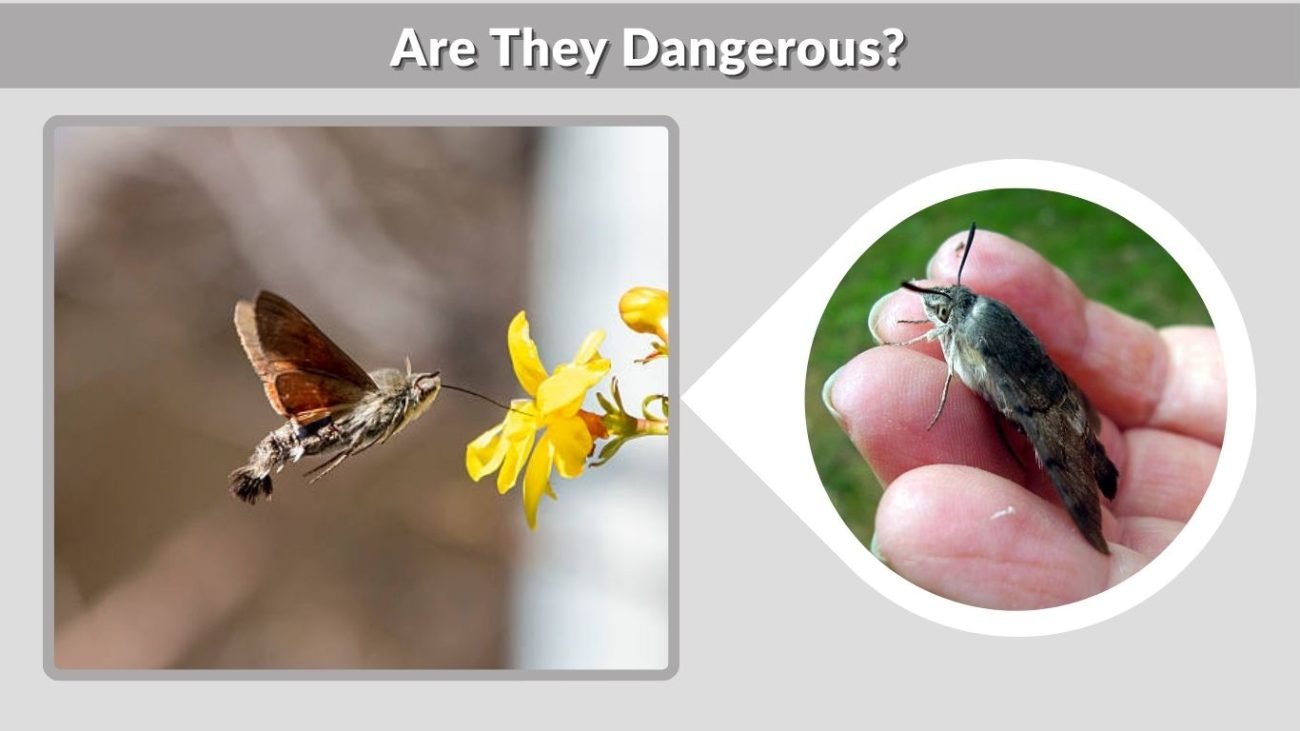
The hummingbird hawk moth is completely harmless to humans. It does not bite or sting and poses no threat, even when handled gently. Despite its fast movement and unusual appearance, it is a peaceful insect focused mainly on feeding.
The caterpillar stage may look intimidating due to its horn-like tail and relatively large size. Some species also display eye-like markings to scare predators. However, these features are purely defensive and do not pose any danger.
Ecological Importance
The hummingbird hawk moth plays a vital role in pollination. As it feeds on nectar, it transfers pollen between flowers, helping plants reproduce. This is especially important for plants that rely on insects for pollination.
In addition to pollination, it contributes to the food chain. Birds, bats, and other predators depend on moths as a source of food. Its presence in an ecosystem is often a sign of environmental balance and biodiversity.
Symbolism and Meaning
The hummingbird hawk moth is often associated with transformation and adaptability due to its life cycle and unique abilities. Its resemblance to a hummingbird also gives it symbolic meanings related to joy, energy, and resilience.
In some cultures, it represents curiosity and the ability to explore new paths. Because it is active during the day unlike most moths, it can also symbolize standing out or being different in a positive way.
Interesting Facts
The hummingbird hawk moth has several fascinating traits that make it stand out among insects. It can hover with remarkable precision, much like a helicopter, allowing it to feed without landing.
It has excellent eyesight, which helps it locate flowers during daylight. Its wings beat so rapidly that they produce a soft humming sound, similar to a hummingbird. Additionally, it is capable of long-distance travel, migrating across regions in search of food and suitable climates.
How to Attract Hummingbird Hawk Moths
Best Plants to Grow
To attract hummingbird hawk moths, plant nectar-rich flowers with tubular shapes. Some of their favorites include honeysuckle, petunia, jasmine, phlox, and buddleia. These flowers provide easy access to nectar and are highly attractive to the moth.
Garden Tips
Creating a moth-friendly garden involves avoiding pesticides, as chemicals can harm these beneficial insects. Planting a variety of flowers that bloom at different times ensures a continuous food source. A sunny garden with sheltered areas will also encourage them to visit more often.
FAQs
What does a hummingbird hawk moth eat?
It mainly feeds on nectar from flowers using its long proboscis.
How long does a hummingbird hawk moth live?
The adult moth typically lives for a few weeks, although its full life cycle lasts longer.
Why does it hover?
Hovering allows it to feed efficiently without landing, similar to a hummingbird.
Where can you see a hummingbird hawk moth?
They are commonly found in gardens, meadows, and woodland edges in Europe, Asia, and North Africa.
Conclusion
The hummingbird hawk moth is a remarkable insect that blends the characteristics of both moths and birds. Its hovering flight, daytime activity, and role in pollination make it truly unique. Despite its unusual appearance, it is harmless and beneficial to ecosystems. By understanding and appreciating this fascinating creature, we can better recognize the importance of protecting biodiversity and maintaining healthy natural environments.