The Northern Mockingbird is one of the most well-known songbirds in North America, famous for its incredible ability to mimic a wide variety of sounds. From other birds’ calls to mechanical noises, this species stands out for its vocal versatility. Commonly found in gardens, parks, and urban areas, the Northern Mockingbird is both adaptable and bold. Its striking behavior, beautiful songs, and widespread presence make it a favorite among birdwatchers and nature enthusiasts alike.
What is a Northern Mockingbird?
Scientific Classification
The Northern Mockingbird (Mimus polyglottos) belongs to the Mimidae family, a group of birds known for their vocal mimicry. The species name “polyglottos” means “many-tongued,” which perfectly describes its remarkable ability to imitate different sounds.
It is native to North America and has expanded its range over time, becoming one of the most common birds in many regions.
Physical Description
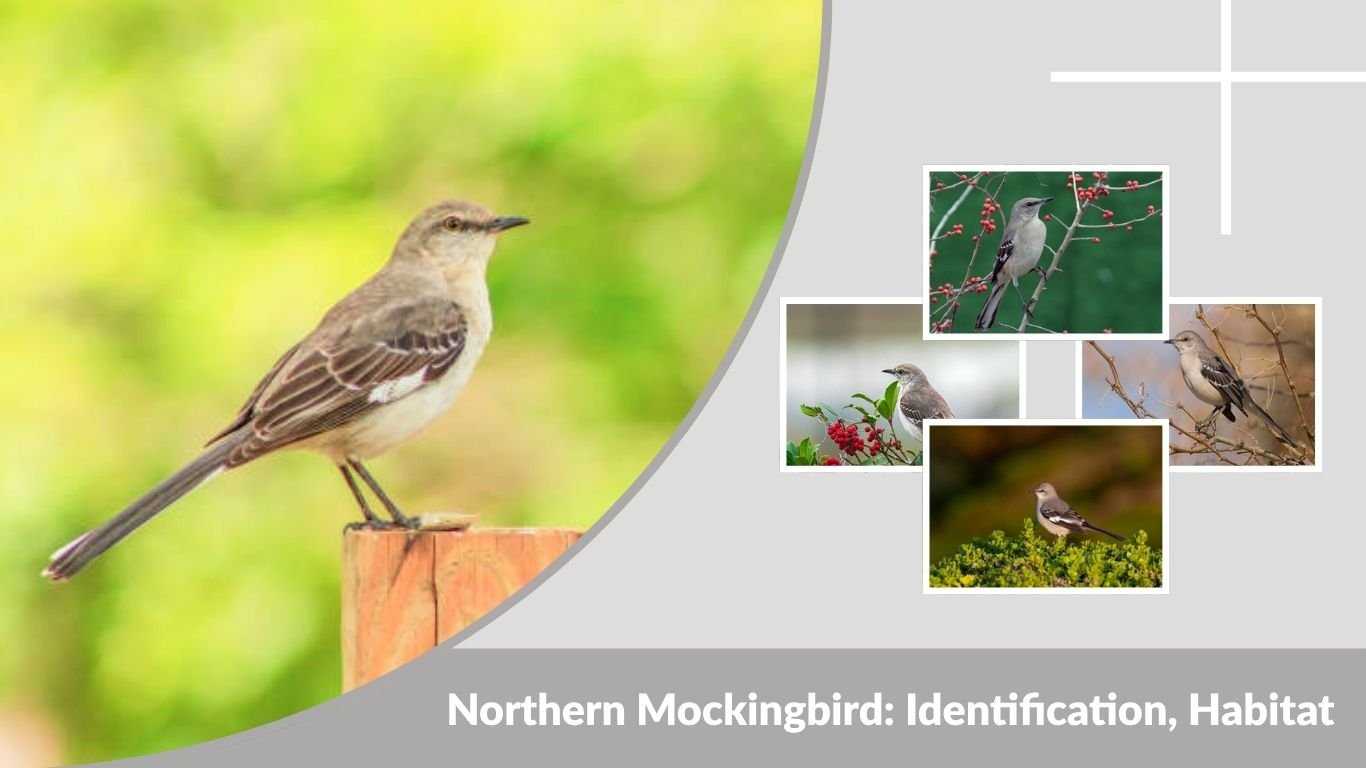
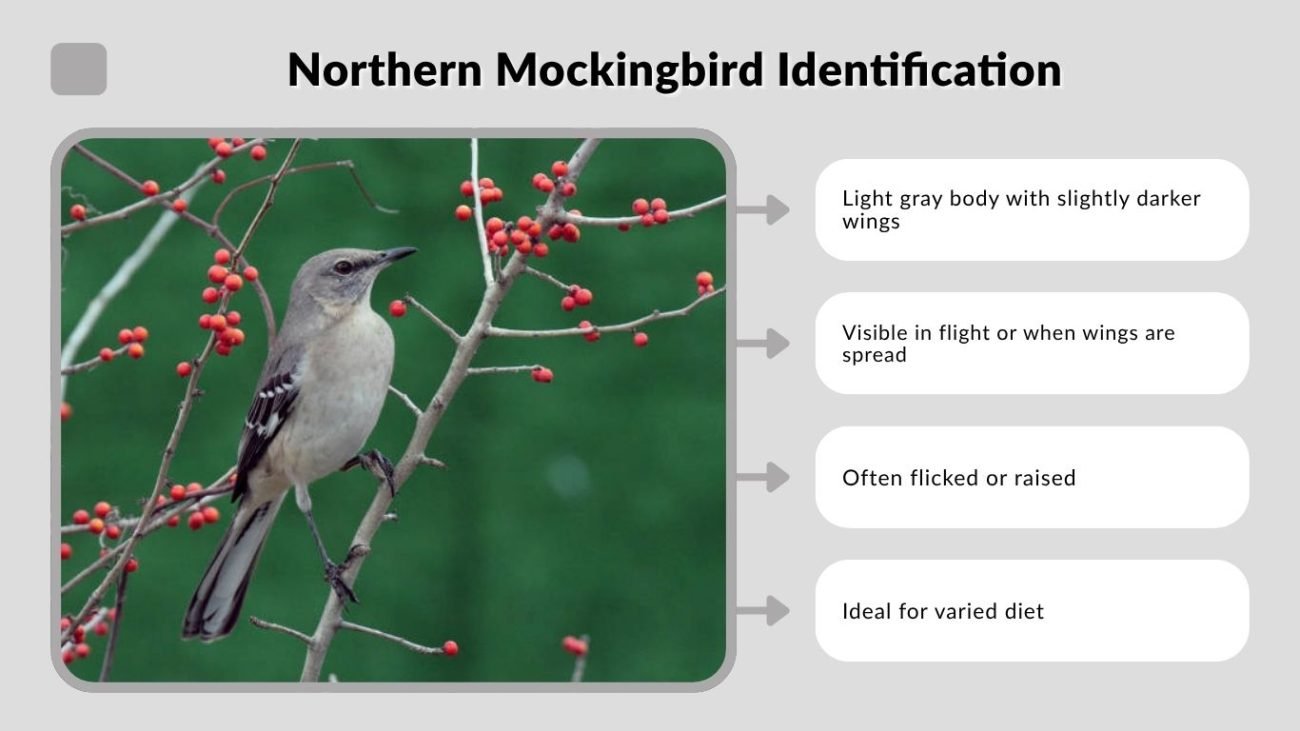
The Northern Mockingbird is a medium-sized songbird with a sleek and elegant appearance. Its plumage is mostly gray, with lighter underparts and darker wings. One of its most noticeable features is the white patches on its wings, which become visible during flight.
It typically measures about 20–28 cm in length, with a wingspan of around 31–38 cm. The bird also has a long tail with white edges, which it often flicks or raises while moving. Its slender bill and alert posture give it a sharp, attentive look.
Northern Mockingbird Identification
Key Identification Features
Identifying a Northern Mockingbird is relatively straightforward once you recognize its key features. Its combination of color, shape, and behavior makes it stand out among other birds.
- Gray overall coloration: Light gray body with slightly darker wings
- White wing patches: Visible in flight or when wings are spread
- Long tail with white edges: Often flicked or raised
- Slender, slightly curved bill: Ideal for varied diet
- Active and bold behavior: Frequently seen perched in open areas
Male vs Female Differences
Male and female Northern Mockingbirds look very similar, making them difficult to distinguish visually. However, males are sometimes slightly larger and more vocal, especially during the breeding season.
Juvenile Identification
Juvenile mockingbirds can be identified by their spotted or streaked chest, which differs from the plain gray appearance of adults. Their overall coloration is softer and less defined, gradually becoming more uniform as they mature.
Northern Mockingbird Habitat
Where Do Northern Mockingbirds Live?
Northern Mockingbirds are widely distributed across North America, including the United States, Mexico, and parts of southern Canada. Over time, their range has expanded northward, especially as they adapt to urban environments.
Preferred Habitat Types
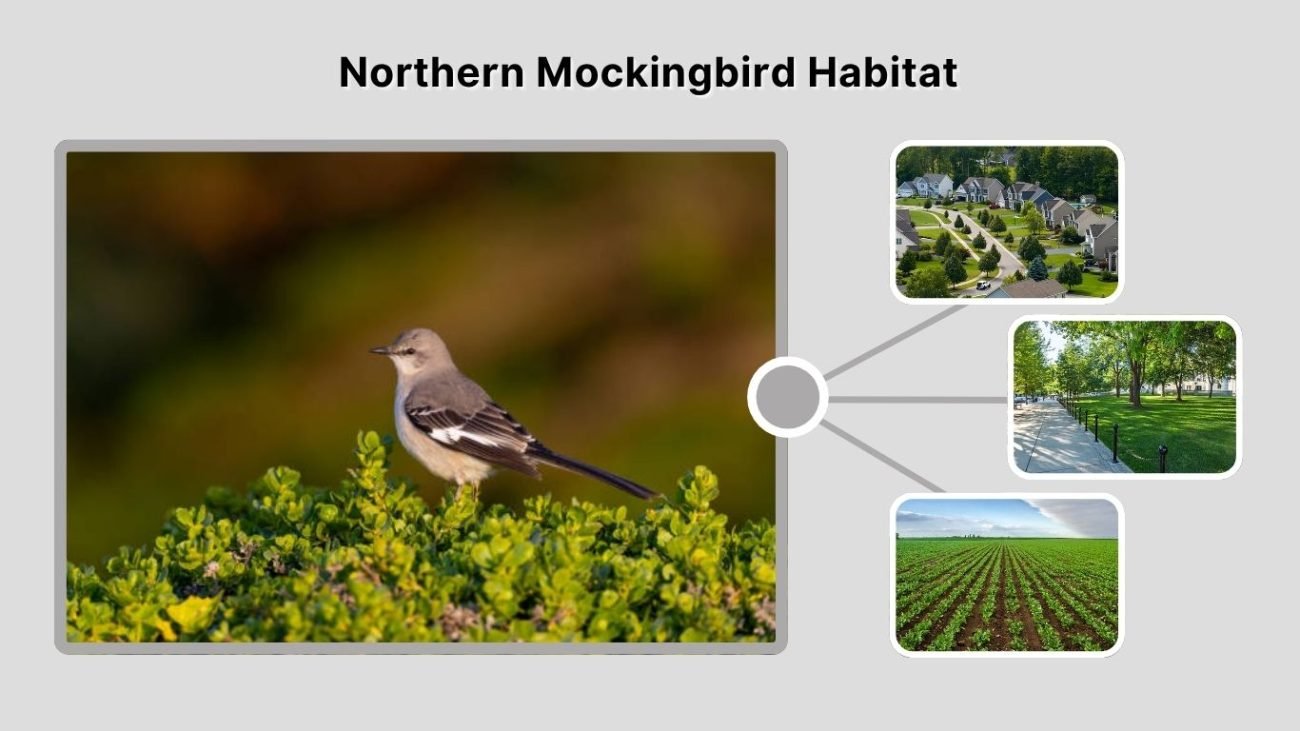
These birds thrive in open habitats with scattered trees and shrubs. Common environments include gardens, parks, farmland, suburban areas, and forest edges.
Unlike many birds that avoid human activity, Northern Mockingbirds are highly adaptable and often live close to people. They are frequently seen in backyards, perched on fences, rooftops, or tree branches.
Northern Mockingbird Diet
What Do They Eat?
The Northern Mockingbird has a varied diet that changes with the seasons. It is an omnivorous bird, feeding on both animal and plant matter.
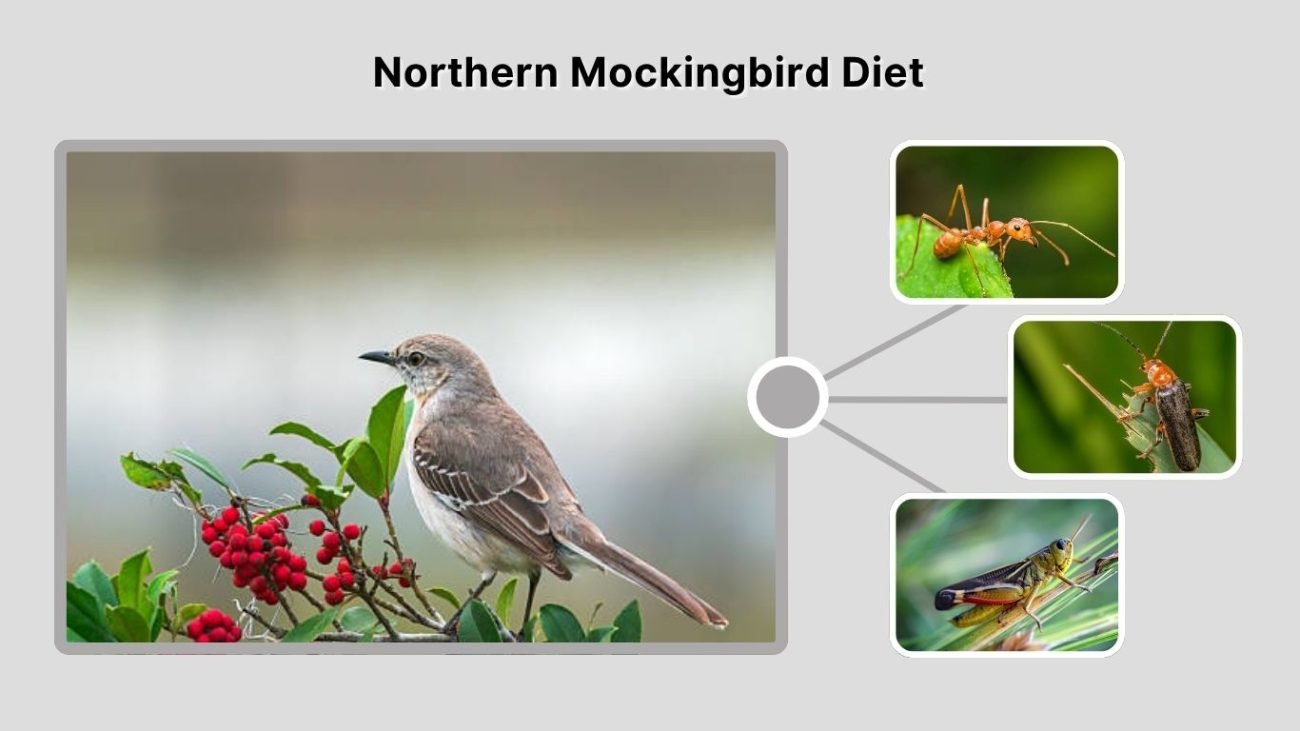
Common food sources include insects such as beetles, ants, caterpillars, and grasshoppers. These provide essential nutrients, especially during the breeding season.
Seasonal Diet Changes
During warmer months, mockingbirds primarily consume insects, which are abundant and rich in protein. In colder seasons, when insects are less available, they shift their diet to fruits and berries.
They are known to eat a wide variety of fruits, including berries from shrubs and small trees. This seasonal flexibility helps them survive in different environments throughout the year.
Northern Mockingbird Song and Mimicry
Why Do They Mimic Sounds?
The Northern Mockingbird is best known for its ability to mimic the sounds of other birds and even non-natural noises. This behavior serves several important purposes.
Males often use mimicry to attract mates by demonstrating their vocal skills. A larger and more varied song repertoire may indicate a stronger and more experienced individual. Mimicry is also used to defend territory by confusing or intimidating rivals.
Types of Sounds Mimicked
Northern Mockingbirds can imitate a wide range of sounds, making their songs highly complex and varied. They often mimic:
- Other bird species: Including calls of robins, blue jays, and sparrows
- Mechanical noises: Car alarms, phone rings, and sirens
- Environmental sounds: Frogs, insects, and other natural noises
They typically repeat each sound several times before switching to a new one, creating a long and continuous song that can last for extended periods.
Northern Mockingbird Nesting
Nest Location
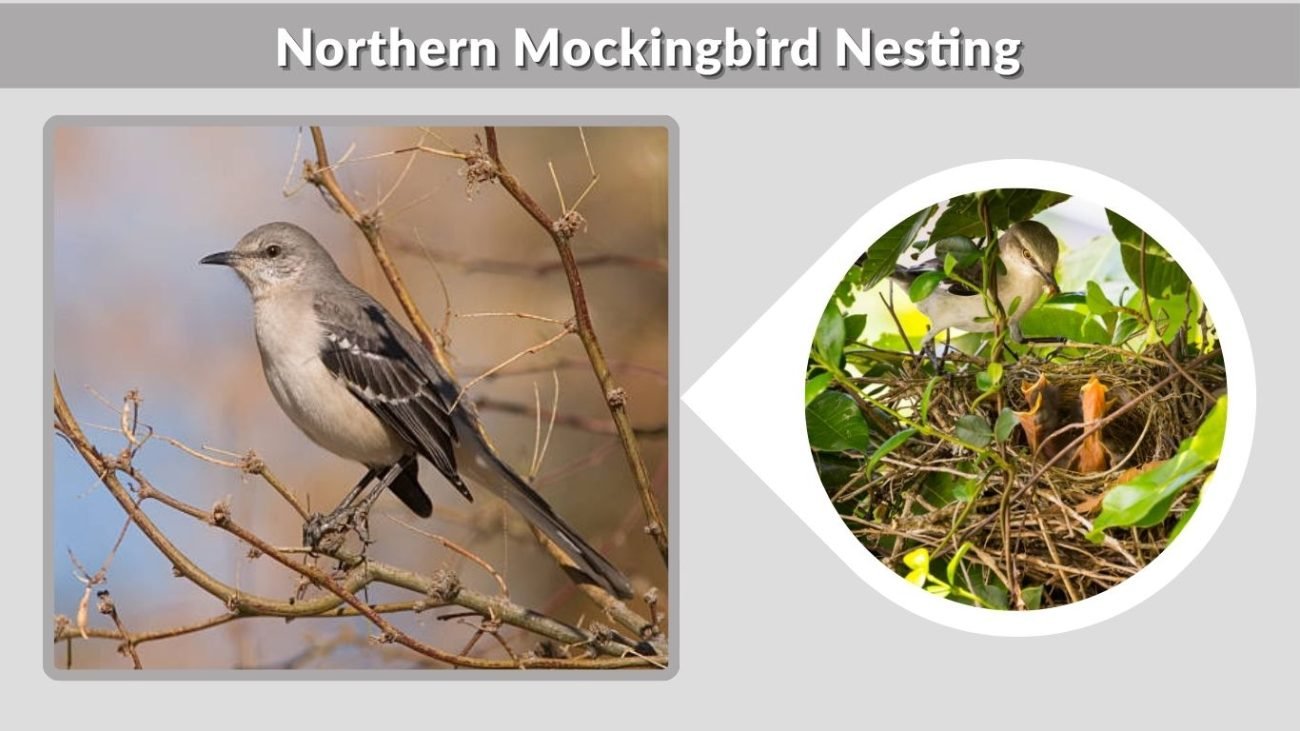
Northern Mockingbirds usually build their nests in dense shrubs or low trees, often 1–3 meters above the ground. These locations provide good cover from predators while still allowing easy access for the adults.
They commonly nest in urban and suburban areas, including gardens and hedges.
Nest Structure
The nest is a cup-shaped structure made primarily of twigs, grasses, and leaves. The outer layer is built with sturdier materials, while the inner lining is softer, providing comfort and insulation for the eggs.
Both male and female participate in nest building, though the female typically does most of the work.
Northern Mockingbird Eggs
Egg Appearance
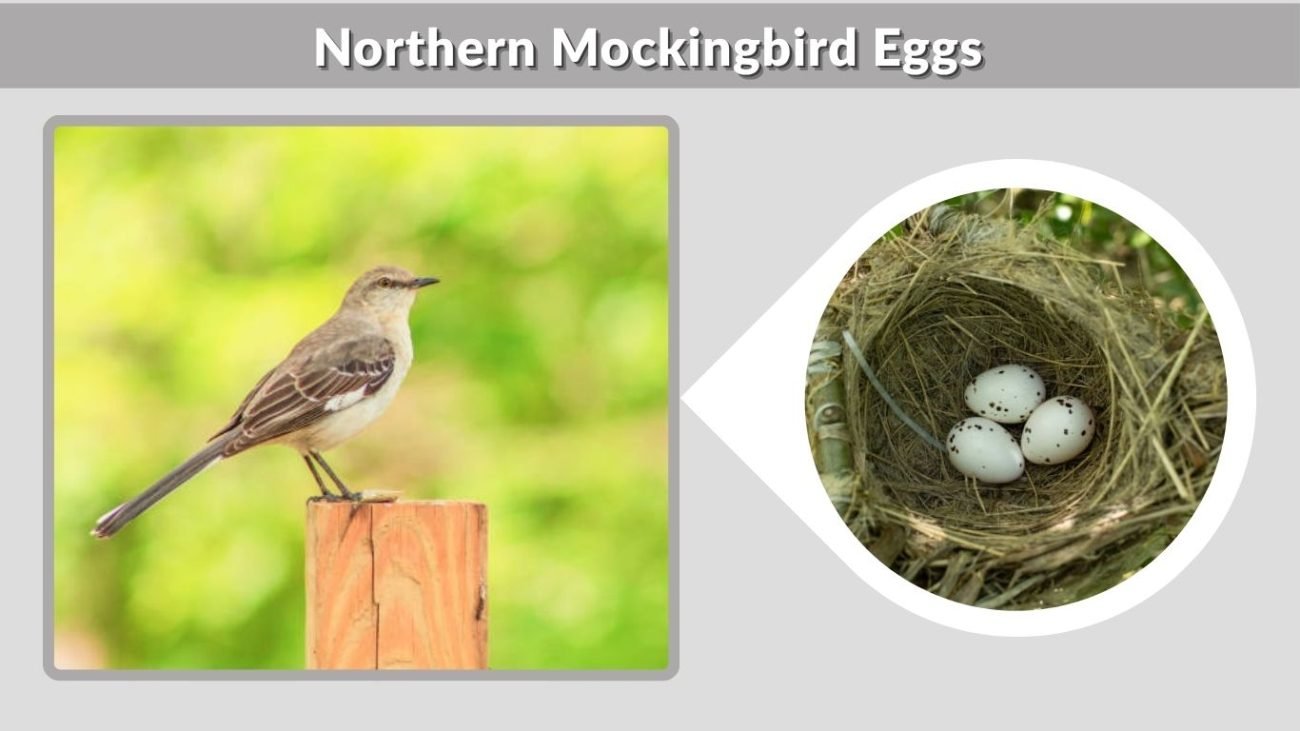
Northern Mockingbird eggs are usually blue-green or pale green with brown or reddish spots. These markings help camouflage the eggs within the nest.
Clutch Size
A typical clutch consists of 2 to 6 eggs. In favorable conditions, mockingbirds may raise multiple broods within a single breeding season.
Northern Mockingbird Life Cycle
Life Stages
The life cycle of the Northern Mockingbird includes several stages:
- Egg
- Nestling
- Fledgling
- Adult
Each stage is essential for the bird’s development and survival.
Growth and Development
After hatching, the chicks are helpless and rely completely on their parents for food and protection. Both parents feed the young with insects, ensuring rapid growth.
The chicks usually leave the nest after about 10–15 days. Even after fledging, they remain under parental care for some time while learning essential survival skills.
Behavior and Adaptations
Territorial Behavior
Northern Mockingbirds are highly territorial, especially during the breeding season. They will aggressively defend their nesting area from other birds and even larger animals.
It is not uncommon to see a mockingbird chasing away intruders, including humans who get too close to their nest.
Interaction with Humans
These birds are well adapted to living near people and are commonly found in residential areas. Their bold nature and frequent singing make them a noticeable presence in neighborhoods.
Many people enjoy their songs, although nighttime singing—especially by males—can sometimes be disruptive.
Threats and Conservation Status
Population Status
The Northern Mockingbird is currently considered a species of “Least Concern,” with a stable and widespread population. Its adaptability to human environments has helped it maintain strong numbers.
Threats
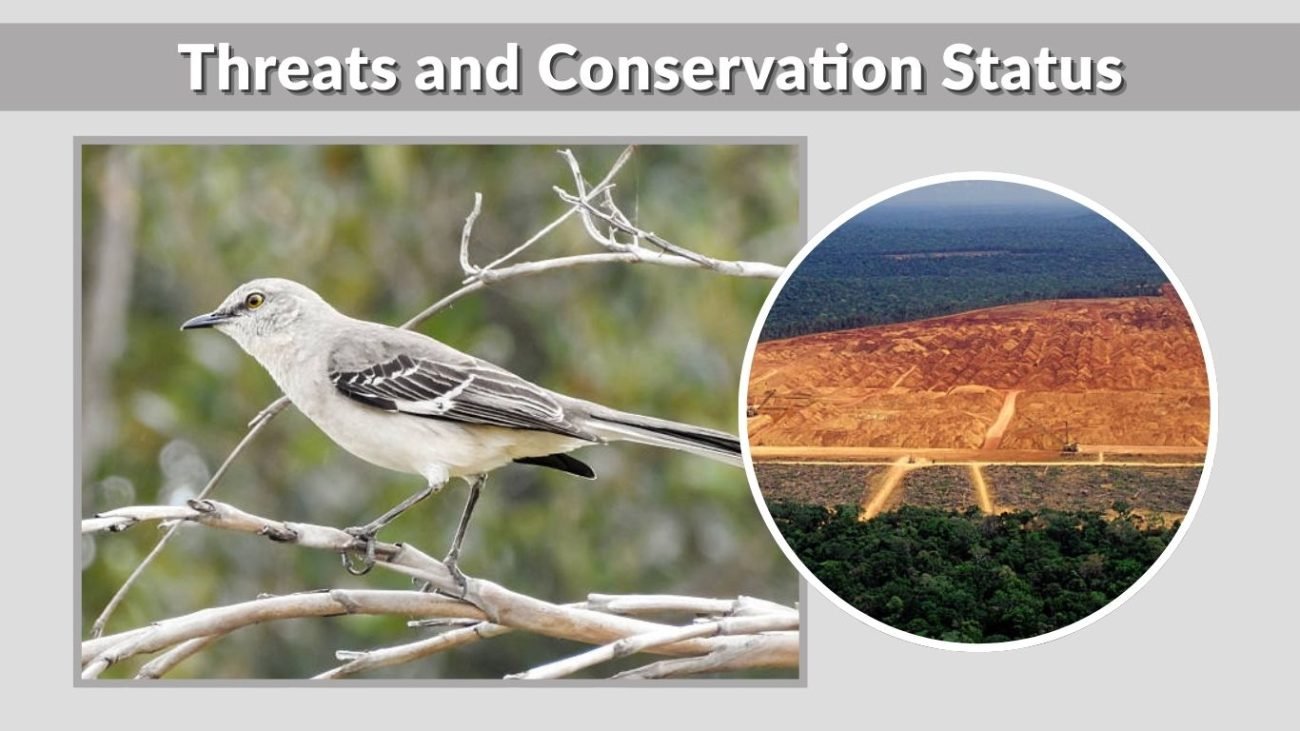
Although not currently endangered, mockingbirds face some challenges. Habitat changes, pesticide use, and urban hazards such as window collisions can impact local populations.
Conservation efforts that protect green spaces and reduce environmental risks can help support their continued success.
Interesting Facts About Northern Mockingbird
- A single mockingbird can learn and mimic dozens of different sounds.
- It is the state bird of several U.S. states, including Texas and Florida.
- Males may sing both during the day and at night.
- They can recognize individual humans and may react differently based on past interactions.
- Their mimicry improves with age and experience.
FAQs
Why do mockingbirds sing at night?
Males often sing at night to attract mates, especially if they are unpaired.
Are Northern Mockingbirds aggressive?
They can be very territorial and may aggressively defend their nests, but they are not dangerous.
How many sounds can they mimic?
Some individuals can mimic dozens, even up to 100 different sounds.
Do mockingbirds return to the same nest?
They usually build new nests each season but may stay within the same general territory.
Conclusion
The Northern Mockingbird is a remarkable songbird known for its unmatched mimicry and adaptability. From its beautiful and complex songs to its bold behavior, it continues to captivate birdwatchers and nature lovers alike. Its ability to thrive in both natural and urban environments highlights its resilience and importance in local ecosystems. Understanding this species not only deepens appreciation for birdlife but also encourages efforts to protect the habitats they depend on.