The loggerhead shrike (Lanius ludovicianus) is a fascinating bird known for its unusual hunting behavior and striking appearance. Often called the “butcher bird,” this small songbird behaves more like a bird of prey, capturing and impaling its food. Found across North America, it thrives in open landscapes where it can hunt efficiently. Exploring its characteristics, habitat, diet, and behavior reveals why the loggerhead shrike is one of the most unique and intriguing birds in its range.
Loggerhead Shrike Characteristics
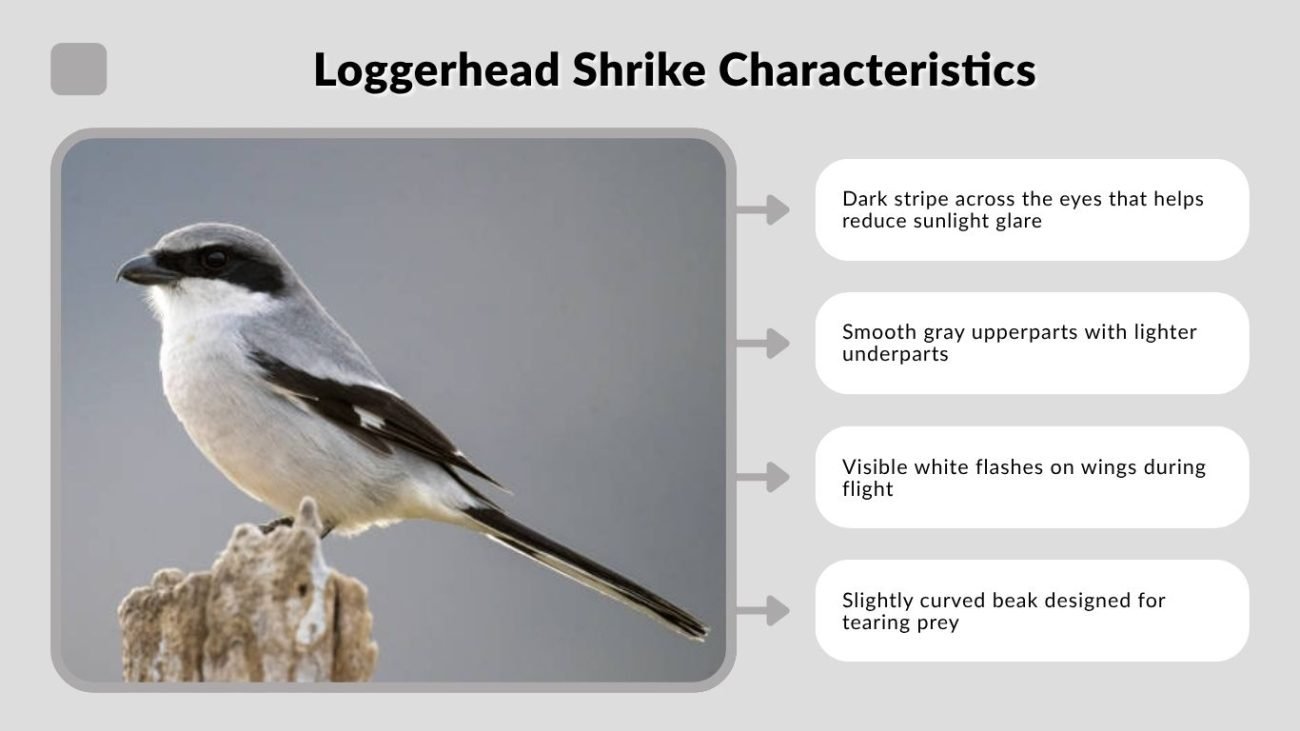
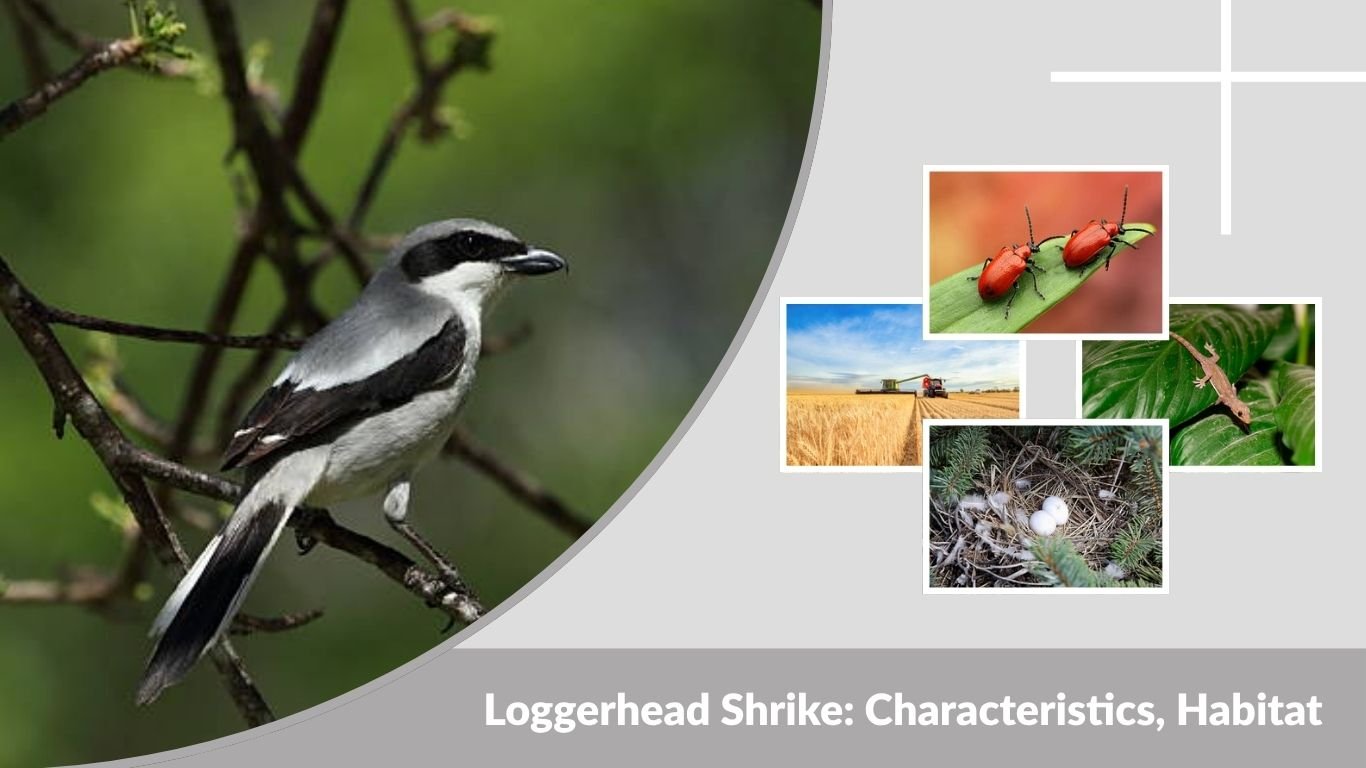
The loggerhead shrike is a unique songbird that stands out for its raptor-like behavior and bold appearance. Although small in size, it is a skilled predator equipped with sharp vision and a hooked beak. Its physical traits and hunting abilities make it very different from typical songbirds, allowing it to thrive in open habitats where it can easily spot and capture prey.
Key Characteristics
- Black Facial Mask: Dark stripe across the eyes that helps reduce sunlight glare
- Gray Body Color: Smooth gray upperparts with lighter underparts
- White Wing Patches: Visible white flashes on wings during flight
- Hooked Beak: Slightly curved beak designed for tearing prey
- Small but Strong: About 8–10 inches long with a sturdy build
- Excellent Vision: Sharp eyesight for detecting prey from a distance
- Predatory Behavior: Hunts like a bird of prey despite being a songbird
- Perch Hunter: Frequently seen sitting on wires, fences, or shrubs
- Territorial Nature: Defends its hunting area aggressively
These characteristics make the loggerhead shrike one of the most fascinating and unusual birds among North American songbirds.
Loggerhead Shrike Habitat
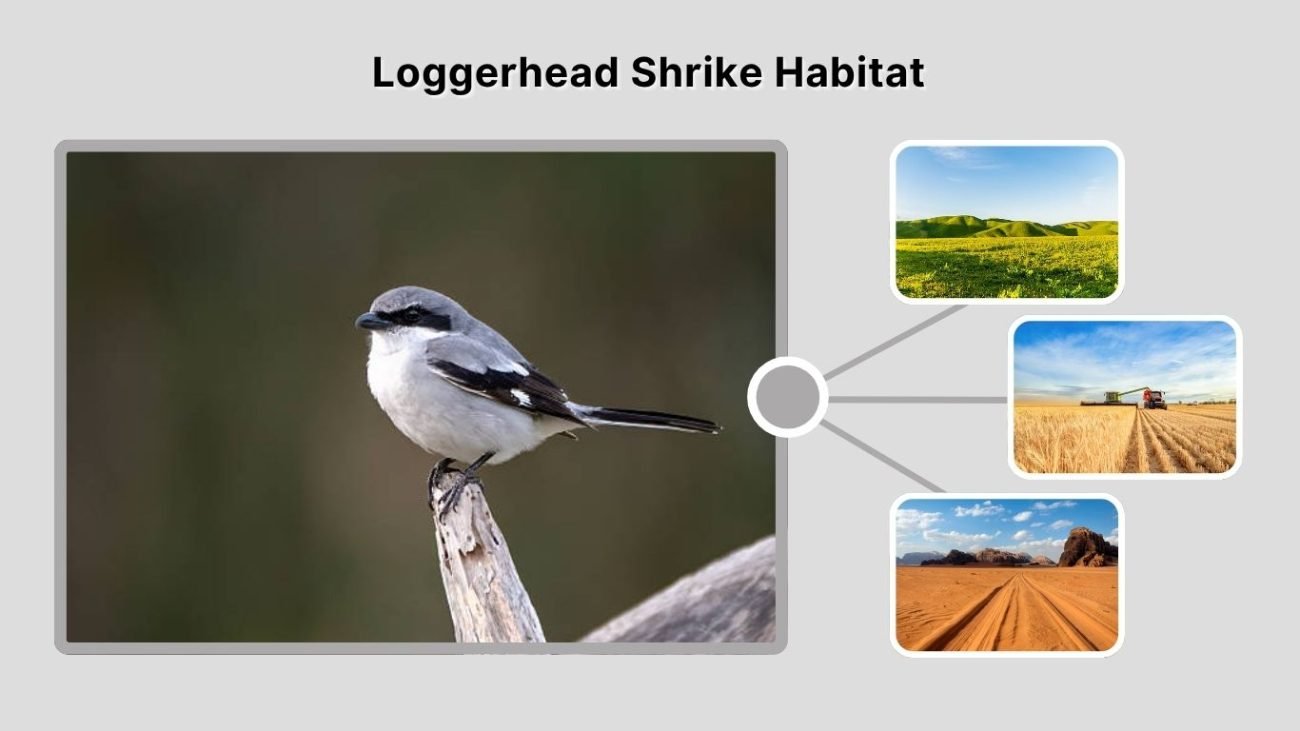
Geographic Range
The loggerhead shrike is native to North America and can be found across the United States, parts of southern Canada, and northern Mexico. Its distribution varies depending on the season, with some populations migrating while others remain in the same area year-round.
Preferred Environments
This species prefers open habitats that provide clear visibility for hunting. Common environments include grasslands, agricultural fields, deserts, and open scrub areas. These locations allow the shrike to spot prey from a distance and swoop down quickly.
Perching Behavior
One of the defining habits of the loggerhead shrike is its use of elevated perches. It frequently sits on fence posts, utility wires, or tall shrubs, watching for movement below. These vantage points are essential for its hunting strategy, allowing it to conserve energy while scanning for prey.
Habitat Challenges
In recent years, the loggerhead shrike population has declined in some areas due to habitat loss and changes in land use. Urban development and agricultural intensification have reduced the availability of suitable open habitats, making conservation efforts increasingly important.
Loggerhead Shrike Diet
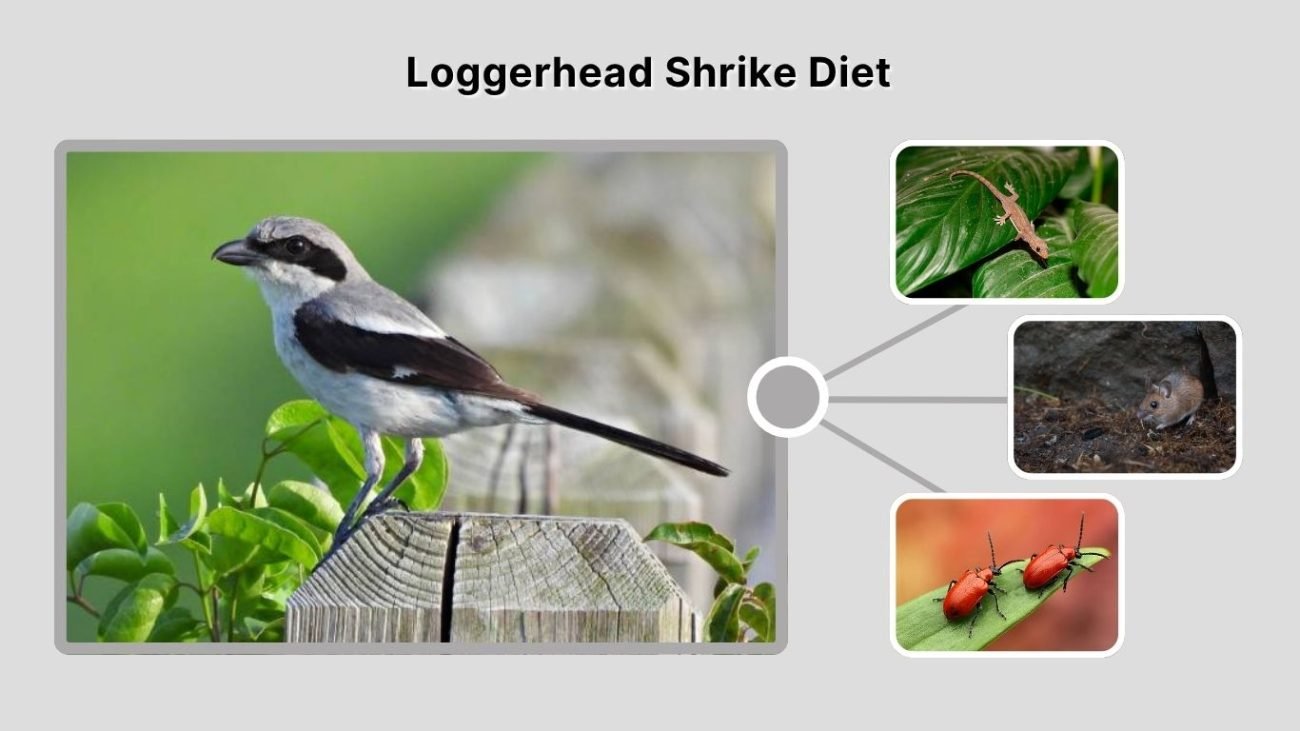
Primary Food Sources
The diet of the loggerhead shrike is diverse and includes both insects and small vertebrates. Common prey items include grasshoppers, beetles, and other large insects. It also feeds on small animals such as lizards, mice, and even small birds.
Hunting Behavior
The loggerhead shrike is an ambush predator. It typically hunts by perching quietly and scanning the ground for movement. Once it spots prey, it swoops down quickly to capture it. Its hunting style is efficient and precise, allowing it to catch fast-moving insects and small animals.
Unique Feeding Trait
One of the most unusual behaviors of the loggerhead shrike is its habit of impaling prey on sharp objects such as thorns, barbed wire, or spikes. This behavior has earned it the nickname “butcher bird.” By impaling its prey, the shrike can store food for later consumption and also make it easier to tear apart larger animals.
Loggerhead Shrike Nest and Nesting Habits
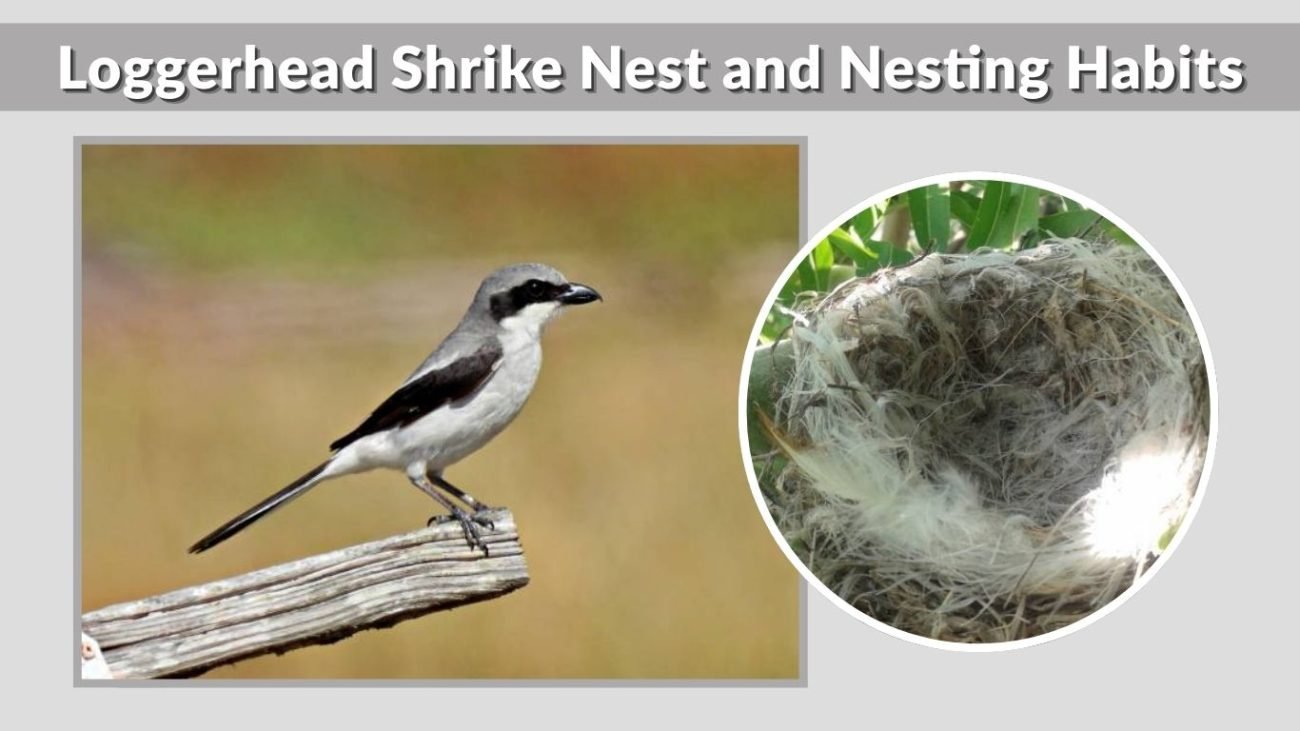
Nest Structure
The loggerhead shrike builds a sturdy, cup-shaped nest using twigs, grass, and small branches. The outer part of the nest is relatively coarse, while the inside is lined with softer materials such as feathers, fur, or fine grass. This layered construction provides both support and comfort for the eggs and chicks.
Nesting Locations
Nests are usually placed in dense shrubs or small trees, often in thorny vegetation that offers protection from predators. Common nesting plants include hawthorn, mesquite, and other spiny bushes. These locations help conceal the nest while also providing easy access to nearby hunting grounds.
Nesting Habits
The breeding season for loggerhead shrikes typically occurs from early spring to mid-summer. They are generally monogamous during the breeding season, with pairs working together to raise their young. The male often helps gather nesting materials and may assist in feeding the female during incubation. These birds are highly territorial and will aggressively defend their nesting area from intruders.
Loggerhead Shrike Eggs
Egg Description
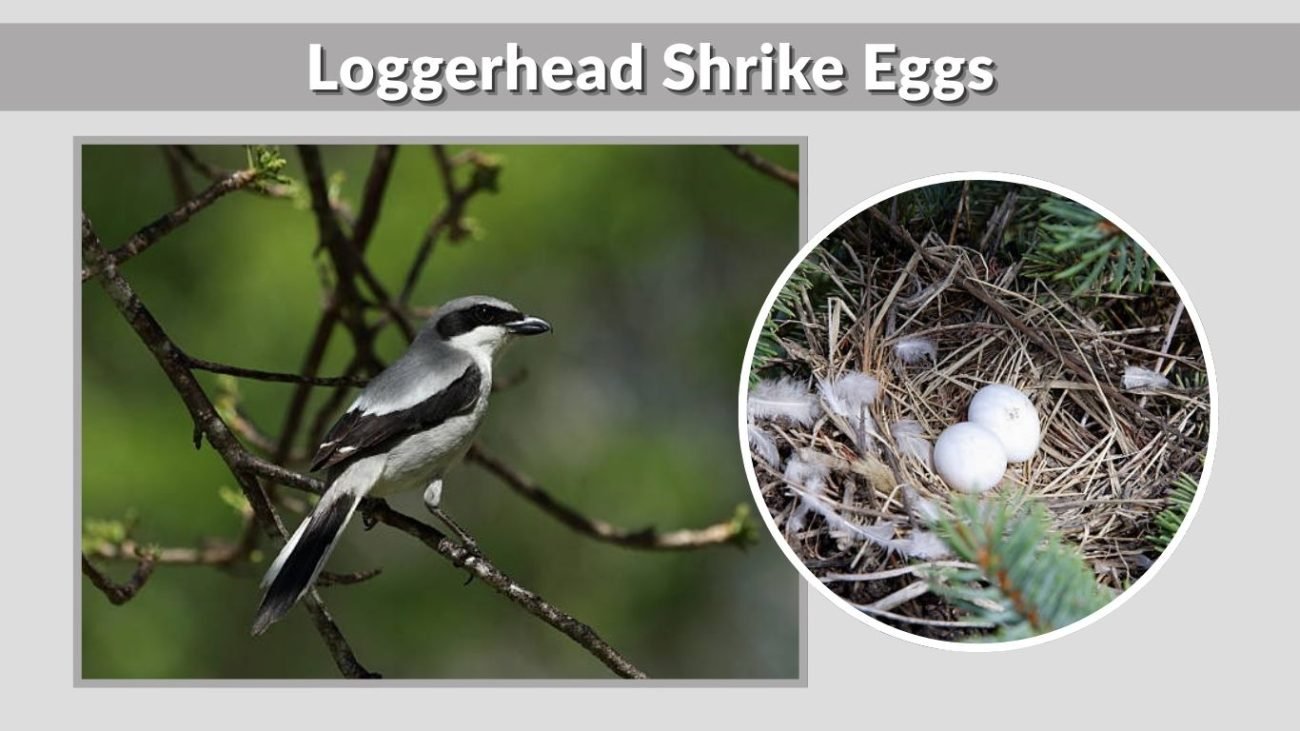
Loggerhead shrikes usually lay between 4 and 7 eggs per clutch. The eggs are pale in color, often white, gray, or slightly bluish, and are marked with small brown or gray spots. These markings help camouflage the eggs within the nest.
Incubation Process
The incubation period lasts about 14 to 18 days. During this time, the female primarily incubates the eggs, while the male provides food and protects the territory. This division of roles helps ensure the safety and development of the eggs.
Chick Development
After hatching, the chicks are helpless and depend entirely on their parents for food and warmth. Both parents participate in feeding, bringing insects and small prey back to the nest. The chicks grow quickly and typically fledge within 16 to 20 days, though they may continue to rely on their parents for a short period after leaving the nest.
Loggerhead Shrike Lifespan
Average Lifespan
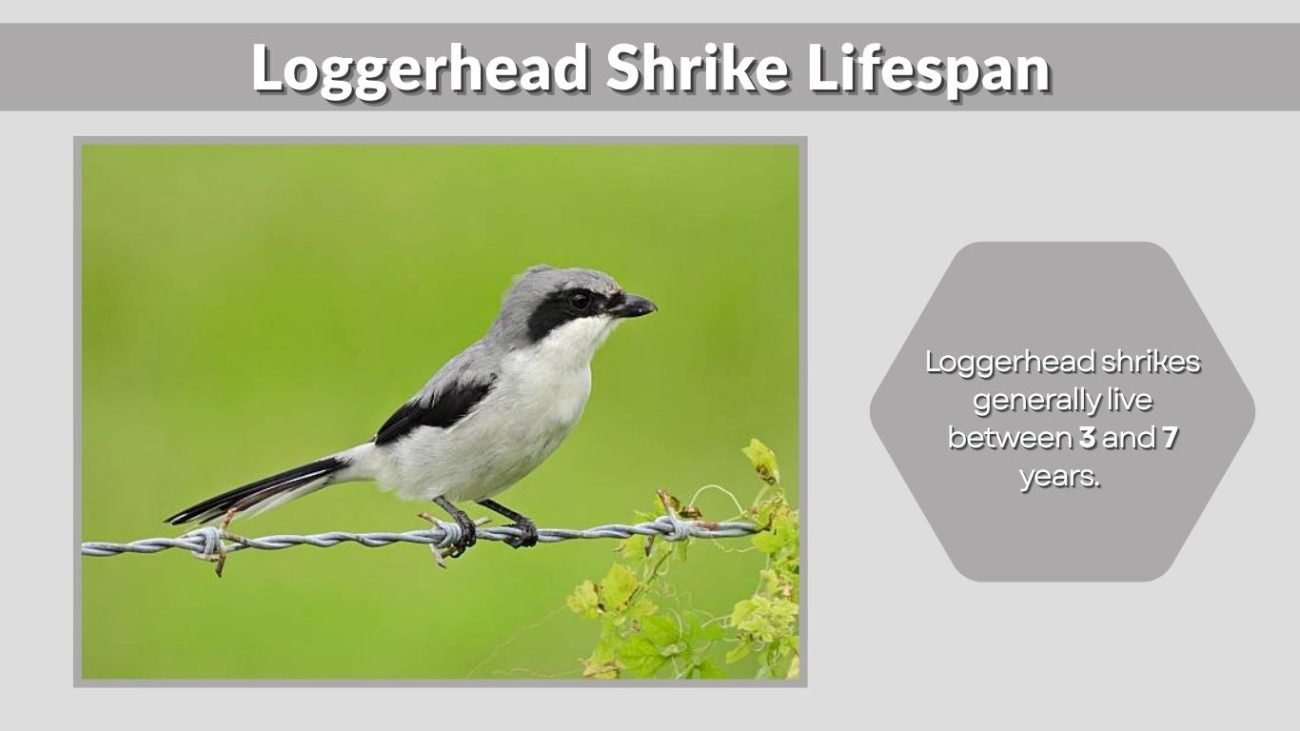
In the wild, loggerhead shrikes generally live between 3 and 7 years. However, many individuals may not reach their full lifespan due to environmental pressures and predation.
Factors Affecting Lifespan
Several factors influence the survival of these birds. Predators such as hawks, snakes, and larger birds pose significant threats, especially to young shrikes. Habitat loss, pesticide use, and reduced prey availability also contribute to declining populations in some regions.
Lifespan in Captivity
Although less commonly kept in captivity, loggerhead shrikes can live longer in protected environments where food is consistent and threats are minimized. However, conservation efforts are primarily focused on preserving their natural habitats rather than captivity.
Loggerhead Shrike Behavior
Hunting and Territorial Behavior
Loggerhead shrikes are known for their aggressive and efficient hunting style. They actively defend their territory, especially during the breeding season, and will chase away intruders. Their ability to hunt larger prey than most songbirds sets them apart from other species.
Seasonal Movement
Some populations of loggerhead shrikes migrate, particularly those in northern regions, while others remain in the same area year-round. Migration patterns depend largely on climate and food availability.
Vocalizations
Although not known for melodious songs, loggerhead shrikes produce a variety of calls, including harsh notes and whistles. These sounds are often used for communication between mates or to warn off rivals.
Interesting Loggerhead Shrike Facts
The “Butcher Bird” Nickname
The loggerhead shrike earned its nickname due to its habit of impaling prey on thorns or barbed wire. This unique behavior allows it to store food and tear apart prey more easily.
A Songbird with Predator Skills
Despite being classified as a songbird, the loggerhead shrike hunts like a bird of prey. Its hooked beak, sharp vision, and hunting techniques make it one of the most unusual birds in North America.
Conservation Status
In some areas, loggerhead shrike populations have declined due to habitat loss and pesticide use. Conservation programs are working to protect their habitats and monitor population trends.
Conclusion
The loggerhead shrike is a remarkable bird that combines the traits of a songbird with the hunting skills of a predator. From its distinctive appearance and powerful beak to its unique feeding behavior and adaptable habitat, it stands out as one of the most intriguing species in North America. Understanding its lifestyle and challenges highlights the importance of conserving open habitats and supporting biodiversity for future generations.
FAQs
What makes the loggerhead shrike different from other songbirds?
The loggerhead shrike is unique because it hunts like a bird of prey, using a hooked beak and sharp vision to capture and kill animals.
Why does the loggerhead shrike have a black mask?
The black mask helps reduce glare from sunlight, allowing the bird to see prey more clearly while hunting.
How big is a loggerhead shrike?
It typically measures 8–10 inches in length with a wingspan of about 11–13 inches.
Is the loggerhead shrike aggressive?
Yes, it is quite territorial and can be aggressive when defending its hunting area or nest.
Can loggerhead shrikes see well?
Yes, they have excellent eyesight, which helps them spot prey from long distances in open habitats.