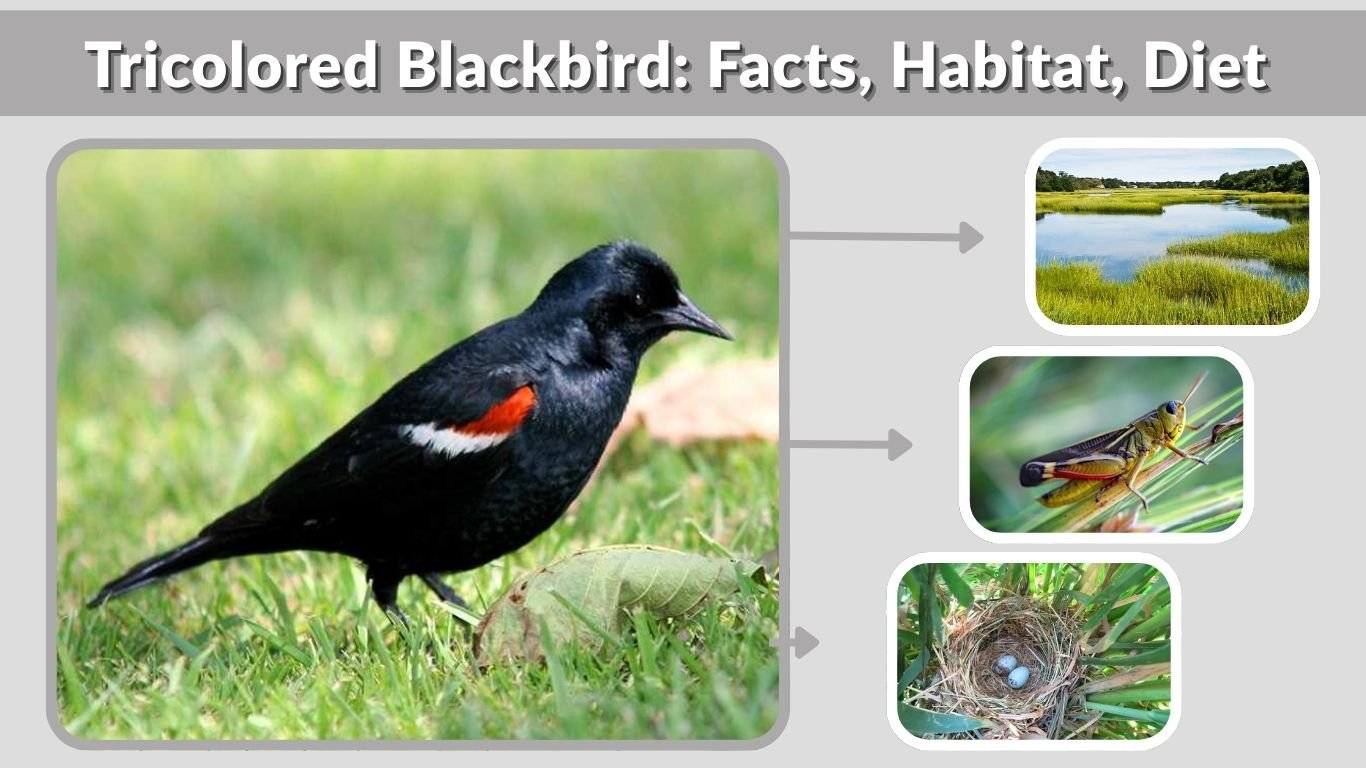
The tricolored blackbird (Agelaius tricolor) is a unique and highly social bird species native to North America, primarily found in California. Known for its striking black plumage accented with red and white shoulder patches, this bird stands out among other blackbird species. Unlike many birds, it forms massive breeding colonies, making it one of the most colonial land birds in the region. However, despite its fascinating behavior, the tricolored blackbird faces serious population decline, making conservation efforts increasingly important.
Tricolored Blackbird Physical Characteristics and Identification
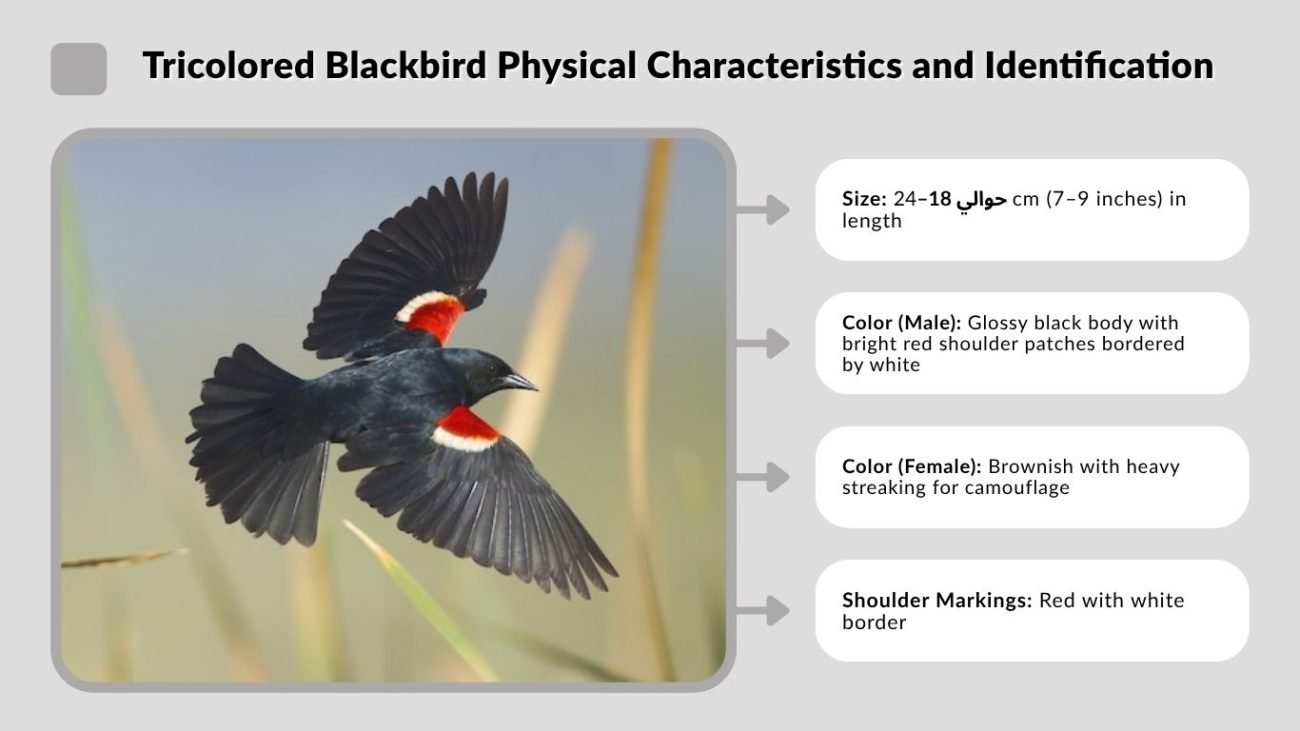
The tricolored blackbird is a medium-sized songbird that is often recognized for its bold coloration and social behavior. While it closely resembles other blackbird species, especially the red-winged blackbird, a few distinct physical traits make it easier to identify in the wild. Understanding these features helps birdwatchers and researchers quickly distinguish it from similar species.
Key Identification Features
- Size: حوالي 18–24 cm (7–9 inches) in length
- Color (Male): Glossy black body with bright red shoulder patches bordered by white
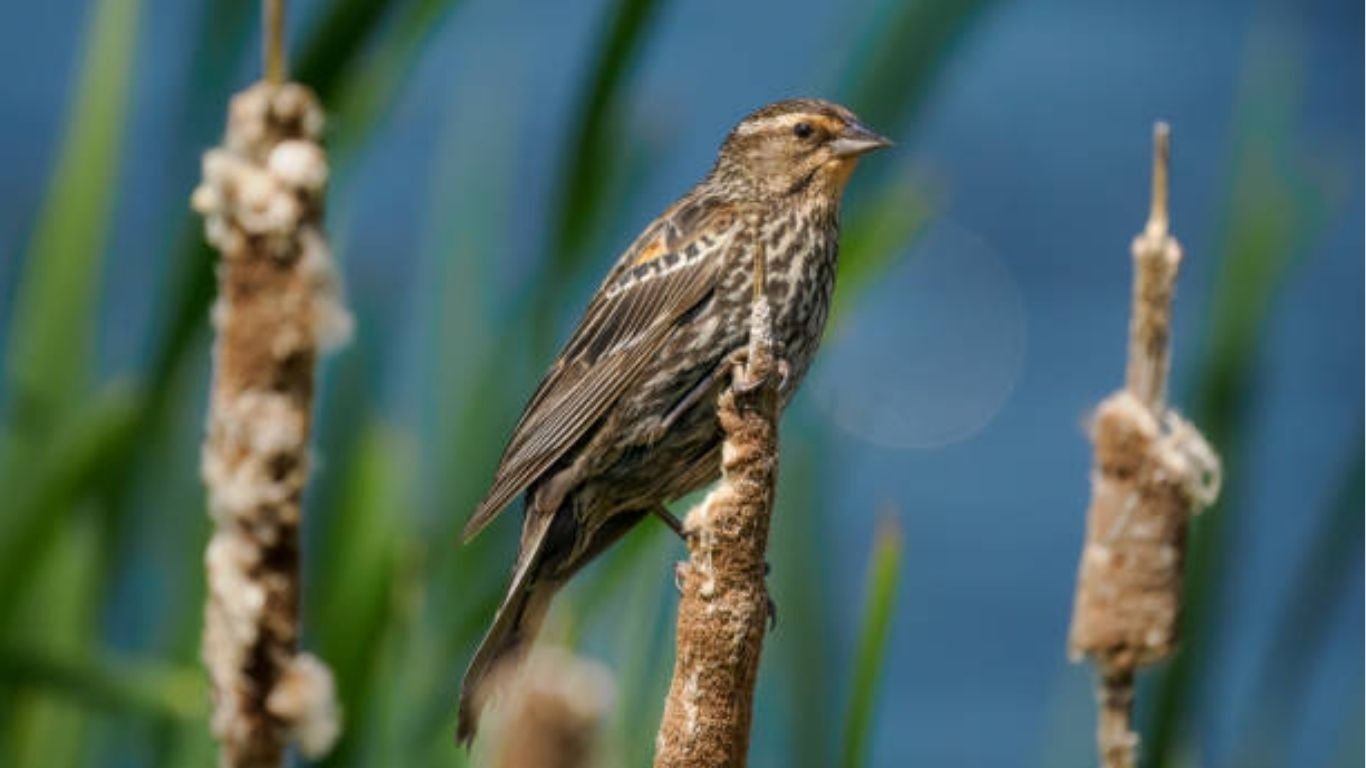
- Color (Female): Brownish with heavy streaking for camouflage
- Shoulder Markings: Red with white border (main distinguishing feature)
- Beak: Sharp, pointed, and dark-colored
- Tail: Medium-length and slightly rounded
- Wings: Strong and adapted for flock movement
Quick Identification Tips
- Look for the white stripe under the red patch (unlike red-winged blackbirds)
- Males appear shiny black and more visible, especially during display
- Females blend into surroundings due to duller, streaked feathers
- Often seen in large groups, which is a strong behavioral clue
This combination of visual and behavioral traits makes the tricolored blackbird relatively easy to identify once you know what to look for.
Tricolored Blackbird Habitat and Distribution
Geographic Range
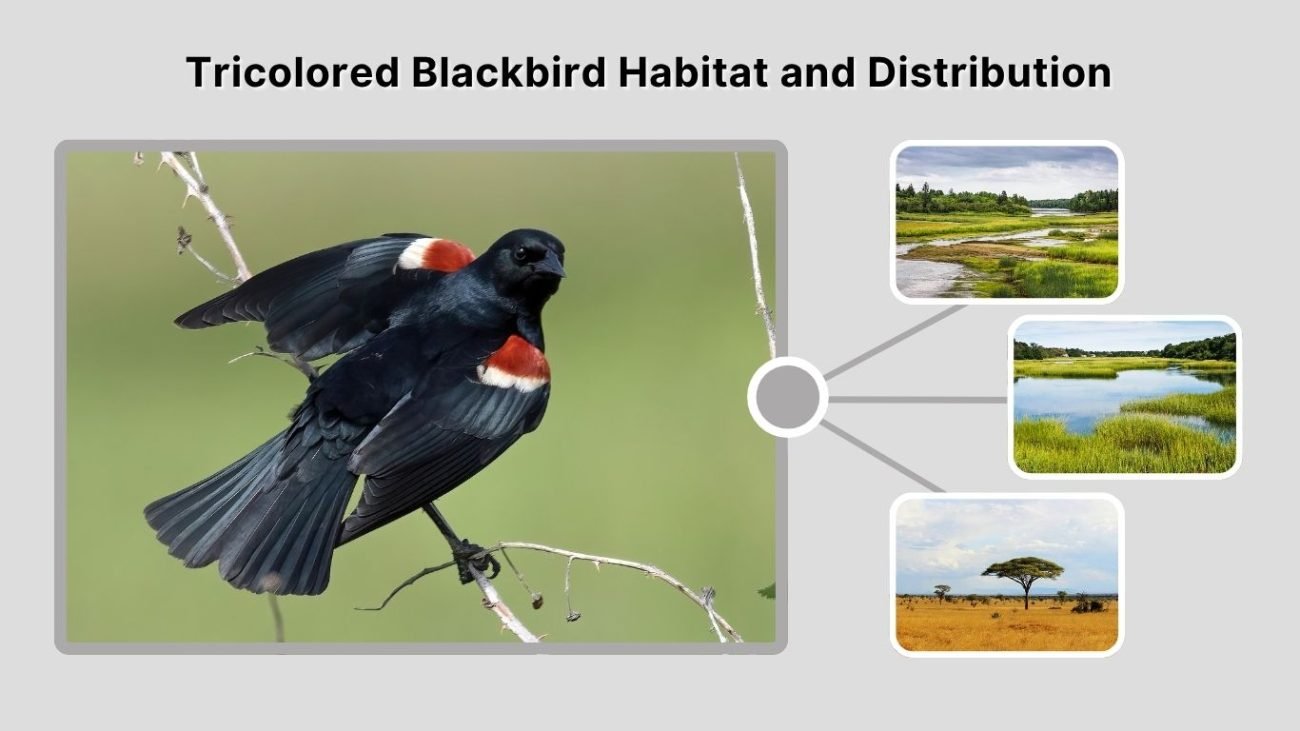
The tricolored blackbird has a relatively limited geographic range compared to other blackbird species. It is primarily found in California, with occasional populations in parts of Oregon, Nevada, and Baja California. This restricted range makes the species more vulnerable to environmental changes and habitat loss.
Preferred Habitats
This bird thrives in wetlands, marshes, and grasslands where dense vegetation provides suitable nesting sites. It is also commonly found in agricultural areas such as rice fields and silage crops, especially during the breeding season. These environments offer both food and nesting materials, although reliance on farmland can sometimes pose risks.
Seasonal Movements
Unlike long-distance migratory birds, the tricolored blackbird is considered a partial migrant. It moves locally in response to food availability and breeding conditions. During certain times of the year, large flocks may shift locations within California, seeking better feeding grounds or safer nesting areas.
Tricolored Blackbird Behavior and Social Structure
Colonial Nesting Behavior
One of the most remarkable features of the tricolored blackbird is its colonial nesting behavior. Thousands—even tens of thousands—of birds may gather in a single location to breed. These dense colonies are typically established in areas with abundant food and suitable vegetation. Nesting in such large groups provides advantages like increased protection from predators, but it also means that entire colonies can be at risk if a habitat is disturbed.
Flocking and Social Interaction
Outside the breeding season, tricolored blackbirds remain highly social and often form large flocks. These flocks can be seen moving together in search of food, creating impressive aerial displays. Their strong social bonds help them locate resources more efficiently and provide safety in numbers.
Communication and Calls
Tricolored blackbirds use a variety of vocalizations to communicate within their colonies. Their calls are typically sharp and metallic, often described as more complex than those of similar species. These sounds play an important role in maintaining social structure, attracting mates, and warning others of potential threats.
Tricolored Blackbird Diet and Feeding Habits
Primary Diet
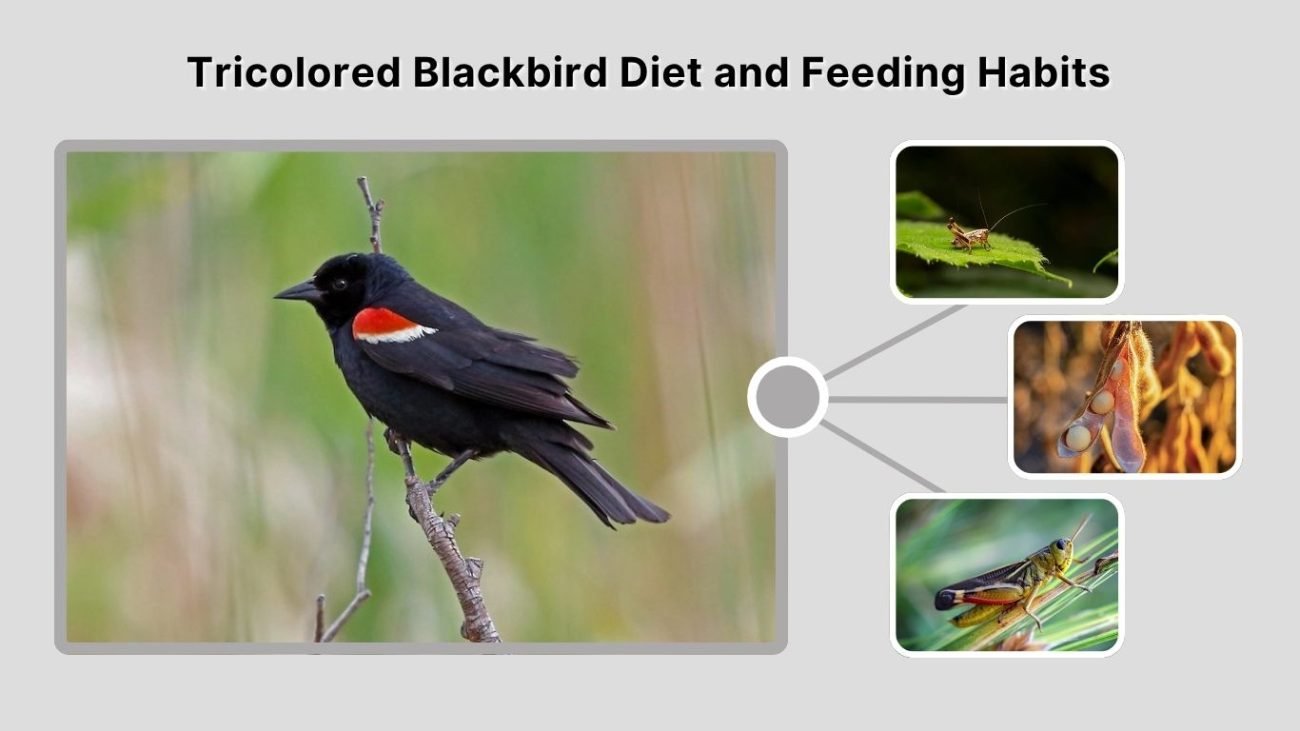
The diet of the tricolored blackbird mainly consists of insects and seeds. During the breeding season, insects such as beetles, grasshoppers, and caterpillars become especially important, as they provide the necessary protein for growing chicks.
Feeding Behavior
These birds typically forage in groups, searching for food on the ground or in low vegetation. Their presence in agricultural fields is common, where they take advantage of both insects and leftover grains. This behavior can sometimes bring them into conflict with farmers, although they also help control pest populations.
Seasonal Diet Changes
The tricolored blackbird’s diet changes with the seasons. In warmer months, insects dominate their food intake, while in colder periods, they rely more on seeds and grains. This flexibility allows them to survive in varying environmental conditions, although it also ties them closely to specific habitats.
Tricolored Blackbird Breeding and Reproduction
Nesting Sites
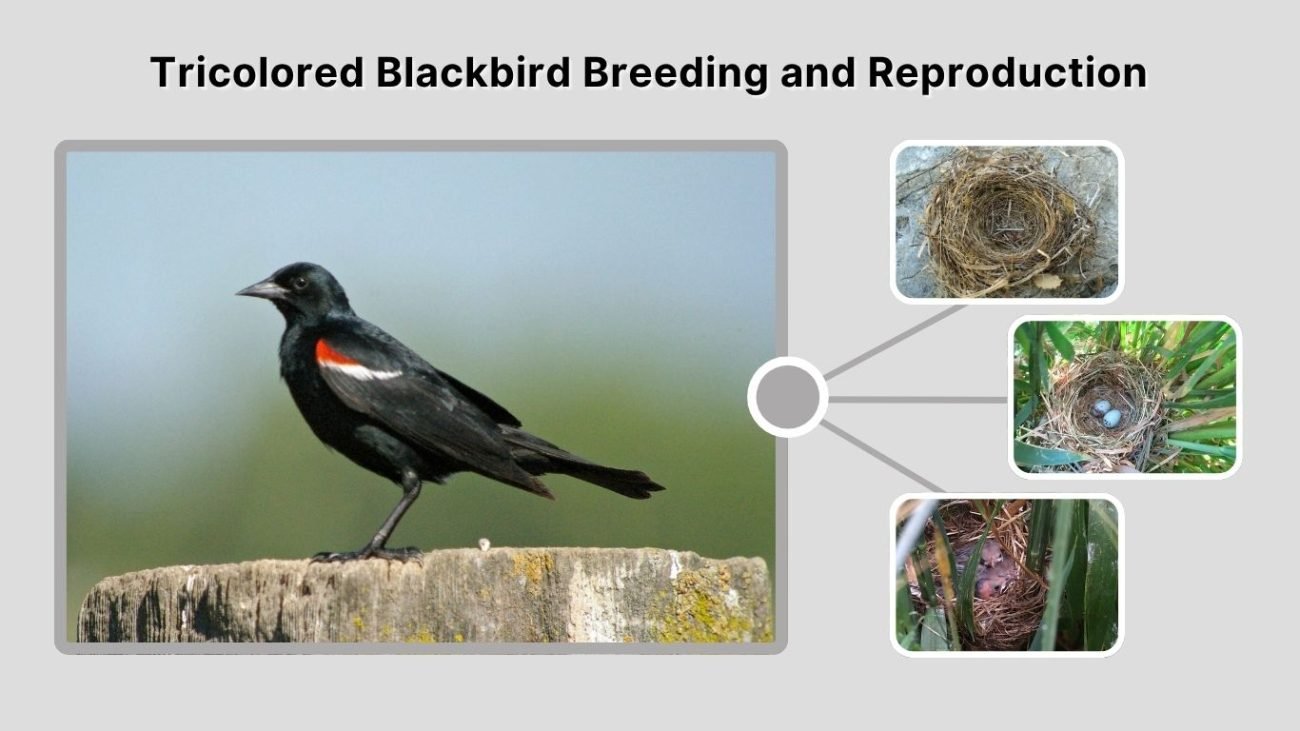
Tricolored blackbirds typically build their nests in dense vegetation near water, such as cattails, bulrushes, or thick grasses. In some cases, they also nest in agricultural fields like triticale or silage crops. The nests are woven from plant materials and are usually positioned just above water or ground level to reduce the risk of predation.
Egg Laying and Incubation
Females usually lay 3–4 eggs per clutch, which are pale with darker markings. The incubation period lasts around 11–14 days and is primarily carried out by the female. During this time, males remain nearby, guarding the nesting area and defending the colony from potential threats. Once the chicks hatch, both parents contribute to feeding them, mainly with insects rich in protein.
Colony Size and Breeding Success
One of the defining traits of the species is its massive colony size. Some colonies may contain thousands or even tens of thousands of nests. While this provides protection through numbers, it also creates vulnerability. If a nesting site is disturbed—especially in agricultural fields during harvesting—entire breeding efforts can be lost in a short time.
Conservation Status and Threats
Population Decline
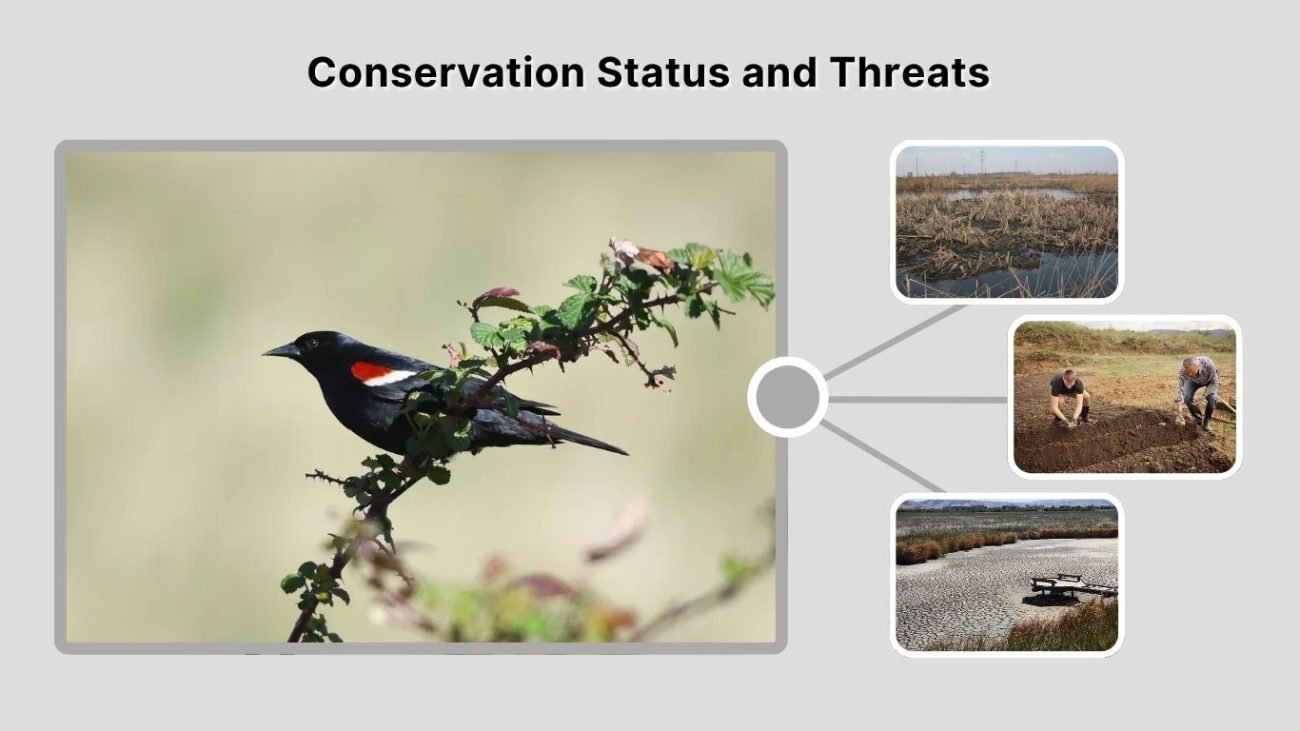
The tricolored blackbird has experienced a significant population decline over the past century. Once abundant across California, its numbers have dropped dramatically due to habitat changes and human activities. This decline has raised concern among conservationists and has led to increased monitoring efforts.
Major Threats
One of the biggest threats to the species is habitat loss, particularly the destruction of wetlands that are essential for nesting. Agricultural practices also pose risks, especially when crops are harvested during the breeding season, destroying nests and chicks. Additionally, pesticide use can reduce the availability of insects, which are a critical food source. Climate change further compounds these challenges by altering habitats and food availability.
Conservation Efforts and Protection
Legal Protection
In response to its declining population, the tricolored blackbird has received legal protection in certain regions, particularly in California. These protections aim to limit disturbances during the breeding season and safeguard critical habitats.
Conservation Programs
Various conservation organizations and government agencies are actively working to protect this species. Efforts include habitat restoration, monitoring breeding colonies, and collaborating with farmers to delay harvesting when colonies are present. These programs have shown some success in stabilizing local populations.
How People Can Help
Individuals can also play a role in conservation by supporting environmental organizations, advocating for wetland protection, and raising awareness about the species. Even small actions, such as promoting sustainable farming practices, can contribute to the survival of the tricolored blackbird.
Interesting Facts About the Tricolored Blackbird
- The tricolored blackbird forms some of the largest breeding colonies of any North American land bird.
- It gets its name from the combination of black feathers with red and white shoulder markings.
- Unlike many birds, it relies heavily on group nesting for survival.
- Its limited geographic range makes it more vulnerable than widespread species.
FAQs
What is a tricolored blackbird?
The tricolored blackbird (Agelaius tricolor) is a medium-sized songbird native to North America, mainly found in California. It is known for its black body with red and white shoulder markings and its highly social nesting behavior.
Where do tricolored blackbirds live?
Tricolored blackbirds are primarily found in California, with smaller populations in nearby regions. They prefer wetlands, marshes, grasslands, and agricultural fields where they can find food and suitable nesting sites.
How can you identify a tricolored blackbird?
You can identify a tricolored blackbird by its black plumage and red shoulder patch bordered by white. Males are glossy black and more colorful, while females are brown and streaked. The white border under the red patch is a key distinguishing feature.
What do tricolored blackbirds eat?
Their diet mainly consists of insects like beetles, grasshoppers, and caterpillars, especially during breeding season. They also eat seeds and grains when insects are less available.
Are tricolored blackbirds endangered?
The tricolored blackbird is not fully extinct but is considered a species of conservation concern due to its rapidly declining population. In some areas, it has received legal protection to help prevent further decline.
Why is the tricolored blackbird population declining?
The main reasons include habitat loss, especially wetland destruction, agricultural harvesting during nesting, pesticide use, and climate change, all of which affect their survival and breeding success.
Conclusion
The tricolored blackbird is a remarkable species known for its striking appearance and highly social nature. From its massive nesting colonies to its adaptability in feeding habits, it plays an important role in its ecosystem. However, ongoing threats such as habitat loss and agricultural disruption continue to impact its survival. Protecting this unique bird requires a combination of conservation efforts, public awareness, and responsible land management. By understanding and supporting these initiatives, we can help ensure that the tricolored blackbird remains a part of North America’s natural heritage for generations to come.