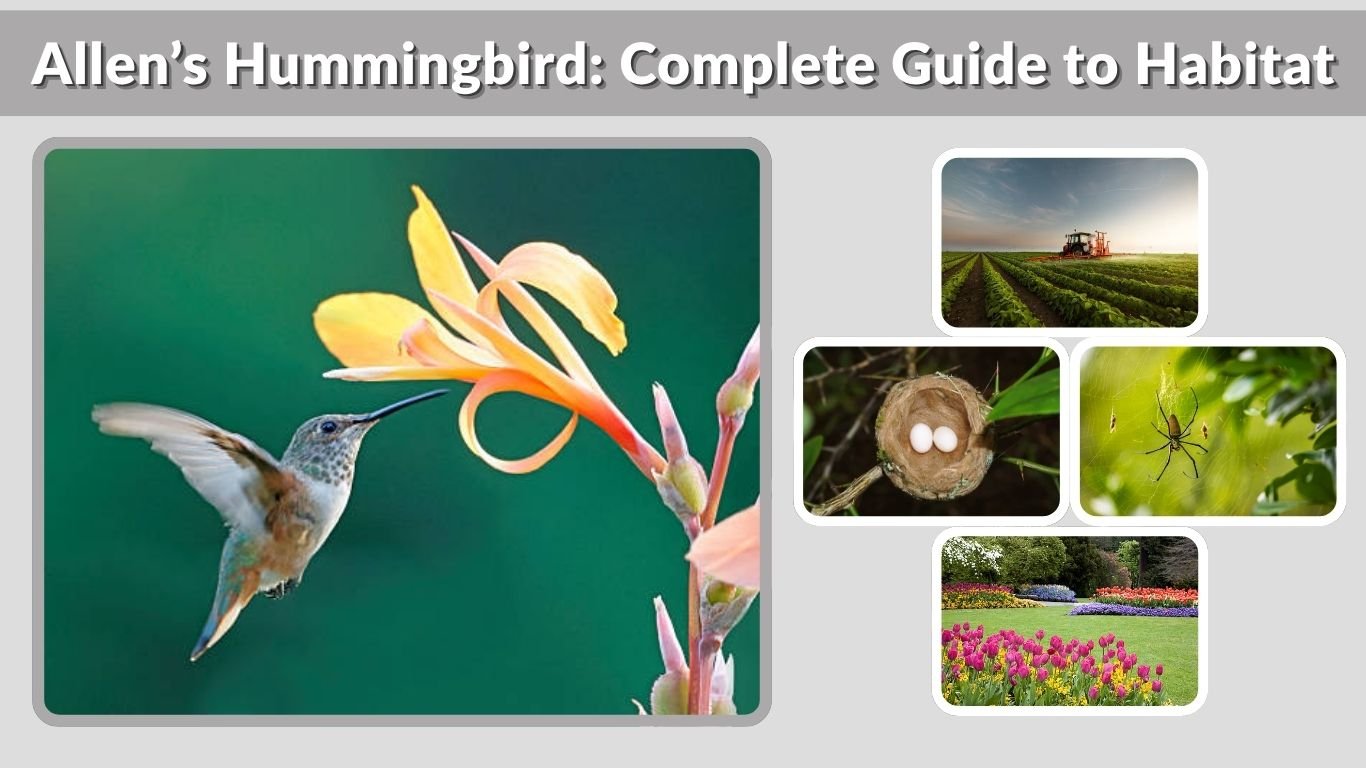
Allen’s hummingbird (Selasphorus sasin) is a small but vibrant bird known for its incredible speed, bright coloration, and energetic behavior. Native to the western coast of North America, especially California, this hummingbird plays an important role as a pollinator. Despite its tiny size, it is highly territorial and active, often seen darting between flowers or hovering near feeders. Its early migration and striking appearance make it a favorite among birdwatchers and nature enthusiasts alike.
Allen’s Hummingbird Physical Characteristics and Identification
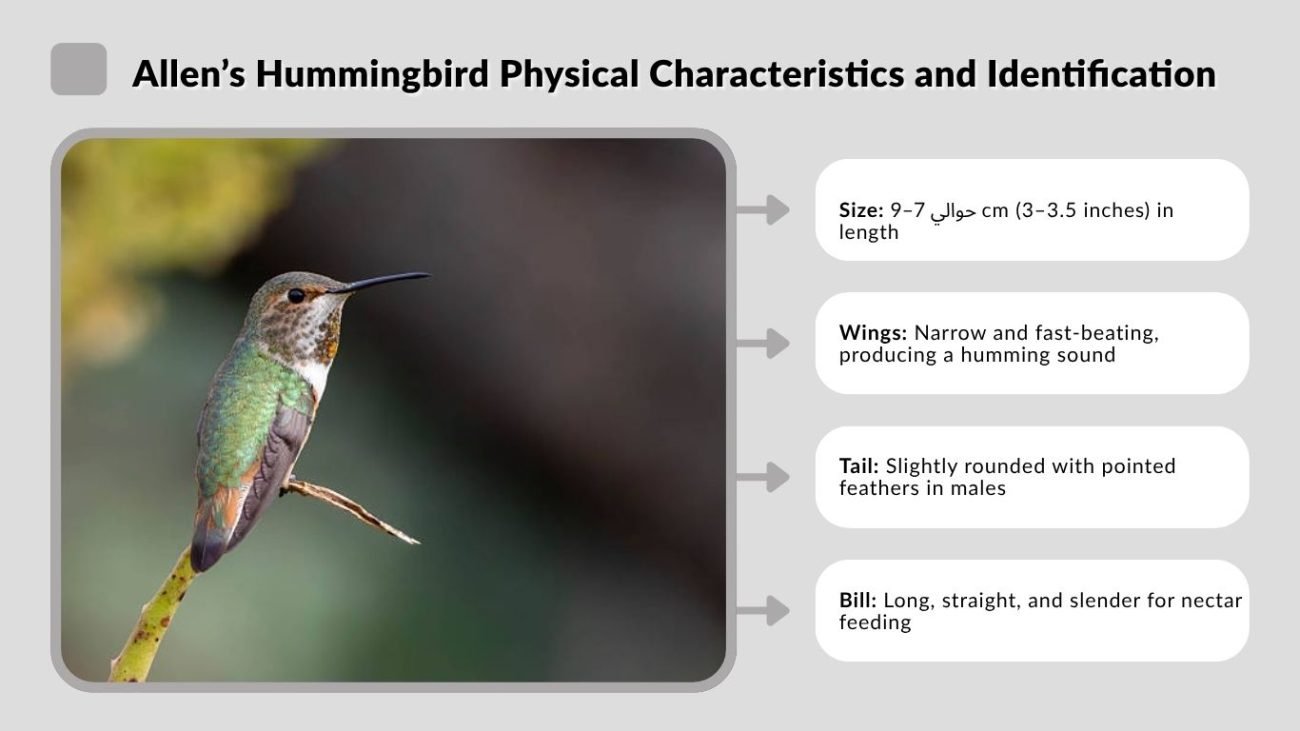
Allen’s hummingbird is one of the smaller hummingbird species, but it stands out due to its vivid colors and rapid movements. While it can be difficult to distinguish from similar species, especially the rufous hummingbird, certain features make identification easier.
Key Identification Features
- Size: حوالي 7–9 cm (3–3.5 inches) in length
- Color (Male): Bright orange body with a shimmering reddish-orange throat (gorget)
- Color (Female): Green back with pale, whitish underparts and some orange tones
- Wings: Narrow and fast-beating, producing a humming sound
- Tail: Slightly rounded with pointed feathers in males
- Bill: Long, straight, and slender for nectar feeding
Quick Identification Tips
- Males show bright orange coloring, especially during breeding season
- Females are less colorful but still show green and subtle orange tones
- Often confused with rufous hummingbirds—look for slightly greener back in females
- Extremely fast and agile, often seen hovering or darting between flowers
Allen’s Hummingbird Habitat and Distribution
Geographic Range
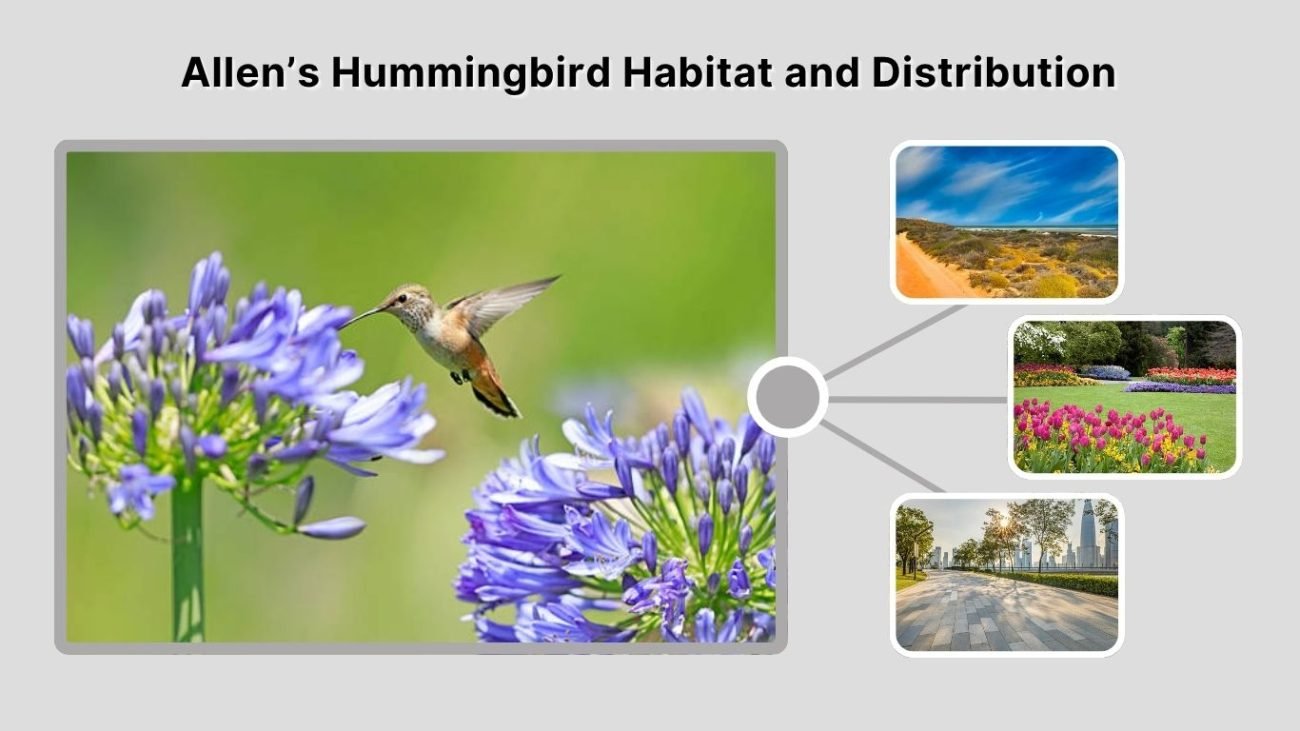
Allen’s hummingbird is primarily found along the coastal regions of California and parts of southern Oregon. There are both migratory and non-migratory (resident) populations. Migratory groups travel south during the winter, while some coastal populations remain year-round.
Preferred Habitat
This species thrives in coastal scrub, gardens, forest edges, and even urban areas. It is commonly found in places with abundant flowering plants that provide nectar. Due to its adaptability, it can live near human settlements, especially where feeders and gardens are available.
Migration Patterns
Allen’s hummingbird is known for its early migration compared to other hummingbird species. Migratory populations move north for breeding and return south as seasons change. These birds often follow coastal routes, stopping at areas rich in flowering plants to refuel along the way.
Allen’s Hummingbird Behavior and Unique Traits
Flight and Agility
Allen’s hummingbird is incredibly agile, capable of hovering in place, flying backward, and making rapid directional changes. Its wings beat at an astonishing speed, creating the characteristic humming sound. This agility allows it to efficiently feed on nectar and avoid predators.
Territorial Behavior
Despite its small size, this hummingbird is highly territorial. Males aggressively defend feeding areas and may chase away other birds, including larger species. They often guard flower patches or feeders, ensuring a steady food supply.
Courtship Displays
One of the most fascinating behaviors of Allen’s hummingbird is its dramatic courtship display. Males perform high-speed dives from great heights, producing a buzzing or whistling sound with their wings. These displays are meant to attract females and demonstrate strength and fitness.
Allen’s Hummingbird Diet and Feeding Habits
Primary Diet
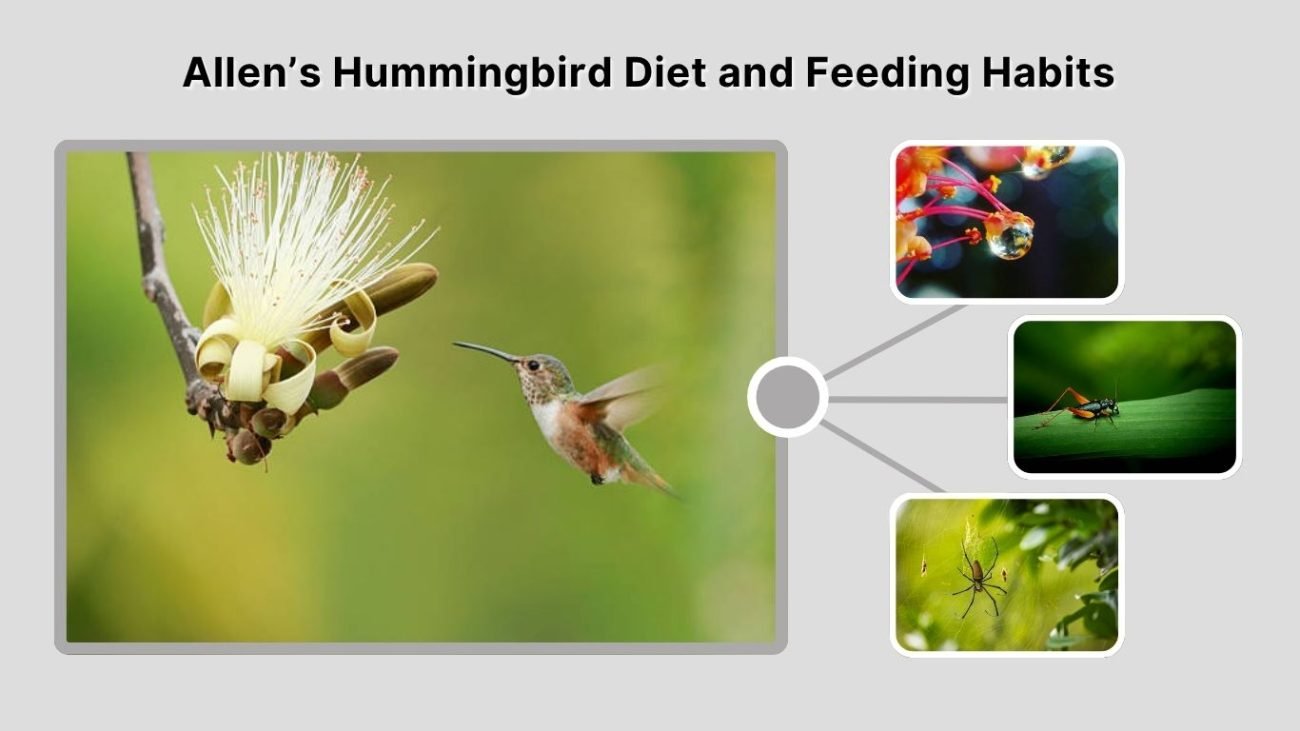
Allen’s hummingbird mainly feeds on nectar from flowers, which provides the energy needed for its fast metabolism. It also consumes small insects and spiders, which supply essential protein and nutrients.
Feeding Behavior
This bird feeds by hovering in front of flowers and using its long bill and specialized tongue to extract nectar. It frequently visits a variety of flowering plants and may also rely on artificial feeders in gardens.
Role as Pollinators
As they move from flower to flower, Allen’s hummingbirds transfer pollen, playing a crucial role in plant reproduction. Their feeding activity supports the health of many ecosystems, especially in coastal regions.
Allen’s Hummingbird Breeding and Nesting
Nesting Sites
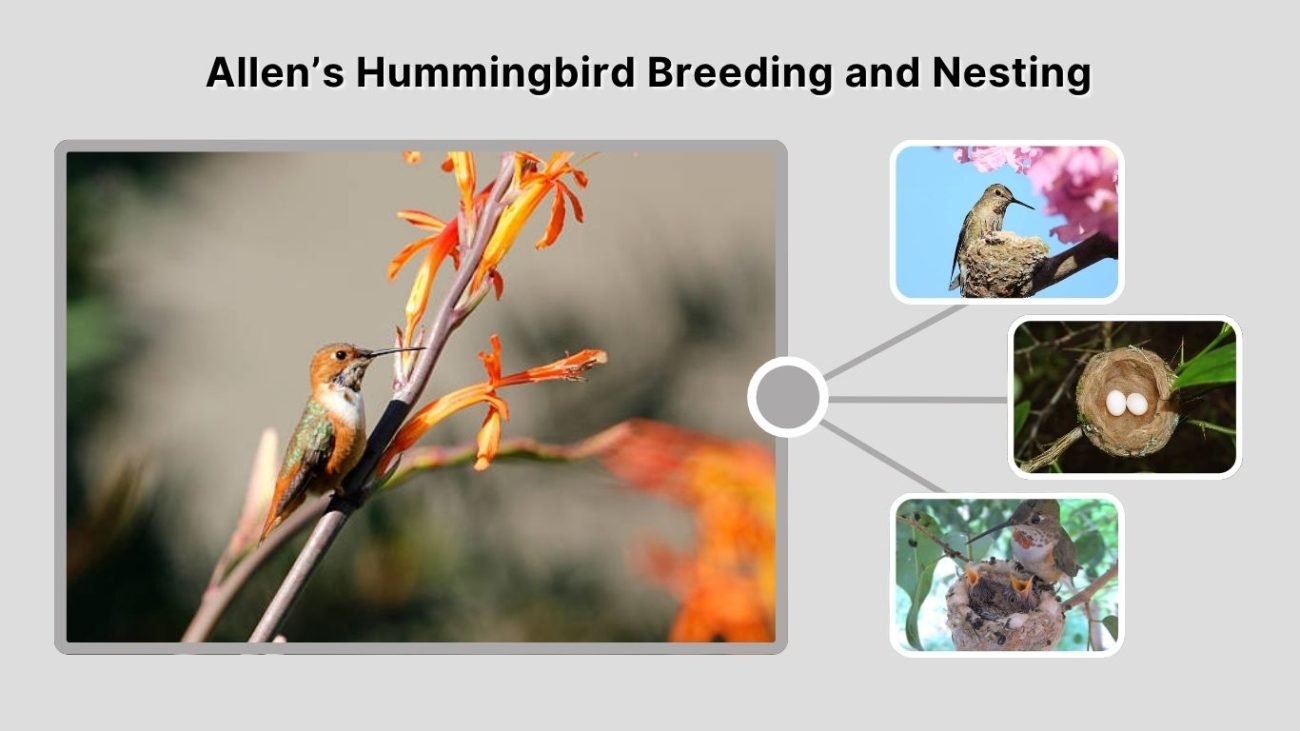
Allen’s hummingbirds build very small, well-hidden nests in trees or shrubs, often several feet above the ground. These nests are carefully constructed using soft plant fibers, spider silk, and moss, allowing them to stretch as the chicks grow. The outer layer is usually camouflaged with lichens and leaves, making the nest difficult for predators to spot.
Egg Laying and Parental Care
The female typically lays two tiny white eggs, each about the size of a small pea. She is solely responsible for incubation, which lasts around 15–17 days. After hatching, the female continues to care for the chicks by feeding them a mixture of nectar and small insects. The young birds grow quickly and leave the nest within a few weeks.
Breeding Behavior
Males do not participate in raising the young but play an important role in attracting mates. Their courtship displays involve dramatic aerial dives combined with buzzing sounds produced by their wings. These performances are essential for mating success and are one of the most fascinating aspects of their behavior.
Conservation Status and Threats
Population Trends
Allen’s hummingbird is generally considered a species of least concern, but certain populations have shown signs of decline. Changes in habitat and environmental conditions can affect their numbers, especially in areas where natural ecosystems are disrupted.
Major Threats
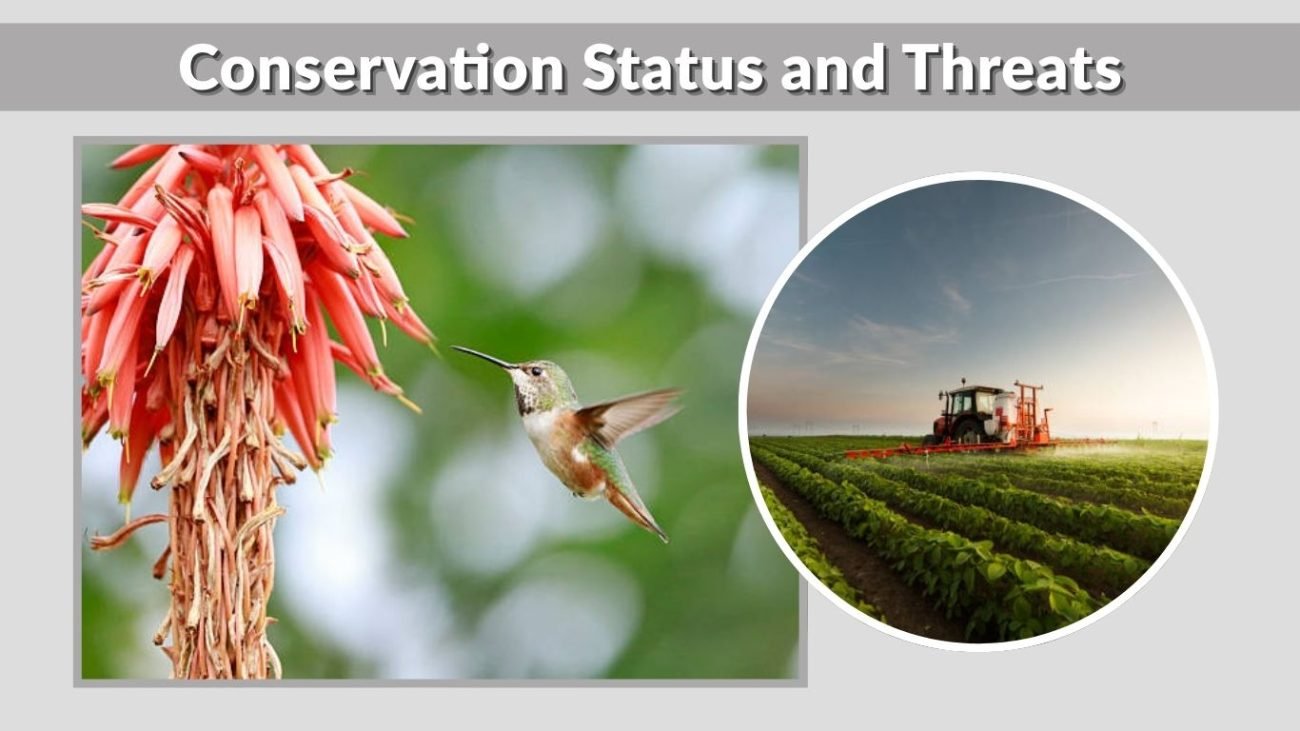
Habitat loss is one of the primary challenges facing this species. Urban development, agriculture, and climate change can reduce the availability of flowering plants and nesting sites. Additionally, extreme weather conditions and pesticide use can impact food sources, particularly insects that are vital during the breeding season.
Interesting Facts About Allen’s Hummingbird
- Allen’s hummingbird can beat its wings up to 50–60 times per second.
- It is one of the earliest migrating hummingbirds in North America.
- Despite its small size, it is highly aggressive and territorial.
- Its nest is one of the smallest among bird species.
FAQs
Where can you see Allen’s hummingbird?
Allen’s hummingbird is most commonly found along the coastal regions of California and southern Oregon. It can also be seen in gardens, parks, and areas with abundant flowers.
What does Allen’s hummingbird eat?
It mainly feeds on nectar from flowers but also consumes small insects and spiders for protein.
How fast can Allen’s hummingbird fly?
While exact speeds vary, it can reach speeds of around 20–30 miles per hour during normal flight, and even faster during courtship dives.
How can you attract Allen’s hummingbird to your garden?
You can attract them by planting nectar-rich flowers such as salvia, fuchsia, and penstemon, or by setting up clean hummingbird feeders filled with sugar water.
Conclusion
Allen’s hummingbird is a remarkable species that combines beauty, speed, and resilience in a tiny body. From its vibrant colors and aerial displays to its important role as a pollinator, it plays a vital part in maintaining healthy ecosystems. Although it currently remains relatively stable, ongoing environmental challenges highlight the need for conservation and awareness. By creating bird-friendly environments and supporting habitat preservation, we can help ensure that Allen’s hummingbird continues to thrive for generations to come.