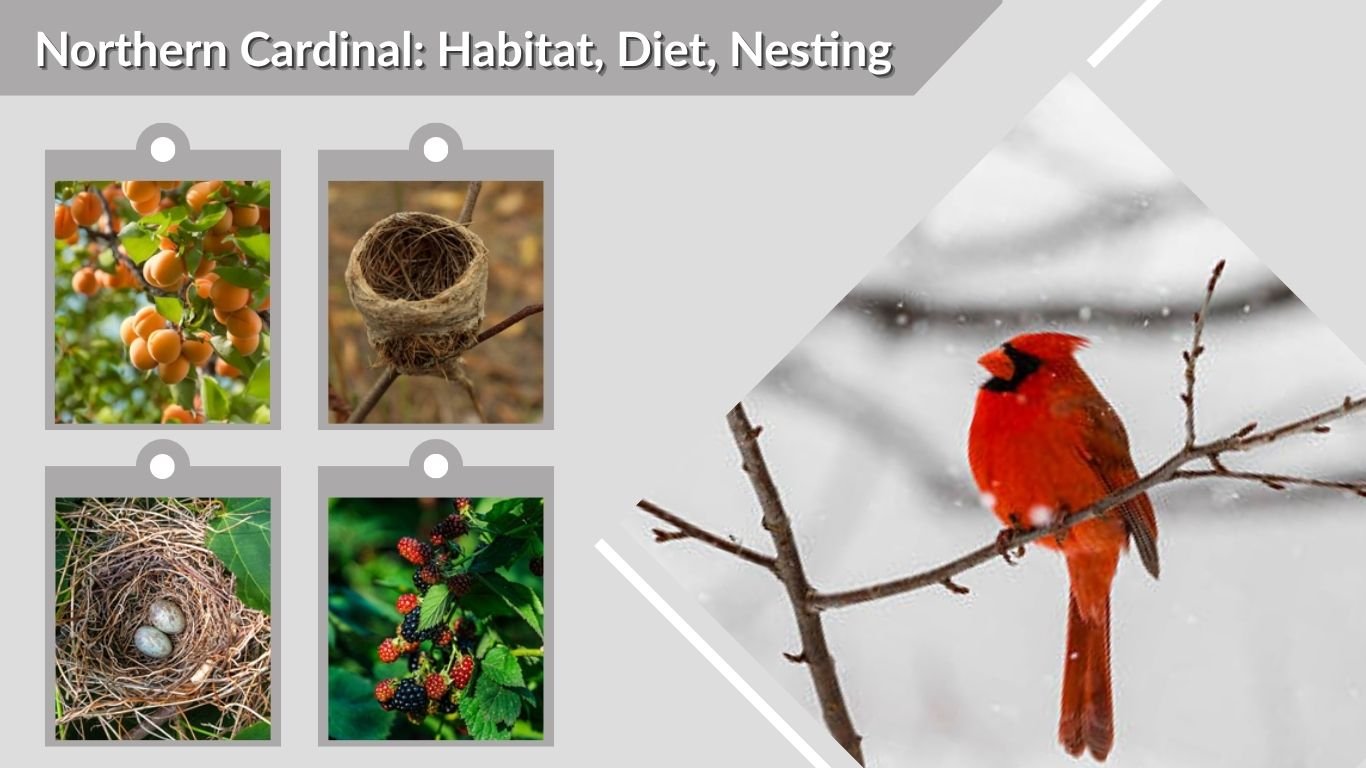
The northern cardinal is one of the most recognizable and beloved birds in North America, famous for its bright red color and melodic song. Often seen in backyards, gardens, and woodlands, this bird adds beauty and life to its surroundings year-round. Unlike many other birds, cardinals do not migrate, making them a constant presence in their habitat. In this article, we explore the northern cardinal’s characteristics, habitat, and diet to better understand this fascinating species.
Northern Cardinal Characteristics
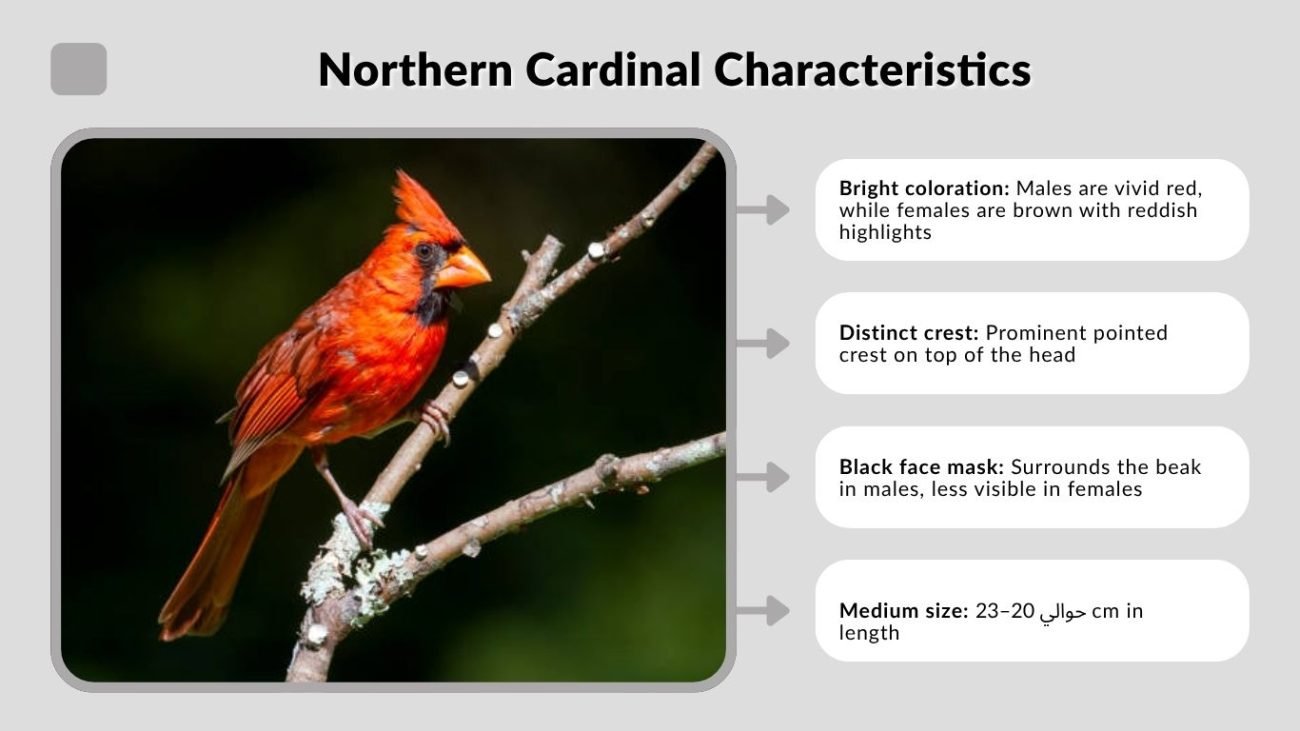
The northern cardinal is a striking and easily recognizable songbird, admired for its vivid coloration and pleasant, whistling songs. It is commonly found in backyards and wooded areas, where its bold personality and year-round presence make it a favorite among birdwatchers. Both its appearance and behavior set it apart from many other bird species.
Key Characteristics (Quick Overview)
- Bright coloration: Males are vivid red, while females are brown with reddish highlights
- Distinct crest: Prominent pointed crest on top of the head
- Black face mask: Surrounds the beak in males, less visible in females
- Medium size: حوالي 20–23 cm in length
- Strong beak: Thick, cone-shaped beak ideal for cracking seeds
- Melodious song: Both males and females can sing
- Territorial nature: Especially aggressive during breeding season
- Non-migratory: Stays in the same area year-round
These features make the northern cardinal one of the most recognizable and beloved birds across its range.
Northern Cardinal Habitat
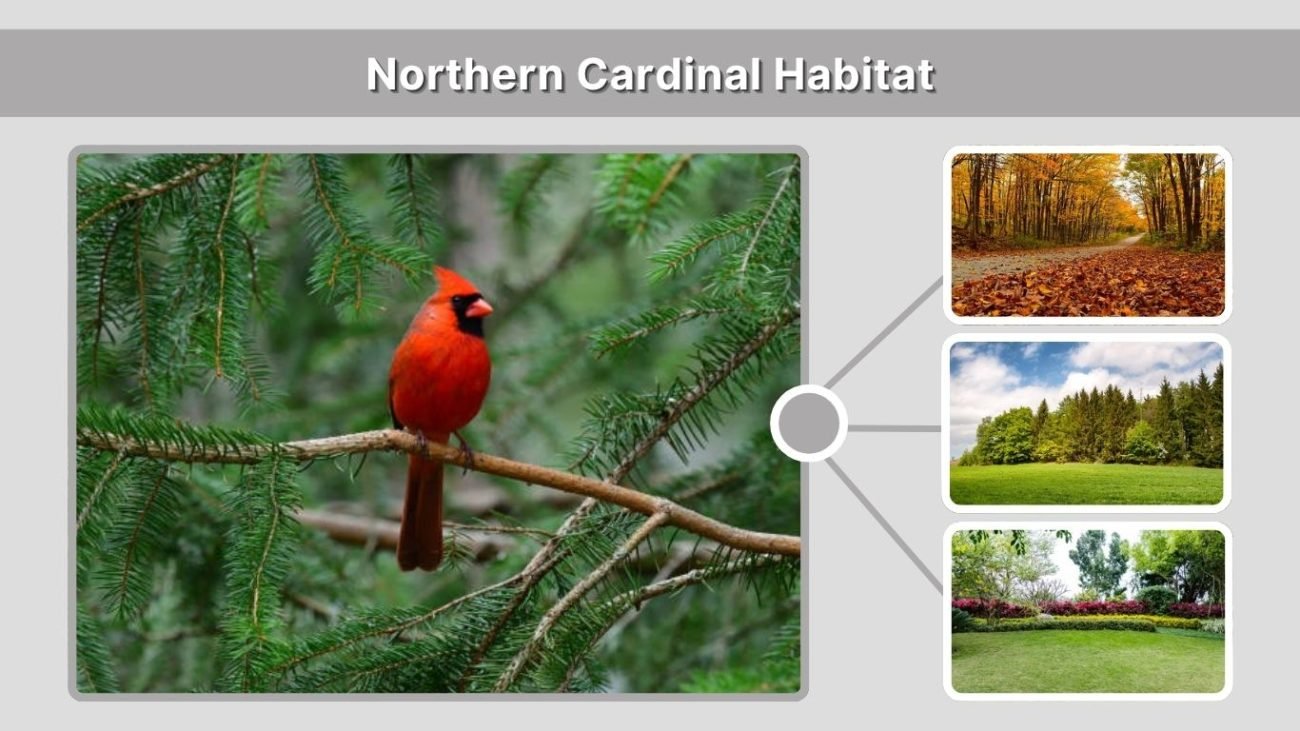
The northern cardinal is highly adaptable and can thrive in a wide range of environments, making it one of the most commonly seen birds in its range.
Preferred Habitats
Cardinals prefer areas with dense shrubs and trees, such as woodlands, forest edges, and thickets. They are also commonly found in gardens, parks, and suburban neighborhoods where food and shelter are readily available.
Geographic Distribution
This species is widely distributed across eastern and central North America. Its range extends from southern Canada through the United States and into parts of Mexico. Due to their adaptability, cardinals have expanded their range over time.
Seasonal Behavior
Unlike many bird species, northern cardinals do not migrate. They remain in the same general area throughout the year, even during winter. Their bright red color makes them especially noticeable against snowy landscapes.
Northern Cardinal Diet
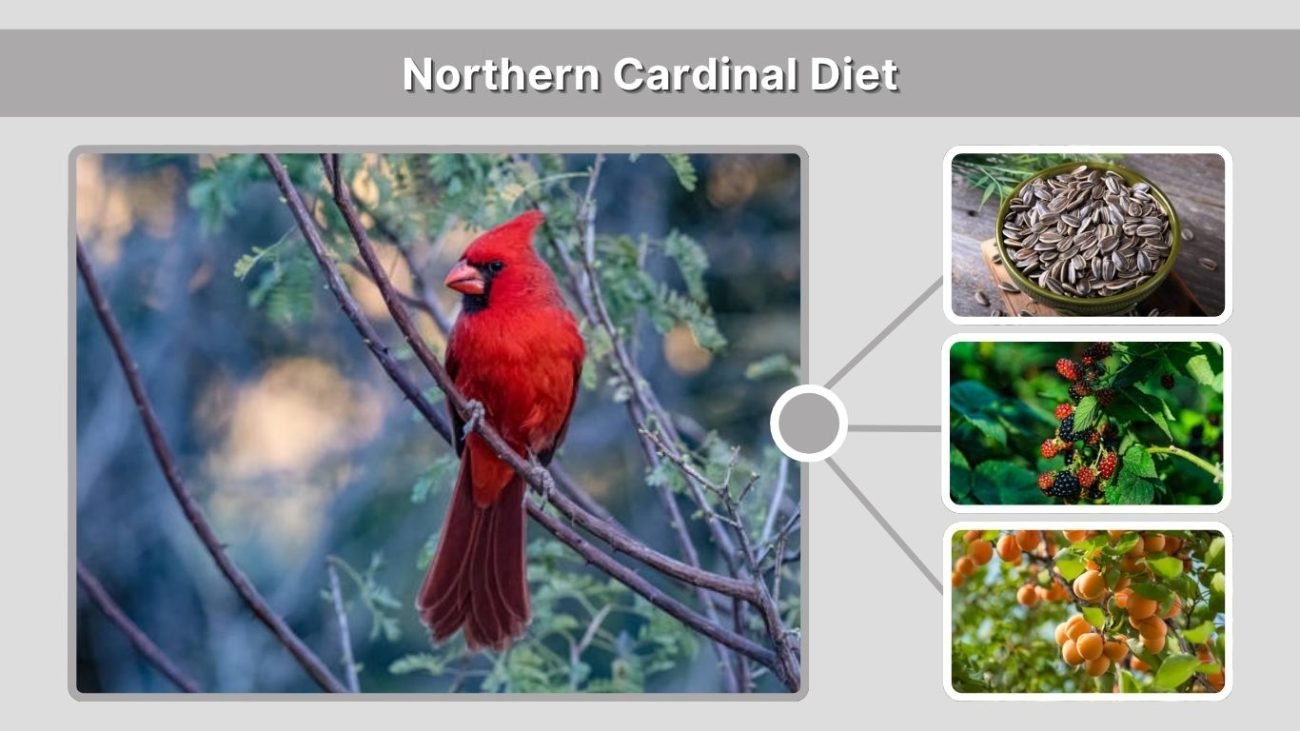
The diet of the northern cardinal plays a key role in its survival and energy levels. These birds are primarily seed eaters but have a varied diet.
Seeds and Plant-Based Foods
Seeds make up the majority of a cardinal’s diet. They commonly feed on sunflower seeds, grains, berries, and fruits. Their strong beak allows them to easily crack open tough seed shells.
Insects and Protein Sources
During the breeding season, northern cardinals consume more insects such as beetles, caterpillars, and grasshoppers. These provide essential protein needed for growth and for feeding their young.
Feeding Behavior
Cardinals are often seen feeding on the ground or in low shrubs. They frequently visit bird feeders, especially those stocked with sunflower seeds. Their calm but alert feeding style allows them to quickly react to potential threats.
Northern Cardinal Nest
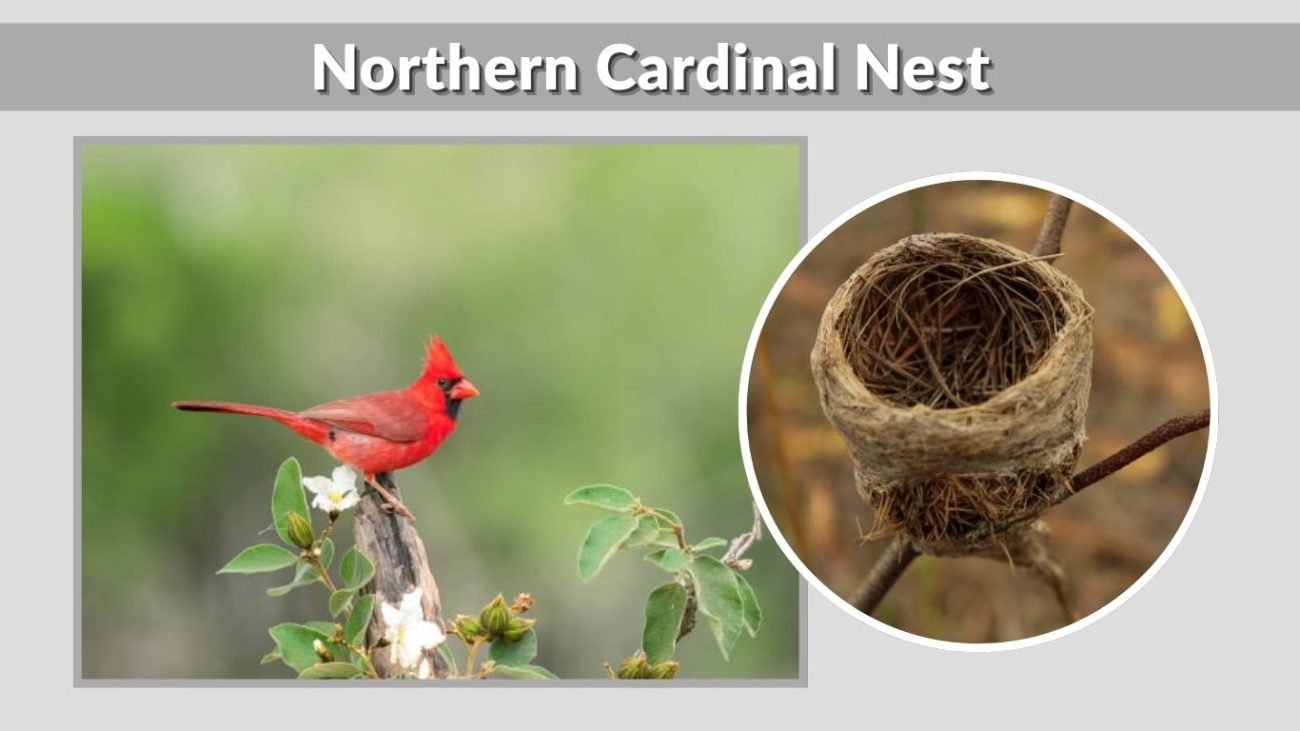
Nesting is an important part of the northern cardinal’s life, and both the male and female play roles in the process, although the female does most of the building.
Nest Construction
The female builds a cup-shaped nest using twigs, grass, leaves, and bark strips. She carefully weaves these materials together to create a sturdy outer layer, while the inside is lined with softer materials like fine grass or hair for comfort.
Nest Location
Cardinals usually place their nests in dense shrubs, bushes, or small trees. These locations provide good cover from predators and harsh weather. Nests are typically built a few feet above the ground, making them hidden but still accessible.
Northern Cardinal Eggs
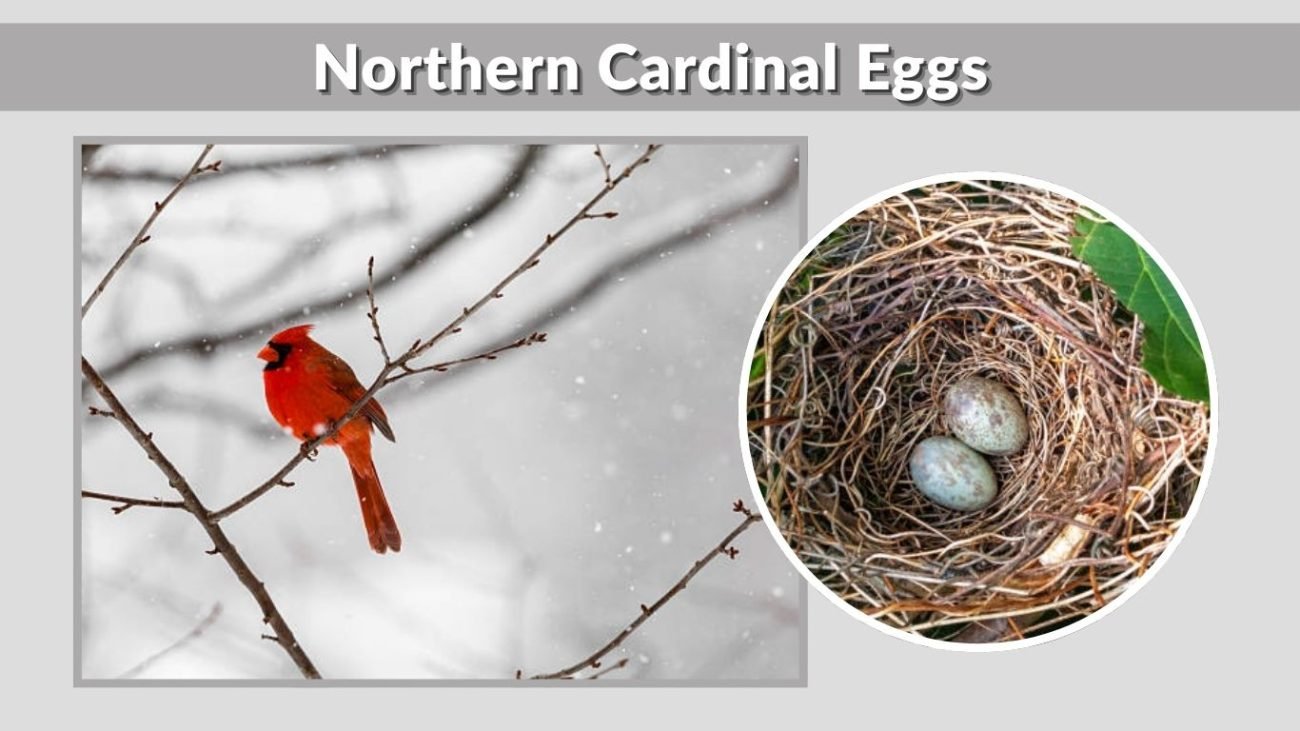
Reproduction begins once the nest is complete, and the female lays her eggs in a safe and well-hidden environment.
Egg Appearance
Northern cardinal eggs are pale grayish or bluish-white with brown, purple, or gray speckles. Their subtle coloring helps them blend into the nest surroundings.
Clutch Size
A typical clutch consists of 2 to 5 eggs. Cardinals may raise multiple broods in a single breeding season, especially in warmer regions.
Incubation and Care
The female incubates the eggs for about 11 to 13 days. During this time, the male often brings food to the female. After the eggs hatch, both parents share the responsibility of feeding and protecting the chicks.
Northern Cardinal Lifespan
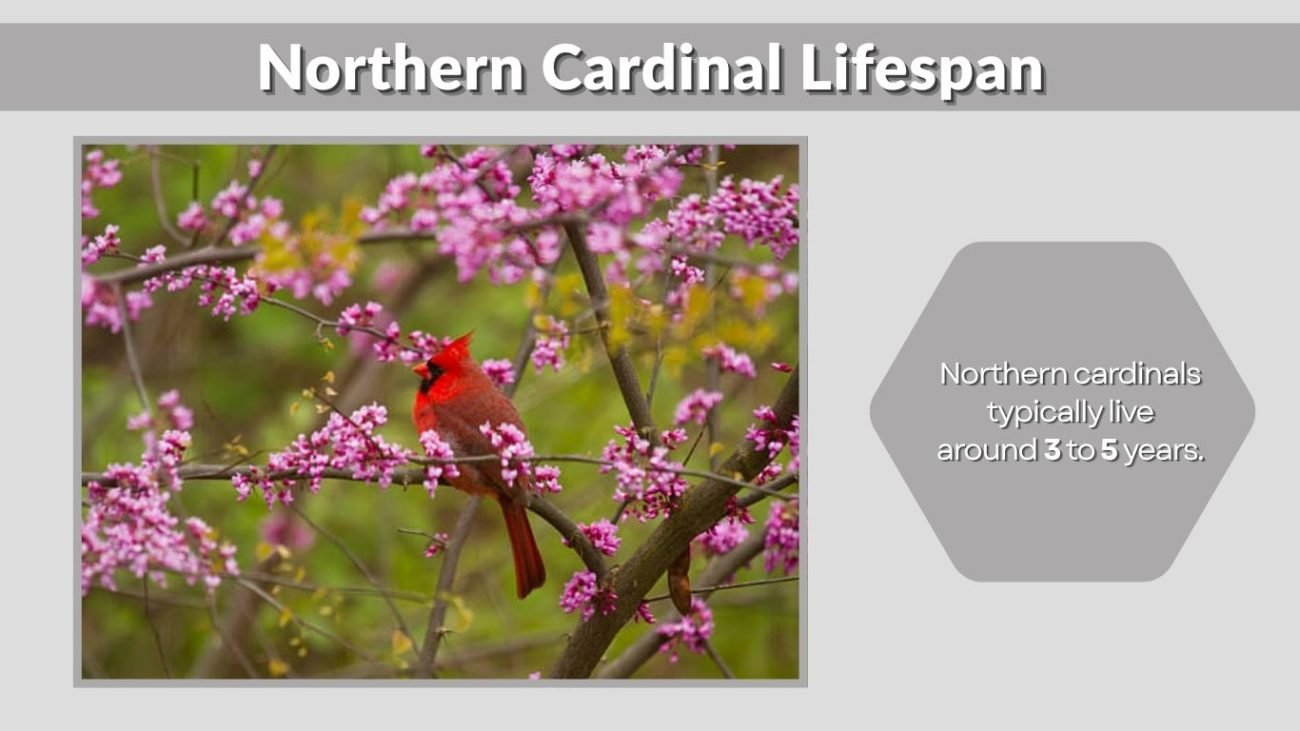
The lifespan of a northern cardinal varies depending on environmental conditions and survival challenges.
Average Lifespan
In the wild, northern cardinals typically live around 3 to 5 years. However, some individuals can live longer under favorable conditions.
Threats to Survival
Cardinals face threats from predators such as cats, hawks, and snakes. Harsh weather, habitat loss, and food scarcity can also affect their survival. Despite these challenges, their adaptability helps maintain stable populations.
Northern Cardinal Facts
Northern cardinals are not only beautiful but also full of interesting traits that make them unique.
- The northern cardinal is the state bird of several U.S. states, including Illinois and Virginia.
- Males are known for their vibrant red color, which comes from pigments in their diet.
- Cardinals are often monogamous and may stay with the same mate for long periods.
- Both males and females sing, unlike many other bird species.
- They are active year-round and do not migrate.
Conclusion
The northern cardinal is a remarkable bird that combines beauty, adaptability, and resilience. From its striking red feathers and melodic songs to its nesting habits and varied diet, every aspect of this bird is fascinating. Its ability to thrive in both natural and urban environments makes it a favorite among birdwatchers. By understanding its habitat, behavior, and life cycle, we can better appreciate and protect this iconic species.
FAQs
Where do northern cardinals live?
They live in eastern and central North America, commonly found in woodlands, gardens, and suburban areas.
What do northern cardinals eat?
They mainly eat seeds, fruits, and insects, depending on the season.
Do northern cardinals migrate?
No, they are non-migratory and stay in the same area year-round.
How long do northern cardinals live?
They typically live around 3–5 years in the wild.
What do northern cardinal eggs look like?
Their eggs are pale with brown or gray speckles, helping them blend into the nest.