The rufous hummingbird is one of the most fascinating and energetic birds in North America, known for its fiery orange coloration and remarkable long-distance migration. Despite its tiny size, this species travels thousands of miles each year, showcasing incredible endurance. From its unique feeding habits to its intricate nesting behavior, the rufous hummingbird offers a captivating glimpse into the natural world. This article explores its characteristics, habitat, migration, and diet in detail.
Rufous Hummingbird Characteristics
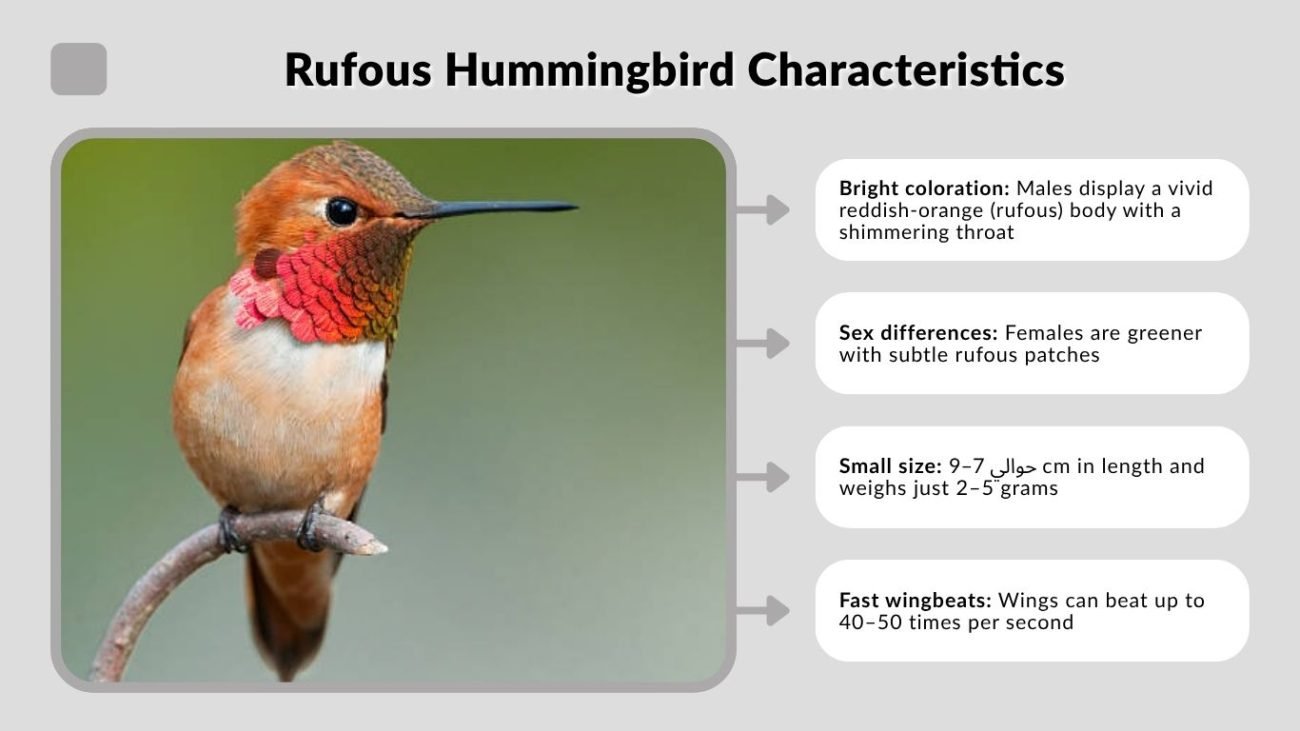
The rufous hummingbird is a small but striking bird known for its vibrant coloration and bold behavior. Despite its tiny size, it stands out due to its energy, speed, and territorial nature. These birds are often considered one of the most aggressive hummingbird species, making them easy to notice in gardens and wild habitats alike.
Key Characteristics (Quick Overview)
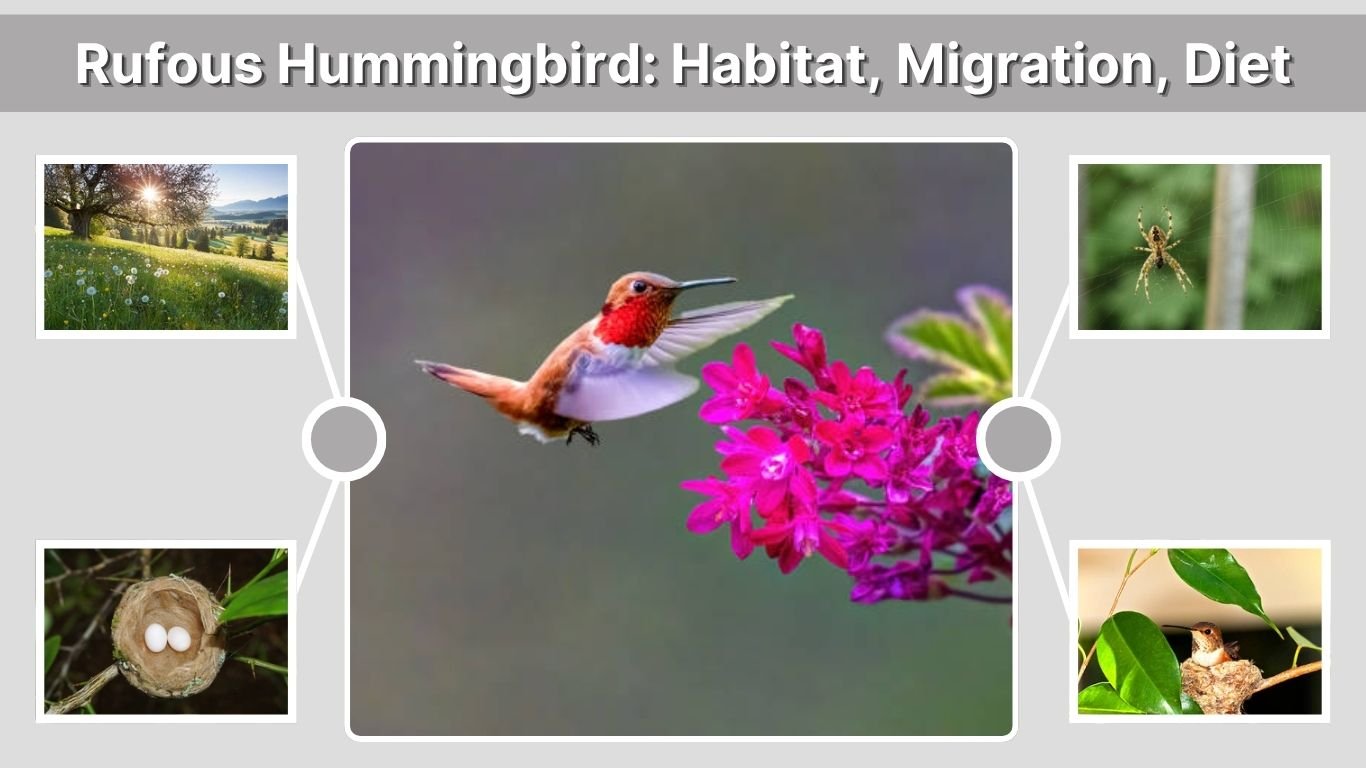
- Bright coloration: Males display a vivid reddish-orange (rufous) body with a shimmering throat
- Sex differences: Females are greener with subtle rufous patches
- Small size: حوالي 7–9 cm in length and weighs just 2–5 grams
- Fast wingbeats: Wings can beat up to 40–50 times per second
- Highly territorial: Aggressively defend feeding areas from other birds
- Unique flight ability: Can hover, fly backward, and change direction بسرعة
- Long migration: Travels thousands of miles each year despite tiny size
- Sharp bill: Long, thin beak adapted for nectar feeding
This combination of beauty, speed, and boldness makes the rufous hummingbird one of the most fascinating hummingbirds in North America.
Rufous Hummingbird Habitat
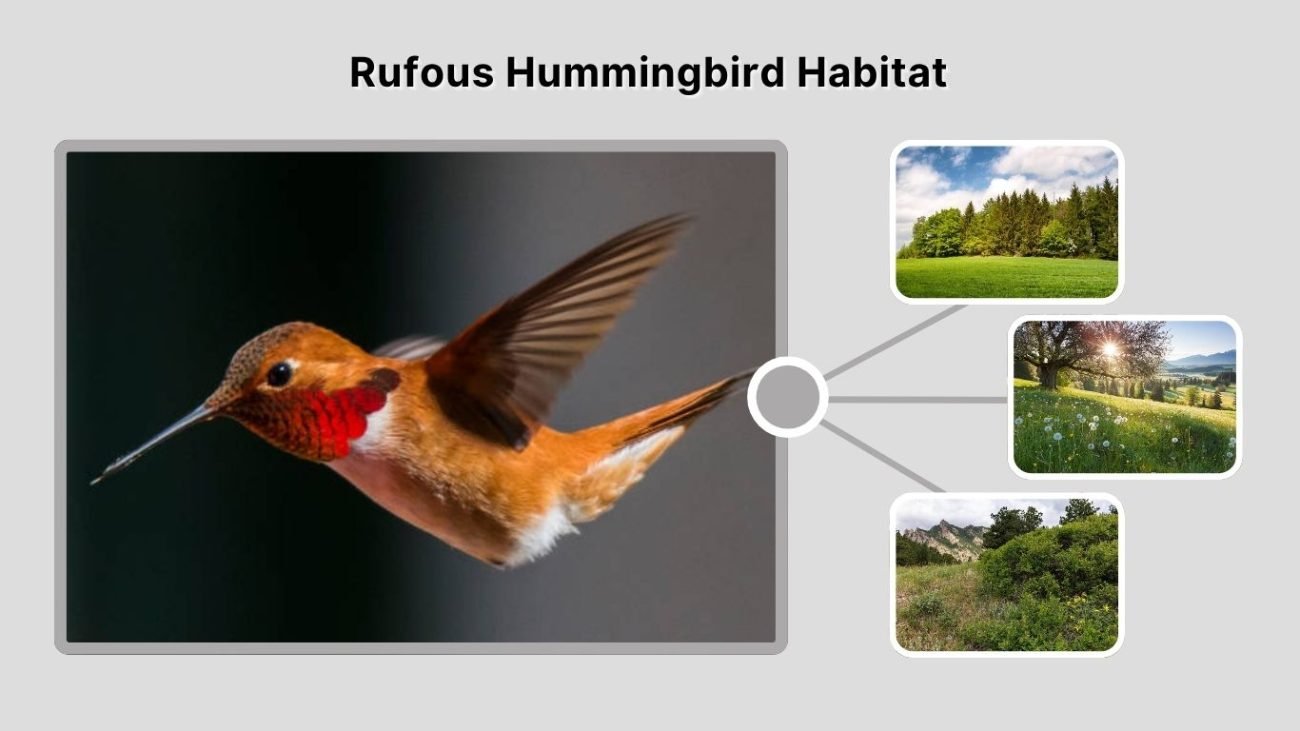
The habitat of the rufous hummingbird varies depending on the season, as this species migrates across large distances.
Preferred Environments
Rufous hummingbirds thrive in a variety of environments, including forest edges, open meadows, gardens, and shrubby areas. They are particularly attracted to regions with abundant flowering plants, which provide a steady source of nectar.
Geographic Distribution
During the breeding season, these hummingbirds are commonly found in the northwestern parts of North America, including Alaska and western Canada. In winter, they migrate to warmer regions such as Mexico.
Seasonal Habitat Changes
Their habitat changes dramatically throughout the year. In spring and summer, they prefer cooler northern climates for breeding. As temperatures drop, they move south to warmer areas where food sources remain available.
Rufous Hummingbird Migration
Migration is one of the most remarkable aspects of the rufous hummingbird’s life. It undertakes one of the longest migration routes of any hummingbird species.
Migration Route
Rufous hummingbirds travel from their breeding grounds in Alaska and Canada down to Mexico for the winter. This journey can span over 3,000 miles, making it an extraordinary feat for such a small bird.
Seasonal Timing
In spring, they migrate north along the Pacific Coast, taking advantage of blooming flowers. In the fall, they often return south through inland mountainous regions, creating a loop migration pattern.
Migration Challenges
The journey is physically demanding, requiring high energy levels and constant feeding. Along the way, they face challenges such as harsh weather conditions, predators, and limited food availability. Their ability to store fat helps them survive long stretches without feeding.
Rufous Hummingbird Diet
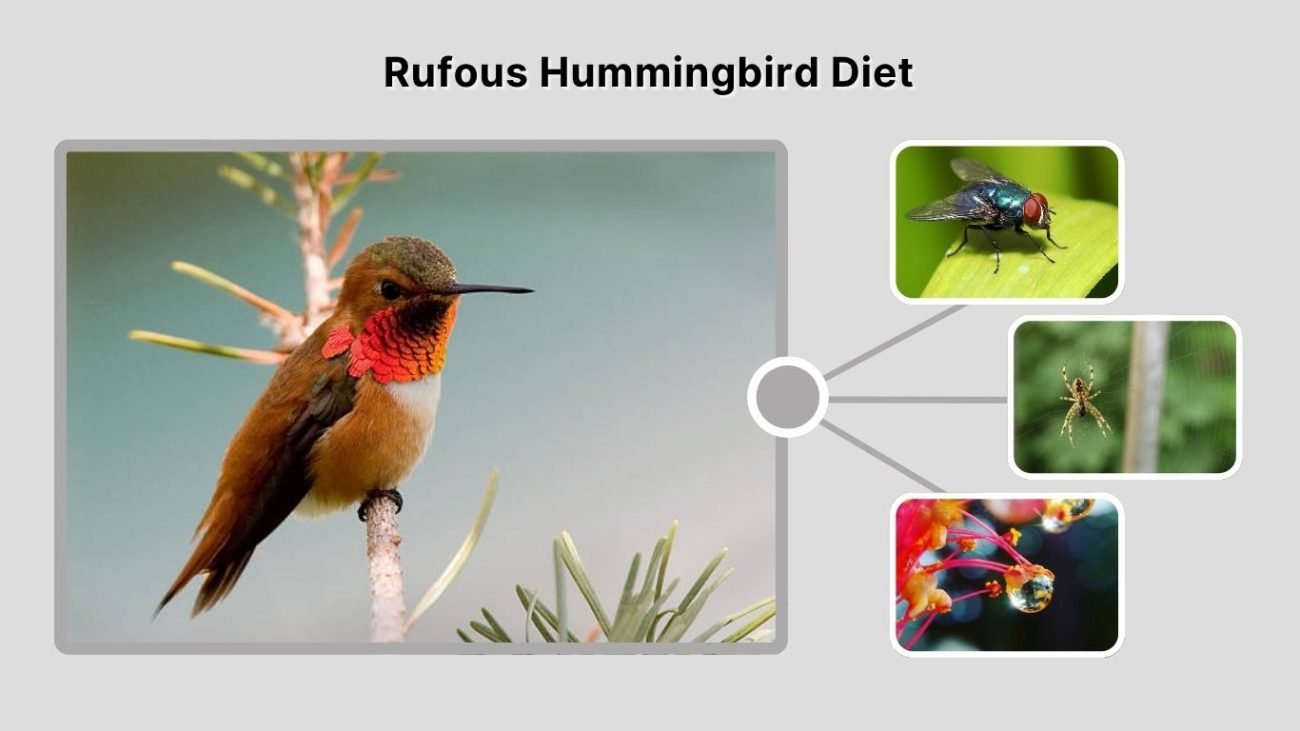
The diet of the rufous hummingbird is essential for fueling its active lifestyle and long migrations.
Nectar Feeding
Nectar is the primary food source for rufous hummingbirds. They feed on a wide range of flowering plants, using their long, specialized beaks to reach deep into blossoms. This not only provides them with energy but also plays a vital role in pollination.
Insects and Protein Intake
In addition to nectar, they consume small insects and spiders. These provide essential proteins and nutrients that nectar alone cannot supply, especially during breeding season when extra energy is needed.
Feeding Behavior
Rufous hummingbirds are highly territorial when it comes to feeding. They will aggressively defend rich nectar sources from other birds. They are also known to visit artificial feeders, especially in gardens, where they can be observed up close.
Rufous Hummingbird Nest
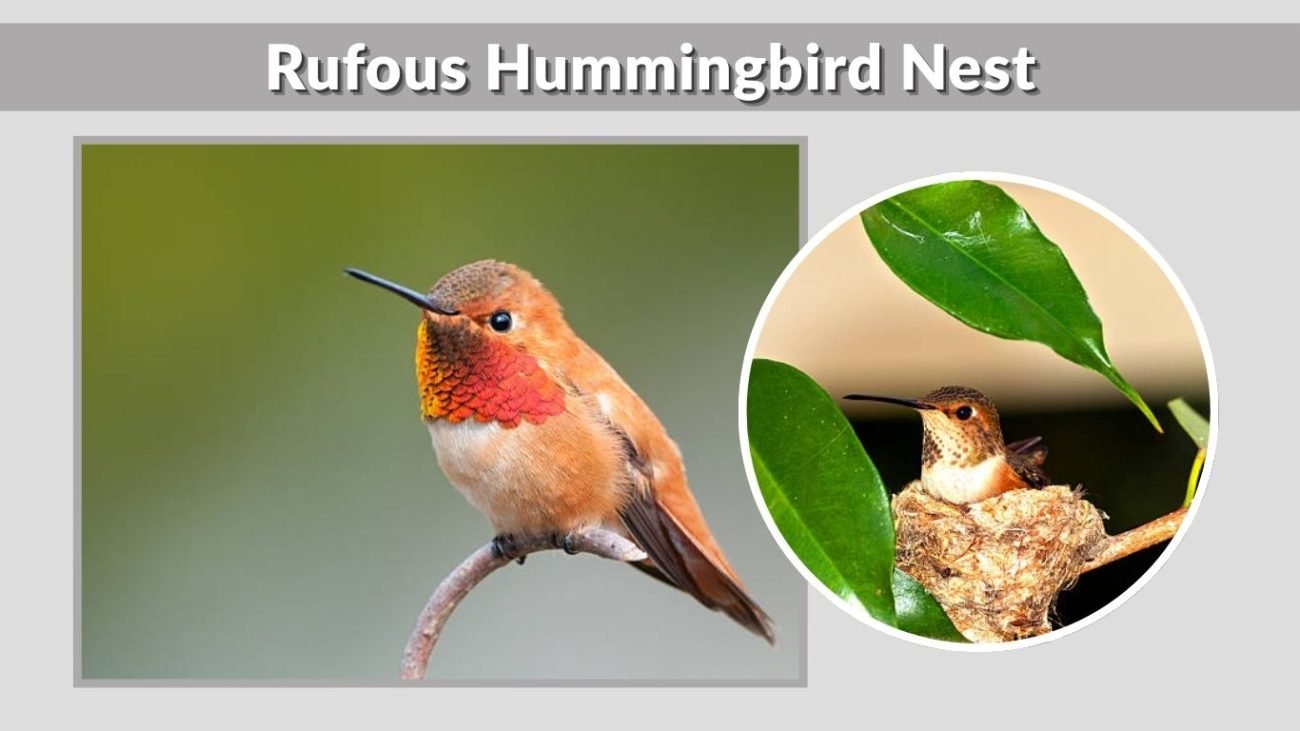
Nesting is a crucial part of the rufous hummingbird’s life cycle, and it is the female that takes full responsibility for building and maintaining the nest.
Nest Construction
The female constructs a tiny, cup-shaped nest using soft plant fibers, moss, lichen, and spider silk. Spider silk is especially important because it gives the nest flexibility, allowing it to stretch as the chicks grow. The outside is often decorated with lichen, helping the nest blend seamlessly into its surroundings.
Nest Location
Nests are usually built on thin tree branches or shrubs, often several feet above the ground. The location is carefully chosen to provide protection from predators and harsh weather. Thanks to excellent camouflage, these nests are very difficult to spot in the wild.
Rufous Hummingbird Eggs
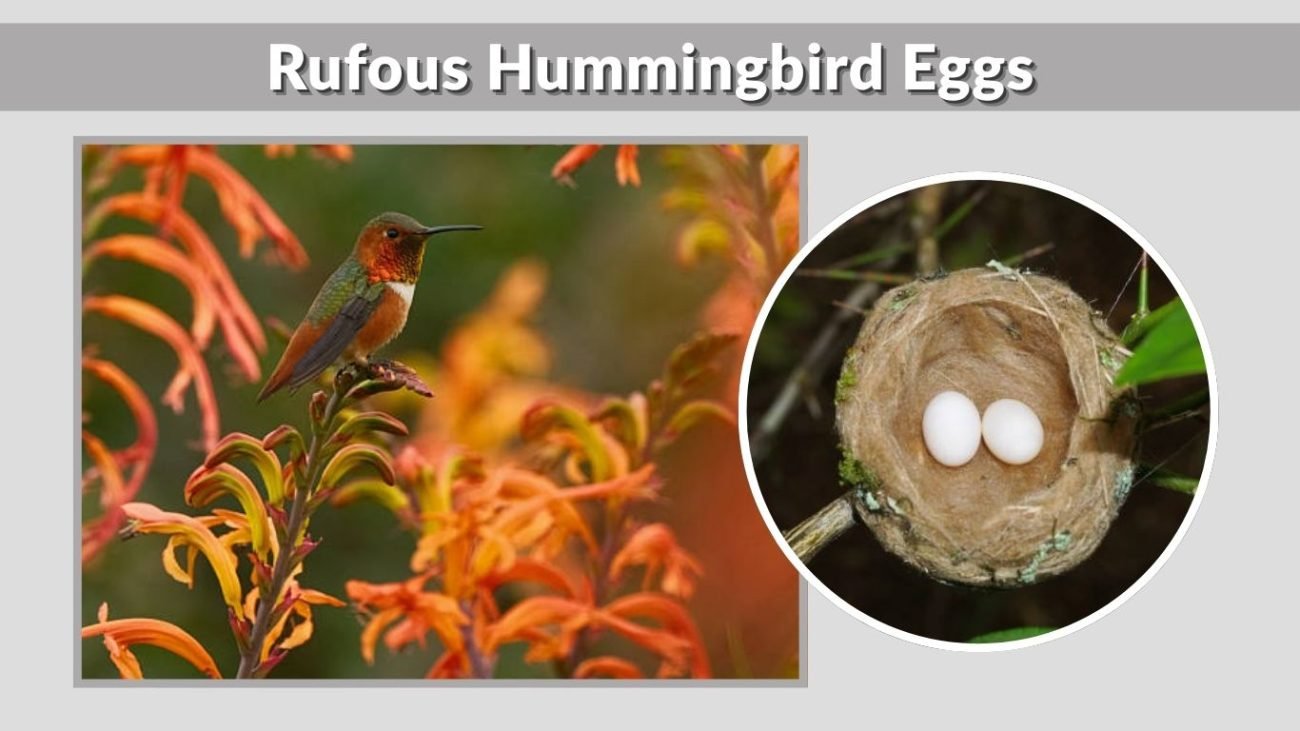
Reproduction in rufous hummingbirds is delicate and fascinating, beginning with the laying of very small eggs.
Egg Description
The female typically lays two tiny, white eggs that are about the size of small beans. Despite their small size, these eggs contain everything needed to develop into fully formed chicks.
Incubation Period
The incubation period usually lasts around 14 to 17 days. During this time, the female remains highly attentive, keeping the eggs warm and protected until they hatch.
Parental Care
After hatching, the female continues to care for the chicks alone. She feeds them a mixture of nectar and insects, providing both energy and protein. The chicks grow rapidly and depend entirely on their mother for survival during the early stages.
Rufous Hummingbird Life Cycle
The life cycle of the rufous hummingbird involves several stages, each critical for survival and development.
Egg to Nestling
Once the eggs hatch, the chicks are born blind and featherless. This stage is known as the nestling phase. During this time, they grow quickly, developing feathers and strength with the help of regular feeding.
Fledgling Stage
After about three weeks, the young birds leave the nest. This is called the fledgling stage. Although they can fly, they still rely on their mother for food and guidance as they learn to navigate their environment.
Adult Stage
As they mature, rufous hummingbirds become independent and begin to establish their own territories. By the next breeding season, they are ready to reproduce, continuing the cycle.
Rufous Hummingbird Lifespan
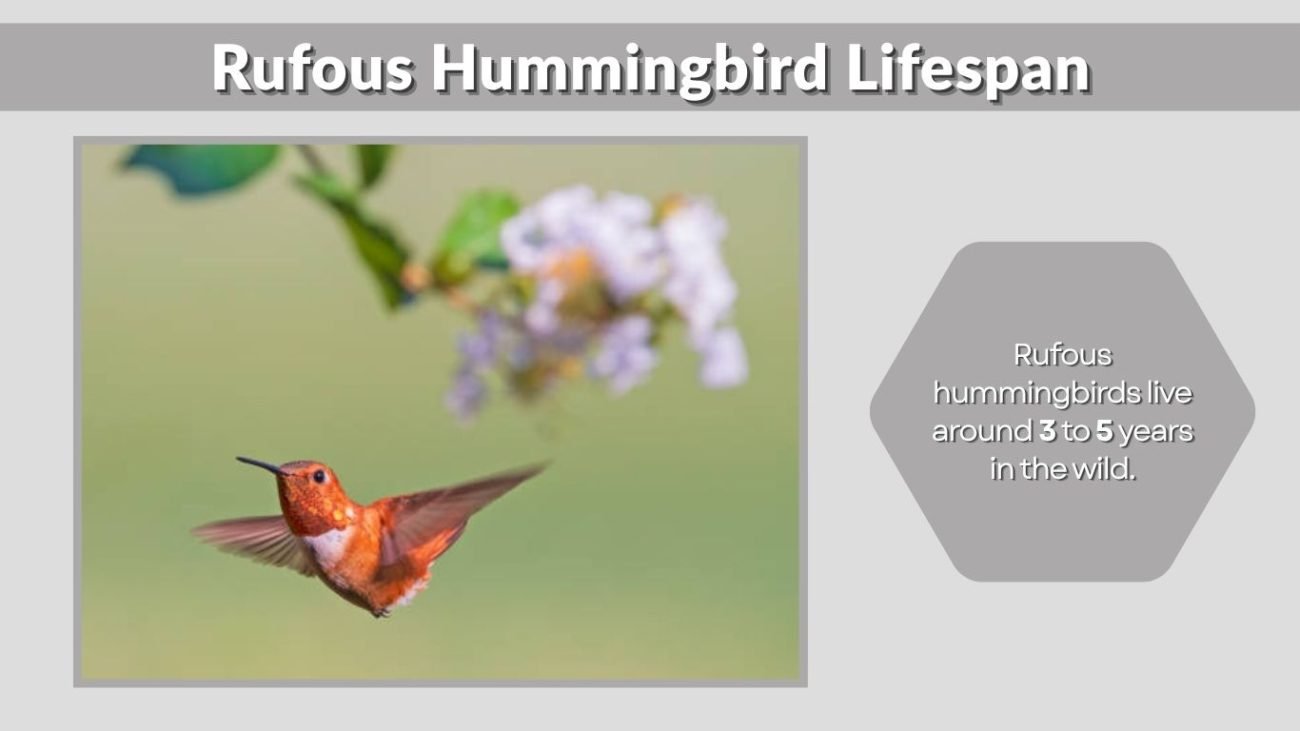
The lifespan of a rufous hummingbird depends on various environmental factors and survival challenges.
Average Lifespan
On average, rufous hummingbirds live around 3 to 5 years in the wild. However, many do not survive their first year due to the risks associated with migration and predation.
Threats to Survival
These birds face numerous threats, including predators such as cats, larger birds, and insects. Habitat loss, climate change, and extreme weather conditions also impact their survival. Despite these challenges, those that survive are remarkably resilient.
Interesting Facts About Rufous Hummingbirds
- Rufous hummingbirds have one of the longest migration routes relative to their size.
- They are extremely aggressive and will defend their territory fiercely.
- Their wings can beat up to 50 times per second.
- They play an important role in pollination by transferring pollen between flowers.
Conclusion
The rufous hummingbird is a remarkable example of strength, adaptability, and beauty in the natural world. From its vibrant appearance and bold behavior to its incredible migration journey, every aspect of this tiny bird is extraordinary. Understanding its habitat, diet, nesting habits, and life cycle not only deepens our appreciation but also highlights the importance of protecting its environment for future generations.
FAQs
1. What makes the rufous hummingbird unique?
Its bright reddish-orange color and extremely aggressive behavior make it stand out among other hummingbirds.
2. How can you identify a male vs female rufous hummingbird?
Males are mostly bright rufous with a shiny throat, while females are greener with smaller rufous patches.
3. How fast do rufous hummingbirds flap their wings?
They can flap their wings around 40–50 times per second, enabling rapid and precise flight.
4. Are rufous hummingbirds aggressive?
Yes, they are highly territorial and will chase away other birds, even larger ones, to protect food sources.
5. How small is a rufous hummingbird?
They are very tiny, usually about 7–9 cm long and weigh only 2–5 grams.