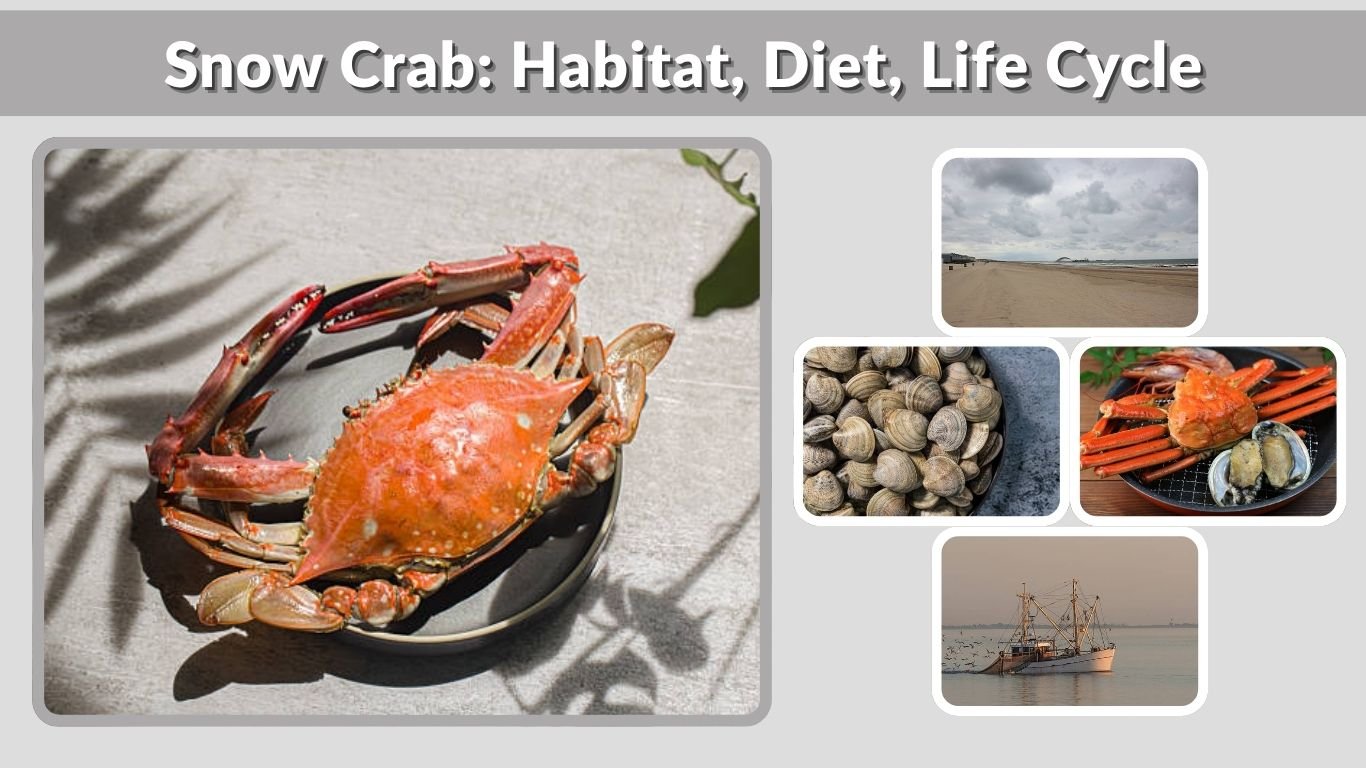
Snow crab is one of the most popular seafood choices worldwide, especially known for its long, delicate legs and sweet, tender meat. Commonly served in restaurants and seafood buffets, it is highly valued for both taste and texture. Found in cold ocean waters of the North Atlantic and North Pacific, snow crabs play an important role in marine ecosystems and commercial fisheries. Their unique appearance and culinary appeal make them a favorite among seafood lovers.
What is a Snow Crab?
The snow crab, scientifically known as Chionoecetes opilio, is a species of crab that thrives in cold, deep ocean waters. The name “snow crab” comes from its preference for icy, cold environments and its light-colored shell, which resembles snow in certain conditions.
Snow crabs are recognized for their relatively small bodies and long, slender legs. Unlike some larger crab species, much of their meat is found in their legs rather than their body. This makes snow crab legs a popular seafood item across many cuisines.
They are bottom-dwelling creatures that live on sandy or muddy ocean floors, where they search for food and shelter. Their ability to survive in cold temperatures makes them well adapted to northern marine environments.
Snow Crab Identification
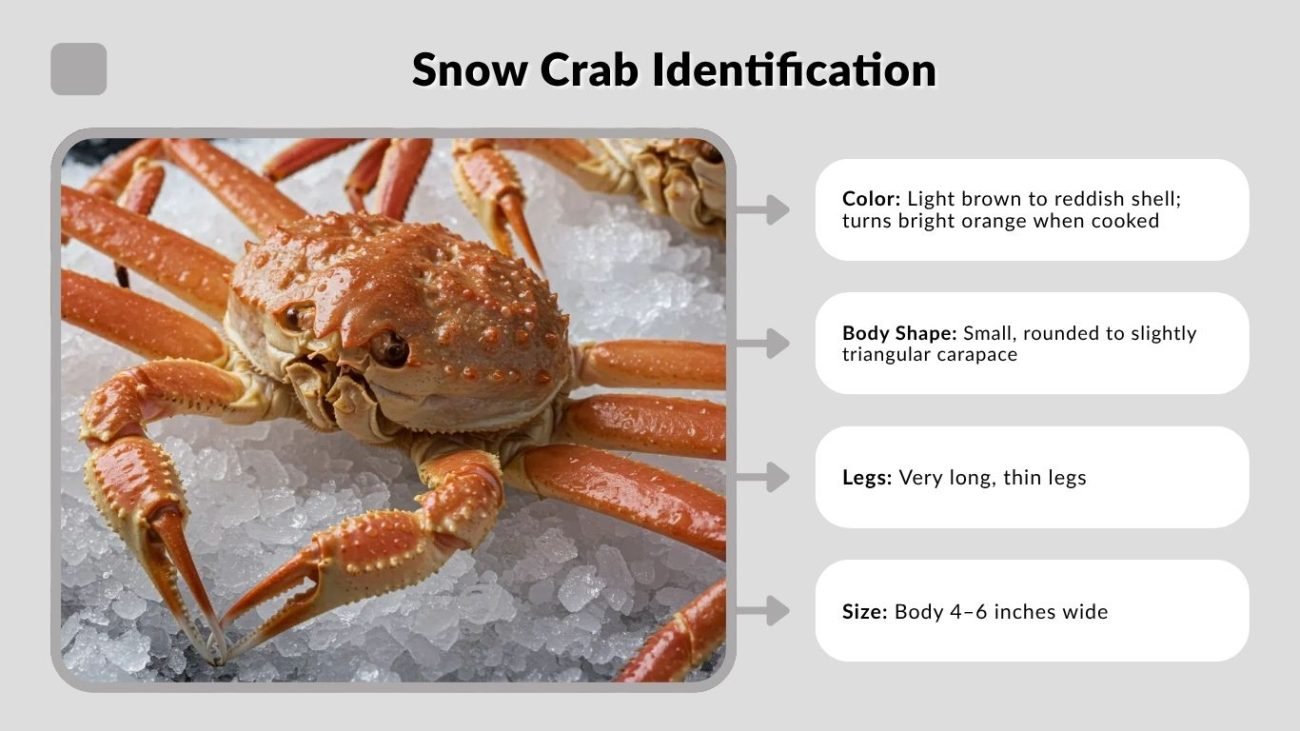
Snow crabs are easy to identify due to their long legs, small body, and cold-water adaptations. Unlike bulkier crab species, they have a more delicate and elongated appearance, making them stand out in both natural habitats and seafood markets. Their light coloration and slender structure are key visual clues that help distinguish them from other crabs like king or blue crabs.
Key Identification Features
- Color: Light brown to reddish shell; turns bright orange when cooked
- Body Shape: Small, rounded to slightly triangular carapace
- Legs: Very long, thin legs (main identifying feature)
- Claws: Small, narrow claws compared to king crabs
- Size: Body 4–6 inches wide, but long leg span
- Male Abdomen: Narrow, triangular underside
- Female Abdomen: Wider, rounded underside
- Shell Texture: Smooth with minimal spines
- Build: Lightweight body with extended legs for movement
These characteristics make snow crabs one of the most recognizable cold-water crab species, especially known for their long legs and high-quality meat.
Types of Snow Crabs
Snow crabs are often grouped into different categories based on species and regional variations rather than completely separate types.
The most common type is the opilio crab (Chionoecetes opilio), which is widely harvested for commercial use. Another closely related type is the Tanner crab, which is similar in appearance but slightly different in size and distribution.
In seafood markets, snow crabs are often classified by size and quality, with larger crabs and longer legs being more valuable. These classifications help determine pricing and consumer preference.
Snow Crab Habitat and Distribution
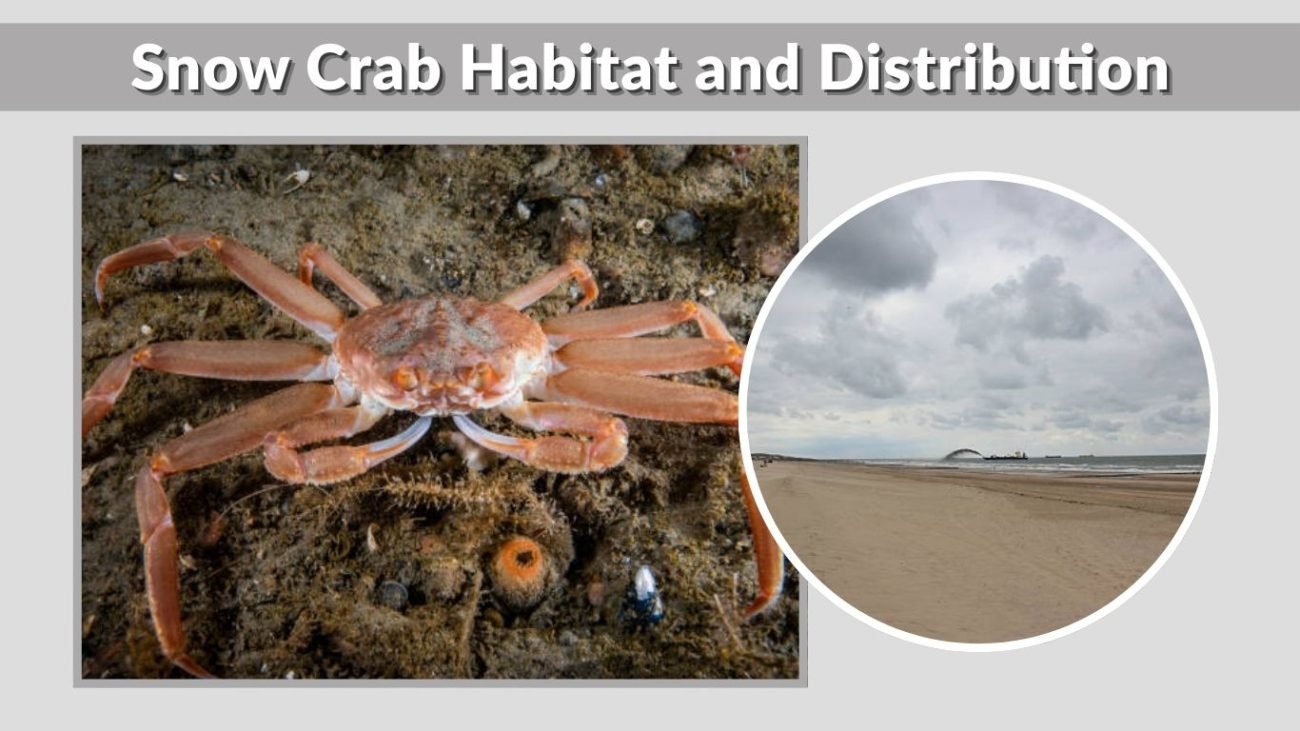
Snow crabs are found in cold ocean regions and are well adapted to life in deep, icy waters.
Geographic Range
They are primarily found in the North Atlantic and North Pacific Oceans, including regions near Alaska, Canada, Greenland, and parts of Japan and Russia. These cold environments provide ideal conditions for their survival.
Preferred Environment
Snow crabs live on sandy or muddy seabeds at depths ranging from shallow coastal waters to deep ocean areas. They prefer cold, stable temperatures and are rarely found in warmer waters.
These habitats offer both protection from predators and access to food sources.
Seasonal Movement
Snow crabs migrate based on temperature and breeding cycles. They may move to different depths depending on the season, often staying deeper during warmer periods and moving closer to shore during colder months.
Environmental factors such as water temperature and food availability strongly influence their movement patterns.
Life Cycle of Snow Crabs
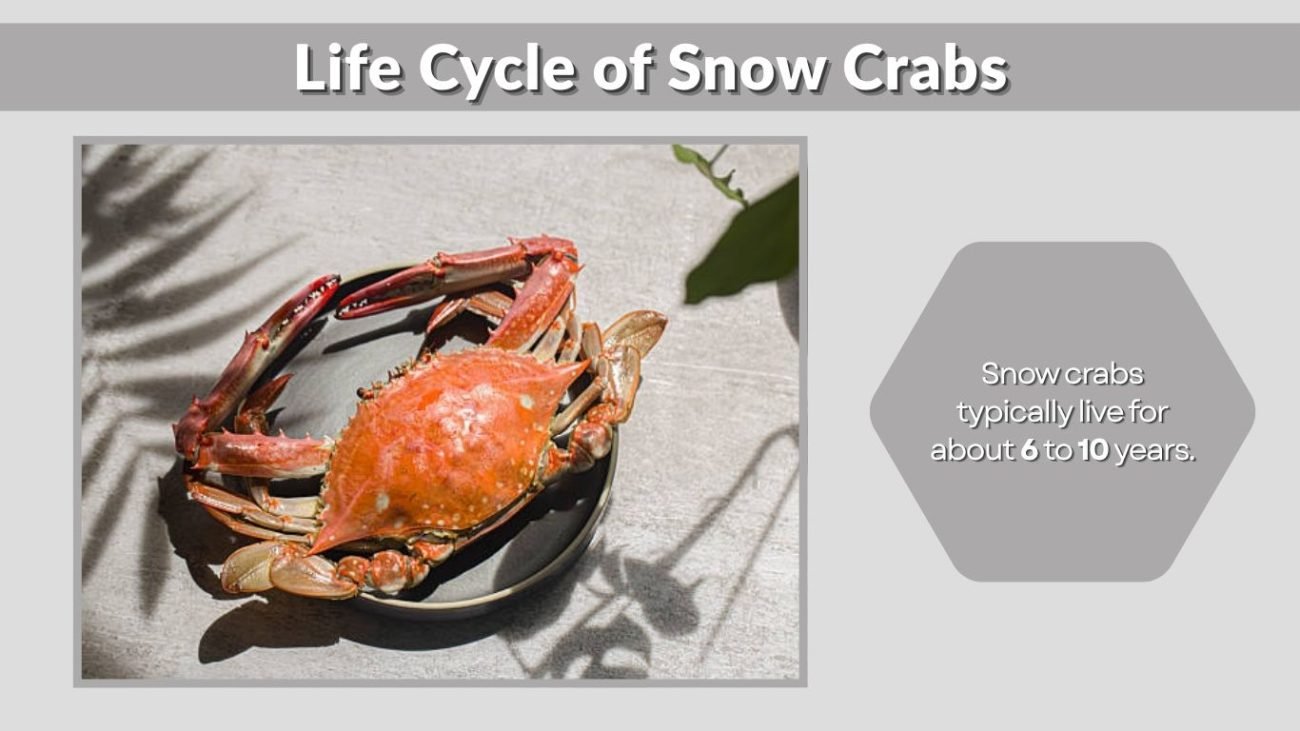
The life cycle of snow crabs involves multiple stages, each essential for their development and survival.
Growth Stages
Snow crabs begin as eggs carried by the female. After hatching, they enter a larval stage where they drift in ocean currents. Over time, they settle on the ocean floor and grow into juvenile crabs before reaching adulthood.
Molting Process
Like all crabs, snow crabs grow by molting, shedding their old shell to form a new one. During this process, they are vulnerable until their new shell hardens.
Molting occurs several times throughout their life and plays a key role in their growth.
Lifespan
Snow crabs typically live for about 6 to 10 years. Their growth rate and lifespan depend on environmental conditions such as temperature, food supply, and habitat quality.
Snow Crab Diet and Behavior
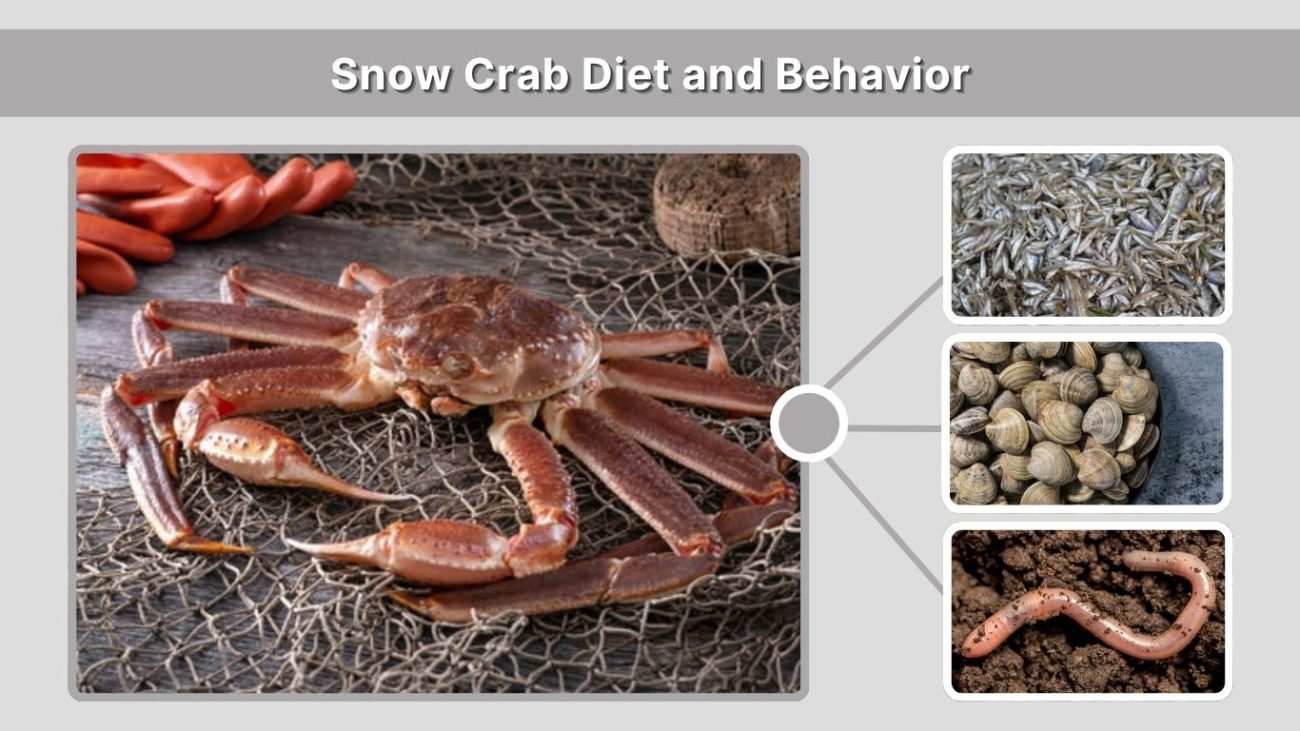
Snow crabs are omnivorous and feed on a wide variety of organisms found on the ocean floor. Their diet includes worms, clams, small fish, algae, and other marine invertebrates. They are also scavengers, consuming dead animals and organic matter, which helps maintain a clean and balanced ecosystem.
These crabs are generally slow-moving and rely on their long legs to navigate the seabed. They are not aggressive but will defend themselves if threatened. Snow crabs are most active during feeding periods and tend to stay buried or hidden in the sediment when not actively searching for food.
Their behavior is closely linked to environmental conditions, especially temperature and food availability.
Nutritional Value of Snow Crab
Snow crab meat is highly nutritious and widely appreciated for its health benefits. It is an excellent source of high-quality protein, making it ideal for maintaining muscle health and overall body function.
It also contains important nutrients such as vitamin B12, selenium, zinc, and omega-3 fatty acids. These nutrients support brain function, strengthen the immune system, and promote heart health.
Another advantage is that snow crab is low in fat and calories, making it a great option for those seeking a healthy and balanced diet.
Snow Crab as Food
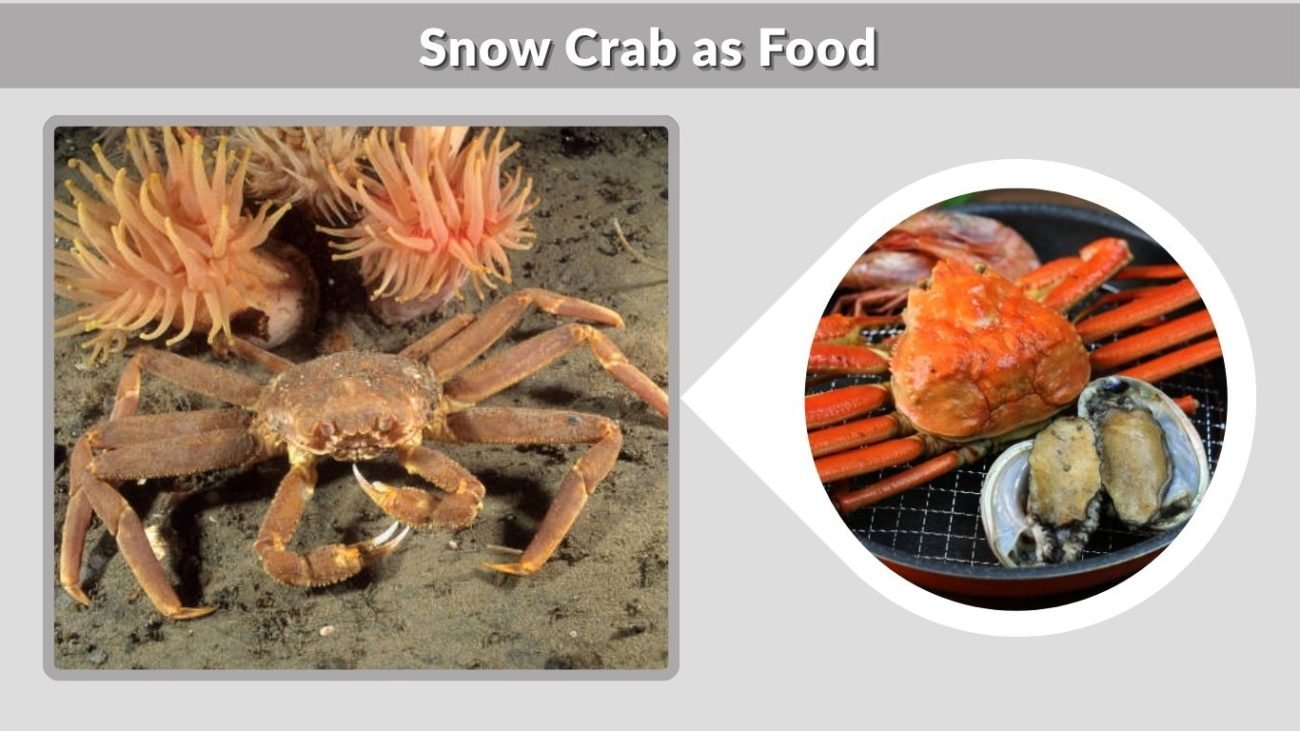
Snow crab is especially popular for its long legs, which contain most of its edible meat. It is widely served in restaurants, seafood buffets, and home-cooked meals.
Taste and Texture
Snow crab meat is known for its sweet, delicate flavor and slightly fibrous yet tender texture. It is less rich than king crab but still highly flavorful.
Popular Dishes
Snow crab legs are commonly served steamed or boiled and are often paired with butter or seasoning. They are also used in seafood boils, salads, pasta dishes, and soups.
Cooking Methods
The most common cooking methods include steaming, boiling, and baking. Steaming is preferred as it preserves the natural flavor and moisture of the crab meat.
Snow Crab Fishing and Season
Snow crab fishing is a major industry in cold-water regions, particularly in countries like Canada, the United States, and Japan.
The fishing season typically occurs during colder months, although exact timing varies depending on location and regulations. Fisheries carefully manage the season to protect crab populations and ensure sustainable harvesting.
Snow crabs are usually caught using traps placed on the ocean floor. These traps are designed to minimize environmental impact and avoid catching unwanted species.
Strict regulations, including size limits and protection of females, help maintain healthy populations.
Commercial Importance
Snow crabs are highly valuable in the global seafood market due to their demand and popularity. They are widely exported and consumed in many countries, especially in North America and Asia.
The industry provides employment for fishermen, processors, and distributors, contributing significantly to coastal economies.
Because snow crab legs are easy to prepare and widely available, they have become a staple in seafood buffets and restaurants worldwide.
Environmental Role
Snow crabs play an important role in marine ecosystems. As both predators and scavengers, they help control populations of smaller organisms and recycle nutrients on the ocean floor.
They are also a food source for larger marine animals such as fish, seals, and other predators. This makes them a crucial part of the marine food web.
Threats and Conservation
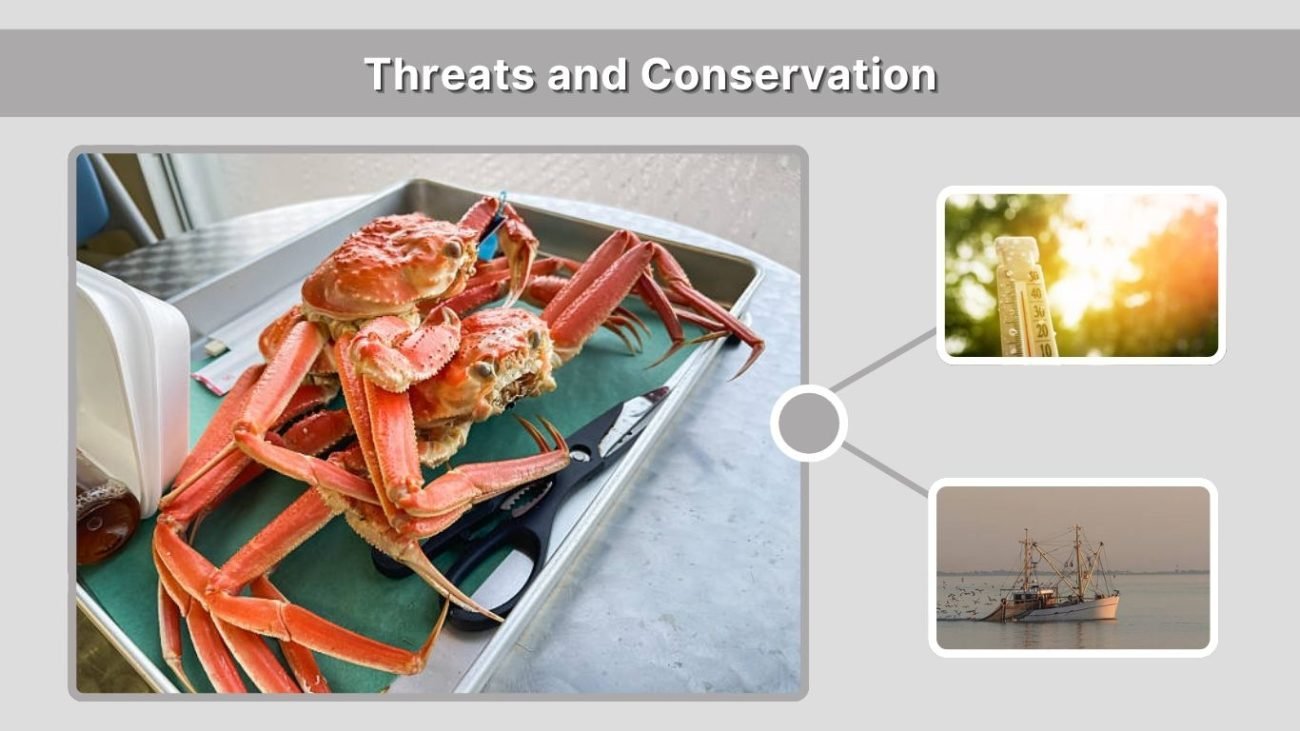
Snow crab populations face several challenges, particularly due to climate change and overfishing. Rising ocean temperatures can affect their habitat and survival, as they depend on cold water environments.
Overfishing can also lead to population declines if not properly managed. To address these issues, fisheries have implemented strict regulations, including catch limits, seasonal closures, and protection of breeding females.
These conservation efforts are essential to ensure the long-term sustainability of snow crab populations.
Snow Crab vs Other Crabs
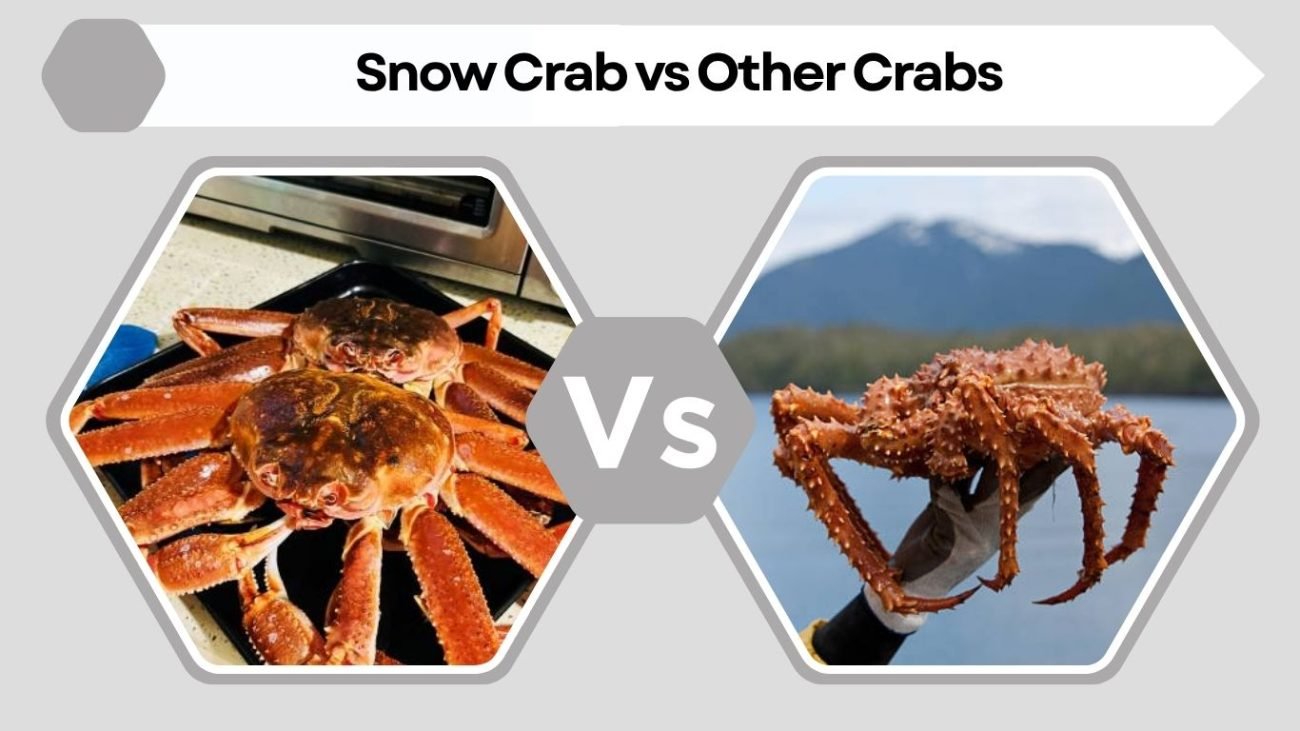
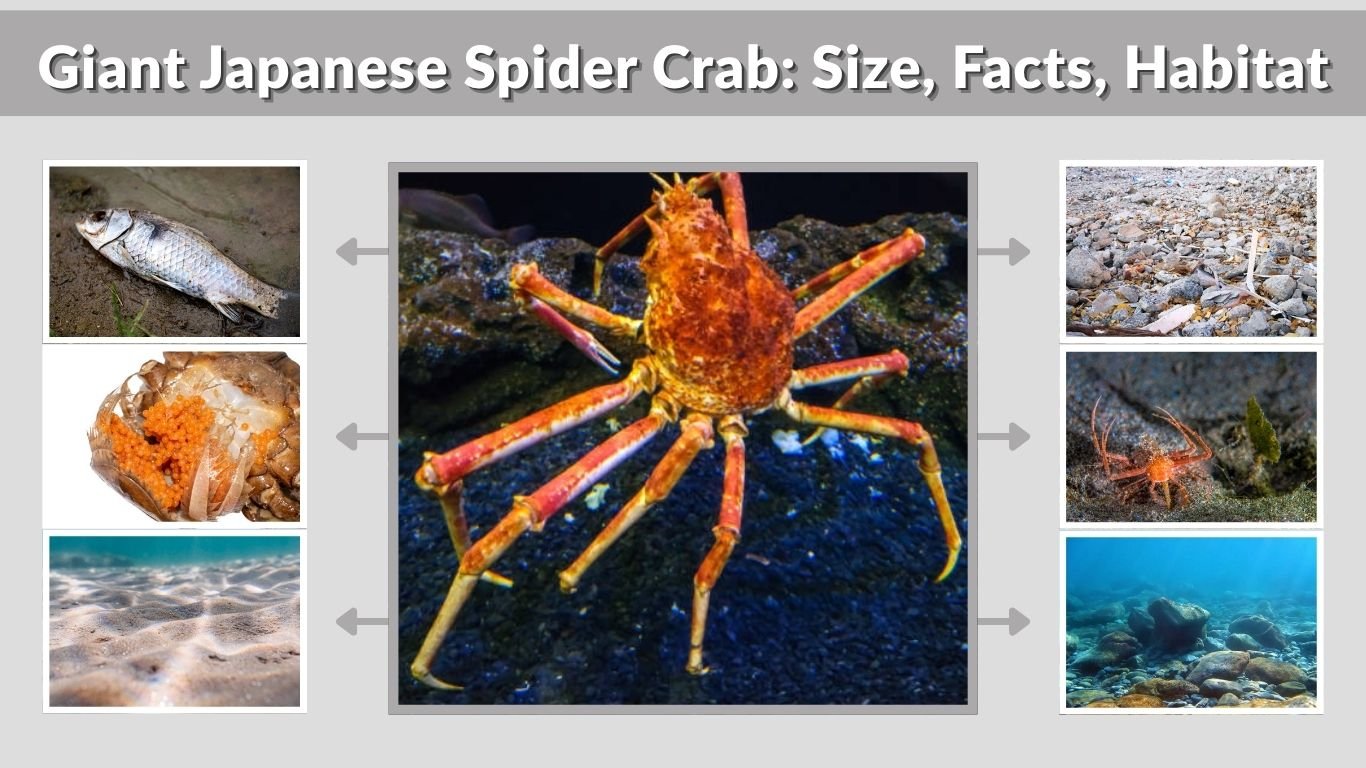
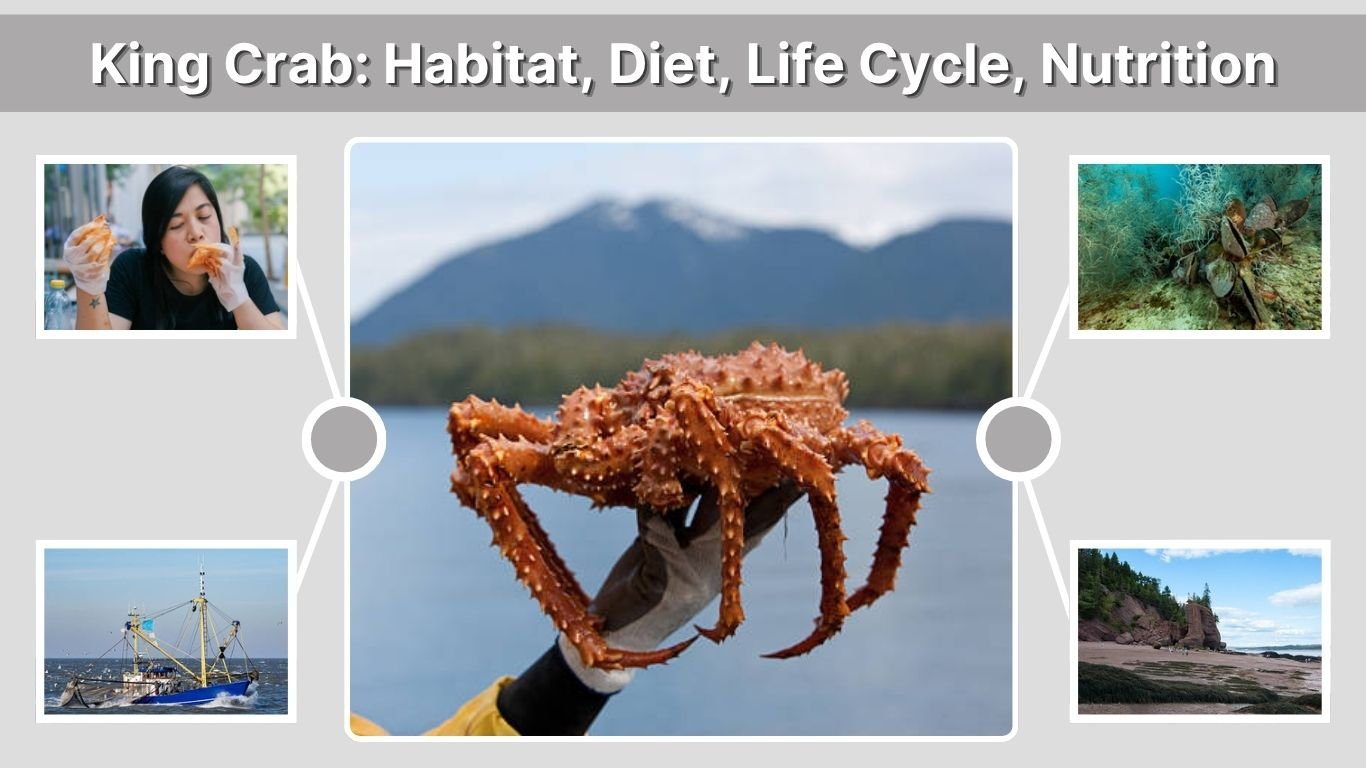
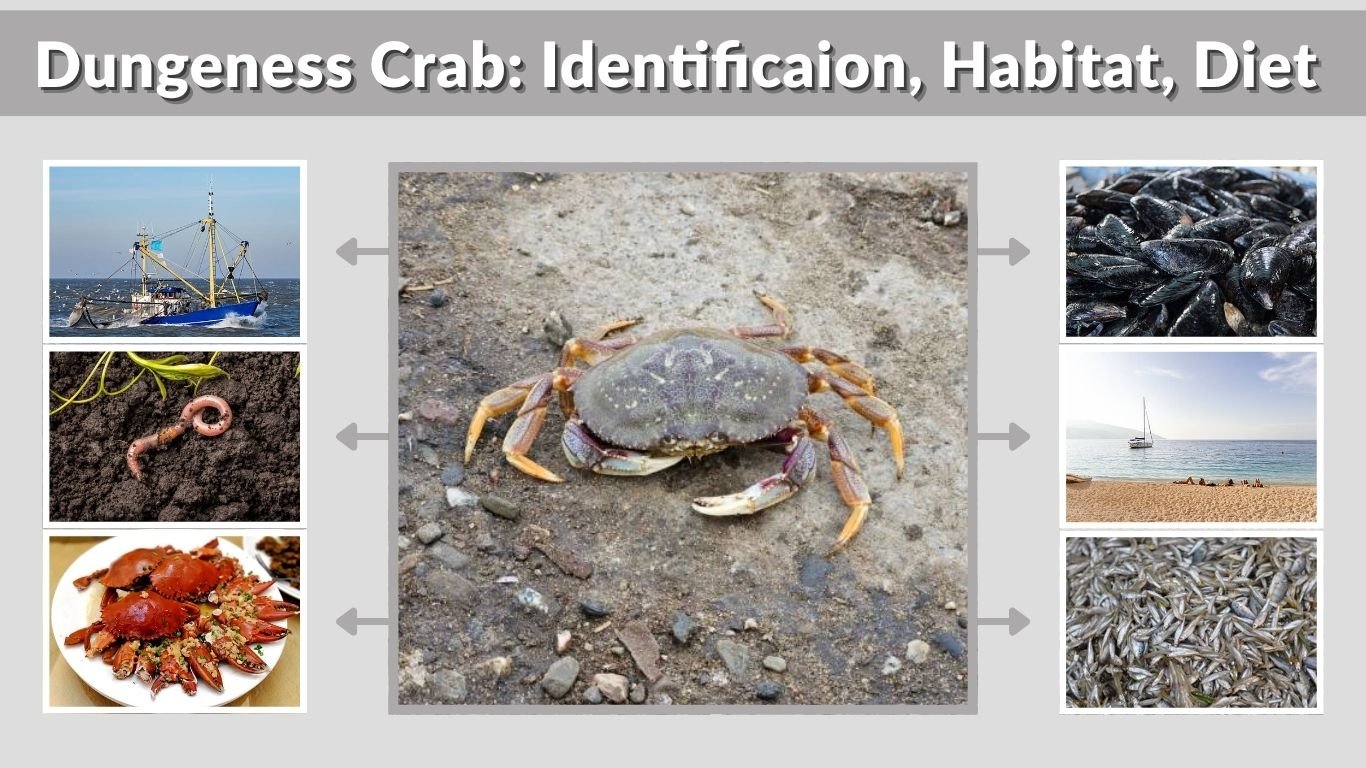
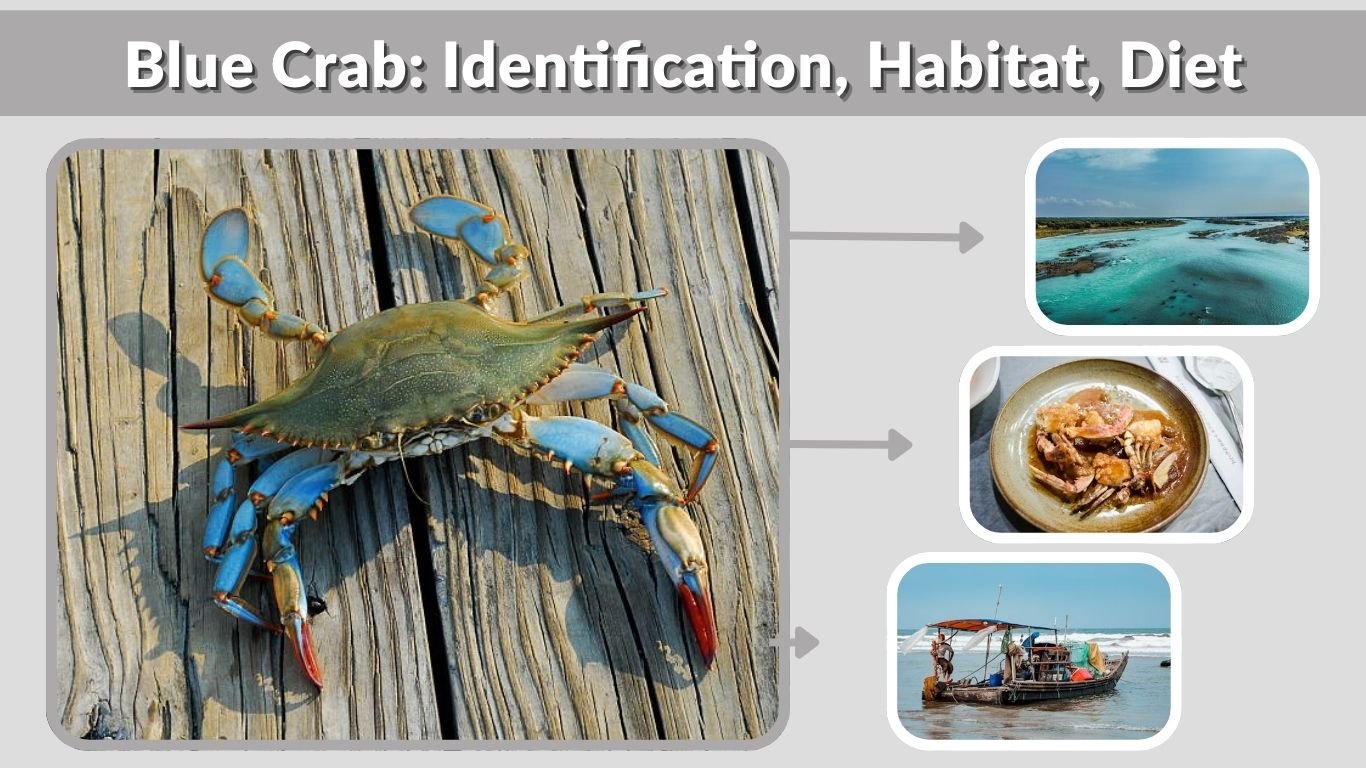
Snow crabs are often compared to other popular crab species such as king crabs, blue crabs, and Dungeness crabs.
Compared to king crabs, snow crabs are smaller and have thinner legs, but their meat is still sweet and flavorful. Blue crabs are smaller with more body meat, while Dungeness crabs have a rounder body and a slightly richer taste.
Each type of crab offers unique qualities, but snow crabs are especially valued for their long legs and ease of preparation.
Interesting Facts About Snow Crabs
Snow crabs are fascinating creatures with several unique traits. Their long legs can span several times the width of their body, making them appear larger than they actually are.
They are specially adapted to cold environments and can survive in deep, icy waters where many other species cannot. Additionally, snow crabs molt multiple times throughout their life, allowing them to grow and regenerate lost limbs.
Their popularity in seafood cuisine has made them one of the most widely consumed crab species worldwide.
FAQs
What is a snow crab?
A snow crab is a cold-water crab species known for its long legs and sweet, delicate meat. Its scientific name is Chionoecetes opilio.
How do you identify a snow crab?
Snow crabs have a small, round body with long, slender legs, a light brown to reddish shell, and relatively small claws compared to other crab species.
What do snow crabs eat?
They are omnivores that feed on worms, clams, small fish, algae, and other marine organisms, as well as dead organic matter.
Where are snow crabs found?
Snow crabs are found in cold waters of the North Atlantic and North Pacific Oceans, especially near Alaska, Canada, and northern Asia.
Are snow crab legs healthy to eat?
Yes, snow crab legs are rich in protein, low in fat, and contain essential nutrients like vitamin B12, zinc, and omega-3 fatty acids.
Conclusion
Snow crabs are a unique and valuable species known for their long legs, sweet meat, and importance in the seafood industry. From their distinctive appearance and life cycle to their role in marine ecosystems, they are both fascinating and essential. As environmental challenges continue to impact ocean life, sustainable fishing and conservation efforts are crucial to protect snow crab populations for future generations.