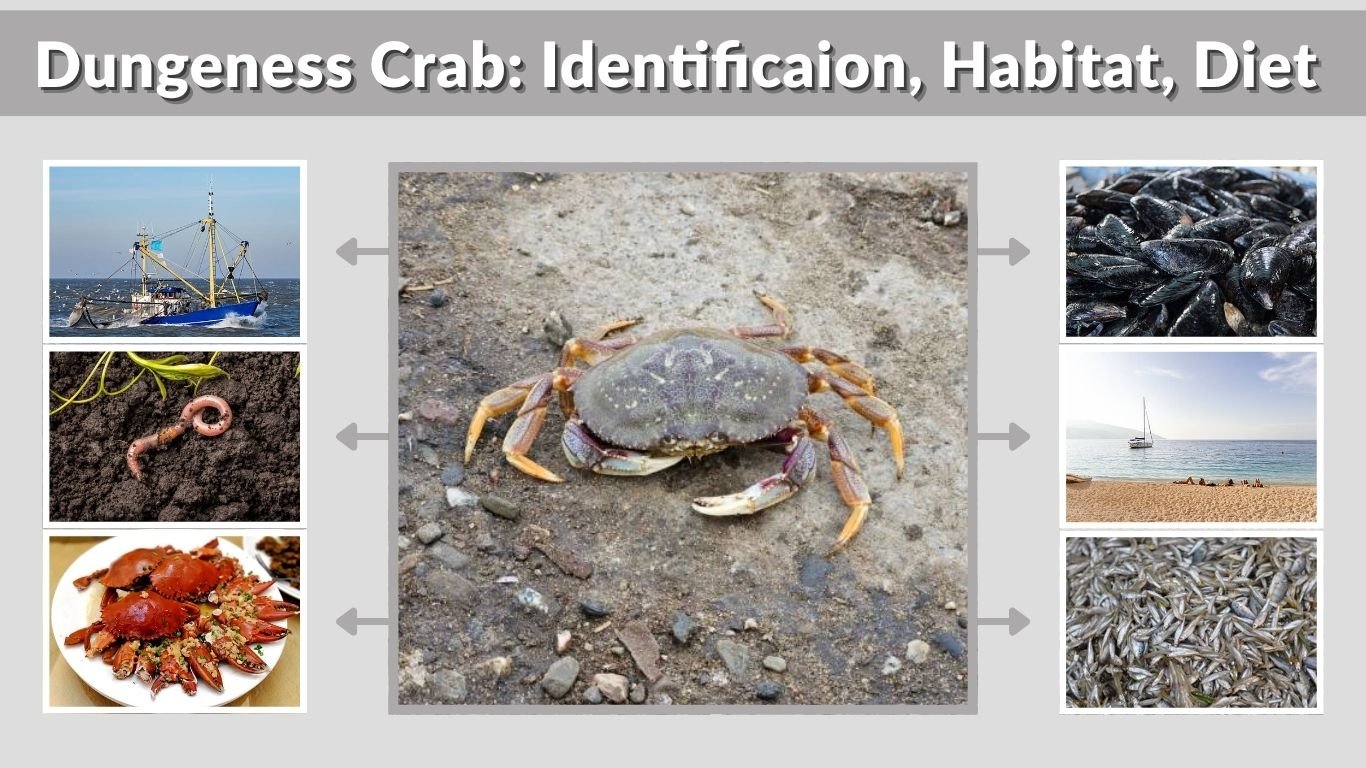
Dungeness crab is one of the most popular and highly valued seafood species along the Pacific Coast of North America. Known for its sweet, tender meat and rich flavor, it is a favorite in many coastal cuisines. Found from Alaska to California, this crab plays an important role in both the fishing industry and marine ecosystems. Its large size, distinctive shell, and culinary appeal make it a standout among crab species worldwide.
What is a Dungeness Crab?
The Dungeness crab, scientifically known as Metacarcinus magister, is a species of crab native to the Pacific Ocean. It was named after the Dungeness Spit in Washington State, where it was first commercially harvested.
This crab is well known for its large size and meaty body, making it highly desirable in seafood markets. Its shell is typically brown to purplish in color, with a smooth texture and relatively short spines along the edges.
Dungeness crabs are bottom dwellers, meaning they live on the ocean floor, where they search for food and shelter. They are commonly found in coastal waters and are known for their strong legs and claws, which help them dig and capture prey.
Because of their flavor, size, and availability, Dungeness crabs are considered one of the finest edible crabs in the world.
Dungeness Crab Identification
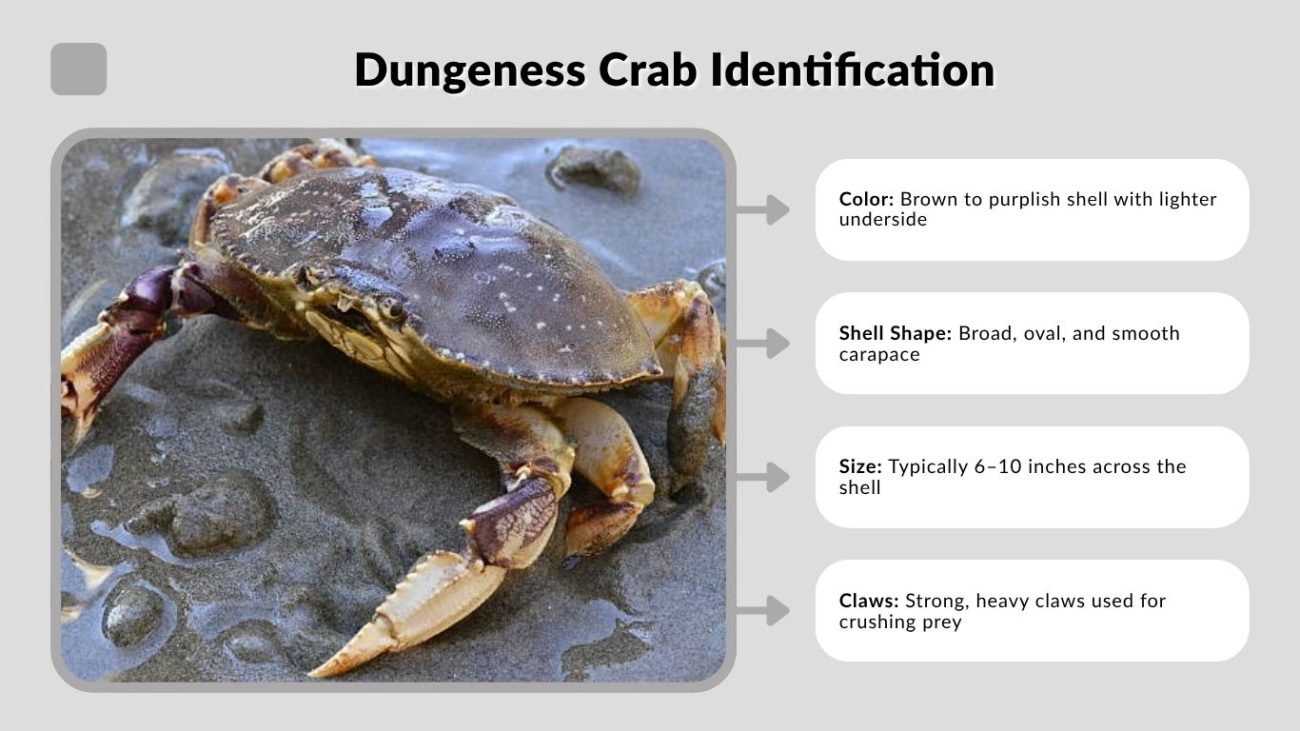
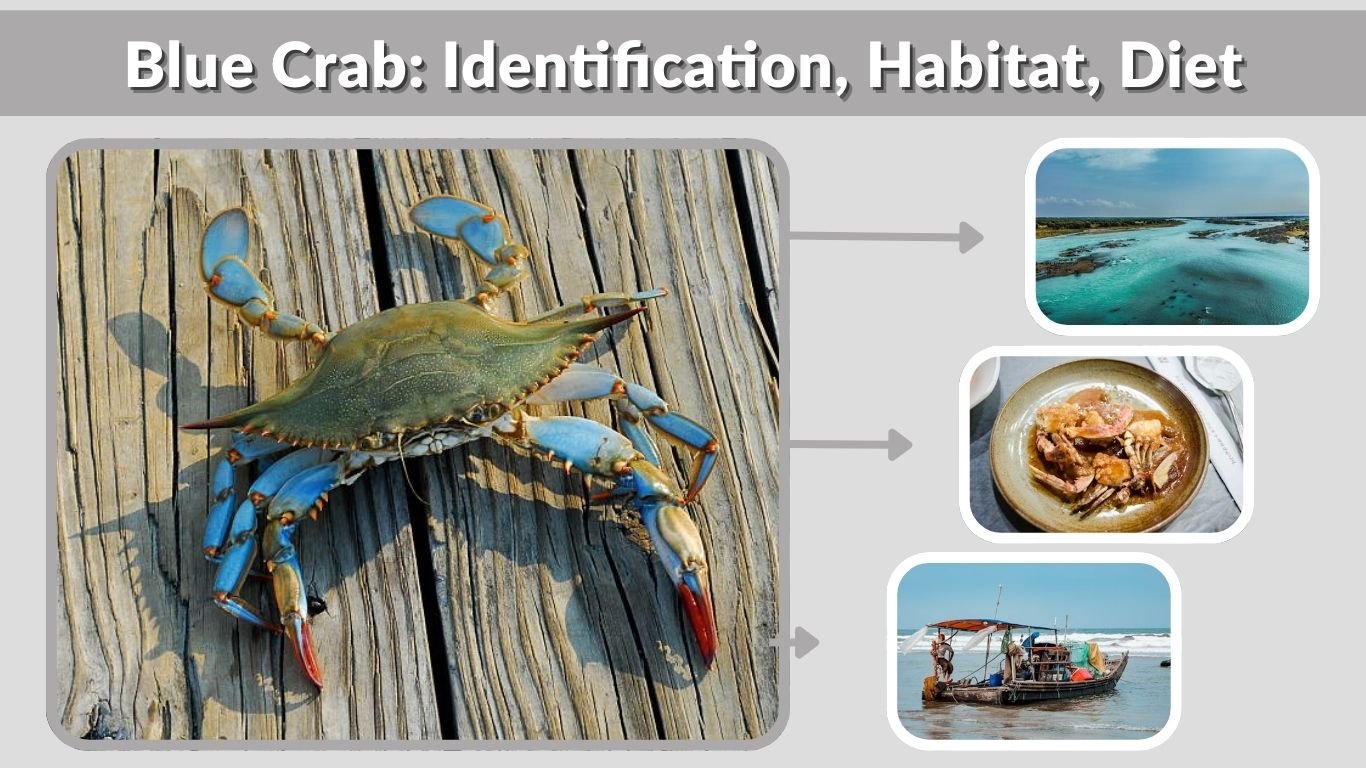
Dungeness crabs are easy to recognize due to their large size, rounded shell, and earthy coloration. Unlike more colorful crab species, they have a more natural brown or purplish tone that helps them blend into the ocean floor. Their sturdy body, thick legs, and lack of swimming paddles make them distinct from crabs like the blue crab. Understanding these features is important for both fishermen and seafood buyers.
Key Identification Features
- Color: Brown to purplish shell with lighter underside
- Shell Shape: Broad, oval, and smooth carapace
- Size: Typically 6–10 inches across the shell
- Claws: Strong, heavy claws used for crushing prey
- Legs: Thick walking legs (no paddle-shaped swimming legs)
- Male Abdomen: Narrow, triangular shape
- Female Abdomen: Wide, rounded shape for carrying eggs
- Spines: Short, small spines along the shell edges
- Body Build: Sturdy and meaty compared to other crabs
These features make Dungeness crabs one of the most recognizable and commercially valuable crab species along the Pacific Coast.
Types and Classification
Dungeness crabs are not divided into different species types, but they are commonly classified based on size, gender, and commercial grading.
The most important distinction is between male and female crabs, especially in fisheries where regulations often restrict the harvesting of females. This helps maintain sustainable populations.
Crabs are also graded by size and meat quality in commercial markets. Larger crabs with fuller bodies are generally more valuable due to their higher meat yield.
These classifications are important for both fisheries management and consumer preference.
Dungeness Crab Habitat and Distribution
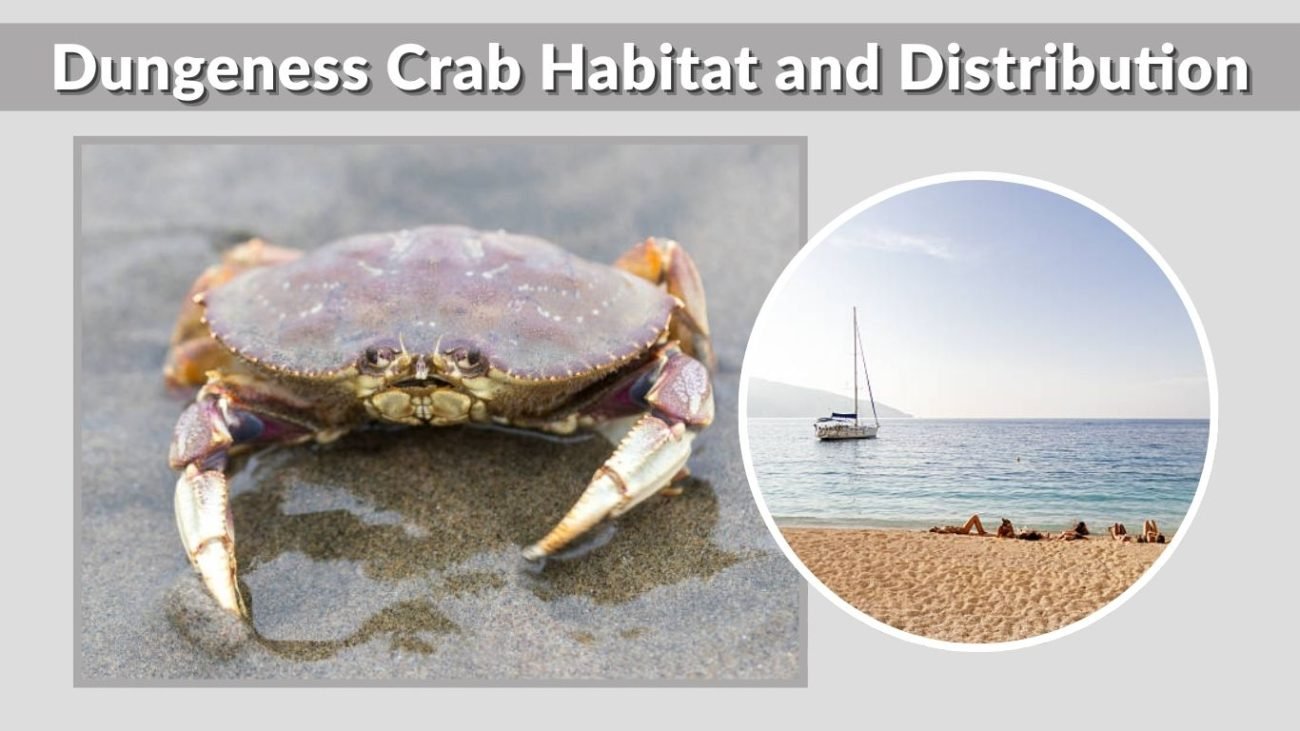
Dungeness crabs are primarily found along the Pacific Coast of North America, where they thrive in cool, coastal waters.
Geographic Range
Their range extends from Alaska down to California, with the highest populations found in regions such as Washington, Oregon, and Northern California. These areas provide ideal environmental conditions for their growth and reproduction.
Preferred Environment
Dungeness crabs prefer sandy or muddy ocean floors where they can easily burrow and hide from predators. They are typically found at depths ranging from shallow coastal waters to deeper offshore areas.
They favor cool, oxygen-rich waters, which support their metabolism and growth.
Seasonal Movement
These crabs are known to move between shallow and deeper waters depending on the season. During certain times of the year, they migrate closer to shore for feeding and breeding.
Temperature, food availability, and reproductive cycles all influence their movement patterns.
Life Cycle of Dungeness Crabs
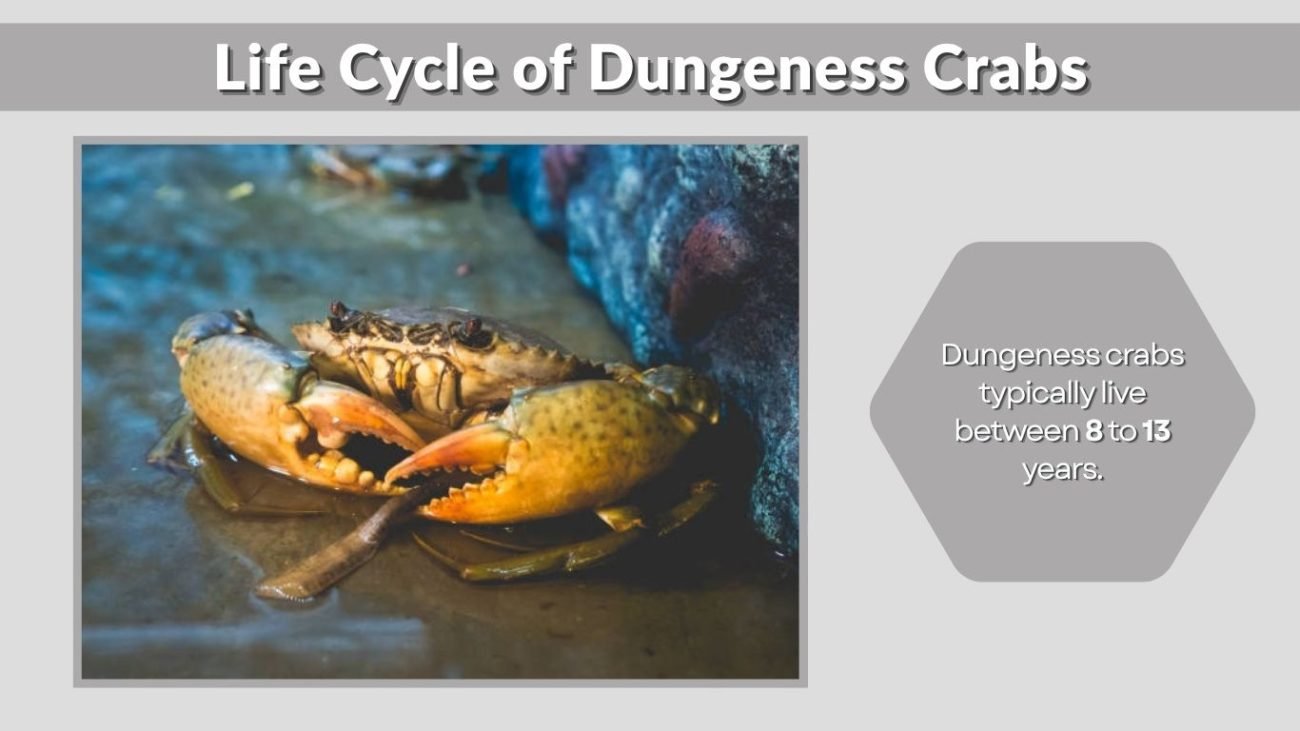
The life cycle of Dungeness crabs involves several stages, each critical for their development.
Growth Stages
Dungeness crabs begin life as eggs carried by the female. After hatching, they enter a larval stage where they drift in ocean currents. Over time, they develop into juvenile crabs and eventually mature into adults.
Molting Process
Like other crabs, Dungeness crabs grow by molting, shedding their old shell to form a new, larger one. During this period, they are vulnerable until their new shell hardens.
Molting occurs multiple times throughout their life and is essential for growth.
Lifespan
Dungeness crabs typically live between 8 to 13 years, which is longer than many other crab species. Their growth rate depends on environmental conditions such as temperature and food availability.
Dungeness Crab Diet and Behavior
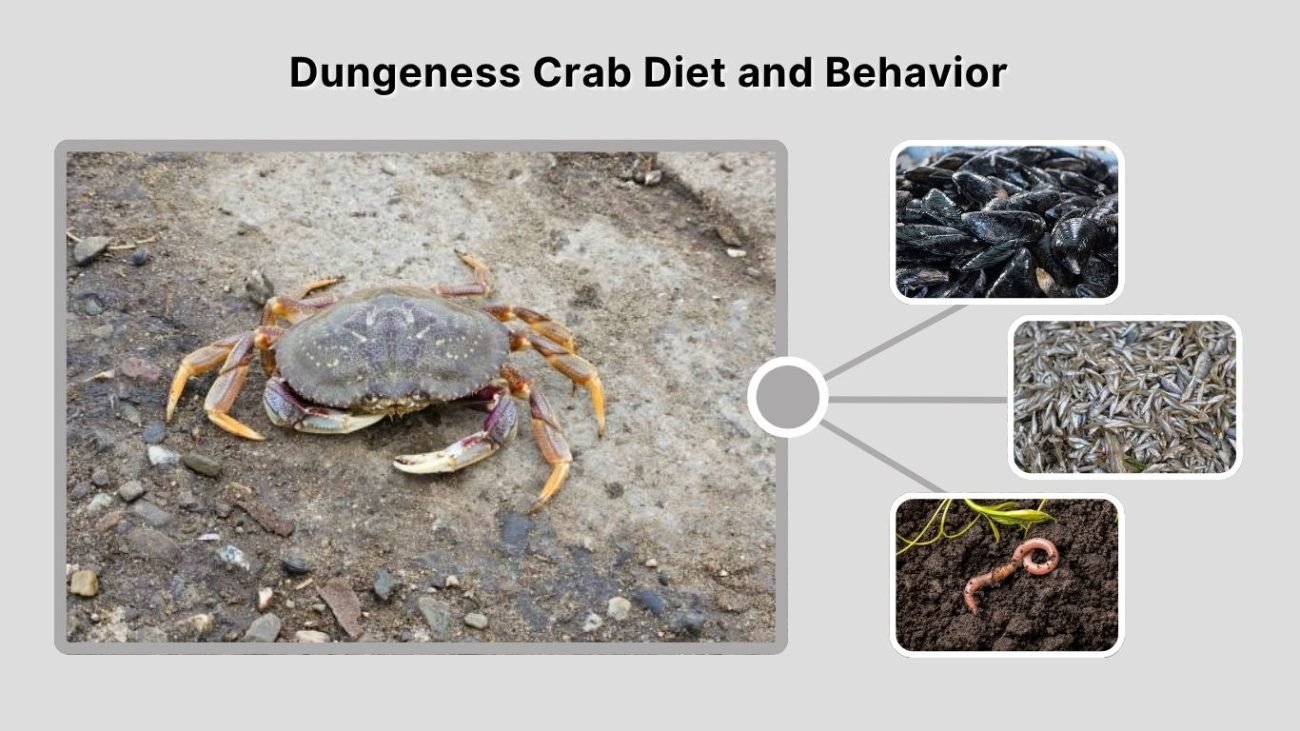
Dungeness crabs are omnivorous feeders, meaning they consume both plant and animal matter. Their diet includes clams, mussels, small fish, worms, algae, and other marine organisms. They are also scavengers and will feed on dead animals, helping to keep the ocean floor clean.
These crabs are primarily bottom dwellers and use their strong claws to dig into the sand or break open shells. While they are not aggressive toward humans, they can defend themselves if threatened.
Dungeness crabs are most active during the night, when they search for food along the seabed. Their behavior and adaptability make them successful survivors in various marine environments.
Nutritional Value of Dungeness Crab
Dungeness crab meat is highly nutritious and considered a healthy addition to many diets. It is rich in high-quality protein, which supports muscle growth and repair.
It also contains essential vitamins and minerals such as vitamin B12, zinc, selenium, and omega-3 fatty acids. These nutrients help improve brain function, boost the immune system, and support heart health.
Another benefit is that Dungeness crab is relatively low in fat and calories, making it an excellent choice for those seeking a balanced and nutritious meal.
Dungeness Crab as Food
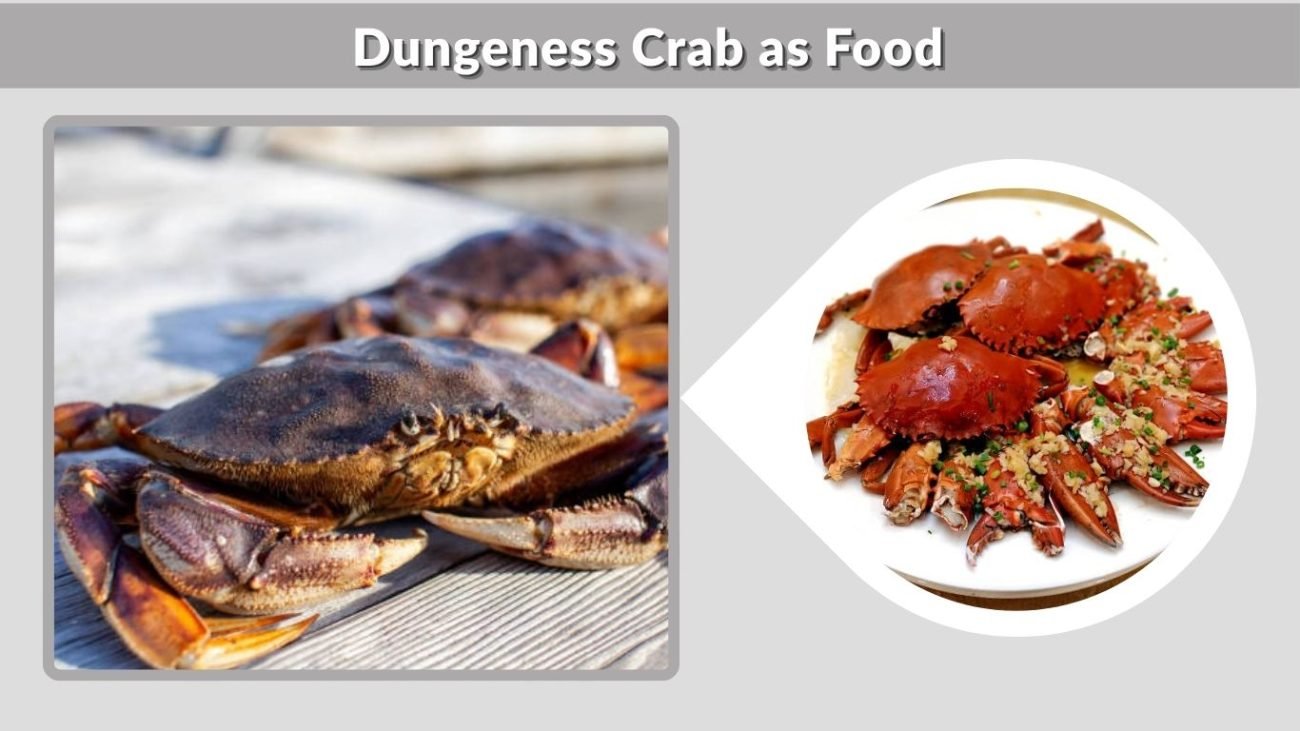
Dungeness crab is prized for its sweet, delicate flavor and tender meat, making it a favorite in many seafood dishes.
Taste and Texture
The meat of Dungeness crab is known for its slightly sweet taste and soft, flaky texture. It is less salty than some other crab varieties, which enhances its natural flavor.
Popular Dishes
Dungeness crab is used in a variety of dishes, including boiled crab, crab salads, pasta, soups, and seafood platters. It is often served simply to highlight its natural taste.
Cooking Methods
Common cooking methods include boiling, steaming, grilling, and baking. Boiling and steaming are the most popular methods, as they preserve the crab’s natural sweetness and moisture.
Dungeness Crab Season and Fishing
Dungeness crab fishing is an important industry along the Pacific Coast, with strict regulations to ensure sustainability.
The crab season typically varies by region but generally runs from late fall to early spring. Timing is carefully managed to avoid harvesting during breeding periods.
Fishermen use traps and pots placed on the ocean floor to catch crabs. These methods are designed to minimize environmental impact and protect other marine species.
Strict size and gender regulations are enforced to maintain healthy crab populations, ensuring long-term availability.
Commercial Importance
The Dungeness crab industry is a major contributor to coastal economies, particularly in states like California, Oregon, and Washington. It provides employment for thousands of fishermen, processors, and distributors.
Due to its high demand and premium quality, Dungeness crab commands strong market prices. It is widely exported and featured in restaurants around the world.
Sustainable fishing practices are essential to maintaining this valuable industry.
Environmental Role
Dungeness crabs play a crucial role in marine ecosystems. As both predators and scavengers, they help regulate populations of smaller marine organisms and recycle nutrients on the ocean floor.
They are also an important food source for larger animals such as fish, octopuses, and marine mammals. This makes them a vital part of the ocean’s food web.
Threats and Conservation
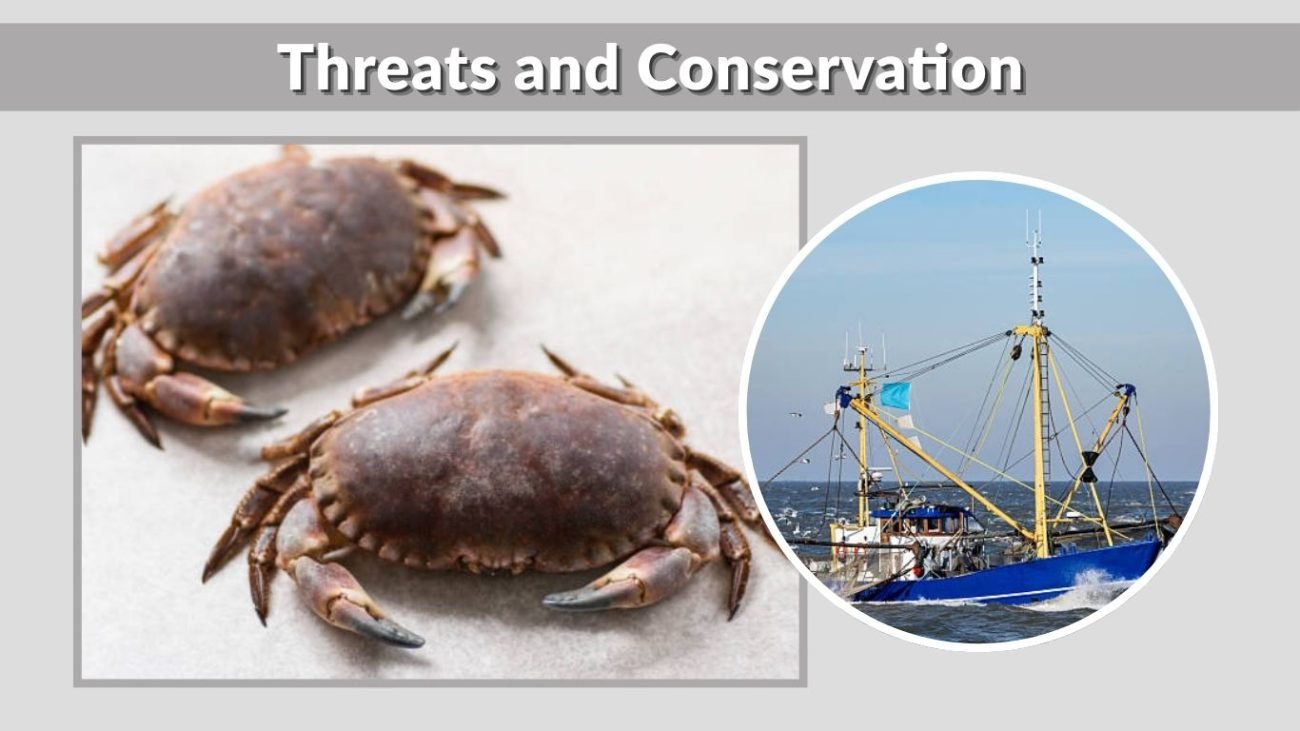
Despite their importance, Dungeness crab populations face several challenges. Overfishing can lead to population declines if not carefully managed.
Climate change is another major threat, as rising ocean temperatures and changing conditions can affect their habitat and life cycle. Ocean acidification may also impact their ability to develop strong shells.
To address these issues, fisheries have implemented strict regulations, including size limits, seasonal closures, and protection of female crabs. These measures help ensure sustainable populations for future generations.
Dungeness Crab vs Other Crabs
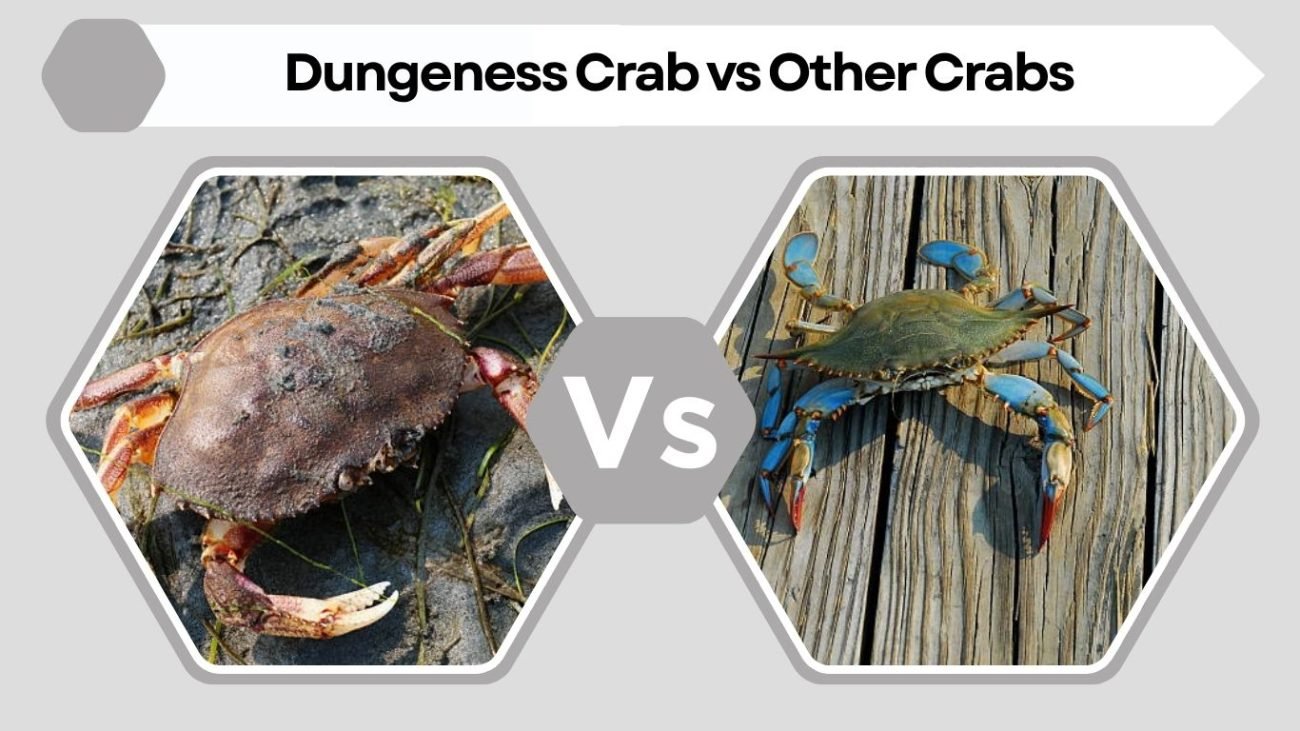
Dungeness crabs are often compared to other popular crab species such as blue crabs, snow crabs, and king crabs.
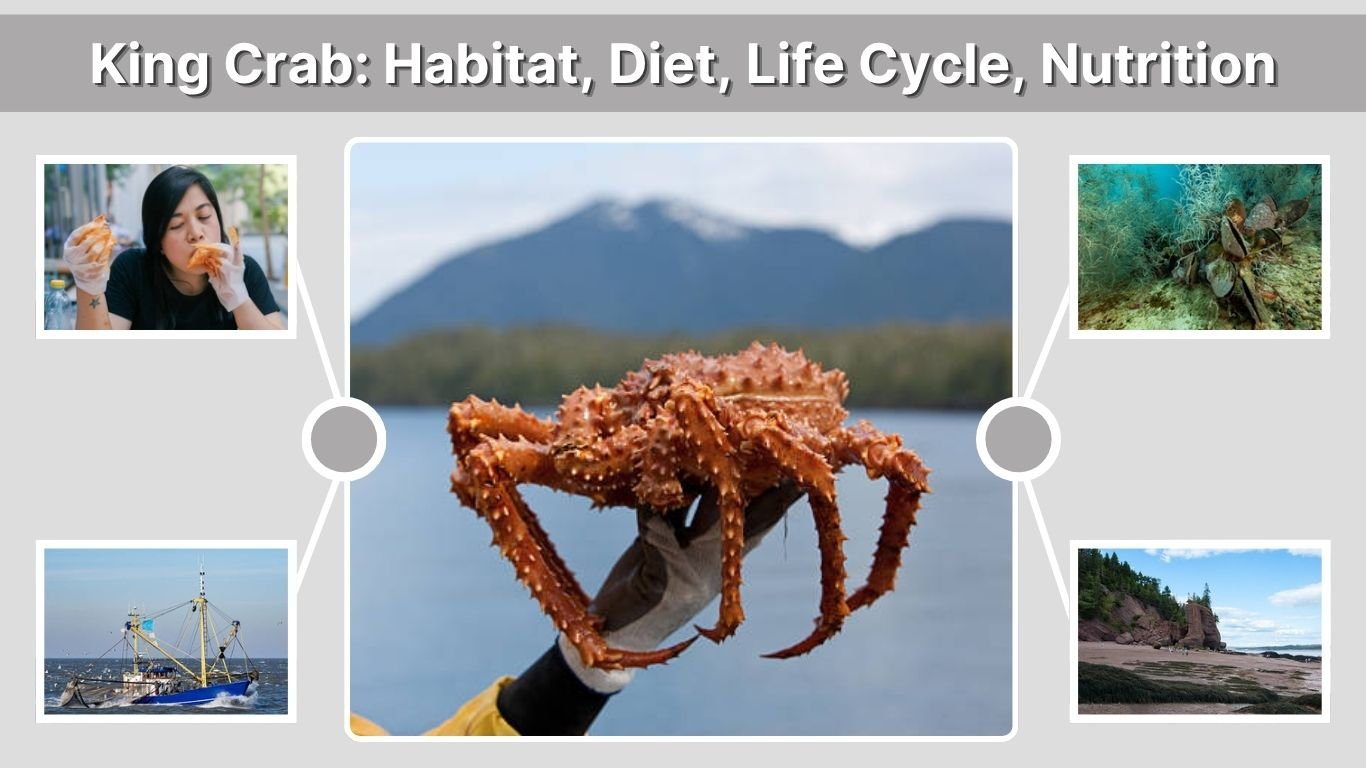
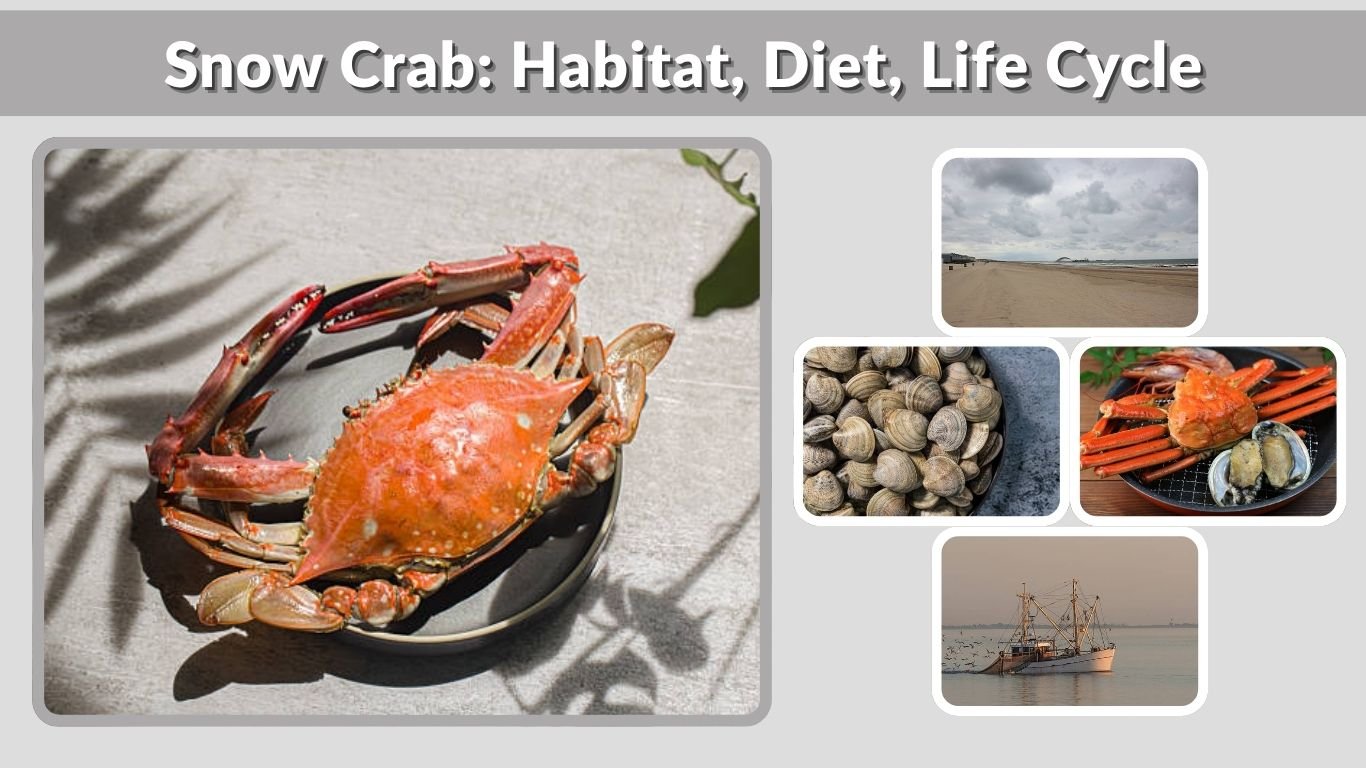
Compared to blue crabs, Dungeness crabs are larger and have a more delicate, less briny flavor. Snow crabs have longer legs but less body meat, while king crabs are larger and more expensive but have a different texture.
Each type of crab offers unique qualities, but Dungeness crab is often considered one of the best in terms of taste and meat quality.
Interesting Facts About Dungeness Crabs
Dungeness crabs have several interesting characteristics. They are named after a location in Washington State called Dungeness Spit, where they were first harvested commercially.
They can regenerate lost limbs over time, which helps them survive predator attacks. Additionally, they have a relatively long lifespan compared to many other crab species.
Their cultural and economic importance makes them a symbol of coastal communities along the Pacific.
FAQs
What is a Dungeness crab?
A Dungeness crab is a species of crab native to the Pacific Ocean, known for its sweet, tender meat and large size. Its scientific name is Metacarcinus magister.
How do you identify a Dungeness crab?
Dungeness crabs have a broad, smooth, brownish shell, short spines along the edges, and thick legs. Unlike blue crabs, they do not have paddle-shaped swimming legs.
What do Dungeness crabs eat?
They are omnivores and feed on clams, mussels, fish, worms, algae, and dead marine animals, helping keep the ocean floor clean.
When is Dungeness crab season?
The season usually runs from late fall to early spring, depending on the region, with strict regulations to protect crab populations.
Is Dungeness crab healthy to eat?
Yes, Dungeness crab is rich in protein, vitamins like B12, and minerals such as zinc and selenium, while being low in fat and calories.
Conclusion
Dungeness crab is a remarkable species known for its delicious flavor, ecological importance, and economic value. From its distinctive appearance and life cycle to its role in marine ecosystems and global cuisine, it stands out as one of the most prized crabs in the world. As demand continues to grow, sustainable fishing and conservation efforts are essential to protect this valuable resource for future generations.