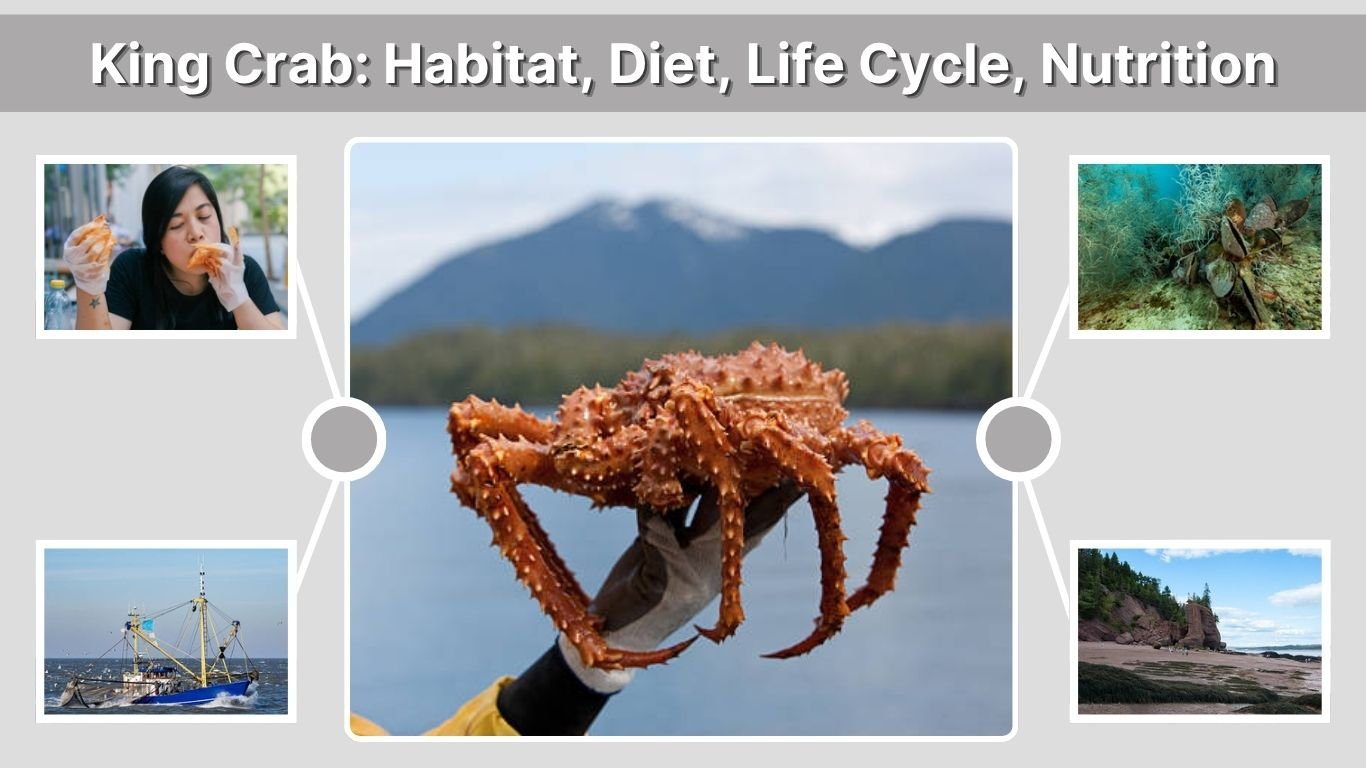
King crabs are among the most fascinating and sought-after creatures in the ocean. Known for their enormous size, long legs, and delicious meat, they are especially popular in seafood markets around the world. Found mainly in cold marine environments, king crabs play an important role in the ecosystem. In this guide, we’ll explore everything about king crabs, including their habitat, diet, life cycle, nutrition, and some interesting facts.
What Is a King Crab?
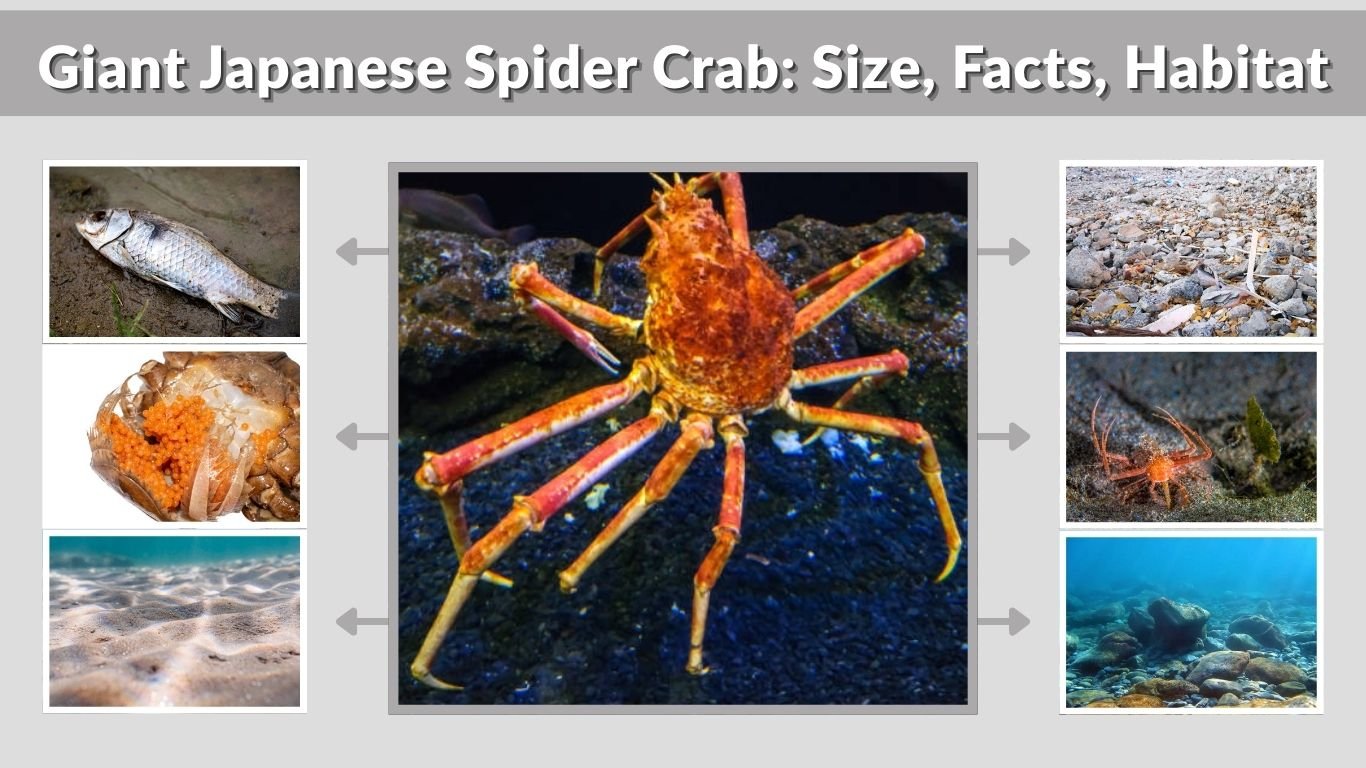
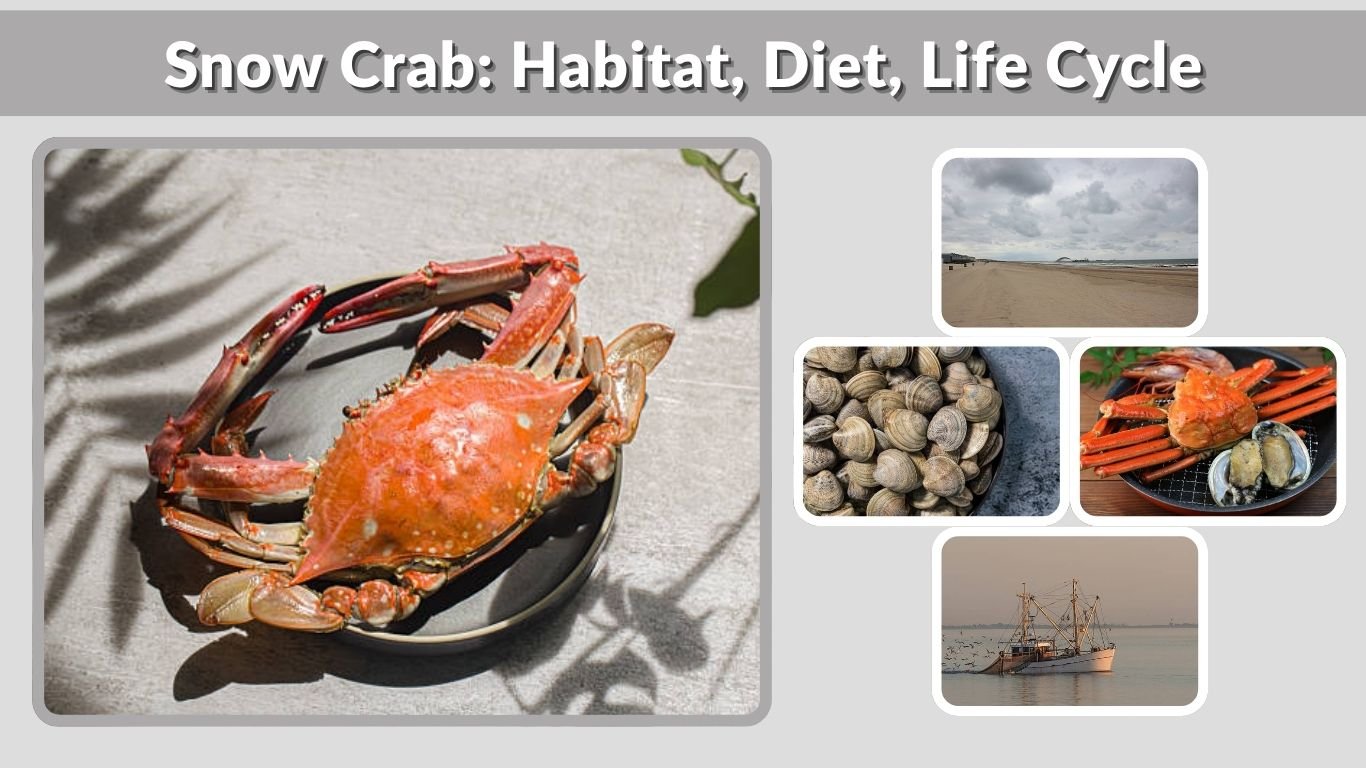
King crabs are large marine crustaceans belonging to the family Lithodidae. Despite their name, they are not true crabs and are more closely related to hermit crabs. These creatures are famous for their massive size and spiny shells, making them one of the largest types of crabs in the world.
There are several species of king crabs, but the most well-known include:
- Red king crab – the largest and most commercially valuable
- Blue king crab – slightly smaller but still significant
- Golden king crab – found in deeper waters
King crabs can have a leg span of up to 5–6 feet and weigh over 10 kilograms. Their hard exoskeleton protects them from predators, while their strong claws help them catch and crush food.
King Crab Habitat
Where Do King Crabs Live?
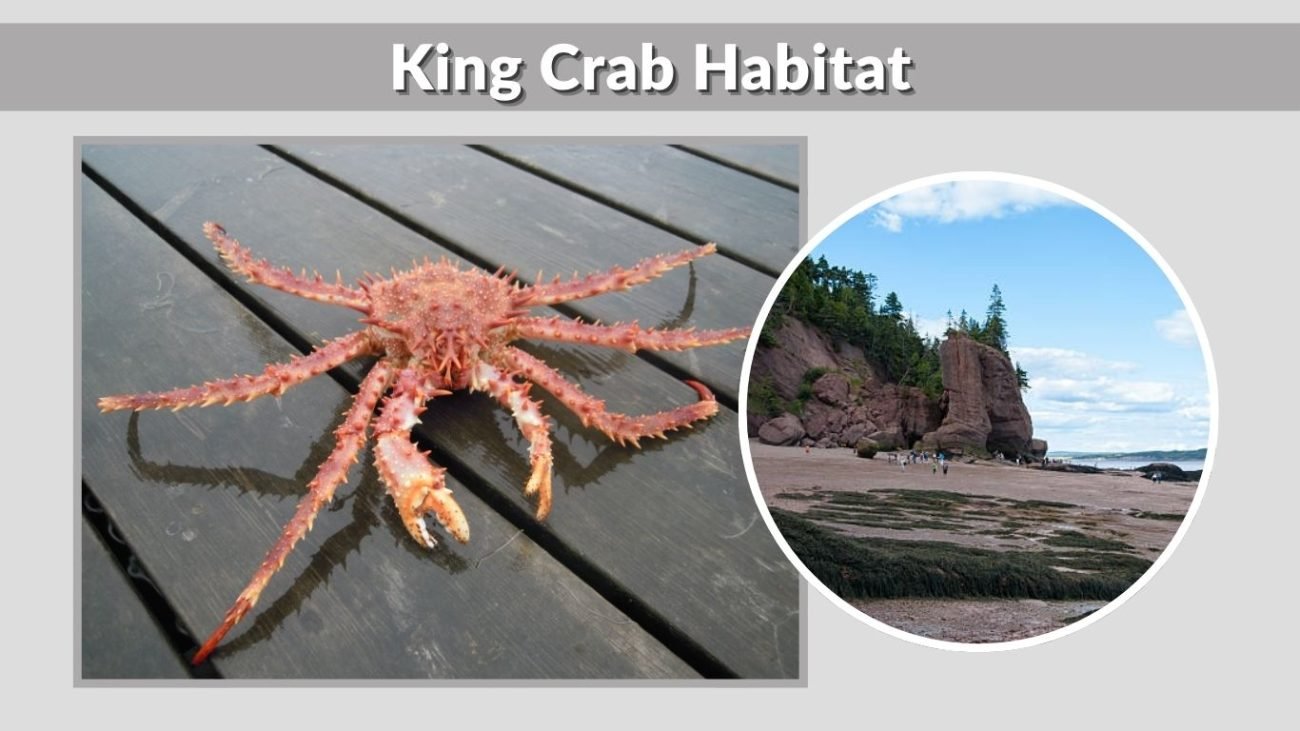
King crabs are primarily found in cold ocean waters. Their main habitat includes the North Pacific Ocean, especially around Alaska, Russia, and the Bering Sea. These regions provide the low temperatures and rich marine environment that king crabs need to survive.
Preferred Environment
King crabs usually live on the ocean floor, where they prefer sandy or muddy seabeds. Depending on their life stage, they may inhabit different depths:
- Juvenile crabs often stay in shallower waters for protection
- Adult crabs typically move to deeper waters
They thrive in temperatures ranging from 2°C to 12°C, making them well-adapted to cold environments.
Migration Patterns
King crabs are known for their seasonal migrations. They move between shallow and deep waters throughout the year:
- During warmer months, they migrate to shallower areas
- In colder seasons, they return to deeper waters
These movements are often linked to breeding and feeding patterns, ensuring their survival and reproduction.
King Crab Diet
What Do King Crabs Eat?
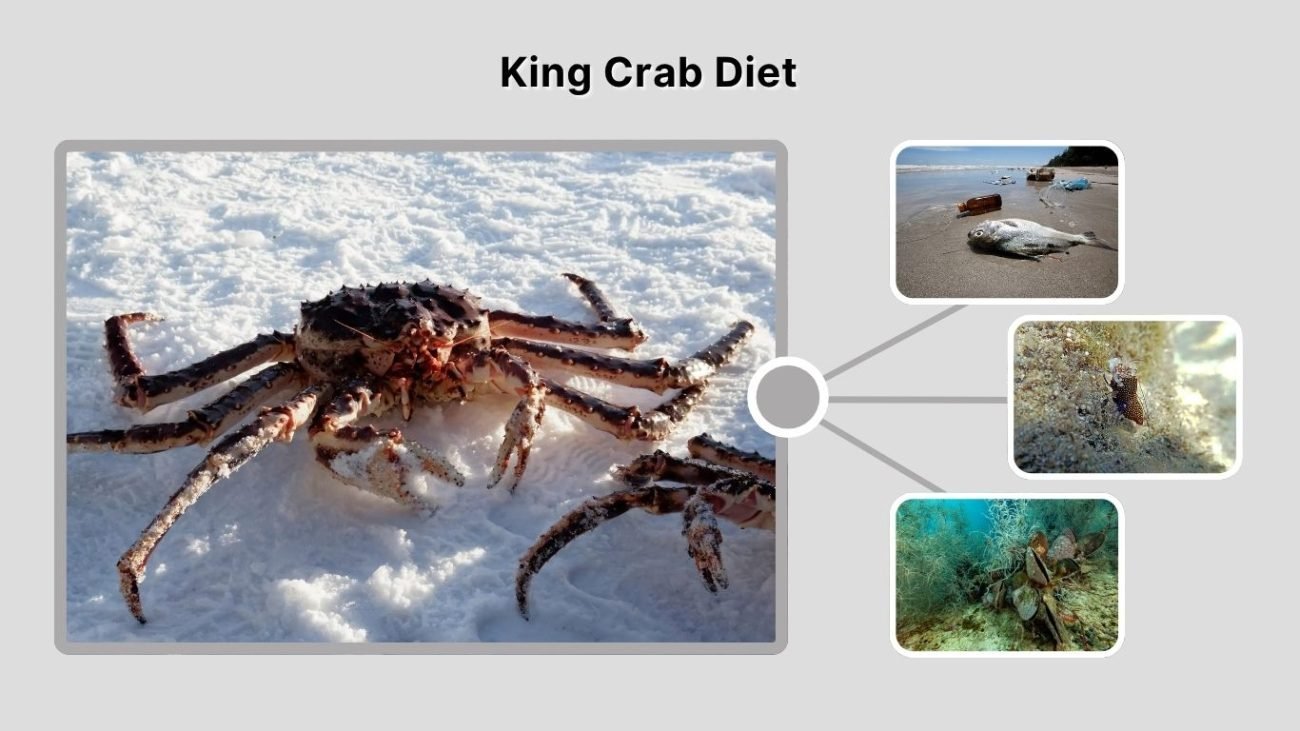
King crabs are omnivorous scavengers, meaning they eat both plant and animal matter. Their flexible diet allows them to adapt to different environments and food availability.
Common Foods
King crabs feed on a variety of marine organisms, including:
- Mollusks such as clams and mussels
- Worms and small crustaceans
- Dead animals (scavenging)
- Algae and plant material
Hunting Behavior
King crabs are both active hunters and scavengers. They use their powerful claws to break open shells and capture prey. At the same time, they also clean up the ocean floor by feeding on dead organisms.
This feeding behavior makes them an important part of the marine ecosystem, as they help recycle nutrients and maintain ecological balance.
King Crab Life Cycle
Reproduction Process
The life cycle of a king crab begins with reproduction. Female king crabs carry thousands of eggs attached to their abdomen. After mating, the female holds these eggs for several months until they are ready to hatch.
Larval Stages
Once the eggs hatch, the young crabs enter a larval stage known as zoea. At this stage, they float in the water and go through several developmental phases before settling on the ocean floor.
Growth and Molting
As king crabs grow, they must shed their hard outer shell in a process called molting. This allows their bodies to expand. Younger crabs molt more frequently, while adults molt less often as they reach maturity.
King Crab Nutrition
Nutritional Value (per 100g)
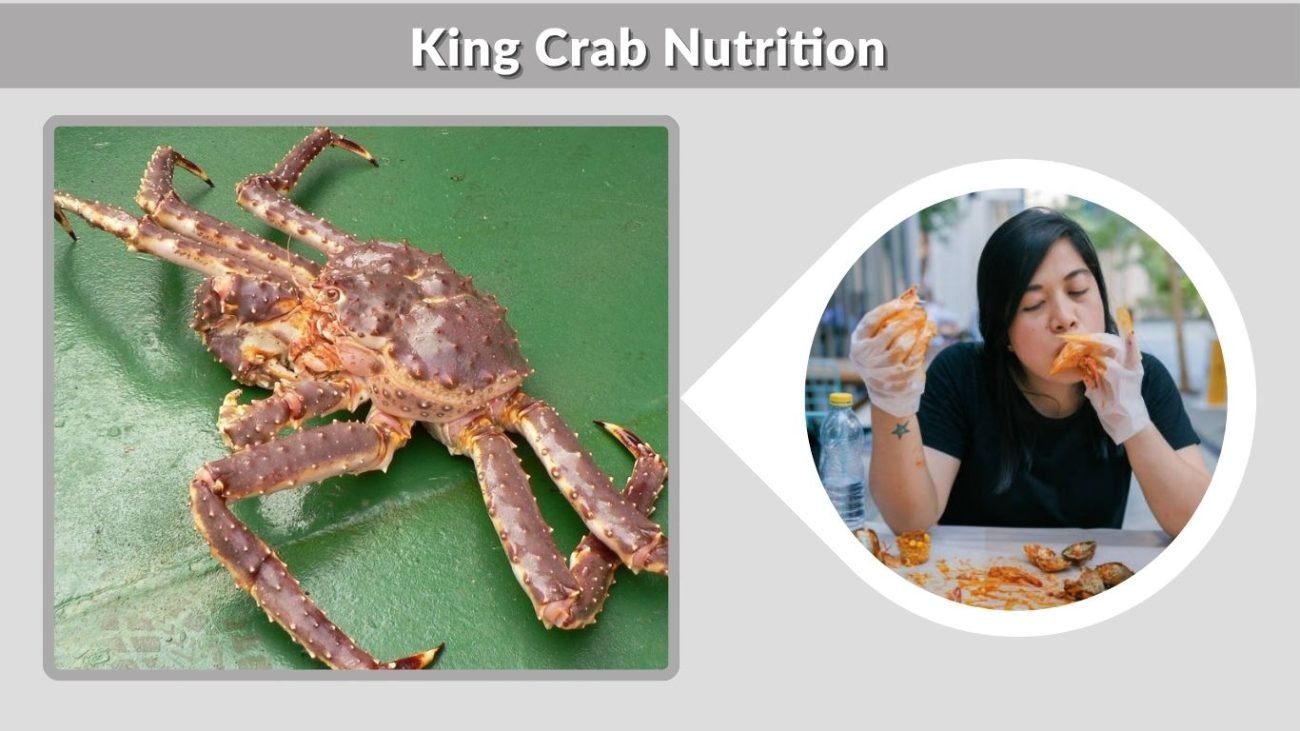
King crab meat is not only delicious but also highly nutritious. A 100-gram serving typically contains:
- Calories: حوالي 95–105 kcal
- Protein: 18–20 grams
- Fat: 1–2 grams
- Cholesterol: Moderate levels
- Vitamins: Vitamin B12, Vitamin C
- Minerals: Zinc, selenium, copper, phosphorus
This rich nutritional profile makes king crab a popular choice for those seeking a healthy seafood option.
Health Benefits
Eating king crab offers several health benefits:
- High in Protein: Supports muscle growth and repair
- Low in Fat: Ideal for weight management
- Heart Health: Contains omega-3 fatty acids that help reduce inflammation
- Boosts Immunity: Rich in zinc and selenium
- Supports Brain Function: Vitamin B12 helps maintain a healthy nervous system
Is King Crab Healthy?
Yes, king crab is generally considered a healthy food. However, there are a few things to keep in mind:
- It may contain cholesterol, so moderation is important
- Some people may have shellfish allergies
- Processed or salted crab products may contain high sodium
Interesting King Crab Facts
- King crabs are not true crabs; they are closer relatives of hermit crabs
- They can regrow lost limbs over time
- Some species can live up to 20–30 years
- Their leg span can reach over 6 feet
- They are one of the most valuable seafood species in the world
- King crabs walk sideways using their long legs
- They have a hard spiny shell that protects them from predators
King Crab vs Other Crabs
Size Comparison
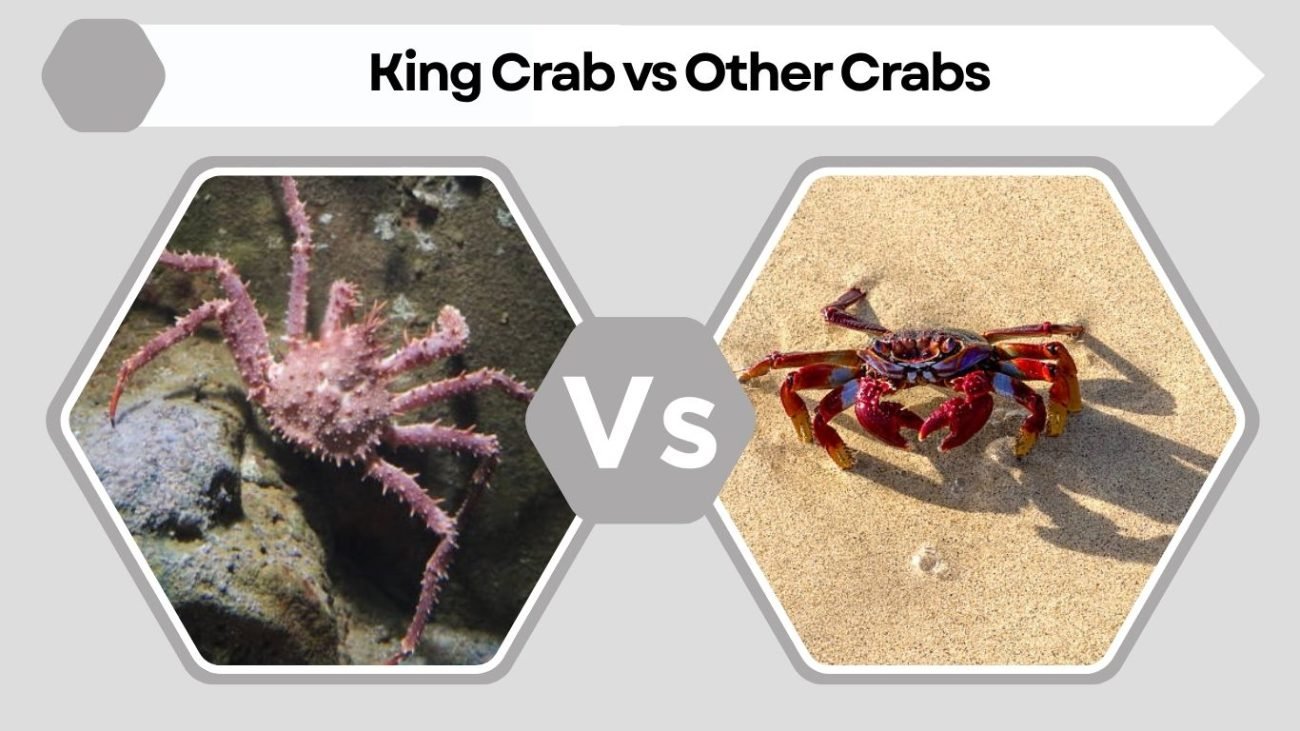
King crabs are significantly larger than most other crab species, making them one of the biggest crustaceans in the ocean.
Taste Differences
- King crab meat is sweet, tender, and rich
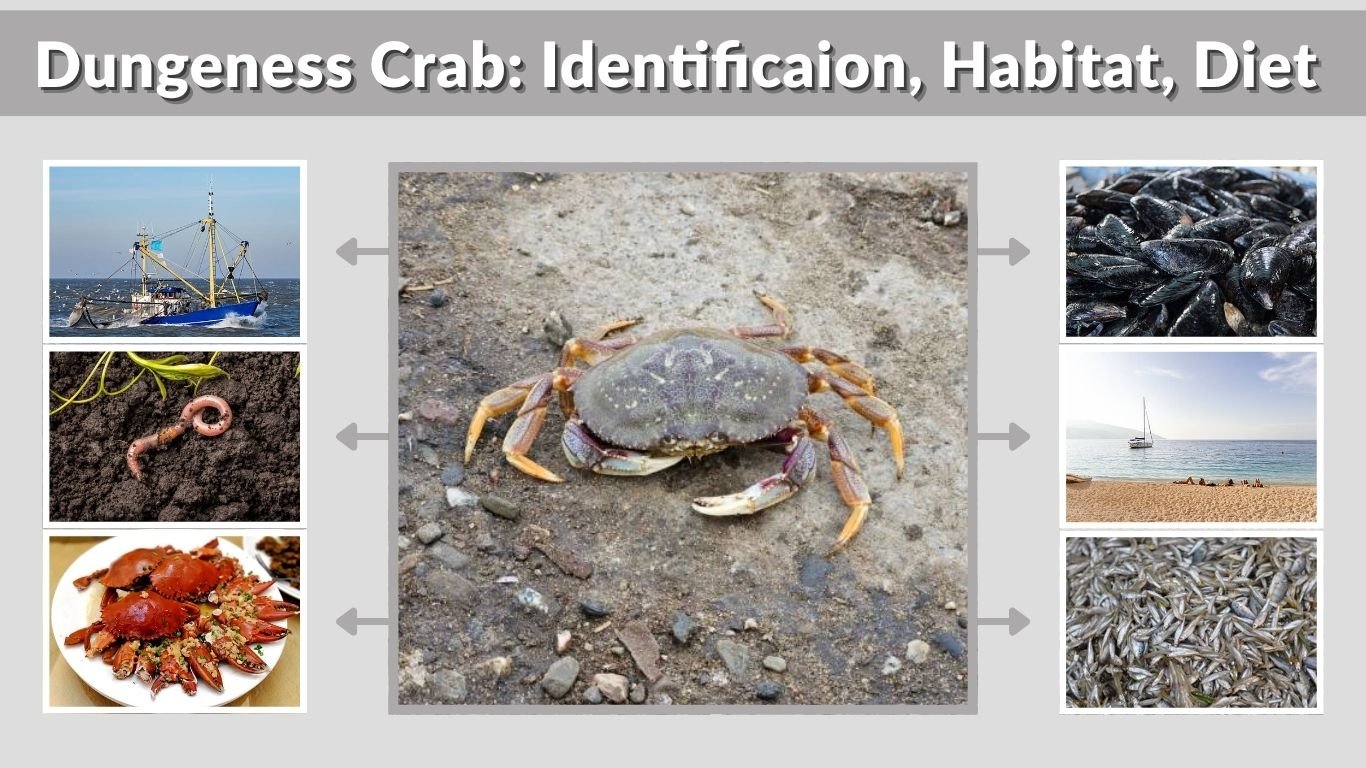
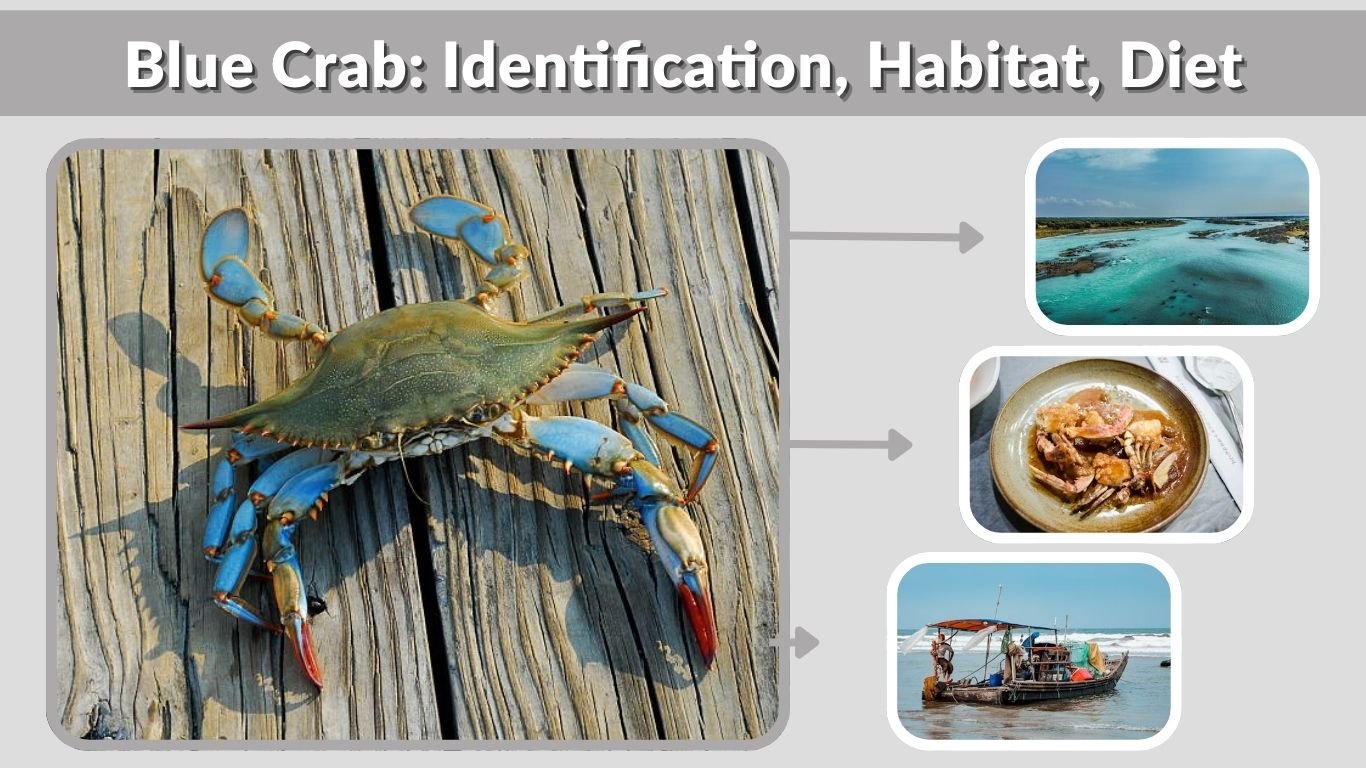
- Other crabs (like blue crab) have a stronger, slightly briny flavor
Habitat Differences
- King crabs live in cold, deep waters
- Many other crabs prefer warmer, coastal environments
Threats and Conservation
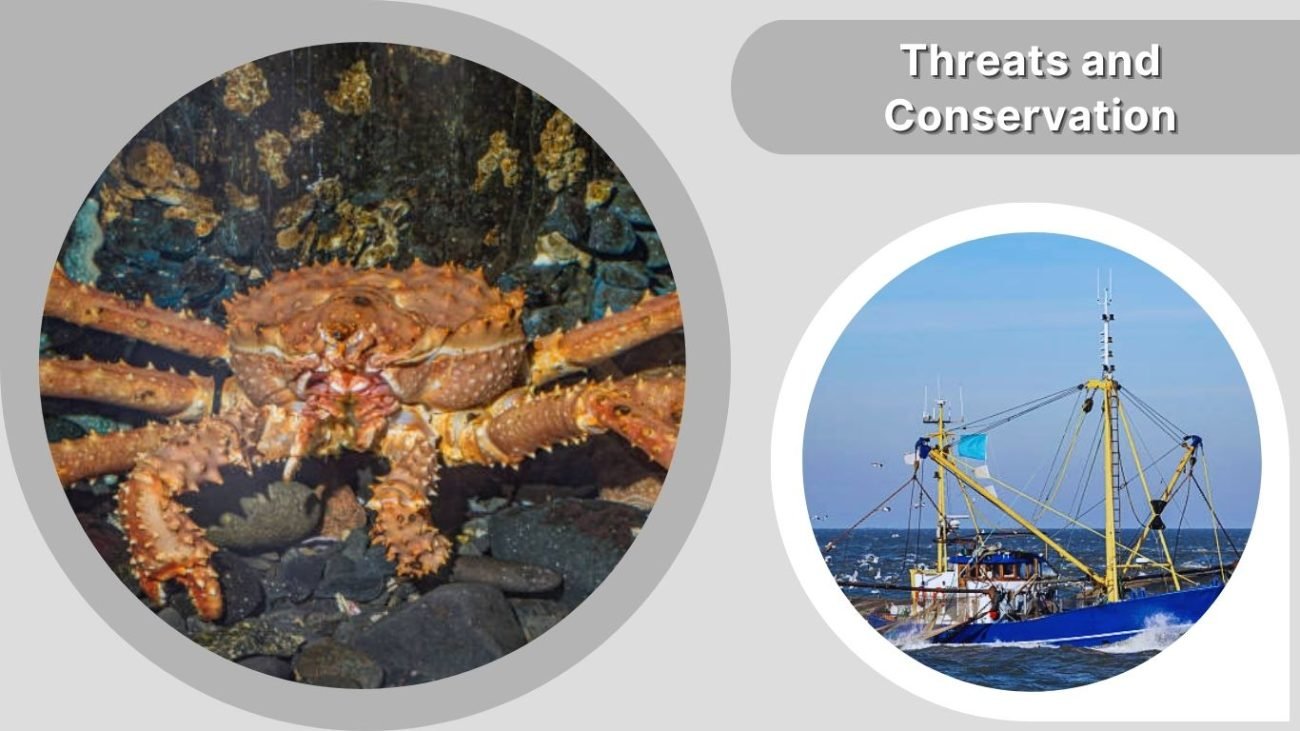
Despite their abundance, king crabs face several environmental challenges:
- Overfishing: High demand has led to strict fishing regulations
- Climate Change: Rising ocean temperatures affect their habitat
- Habitat Disruption: Fishing practices can damage the seabed
To protect king crab populations, governments have introduced:
- Fishing quotas
- Seasonal restrictions
- Size limits for harvesting
These measures help ensure sustainable populations for future generations.
Conclusion
King crabs are truly remarkable marine creatures known for their size, स्वादिष्ट meat, and ecological importance. From their cold ocean habitats to their diverse diet and fascinating life cycle, they play a vital role in the marine ecosystem. In addition to being a popular seafood delicacy, king crabs also provide excellent nutritional benefits. Understanding their behavior and protecting their environment is essential to maintaining their population and ensuring they remain a valuable resource for years to come.
FAQs
Why are king crabs so expensive?
King crabs are expensive due to their large size, high demand, and the difficulty of harvesting them in harsh, cold ocean conditions. Strict fishing regulations also limit supply, increasing their market value.
Can king crabs live in warm water?
No, king crabs are adapted to cold environments. They thrive in low temperatures and cannot survive long in warm waters, which can negatively affect their metabolism and survival.
How big can a king crab get?
King crabs can grow very large, with a leg span of up to 5–6 feet and a weight exceeding 10 kilograms, making them one of the largest crab species in the world.
Do king crabs have predators?
Yes, king crabs are preyed upon by fish, octopuses, and marine mammals. However, their hard shells and large size help protect them from many predators.
How are king crabs caught?
King crabs are typically caught using large traps or pots placed on the ocean floor. These traps are later hauled up by fishing vessels, often in dangerous and icy conditions.