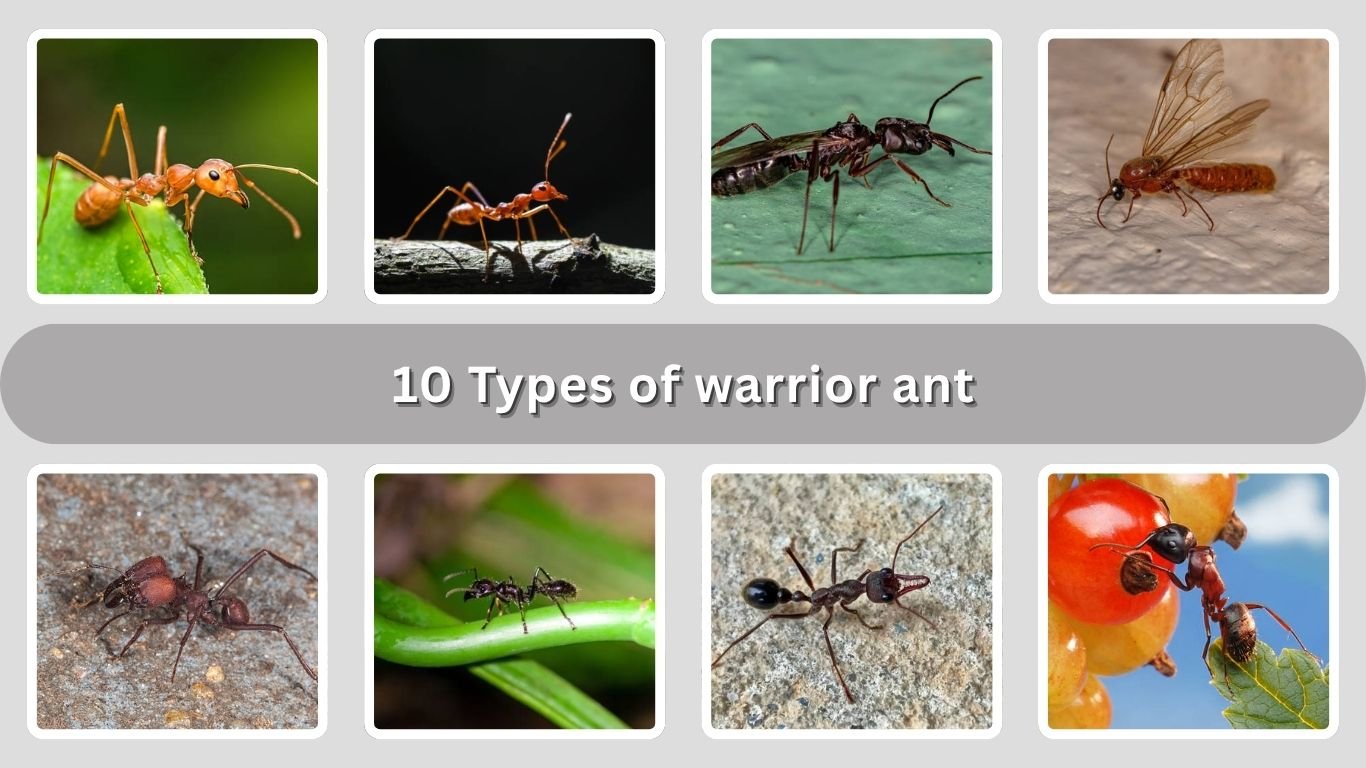
Warrior ants are some of the most fascinating and powerful insects in the natural world. Known for their aggression, teamwork, and survival skills, these ants play important roles in maintaining ecological balance. From massive swarm hunters like army ants to solitary defenders like bullet ants, each species has unique traits that make it a “warrior.” Understanding these ants helps us appreciate their behavior, importance, and impact on different ecosystems around the world.
1. Army Ant
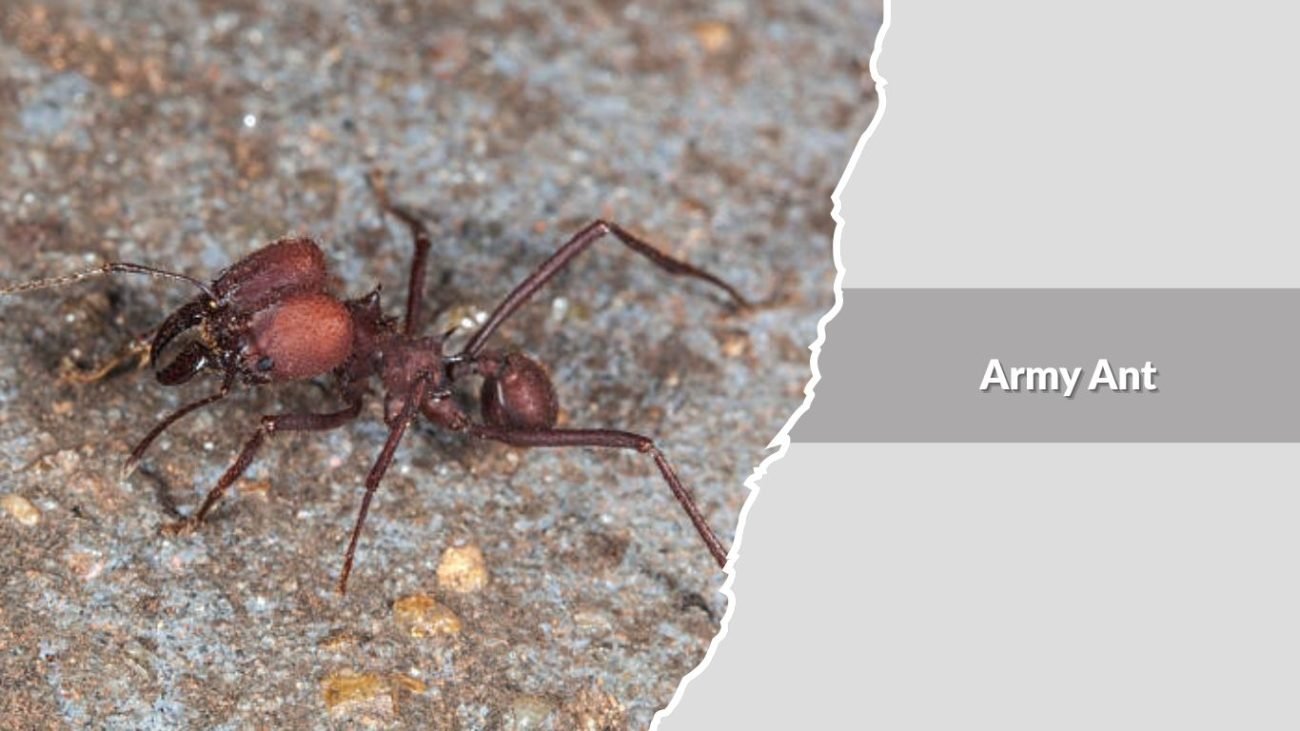
Army ants are highly aggressive, nomadic ants known for their coordinated group attacks and massive colonies. They do not build permanent nests and instead move frequently, forming living structures. These ants are often called “warrior ants” because of their strong jaws, teamwork, and relentless hunting behavior.
Identification
- Medium to large-sized ants with dark brown to black bodies
- Strong, curved mandibles used for gripping and cutting prey
- Blind or nearly blind, relying on pheromones to navigate
- Workers vary in size (polymorphic), with some acting as soldiers
Habitat
Army ants are commonly found in tropical and subtropical regions, especially in Africa, South America, and parts of Asia. They prefer humid forests where prey is abundant. Instead of building nests, they create temporary bivouacs using their own bodies, usually in sheltered areas like under logs or tree roots.
Behavior
Army ants are famous for their large-scale raids, where thousands of ants move together in a swarm to hunt insects, spiders, and even small vertebrates. Their attacks are fast and organized, overwhelming prey with sheer numbers. They communicate through chemical signals, allowing them to coordinate movements efficiently without vision.
Importance
These ants play a crucial role in maintaining ecological balance by controlling insect populations. Their raids also flush out hidden animals, benefiting birds and other predators that follow them. Despite their fearsome reputation, army ants are essential for healthy forest ecosystems and biodiversity.
2. Bullet Ant
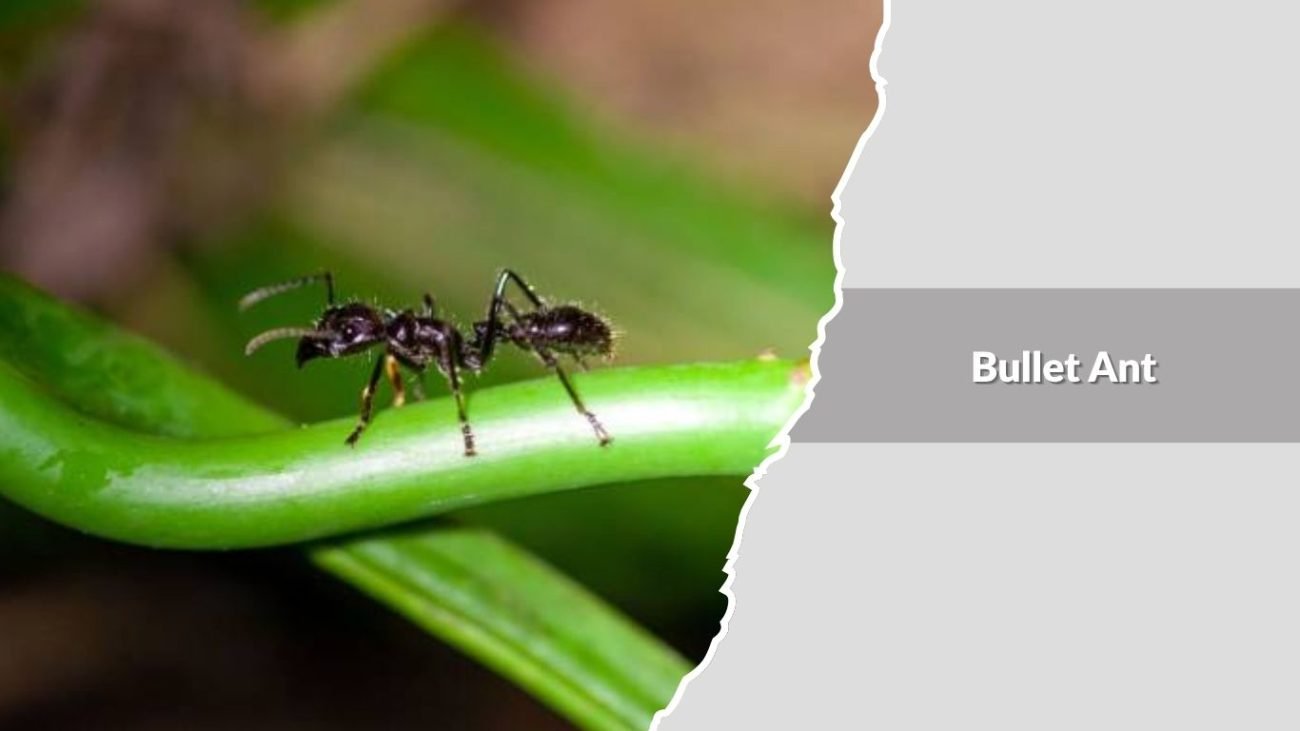
The bullet ant is famous for having one of the most painful stings in the insect world. Known as a fierce “warrior ant,” it uses its powerful sting mainly for defense. Despite its intimidating reputation, it is not naturally aggressive unless threatened.
Identification
- Large ant, about 18–30 mm in length
- Reddish-black body with a robust build
- Strong mandibles and a noticeable stinger
- Slow-moving compared to other aggressive ants
Habitat
Bullet ants are mainly found in the rainforests of Central and South America. They prefer lowland tropical forests and are often seen nesting at the base of trees. Their colonies are relatively small compared to army ants, usually consisting of a few hundred individuals.
Behavior
Unlike army ants, bullet ants do not hunt in massive swarms. They are solitary foragers, searching for nectar and small insects. When threatened, they defend themselves with their extremely painful sting, often described as feeling like being shot—hence the name “bullet ant.” They play a role in certain indigenous rituals as well.
Importance
Bullet ants contribute to their ecosystem by aiding in seed dispersal and controlling small insect populations. They are also culturally significant in some indigenous communities, where their sting is used in traditional initiation ceremonies. Despite their painful defense, they are not a major threat to humans unless provoked.
3. Driver Ant
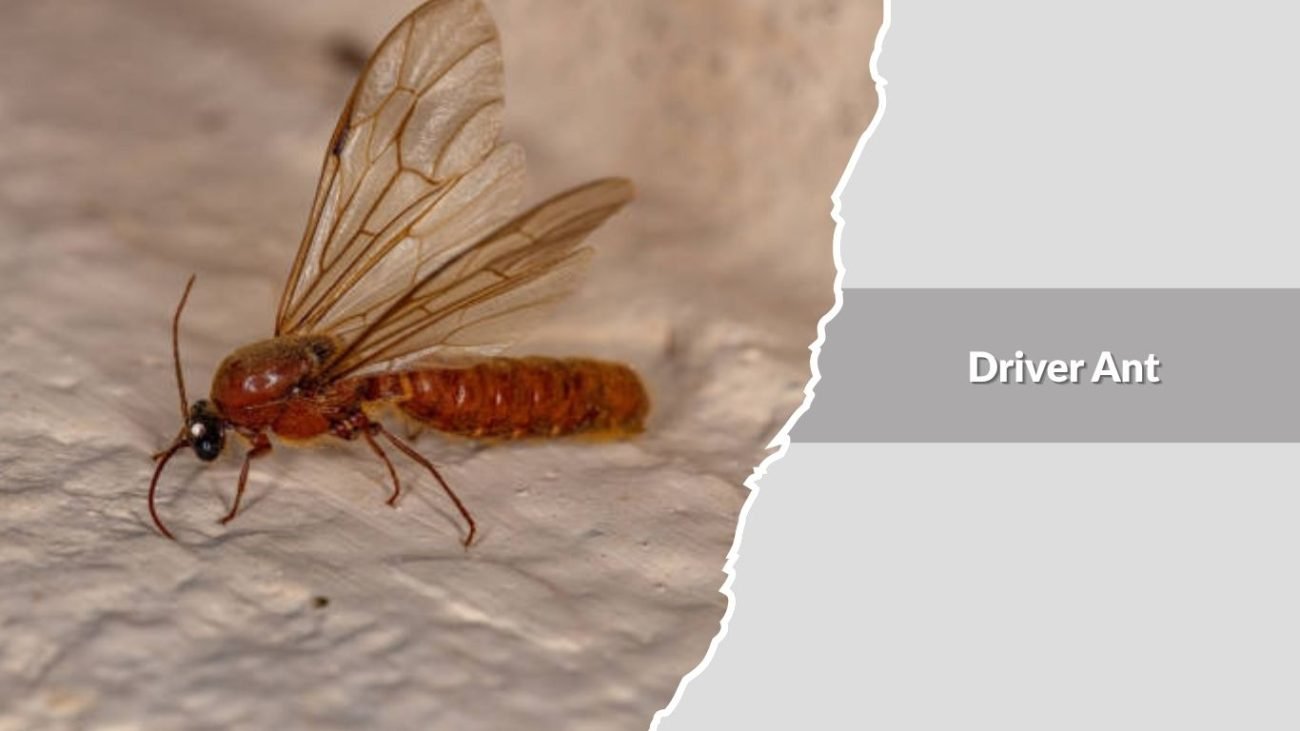
Driver ants are among the most aggressive and feared ants in Africa. Known for their massive colonies and destructive swarm raids, they are often considered true “warrior ants.” Their strength lies in numbers, coordination, and powerful biting ability.
Identification
- Small to medium-sized ants with dark brown or black bodies
- Large-headed soldier ants with strong, scissor-like mandibles
- Workers vary in size, with distinct soldier and worker roles
- Wingless workers; queens are much larger
Habitat
Driver ants are mainly found across tropical regions of Africa. They thrive in forests, savannas, and even rural areas. Like army ants, they are nomadic and do not build permanent nests. Instead, they form temporary living nests (bivouacs) using their own bodies in protected locations.
Behavior
Driver ants are famous for their large swarm raids, sometimes involving millions of individuals. They move in organized columns, attacking and consuming almost any animal in their path, including insects, reptiles, and small mammals. Their bites are extremely strong and can cause significant pain. They rely heavily on pheromones to coordinate movement and attacks.
Importance
Despite their fearsome nature, driver ants play a key role in ecosystems by controlling pest populations and cleaning up dead animals. Their activity also benefits other species, such as birds that follow their swarms to catch escaping prey. They are essential for maintaining ecological balance in their habitats.
4. Bulldog Ant
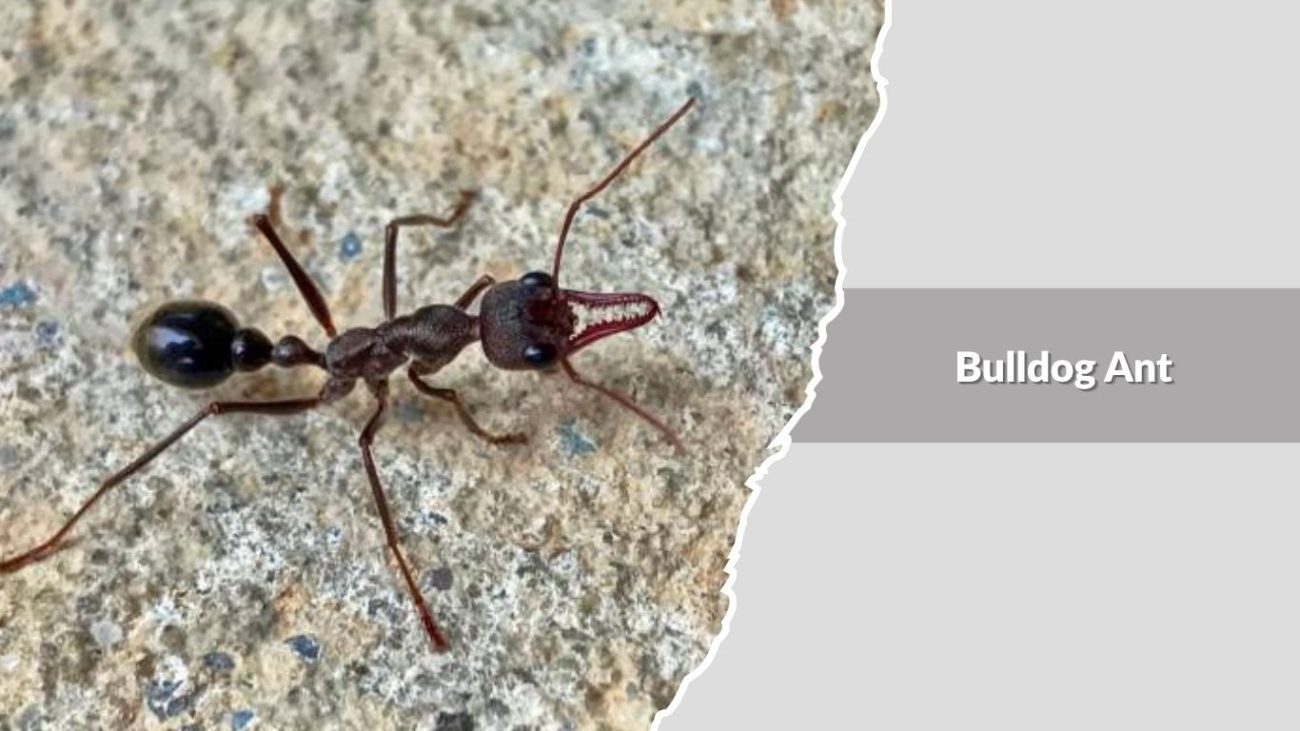
Bulldog ants are among the most primitive and aggressive ant species, native to Australia. Known for their speed, sharp vision, and powerful sting, they are true “warrior ants” that rely on both sight and strength to hunt and defend themselves.
Identification
- Medium to large size (up to 40 mm in some species)
- Slender body with long legs and large eyes
- Strong mandibles and a visible stinger
- Often brightly colored (red, orange, or black combinations)
Habitat
Bulldog ants are primarily found in Australia, especially in forests, woodlands, and grasslands. They usually build underground nests, often marked by small openings in the soil. These ants prefer warm climates and are commonly seen foraging during the day.
Behavior
Unlike many ants, bulldog ants rely heavily on their vision to hunt rather than just chemical trails. They are solitary hunters and are highly territorial. When threatened, they can become extremely aggressive, using both their mandibles and a painful sting. Their quick movements and alert nature make them effective predators.
Importance
Bulldog ants play an important role in controlling insect populations in their environment. They also contribute to soil health through their nesting activities. Although they can be dangerous due to their sting, they are a vital part of Australia’s ecosystem and biodiversity.
5. Fire Ant
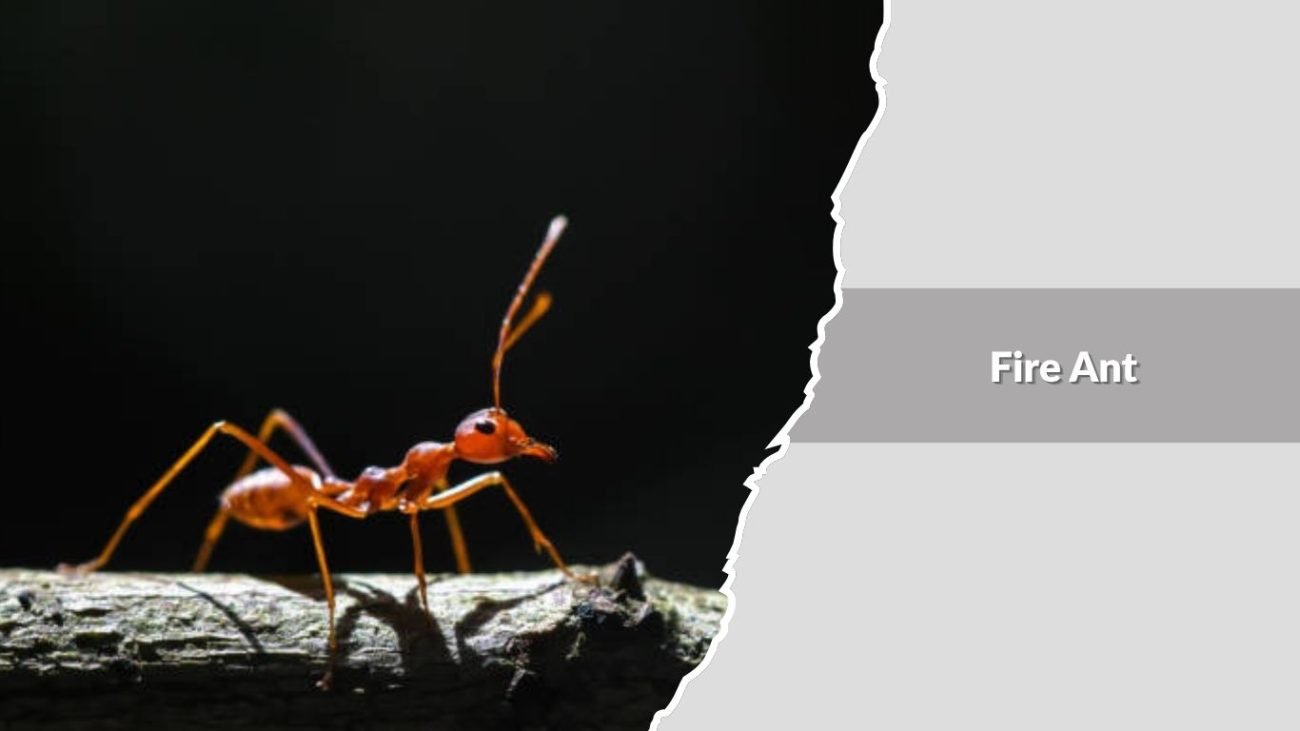
Fire ants are highly aggressive ants known for their painful stings and strong colony defense. They are considered “warrior ants” because of their ability to attack in large numbers and overwhelm threats quickly. Their name comes from the intense burning sensation caused by their sting.
Identification
- Small reddish-brown ants with darker abdomens
- Workers vary in size within the same colony
- Possess a stinger used multiple times
- Build visible mound nests on soil surfaces
Habitat
Fire ants are commonly found in warm climates, especially in South America, the southern United States, and parts of Asia. They prefer open areas like fields, lawns, and roadsides. Their nests appear as loose soil mounds, often without a clear entrance hole.
Behavior
Fire ants are extremely aggressive and will swarm anything that disturbs their nest. They bite to anchor themselves and then sting repeatedly, injecting venom that causes a burning sensation. They are also highly adaptable and can survive floods by forming floating rafts with their bodies.
Importance
Fire ants help control pest populations by feeding on insects and other small organisms. However, they are also considered invasive in many regions and can harm crops, wildlife, and even humans. Their impact on ecosystems can be both beneficial and harmful depending on the environment.
6. Trap-Jaw Ant
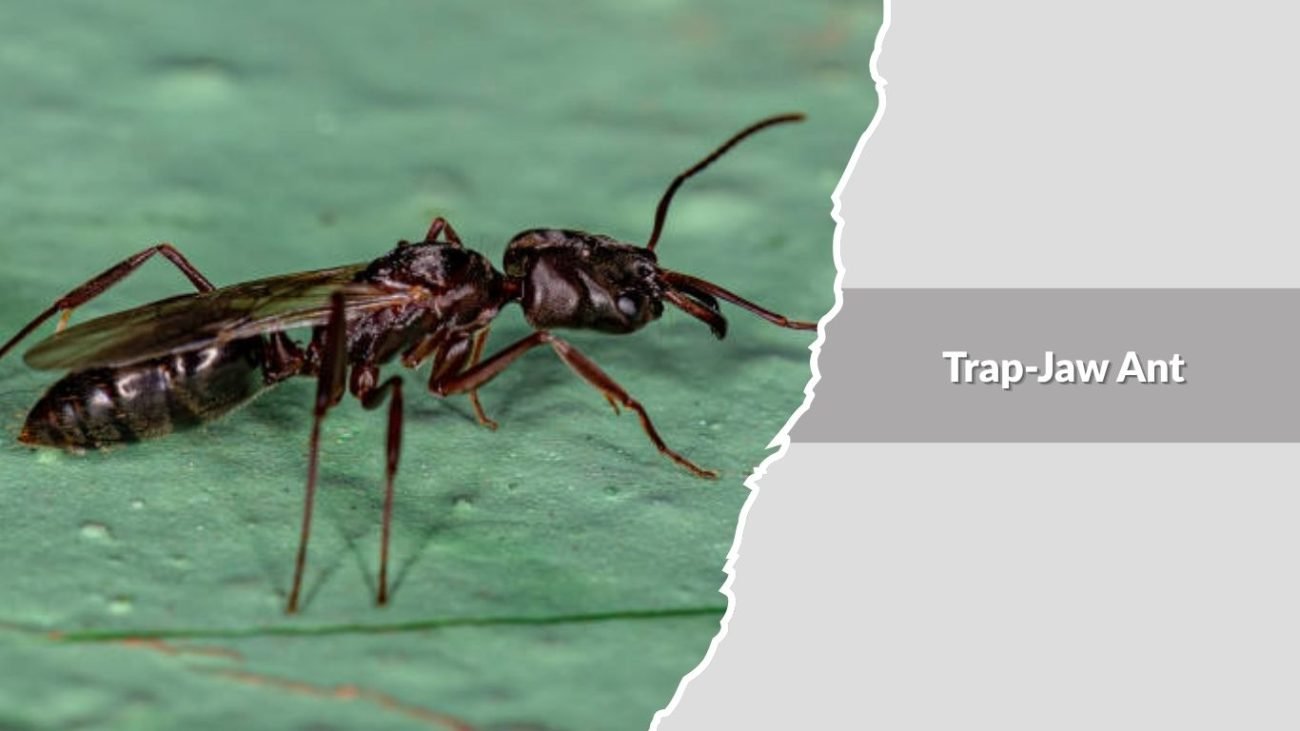
Trap-jaw ants are remarkable “warrior ants” known for their lightning-fast mandibles. Their jaws can snap shut at incredible speeds, making them both effective hunters and defenders. This unique ability allows them to capture prey or escape danger instantly.
Identification
- Medium-sized ants with elongated heads
- Large, straight mandibles held open at wide angles
- Dark brown, black, or reddish body color
- Sensitive trigger hairs near the jaws
Habitat
Trap-jaw ants are found in tropical and subtropical regions around the world, including Africa, Asia, and the Americas. They usually nest in soil, leaf litter, or under logs and stones. These ants prefer warm, humid environments where small insects are abundant.
Behavior
Trap-jaw ants use their powerful jaws not only to catch prey but also as a defense mechanism. When triggered, their mandibles snap shut at extremely high speed, either capturing prey or launching the ant backward to escape predators. They are generally solitary hunters but remain connected to their colony through chemical signals.
Importance
These ants help regulate insect populations by preying on small arthropods. Their unique jaw mechanism has also attracted scientific interest, inspiring research in biomechanics and engineering. Trap-jaw ants play a valuable role in maintaining ecological balance in their habitats.
7. Weaver Ant
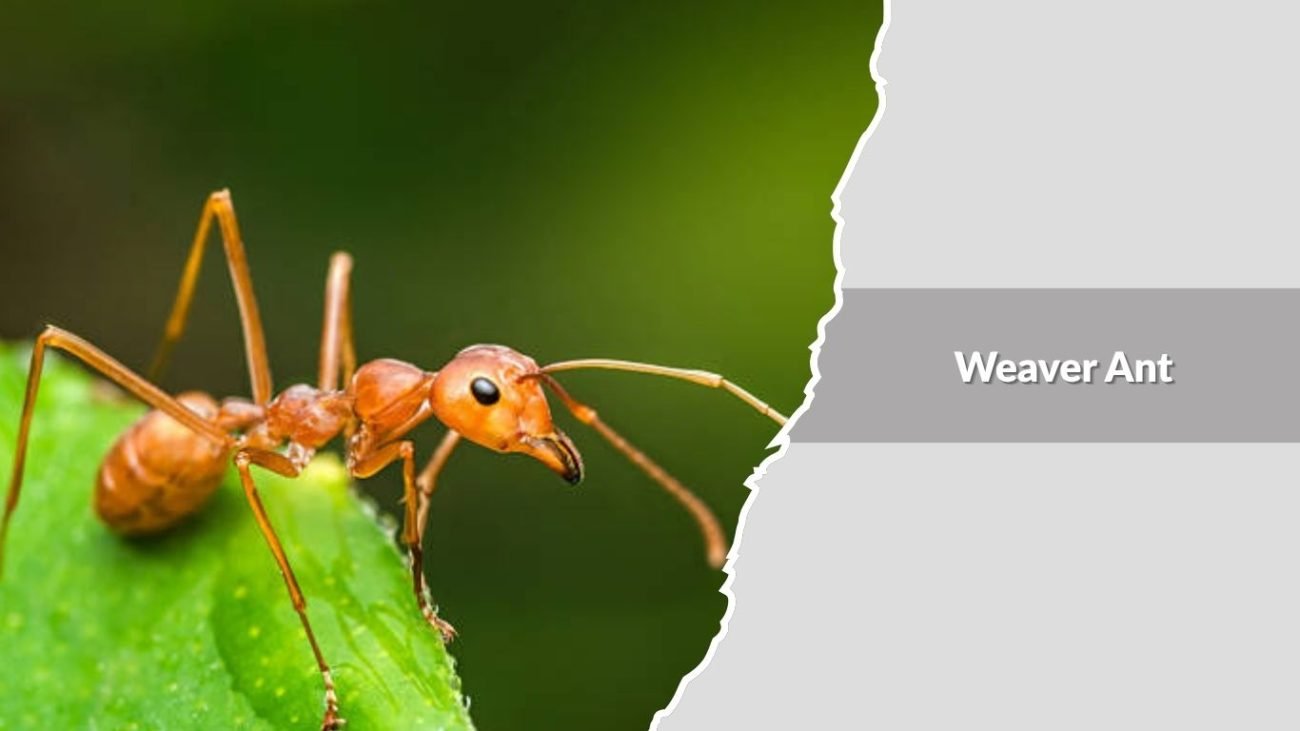
Weaver ants are skilled “warrior ants” known for their teamwork and unique nest-building ability. They use silk produced by their larvae to weave leaves together, creating strong and complex nests in trees. Their aggression and coordination make them effective defenders.
Identification
- Medium-sized ants with slender bodies
- Bright green or reddish-orange color
- Long legs and strong mandibles
- Workers actively carry larvae during nest building
Habitat
Weaver ants are commonly found in tropical regions of Asia, Africa, and Australia. They live in trees and build nests by pulling leaves together and binding them with silk. These nests can be seen hanging among branches, often in clusters.
Behavior
Weaver ants are highly cooperative and aggressive. When threatened, they swarm intruders and deliver painful bites. They are excellent hunters, capturing insects and small prey in groups. Their ability to communicate and work together helps them build and maintain large, organized colonies in trees.
Importance
Weaver ants are beneficial in agriculture because they act as natural pest controllers, protecting crops from harmful insects. Farmers sometimes use them as a biological control method. Their presence supports ecological balance and reduces the need for chemical pesticides.
8. Carpenter Ant
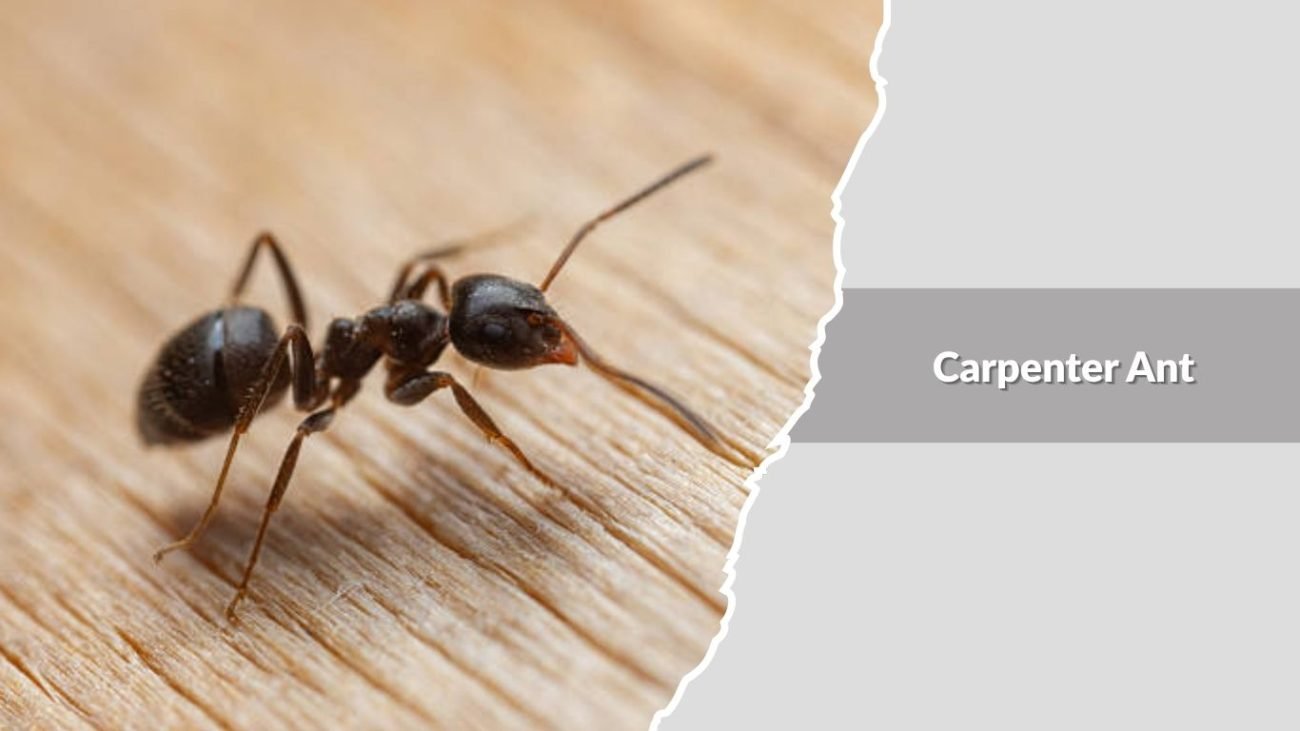
Carpenter ants are strong and resourceful “warrior ants” known for their ability to tunnel through wood. Unlike termites, they do not eat wood but excavate it to build nests. Their size and powerful mandibles make them effective defenders of their colonies.
Identification
- Large ants, usually black, red, or a combination of both
- Strong mandibles for cutting through wood
- Smooth, rounded thorax when viewed from the side
- Workers vary in size, including larger soldier ants
Habitat
Carpenter ants are found worldwide, especially in forests and wooded areas. They prefer damp or decaying wood but can also infest buildings and wooden structures. Their nests are commonly located in tree trunks, logs, or inside walls and wooden beams.
Behavior
Carpenter ants are mostly active at night and forage for food like insects and sugary substances. They create smooth tunnels inside wood, forming large and complex colonies. When threatened, they use their strong jaws to bite and may spray formic acid as a defense mechanism.
Importance
In natural environments, carpenter ants help break down dead wood, contributing to nutrient recycling. However, they can become pests when they damage wooden structures in homes. Despite this, they play an important ecological role in forest ecosystems.
9. Marauder Ant
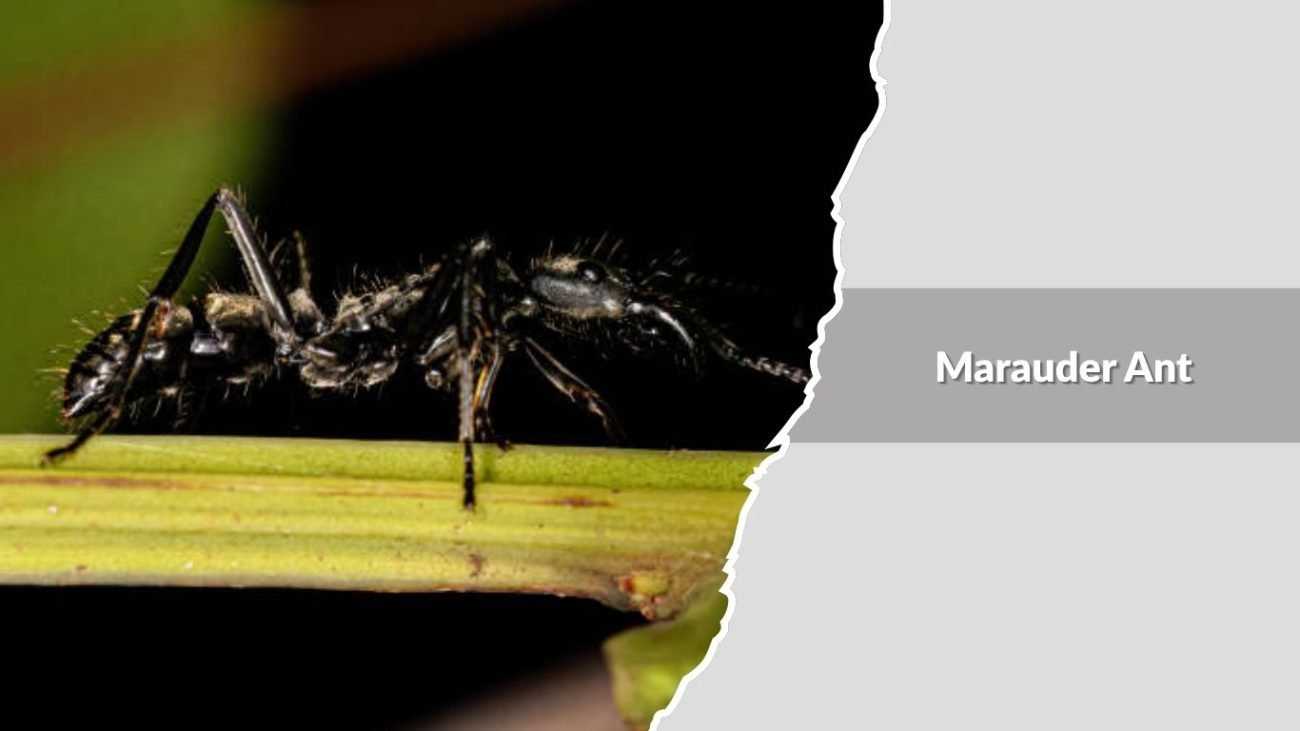
Marauder ants are aggressive “warrior ants” closely related to army ants, known for their large-scale coordinated raids. They move in massive groups and attack prey with overwhelming force, making them formidable predators in their ecosystems.
Identification
- Small to medium-sized ants with dark brown bodies
- Soldier ants have larger heads and powerful mandibles
- Workers show size variation within the colony
- Typically wingless workers with a large queen
Habitat
Marauder ants are mainly found in tropical regions of Africa and parts of Asia. They inhabit forests, grasslands, and sometimes agricultural areas. Like army ants, they are nomadic and do not build permanent nests, instead forming temporary living shelters.
Behavior
These ants are known for their swarm raids, where thousands of individuals move together to hunt. They attack insects and small animals, overpowering them through sheer numbers. Their movement is highly organized, guided by chemical trails that help maintain coordination during raids.
Importance
Marauder ants play a vital role in controlling insect populations and cleaning up organic matter. Their presence supports biodiversity, as many animals depend on their raids to catch escaping prey. They are an important part of maintaining ecological balance in their habitats.
10. Red Harvester Ant
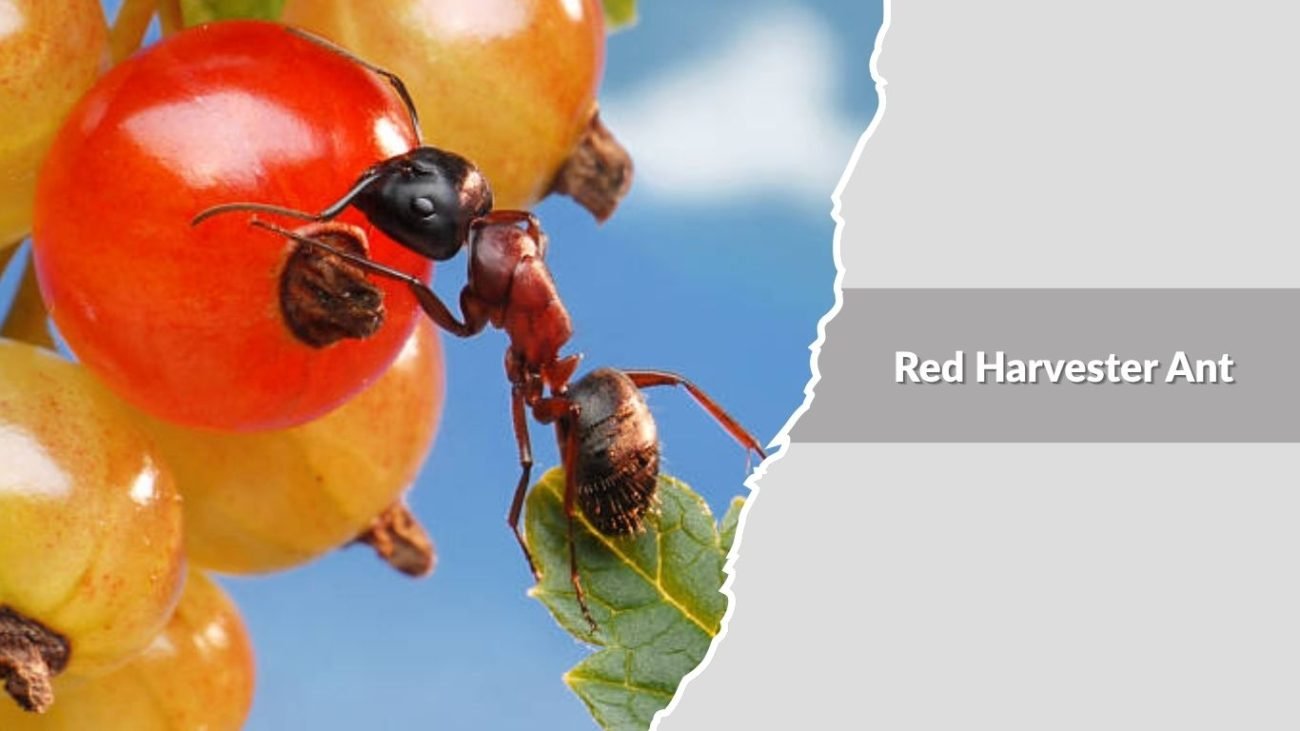
Red harvester ants are strong and organized “warrior ants” known for their seed-collecting behavior and painful sting. They are highly territorial and will aggressively defend their nests, making them one of the most notable ants in dry regions.
Identification
- Medium to large ants with reddish or dark brown color
- Large head with powerful mandibles
- Noticeable stinger used for defense
- Workers are fairly uniform in size
Habitat
Red harvester ants are commonly found in arid and semi-arid regions, especially in North and Central America. They prefer open, dry areas like deserts, grasslands, and sandy soils. Their nests are often marked by cleared circular patches around the entrance.
Behavior
These ants are active foragers, primarily collecting seeds which they store underground. They are highly territorial and will aggressively defend their colony if disturbed. When threatened, they deliver a painful sting. Their foraging trails are well-organized and can extend far from the nest.
Importance
Red harvester ants play an important role in ecosystems by dispersing seeds and improving soil quality through their digging activities. They help maintain plant diversity in dry environments. However, their sting can be harmful, so caution is needed around their nests.
FAQs
What are warrior ants?
Warrior ants are ant species known for their aggressive behavior, strong defense mechanisms, and coordinated attacks. They often have powerful mandibles or stings and work together to hunt, protect their colony, and survive in challenging environments.
Which ant is the most dangerous?
The bullet ant is often considered the most dangerous due to its extremely painful sting. However, army ants and driver ants can also be very dangerous because of their massive swarm attacks that can overwhelm prey quickly.
Do all warrior ants sting?
No, not all warrior ants sting. Some species, like trap-jaw ants and carpenter ants, rely more on their strong mandibles for biting. Others, like fire ants and bullet ants, use venomous stings as their primary defense.
Where are warrior ants commonly found?
Warrior ants are mostly found in tropical and subtropical regions such as Africa, South America, Asia, and Australia. Some species, like fire ants and carpenter ants, can also live in temperate regions around the world.
Are warrior ants important for the environment?
Yes, warrior ants are very important. They help control pest populations, recycle nutrients, disperse seeds, and support biodiversity. Despite their aggressive nature, they play a key role in maintaining healthy ecosystems.