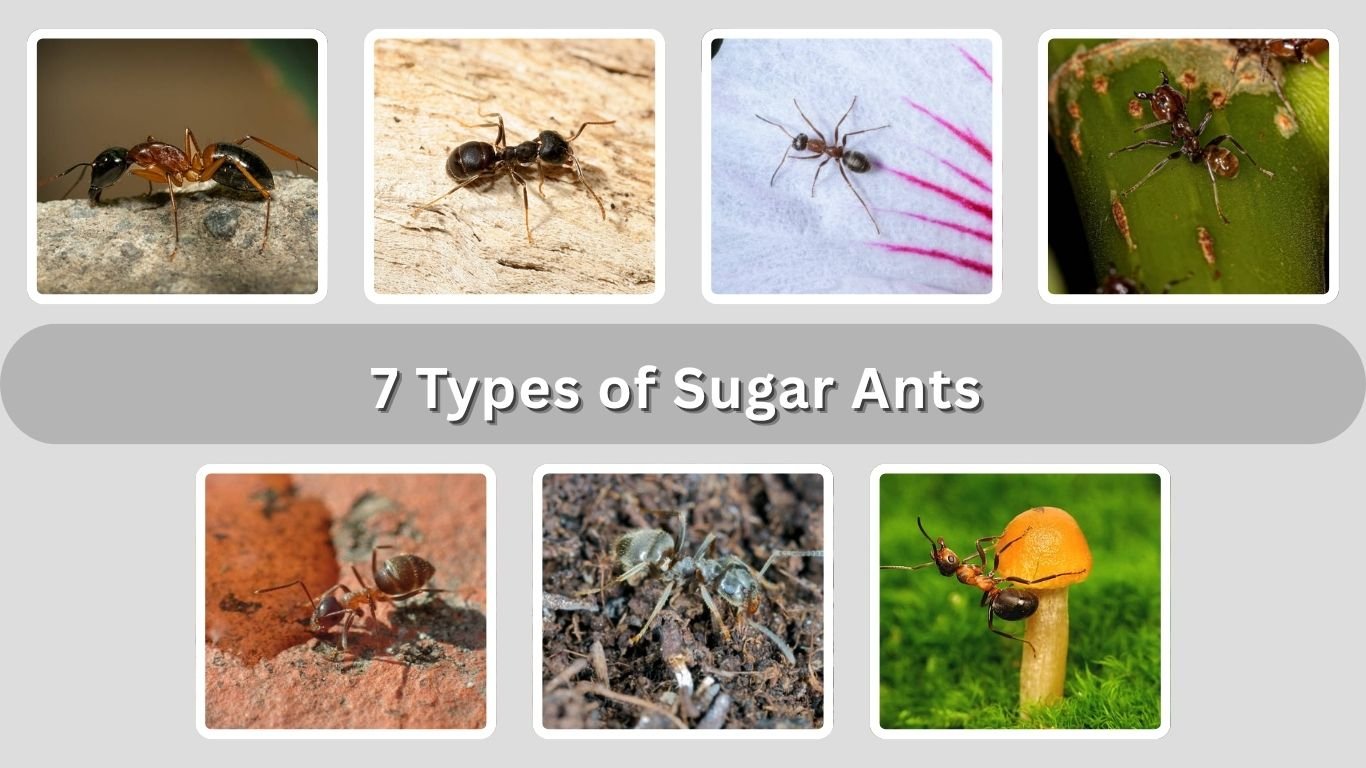
Sugar ants are not a single species but a group of ants that are strongly attracted to sweet foods like sugar, syrup, and fruits. These ants are commonly found in homes, gardens, and urban areas, where they search for easy food sources. Different species fall under this category, each with unique characteristics, habitats, and behaviors.
In this guide, we explore 7 common types of sugar ants, helping you identify them and understand how they live and interact with humans.
1. Banded Sugar Ant
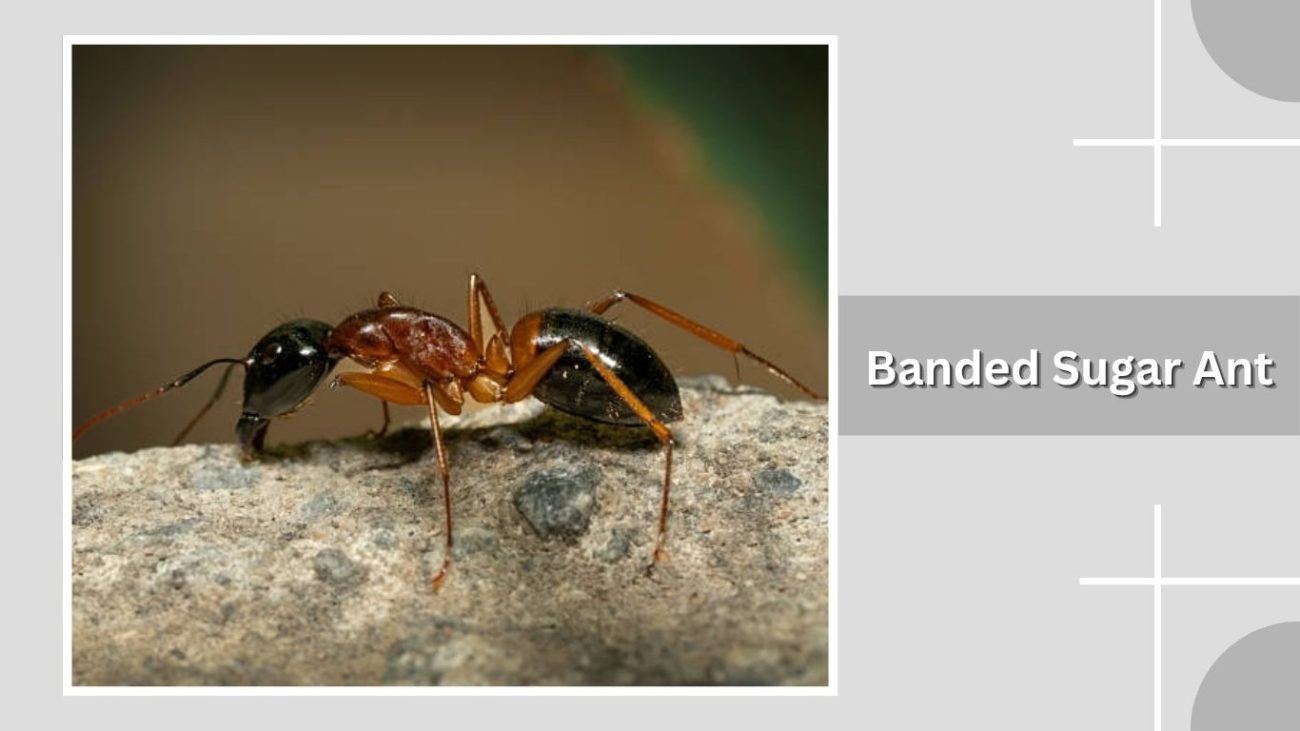
A large, common ant species often referred to as a “sugar ant” because of its strong attraction to sweet foods. It is mostly found in Australia and is known for its noticeable size and distinct coloring.
Identification
- Medium to large size (about 6–15 mm long)
- Orange-brown body with a darker (often black) head
- Smooth, shiny appearance
- Long legs and antennae
- Active mostly at night
Habitat and Behavior
Banded sugar ants typically live in soil, under rocks, or inside wood. They prefer outdoor environments but may enter homes in search of food. These ants are nocturnal, meaning they are most active during the night. They often travel in visible trails and are less aggressive compared to other ant species.
Diet and Feeding Habits
As their name suggests, banded sugar ants are strongly attracted to sweet substances like nectar, honeydew, and household sugar. However, they are omnivorous and may also consume small insects or protein-based foods. This flexible diet helps them survive in different environments.
Interaction with Humans
Banded sugar ants are generally harmless to humans. They do not sting, but they can bite if disturbed, though the bite is not dangerous. The main issue they cause is becoming a nuisance when they enter homes in search of sugary food. Keeping surfaces clean and sealing food properly can help prevent infestations.
2. Odorous House Ant
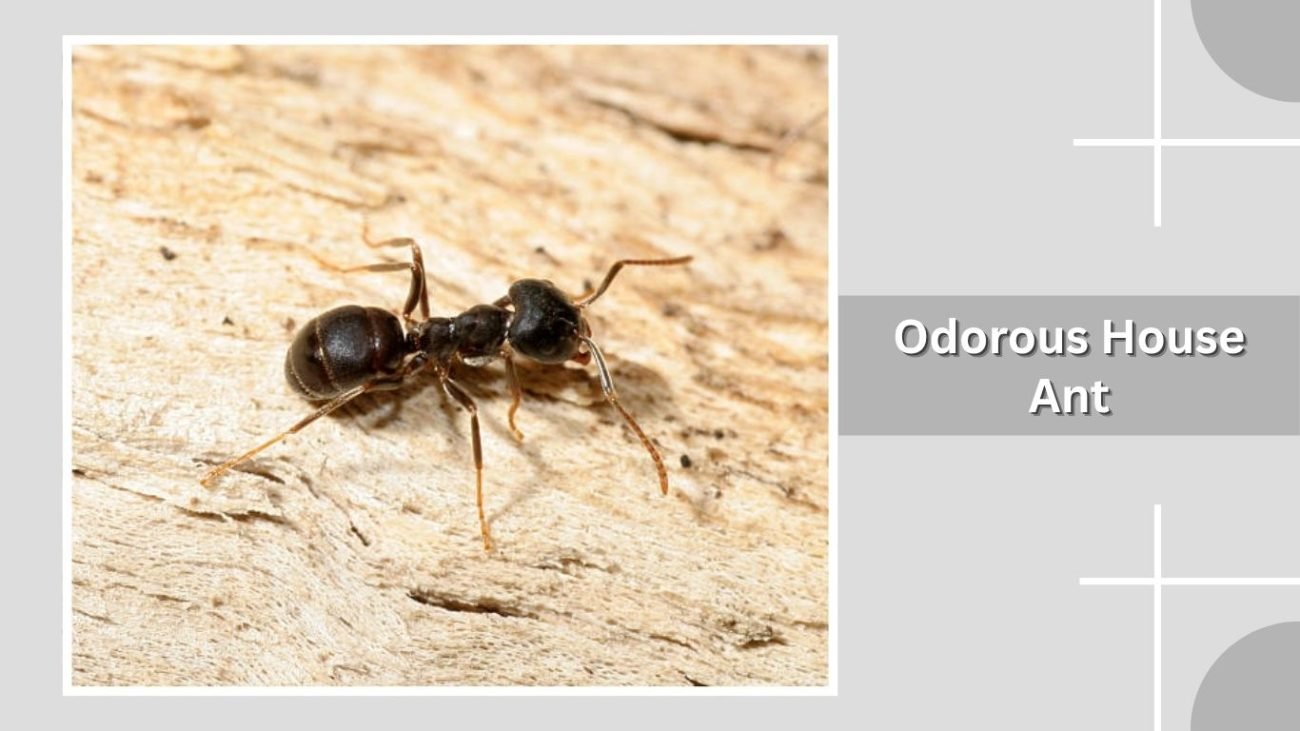
A small but very common “sugar ant” species found in many homes. It gets its name from the unusual smell it produces when crushed, often compared to rotten coconut.
Identification
- Small size (about 2–3 mm long)
- Dark brown to black color
- Smooth and shiny body
- Gives off a strong, unpleasant odor when crushed
- Moves quickly in long trails
Habitat and Behavior
Odorous house ants prefer warm, moist environments and often build nests near sources of water. Outdoors, they live under rocks, logs, or soil. Indoors, they may nest inside walls, under floors, or near leaks. They are highly social and form large colonies, which makes them difficult to control once established.
Diet and Feeding Habits
These ants are strongly attracted to sugary foods such as sweets, fruits, and syrup. They also feed on honeydew produced by aphids. While sugar is their main preference, they may occasionally consume proteins like dead insects. Their constant search for food is what brings them into homes.
Interaction with Humans
Odorous house ants are not dangerous and do not sting. However, they can become a major nuisance due to their large numbers and persistence. Once they find a food source, they quickly recruit others. Proper sanitation, sealing entry points, and using bait traps are effective ways to manage them.
3. Argentine Ant
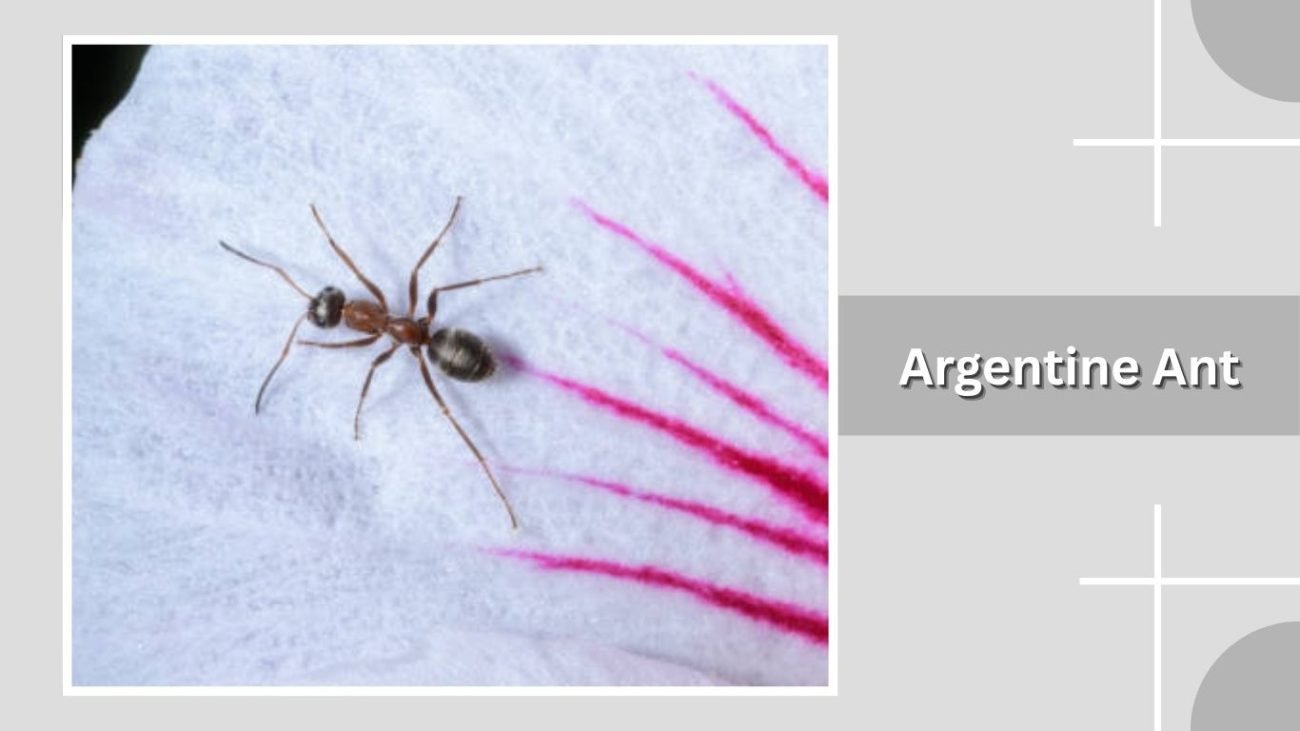
A highly invasive ant species known for forming massive colonies. It is one of the most common “sugar ants” found in homes and urban areas around the world.
Identification
- Small size (about 2–3 mm long)
- Light to dark brown color
- Slender body with a smooth appearance
- No strong odor when crushed
- Moves in large, organized trails
Habitat and Behavior
Argentine ants prefer moist environments and are often found near water sources. Outdoors, they live in soil, under stones, or in leaf litter. Indoors, they may nest in walls, insulation, or under floors. They are famous for forming “supercolonies,” where multiple nests work together instead of competing.
Diet and Feeding Habits
These ants are strongly attracted to sugary foods such as nectar, fruits, and household sweets. They also feed on honeydew produced by plant pests like aphids. In addition to sugar, they may eat proteins like small insects, making them adaptable feeders.
Interaction with Humans
Argentine ants are not dangerous, as they do not sting and rarely bite. However, they are a serious nuisance because of their huge colony size and ability to spread quickly. They can invade kitchens and food storage areas in large numbers. Effective control usually requires consistent cleaning and baiting strategies.
4. Pavement Ant
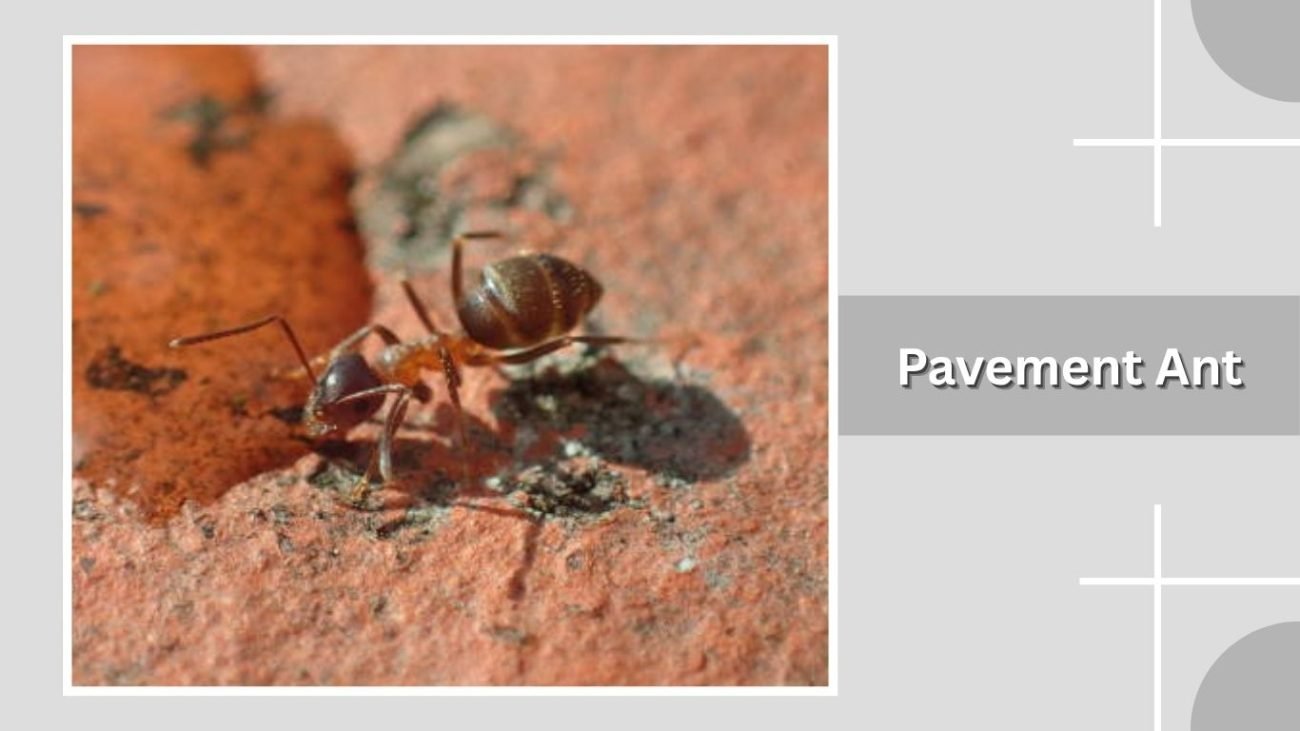
A common urban ant often seen near sidewalks and buildings. It is considered a “sugar ant” because it frequently enters homes searching for sweet foods.
Identification
- Small size (about 2.5–4 mm long)
- Dark brown to black color
- Fine lines (grooves) on the head and thorax
- Two small spines on the back
- Moves in slow, steady trails
Habitat and Behavior
Pavement ants usually build nests under concrete slabs, sidewalks, driveways, and building foundations. They push out small piles of soil or sand from cracks. These ants are active both day and night and are known for fighting with nearby colonies, which can often be seen on sidewalks.
Diet and Feeding Habits
They are attracted to sugary foods like sweets, crumbs, and spills inside homes. Outdoors, they feed on seeds, insects, and honeydew from aphids. Their ability to eat a wide variety of foods makes them highly adaptable in both urban and natural environments.
Interaction with Humans
Pavement ants are mostly harmless and do not pose serious risks. They can bite, but it is mild and not dangerous. The main issue is their presence in homes, especially kitchens. Regular cleaning, sealing cracks, and using bait can help control their numbers effectively.
5. Ghost Ant
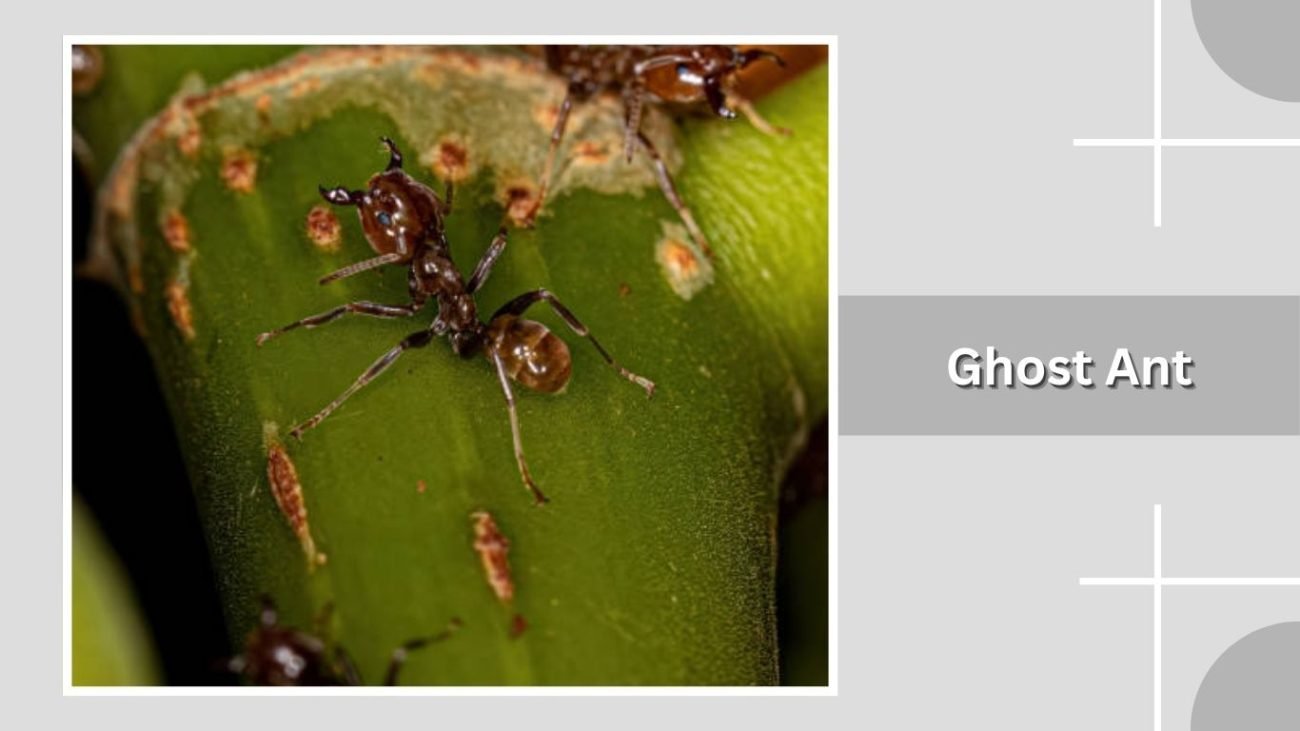
A tiny and hard-to-see ant species commonly found in warm, tropical regions. It is called a “sugar ant” because it is highly attracted to sweet foods and often invades homes.
Identification
- Very small size (about 1.3–1.5 mm long)
- Pale, almost translucent legs and abdomen
- Dark head and thorax
- Difficult to see due to its light color
- Moves quickly and erratically
Habitat and Behavior
Ghost ants prefer warm and humid environments. Outdoors, they nest in soil, under debris, or in plant pots. Indoors, they are often found in kitchens, bathrooms, and near moisture sources. They form multiple small nests instead of one large colony, which makes them harder to eliminate.
Diet and Feeding Habits
These ants are strongly attracted to sugary foods like sweets, fruits, and sugary liquids. They also feed on honeydew from aphids and small insects. Their diet is flexible, allowing them to survive both indoors and outdoors with ease.
Interaction with Humans
Ghost ants are not dangerous and do not sting. However, they can become a persistent nuisance due to their tiny size and large numbers. They are difficult to control because of their multiple nesting sites. Keeping areas clean, reducing moisture, and using bait traps are effective control methods.
6. Acrobat Ant
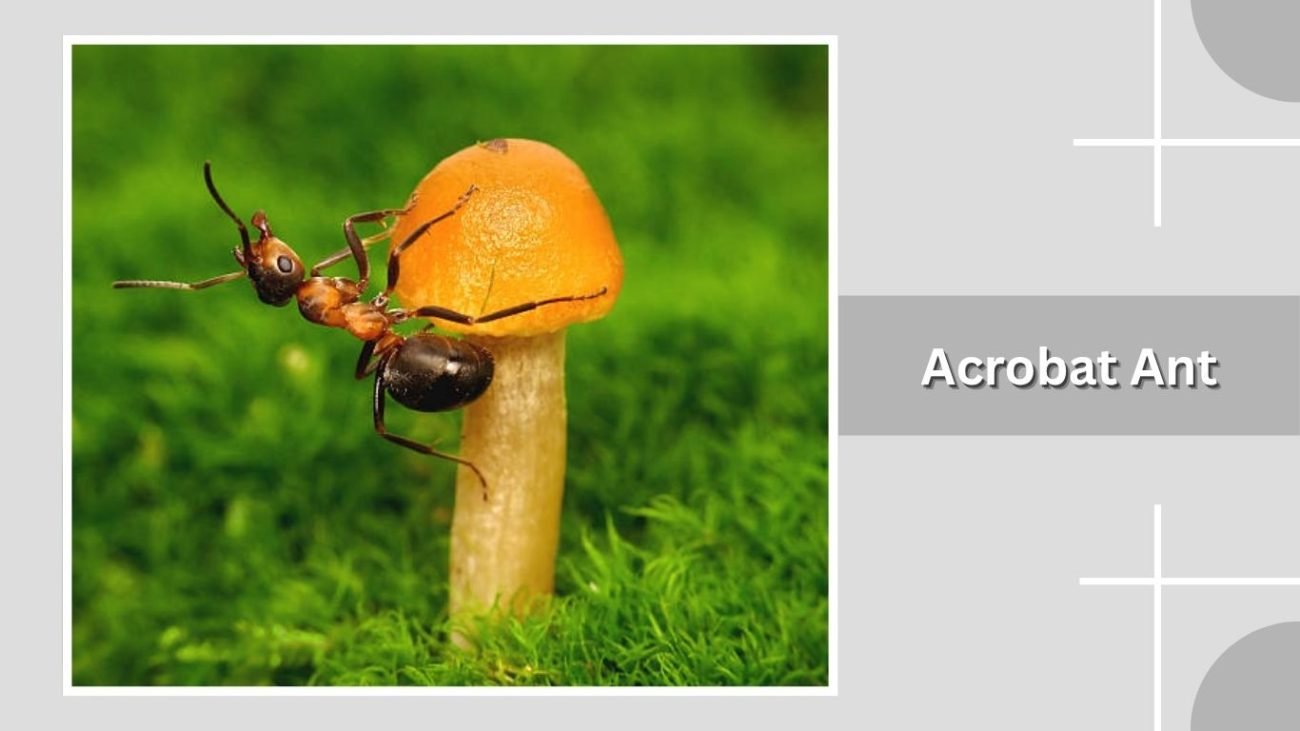
A small ant species named for its unique behavior of raising its abdomen over its head when disturbed. It is sometimes considered a “sugar ant” due to its attraction to sweet foods.
Identification
- Small size (about 2–3 mm long)
- Light brown to dark brown or black color
- Heart-shaped abdomen
- Raises abdomen when threatened
- Emits a mild odor when disturbed
Habitat and Behavior
Acrobat ants usually nest in decaying wood, tree cavities, or wall voids in buildings. They may enter homes if there is damaged or moist wood. These ants are active foragers and often travel in trails. When threatened, they display defensive behavior by lifting their abdomen, which gives them their name.
Diet and Feeding Habits
They are attracted to sugary foods such as nectar, sweets, and honeydew produced by insects like aphids. In addition to sugar, they also feed on proteins like insects. This mixed diet helps them adapt to different environments, both indoors and outdoors.
Interaction with Humans
Acrobat ants are not highly dangerous but can bite if disturbed. In some cases, they may also release a mild defensive odor. The main concern is their nesting in wood, which may indicate moisture problems. Controlling moisture, repairing wood damage, and using bait can help manage them effectively.
7. White-Footed Ant
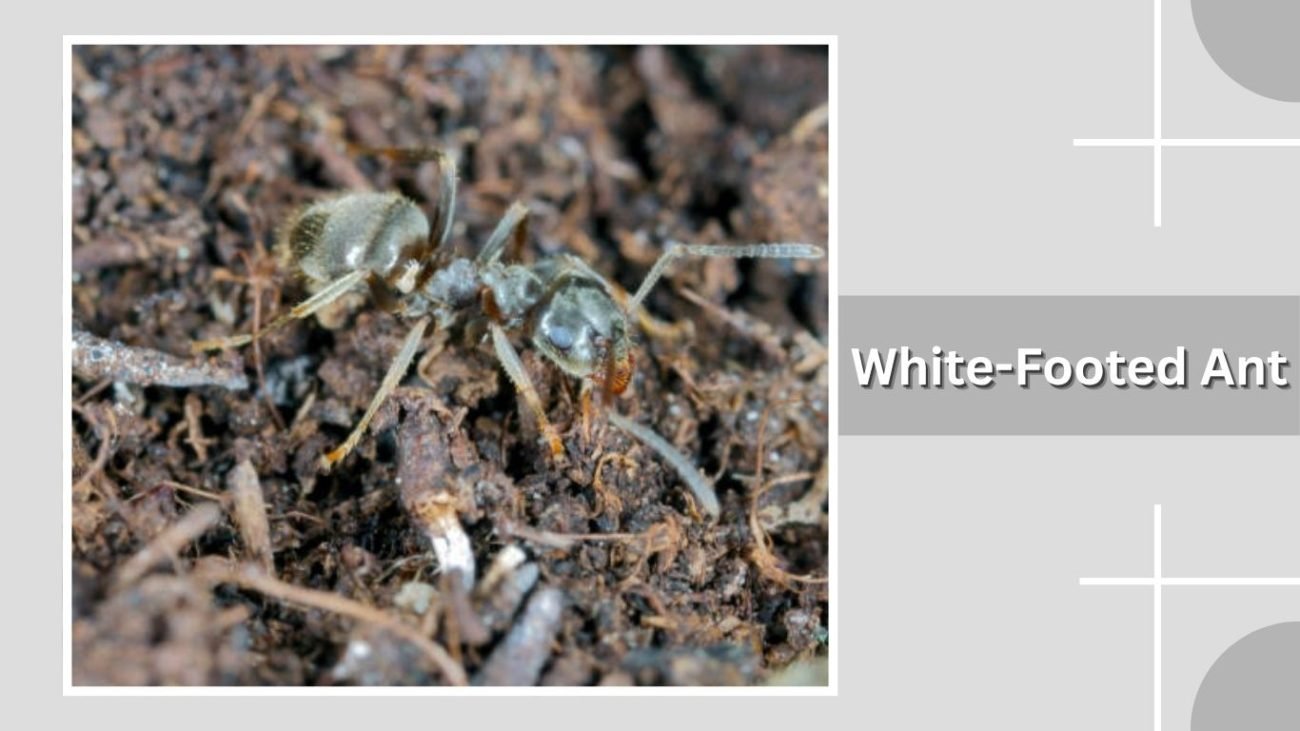
A small ant species commonly found in warm climates. It is often grouped as a “sugar ant” because it frequently searches for sweet foods inside homes.
Identification
- Small size (about 2.5–3 mm long)
- Dark brown to black body
- Pale or yellowish “feet” (legs tips)
- Smooth and slightly shiny appearance
- Moves in steady trails
Habitat and Behavior
White-footed ants prefer outdoor environments like trees, shrubs, and leaf litter. However, they often enter homes while foraging. They do not rely on a single queen; instead, they have multiple queens, which allows their colonies to grow quickly. They are active both day and night and can form large populations.
Diet and Feeding Habits
These ants are strongly attracted to sugary substances such as nectar, honeydew, fruits, and household sweets. They also consume small insects for protein. Their preference for sugar is the main reason they are commonly seen in kitchens and food areas.
Interaction with Humans
White-footed ants are not dangerous and do not sting. They rarely bite and are mainly a nuisance pest. Because of their large colonies and multiple queens, they can be difficult to control. Keeping food sealed, cleaning spills, and using proper bait methods can help reduce infestations.