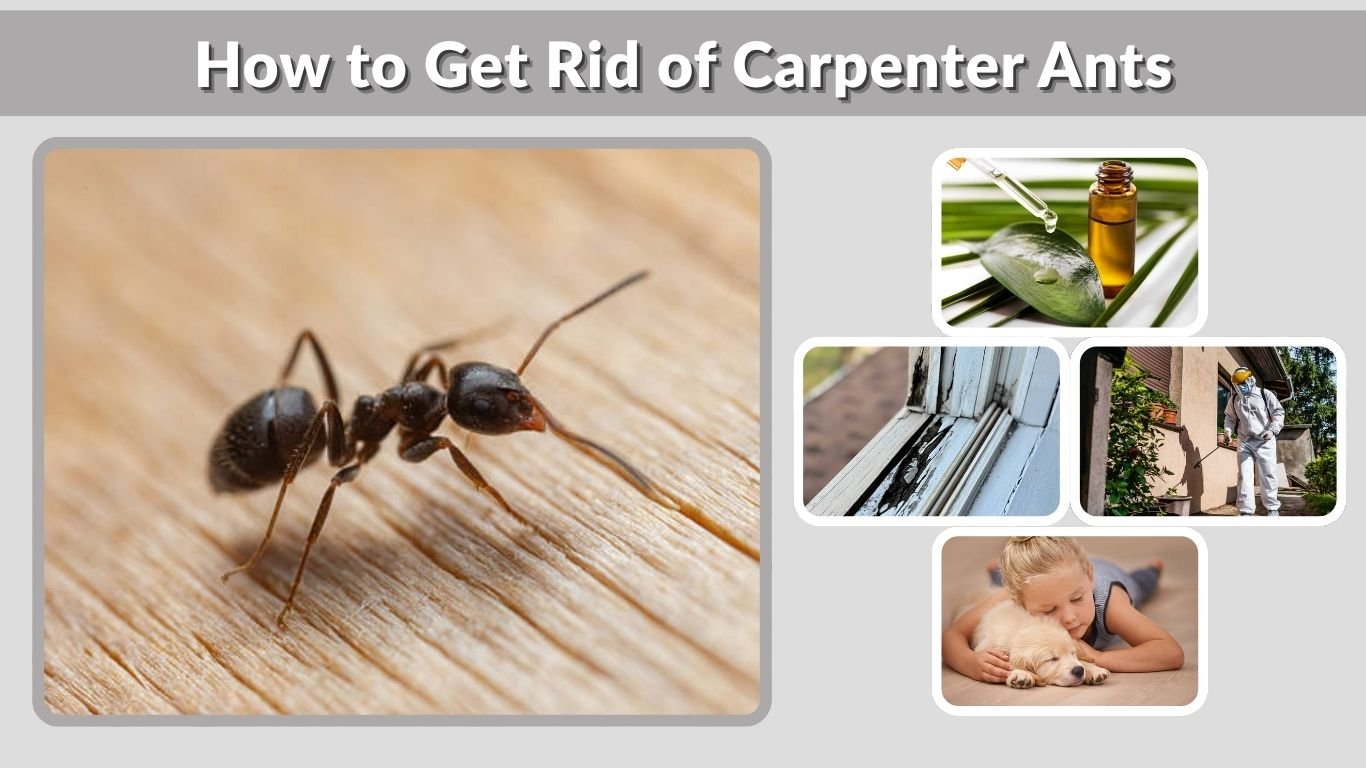
Carpenter ants are one of the most destructive household pests, not because they eat wood like termites, but because they tunnel through it to build nests. Over time, this can weaken structures and lead to costly repairs. The good news is that with the right approach, you can eliminate them effectively.
This guide covers everything you need to know—from identifying carpenter ants to using fast, natural, and safe removal methods. Whether you’re dealing with ants in walls, your kitchen, or even outside in trees, this article will help you take control.
What Are Carpenter Ants?
Carpenter ants are large ants that nest inside wood. Unlike termites, they don’t consume wood; instead, they excavate it to create smooth tunnels for their colonies. These ants are commonly found in damp or decaying wood, making homes with moisture issues especially vulnerable.
How to Identify Carpenter Ants
Carpenter ants are usually larger than typical household ants, ranging from 6 to 12 mm in size. They are often black but can also be red or a combination of both. One key feature is their rounded thorax and elbowed antennae.
It’s important not to confuse them with termites. Carpenter ants have a narrow waist and bent antennae, while termites have straight antennae and a thicker body.
Do Carpenter Ants Bite?
Yes, carpenter ants can bite, but it’s not usually dangerous. Some species may spray a small amount of formic acid into the bite, which can cause mild irritation or a burning sensation. However, bites are rare and typically occur only when the ants feel threatened.
Signs of a Carpenter Ant Infestation
Common Signs to Watch For
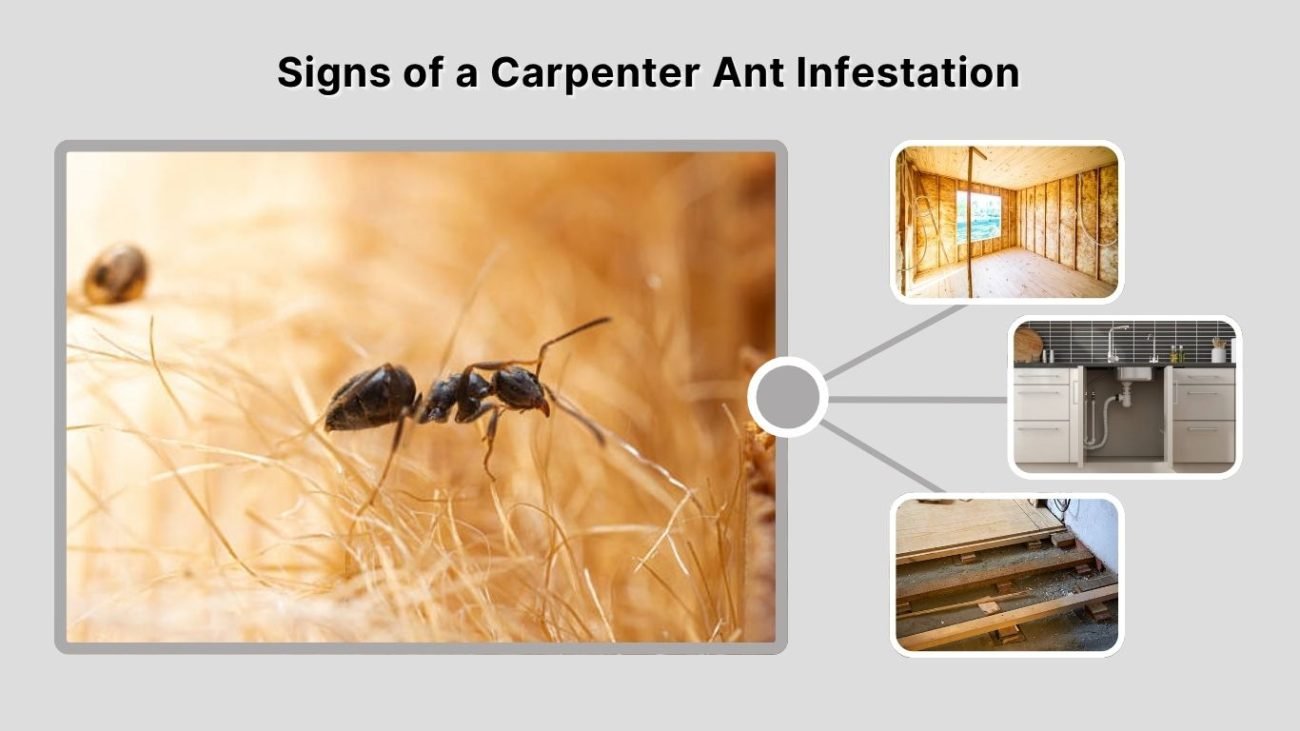
One of the first signs of carpenter ants is the presence of frass, a sawdust-like material they push out of their tunnels. You might also hear faint rustling noises inside walls, especially at night when ants are most active.
Another indicator is spotting large ants indoors, particularly in kitchens or bathrooms. Winged ants (swarmers) indoors can signal a mature colony nearby.
Where Carpenter Ants Usually Nest
Carpenter ants prefer moist or damaged wood. Common nesting locations include:
- Inside walls and insulation
- Kitchen cabinets and sinks
- Wooden beams and flooring
- Outdoor trees, stumps, and firewood
What Causes Carpenter Ants in Your Home
Moisture and Damaged Wood
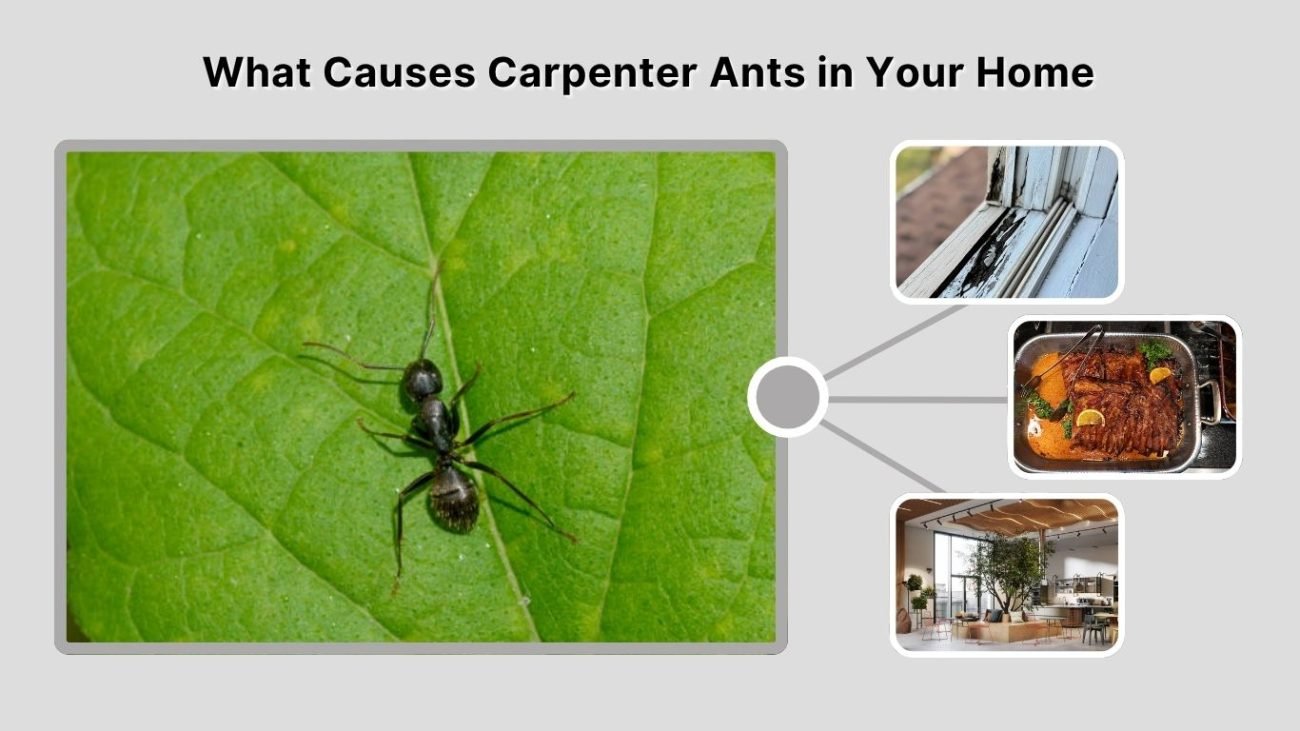
Moisture is the biggest attractor. Leaky pipes, roof damage, or poor ventilation can create ideal nesting conditions. Soft, damp wood is easy for carpenter ants to tunnel through.
Food Sources in Kitchen
Carpenter ants are attracted to sugary foods, grease, and crumbs. Kitchens with unsealed food or poor cleaning habits can quickly become feeding grounds.
Outdoor Colonies Moving Indoors
Often, carpenter ants originate from outdoor nests in trees or wood piles. They then travel indoors in search of food or additional nesting space.
What Is the Fastest Way to Get Rid of Carpenter Ants?
Use Insecticide Dust or Spray
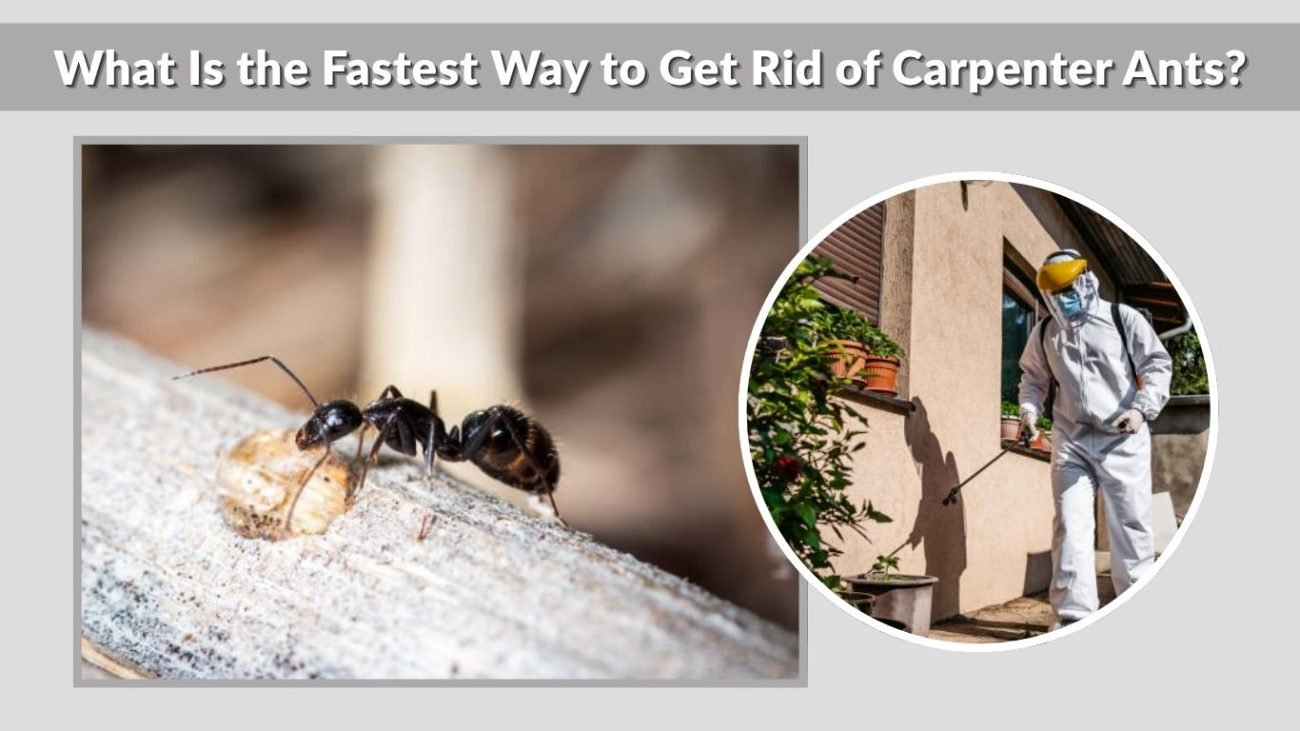
The quickest way to eliminate carpenter ants is by using insecticide dust or spray directly on the nest. Dust products are especially effective because they penetrate deep into tunnels where ants hide.
Destroy the Nest Directly
Locating and destroying the nest is critical. Simply killing visible ants won’t solve the problem, as the colony (including the queen) remains intact. Once the nest is treated, the infestation declines rapidly.
Combine Bait + Direct Treatment
For best results, combine fast-acting sprays with slow-acting baits. Sprays reduce the visible population immediately, while baits allow worker ants to carry poison back to the colony, ensuring complete elimination.
How to Get Rid of Carpenter Ants Naturally
Natural Repellents
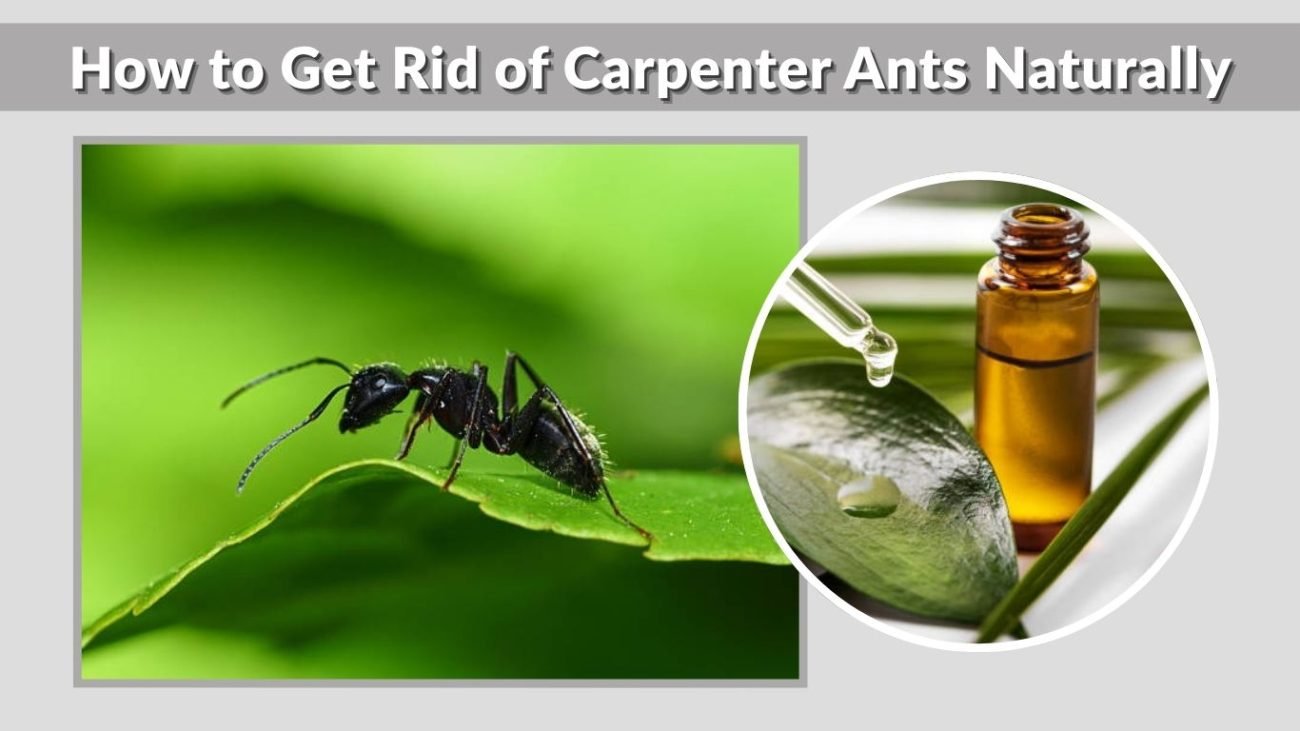
If you prefer chemical-free methods, several natural solutions can help repel carpenter ants. Vinegar mixed with water disrupts their scent trails, making it harder for them to navigate. Essential oils like peppermint or tea tree oil also act as strong deterrents.
Lemon juice is another effective option, as its acidity interferes with ant communication.
DIY Natural Baits
Natural baits can be used to eliminate colonies over time. A mixture of borax and sugar is one of the most effective solutions. The sugar attracts the ants, while the borax slowly kills them after being carried back to the nest.
Another option is baking soda combined with powdered sugar. While not as strong as borax, it can still help reduce ant populations when used consistently.
How to Get Rid of Carpenter Ants by Location
In Walls
Carpenter ants inside walls are harder to reach. The most effective method is to drill small holes and apply insecticide dust directly into the voids. This allows the treatment to reach hidden nests.
In Kitchen
In kitchens, the focus should be on removing food sources. Clean all surfaces, store food in sealed containers, and fix any leaks. Use safe sprays or baits in areas where ants are active.
In Apartment
In apartments, infestations can spread between units. It’s important to notify the landlord or property manager. Use non-invasive treatments like bait stations and seal entry points to prevent further spread.
In House
Treating a full house infestation requires a combination of indoor and outdoor strategies. Start by inspecting all potential nesting areas, including basements, attics, and crawl spaces. Use bait stations along ant trails and apply insecticide dust in hidden voids.
At the same time, eliminate outdoor sources such as wood piles or tree stumps near your home. A whole-home approach ensures the colony doesn’t relocate and return.
In Trees
Carpenter ants often establish primary colonies in trees and then expand into nearby structures. Treating trees is essential to stop reinfestation. Apply insecticide directly into visible holes or damaged wood areas.
Pruning branches that touch your home can also prevent ants from using them as bridges. Keeping trees healthy and removing decayed sections reduces nesting opportunities.
Carpenter Ant Bait, Traps, and Killers
How Carpenter Ant Bait Works
Carpenter ant bait is one of the most effective long-term solutions. Worker ants carry the bait back to the colony, sharing it with other ants and eventually the queen. This process takes time, but it eliminates the entire colony rather than just the visible ants.
Patience is key—bait can take several days or even weeks to fully work.
Best Placement for Traps
Proper placement is crucial for success. Place bait or traps along active ant trails, near entry points, and in areas where ants are frequently seen. Avoid placing them in areas that are heavily cleaned, as this can disrupt the bait’s effectiveness.
Keep them out of reach of pets and children for safety.
Choosing the Right Ant Killer
There are several types of carpenter ant killers available:
- Liquid sprays for immediate contact kill
- Dust insecticides for deep penetration into nests
- Baits for colony elimination
The best approach is often a combination of these methods to address both short-term and long-term control.
How to Get Rid of Carpenter Ants Safely (Pet & Child Safe)
Pet-Safe Solutions
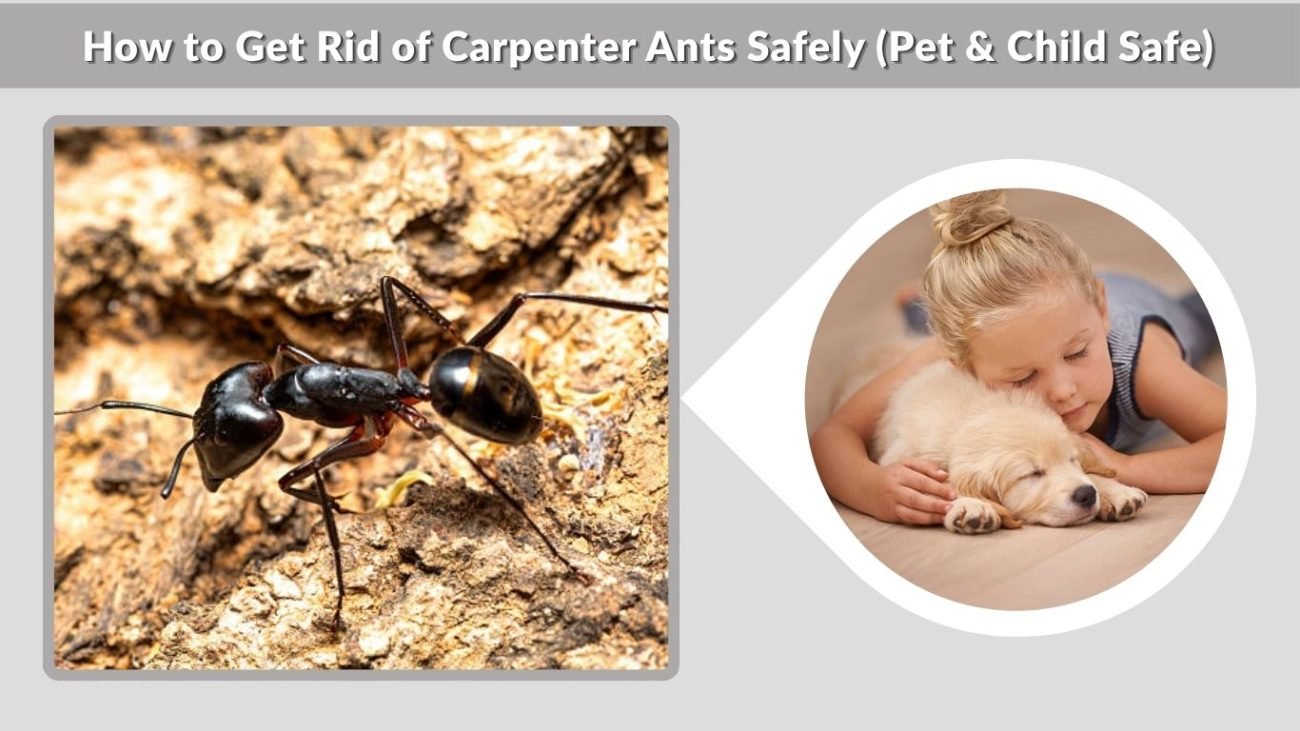
If you have pets or children, safety becomes a top priority. Diatomaceous earth is a popular option—it’s non-toxic but lethal to ants by damaging their exoskeletons.
Boric acid can also be used in controlled, low concentrations as bait. Always place it in secure locations where pets cannot access it.
Safe Prevention Tips
Prevention is just as important as treatment. Seal cracks and crevices around doors, windows, and foundations. Keep your home dry by fixing leaks and improving ventilation.
Regular cleaning and proper food storage also reduce the chances of attracting ants.
How to Prevent Carpenter Ants Long-Term
Fix Moisture Issues
Since carpenter ants thrive in damp environments, fixing moisture problems is essential. Repair leaking pipes, clean gutters, and ensure proper drainage around your home.
Seal Entry Points
Inspect your home for gaps and cracks that ants can use to enter. Use caulk or weather stripping to seal these openings and block access.
Maintain Yard and Wood
Keep firewood stored away from your home and off the ground. Remove dead trees, stumps, and decaying wood from your yard. Trim branches that touch your house to eliminate easy pathways.
FAQs
What is the fastest way to get rid of carpenter ants?
The fastest way is to apply insecticide dust or spray directly into the nest. This kills a large portion of the colony quickly. For complete elimination, combine this with bait so worker ants carry poison back to the queen and remaining colony members.
Do carpenter ants bite?
Yes, carpenter ants can bite, but it’s usually harmless. Some may spray formic acid, causing a mild burning sensation. Bites are uncommon and typically occur only when ants are disturbed or handled.
How do you find a carpenter ant nest?
Follow ant trails, especially at night when they are most active. Look for frass (sawdust-like debris), listen for faint rustling in walls, and inspect damp or damaged wood areas where nests are commonly found.
Are natural methods effective?
Natural methods like vinegar sprays and borax bait can be effective for small infestations. However, larger infestations may require stronger treatments or a combination of natural and chemical solutions for complete removal.