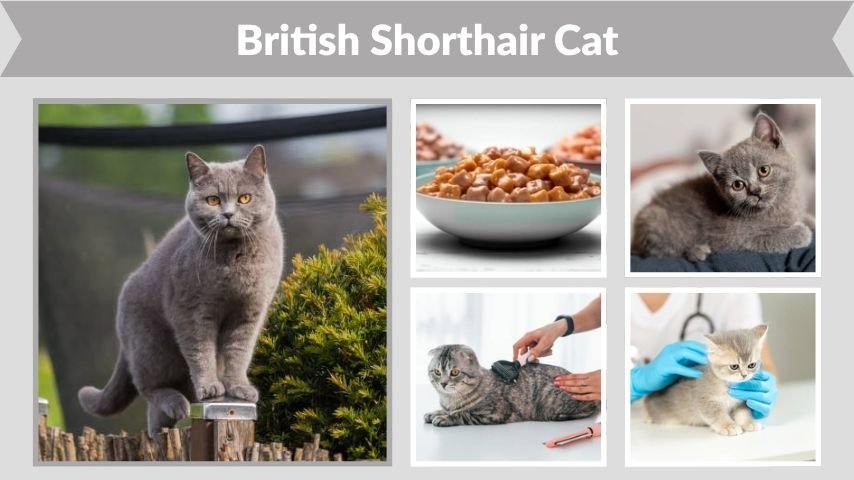
The British Shorthair cat is one of the most popular and recognizable cat breeds in the world. Famous for its round face, dense plush coat, and calm personality, this breed has won the hearts of cat lovers for generations. Originally developed in Great Britain, British Shorthairs are known for their loyalty, independence, and easygoing nature. Whether you are considering adopting one or simply want to learn more, understanding this breed’s history, appearance, and temperament can help you appreciate why it remains a favorite among pet owners.
What Is a British Shorthair Cat?
The British Shorthair is one of the oldest cat breeds and is widely admired for its sturdy build and gentle temperament. These cats are known for their distinctive teddy bear-like appearance and relaxed personality. Over the years, they have become popular companions because they adapt well to indoor living and generally get along with people of all ages. Their combination of beauty, intelligence, and calm behavior makes them an excellent choice for many households.
History of the British Shorthair
The origins of the British Shorthair can be traced back to domestic cats brought to Britain by the Romans. Over centuries, selective breeding helped develop the strong and healthy breed recognized today.
Development of the Modern Breed
During the late nineteenth century, breeders worked to standardize the appearance of British Shorthairs. Their efforts resulted in a breed known for its round features, dense coat, and balanced temperament.
Physical Characteristics of British Shorthair Cats
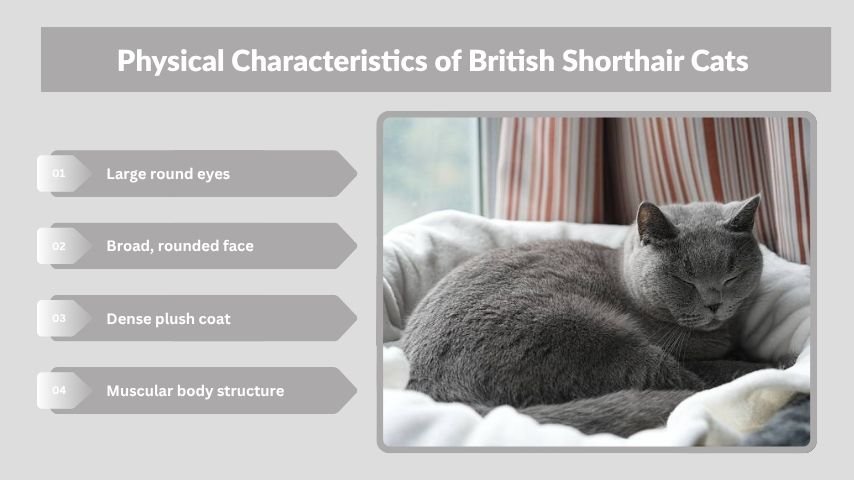
British Shorthair cats are famous for their robust bodies and charming appearance. Their broad chests, powerful legs, and thick coats give them a sturdy yet attractive look. While many people associate the breed with the iconic blue-gray coat, British Shorthairs actually come in a wide range of colors and patterns. Their distinctive appearance has made them one of the most photographed and admired cat breeds in the world.
Distinctive Features
British Shorthair cats are known for several recognizable characteristics:
- Large round eyes
- Broad, rounded face
- Dense plush coat
- Muscular body structure
- Thick tail with a rounded tip
These traits contribute to the breed’s famous teddy bear appearance.
Size and Weight
British Shorthairs are medium-to-large cats with strong, muscular bodies. They develop slowly compared to many breeds and may not reach full maturity until several years of age.
Eye Colors
The eye color of a British Shorthair often depends on coat color. Many cats have copper or gold eyes, while some varieties may display blue, green, or other eye colors.
British Shorthair Cat Colors
One of the most fascinating aspects of the British Shorthair breed is the wide variety of coat colors available. While the British Blue is the most famous, breeders have developed numerous color variations that appeal to different preferences. These colors help make the breed highly versatile and attractive to cat enthusiasts around the world.
Popular Color Varieties
British Shorthair cats can be found in many colors, including:
- British Blue
- Golden
- Silver
- Black
- White
- Lilac
- Cream
- Tabby patterns
Each color variety offers its own unique beauty while maintaining the breed’s distinctive appearance.
British Blue
The British Blue is the most recognized variety of the breed. It features a solid blue-gray coat combined with striking copper-colored eyes.
Golden and Silver Variations
Golden and silver British Shorthairs have become increasingly popular due to their luxurious appearance. Their shimmering coats often create a dramatic and elegant effect.
British Shorthair Cat Personality
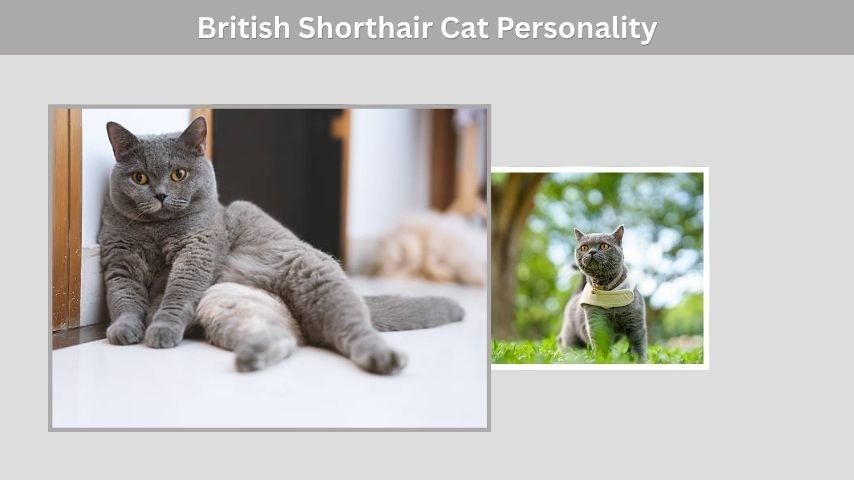
British Shorthair cats are known for their calm and balanced personalities. Unlike highly demanding breeds, they are generally independent while still enjoying the company of their owners. Their gentle nature makes them suitable for families, seniors, and individuals looking for a relaxed companion. Although they may not constantly seek attention, they often form strong bonds with the people they trust.
Calm and Easygoing Nature
One of the breed’s most appealing qualities is its laid-back temperament. British Shorthairs are rarely hyperactive and often prefer observing their surroundings rather than constantly seeking excitement.
Independence and Affection
These cats strike an excellent balance between independence and affection. They enjoy spending time with their owners but are also comfortable entertaining themselves when necessary.
Intelligence and Adaptability
British Shorthairs are intelligent cats that adapt well to different living situations. Whether living in a small apartment or a larger home, they typically adjust with ease when provided with proper care and enrichment.
British Shorthair Cat Temperament
The temperament of a British Shorthair makes it one of the easiest cat breeds to live with. They are generally patient, tolerant, and friendly without being overly demanding. Their steady personality helps them fit comfortably into many households, including those with children and other pets. While they appreciate companionship, they also value personal space and are not usually considered clingy cats.
Living With Children
British Shorthairs often do well in homes with respectful children. Their calm demeanor helps them tolerate normal family activity while maintaining their relaxed nature.
Compatibility With Other Pets
Many British Shorthairs coexist peacefully with other cats and even dogs when introductions are handled properly. Their non-aggressive personality often makes multi-pet households easier to manage.
Activity Level
Although playful, British Shorthairs are not among the most energetic breeds. They enjoy interactive play sessions but generally prefer a balanced lifestyle that includes plenty of time for resting and observing their environment.
British Shorthair Cat Size and Growth
British Shorthair cats are known for their solid build and impressive physical development. Unlike some breeds that mature quickly, British Shorthairs develop gradually over several years. Their sturdy frame and muscular body contribute to their reputation as one of the most robust domestic cat breeds. Understanding their growth stages can help owners provide appropriate nutrition and care throughout each phase of development.
Kitten Growth Stages
British Shorthair kittens grow steadily during their first year. Proper nutrition and veterinary care support healthy development and help establish a strong foundation for adulthood.
Adult Size
Most adult British Shorthairs are medium to large cats. Males are generally larger and heavier than females, though both maintain a balanced and muscular appearance.
Growth Timeline
Unlike many cat breeds, British Shorthairs may continue developing until they are three to five years old. Their slow maturation contributes to their strong bone structure and solid build.
British Shorthair Cat Lifespan
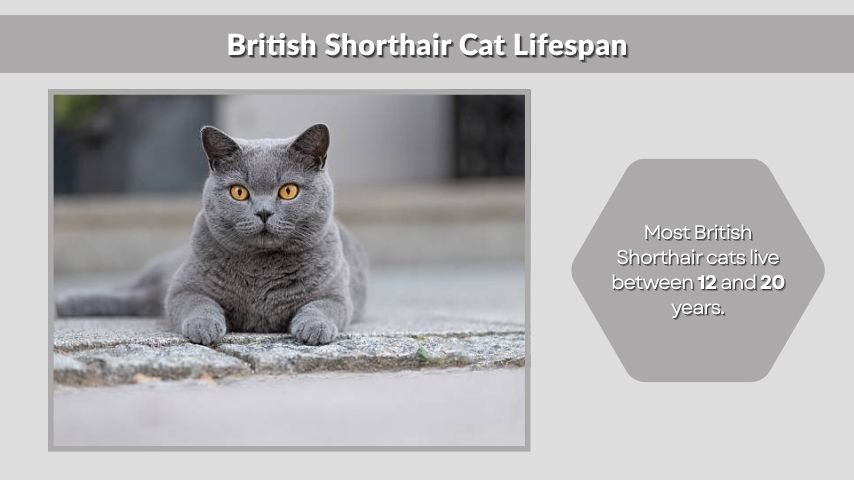
British Shorthair cats are generally healthy and long-lived companions. Their sturdy genetics and relatively low-maintenance lifestyle often contribute to a longer lifespan. While individual longevity depends on factors such as diet, exercise, and healthcare, many British Shorthairs enjoy many years as beloved family pets. Responsible ownership and preventive care play important roles in supporting a healthy and active life.
Average Life Expectancy
Most British Shorthair cats live between 12 and 20 years. Some individuals may exceed this range when provided with excellent nutrition and consistent veterinary attention.
Factors That Influence Longevity
Several factors can contribute to a longer lifespan:
- Balanced and nutritious diet
- Regular veterinary checkups
- Healthy body weight
- Safe indoor environment
- Daily mental stimulation
Indoor vs Outdoor Living
Indoor British Shorthairs typically live longer because they face fewer risks from accidents, predators, and infectious diseases. A secure indoor environment helps protect their overall health.
Are British Shorthair Cats Hypoallergenic?
Many people interested in the breed wonder whether British Shorthairs are hypoallergenic. While these cats may shed less than some long-haired breeds, no cat is completely hypoallergenic. Allergic reactions are usually caused by proteins found in saliva, skin cells, and dander rather than fur alone. Understanding these factors can help potential owners make informed decisions before bringing a British Shorthair into their home.
Understanding Cat Allergies
Cat allergies are triggered by specific proteins that become airborne through dander and grooming behaviors. Even short-haired cats can produce allergens that affect sensitive individuals.
Shedding and Coat Maintenance
British Shorthairs have dense coats that shed moderately throughout the year. Regular brushing can help reduce loose hair and limit allergen buildup within the home.
Managing Allergens
Frequent cleaning, air purifiers, and regular grooming can help minimize allergens and create a more comfortable environment for allergy sufferers.
British Shorthair Cat Care Guide
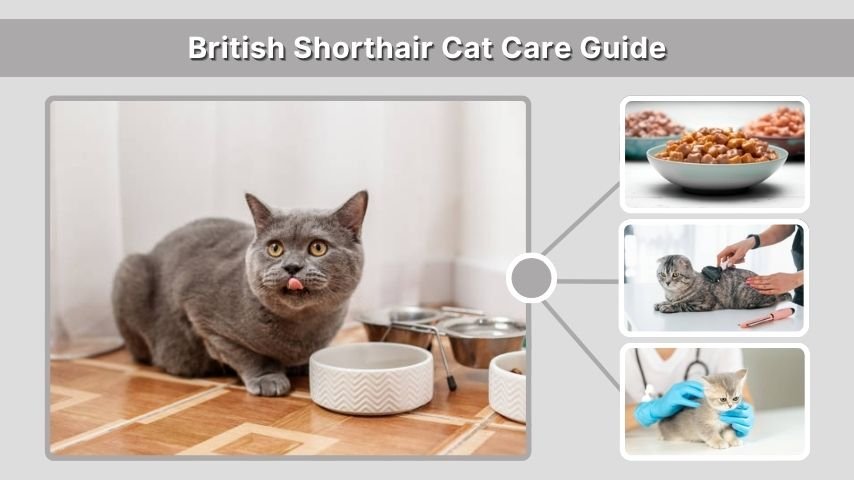
Proper care ensures that a British Shorthair remains healthy, comfortable, and happy throughout its life. Although these cats are relatively low maintenance compared to some breeds, they still require consistent attention to their physical and emotional needs. Establishing healthy routines can help prevent common health issues and support overall well-being.
Essential Care Requirements
To keep a British Shorthair healthy, owners should provide:
- High-quality cat food
- Fresh water at all times
- Regular grooming sessions
- Daily play opportunities
- Routine veterinary visits
Nutrition and Feeding
British Shorthairs are prone to weight gain if overfed. Portion control and a balanced diet rich in protein help maintain a healthy body condition.
Exercise and Enrichment
Although not highly active, British Shorthairs benefit from interactive toys, scratching posts, and climbing structures. These activities encourage exercise and mental stimulation.
Common Health Problems
British Shorthair cats are generally healthy, but like all breeds, they can be susceptible to certain health conditions. Awareness of these issues allows owners to recognize symptoms early and seek professional veterinary care when needed. Preventive healthcare remains one of the most effective ways to maintain long-term wellness.
Obesity
Because British Shorthairs tend to be less active, they can gain weight easily. Monitoring food intake and encouraging regular activity can help prevent obesity-related health problems.
Dental Disease
Routine dental care is important for preventing plaque buildup, gum disease, and other oral health issues that may affect overall well-being.
Heart and Joint Conditions
Some British Shorthairs may develop inherited heart conditions or joint-related issues as they age. Regular health screenings can support early detection and treatment.
British Shorthair Kittens
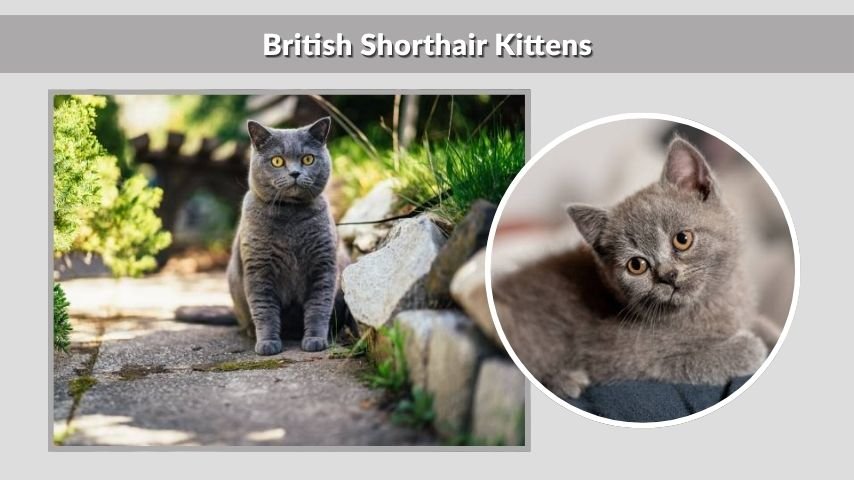
British Shorthair kittens are playful, curious, and affectionate. Their early experiences help shape their personality and behavior as adults. Providing a safe environment and positive socialization opportunities can help kittens develop into confident and well-adjusted companions.
Choosing a Healthy Kitten
A healthy kitten should be active, alert, and free from visible signs of illness. Reputable breeders and rescue organizations often provide health records and vaccination information.
Early Socialization
Positive interactions with people, pets, and different environments help kittens develop confidence and adaptability. Early socialization plays an important role in creating a friendly adult cat.
How Much Does a British Shorthair Cat Cost?
The cost of owning a British Shorthair varies depending on whether the cat is adopted or purchased from a breeder. Prospective owners should also consider long-term expenses associated with responsible pet ownership.
Adoption and Breeder Costs
Shelter adoption fees are often more affordable than purchasing from a breeder. Purebred British Shorthairs generally command higher prices due to pedigree and breeding standards.
Ongoing Ownership Expenses
Regular expenses may include food, litter, veterinary care, grooming supplies, and enrichment items. Planning for these costs helps ensure a cat receives consistent care.
FAQs
Are British Shorthair Cats Good Family Pets?
Yes. Their calm, patient, and friendly nature makes them excellent companions for families, singles, and seniors.
Do British Shorthair Cats Like to Cuddle?
Many enjoy affection but are generally less clingy than some other breeds. They often prefer sitting beside their owners rather than constantly being held.
How Long Do British Shorthair Cats Live?
Most British Shorthairs live between 12 and 20 years when provided with proper care and veterinary attention.
Are British Shorthair Cats Easy to Care For?
Yes. Their short coat and relaxed temperament make them relatively easy to maintain compared to many other purebred cats.
Do British Shorthair Cats Get Along With Dogs?
When introduced properly, British Shorthairs often coexist peacefully with dogs and other household pets.