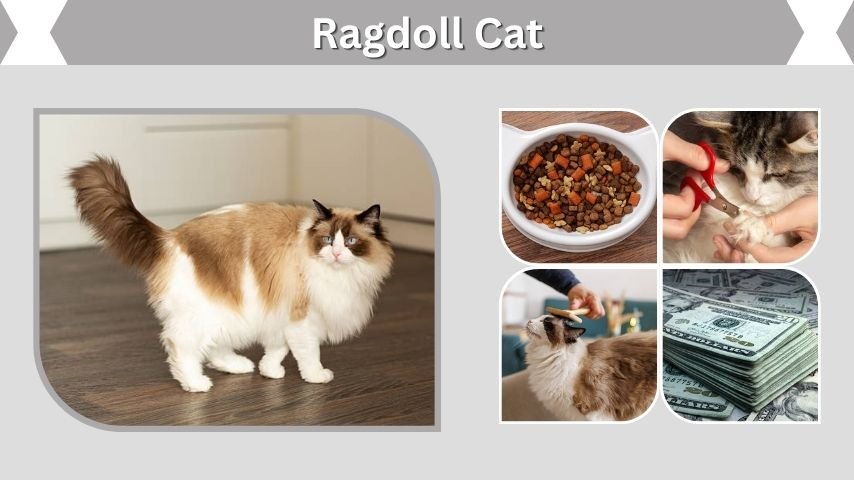
Ragdoll cats are one of the most popular and affectionate cat breeds in the world. Known for their striking blue eyes, soft semi-long coats, and gentle temperament, these cats have become favorites among families and pet lovers. Their relaxed nature and strong bond with humans make them excellent companions for both experienced and first-time cat owners. Whether you’re considering adopting a Ragdoll kitten or simply researching the breed, understanding their personality, size, care needs, and health requirements can help you provide the best possible home.
Ragdoll Cat Breed Overview
Ragdoll cats are large, affectionate felines known for their calm personalities and beautiful appearance. Developed in the United States during the 1960s, the breed quickly gained popularity due to its friendly nature and tendency to relax completely when held. Today, Ragdolls are recognized as one of the most sought-after companion cat breeds worldwide.
History and Origin
The Ragdoll breed was developed by breeder Ann Baker in California. She selectively bred cats with gentle temperaments and distinctive physical traits to create the modern Ragdoll. Over time, the breed gained recognition for its affectionate behavior and striking blue eyes.
Ragdoll Cat Characteristics
Ragdolls are known for their muscular bodies, silky coats, and large blue eyes. Unlike many long-haired breeds, their fur is relatively low-maintenance because it lacks a dense undercoat. Their soft coat and impressive size contribute to their elegant appearance.
Ragdoll Cat Size
Ragdolls are among the largest domestic cat breeds. Adult males are generally larger than females and can continue growing until they are three to four years old. Their substantial size is one of the breed’s most recognizable features.
Ragdoll Cat Personality
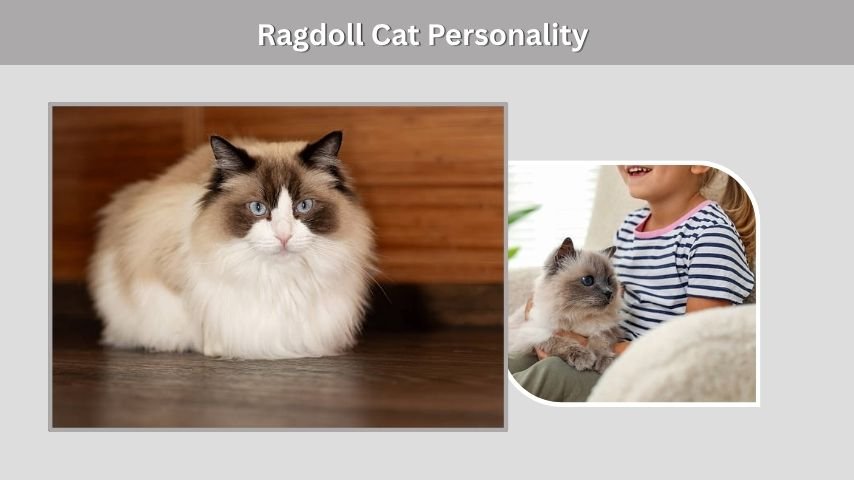
Ragdoll cats are famous for their affectionate and people-oriented personalities. They thrive on human interaction and often follow their owners from room to room. Unlike independent cat breeds, Ragdolls enjoy companionship and typically prefer spending time with family members throughout the day.
Why Are They Called Ragdolls?
The breed earned its name because many individuals tend to relax and go limp when picked up. This behavior resembles a soft rag doll and has become one of the breed’s defining characteristics.
Are Ragdoll Cats Friendly?
Ragdolls are exceptionally friendly cats. They are known for greeting visitors, seeking attention, and enjoying gentle affection. Their sociable nature makes them excellent companions for families, singles, and seniors alike.
Ragdoll Cats With Children and Pets
Many Ragdolls adapt well to homes with children and other pets. Their patient temperament helps them coexist peacefully with dogs and other cats when introductions are handled properly.
Types of Ragdoll Cats
Ragdoll cats are categorized based on their coat patterns rather than separate breed varieties. These patterns contribute to the unique appearance of each cat while maintaining the breed’s signature personality and physical traits.
Colorpoint Ragdoll
Colorpoint Ragdolls feature darker coloration on the ears, face, tail, and legs, creating a striking contrast with their lighter body color. This is one of the breed’s most traditional patterns.
Mitted Ragdoll
Mitted Ragdolls display white markings on their paws that resemble mittens. Many also have white chins and bellies, giving them a distinctive and attractive appearance.
Bicolor Ragdoll
Bicolor Ragdolls feature larger white areas on the body and an inverted V-shaped marking on the face. This pattern is highly popular among cat enthusiasts and breeders.
Ragdoll Cat Colors
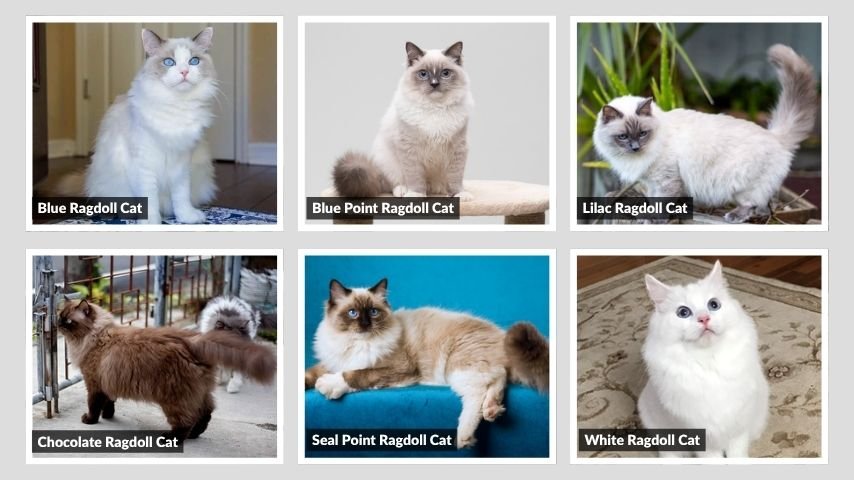
One reason for the breed’s popularity is the variety of beautiful colors available. Different shades and markings create unique appearances while preserving the classic Ragdoll characteristics.
Popular Ragdoll Cat Colors
Common Ragdoll cat colors include:
- Blue Ragdoll Cat
- Blue Point Ragdoll Cat
- Lilac Ragdoll Cat
- Chocolate Ragdoll Cat
- Seal Point Ragdoll Cat
- White Ragdoll Cat
Each color variation offers a distinctive look while maintaining the breed’s signature blue eyes and gentle personality.
Rare Ragdoll Colors
Some colors and patterns are less common and often attract significant interest from breeders and enthusiasts.
- Black Ragdoll Cat
- Cinnamon Ragdoll Cat
- Tortie Ragdoll Cat
- Lynx Ragdoll Cat
- Orange Ragdoll Cat
Rare color combinations may be more difficult to find and can sometimes influence pricing.
Ragdoll Cat Lifespan and Health
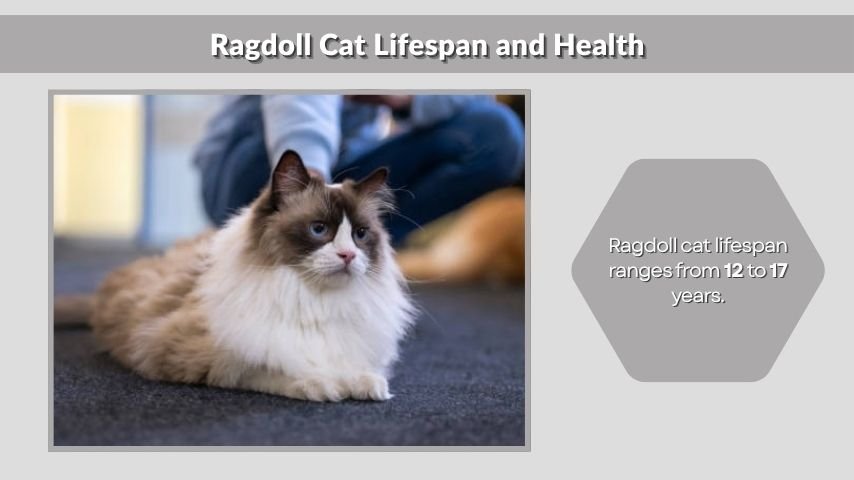
Like all cat breeds, Ragdolls benefit from proper care, nutrition, and preventive healthcare. Understanding common health concerns can help owners provide the best possible quality of life and support long-term wellbeing.
Average Ragdoll Cat Lifespan
The average Ragdoll cat lifespan ranges from 12 to 17 years. With excellent care and regular veterinary checkups, many Ragdolls enjoy long, healthy lives and remain active companions well into their senior years.
Common Health Problems
Some health conditions that may affect Ragdoll cats include:
- Hypertrophic cardiomyopathy (HCM)
- Obesity
- Urinary tract issues
- Dental disease
- Joint problems in older cats
Responsible breeders often screen for hereditary conditions to reduce the risk of genetic diseases.
How to Help Your Ragdoll Live Longer
Providing a balanced diet, maintaining a healthy weight, scheduling regular veterinary visits, and keeping your cat indoors can significantly improve both lifespan and overall health. Consistent care and attention are essential for helping Ragdolls thrive throughout their lives.
Ragdoll Cat Grooming Guide
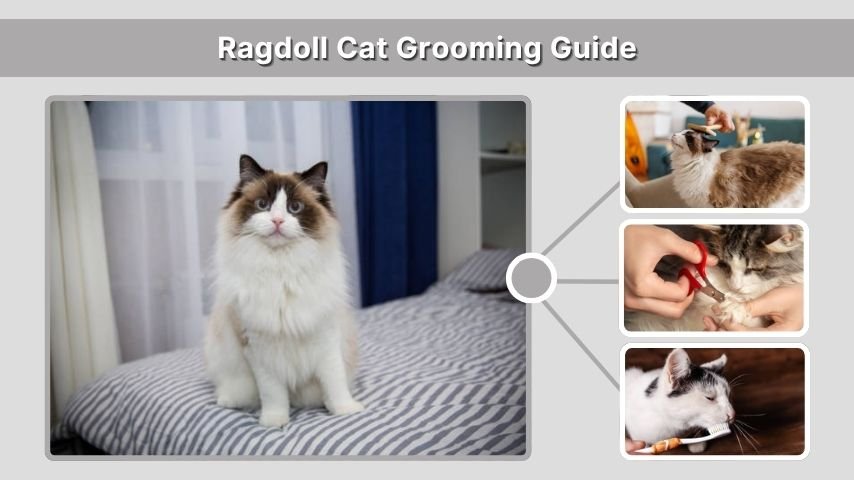
Although Ragdoll cats have semi-long coats, their grooming needs are generally lower than those of many other long-haired breeds. Their silky fur lacks a thick undercoat, making it less prone to severe matting. However, regular grooming remains essential for maintaining coat health, reducing shedding, and preventing hairballs.
Do Ragdoll Cats Shed?
Yes, Ragdoll cats shed throughout the year, with seasonal increases often occurring during spring and fall. While shedding is usually moderate, routine brushing can help remove loose hair and keep the coat looking healthy and smooth.
Recommended Grooming Routine
A proper grooming schedule should include:
- Brushing two to three times per week
- Regular nail trimming
- Ear inspections and cleaning
- Dental care and teeth brushing
- Occasional bathing when necessary
Consistent grooming helps prevent tangles and allows owners to monitor their cat’s overall health.
Best Grooming Tools
Several grooming tools can make coat maintenance easier and more effective.
- Slicker brush
- Stainless steel comb
- Nail clippers
- Pet-safe grooming wipes
- Cat toothbrush and toothpaste
Using quality tools can significantly improve the grooming experience for both owner and cat.
Best Food for Ragdoll Cats
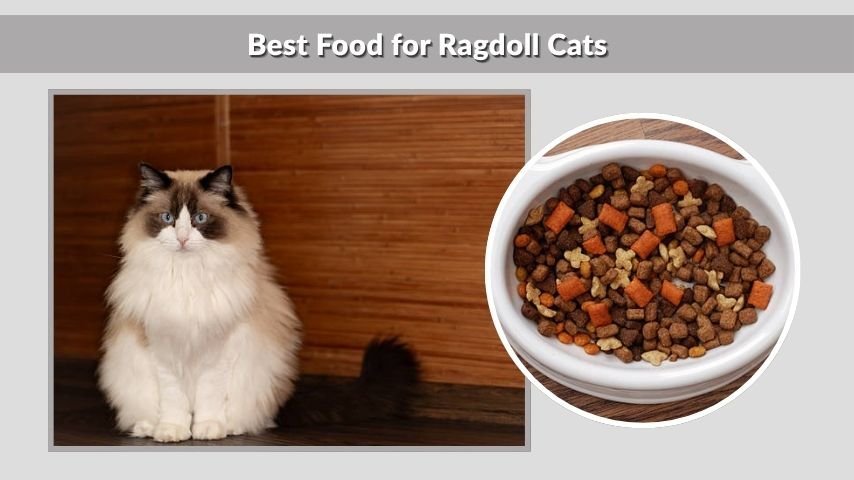
Proper nutrition is crucial for supporting the growth, muscle development, and overall health of Ragdoll cats. Because this breed grows larger than many other domestic cats, it benefits from a balanced diet that provides adequate protein and essential nutrients throughout every life stage.
Nutritional Requirements
Ragdoll cats require high-quality animal protein to maintain muscle mass and support healthy body function. Healthy fats, vitamins, minerals, and sufficient hydration are also important for coat quality and long-term wellbeing.
Feeding Recommendations
When choosing food for a Ragdoll cat, consider:
- Premium protein-rich cat food
- Wet food for hydration support
- Breed-specific formulas when available
- Omega fatty acids for skin and coat health
- Age-appropriate nutrition for kittens, adults, and seniors
A veterinarian can help determine the ideal feeding plan based on your cat’s individual needs.
Foods to Avoid
Certain foods can be dangerous for cats and should never be included in their diet. Chocolate, onions, garlic, alcohol, and foods containing excessive salt or artificial sweeteners should always be avoided.
Ragdoll Cat Price and Ownership Costs
Ragdoll cats are considered a premium breed, and ownership costs often extend beyond the initial purchase price. Prospective owners should understand both upfront and ongoing expenses before bringing a kitten home.
How Much Is a Ragdoll Cat?
The price of a Ragdoll cat depends on breeder reputation, pedigree, location, and coat pattern. Pet-quality kittens typically cost less than show-quality or breeding-quality cats. Rare colors and champion bloodlines may further increase the purchase price.
Ongoing Ownership Expenses
Regular expenses may include:
- High-quality cat food
- Veterinary care
- Vaccinations
- Pet insurance
- Toys and enrichment items
- Grooming supplies
Planning for these costs helps ensure your cat receives proper care throughout its life.
Why Are Ragdoll Cats Expensive?
Ragdoll breeders often invest significant resources into health testing, responsible breeding practices, vaccinations, and early socialization. These factors contribute to the higher price associated with healthy, well-bred kittens.
Ragdoll Cat Breeders and Adoption
Finding a healthy Ragdoll starts with selecting a reputable breeder or adoption organization. Responsible sources prioritize animal welfare and provide proper medical care before placing kittens in new homes.
Choosing a Reputable Breeder
A trustworthy breeder should be transparent about breeding practices and willing to answer questions regarding health screenings, vaccinations, and parent cats. Observing the living environment can also provide valuable insight into the quality of care kittens receive.
Questions to Ask Before Buying
Before purchasing a Ragdoll kitten, ask:
- Have health tests been performed?
- Are vaccinations up to date?
- Is the kitten registered?
- Can I meet the parents?
- What health guarantees are provided?
These questions can help identify ethical breeders and reduce the risk of future health issues.
Adoption and Rescue Options
Adoption can be an excellent alternative to purchasing from a breeder. Breed-specific rescue organizations and animal shelters occasionally have Ragdoll cats available for adoption. Providing a loving home to a rescue cat can be both rewarding and life-changing.
Are Ragdoll Cats Hypoallergenic?
Many people wonder whether Ragdoll cats are suitable for allergy sufferers. While they are often considered less problematic than some breeds, they are not truly hypoallergenic.
Understanding Cat Allergies
Cat allergies are typically caused by proteins found in saliva, skin cells, and dander rather than the fur itself. Even cats with lower shedding levels can still trigger allergic reactions.
Managing Allergies Around Ragdolls
Regular grooming, frequent cleaning, and the use of air purifiers may help reduce allergen levels within the home. Individuals with allergies should spend time around the breed before making a long-term commitment.
FAQs
How long do Ragdoll cats live?
Ragdoll cats typically live between 12 and 17 years, although some may live longer with excellent care and regular veterinary attention.
How much does a Ragdoll cat cost?
The cost varies depending on pedigree, breeder reputation, and location. Show-quality kittens generally cost more than pet-quality Ragdolls.
Do Ragdoll cats shed a lot?
Ragdolls shed moderately throughout the year. Regular brushing helps control loose hair and keeps their coat healthy.
Are Ragdoll cats good family pets?
Yes. Ragdolls are known for their gentle temperament, affectionate nature, and ability to get along with children and other pets.
Are Ragdoll cats hypoallergenic?
No. Ragdoll cats are not hypoallergenic, but some allergy sufferers may find them easier to tolerate due to their moderate shedding levels.