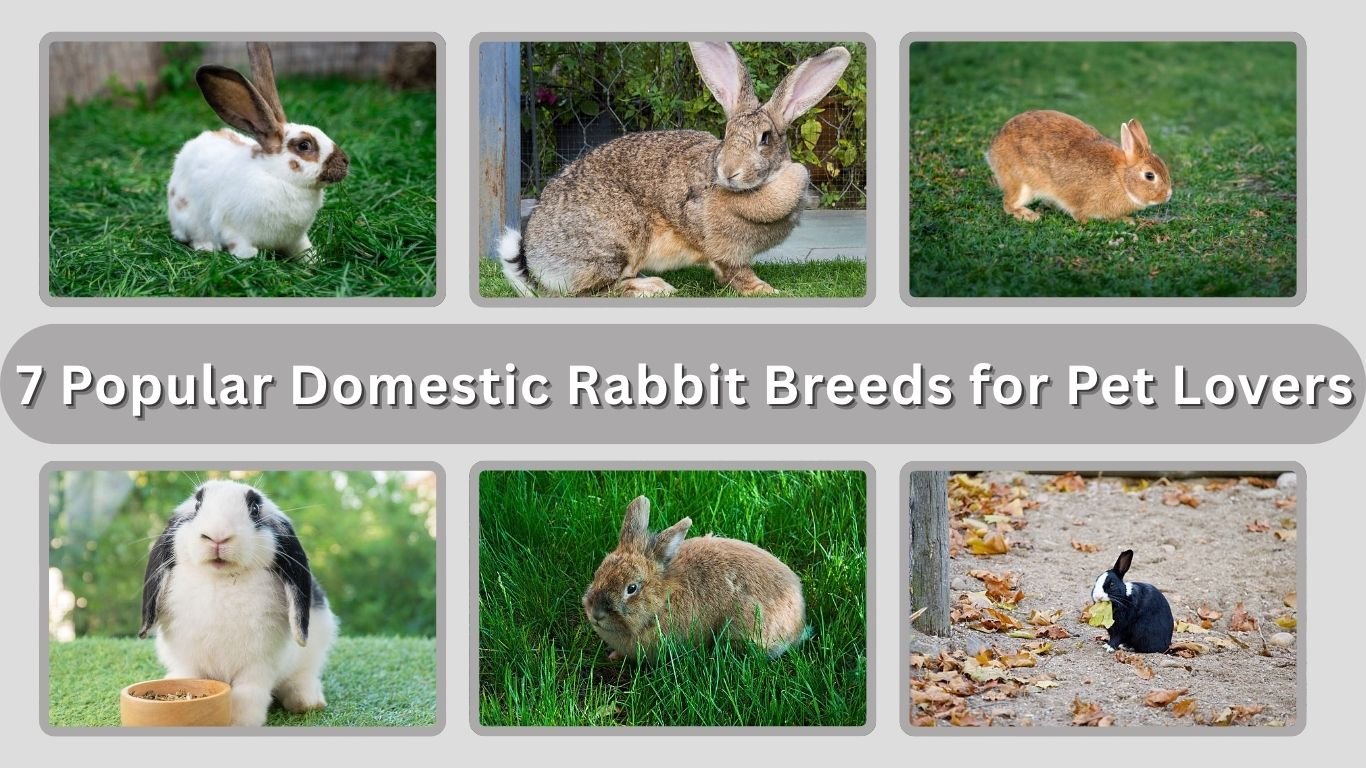
Domestic rabbits are gentle, cute, and friendly animals that are loved by many pet owners around the world. They come in different sizes, colors, coat types, and personalities. Some breeds are small and playful, while others are large, calm, and easygoing. Choosing the right rabbit breed is important because each one has different care needs, grooming requirements, and behavior. In this article, we will discuss seven popular domestic rabbit breeds, including their characteristics, appearance, personality, and care needs.
1. Dutch Rabbit
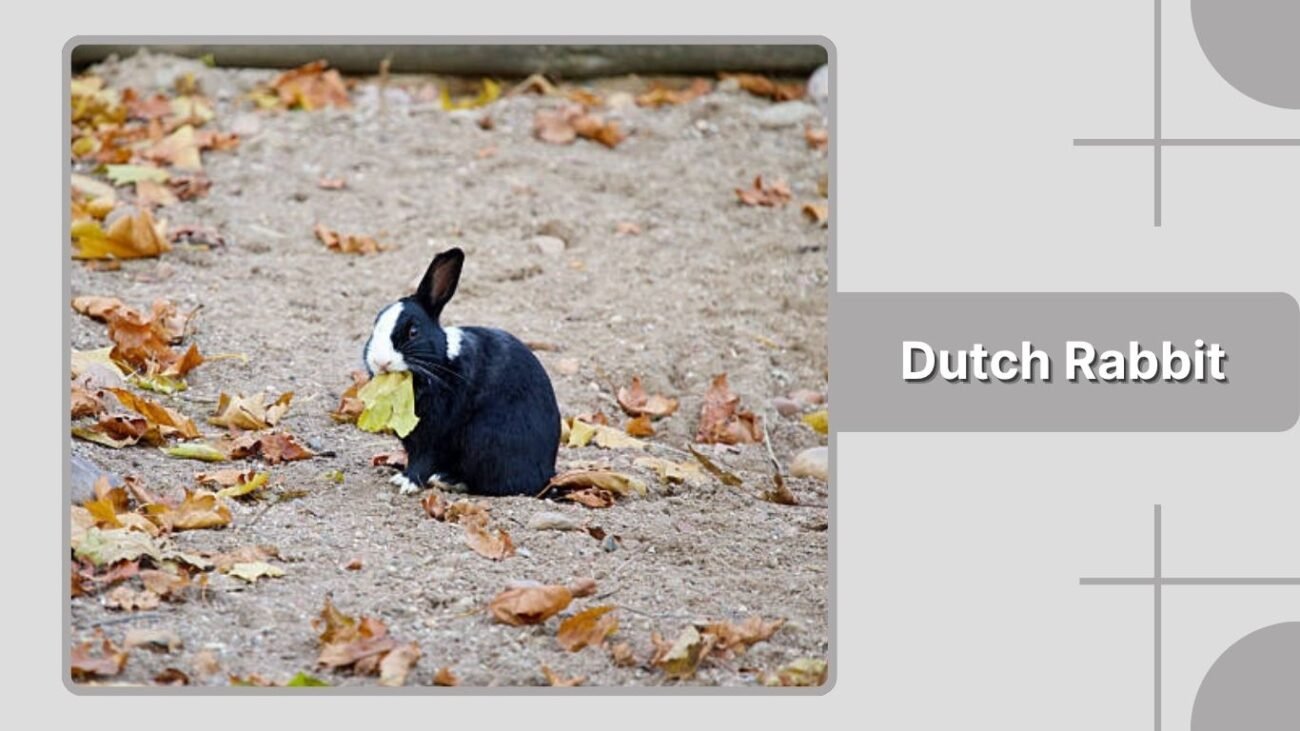
The Dutch Rabbit is one of the most popular domestic rabbit breeds, known for its charming appearance, gentle personality, and easy-care nature. Despite its name, this breed was developed mainly in England, though it has roots connected to rabbits imported from the Netherlands. Dutch Rabbits are often chosen as pets because they are friendly, intelligent, and suitable for families.
Characteristics
- Medium-small body size with a compact shape
- Distinct white blaze on the face
- White front legs, chest, and shoulders
- Colored ears, cheeks, and back section
- Short, smooth, and easy-to-maintain coat
- Usually weighs around 3.5 to 5.5 pounds
- Common colors include black, blue, chocolate, gray, and tortoise
Appearance
The Dutch Rabbit is easily recognized by its unique color pattern. Its face usually has a white stripe running between the eyes, while the ears and cheeks are colored. The front part of the body is mostly white, and the back half has a solid color. This clean and balanced marking gives the breed a neat and attractive look. Their short fur makes grooming simple compared to long-haired breeds.
Personality
Dutch Rabbits are generally calm, playful, and social. They often enjoy gentle handling and can become very attached to their owners when treated with care. Because they are intelligent, they may learn simple routines and respond well to regular interaction. They are also active animals, so they need enough space to hop, explore, and exercise daily. With proper socialization, they can be excellent pets for both adults and children.
Care
Caring for a Dutch Rabbit requires a clean living space, fresh water, hay, vegetables, and quality rabbit pellets. Hay should be the main part of their diet because it supports digestion and dental health. Their cage or enclosure should be cleaned regularly to prevent odor and illness. They also need safe toys and daily exercise outside the cage. Regular grooming, nail trimming, and health checks help keep them comfortable and healthy.
2. Mini Lop
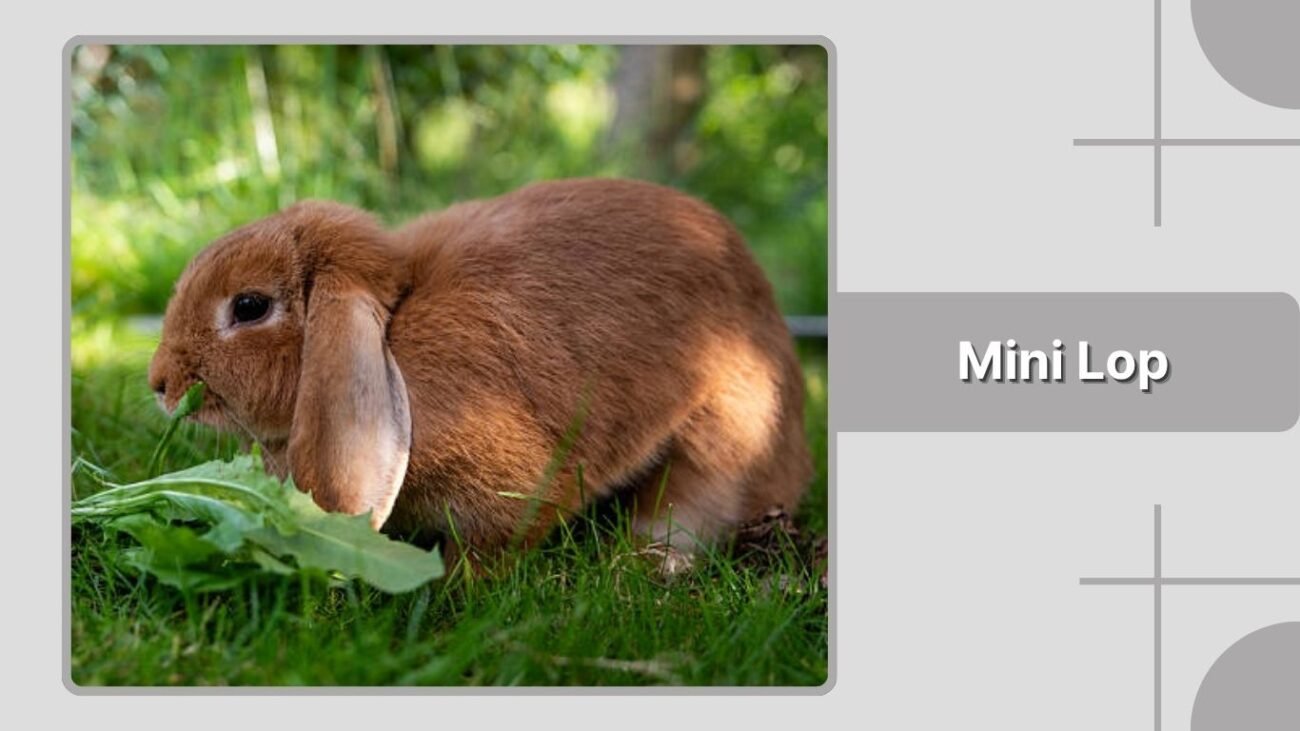
The Mini Lop is a popular domestic rabbit breed known for its adorable floppy ears, rounded body, and affectionate nature. This breed is loved by many rabbit owners because it is friendly, playful, and easy to bond with. Mini Lops are small but sturdy rabbits, making them suitable for families, indoor homes, and first-time rabbit keepers.
Characteristics
- Small, compact, and muscular body
- Soft, dense, medium-length coat
- Long floppy ears hanging beside the face
- Rounded head with a cute appearance
- Usually weighs around 4.5 to 6.5 pounds
- Friendly, active, and social temperament
- Available in many colors and patterns
Appearance
Mini Lops have a charming and rounded look. Their most noticeable feature is their lop ears, which hang down on both sides of the head. They have a strong, compact body with short legs and a broad face. Their fur is soft and thick, giving them a plush appearance. Mini Lops can come in many colors, including white, black, brown, gray, orange, and mixed patterns.
Personality
Mini Lops are usually gentle, loving, and playful rabbits. They often enjoy attention from their owners and may become very attached when handled kindly. They are curious animals and like to explore their surroundings. Although they are friendly, they still need proper socialization from a young age. With regular interaction, they can become calm, confident, and enjoyable pets.
Care
Mini Lops need a clean, safe, and spacious living area where they can move freely. Their diet should include fresh hay, clean water, leafy vegetables, and good-quality rabbit pellets. Since they are active rabbits, they need daily exercise outside the cage. Their coat should be brushed regularly to remove loose fur. Nail trimming, cage cleaning, and routine health checks are also important for keeping them healthy.
3. Holland Lop
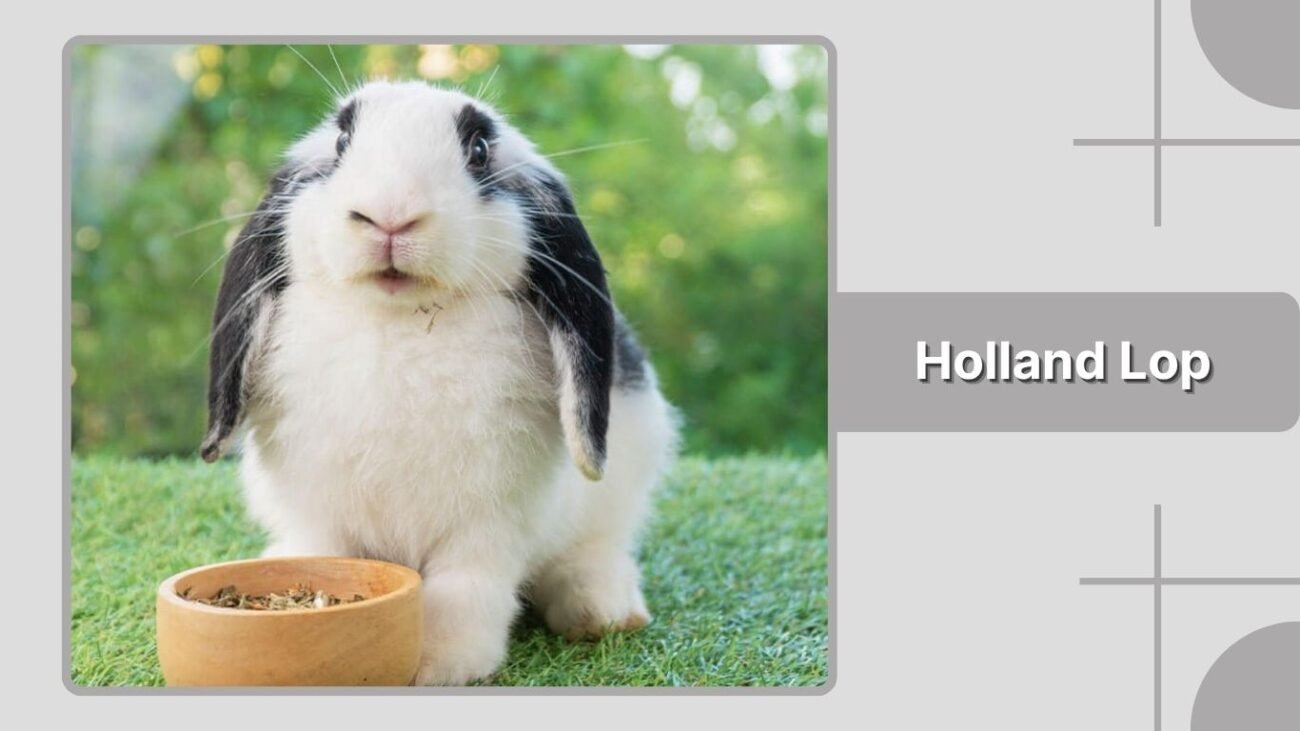
The Holland Lop is a small domestic rabbit breed famous for its cute floppy ears, round face, and gentle behavior. It is one of the most loved pet rabbit breeds because of its compact size and friendly nature. Holland Lops are suitable for indoor living and can become very affectionate when they receive regular care and attention.
Characteristics
- Small and compact body
- Short, thick, and soft coat
- Floppy ears hanging close to the cheeks
- Rounded head with a short face
- Usually weighs around 2 to 4 pounds
- Friendly, curious, and playful nature
- Comes in many colors and patterns
Appearance
Holland Lops have a very charming appearance. Their small body, broad head, and drooping ears make them look cute and gentle. Their ears are shorter than some other lop breeds, but they still hang nicely beside the face. The coat is dense and smooth, making grooming fairly simple. They are available in many colors, including black, blue, chocolate, orange, white, and broken patterns.
Personality
Holland Lops are generally sweet, active, and social rabbits. They enjoy spending time with their owners and may like gentle petting once they feel safe. They are also curious animals, so they like exploring their surroundings and playing with toys. Although they are friendly, they should be handled carefully because of their small size. With patience and regular interaction, they can become loving family pets.
Care
Holland Lops need a clean and comfortable living space with enough room to move around. Their diet should include unlimited hay, fresh water, leafy greens, and a small amount of quality rabbit pellets. They also need daily exercise outside their cage to stay healthy and active. Regular brushing helps keep their coat clean, especially during shedding seasons. Nail trimming, safe toys, and routine health checks are also important for their overall well-being.
4. Netherland Dwarf
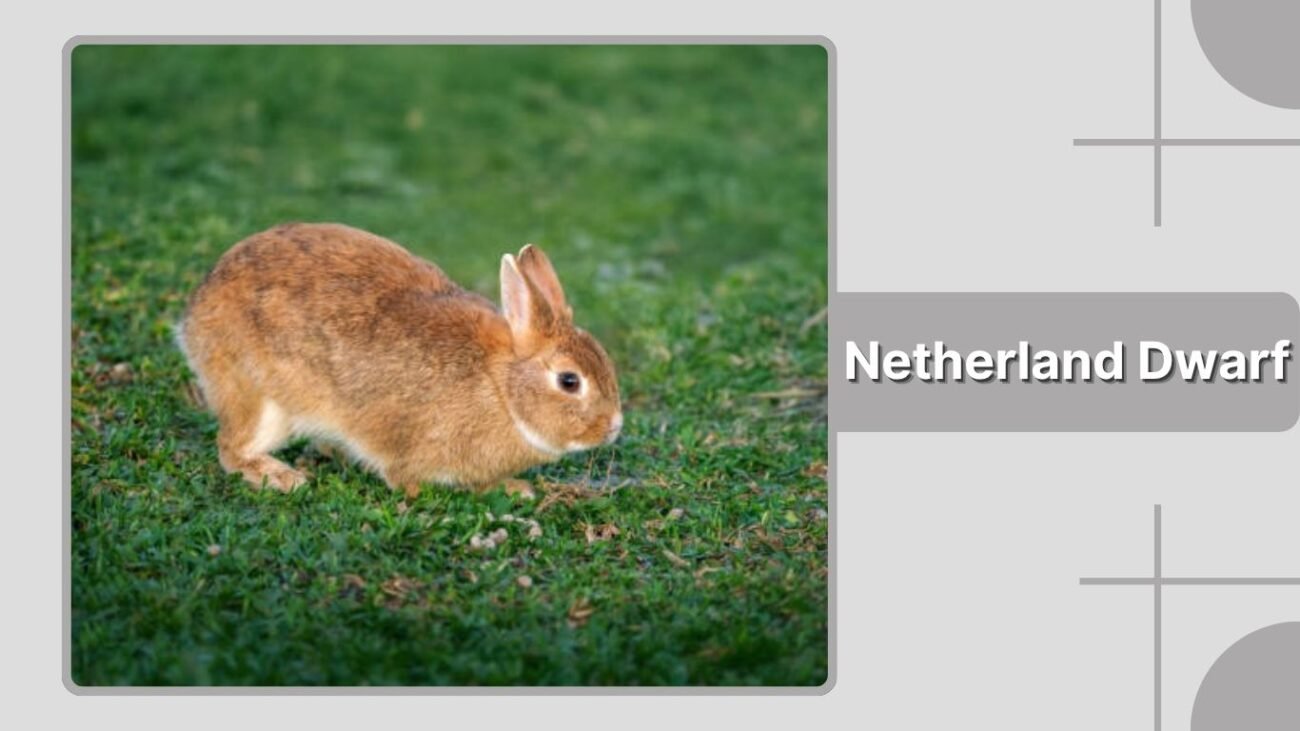
The Netherland Dwarf is one of the smallest domestic rabbit breeds, known for its tiny body, short ears, and lively personality. This breed is very popular among rabbit lovers because of its cute size and attractive appearance. Although small, the Netherland Dwarf is energetic and needs proper care, patience, and gentle handling.
Characteristics
- Very small and compact body
- Short ears standing upright
- Round head with large bright eyes
- Short, soft, and dense coat
- Usually weighs around 1.1 to 2.5 pounds
- Active, alert, and sometimes shy
- Available in many colors and varieties
Appearance
The Netherland Dwarf has a tiny body with a rounded shape. Its head is large compared to its body, which gives it a baby-like look. The ears are short and upright, making the breed easy to recognize. Their coat is smooth, soft, and easy to maintain. Netherland Dwarfs come in many colors, such as black, blue, chocolate, white, gray, orange, and sable.
Personality
Netherland Dwarfs are active, intelligent, and curious rabbits. Some may be shy at first, especially if they are not used to handling. However, with gentle care and regular interaction, they can become friendly and comfortable around people. They enjoy exploring safe spaces and playing with rabbit-safe toys. Because they are very small, they are better handled by calm and careful owners.
Care
Netherland Dwarfs need a safe, clean, and quiet environment. Their diet should include fresh hay, clean water, leafy vegetables, and limited rabbit pellets. Since they are energetic, they need daily exercise outside their enclosure. Their small size does not mean they need less care; they still require enough space, mental stimulation, and regular cleaning. Nail trimming, gentle brushing, and health checks help keep them comfortable and healthy.
5. Lionhead Rabbit
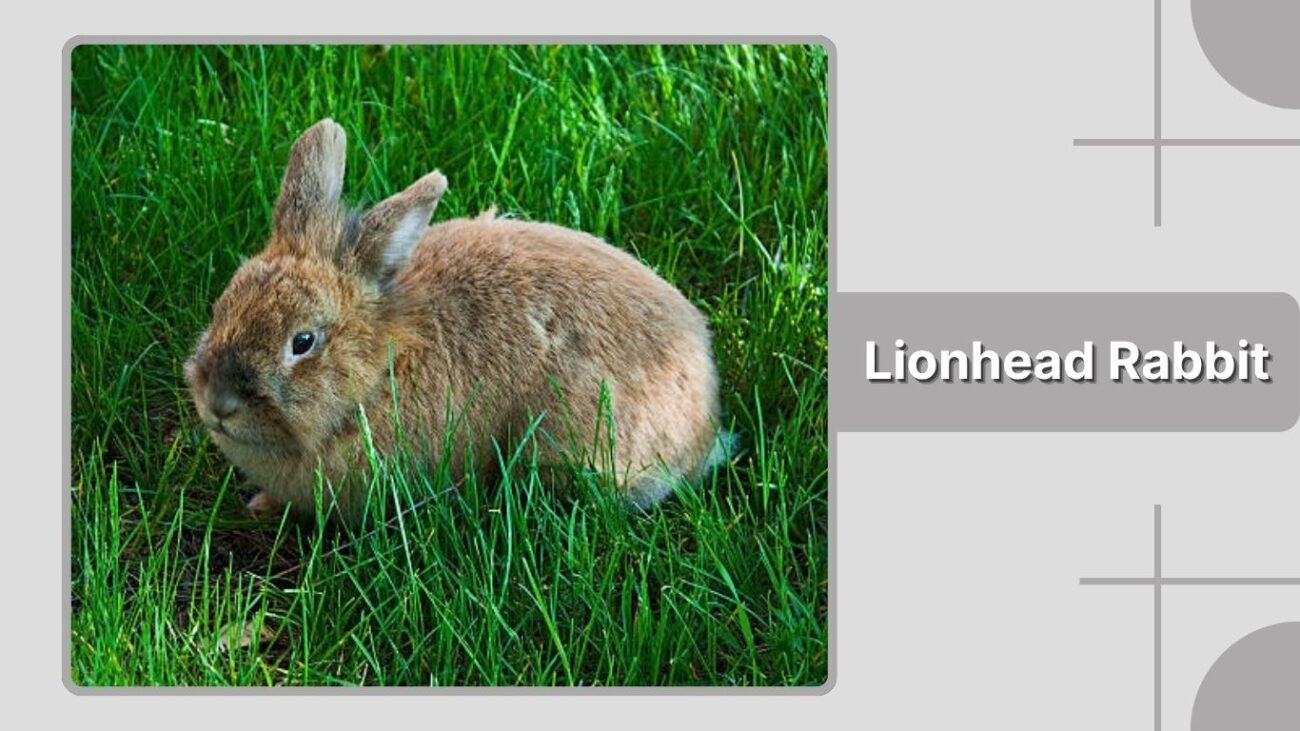
The Lionhead Rabbit is a beautiful domestic rabbit breed known for the fluffy mane of fur around its head. This special feature makes it look a little like a tiny lion. Lionhead Rabbits are popular pets because they are cute, active, and often very friendly when handled gently. They are small in size but full of personality.
Characteristics
- Small and compact body
- Thick woolly mane around the head
- Short ears standing upright
- Soft coat that may need regular grooming
- Usually weighs around 2.5 to 3.5 pounds
- Playful, curious, and social nature
- Comes in many colors and patterns
Appearance
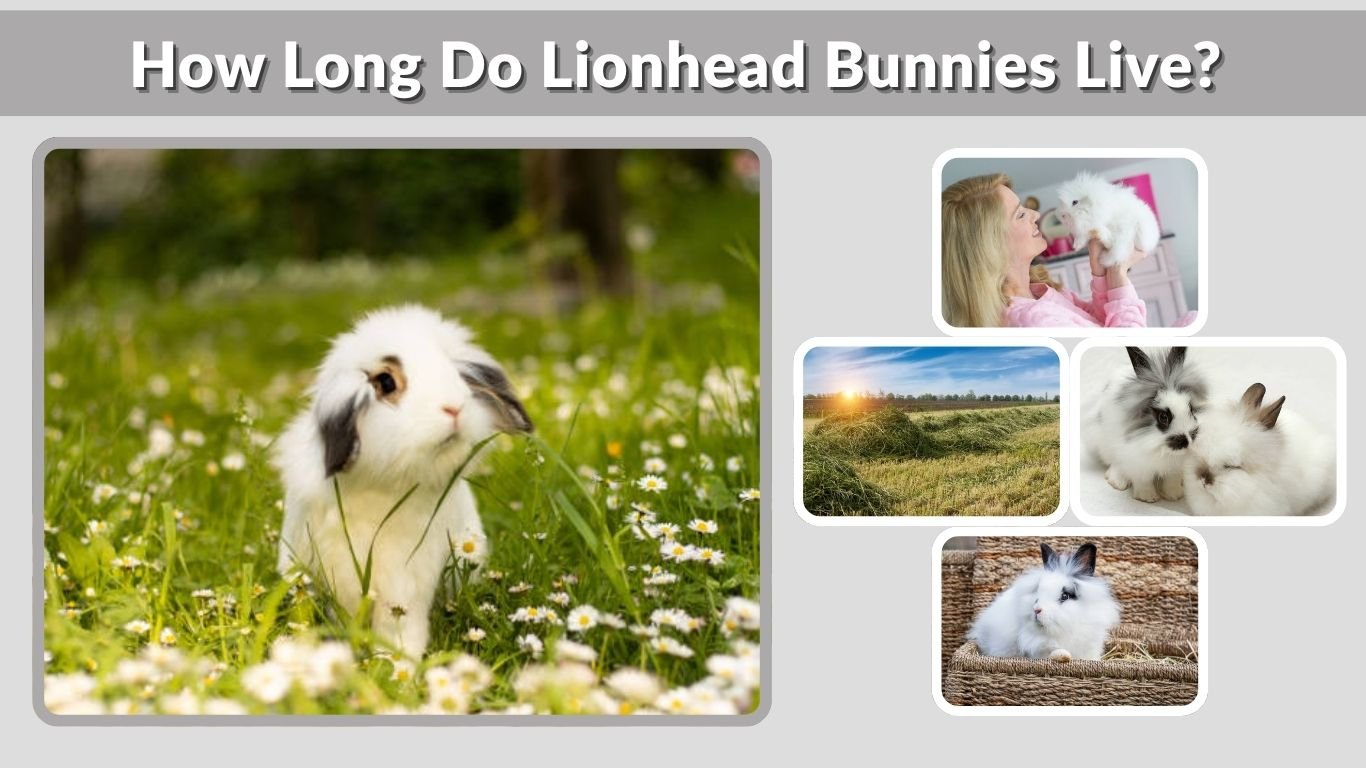
The most noticeable feature of the Lionhead Rabbit is its mane. This fluffy fur grows around the head, cheeks, and sometimes the chest, giving the rabbit a unique and attractive look. Some Lionheads have a single mane, while others have a thicker double mane. Their body is small and rounded, with upright ears and bright eyes. Because of their woolly fur, they often look larger and fluffier than they really are.
Personality
Lionhead Rabbits are usually playful, intelligent, and curious. They enjoy exploring safe areas and may like playing with toys. Many Lionheads become affectionate with their owners when they are handled with patience and kindness. However, some can be shy at first, so gentle socialization is important. They are best suited for owners who can spend time with them and understand their grooming needs.
Care
Lionhead Rabbits need regular grooming because their mane can become tangled if ignored. Brushing several times a week helps keep the coat clean and comfortable. Their diet should include plenty of hay, fresh water, leafy greens, and a small amount of rabbit pellets. They also need a clean enclosure, safe toys, and daily exercise. Regular nail trimming and health checks are important to keep them healthy.
6. Flemish Giant
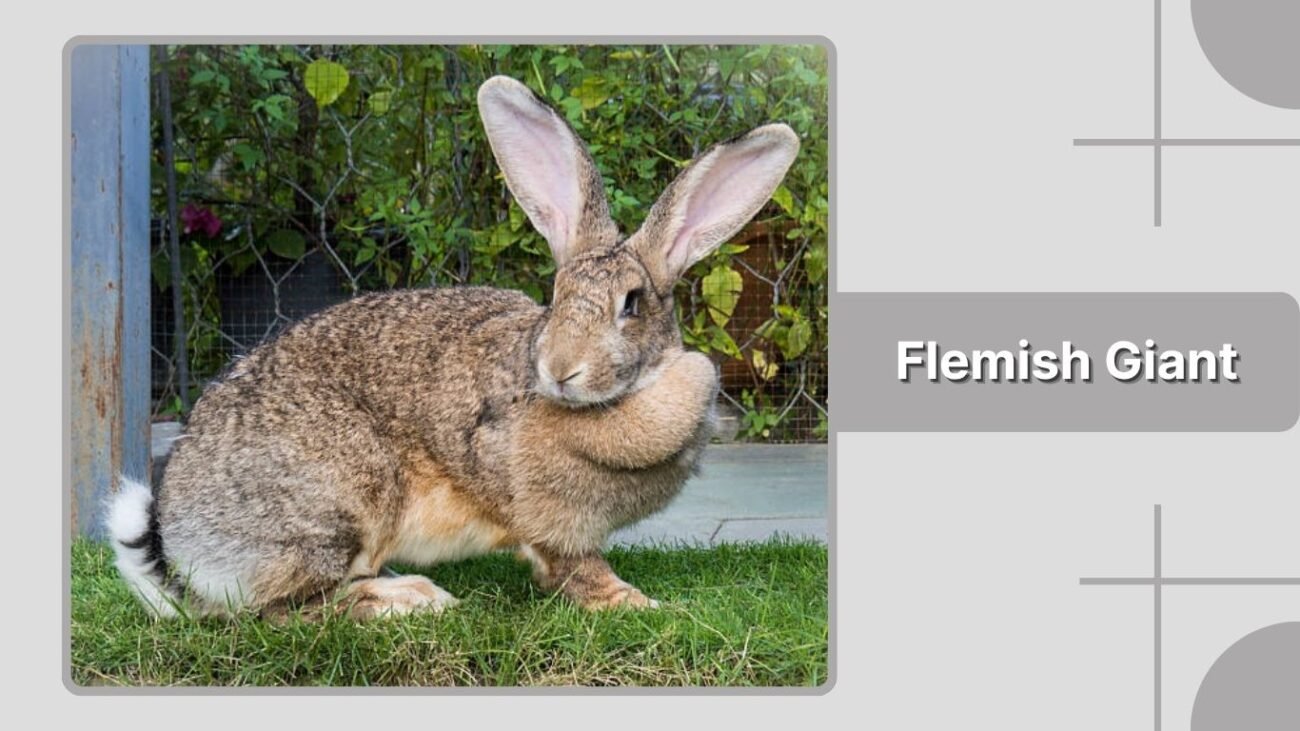
The Flemish Giant is one of the largest domestic rabbit breeds in the world. It is famous for its huge body, calm personality, and gentle nature. Although its size can be surprising, this breed is often called a gentle giant because it is usually relaxed and friendly. Flemish Giants are suitable for owners who have enough space and time to care for a large rabbit properly.
Characteristics
- Very large and long body
- Strong legs and broad head
- Short, dense, and smooth coat
- Usually weighs around 13 to 20 pounds or more
- Calm, gentle, and friendly nature
- Needs more space than smaller rabbit breeds
- Common colors include sandy, black, blue, fawn, gray, and white
Appearance
Flemish Giants have a long, powerful body with a broad head and large upright ears. Their size makes them very different from most pet rabbits. They have strong bones, large feet, and a thick body shape. Their coat is short and smooth, so it is easier to groom than long-haired breeds. Because of their large size, they need a spacious living area where they can stretch, move, and rest comfortably.
Personality
Flemish Giants are usually calm, patient, and gentle. They often enjoy human company and can become very friendly when treated well. Their relaxed behavior makes them good pets for experienced rabbit owners and families with enough room. However, because they are large, they must be handled carefully to avoid injury. They do best in a peaceful environment where they feel safe.
Care
Caring for a Flemish Giant requires more space, food, and cleaning than smaller breeds. They need a large enclosure, daily exercise, and soft flooring to protect their feet. Their diet should include unlimited hay, clean water, leafy vegetables, and suitable rabbit pellets. Regular grooming helps remove loose fur. Nail trimming, weight monitoring, and health checks are also important for keeping this large breed healthy.
7. Rex Rabbit
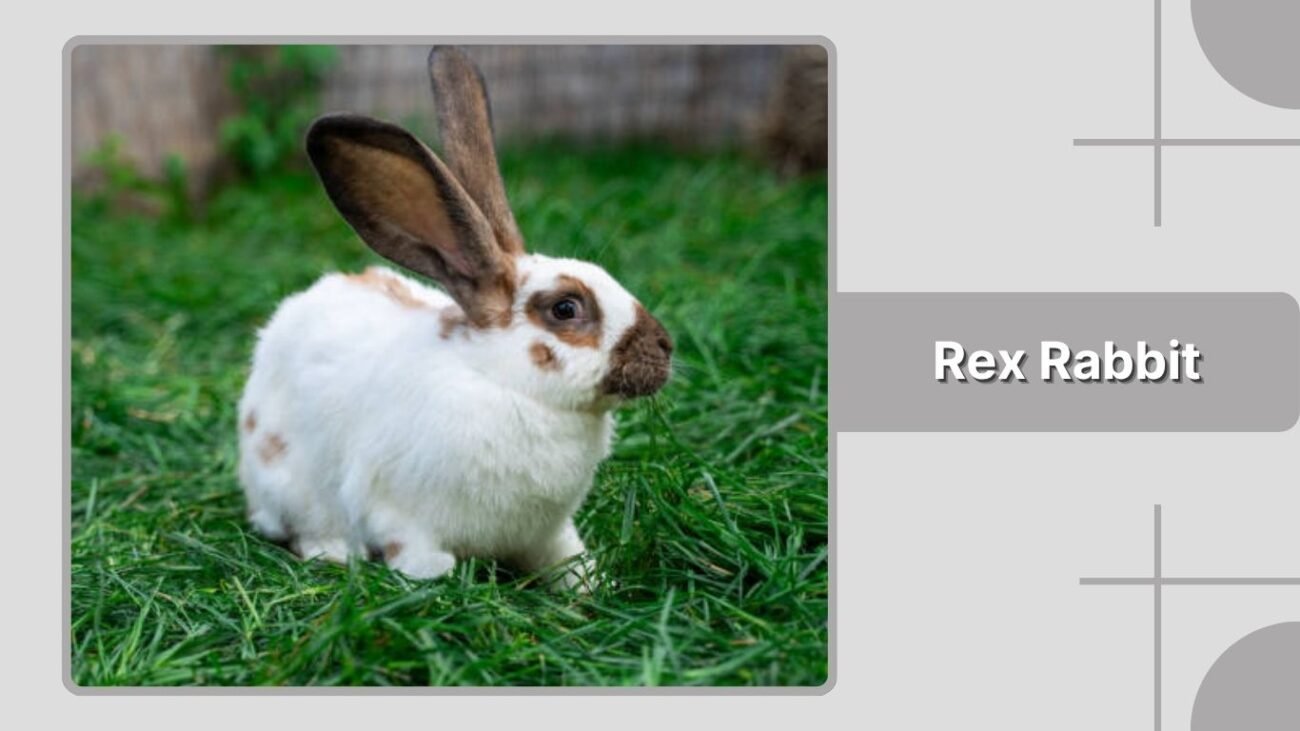
The Rex Rabbit is a well-known domestic rabbit breed admired for its soft, velvety fur and calm personality. This breed is popular among rabbit lovers because of its unique coat texture, friendly behavior, and attractive body shape. Rex Rabbits are often suitable for families and pet owners who want a gentle rabbit with a beautiful appearance.
Characteristics
- Medium-sized body with a strong build
- Very soft, dense, and velvety coat
- Upright ears and rounded body shape
- Usually weighs around 7.5 to 10.5 pounds
- Calm, gentle, and friendly nature
- Comes in many colors and patterns
- Requires regular but simple grooming
Appearance
The most special feature of the Rex Rabbit is its coat. Unlike many other rabbits, its fur stands upright and feels smooth like velvet. This gives the breed a rich and plush look. Rex Rabbits have a well-rounded body, strong legs, and upright ears. They can be found in many colors, including black, blue, chocolate, white, castor, opal, and broken patterns.
Personality
Rex Rabbits are usually gentle, relaxed, and social. They often enjoy spending time with people and may like being petted when they feel safe. Their calm nature makes them a good choice for families, adults, and careful children. They are also curious animals, so they enjoy exploring safe areas and playing with toys. With kind handling, they can become affectionate pets.
Care
Rex Rabbits need a clean, spacious, and comfortable living area. Their diet should include unlimited hay, fresh water, leafy greens, and a small amount of quality rabbit pellets. Their short coat does not need heavy grooming, but gentle brushing helps remove loose fur. They also need daily exercise, safe toys, regular nail trimming, and routine health checks to stay healthy and happy.
FAQs
Which domestic rabbit breed is best for beginners?
Dutch Rabbits, Mini Lops, and Holland Lops are often good choices for beginners because they are friendly, manageable in size, and usually easy to care for. However, every rabbit needs proper housing, daily exercise, fresh hay, clean water, and gentle handling to stay healthy and comfortable.
Are domestic rabbits good pets for children?
Domestic rabbits can be good pets for children, but adult supervision is important. Rabbits are gentle animals and can become scared if handled roughly. Children should learn how to pet, feed, and interact with rabbits carefully. Calm breeds like Rex Rabbits and Mini Lops may suit families well.
How much space does a domestic rabbit need?
A domestic rabbit needs enough space to hop, stretch, stand, and move comfortably. Even small breeds need daily exercise outside their enclosure. Large breeds like Flemish Giants need much more room than smaller rabbits. A safe indoor or outdoor play area is also helpful for their health.
What do domestic rabbits eat?
Domestic rabbits mainly need unlimited fresh hay, clean water, leafy green vegetables, and a small amount of quality rabbit pellets. Hay is the most important part of their diet because it helps digestion and keeps their teeth healthy. Sugary treats should be limited to avoid health problems.
Do domestic rabbits need grooming?
Yes, domestic rabbits need grooming, but the amount depends on the breed. Short-haired rabbits like Rex Rabbits need simple brushing, while Lionhead Rabbits need more regular grooming because their mane can become tangled. Nail trimming, coat checking, and cleaning their living area are also important.