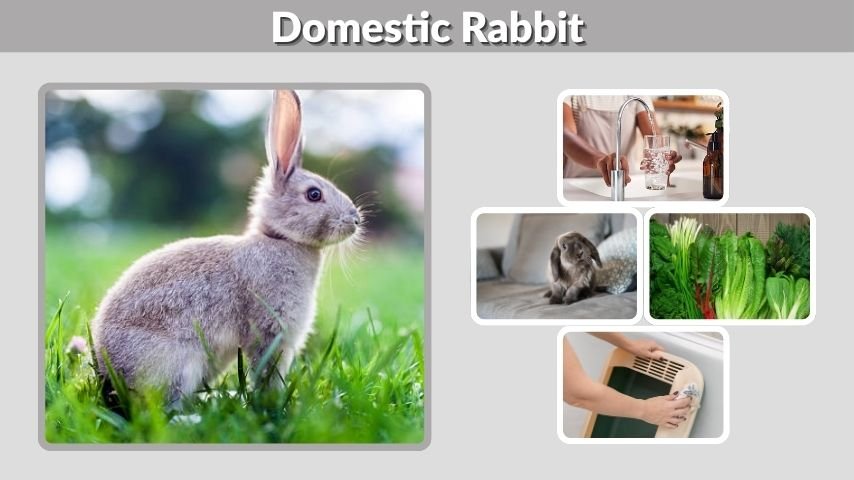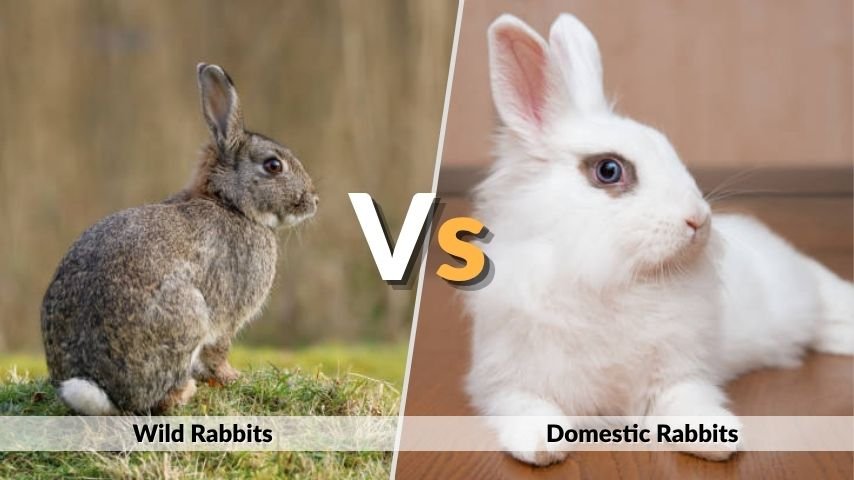
Rabbits are among the most recognizable mammals in the world, yet many people struggle to tell the difference between a wild rabbit and a domestic rabbit. While they may look similar at first glance, these animals have evolved for very different lifestyles. Wild rabbits are built for survival in nature, whereas domestic rabbits have been selectively bred by humans for hundreds of years to live as pets, companions, or livestock.
Understanding the differences between wild and domestic rabbits is important for pet owners, wildlife enthusiasts, and anyone who encounters a rabbit outdoors. Questions such as Can a wild rabbit be domesticated?, Can domestic rabbits survive in the wild?, and Can wild and domestic rabbits breed? are common, but the answers are often more complex than many people realize.
In this guide, we’ll compare wild rabbits and domestic rabbits in detail, explore their behavior, appearance, and survival abilities, and explain why these differences matter.
Are Rabbits Wild or Domestic Animals?
The answer depends on the type of rabbit you’re referring to. Rabbits exist in both wild and domesticated forms, but they are adapted to very different environments.
What Is a Wild Rabbit?
A wild rabbit is a rabbit that lives naturally in forests, grasslands, meadows, deserts, or other outdoor habitats without human care. Wild rabbits rely entirely on their instincts to find food, avoid predators, and reproduce.
Some common characteristics of wild rabbits include:
- Strong survival instincts
- Excellent hearing and vision
- Natural camouflage
- High alertness around humans
- Ability to dig burrows and escape predators
Wild rabbits spend most of their lives searching for food while remaining vigilant against threats from foxes, hawks, snakes, coyotes, and other predators.
What Is a Domestic Rabbit?
A domestic rabbit is a rabbit that has been selectively bred by humans over many generations. Unlike wild rabbits, domestic rabbits depend on people for food, shelter, healthcare, and protection.
Today, there are dozens of domestic rabbit breeds, including:
- Holland Lop
- Mini Rex
- Lionhead
- Flemish Giant
- Netherland Dwarf
Domestic rabbits are commonly kept as pets and are known for their friendly personalities, unique coat colors, and adaptability to indoor living.
Are Domestic Rabbits the Same Species as Wild Rabbits?
This is where things become interesting.
Most domestic rabbits are descendants of the European rabbit (Oryctolagus cuniculus). Through centuries of selective breeding, humans created rabbits with different sizes, coat types, colors, and temperaments.
Although domestic rabbits originated from wild ancestors, domestication has significantly changed their behavior and physical traits. Modern domestic rabbits often lack the survival skills needed to thrive in the wild.
Wild vs Domestic Rabbit: Key Differences at a Glance
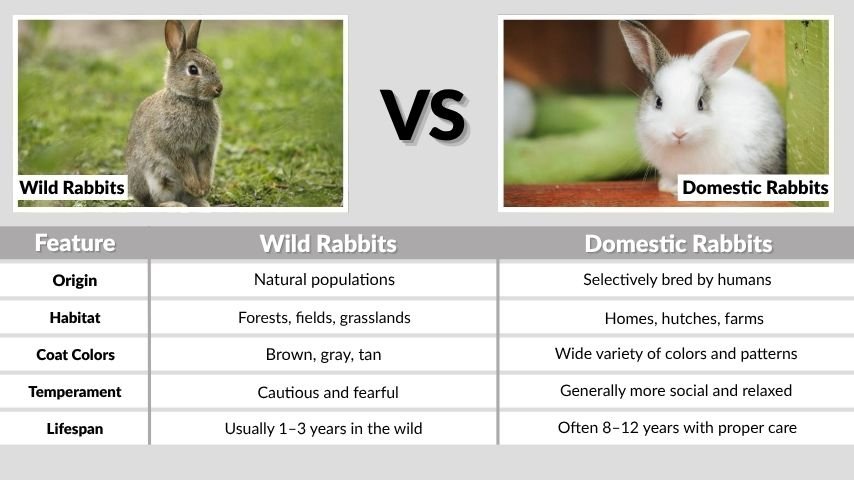
Although both types belong to the rabbit family, their lifestyles and adaptations are remarkably different.
| Feature | Wild Rabbit | Domestic Rabbit |
| Origin | Natural populations | Selectively bred by humans |
| Habitat | Forests, fields, grasslands | Homes, hutches, farms |
| Coat Colors | Brown, gray, tan | Wide variety of colors and patterns |
| Temperament | Cautious and fearful | Generally more social and relaxed |
| Lifespan | Usually 1–3 years in the wild | Often 8–12 years with proper care |
| Human Interaction | Avoids people | Often enjoys human companionship |
| Survival Skills | Highly developed | Limited survival abilities |
| Predator Awareness | Constantly alert | Reduced predator instincts |
| Veterinary Care | None | Regular healthcare available |
| Dependence on Humans | Independent | Highly dependent |
Why These Differences Matter
The differences between wild and domestic rabbits are more than just physical. They affect nearly every aspect of a rabbit’s life.
Wild rabbits must constantly avoid predators, locate food, and survive harsh weather conditions. Their bodies and behaviors have evolved specifically for this purpose.
Domestic rabbits, on the other hand, have been bred in environments where food and shelter are readily available. As a result, many domestic rabbits are less cautious, less athletic, and less capable of surviving without human assistance.
This distinction becomes particularly important when discussing topics such as domestication, breeding, and survival in the wild.
How to Tell If a Rabbit Is Wild or Domestic
People often discover rabbits in parks, gardens, or neighborhoods and wonder whether they are wild animals or escaped pets.
Fortunately, there are several clues that can help identify a rabbit.
Physical Characteristics
One of the easiest ways to distinguish between a wild rabbit and a domestic rabbit is by looking at its appearance.
Wild rabbits tend to have:
- Lean bodies
- Long legs
- Brown or gray fur
- Uniform coloration
- Medium-sized upright ears
Domestic rabbits often display:
- Unique coat colors
- Floppy ears in some breeds
- Larger body sizes
- Rounder faces
- Longer or thicker fur
If you see a rabbit with white fur, black-and-white markings, blue eyes, or drooping ears, it is almost certainly a domestic rabbit rather than a wild one.
Behavioral Differences
Behavior can also reveal whether a rabbit is wild or domestic.
Wild rabbits typically:
- Run immediately when approached
- Stay hidden during the day
- Avoid human contact
- Remain highly alert
Domestic rabbits may:
- Approach people out of curiosity
- Allow closer observation
- Appear less fearful
- Spend time near homes or urban areas
A rabbit that seems unusually comfortable around humans could be a lost or abandoned pet.
Signs a Rabbit Is a Lost Domestic Pet
Unfortunately, abandoned domestic rabbits are not uncommon.
Warning signs include:
- Bright white or unusual coat colors
- Visible injuries or poor condition
- Lack of fear around humans
- Staying in residential neighborhoods
- Difficulty finding food
If you encounter a rabbit displaying these characteristics, it may need rescue assistance rather than being left alone like a wild animal.
Appearance Differences Between Wild and Domestic Rabbits
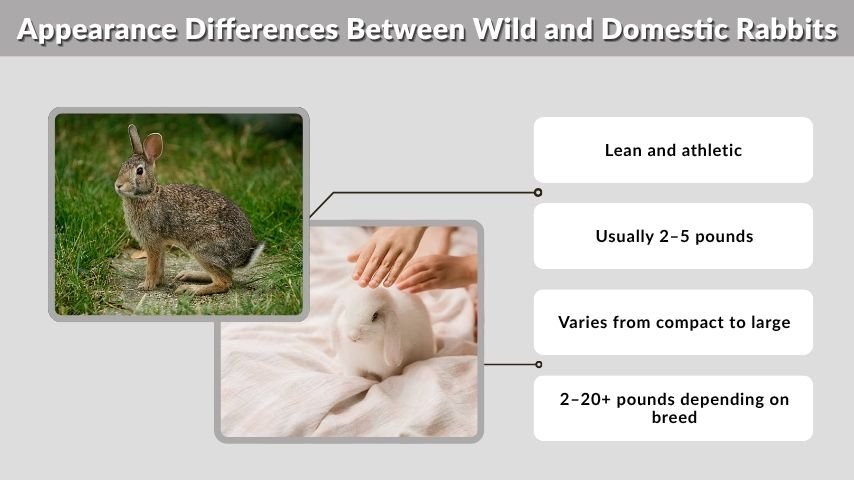
Physical appearance is one of the most noticeable distinctions between wild and domestic rabbits.
Over centuries of selective breeding, humans have created domestic rabbits in an incredible range of shapes, sizes, and colors. Wild rabbits, however, remain relatively uniform because natural selection favors traits that improve survival.
In the next section, we’ll compare their physical characteristics in detail and examine how domestication has transformed the appearance of modern pet rabbits.
While all rabbits share certain features such as long ears, strong hind legs, and continuously growing teeth, wild and domestic rabbits can look surprisingly different.
Selective breeding has allowed humans to create rabbits in a wide variety of sizes, colors, and coat types. Wild rabbits, however, have remained relatively consistent because their appearance directly affects their ability to survive.
Physical Differences Between Wild and Domestic Rabbits
| Characteristic | Wild Rabbit | Domestic Rabbit |
| Body Build | Lean and athletic | Varies from compact to large |
| Weight | Usually 2–5 pounds | 2–20+ pounds depending on breed |
| Fur Color | Brown, gray, tan | Hundreds of color combinations |
| Fur Length | Short and practical | Short, long, woolly, or plush |
| Ear Type | Upright | Upright or floppy |
| Head Shape | Narrow and streamlined | Often rounder and broader |
| Eye Colors | Mostly dark brown | Brown, blue, gray, and more |
| Size Variation | Limited | Extremely diverse |
Why Domestic Rabbits Come in So Many Colors
In the wild, bright colors make rabbits easier targets for predators. That’s why wild rabbits usually have brown or gray coats that blend into their surroundings.
Domestic rabbits, however, no longer rely on camouflage for survival. Breeders have intentionally developed rabbits with unique colors and patterns such as:
- White
- Black
- Blue
- Chocolate
- Harlequin
- Broken patterns
- Spotted coats
Many of these colors would be a major disadvantage in nature because they make rabbits more visible to predators.
Why Wild Rabbits Look Similar
Wild rabbits have evolved under constant environmental pressure. Rabbits with better camouflage and stronger survival traits are more likely to live long enough to reproduce.
As a result, wild rabbit populations tend to share similar physical characteristics that maximize survival in natural habitats.
Behavior Differences Between Wild and Domestic Rabbits
Behavior is often the biggest difference between wild and domestic rabbits.
Even when a domestic rabbit resembles a wild rabbit physically, their personalities and instincts can be completely different.
Survival Instincts
Wild rabbits live in a world filled with danger.
Every sound, movement, and unfamiliar scent could indicate a predator. As a result, wild rabbits are extremely cautious and alert.
Common wild rabbit behaviors include:
- Constant environmental scanning
- Quick escape responses
- Hiding in vegetation
- Freezing when threatened
- Avoiding open areas whenever possible
Domestic rabbits still possess some natural instincts but generally feel safer around humans and in controlled environments.
Response to Humans
Wild rabbits usually view humans as potential threats.
When approached, they often:
- Run away immediately
- Hide in vegetation
- Remain motionless to avoid detection
Domestic rabbits are much more likely to:
- Approach humans
- Accept handling
- Seek attention
- Enjoy interaction
This difference is one reason wild rabbits rarely make suitable pets.
Burrowing and Digging Habits
Wild rabbits depend heavily on burrows for protection and reproduction.
Burrows help them:
- Escape predators
- Stay cool in hot weather
- Shelter from storms
- Raise young safely
Domestic rabbits may still enjoy digging, but they generally do not depend on elaborate underground tunnel systems to survive.
Daily Activity Patterns
Both wild and domestic rabbits are most active during dawn and dusk, a behavior known as being crepuscular.
However, wild rabbits spend much of this active time:
- Searching for food
- Avoiding predators
- Defending territory
Domestic rabbits use this time to:
- Play
- Explore
- Interact with owners
- Exercise safely
Can You Domesticate a Wild Rabbit?
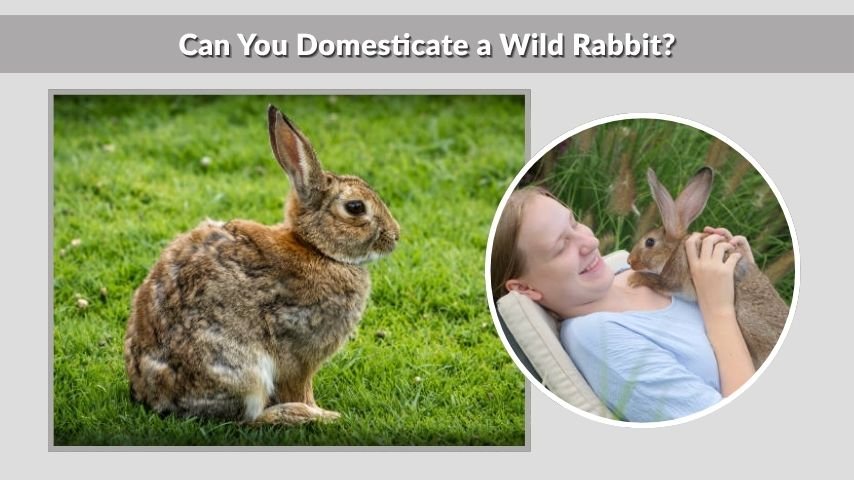
One of the most common questions people ask is whether a wild rabbit can be domesticated.
The short answer is: not easily, and usually not successfully.
Why Wild Rabbits Are Different From Pet Rabbits
Wild rabbits have evolved specifically to survive in nature.
Their instincts tell them to:
- Fear humans
- Avoid handling
- Escape confinement
- Remain constantly alert
These behaviors are essential for survival but make life with humans extremely stressful.
Can an Adult Wild Rabbit Be Domesticated?
Adult wild rabbits are rarely good candidates for domestication.
Even if raised in captivity, many continue to display:
- Extreme fearfulness
- Aggressive behavior
- Stress-related health problems
- Strong escape instincts
Unlike domestic rabbits, they generally do not become relaxed companion animals.
Can a Baby Wild Rabbit Be Domesticated?
Some people believe that raising a baby wild rabbit will automatically make it a pet.
Unfortunately, this is usually not the case.
As wild rabbits mature, their natural instincts become stronger. Even rabbits raised by humans often remain wary and difficult to handle.
In many regions, keeping wild rabbits may also be restricted by wildlife regulations.
Challenges of Domesticating Wild Rabbits
Attempting to domesticate a wild rabbit often creates problems for both the rabbit and the owner.
Common challenges include:
Chronic Stress
Wild rabbits are not adapted to captivity and may experience constant anxiety.
Aggression
Fear can lead to biting, scratching, and defensive behavior.
Health Problems
Stress weakens the immune system and can contribute to illness.
Difficulty Bonding
Many wild rabbits never develop the social behaviors seen in domestic rabbits.
What Wildlife Experts Recommend
Most wildlife organizations recommend leaving healthy wild rabbits in their natural environment.
If you find an injured or orphaned rabbit, contact a licensed wildlife rehabilitator rather than attempting to raise it as a pet.
Key Takeaway
Wild rabbits are wild animals, not domesticated pets. While individual cases vary, they generally do not adapt well to life in captivity and should remain in their natural habitat whenever possible.
Can Domestic and Wild Rabbits Breed?
Another frequently asked question is whether domestic rabbits and wild rabbits can breed with each other.
The answer depends on the species involved.
Can Wild Rabbits Mate With Domestic Rabbits?
In some regions, domestic rabbits and wild European rabbits belong to the same species and can produce offspring.
However, successful breeding depends on:
- Species compatibility
- Geographic location
- Individual behavior
- Environmental conditions
Are They the Same Species?
Most domestic rabbits descend from the European rabbit (Oryctolagus cuniculus).
Where wild European rabbits exist, breeding may be biologically possible.
In contrast, many wild rabbits found in North America belong to the cottontail family (Sylvilagus species), which cannot successfully breed with domestic rabbits.
Factors That Affect Crossbreeding
Several factors influence whether breeding can occur:
- Species genetics
- Habitat overlap
- Seasonal breeding cycles
- Behavioral compatibility
Even when breeding is biologically possible, it is not common in many areas.
What Happens When They Produce Offspring?
Offspring may inherit traits from both parents, including:
- Mixed coat colors
- Variable temperaments
- Different survival abilities
However, hybrid rabbits may not possess the full advantages of either wild or domestic populations.
In the next section, we’ll examine whether wild and domestic rabbits can safely live together and explore the challenges domestic rabbits face when released into the wild.
Can Wild and Domestic Rabbits Live Together?
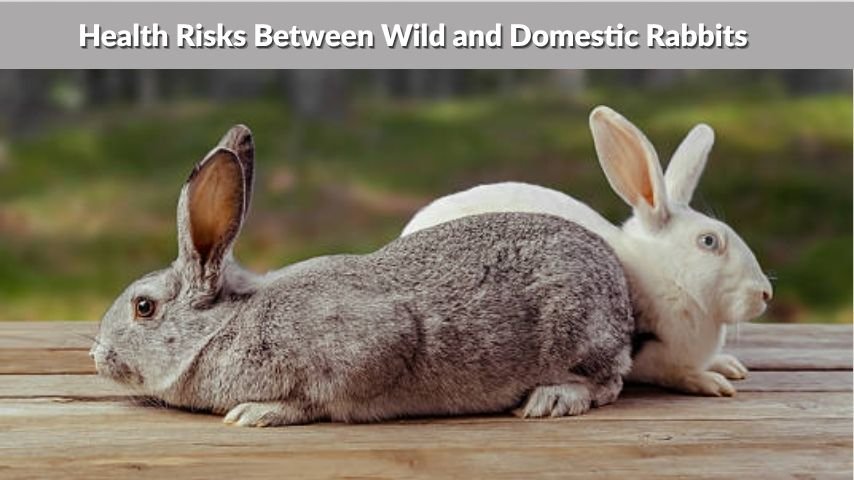
At first glance, it may seem logical that wild and domestic rabbits could coexist peacefully. After all, they are both rabbits. However, living together is often problematic and can create risks for both animals.
Do Wild and Domestic Rabbits Get Along?
Wild rabbits and domestic rabbits have very different lifestyles and behaviors.
Wild rabbits tend to be:
- Highly territorial
- Fearful of unfamiliar animals
- Constantly alert to danger
Domestic rabbits are usually:
- More relaxed
- Accustomed to human interaction
- Less prepared for aggressive encounters
Because of these differences, interactions between the two are often stressful rather than beneficial.
Disease Transmission Risks
One of the biggest concerns is disease.
Wild rabbits may carry:
- Parasites
- Fleas
- Ticks
- Internal worms
- Bacterial infections
Even healthy-looking wild rabbits can spread illnesses that may affect pet rabbits.
Behavioral Conflicts
Wild rabbits rely on instinctive survival behaviors that domestic rabbits may not understand.
Potential problems include:
- Fighting over territory
- Competition for resources
- Stress-related injuries
- Aggressive encounters
For these reasons, wildlife experts generally discourage housing wild and domestic rabbits together.
Can Domestic Rabbits Survive in the Wild?
Many people assume that because rabbits are naturally wild animals, pet rabbits can simply return to nature if released.
Unfortunately, this is rarely true.
Why People Release Pet Rabbits
Common reasons include:
- Unexpected care responsibilities
- Moving to a new home
- Behavioral issues
- Financial difficulties
- Misunderstanding rabbit needs
Some owners mistakenly believe release is a humane solution.
What Happens After Release?
Most domestic rabbits face immediate survival challenges.
Unlike wild rabbits, they often lack:
- Predator awareness
- Foraging skills
- Shelter-building abilities
- Experience avoiding environmental hazards
Common Threats
Predators
Domestic rabbits are vulnerable to:
- Foxes
- Coyotes
- Hawks
- Owls
- Dogs
- Cats
Their bright coat colors often make them easier to spot.
Starvation
Pet rabbits are accustomed to receiving food daily.
After release, many struggle to identify safe plants and adequate food sources.
Weather Exposure
Domestic rabbits may be unable to cope with:
- Extreme heat
- Heavy rain
- Snow
- Freezing temperatures
Disease
Exposure to unfamiliar pathogens can quickly affect rabbits that have lived indoors.
Traffic and Human Hazards
Roads, machinery, and urban environments create additional dangers.
How Long Can a Domestic Rabbit Survive in the Wild?
Survival times vary widely.
Some rabbits survive only a few days, while others may last several weeks or months under favorable conditions.
However, long-term survival is uncommon compared with truly wild rabbits.
Are Some Breeds Better Equipped Than Others?
Certain breeds may possess traits that slightly improve survival odds, such as:
- Natural-colored coats
- Greater athletic ability
- Larger body size
Even so, domestic rabbits generally remain at a significant disadvantage compared to wild populations.
Releasing Domestic Rabbits Into the Wild: Why It’s Harmful
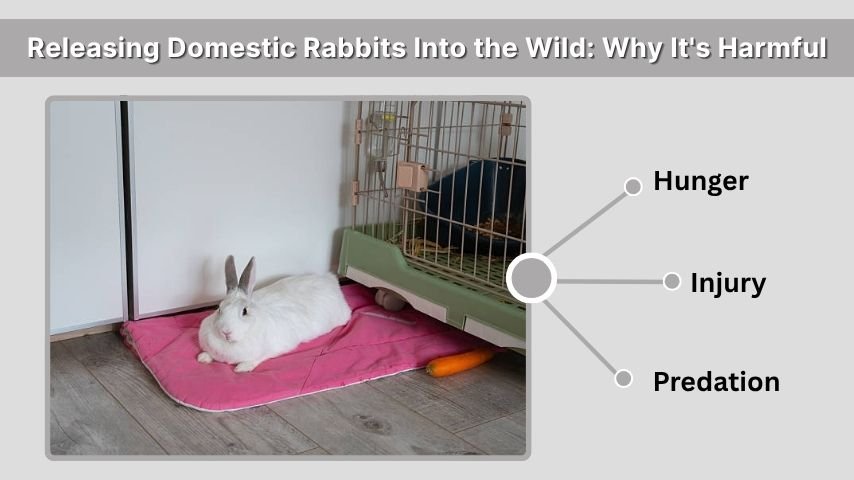
Releasing a pet rabbit may seem compassionate, but it often results in suffering.
Animal Welfare Concerns
Released rabbits commonly experience:
- Hunger
- Fear
- Injury
- Exposure
- Predation
Many do not survive long after abandonment.
Environmental Impact
In some areas, released domestic rabbits can:
- Compete with native wildlife
- Damage vegetation
- Contribute to invasive populations
Better Alternatives
If you can no longer care for a rabbit, consider:
- Local rabbit rescues
- Animal shelters
- Adoption groups
- Responsible rehoming
These options provide a much better outcome than abandonment.
Lifespan of Wild vs Domestic Rabbits
One of the clearest differences between wild and domestic rabbits is life expectancy.
Lifespan Comparison
| Rabbit Type | Average Lifespan |
| Wild Rabbit | 1–3 years |
| Domestic Rabbit | 8–12 years |
| Well-Cared-For Domestic Rabbit | Up to 14+ years |
Why Domestic Rabbits Live Longer
Domestic rabbits benefit from:
- Regular food supply
- Veterinary care
- Protection from predators
- Safe shelter
- Disease prevention
Wild rabbits rarely enjoy these advantages.
Factors Affecting Lifespan
Several factors influence longevity:
- Genetics
- Nutrition
- Housing conditions
- Healthcare
- Environmental threats
Health Risks Between Wild and Domestic Rabbits
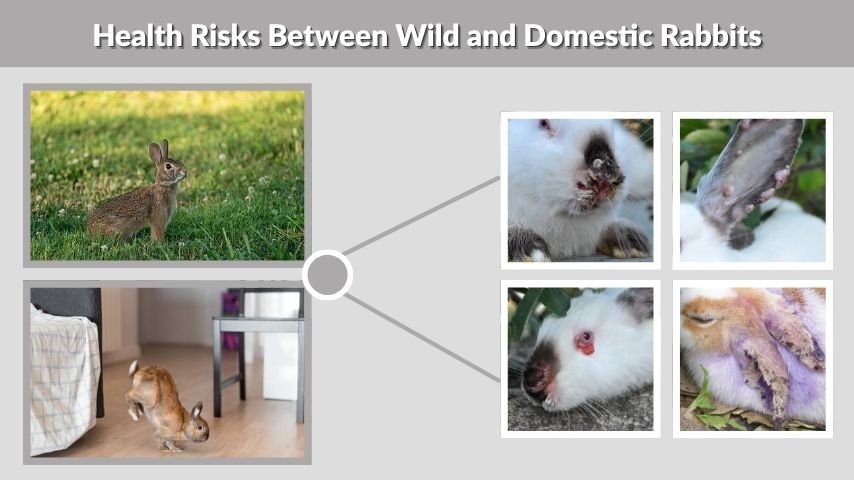
Keeping domestic rabbits safe often means limiting contact with wild populations.
Diseases Wild Rabbits Can Carry
Potential health concerns include:
- Rabbit hemorrhagic disease (RHD)
- Tularemia
- Pasteurella infections
- Coccidiosis
Parasites and Fleas
Wild rabbits frequently carry:
- Fleas
- Mites
- Ticks
- Intestinal parasites
These can spread to domestic rabbits through direct or indirect contact.
Protecting Pet Rabbits
Owners can reduce risks by:
- Keeping rabbits indoors or in secure enclosures
- Avoiding contact with wild rabbits
- Practicing good hygiene
- Scheduling regular veterinary checkups
When to Contact a Veterinarian
Seek professional care if your rabbit shows:
- Loss of appetite
- Lethargy
- Difficulty breathing
- Diarrhea
- Unusual behavior
Early treatment significantly improves outcomes.
FAQs
Can a Wild Rabbit Become a Good Pet?
Wild rabbits are not suitable pets because they retain strong survival instincts and naturally fear humans. Even when raised by people from a young age, most wild rabbits remain cautious and stressed in captivity. Domestic rabbits have been selectively bred for generations to live alongside humans, making them far better companions.
What Happens if a Domestic Rabbit Escapes Outside?
A domestic rabbit that escapes outdoors faces serious risks, including predators, traffic, extreme weather, and difficulty finding food. Since pet rabbits depend on human care, they often struggle to survive on their own. If a rabbit goes missing, owners should begin searching immediately and contact local shelters and rescue organizations.
Why Do Wild Rabbits Usually Have Brown or Gray Fur?
Wild rabbits commonly have brown, gray, or tan fur because these colors help them blend into their environment. Natural camouflage reduces the chance of being spotted by predators. Over time, natural selection favored rabbits with less noticeable coat colors, improving their survival and reproductive success in the wild.
Is It Safe for Pet Rabbits to Interact With Wild Rabbits?
It is generally not safe for pet rabbits to interact with wild rabbits. Wild rabbits may carry parasites, fleas, ticks, or diseases that can spread to domestic rabbits. In addition, behavioral differences can create stress and aggression. Keeping pet rabbits separated from wild populations helps protect their health and well-being.
Which Lives Longer: Wild Rabbits or Domestic Rabbits?
Domestic rabbits typically live much longer than wild rabbits. Wild rabbits often survive only one to three years because of predators, disease, and environmental challenges. In contrast, pet rabbits receive regular food, shelter, and veterinary care, allowing many to live between eight and twelve years, with some reaching even older ages.