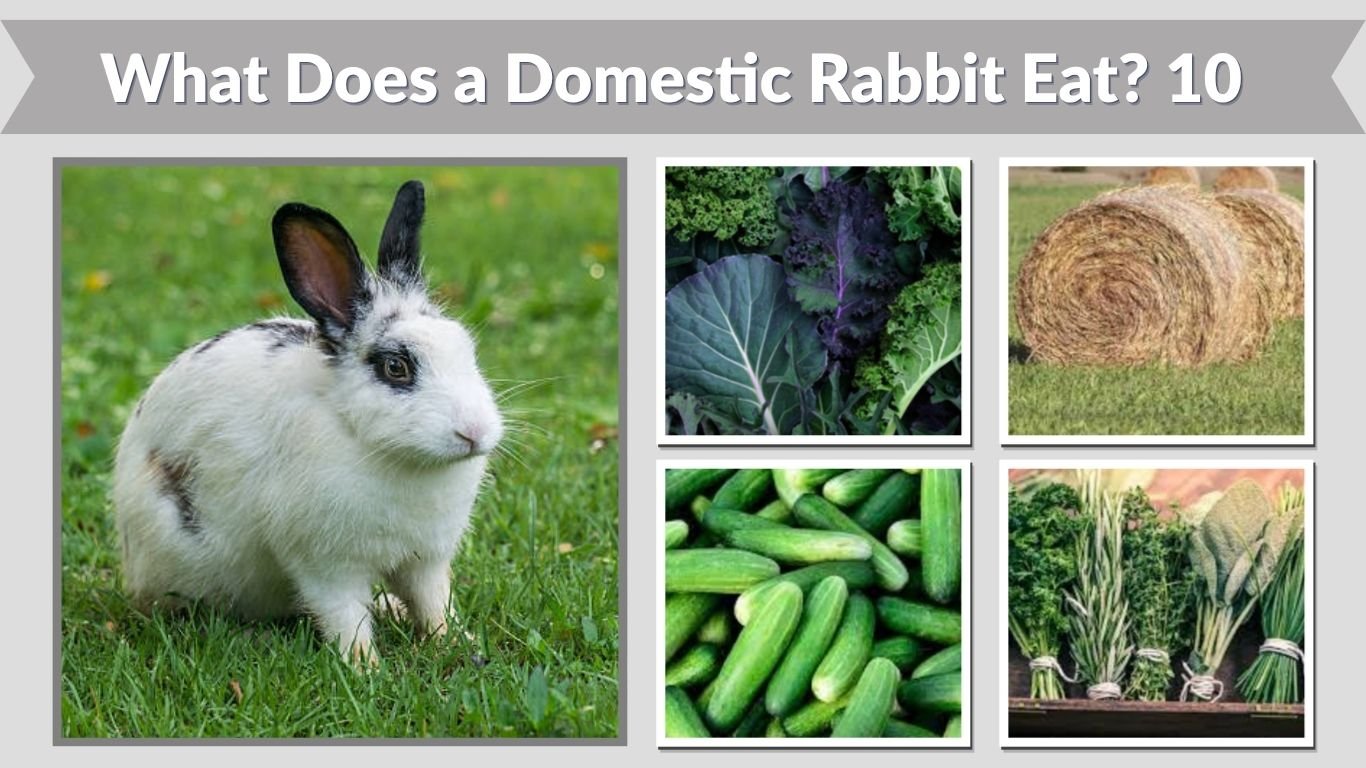
A healthy diet is one of the most important factors in keeping a domestic rabbit happy and thriving. Rabbits have unique digestive systems that require a careful balance of fiber, vitamins, and nutrients. Unlike many other pets, rabbits need a diet that is primarily based on roughage to support proper digestion and maintain healthy teeth.
Many new rabbit owners wonder what foods are safe for their furry companions. While rabbits enjoy a variety of foods, not everything is suitable for them. Understanding which foods provide essential nutrients can help prevent digestive issues, obesity, and dental problems.
In this guide, we’ll explore 10 common foods that domestic rabbits can eat and explain how each contributes to a balanced diet.
1. Hay
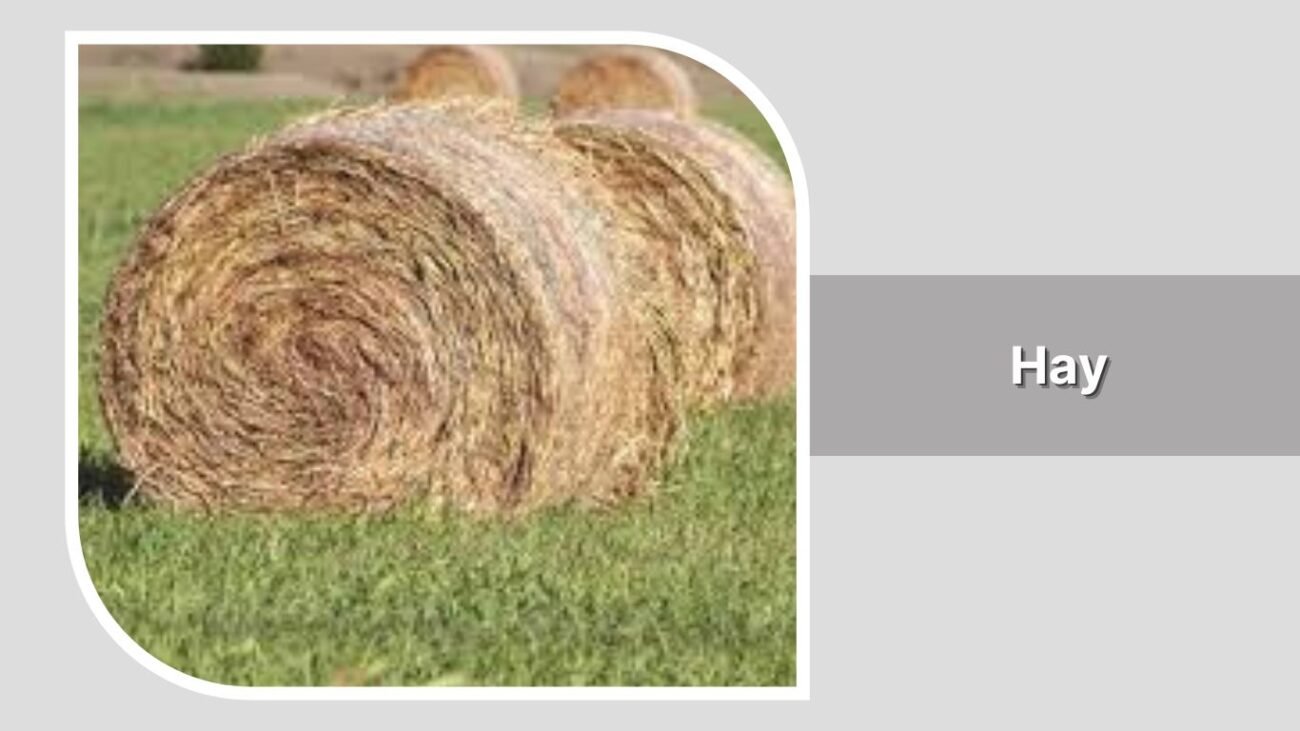
Why Hay Is the Most Important Food for Rabbits
Hay should make up the majority of a rabbit’s daily diet. It provides the fiber necessary for healthy digestion and helps wear down continuously growing teeth. Without enough hay, rabbits can develop serious dental and gastrointestinal problems.
The high fiber content in hay keeps the digestive system moving efficiently and reduces the risk of dangerous conditions such as gastrointestinal stasis. Fresh hay should always be available to your rabbit throughout the day.
Types of Hay Rabbits Can Eat
- Timothy hay
- Orchard grass hay
- Meadow hay
- Oat hay
- Botanical hay
Each type offers slightly different textures and flavors, allowing rabbit owners to provide variety while maintaining proper nutrition.
How Much Hay Should a Rabbit Eat Daily?
A rabbit should have unlimited access to fresh hay every day. In fact, hay should account for approximately 80% to 90% of a healthy rabbit’s diet. Refill hay racks regularly and ensure the hay remains clean and dry.
Young rabbits may consume alfalfa hay because of its higher calcium and protein content, but adult rabbits generally benefit more from grass hays such as Timothy or Orchard grass.
Signs Your Rabbit Is Not Eating Enough Hay
Rabbits that do not consume enough hay often show warning signs. Smaller droppings, reduced appetite, weight gain, and dental issues may indicate insufficient fiber intake. Some rabbits may also become less active or develop digestive discomfort.
Monitoring hay consumption daily can help identify potential health concerns before they become serious.
2. Fresh Grass
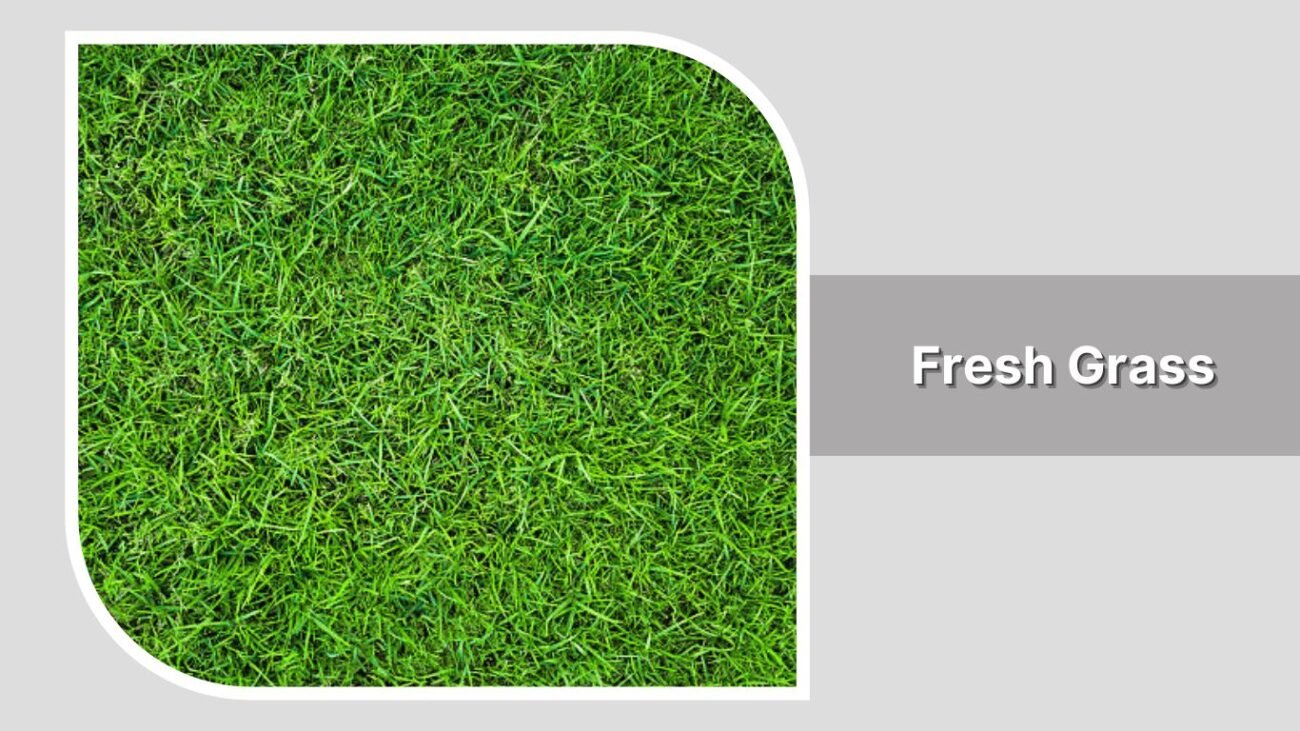
Benefits of Fresh Grass for Rabbit Health
Fresh grass closely resembles the natural diet of wild rabbits. It contains fiber, moisture, and nutrients that support digestion and overall wellness. Many rabbits enjoy grazing on fresh grass, making it an excellent supplement to hay.
Regular access to safe grass can also provide mental stimulation and encourage natural foraging behaviors.
Safe Types of Grass for Rabbits
- Bermuda grass
- Ryegrass
- Fescue grass
- Timothy grass
- Meadow grass
These grasses are generally considered safe when grown without pesticides, herbicides, or chemical fertilizers.
How to Introduce Fresh Grass to Your Rabbit
If your rabbit is not accustomed to fresh grass, introduce it gradually. Start with small amounts and monitor for digestive changes. Sudden dietary changes can upset a rabbit’s sensitive digestive system.
Over time, you can slowly increase the amount if your rabbit tolerates it well.
Precautions When Feeding Grass
Avoid feeding grass collected from roadsides, public parks, or treated lawns. Chemicals, pollutants, and toxic plants mixed with the grass can pose serious risks to rabbit health.
Always inspect fresh grass carefully before offering it to your pet.
3. Leafy Greens
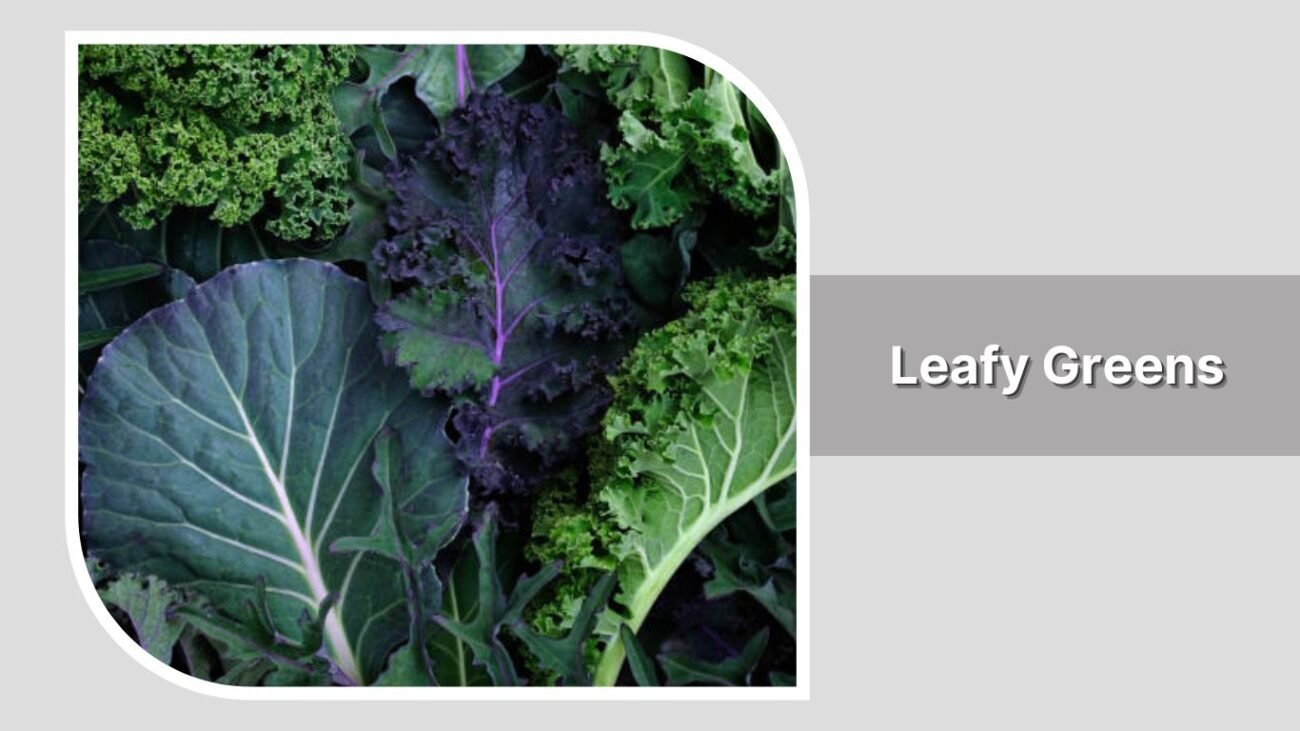
Why Leafy Greens Are Essential
Leafy greens provide vitamins, minerals, and hydration that complement a rabbit’s fiber-rich diet. They add variety to meals and can help keep rabbits interested in their food.
Most adult rabbits benefit from receiving fresh leafy greens daily as part of a balanced feeding routine.
Best Leafy Greens for Rabbits
- Romaine lettuce
- Cilantro
- Parsley
- Bok choy
- Dandelion greens
Rotating different greens throughout the week helps provide a wider range of nutrients.
How Often Should Rabbits Eat Leafy Greens?
Most rabbits can safely eat a selection of leafy greens every day. A common guideline is to offer about one cup of mixed greens per two pounds of body weight.
Introducing new greens slowly allows you to identify any foods that may cause digestive upset.
Greens to Avoid Feeding Rabbits
Not all greens are safe for rabbits. Iceberg lettuce, for example, contains very little nutritional value and may cause digestive issues when fed in large amounts. Certain plants with high levels of oxalates or toxic compounds should also be avoided.
Research unfamiliar greens before adding them to your rabbit’s diet.
4. Pellets
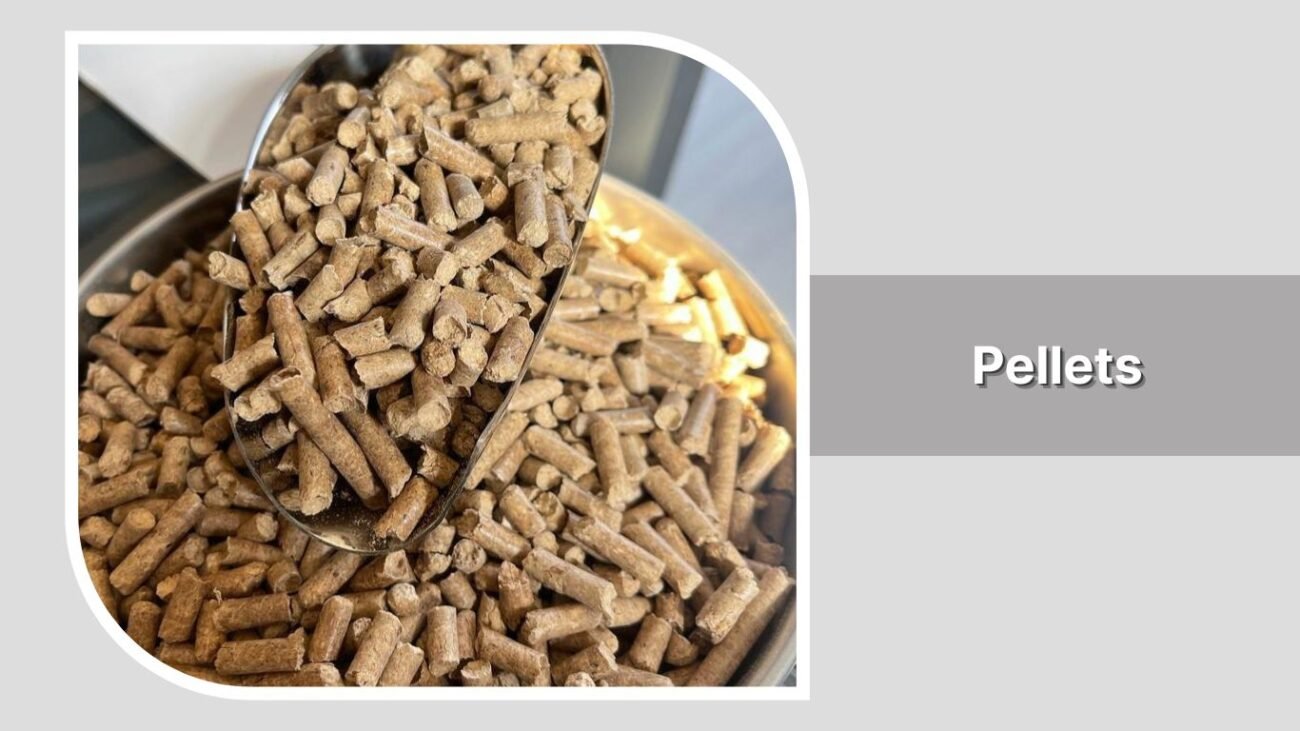
The Role of Pellets in a Rabbit’s Diet
Pellets are designed to provide concentrated nutrition and can help fill nutritional gaps in a rabbit’s diet. However, pellets should serve as a supplement rather than the main food source.
A rabbit that consumes excessive pellets may eat less hay, which can negatively affect digestion and dental health.
Recommended Rabbit Pellet Types
- Timothy-based pellets
- High-fiber pellets
- Adult rabbit pellets
- Junior rabbit pellets
- Grain-free pellets
Choosing pellets with high fiber content and minimal added sugars supports better long-term health.
How Much Pellet Food Should You Provide?
The appropriate amount depends on the rabbit’s age, weight, and activity level. Most adult rabbits require only a small portion of pellets daily, while young growing rabbits may need larger amounts.
Always follow feeding guidelines provided by your veterinarian or the pellet manufacturer.
Common Pellet Feeding Mistakes
One of the most common mistakes is offering unlimited pellets. This can lead to obesity and discourage hay consumption. Another mistake is choosing pellet mixes that contain colorful treats, seeds, or dried fruit.
Simple, high-fiber pellets are generally the healthiest option.
5. Carrots
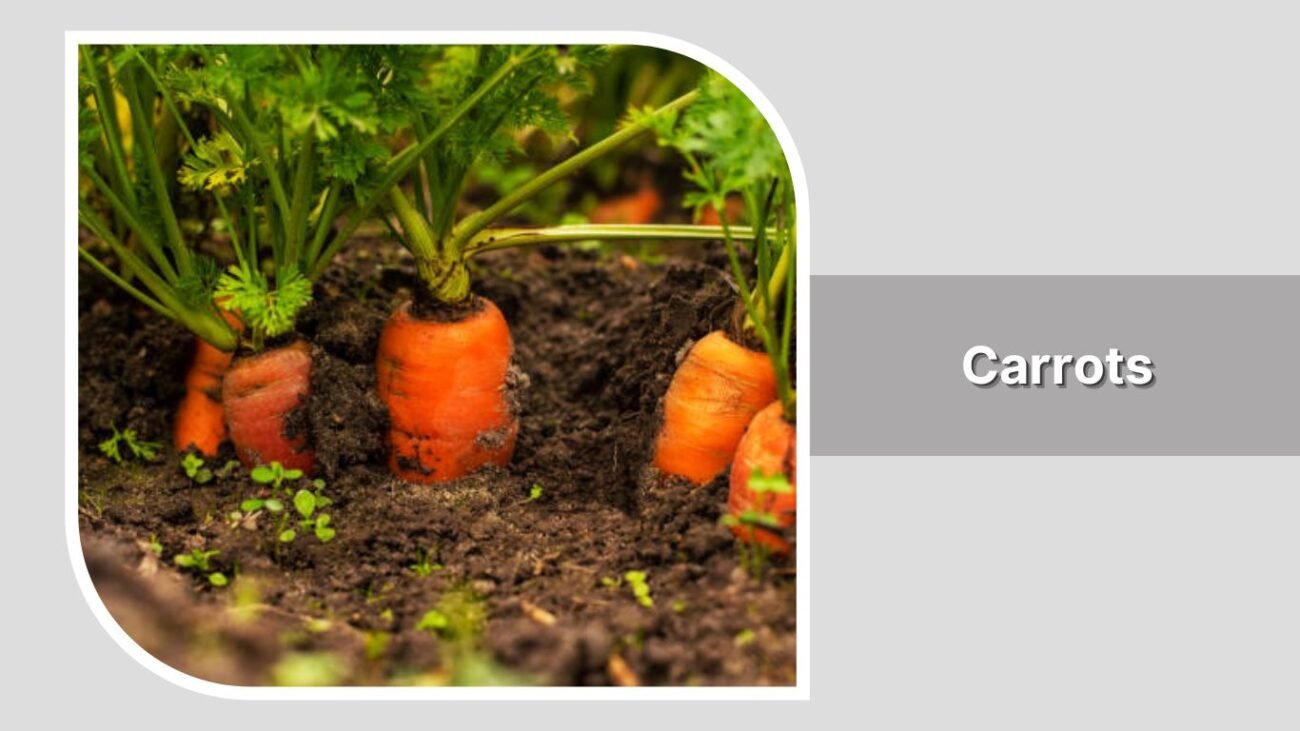
Are Carrots Healthy for Rabbits?
Carrots are often associated with rabbits, but they should be considered an occasional treat rather than a staple food. While carrots contain beneficial nutrients, they are also relatively high in natural sugars.
Feeding carrots in moderation can be part of a healthy rabbit diet.
Nutrients Found in Carrots
- Vitamin A
- Fiber
- Potassium
- Antioxidants
- Water content
These nutrients contribute to overall health when consumed in appropriate amounts.
How Often Can Rabbits Eat Carrots?
Most rabbits can enjoy small carrot slices a few times per week. The exact amount depends on the rabbit’s size, weight, and overall diet.
Limiting sugary vegetables helps prevent weight gain and digestive imbalance.
Risks of Overfeeding Carrots
Too many carrots can contribute to obesity and digestive disturbances. Because rabbits naturally thrive on high-fiber foods, sugary treats should remain a small portion of their diet.
Offering carrots occasionally ensures your rabbit enjoys the benefits without the drawbacks.
6. Bell Peppers
Benefits of Bell Peppers for Rabbits
Bell peppers are a nutritious addition to a rabbit’s diet. They are low in calories and contain essential vitamins that support overall health. Many rabbits enjoy their crunchy texture and sweet flavor, making them a popular treat.
Bell peppers also contain antioxidants that help support the immune system and contribute to long-term wellness.
Safe Bell Pepper Varieties
- Red bell peppers
- Green bell peppers
- Yellow bell peppers
- Orange bell peppers
- Sweet mini peppers
These varieties are generally safe for rabbits when served fresh and thoroughly washed.
Proper Serving Size for Rabbits
Bell peppers should be offered in moderation along with other vegetables. Small slices a few times per week are usually enough for most adult rabbits.
Providing a variety of vegetables helps ensure a balanced diet.
Preparing Bell Peppers for Feeding
Wash bell peppers carefully to remove dirt and pesticide residue. Remove the stem and seeds before serving, then cut them into small, bite-sized pieces.
Fresh bell peppers are always a better choice than cooked or seasoned peppers.
7. Cucumber
Is Cucumber Safe for Domestic Rabbits?
Yes, cucumbers are safe for rabbits when fed in moderation. Their high water content makes them a refreshing snack, especially during hot weather.
Although cucumbers are not as nutrient-dense as leafy greens, they can still be a healthy occasional treat.
Parts of Cucumber Rabbits Can Eat
- Cucumber flesh
- Cucumber skin
- Cucumber seeds
- Organic cucumber slices
- Fresh cucumber chunks
Most rabbits can safely eat all edible parts of a cucumber when it has been properly cleaned.
Hydration Benefits of Cucumber
Cucumbers contain a large amount of water, which can help support hydration. This can be especially beneficial during warmer seasons.
However, rabbits should always have access to fresh drinking water as their primary source of hydration.
How Much Cucumber Is Too Much?
Too much cucumber may cause loose stools due to its high moisture content. Small portions once or twice a week are generally sufficient.
Always balance cucumber treats with fiber-rich foods such as hay and leafy greens.
8. Herbs
Why Rabbits Enjoy Fresh Herbs
Fresh herbs are highly appealing to rabbits because of their strong aromas and flavors. They add variety to meals and encourage natural foraging behavior.
Many herbs also contain beneficial nutrients and plant compounds that support overall health.
Popular Herbs for Rabbits
- Basil
- Mint
- Dill
- Oregano
- Rosemary
These herbs are commonly enjoyed by rabbits and can be safely included in their diet.
Feeding Herbs in Moderation
Although herbs are healthy, they should not replace hay or leafy greens. Offer them in small amounts as a supplement to your rabbit’s regular meals.
Introduce new herbs gradually to avoid digestive upset.
Fresh vs. Dried Herbs for Rabbits
Fresh herbs generally provide more moisture and nutrients than dried herbs. Dried herbs can still be offered occasionally but should be given in smaller quantities.
Whenever possible, choose fresh, pesticide-free herbs.
9. Apples
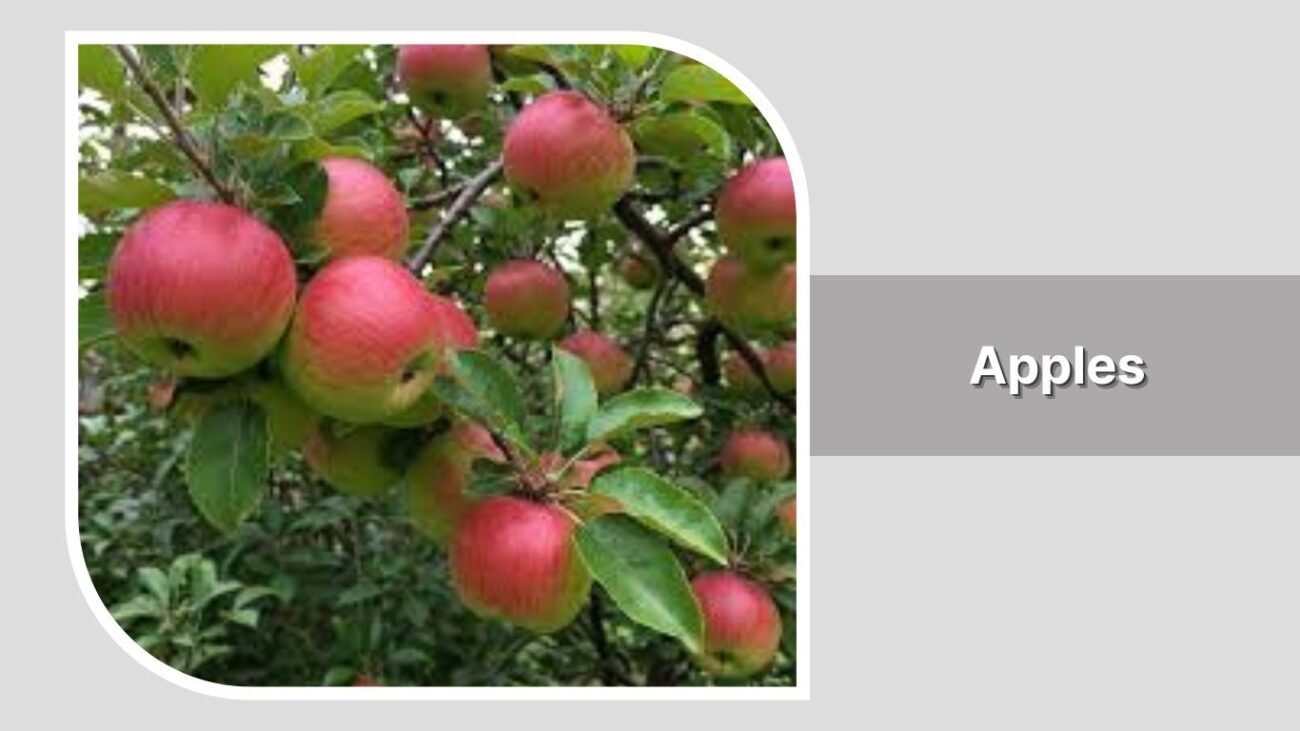
Can Rabbits Eat Apples Safely?
Apples are safe for rabbits when served as an occasional treat. Their sweet taste makes them appealing, but they contain natural sugars that should be limited.
Small amounts of apple can add variety to your rabbit’s diet without causing problems.
Apple Varieties Suitable for Rabbits
- Red Delicious
- Gala apples
- Fuji apples
- Honeycrisp apples
- Green apples
Most apple varieties are safe for rabbits when properly prepared.
How to Serve Apples to Rabbits
Wash apples thoroughly and cut them into small pieces before serving. Bite-sized portions are easier for rabbits to eat and help prevent waste.
Remember that apples should only be offered as an occasional treat.
Foods to Remove Before Feeding Apples
Always remove apple seeds, stems, and cores before feeding. These parts may contain compounds that can be harmful to rabbits.
Only offer the fresh fruit portion.
10. Berries
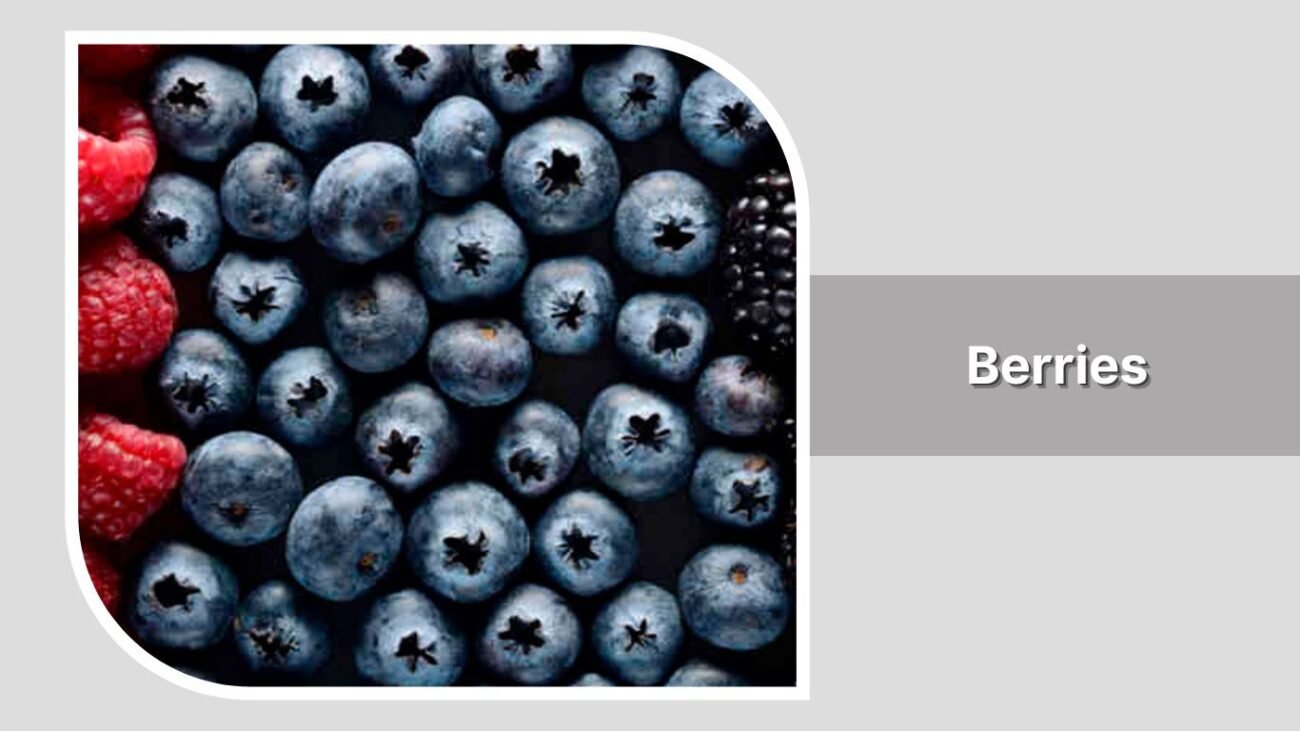
Nutritional Benefits of Berries
Berries contain vitamins, antioxidants, and beneficial plant compounds that support overall health. Their natural sweetness makes them a favorite treat for many rabbits.
When fed in moderation, berries can provide both nutrition and enrichment.
Safe Berries for Rabbits
- Strawberries
- Blueberries
- Raspberries
- Blackberries
- Cranberries
These berries are generally safe for rabbits when served fresh and thoroughly cleaned.
How Often Should Rabbits Eat Berries?
Berries should be offered occasionally rather than every day. Small portions once or twice per week are usually enough.
Hay should always remain the primary component of a rabbit’s diet.
Treat Guidelines for Sweet Fruits
Moderation is important when feeding sweet fruits. Excess sugar can contribute to weight gain and digestive issues.
A balanced diet rich in hay and leafy greens helps maintain your rabbit’s overall health.
Conclusion
Domestic rabbits thrive on a diet centered around high-fiber foods, especially hay. Fresh grass, leafy greens, and limited amounts of pellets provide essential nutrients that support healthy digestion, strong teeth, and overall well-being.
Foods such as carrots, bell peppers, cucumbers, herbs, apples, and berries can be offered in moderation as treats or dietary supplements. By understanding the role of each food and maintaining a balanced feeding routine, rabbit owners can help their pets live healthy and happy lives.
FAQs
What is the best food for a domestic rabbit?
Hay is the most important food for domestic rabbits. It should make up the majority of their daily diet because it supports digestion and helps maintain healthy teeth.
Can rabbits eat fruits every day?
No. Fruits contain natural sugars and should only be offered occasionally. Feeding fruit too often may lead to obesity and digestive problems.
How much hay should a rabbit eat daily?
Rabbits should have unlimited access to fresh hay throughout the day. Hay should account for approximately 80% to 90% of their diet.
Are pellets necessary for all rabbits?
Pellets can provide additional nutrients, but they should only make up a small portion of a rabbit’s diet. Hay and fresh greens are far more important.
What foods are toxic to rabbits?
Foods such as chocolate, onions, garlic, avocados, and highly processed human foods can be harmful to rabbits and should never be fed.