









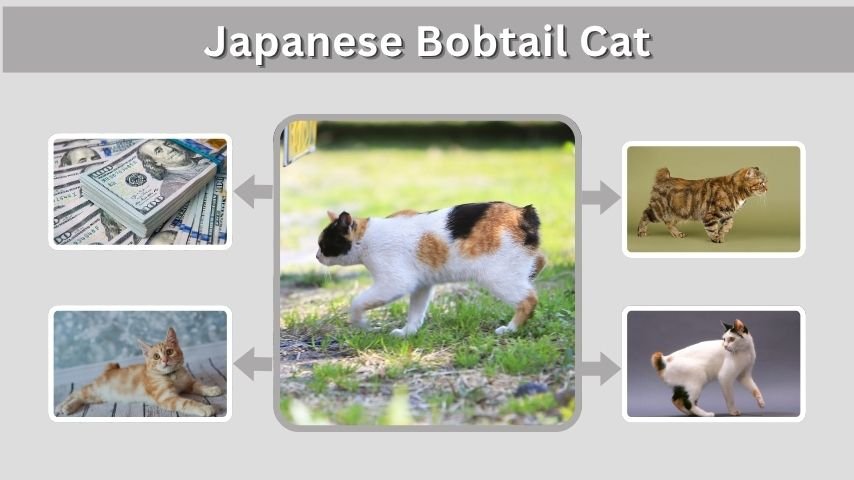
The Japanese Bobtail cat is a lively, affectionate, and historic breed best known for its short pom-pom tail. This unique cat has a strong connection with Japanese culture and is often linked with the lucky maneki-neko figure. Japanese Bobtails are playful, intelligent, social, and usually people-focused. They come in many colors, including the famous calico pattern. This guide covers Japanese Bobtail personality, appearance, colors, tail traits, lifespan, price, breeders, kittens, adoption, and care.
What Is a Japanese Bobtail Cat?
The Japanese Bobtail cat is a distinctive breed with a naturally short, curved, or kinked tail. Unlike some tailless breeds, the Japanese Bobtail usually has a visible tail that looks like a small pom-pom. This breed can be shorthaired or longhaired and is known for its active personality, elegant body, alert expression, and cultural importance in Japan.
Japanese Bobtail Cat Breed Origin
The Japanese Bobtail has a long history in Japan and appears in traditional art, folklore, and cultural stories. Many people connect this breed with the maneki-neko, the waving lucky cat often seen in shops and homes. Its short tail, cheerful nature, and striking colors helped make it one of the most recognizable Japanese cat breeds.
Japanese Bobtail Characteristics
A Japanese Bobtail usually has a lean but strong body, long legs, high cheekbones, oval eyes, and an alert face. The most important feature is the tail. Each tail is different and may have curves, angles, or kinks. This gives every Japanese Bobtail a unique appearance.
Japanese Bobtail Facts
Important facts about Japanese Bobtail cats include:
- They are known for short pom-pom tails.
- They are strongly connected with Japanese culture.
- They can have short or long coats.
- Calico is one of the most famous colors.
- They are usually playful and social.
- They may be rare in many countries.
- Their tails are naturally unique.
Japanese Bobtail Personality and Temperament
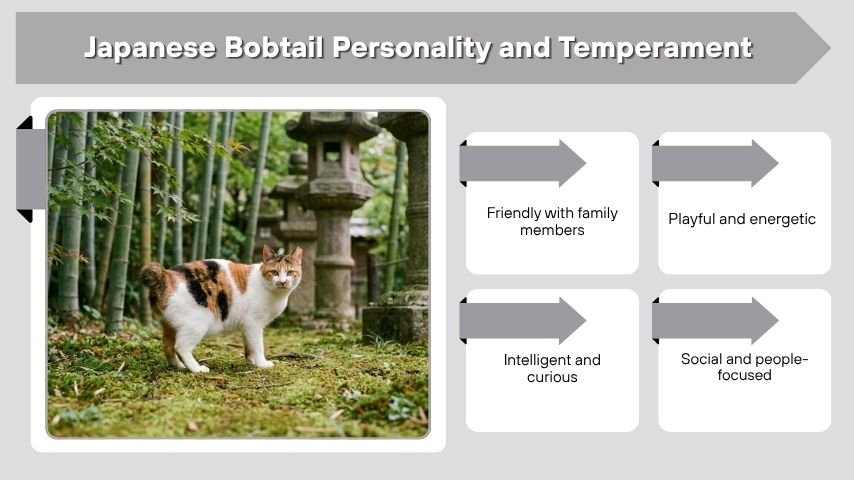
The Japanese Bobtail personality is friendly, playful, curious, and people-oriented. This breed usually enjoys joining family life instead of hiding away. Many Japanese Bobtails like games, climbing, and interactive attention. They can be expressive without being too demanding. Their social nature makes them a good choice for homes that want an active and affectionate companion.
Japanese Bobtail Personality Traits
Common Japanese Bobtail personality traits include:
- Friendly with family members
- Playful and energetic
- Intelligent and curious
- Social and people-focused
- Often good with respectful children
- Expressive with soft sounds
- Enjoys toys and games
- Usually alert and active
Are Japanese Bobtails Good Family Pets?
Japanese Bobtails can be excellent family pets when treated gently and given enough attention. They usually enjoy active homes and may get along with children who understand how to handle cats respectfully. Because they are playful and social, they often do best in homes where they are not ignored for long periods.
Japanese Bobtail Cat Meowing
Japanese Bobtails may communicate with soft, pleasant, or chirping sounds. Some are more vocal than others, but many owners describe their voices as expressive rather than harsh. They may meow when greeting people, asking for food, or joining household activity. Their communication style adds to their charming personality.
Japanese Bobtail Appearance, Colors, and Coat
Japanese Bobtails have a balanced, elegant appearance with a short tail, bright expression, and active body. They come in many colors and patterns, but calico Japanese Bobtails are especially famous. The breed may have a short coat or a long coat. Both types should look natural, clean, and graceful rather than heavy or bulky.
Japanese Bobtail Colors
Japanese Bobtail colors and patterns may include:
- Calico Japanese Bobtail
- Black Japanese Bobtail
- White Japanese Bobtail
- Black and white Japanese Bobtail
- Brown Japanese Bobtail
- Grey Japanese Bobtail
- Japanese Bobtail tabby
- Tortoiseshell Japanese Bobtail
- Bi-color Japanese Bobtail
Calico Japanese Bobtail
The calico Japanese Bobtail is one of the most iconic versions of the breed. Calico cats usually have white, black, and orange patches. In Japanese culture, calico bobtail cats are often linked with good luck. This is one reason many people search specifically for calico Japanese Bobtail cats and kittens.
Black, White, and Black-and-White Japanese Bobtail
Japanese Bobtails can also appear in solid black, solid white, and black-and-white patterns. A black Japanese Bobtail cat can look sleek and elegant, while a white Japanese Bobtail cat may look bright and delicate. Black-and-white Japanese Bobtails are popular because their markings can make the short tail stand out clearly.
Long Haired Japanese Bobtail
The long haired Japanese Bobtail has a softer, fluffier look than the shorthaired variety. The tail may look especially full because longer hair creates a pom-pom effect. Even with a longer coat, this cat should still have a lean body, active movement, and the breed’s distinctive tail structure.
Japanese Bobtail Cat Tail
The Japanese Bobtail cat tail is the breed’s most famous feature. It is not simply a missing tail. Instead, it is a naturally short tail with bends, curves, or angles. Each tail is different, so two Japanese Bobtails may not have identical tails. This section helps answer common questions about tail length and breed identity.
Are Japanese Bobtail Cats Born Without Tails?
Japanese Bobtails are usually born with short tails, not completely without tails. The tail bones may bend or curve, creating the pom-pom appearance. The tail is visible but much shorter than the tail of most cats. This makes the breed different from cats that are fully tailless.
Can a Japanese Bobtail Have a Long Tail?
A purebred Japanese Bobtail should have the breed’s short tail. However, a mixed cat with Japanese Bobtail ancestry may have a longer tail. A cat with a long tail may look similar in color or personality, but it may not match the official breed standard.
Japanese Bobtail With Long Tail
Searches for “Japanese Bobtail with long tail” often refer to mixed cats or cats that resemble the breed. Without breeder records or pedigree papers, it can be difficult to confirm ancestry. Tail length alone is not enough to prove whether a cat is a true Japanese Bobtail.
Japanese Bobtail Size, Lifespan, and Health
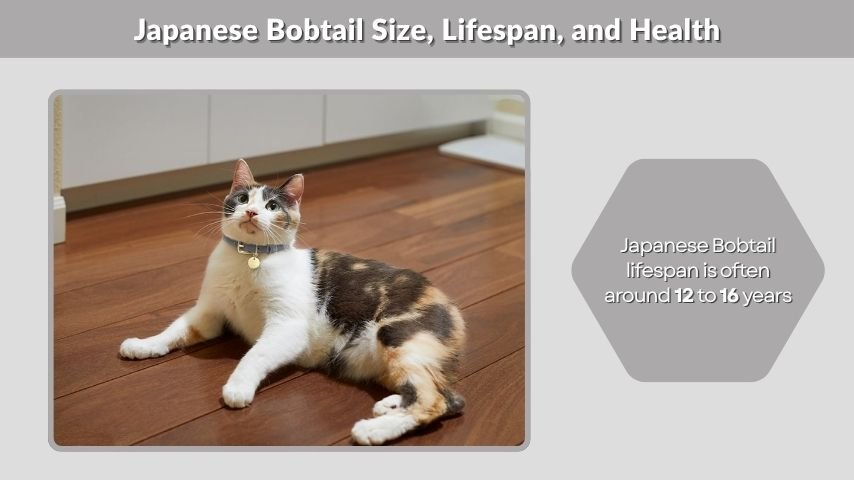
The Japanese Bobtail is usually a medium-sized, athletic cat with a lean but strong body. It is active, agile, and playful, so it needs regular movement and mental stimulation. With proper care, many Japanese Bobtails live long lives. Diet, exercise, indoor safety, regular veterinary care, and healthy weight management all support good health.
Japanese Bobtail Size and Breed Facts
| Feature | Typical Details |
| Breed origin | Japan |
| Tail type | Short, curved, or kinked |
| Coat type | Shorthaired or longhaired |
| Body type | Lean, athletic, medium-sized |
| Personality | Social, playful, intelligent |
| Famous color | Calico |
| Lifespan | Often into the teens |
| Best for | Active and social homes |
Japanese Bobtail Lifespan
Japanese Bobtail lifespan is often around 12 to 16 years, and some may live longer with excellent care. A healthy diet, safe indoor lifestyle, exercise, dental care, and routine veterinary checkups can help support a longer life. Genetics and responsible breeding also play important roles.
Are Japanese Bobtail Cats Hypoallergenic?
Japanese Bobtail cats are not considered truly hypoallergenic. No cat breed is completely allergy-free because allergens can come from saliva, skin, and dander. Some people may react less to individual cats, but allergy sufferers should spend time around the breed before buying or adopting.
Fat Japanese Bobtail Cat
A Japanese Bobtail should look athletic, not overweight. If a cat becomes fat, it may need fewer treats, measured meals, more activity, and veterinary advice. Extra weight can affect movement, energy, and long-term health. Owners should monitor body condition instead of judging only by coat fluffiness.
Japanese Bobtail Price and Cost
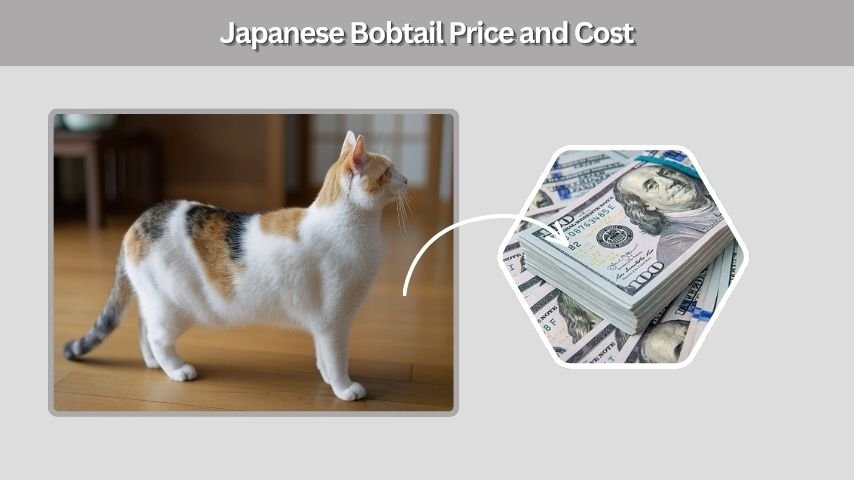
Japanese Bobtail price depends on breeder reputation, location, pedigree, coat type, color, age, and availability. Because the breed can be rare, kittens from responsible breeders may cost more than common mixed-breed cats. Buyers should also remember that the purchase price is only one part of long-term ownership costs.
How Much Is a Japanese Bobtail Cat?
A Japanese Bobtail cat from a reputable breeder may cost around $600 to $2,000 or more, depending on quality, location, and demand. Show-quality kittens, rare colors, or longhaired kittens may cost more. Adoption is usually cheaper, but purebred Japanese Bobtails may be hard to find in rescues.
Japanese Bobtail Kitten Price
Japanese Bobtail kitten price may be higher than the price of an adult cat because kittens are usually in greater demand. A kitten with registration papers, health checks, vaccinations, and early socialization may cost more. Very cheap online offers should be treated carefully because rare breeds are sometimes used in scams.
Ongoing Ownership Costs
Regular ownership costs may include:
- Quality cat food
- Litter and litter boxes
- Veterinary checkups
- Vaccinations
- Spay or neuter surgery
- Toys and climbing trees
- Grooming tools
- Dental care
- Emergency vet bills
- Pet insurance
Japanese Bobtail Breeders, Kittens, and Adoption
Finding a Japanese Bobtail cat for sale may take time because this breed is not common everywhere. A careful search is better than a quick purchase from an unknown seller. Whether buying from a breeder or adopting from a rescue, focus on health, temperament, honesty, and proper records before making a decision.
Japanese Bobtail Breeders
Responsible Japanese Bobtail breeders should provide health records, registration details, information about the parents, and clear care advice. They should raise kittens in clean conditions and socialize them early. A good breeder will answer questions, explain the breed honestly, and avoid pressuring buyers into instant payment.
Japanese Bobtail Kittens for Sale
When searching for Japanese Bobtail kittens for sale, be careful with fake listings. Scammers may use stolen photos, low prices, or urgent payment requests. A real breeder should communicate clearly, provide proof of the kitten’s background, and allow reasonable questions before asking for a deposit.
Japanese Bobtail Cat Adoption
Japanese Bobtail adoption may be possible through shelters, breed rescues, or general cat rescue groups. Purebred Japanese Bobtails are rare, but bobtail mixes may be easier to find. Adoption can be a rewarding option if you are open to a cat with similar traits rather than a confirmed pedigree.
Japanese Bobtail vs American Bobtail vs Manx
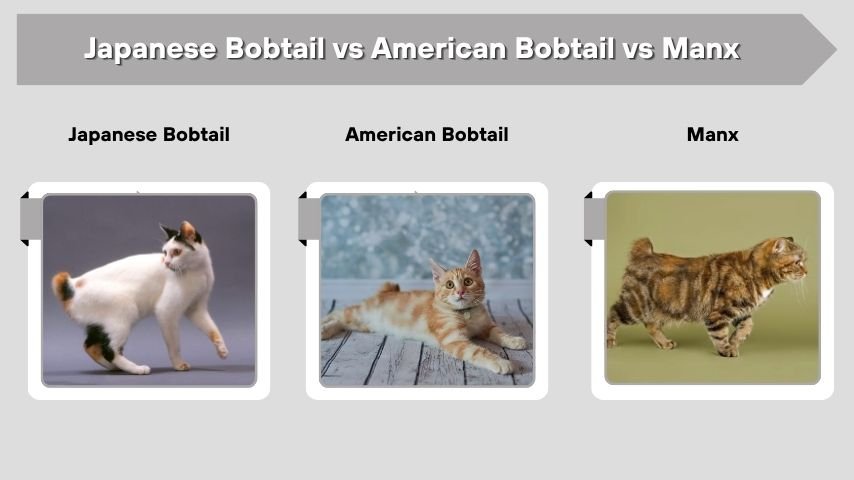
Many readers compare the Japanese Bobtail with the American Bobtail and Manx because all three breeds are known for unusual tails. However, they are separate breeds with different histories, body types, and tail structures. Understanding these differences helps owners choose the right cat and avoid confusing every short-tailed cat with the Japanese Bobtail.
American Bobtail vs Japanese Bobtail
The American Bobtail is usually larger, heavier, and more rugged-looking than the Japanese Bobtail. The Japanese Bobtail is typically leaner, finer-boned, and more elegant. Both breeds can have short tails, but their origins and breed standards are different. Their personalities may also vary by individual cat.
Japanese Bobtail vs Manx Cat
The Manx cat is famous for being tailless or nearly tailless, while the Japanese Bobtail usually has a short visible tail. The Manx often has a rounder body, while the Japanese Bobtail is more athletic and refined. These breeds also have different genetic backgrounds.
Japanese Bobtail Mix Cats
A Japanese Bobtail mix may have a short tail, playful personality, or similar appearance, but appearance alone does not prove breed ancestry. Many domestic cats can have short tails naturally. Pedigree records are the most reliable way to confirm a purebred Japanese Bobtail.
Is a Japanese Bobtail Cat Right for You?
A Japanese Bobtail cat may be right for you if you want an active, social, intelligent, and affectionate pet. This breed usually enjoys interaction, play, and family life. It may not be ideal for someone who wants a very lazy, silent, or low-energy cat. The breed needs attention, enrichment, and proper care.
Best Owners for Japanese Bobtail Cats
Japanese Bobtails are best for owners who enjoy playful and social cats. They may suit families, singles, and homes with respectful children or pets. Owners should provide toys, climbing areas, scratching posts, daily play, and companionship. This breed often enjoys being part of household activity.
Who Should Avoid This Breed?
This breed may not suit people who want a quiet cat that sleeps alone all day. It may also not be ideal for buyers who want a very cheap or easy-to-find kitten. Japanese Bobtails can be rare, so finding a responsible breeder may require patience.
FAQs
Are Japanese Bobtail cats rare?
Yes, Japanese Bobtail cats are rare in many areas. Finding a purebred kitten may take time, especially if you want a specific color or coat length. Buyers may need to contact reputable breeders and join waiting lists.
Are Japanese Bobtail cats born without tails?
Japanese Bobtails are usually born with short tails, not completely without tails. Their tails may have curves, kinks, or angles that create a pom-pom look. Each tail is naturally unique.
How much does a Japanese Bobtail cat cost?
A Japanese Bobtail cat may cost around $600 to $2,000 or more from a reputable breeder. Price depends on location, pedigree, coat type, color, and availability. Adoption is usually cheaper but less common.
Are Japanese Bobtail cats hypoallergenic?
Japanese Bobtails are not truly hypoallergenic. No cat breed is completely allergy-free. People with allergies should spend time around the breed before buying or adopting to see how their body reacts.
What is the difference between Japanese Bobtail and American Bobtail?
The Japanese Bobtail is usually leaner, finer-boned, and more elegant. The American Bobtail is often larger, heavier, and more rugged. Both have short tails, but they are separate breeds with different origins and standards.