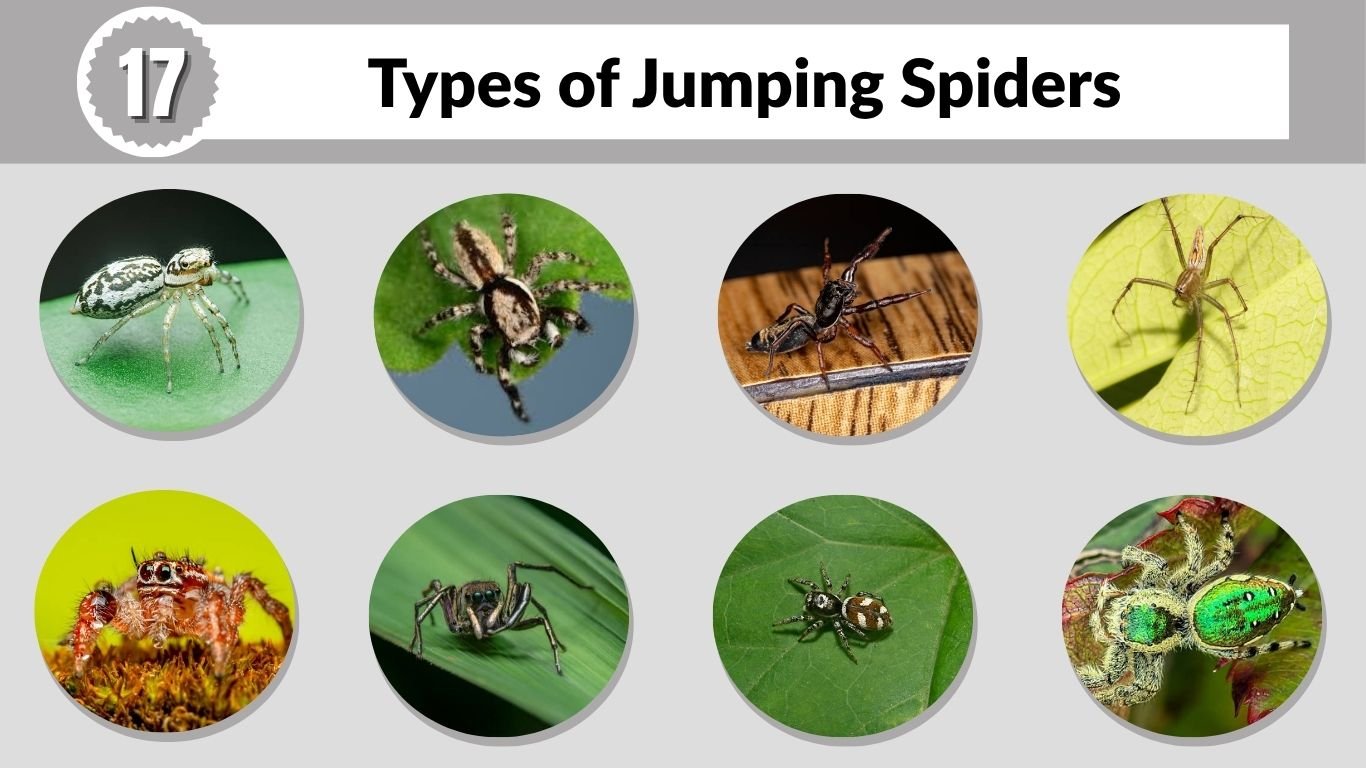
Jumping spiders are small, active hunters known for their large eyes, sharp vision, and impressive jumping ability. Unlike many spiders, they do not use webs to trap prey. Instead, they stalk insects and leap with accuracy. From bold jumping spiders to colorful emerald jumpers, each type has unique markings, habitats, and behaviors that make it interesting to learn about.
1. Bold Jumping Spider
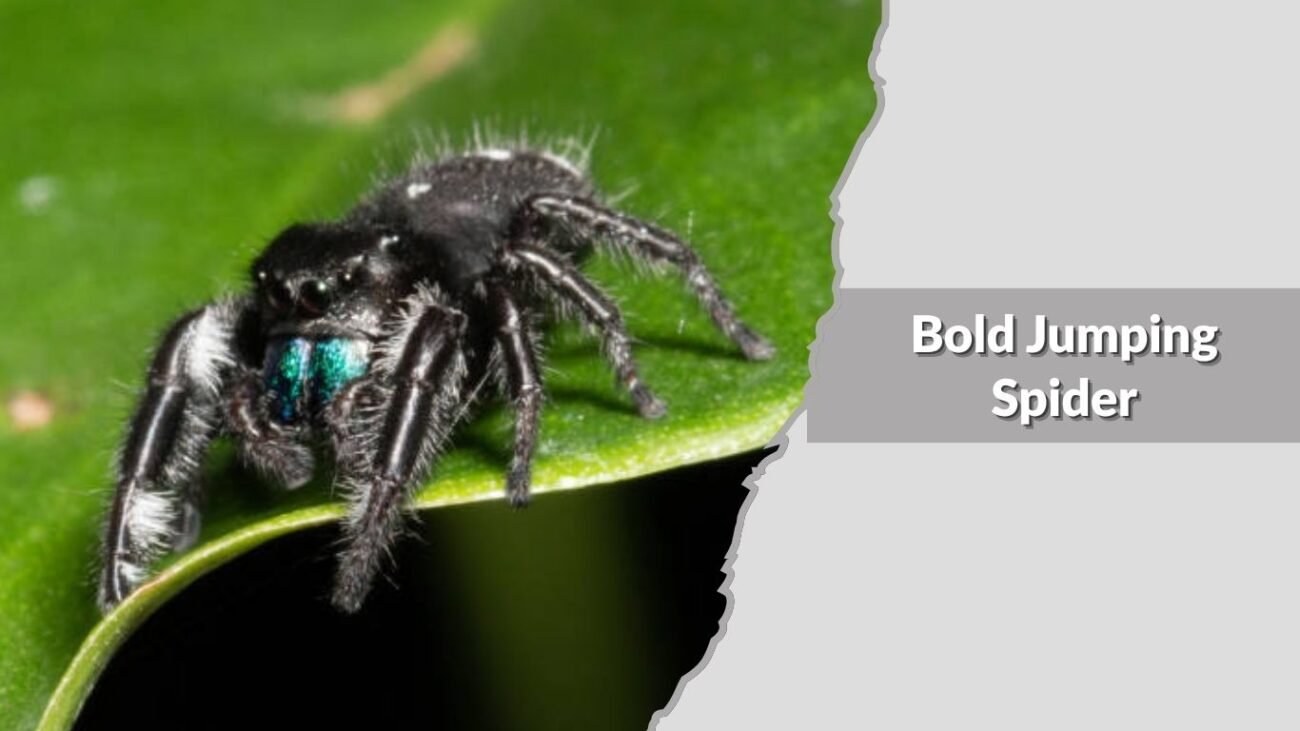
The bold jumping spider is one of the most recognized jumping spiders because of its compact body, quick movements, and curious behavior. It is commonly found around gardens, fences, walls, and homes. Although it may look intimidating, this spider is generally harmless to people and is known for its excellent vision and hunting skills.
Identification
The bold jumping spider usually has a black body with bright white markings on its abdomen. Some individuals may also show orange or yellow spots, especially when young. Its body is short, sturdy, and covered with tiny hairs. One of its most noticeable features is its large front eyes, which help it judge distance before jumping.
Characteristics
- Compact, hairy body with strong legs
- Large front-facing eyes
- Black color with white or light markings
- Excellent jumping ability
- Hunts prey instead of building webs to trap insects
- Often appears curious and alert around humans
Habitat
Bold jumping spiders live in many outdoor and indoor places. They are often seen on tree trunks, wooden fences, rocks, walls, and window frames. They prefer areas where insects are easy to find. In homes, they may appear near windows, corners, or bright areas where small bugs gather.
Behavior
This spider is an active hunter. Instead of waiting in a web, it slowly approaches its prey and then jumps quickly to catch it. Bold jumping spiders are usually active during the day. They may turn toward movement and seem to “watch” people because of their sharp eyesight. They are not aggressive and usually jump away when disturbed.
2. Regal Jumping Spider
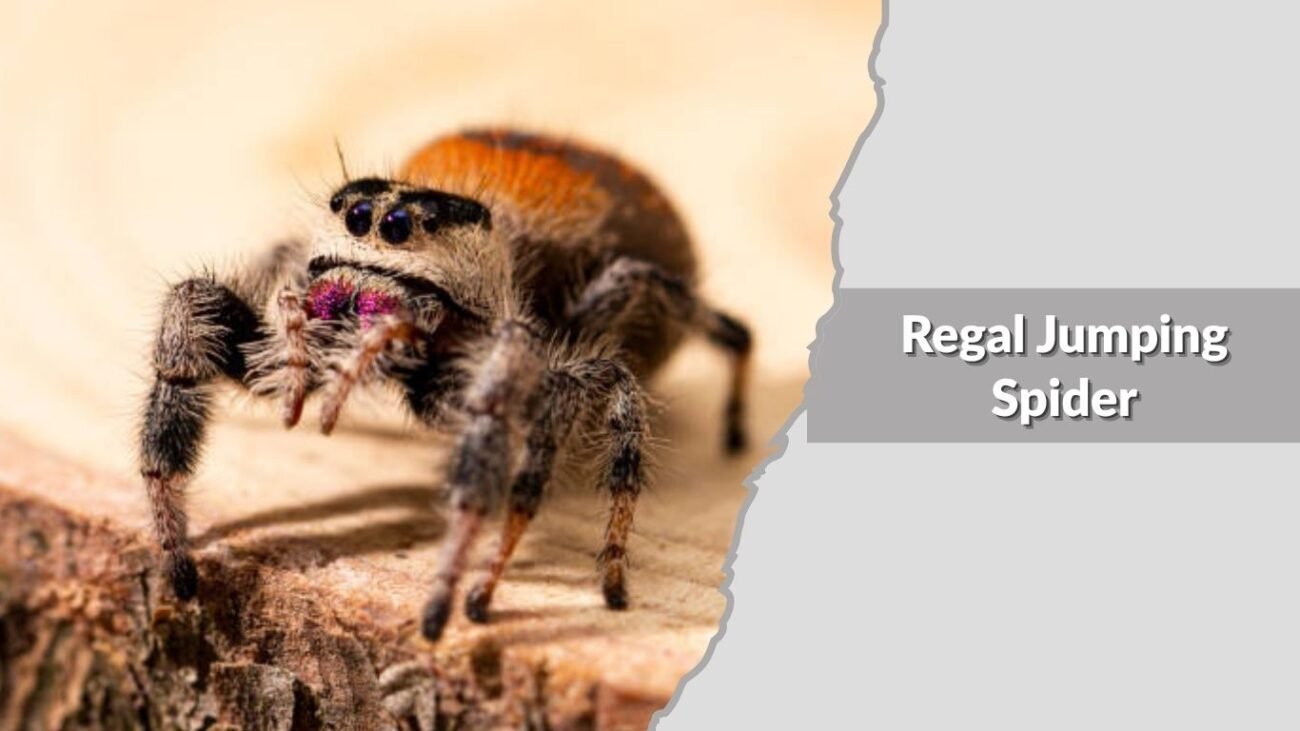
The regal jumping spider is a large and attractive jumping spider known for its bold markings and alert nature. It is commonly found in warm areas, especially around gardens, shrubs, walls, and outdoor structures. Like other jumping spiders, it does not rely on webs to catch prey. Instead, it uses sharp eyesight and quick jumps to hunt insects.
Identification
The regal jumping spider has a strong, compact body with noticeable markings. Males are usually black with white spots and stripes, while females may appear gray, orange, or brown with lighter patterns. Its large front eyes make it easy to recognize as a jumping spider. The body is usually hairy and sturdy, giving it a bold appearance.
Characteristics
- Large body compared to many jumping spiders
- Strong jumping ability
- Excellent daytime vision
- Hairy body with bright markings
- Hunts insects without using a trapping web
- Usually calm and not aggressive toward people
Habitat
Regal jumping spiders are often seen in warm outdoor places. They live on plants, fences, walls, tree bark, and around houses. They prefer sunny areas where insects are active. Sometimes, they may enter homes and stay near windows or bright spaces where small insects gather.
Behavior
This spider is an active hunter during the day. It slowly moves toward prey, watches carefully, and jumps when close enough. It may also turn toward movement because of its strong eyesight. Regal jumping spiders usually avoid humans and jump away when disturbed, making them interesting but harmless visitors.
3. Zebra Jumping Spider
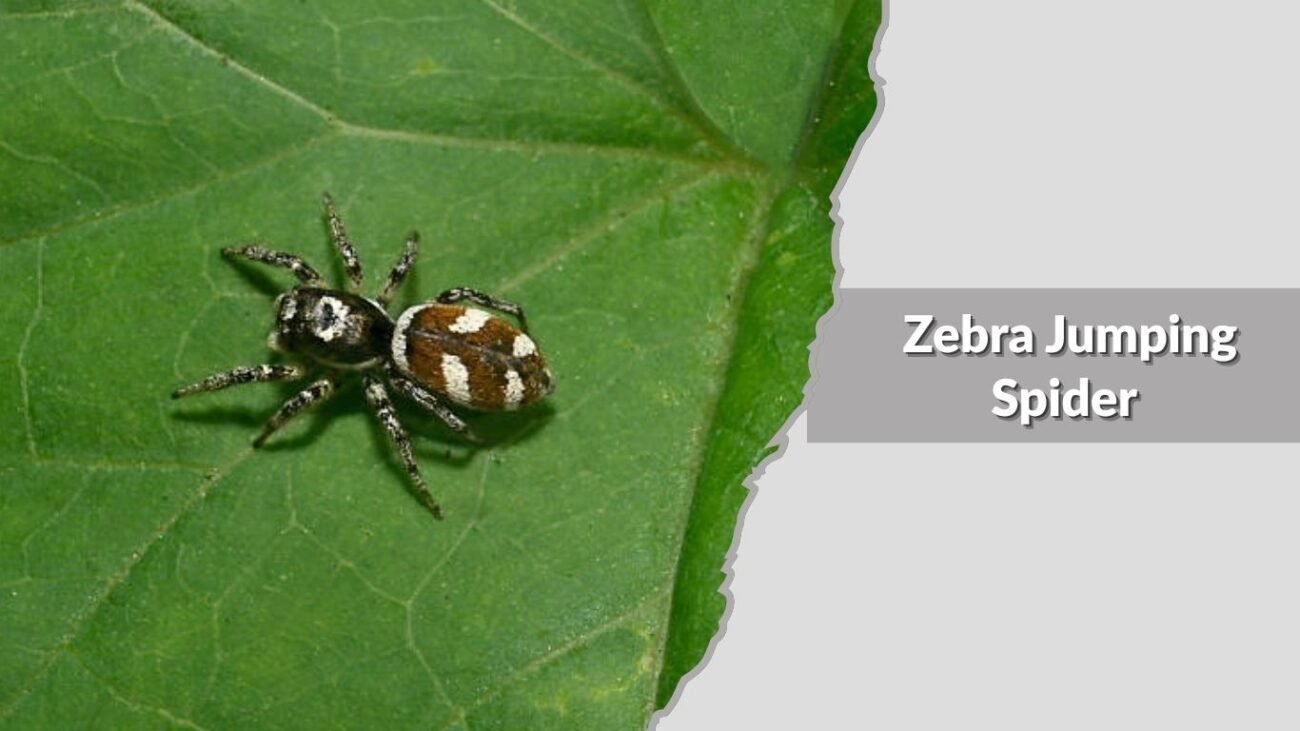
The zebra jumping spider is a small but easily recognized spider because of its black-and-white striped pattern. It is often seen on walls, fences, rocks, and window frames. This spider is active during the day and is known for its quick movements, careful hunting style, and curious behavior around movement.
Identification
The zebra jumping spider has a small body with clear black and white stripes, giving it a zebra-like look. Its legs are short and strong, helping it jump quickly. The large front eyes are one of its most important features. These eyes help the spider watch prey, judge distance, and move accurately before jumping.
Characteristics
- Small black-and-white striped body
- Large front-facing eyes
- Quick and accurate jumping
- Active during daylight
- Hunts small insects without a web
- Common around buildings and walls
Habitat
Zebra jumping spiders are commonly found near human-made structures. They live on brick walls, wooden fences, rocks, garden surfaces, and window ledges. They prefer sunny places where they can easily see and follow prey. Their small size helps them hide in cracks and corners when resting.
Behavior
This spider hunts by slowly approaching insects and then jumping suddenly to catch them. It may stop often, look around, and move in short bursts. Zebra jumping spiders are not aggressive toward people. When disturbed, they usually run or jump away instead of biting.
4. Tan Jumping Spider
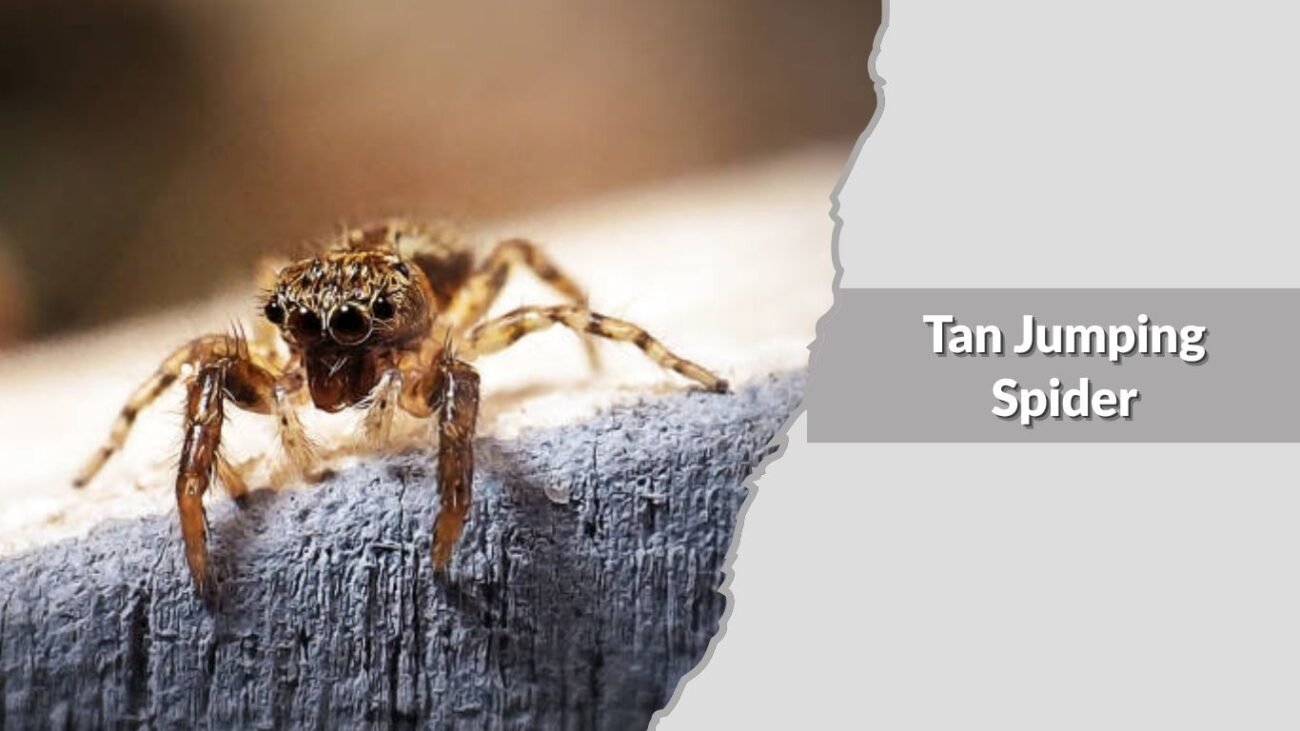
The tan jumping spider is a common jumping spider with earthy colors that help it blend into bark, wood, and outdoor surfaces. It is often found around trees, fences, decks, and homes. This spider is known for its alert movements and strong hunting ability, making it a helpful predator of small insects.
Identification
The tan jumping spider usually has a brown, tan, or grayish body with subtle markings. Its flat, hairy body helps it blend well with tree bark and wooden surfaces. Like other jumping spiders, it has large front eyes that give it a curious look. Its legs are strong and suited for short, fast jumps.
Characteristics
- Tan, brown, or gray body color
- Blends well with bark and wood
- Large front eyes
- Strong jumping ability
- Active hunter during the day
- Helpful for controlling small insects
Habitat
Tan jumping spiders often live on tree trunks, logs, wooden fences, decks, and house siding. They prefer places where their body color gives them camouflage. They may also be found around gardens and sheds. Their habitat usually includes plenty of insects for food.
Behavior
This spider does not use a web to trap prey. Instead, it watches carefully, moves slowly toward its target, and jumps when ready. It is usually active in daylight and may hide in small spaces when resting. Tan jumping spiders are generally harmless and avoid people when disturbed.
5. Dimorphic Jumping Spider
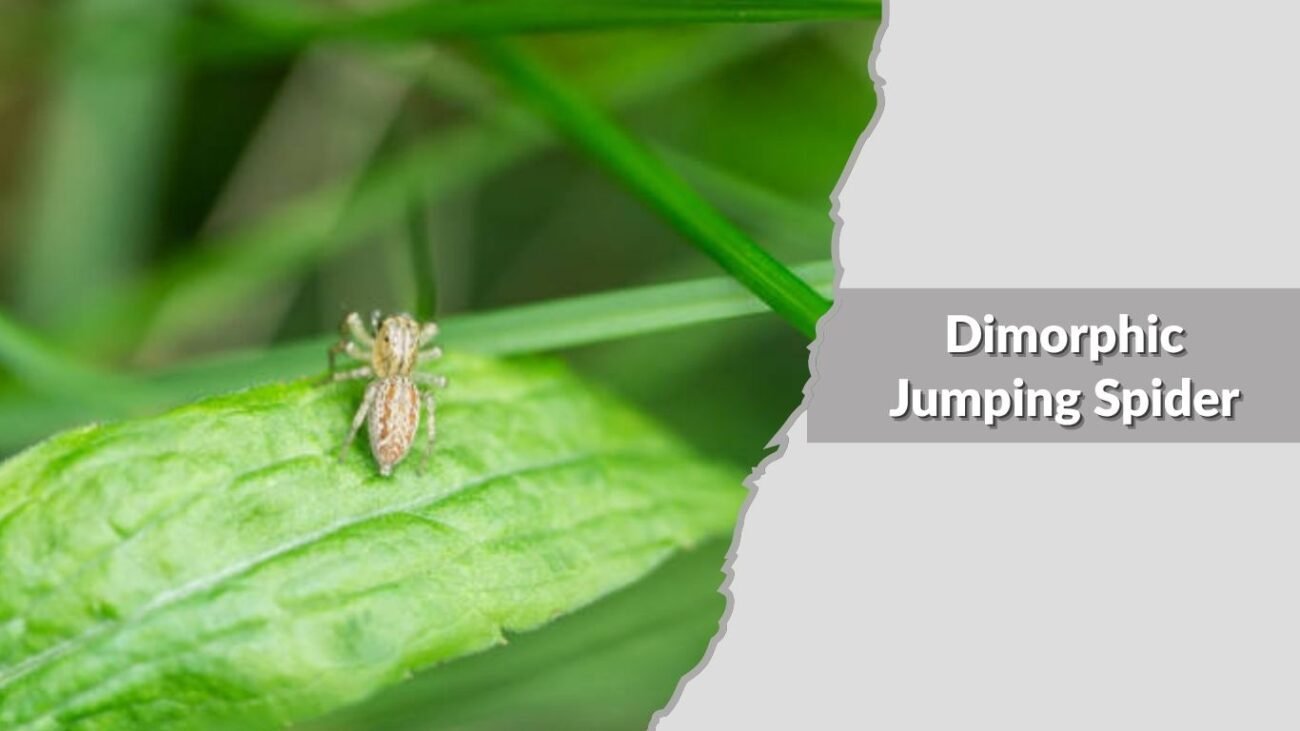
The dimorphic jumping spider is an interesting species because males can appear in different forms. This makes it unique among many jumping spiders. It is usually found in grassy areas, gardens, shrubs, and low vegetation. Like other jumping spiders, it depends on vision, speed, and careful movement to catch prey.
Identification
The dimorphic jumping spider is small to medium in size and may show different colors or patterns, especially among males. Some males look darker, while others may have lighter markings. Females are usually less bold in color. Its compact body, strong legs, and large front eyes help identify it as a jumping spider.
Characteristics
- Males may appear in different forms
- Compact body with strong legs
- Large eyes for accurate hunting
- Active during the day
- Hunts without a trapping web
- Often found in grasses and plants
Habitat
Dimorphic jumping spiders are commonly found in open, green areas. They live in grasses, shrubs, gardens, fields, and low plants. These places provide cover and plenty of small insects. Their colors help them blend into vegetation while they move and hunt.
Behavior
This spider is a visual hunter. It watches prey closely, moves forward in short steps, and jumps when the distance is right. Males may also show active movements during courtship. Dimorphic jumping spiders are not considered dangerous to people and usually escape when they feel threatened.
6. Twin-flagged Jumping Spider
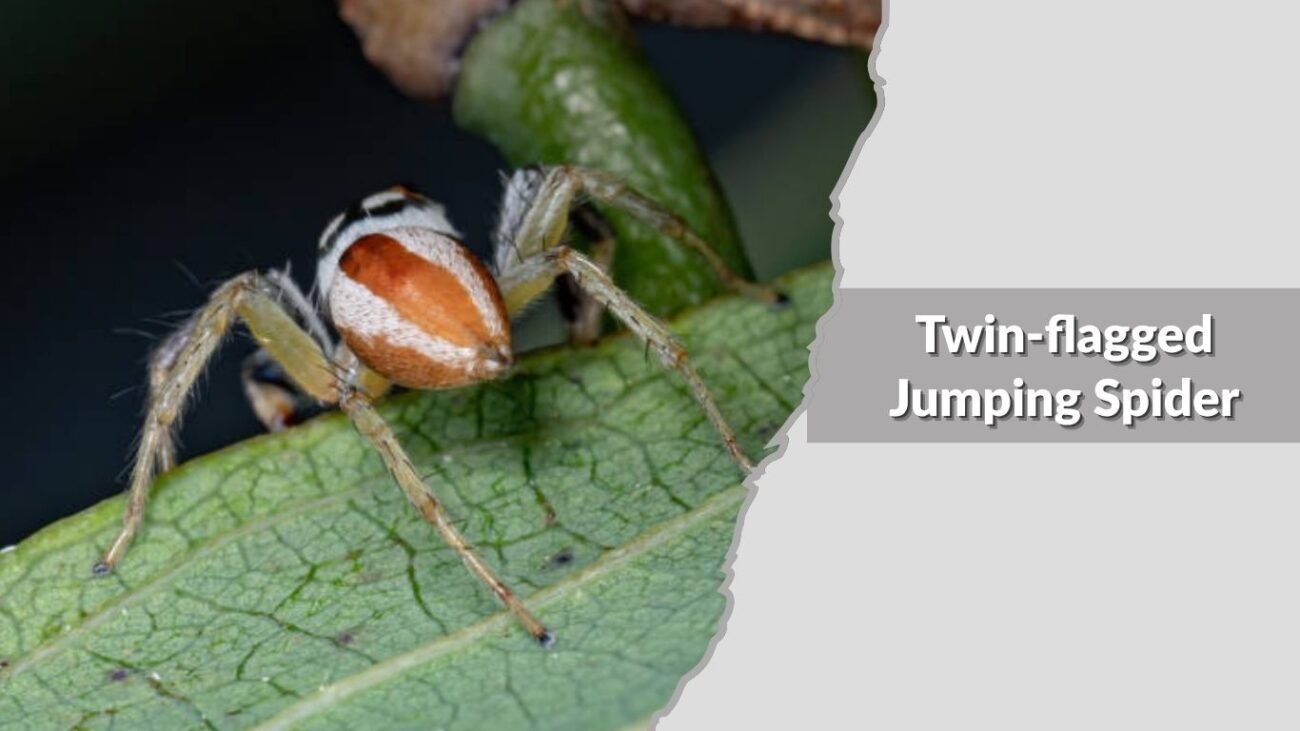
The twin-flagged jumping spider is a small and active species known for the noticeable markings and structures that give it its common name. It is often found in leaf litter, gardens, shrubs, and low vegetation. This spider is a skilled hunter that uses sharp eyesight instead of webs to catch insects.
Identification
The twin-flagged jumping spider is usually small with a compact body and distinct markings. Males may have noticeable features near the front of the body that look like small flags. Its large front eyes, short body, and quick movements make it easy to recognize as a jumping spider. Color may vary from brown to darker shades.
Characteristics
- Small, compact body
- Distinct male markings or “flag-like” features
- Excellent eyesight
- Fast jumping movement
- Hunts small insects actively
- Often found close to the ground
Habitat
This spider usually lives in gardens, leaf litter, grasses, shrubs, and low plants. It prefers areas with cover where it can hide and search for prey. It may also be seen around yard edges, natural debris, and plant stems where small insects are common.
Behavior
The twin-flagged jumping spider hunts during the day. It moves carefully, watches prey, and jumps quickly to capture it. Males may use their special markings during display behavior. This spider is generally shy around people and will usually move away when disturbed.
7. Canopy Jumping Spider
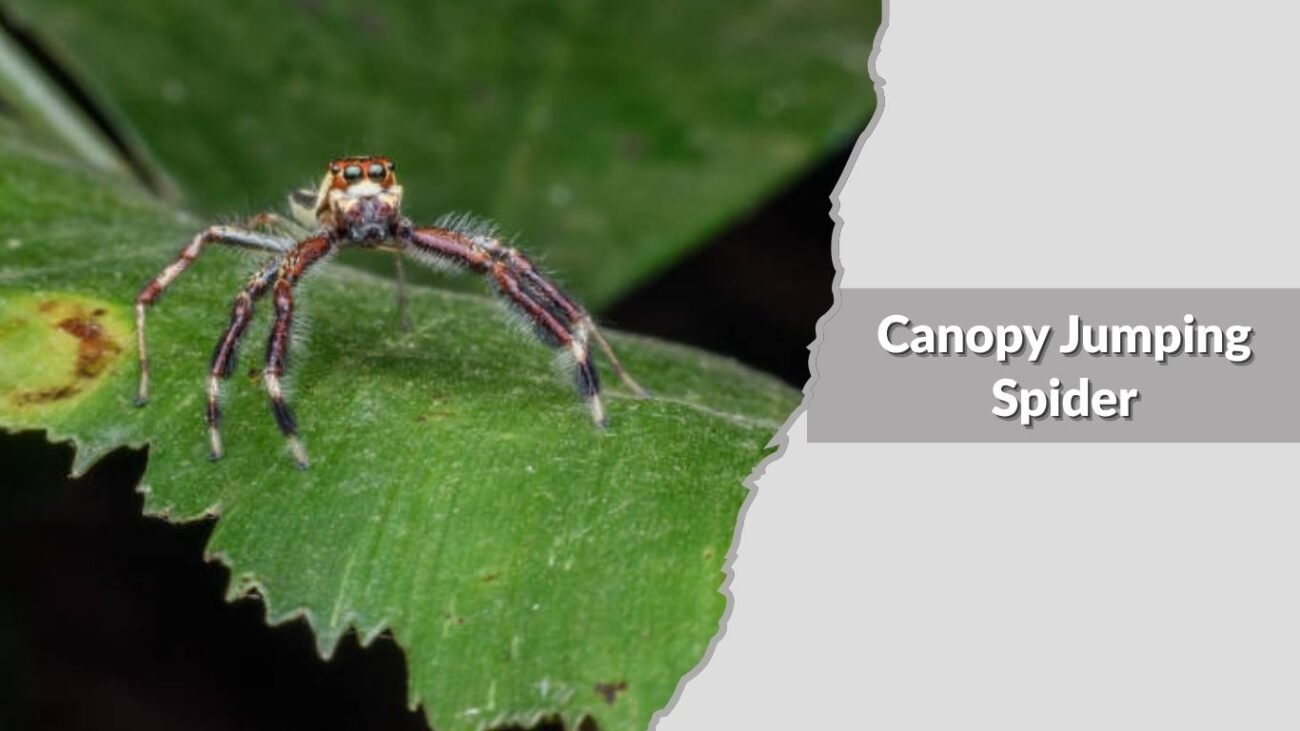
The canopy jumping spider is often associated with trees, shrubs, and leafy areas. It is an active hunter that lives above the ground where insects are common. Its quick movements, strong eyesight, and jumping ability help it move through leaves and branches while searching for food.
Identification
The canopy jumping spider has a small to medium body with markings that help it blend into leaves, bark, and branches. Its body may appear brown, gray, or patterned depending on the individual. Like other jumping spiders, it has large front eyes and strong legs that help it judge distance and leap accurately.
Characteristics
- Small to medium body size
- Good camouflage among leaves and branches
- Large front-facing eyes
- Strong jumping skills
- Active daytime hunter
- Common around trees and shrubs
Habitat
Canopy jumping spiders are found in trees, bushes, garden plants, and wooded areas. They prefer leafy spaces where they can move across branches and stems. These habitats provide both shelter and prey. They may also appear around outdoor plants near homes.
Behavior
This spider hunts by sight rather than using a web to trap insects. It moves through leaves and branches, watches for prey, and jumps when close enough. It is usually active in daylight. Around people, canopy jumping spiders are not aggressive and normally retreat when disturbed.
8. Bronze Jumping Spider
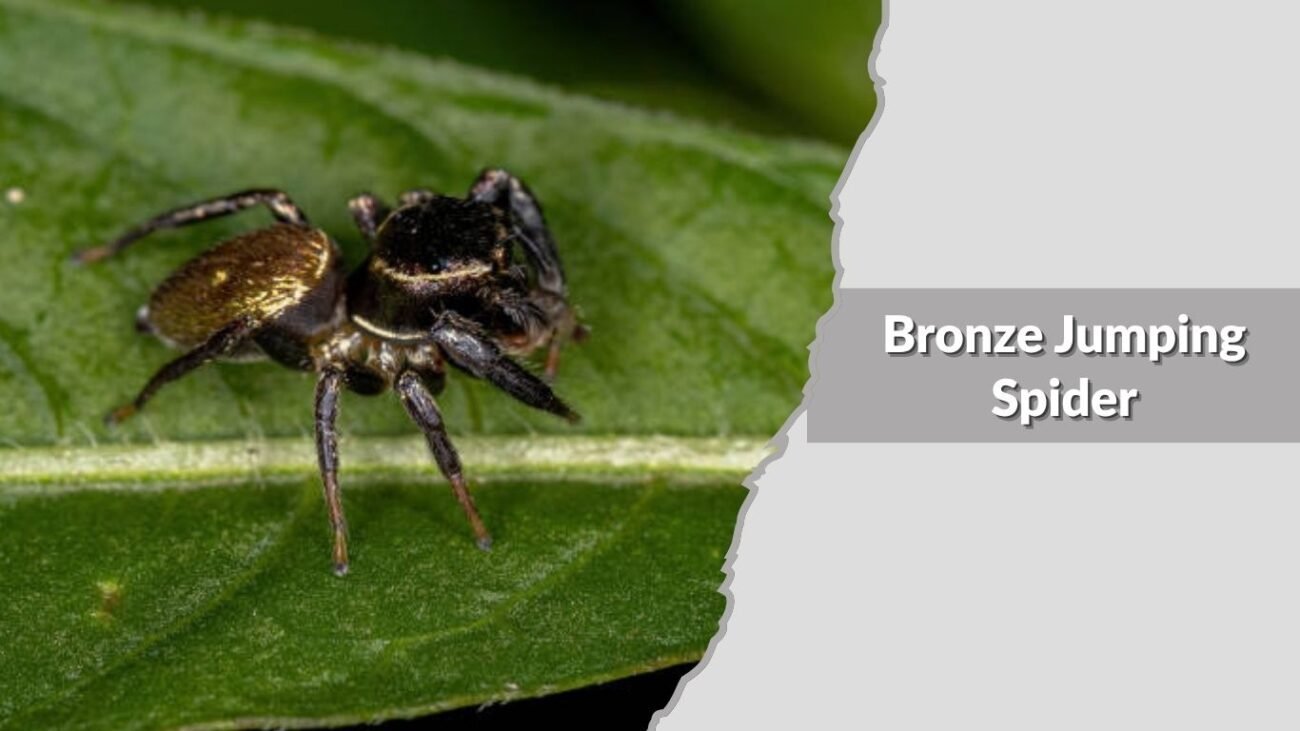
The bronze jumping spider is a small, active spider known for its shiny body and quick hunting style. It is often seen in gardens, grassy areas, shrubs, and around outdoor plants. Like other jumping spiders, it depends on sharp eyesight and fast jumps instead of using a web to trap prey.
Identification
The bronze jumping spider usually has a dark body with a bronze or metallic shine. Its body is compact and hairy, with strong legs made for jumping. The large front eyes are easy to notice and help the spider watch prey carefully. Some individuals may show lighter markings on the body or legs.
Characteristics
- Small, compact body
- Bronze or shiny dark appearance
- Large front-facing eyes
- Strong jumping ability
- Active during the day
- Hunts insects without a trapping web
Habitat
Bronze jumping spiders are commonly found in outdoor spaces with plants and insects. They may live in gardens, grasses, shrubs, leaf litter, and low vegetation. These areas give them cover and plenty of small prey. They may also appear near fences, walls, or yard edges.
Behavior
This spider is an active daytime hunter. It slowly follows insects, judges the distance with its sharp eyes, and jumps quickly to catch them. It may move in short bursts and stop often to look around. Bronze jumping spiders are usually harmless to people and prefer to escape when disturbed.
9. Flea Jumping Spider
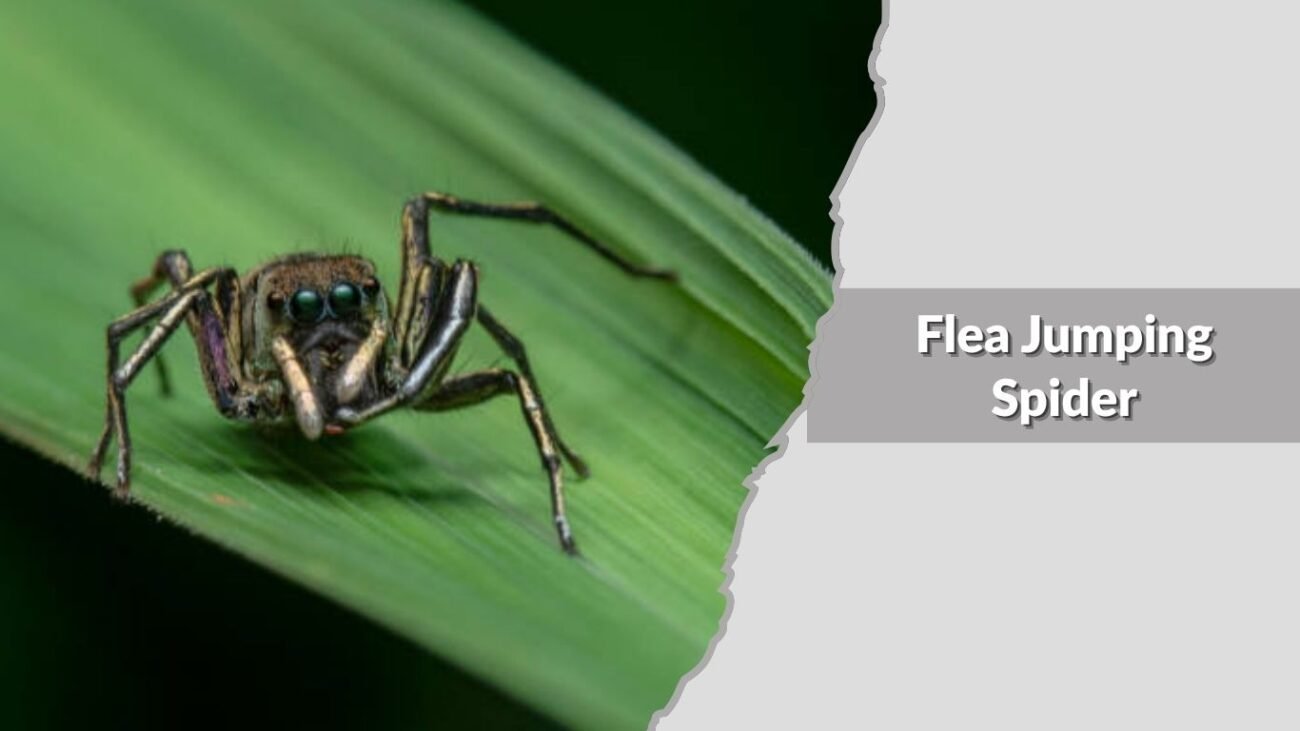
The flea jumping spider is a tiny jumping spider with quick movements that may remind people of a flea. It is usually found close to the ground in grassy places, gardens, and leaf litter. Despite its small size, it is a skilled hunter that uses excellent vision to catch small insects.
Identification
The flea jumping spider has a very small body with short, strong legs. Its color may be brown, gray, or dark, helping it blend into soil, leaves, and plant debris. Like other jumping spiders, it has large front eyes that help it track movement and judge distance before jumping.
Characteristics
- Very small body size
- Quick, flea-like jumping movement
- Large eyes for sharp vision
- Brown, gray, or dark body color
- Active hunter during daylight
- Often found near the ground
Habitat
Flea jumping spiders usually live in low, covered areas. They are found in grasses, gardens, leaf litter, soil edges, and small plants. These places offer protection from predators and access to tiny insects. Their small size helps them hide easily among natural debris.
Behavior
This spider hunts without making a web for trapping prey. It watches carefully, moves closer in short steps, and jumps when the prey is within reach. Because it is tiny and fast, it may disappear quickly when noticed. Flea jumping spiders are not aggressive and are generally harmless to humans.
10. Gray Wall Jumper
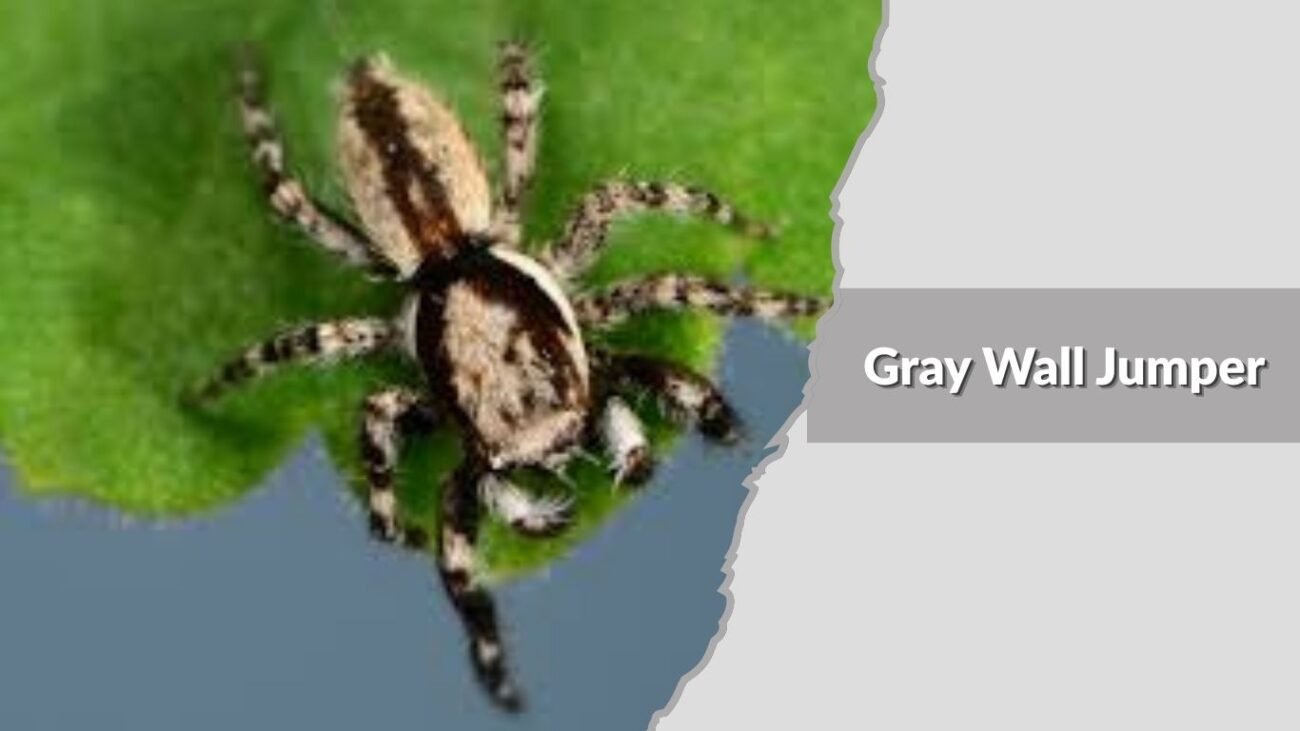
The gray wall jumper is a common jumping spider often seen on walls, fences, ceilings, and house surfaces. It has a flat body and gray color that help it blend into stone, cement, and painted walls. This spider is useful around homes because it catches small insects.
Identification
The gray wall jumper usually has a gray or brownish-gray body with a flattened shape. Its markings may look mottled, making it hard to see against walls and rocks. It has large front eyes, short strong legs, and a quick jumping style. Its body shape helps it move easily across flat surfaces.
Characteristics
- Gray or mottled body color
- Flat body shape
- Large front-facing eyes
- Strong jumping ability
- Common on walls and buildings
- Hunts small insects during the day
Habitat
Gray wall jumpers are often found on house walls, garden walls, fences, rocks, and tree bark. They prefer surfaces where their color gives them camouflage. They may also enter homes and stay near windows, lights, or corners where insects are easy to find.
Behavior
This spider is an active hunter that moves across walls looking for prey. It does not build a web to catch insects. Instead, it follows movement, approaches slowly, and jumps suddenly. Gray wall jumpers are usually shy around people and quickly move away when touched or disturbed.
11. Magnolia Green Jumper
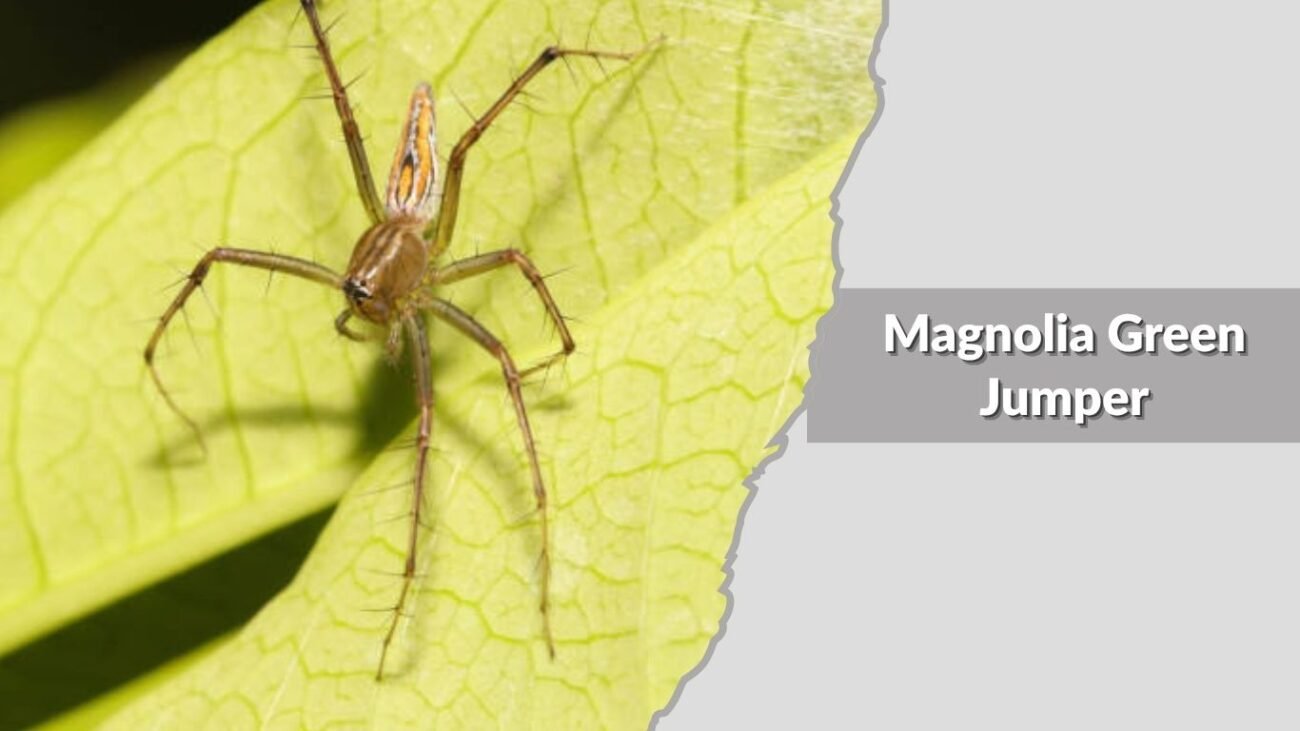
The magnolia green jumper is a colorful jumping spider known for its bright green body and attractive appearance. It is often found on trees, shrubs, and leafy plants, where its green color helps it blend with the environment. This spider is an active hunter and plays a helpful role in controlling small insects.
Identification
The magnolia green jumper usually has a bright green body with a slim, compact shape. Some individuals may have lighter or darker markings on the abdomen and legs. Its large front eyes help identify it as a jumping spider. The green color makes it stand out when seen closely but helps it hide among leaves.
Characteristics
- Bright green body color
- Large front-facing eyes
- Strong jumping ability
- Blends well with leaves
- Active during the day
- Hunts insects without a trapping web
Habitat
Magnolia green jumpers are commonly found in trees, shrubs, gardens, and leafy plants. They prefer green vegetation where they can hide and hunt. Magnolia trees and similar plants may provide good shelter and food sources. They are mostly seen outdoors in warm, plant-rich areas.
Behavior
This spider uses its sharp eyesight to search for prey on leaves and branches. It moves carefully, watches insects, and jumps quickly when close enough. It does not depend on webs for hunting. Magnolia green jumpers are not aggressive toward people and usually retreat when disturbed.
12. Emerald Jumping Spider
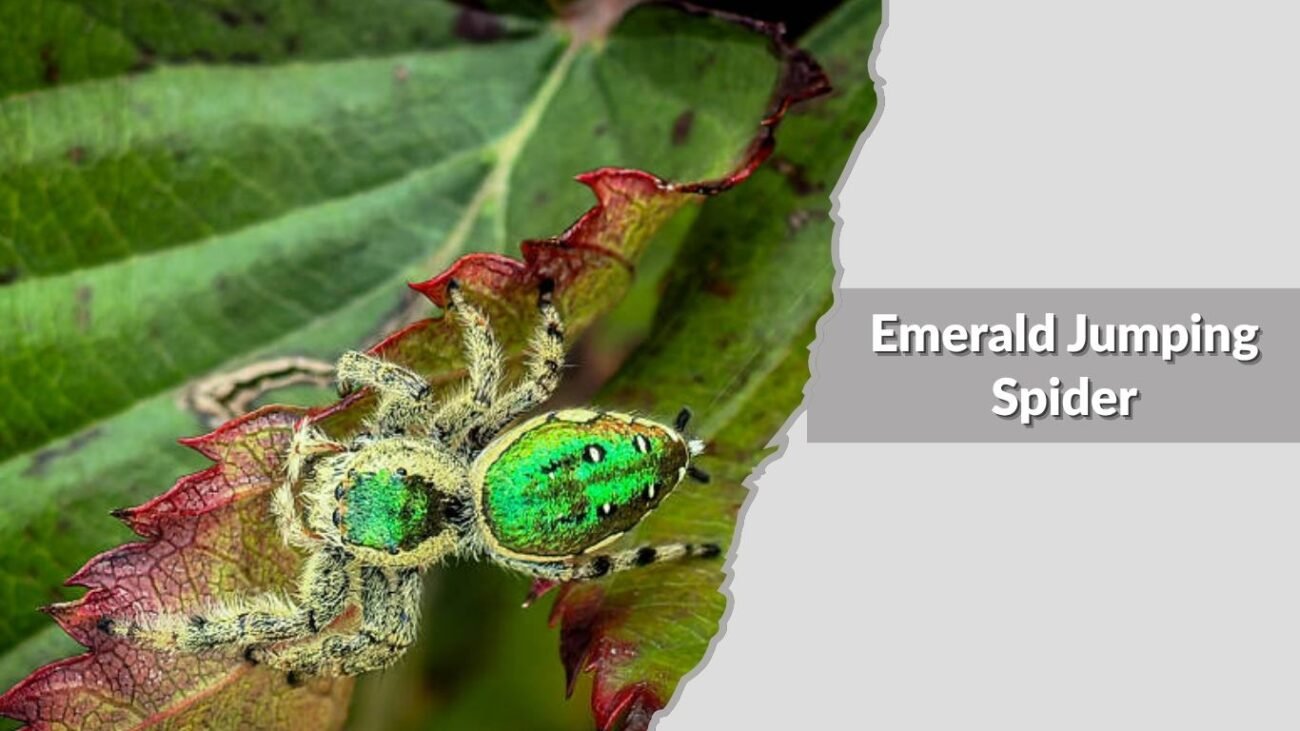
The emerald jumping spider is a beautiful species known for its greenish shine and active hunting behavior. It is usually found in vegetation, gardens, shrubs, and wooded areas. Its attractive color and quick movements make it one of the more noticeable jumping spiders when seen on plants.
Identification
The emerald jumping spider may have a green, metallic, or shiny appearance, depending on the light and individual spider. Its body is compact, with strong legs and large front eyes. These eyes help it focus on prey and judge jumping distance. Its color often helps it blend into leaves and plant stems.
Characteristics
- Green or metallic body appearance
- Compact body with strong legs
- Large front-facing eyes
- Excellent jumping skill
- Active daytime hunter
- Often found around vegetation
Habitat
Emerald jumping spiders usually live in leafy and plant-rich areas. They may be found in gardens, shrubs, tall grasses, trees, and wooded edges. These habitats provide both hiding places and insects to eat. Their greenish color helps them stay hidden from predators and prey.
Behavior
This spider hunts by sight instead of using a web to trap insects. It moves slowly toward prey, pauses to judge distance, and then jumps quickly. It is most active during daylight when insects are easier to see. Emerald jumping spiders are generally harmless and avoid people when disturbed.
13. Johnson’s Jumping Spider
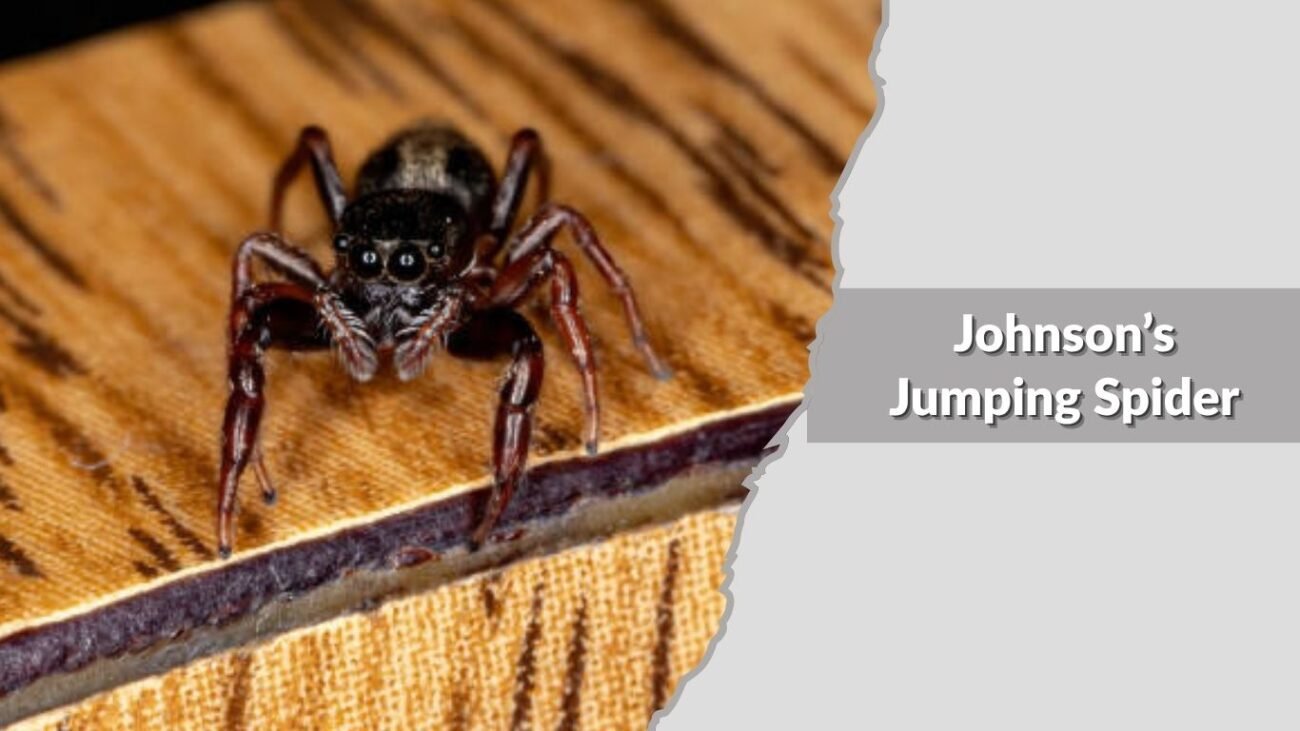
Johnson’s jumping spider is a colorful and active spider often recognized by its bright red abdomen. It is commonly found in gardens, forests, grasslands, and around sunny outdoor areas. Like other jumping spiders, it uses strong eyesight and quick movement to hunt insects during the day.
Identification
Johnson’s jumping spider usually has a black body with a bright red or orange-red abdomen. Some individuals may have a dark stripe or marking running through the red area. Its body is compact and hairy, with strong legs and large front-facing eyes. These eyes help it watch prey carefully before jumping.
Characteristics
- Bright red or orange-red abdomen
- Black, compact, hairy body
- Large front-facing eyes
- Strong jumping ability
- Active during daylight
- Hunts insects without using a trapping web
Habitat
Johnson’s jumping spiders live in many outdoor places, including gardens, grasslands, forests, shrubs, and rocky areas. They prefer sunny spaces where insects are active. They may also be seen on fences, logs, tree bark, and outdoor walls while searching for prey or resting.
Behavior
This spider is a visual hunter. It slowly approaches insects, studies their movement, and jumps when close enough. It may turn toward movement because of its sharp eyesight. Johnson’s jumping spiders are not aggressive toward people and usually move away quickly when disturbed.
14. Daring Jumping Spider
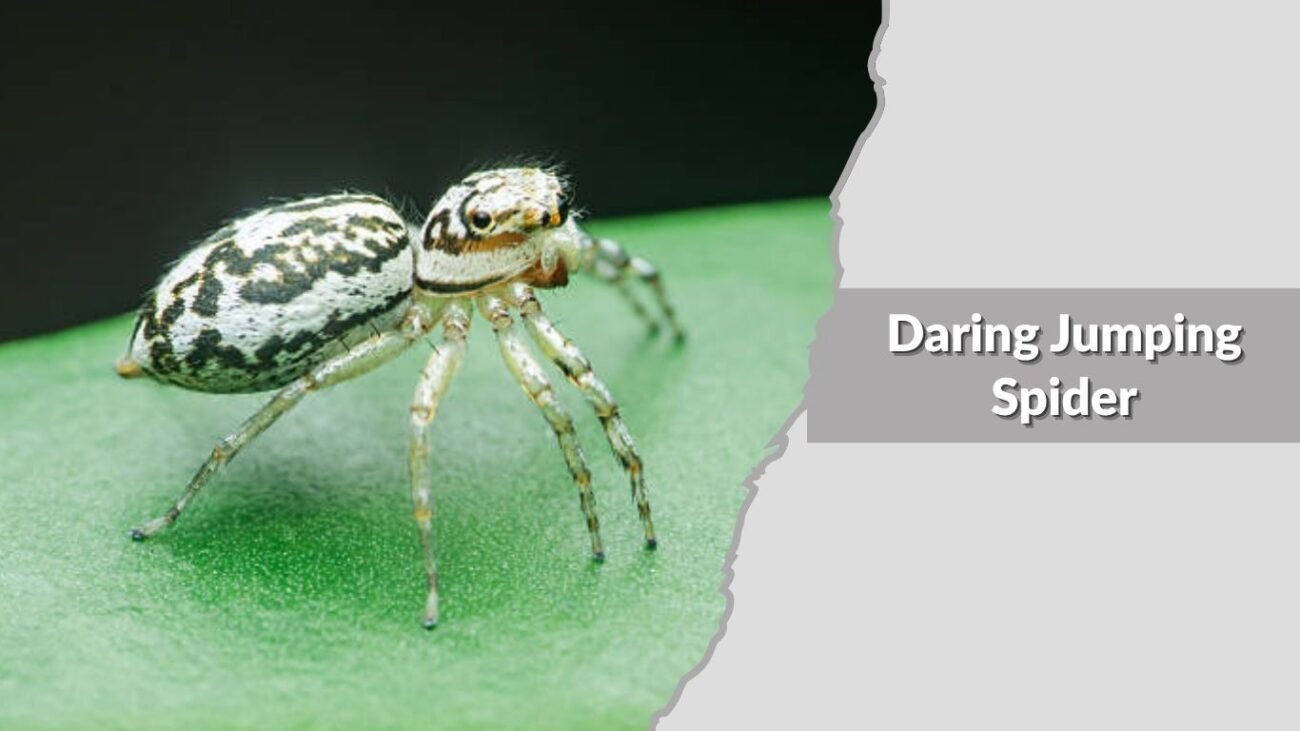
The daring jumping spider is another common name for the bold jumping spider, but it is often listed separately because of its strong appearance and confident hunting style. It is known for its black body, pale markings, and curious behavior. This spider is usually harmless and helpful because it eats small insects.
Identification
The daring jumping spider has a sturdy black body with white or light-colored spots on the abdomen. Young spiders may show orange markings that become lighter as they mature. Its large front eyes give it a watchful look. The body is short, hairy, and powerful, making it easy to recognize.
Characteristics
- Black body with pale spots
- Large front-facing eyes
- Strong legs for jumping
- Compact and hairy body
- Active hunter during the day
- Usually harmless to humans
Habitat
Daring jumping spiders are found in gardens, fields, fences, walls, tree trunks, and around houses. They like sunny places where insects are easy to find. Indoors, they may appear near windows, corners, or bright areas where small bugs gather.
Behavior
This spider hunts without a web. It watches prey, moves closer in short steps, and jumps quickly to catch it. It may appear curious because it turns to look at movement. When disturbed, it usually jumps or runs away instead of acting aggressively.
15. Hentz Jumping Spider
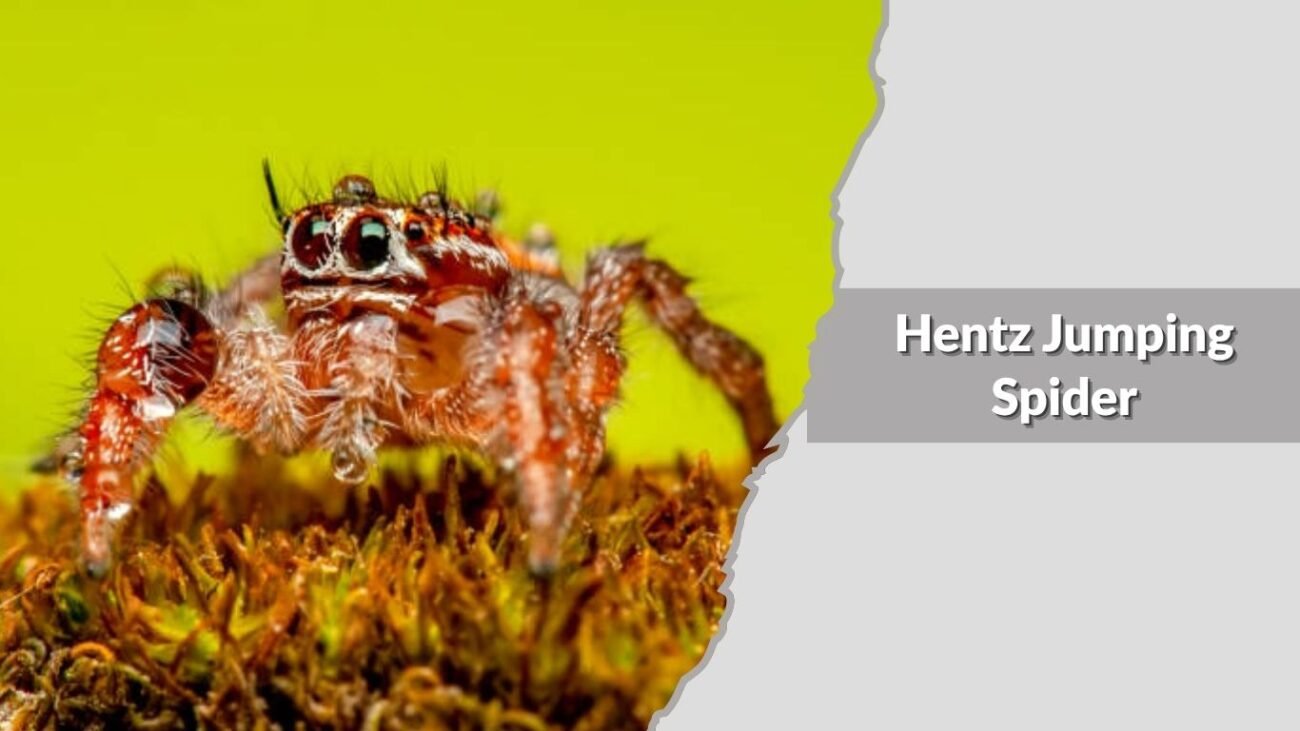
The Hentz jumping spider is a small jumping spider commonly found in warm outdoor environments. It is often seen on plants, fences, walls, and low vegetation. Its quick movement, sharp eyesight, and compact body make it a skilled hunter of tiny insects.
Identification
The Hentz jumping spider usually has a small, compact body with brown, gray, or dark markings. Its pattern may vary, but it often blends well with bark, leaves, and dry surfaces. Like other jumping spiders, it has large front-facing eyes and strong legs that help it leap accurately.
Characteristics
- Small, compact body
- Brown, gray, or dark coloration
- Large front eyes
- Fast and accurate jumper
- Active during daylight
- Hunts small insects without a trapping web
Habitat
Hentz jumping spiders are often found in gardens, shrubs, grasses, tree bark, fences, and outdoor walls. They prefer areas where they can hide and hunt easily. Their natural colors help them blend into plants, soil, and wooden surfaces.
Behavior
This spider uses vision to locate prey. It moves slowly, pauses often, and jumps when the target is close enough. It does not build a web to catch insects, though it may use silk for safety or resting. Hentz jumping spiders usually avoid people and retreat when disturbed.
16. Brilliant Jumping Spider
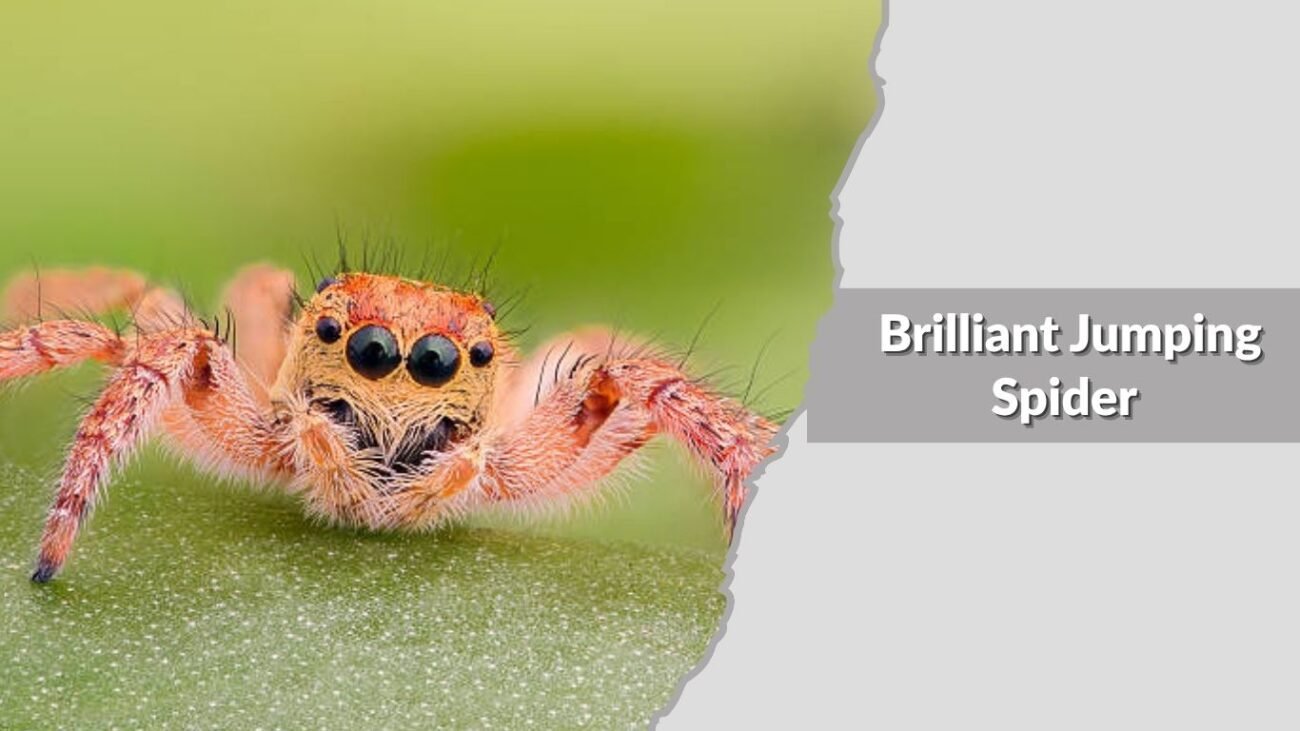
The brilliant jumping spider is known for its attractive markings and alert hunting behavior. It is usually found in sunny outdoor spaces with plants, insects, and hiding places. Its name reflects its bright or noticeable appearance, making it an interesting species among jumping spiders.
Identification
The brilliant jumping spider may show bright markings, contrasting colors, or a shiny appearance depending on the individual. Its body is compact and hairy, with strong legs and large front-facing eyes. These eyes are important for tracking prey and judging the exact distance before a jump.
Characteristics
- Bright or noticeable body markings
- Compact, hairy body
- Large front-facing eyes
- Strong jumping skill
- Active daytime hunter
- Uses silk mainly for safety and resting
Habitat
Brilliant jumping spiders are usually found in gardens, shrubs, grasses, woodland edges, and sunny outdoor areas. They prefer places where insects are common and where they can hide among plants or natural surfaces. They may also appear around fences, walls, or outdoor structures.
Behavior
This spider hunts by sight rather than using a web to trap prey. It watches insects carefully, moves forward in short steps, and jumps when ready. It is mostly active during the day. Around humans, it is generally shy and will usually move away if disturbed.
17. Peppered Jumping Spider
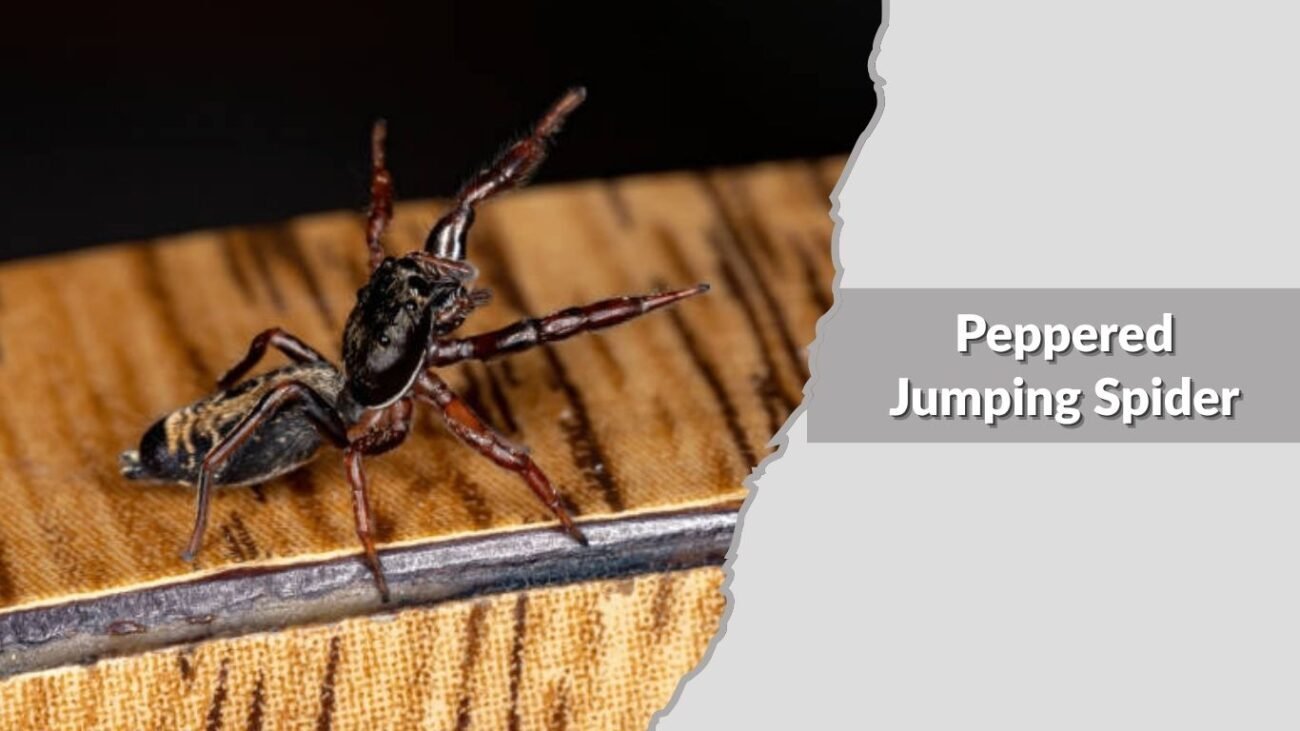
The peppered jumping spider is a small, active spider known for its speckled or pepper-like markings. Its pattern helps it blend into bark, leaves, stones, and outdoor surfaces. Like other jumping spiders, it is a daytime hunter that depends on sharp vision and quick jumping.
Identification
The peppered jumping spider usually has a small body with mixed light and dark markings. These markings may look dotted, speckled, or peppered across the body. It has large front-facing eyes, strong legs, and a compact body shape. Its coloring helps it stay hidden from both prey and predators.
Characteristics
- Speckled or peppered body pattern
- Small, compact body
- Large front-facing eyes
- Strong jumping ability
- Active during the day
- Hunts insects without using a trapping web
Habitat
Peppered jumping spiders are often found on tree bark, rocks, fences, leaf litter, shrubs, and garden surfaces. They prefer places where their markings provide camouflage. These habitats also offer many small insects for food and safe spaces for resting.
Behavior
This spider hunts carefully and patiently. It watches prey with its large eyes, moves closer in short steps, and jumps when the distance is right. It may use silk as a safety line while moving. Peppered jumping spiders are generally harmless and usually escape when disturbed.
FAQs
Are jumping spiders dangerous to humans?
Jumping spiders are not dangerous to humans. They are generally shy and prefer to escape when disturbed. Although they can bite if handled roughly, their bite is usually mild and not considered medically serious for most people.
Why do jumping spiders look at people?
Jumping spiders have excellent eyesight and often turn toward movement. When they appear to look at people, they are usually observing their surroundings. Their large front eyes help them judge distance, track prey, and notice possible threats.
Do jumping spiders make webs?
Jumping spiders do make silk, but they do not use webs to trap prey. Instead, they hunt actively by stalking insects and jumping on them. They may use silk for safety lines, resting shelters, or protecting eggs.
What do jumping spiders eat?
Jumping spiders mainly eat small insects and other tiny arthropods. They may catch flies, mosquitoes, gnats, moths, and small bugs. Because they hunt pests, they can be helpful in gardens, homes, and outdoor areas.
Where are jumping spiders commonly found?
Jumping spiders are commonly found on walls, fences, plants, tree bark, rocks, and window frames. Many species prefer sunny places where insects are active. Some may enter homes, especially near windows or bright areas where small bugs gather.