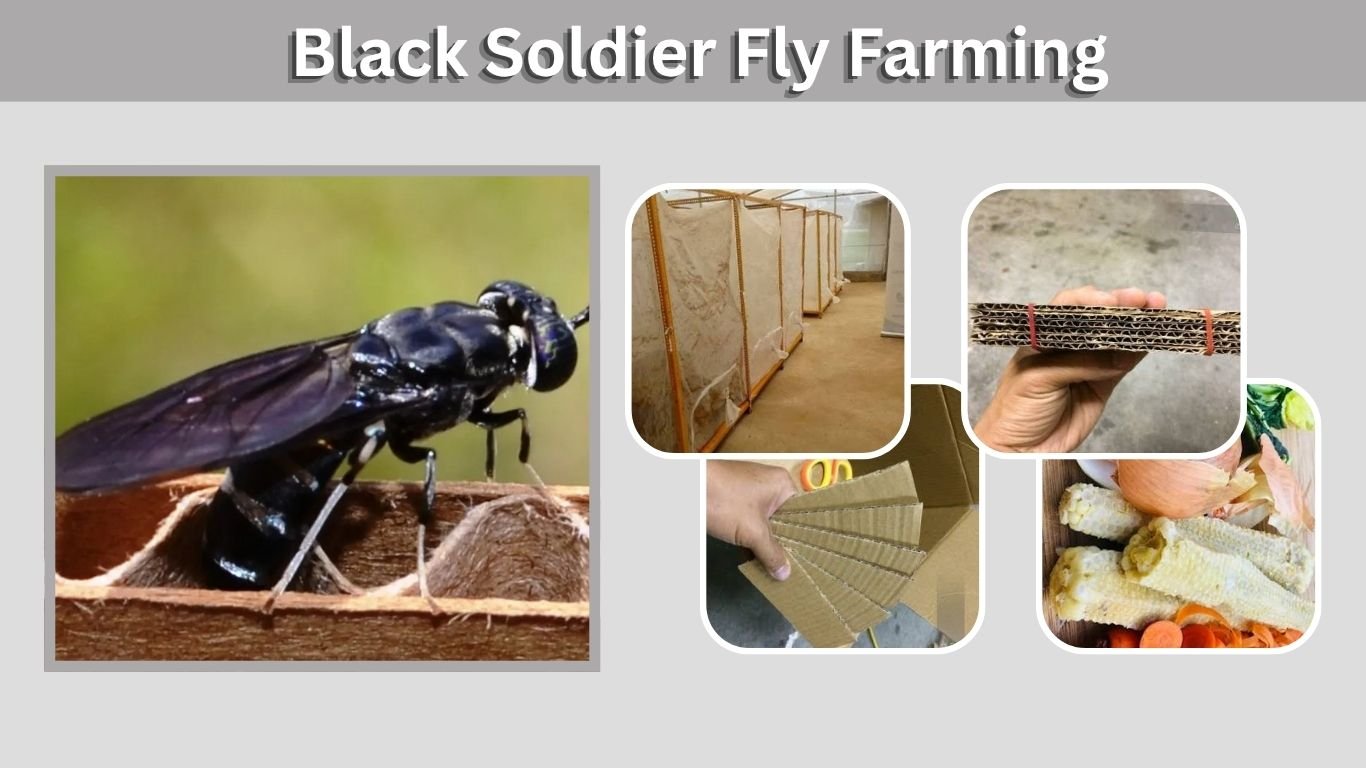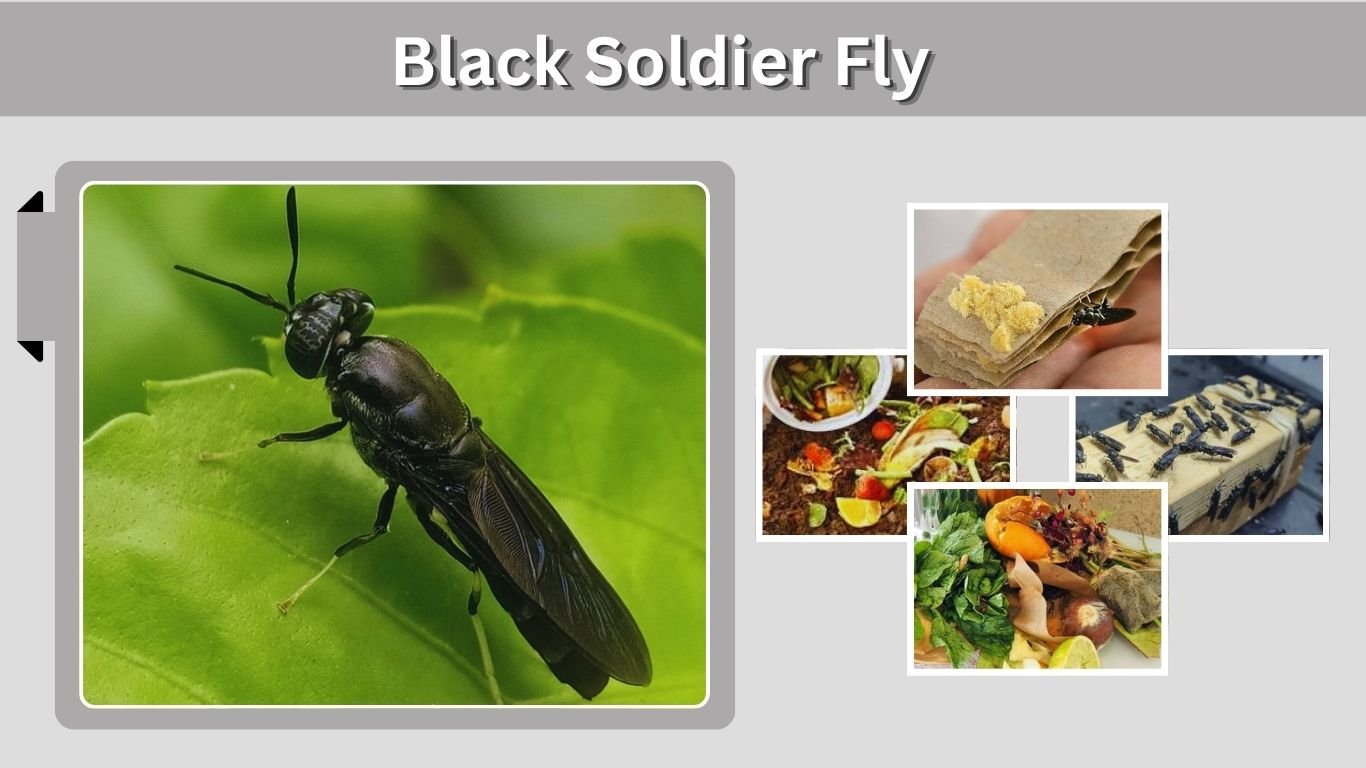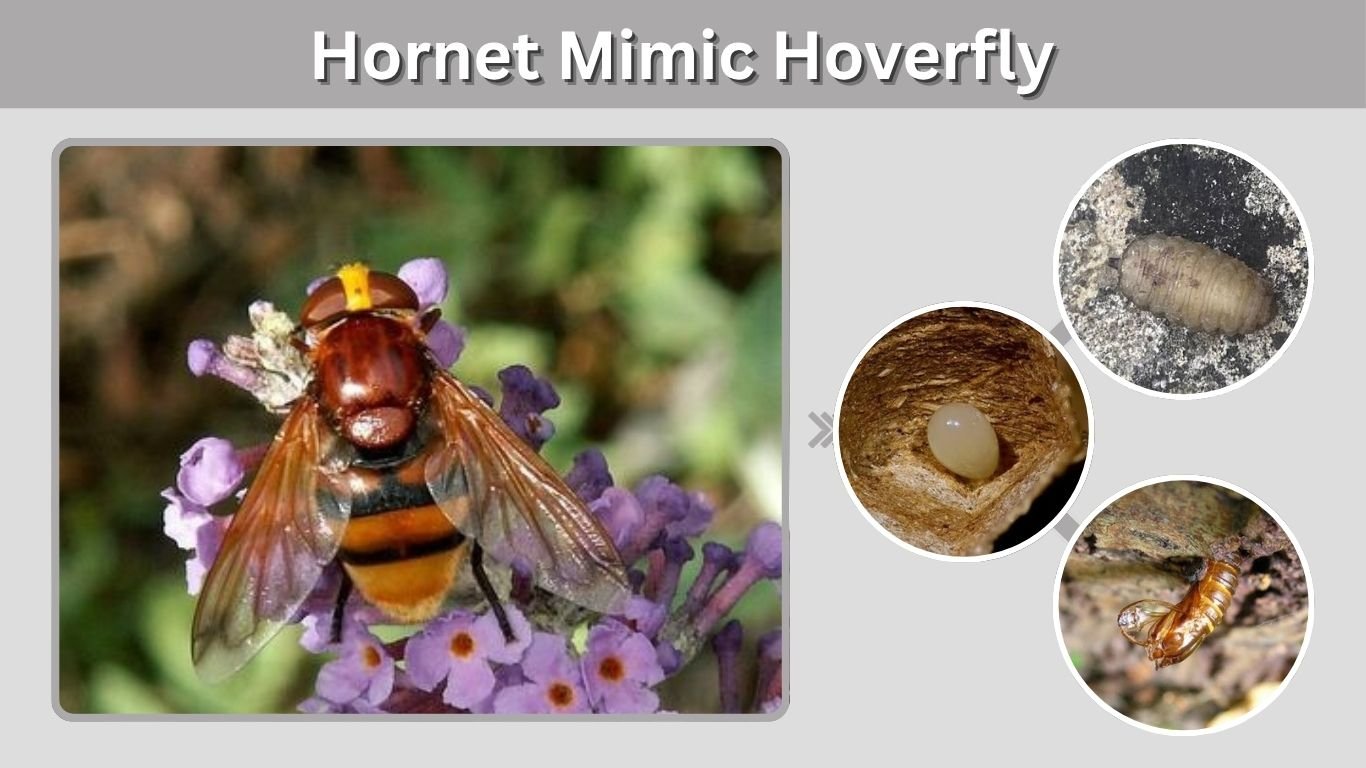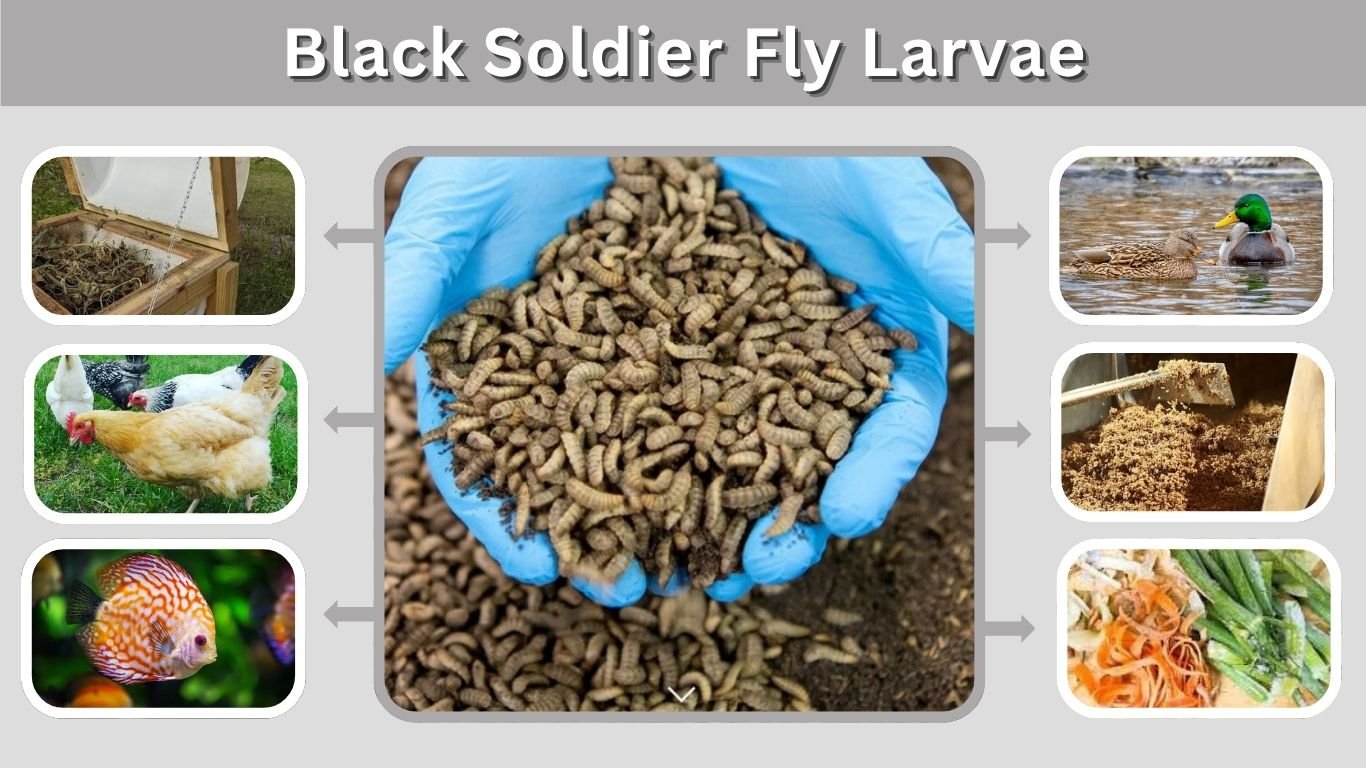
Black soldier fly larvae (BSFL) are the immature stage of the black soldier fly, Hermetia illucens. These fast-growing larvae are widely used as nutritious animal feed and as efficient decomposers of organic waste. Chickens, bearded dragons, leopard geckos, fish, ducks, and many other animals can eat them, while gardeners and farmers use the larvae in composting systems. Available live or dried, BSFL are valued for their protein, fat, calcium, and ability to convert food waste into useful biomass.
What Are Black Soldier Fly Larvae?
Black soldier fly larvae are often described as grubs or maggots because of their thick, segmented bodies. However, they are specifically the larval stage of Hermetia illucens. They spend most of this stage eating and growing before transforming into darker prepupae. Their ability to consume organic material quickly has made them increasingly useful in composting, farming, poultry production, and reptile feeding.
Black Soldier Fly Larvae Identification
- Scientific species: Hermetia illucens
- Common abbreviation: BSFL
- Color: Cream, tan, grayish, or dark brown when mature
- Body: Thick, segmented, and legless-looking
- Size: Usually up to a few centimeters long
- Food: Decomposing organic matter
- Adult stage: Black soldier fly
- Main uses: Animal feed, composting, and waste conversion
Young larvae are generally pale, while mature larvae become darker as they approach the prepupal stage.
What Do Black Soldier Fly Larvae Eat?
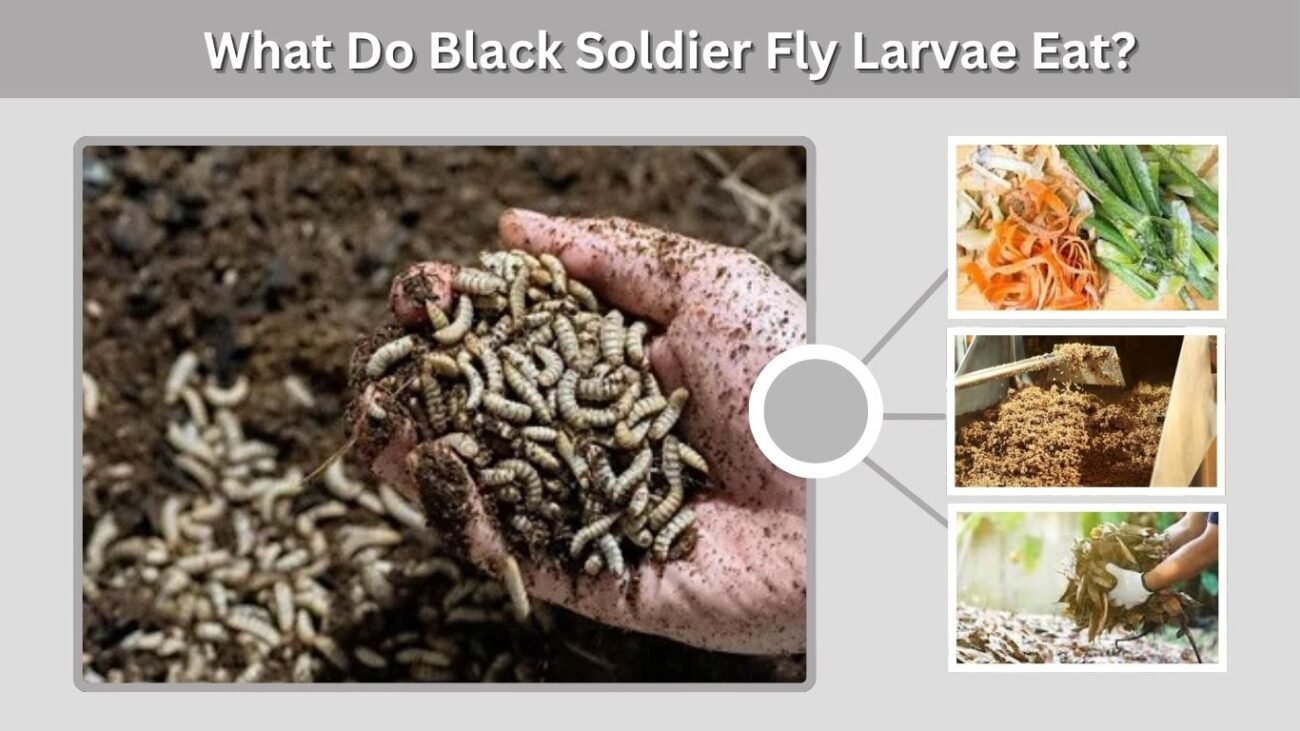
Black soldier fly larvae are decomposers capable of consuming many types of soft organic material. Their appetite is one of the main reasons people raise them commercially. A well-managed colony can convert food scraps and agricultural by-products into larval biomass while reducing the amount of material that would otherwise become waste.
Foods for Black Soldier Fly Larvae
Suitable foods may include:
- Fruit scraps
- Vegetable scraps
- Leftover grains
- Soft plant waste
- Food-processing by-products
- Some livestock manure
- Coffee grounds mixed with other foods
- Overripe fruits and vegetables
- Appropriate kitchen scraps
A varied feeding material with adequate moisture usually supports better growth than extremely dry or watery waste.
Avoid adding substances contaminated with chemicals, pesticides, cleaning products, or materials unsuitable for the animals that will eventually eat the larvae.
Black Soldier Fly Larvae for Chickens
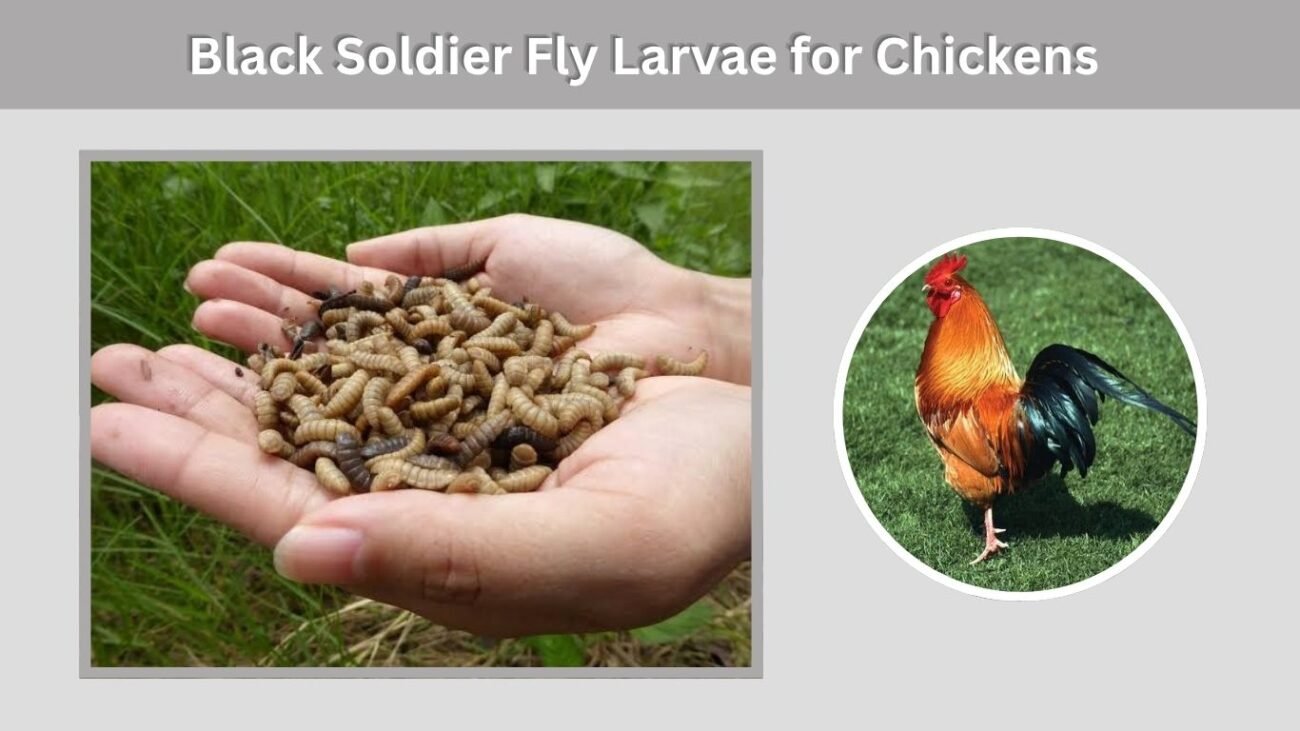
Black soldier fly larvae for chickens are among the most popular uses for BSFL. Chickens naturally forage for insects, so live larvae can encourage normal scratching and hunting behavior. Dried larvae are also widely used because they are convenient to store and feed. They provide concentrated nutrients but are generally best considered a supplement or treat alongside a nutritionally complete poultry diet.
Benefits for Chickens
Black soldier fly larvae can provide:
- Protein
- Dietary fat
- Calcium
- Natural foraging enrichment
- An alternative insect-based feed ingredient
- Easy feeding in live or dried form
Live BSFL can be scattered around a chicken run to encourage activity, while dried larvae can be offered separately or mixed into appropriate feed.
Because dried insects contain little water and concentrated nutrients, portion size matters. They should not completely replace a balanced chicken feed unless the overall diet has been professionally formulated.
Black Soldier Fly Larvae for Bearded Dragons
Black soldier fly larvae have become popular feeder insects for bearded dragons because they naturally contain useful amounts of calcium. Unlike some feeder insects that require extensive calcium supplementation, BSFL can help add dietary variety while contributing valuable nutrients.
Can Bearded Dragons Eat Black Soldier Fly Larvae?
Yes, many bearded dragons can eat appropriately sized black soldier fly larvae.
Live larvae are particularly useful because their movement encourages natural hunting behavior. They are soft-bodied and relatively easy for many reptiles to capture.
The number offered should depend on the bearded dragon’s age, size, overall diet, and nutritional requirements. Young dragons generally consume more animal-based food than adults, which increasingly rely on vegetables and greens.
BSFL should be part of a varied feeding program rather than the only feeder insect offered.
Black Soldier Fly Larvae for Reptiles
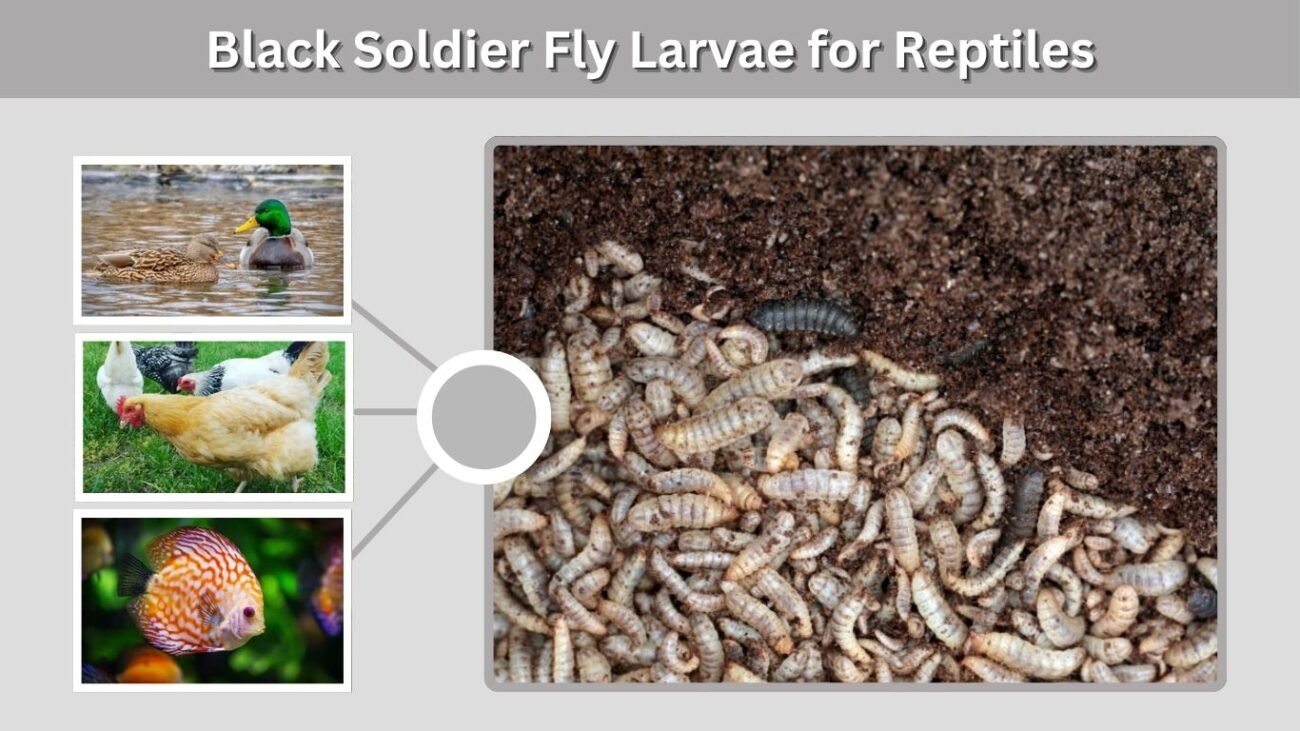
Black soldier fly larvae can be used for several insect-eating reptiles. Their soft bodies, movement, and nutritional profile make them a convenient alternative to mealworms, crickets, and other feeders. Searches for BSFL commonly include bearded dragons and leopard geckos, reflecting their popularity in reptile feeding.
Black Soldier Fly Larvae for Leopard Geckos
Leopard geckos can generally eat appropriately sized BSFL as part of a varied insect diet.
Live larvae may encourage hunting while providing protein and minerals. Some geckos immediately accept them, while others may prefer more active insects such as crickets.
Variety remains important because different feeder insects provide different nutrient profiles.
Other Animals That May Eat BSFL
Black soldier fly larvae are also commonly used for:
- Ducks
- Poultry
- Fish
- Insect-eating birds
- Some amphibians
- Certain small exotic pets
The correct amount and preparation depend on the species being fed.
Live vs Dried Black Soldier Fly Larvae
Both live black soldier fly larvae and dried larvae have advantages. Live larvae contain moisture and move actively, while dried larvae are lightweight and easy to store. The better choice depends on whether they are being used for reptiles, chickens, birds, fish, or another animal.
Live Black Soldier Fly Larvae
Live larvae provide natural movement and can stimulate hunting or foraging behavior.
They require more careful storage and must be kept under conditions that slow development without harming them.
Dried Black Soldier Fly Larvae
Dried larvae are convenient because they:
- Store longer
- Require no live-insect care
- Are easy to transport
- Can be offered to chickens and birds
- Contain concentrated nutrients
- Are available in bulk quantities
Because drying removes much of the water, animals should always have appropriate access to fresh water.
Black Soldier Fly Larvae Composting
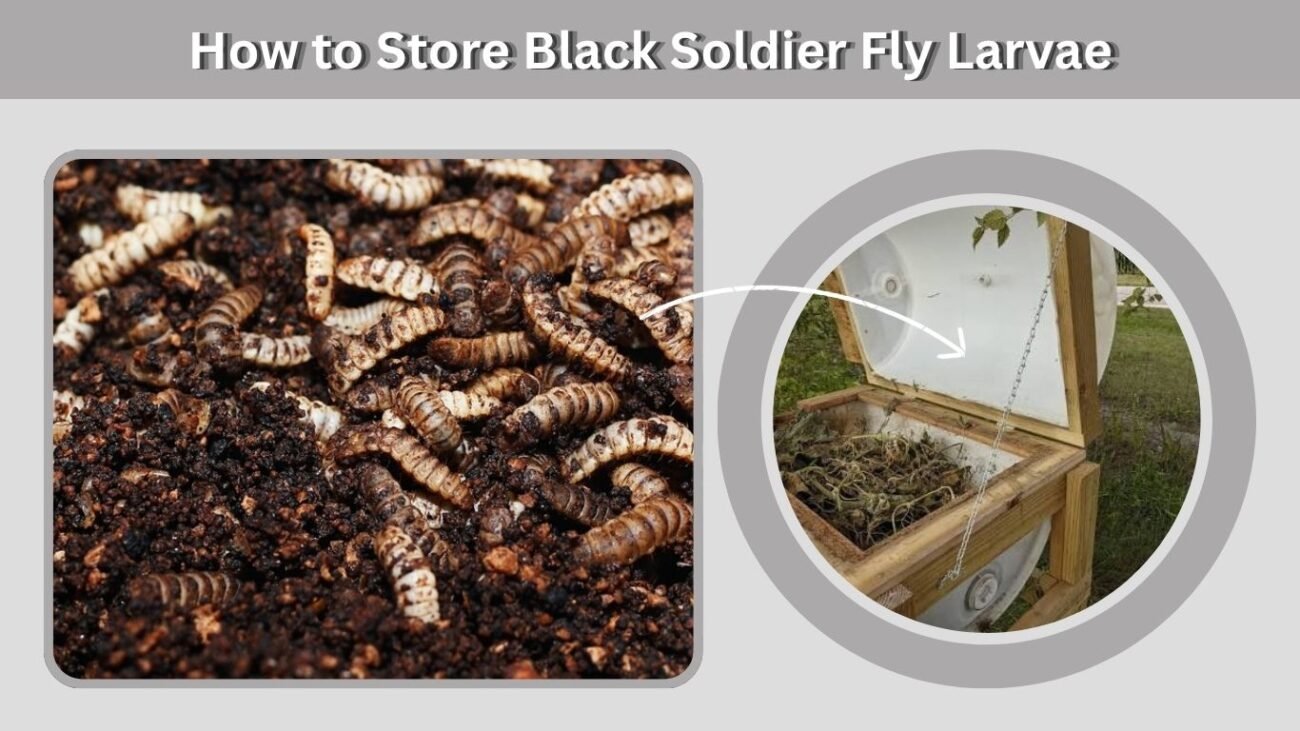
Black soldier fly larvae composting uses the larvae’s appetite to process organic scraps. A BSFL compost bin differs from a traditional compost pile because insects actively consume much of the material. This can reduce food waste quickly while simultaneously producing larvae that may be harvested for appropriate animal-feed applications.
How a BSFL Compost Bin Works
A basic system requires:
- A container with ventilation
- Adequate drainage
- Moist but not waterlogged food
- Protection from heavy rain
- Shade during hot weather
- Organic material for larvae
- A dry area for mature prepupae
- A secure design to prevent unwanted pests
Mature prepupae naturally leave the wet feeding material while searching for a dry place to pupate. Some compost bins use ramps that guide them into collection containers.
How to Raise Black Soldier Fly Larvae
Raising BSFL can range from a small backyard setup to a commercial farming operation. Successful production requires suitable food, warmth, moisture, ventilation, and a continuing population of adult flies capable of laying eggs. The larvae themselves are relatively easy to feed, but maintaining a complete breeding cycle requires more careful management.
Basic Raising Process
First, black soldier fly eggs hatch near a suitable food source. The tiny larvae move into the feed and begin consuming organic material.
As they grow, more food is provided while moisture and ventilation are monitored. The feeding material should be damp enough for larvae to move through but not so wet that the container becomes anaerobic or produces excessive odor.
Once larvae reach the prepupal stage, some can be harvested while others should be allowed to pupate and develop into adults if the goal is continuous breeding.
How to Store Black Soldier Fly Larvae
Live BSFL continue developing after purchase, so storage conditions influence how long they remain in the desired feeding stage. Excessive heat may accelerate development, while poor ventilation or inappropriate moisture can cause losses.
Keeping Live Larvae Healthy
Keep larvae:
- In a ventilated container
- Away from direct sunlight
- At moderate temperatures
- Out of standing water
- With suitable substrate if required
- Away from chemical contamination
Follow supplier instructions when purchased commercially because recommended storage can differ depending on larval size and preparation.
Dried larvae should instead be kept sealed in a cool, dry location to reduce moisture exposure and spoilage.
Black Soldier Fly Larvae vs Mealworms
BSFL and mealworms are both commonly used as animal feed, but they are different insects with different nutritional profiles.
Mealworms are beetle larvae, while BSFL develop into black soldier flies.
Black soldier fly larvae are particularly valued for their naturally high calcium content. Mealworms are also nutritious but commonly have a less favorable calcium-to-phosphorus balance.
For many animals, there is no need to choose only one. Offering appropriately selected feeder insects can provide dietary variety.
Are Black Soldier Fly Larvae Dangerous?
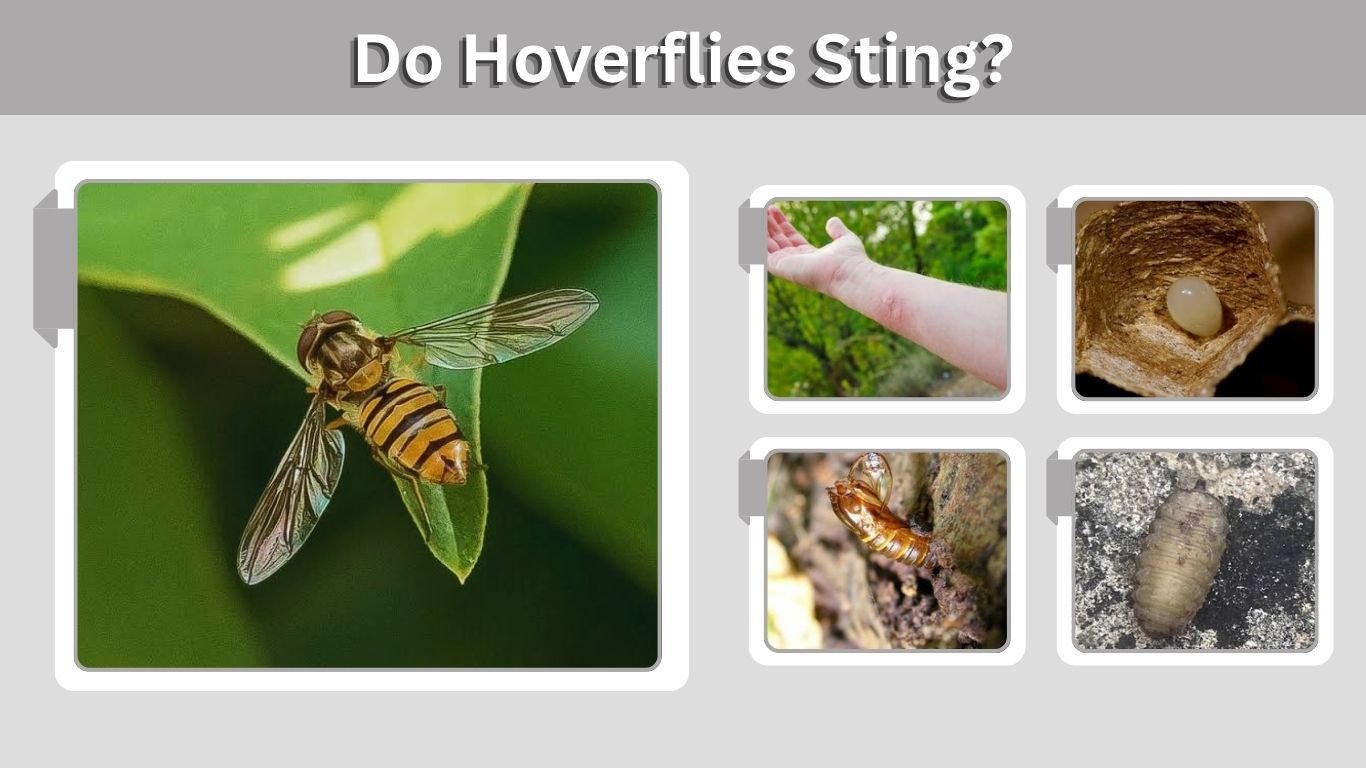
Black soldier fly larvae are generally considered harmless to people under normal handling conditions. They do not sting and are not adapted to bite humans.
Their presence in compost is usually beneficial rather than dangerous.
However, unexpectedly finding large numbers indoors can indicate decomposing organic material somewhere nearby.
If BSFL appear in a house, inspect garbage bins, spoiled food, pet waste, drains, or other places where wet organic material may be accumulating.
Removing the breeding material is usually more effective than simply killing individual larvae.
FAQs
Are Black Soldier Fly Larvae Good for Chickens?
Yes. BSFL can provide chickens with protein, fat, calcium, and natural foraging enrichment. They are commonly offered live or dried as a supplement.
Can Bearded Dragons Eat Black Soldier Fly Larvae?
Yes. Appropriately sized BSFL are commonly used as feeder insects for bearded dragons and can be included as part of a varied diet.
What Do Black Soldier Fly Larvae Eat?
They consume decomposing organic materials such as fruits, vegetables, grains, food scraps, and certain agricultural by-products.
Are Black Soldier Fly Larvae the Same as Mealworms?
No. Black soldier fly larvae develop into flies, while mealworms are the larvae of darkling beetles. Their nutritional profiles also differ.
Are Black Soldier Fly Larvae Good for Compost?
Yes. BSFL can rapidly consume appropriate food scraps and help reduce organic waste, making them useful in specialized composting systems.