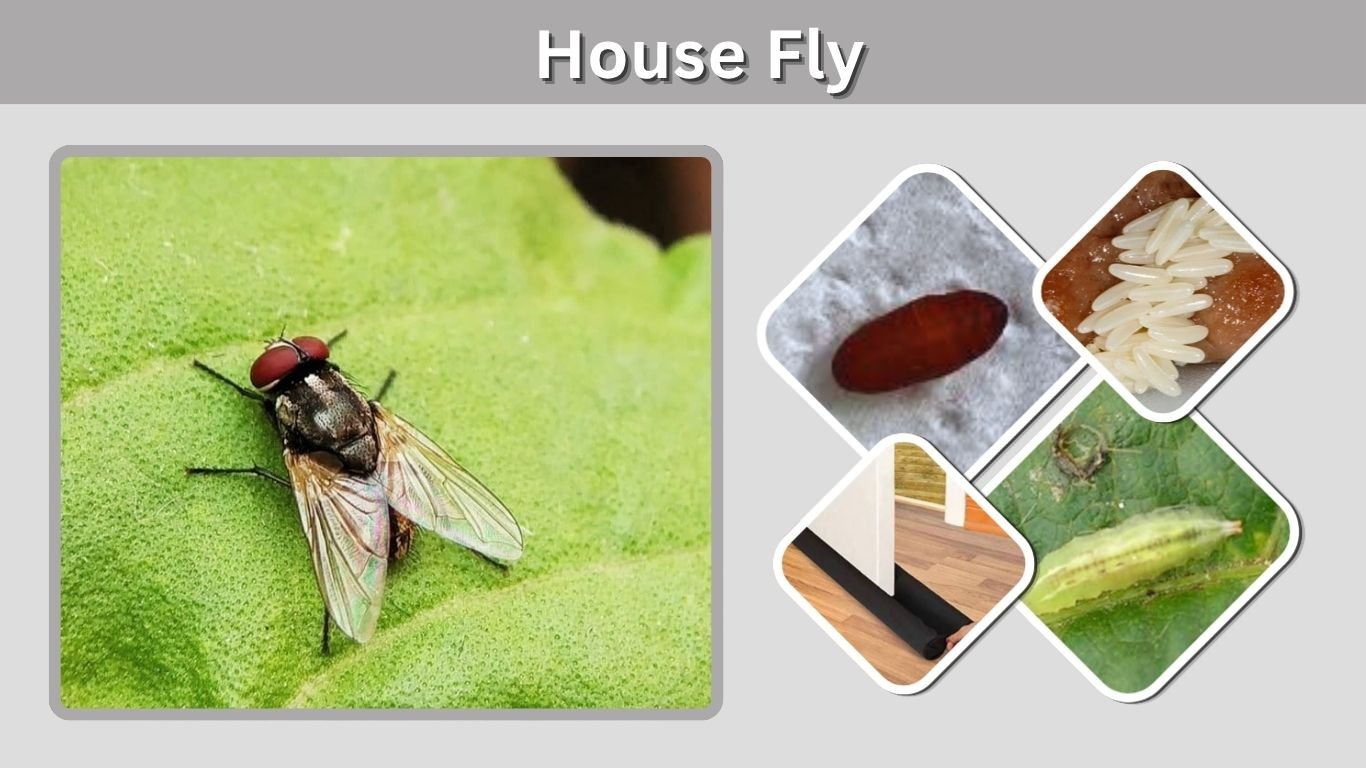
The house fly is one of the most familiar insects found around homes, restaurants, farms, garbage areas, and animal facilities. Although house flies do not normally bite people, they can become serious nuisance pests because they frequently move between waste, food, and household surfaces. A single fly may seem harmless, but favorable breeding conditions can quickly lead to an infestation. Understanding house fly identification, eggs, maggots, lifespan, life cycle, traps, and control methods can make it much easier to prevent them from taking over your home.
What Is a House Fly?
The common house fly is a widespread fly that lives closely alongside humans. Its scientific name is Musca domestica. Adults are especially common wherever food scraps, animal waste, garbage, or other moist organic materials provide feeding and breeding opportunities.
House flies reproduce quickly under warm conditions, which is why populations can increase rapidly during summer.
House Fly Identification
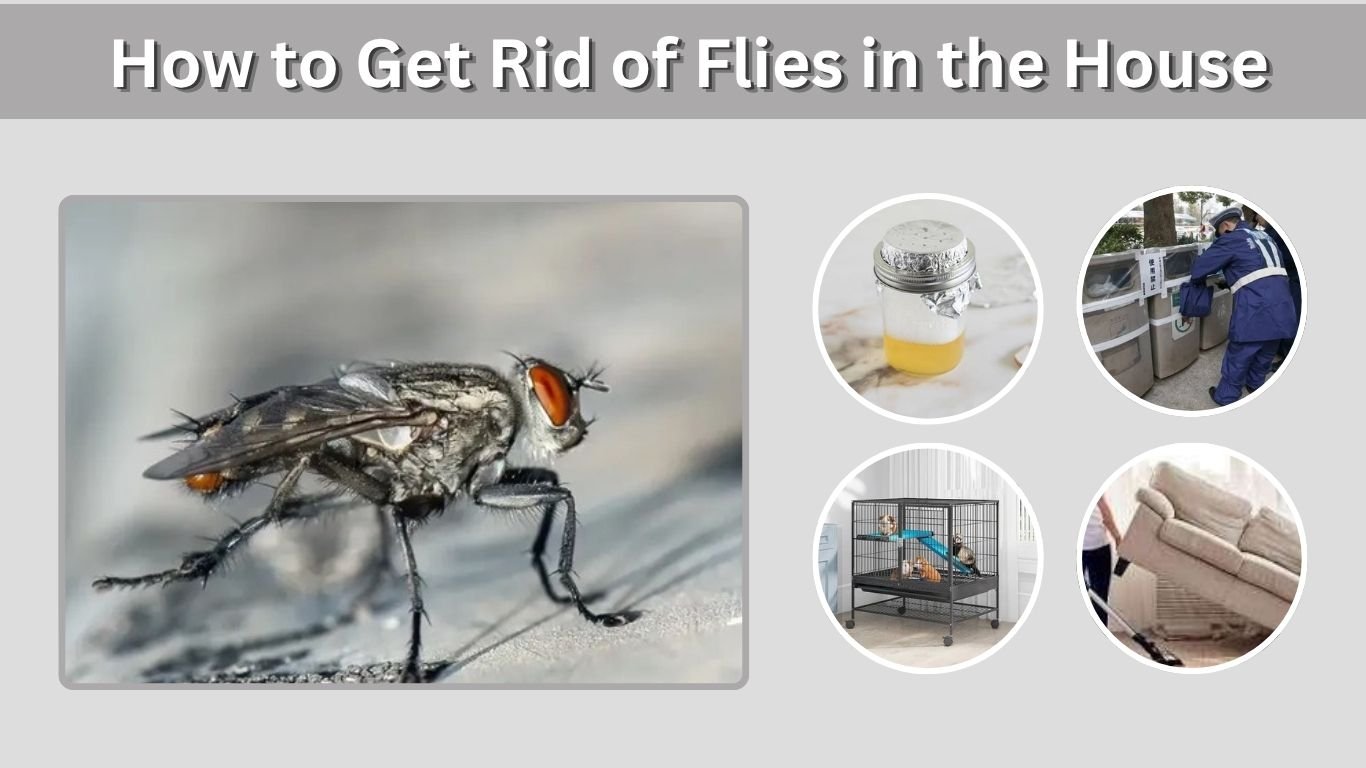
Adult house flies can usually be recognized by these features:
- Grayish body
- Four darker stripes on the thorax
- One pair of functional wings
- Large reddish compound eyes
- Approximately 1/4 inch long
- Soft mouthparts designed for sponging liquids
- Rapid, agile flight
- Frequent landing on food, walls, windows, and waste
Their bodies may appear darker or lighter depending on lighting and age.
Common House Fly vs Other Flies
Several flies found indoors may be mistaken for house flies.
Cluster flies are usually slower and often gather around sunny windows or enter buildings to overwinter. Blow flies tend to be larger and may have metallic blue or green bodies.
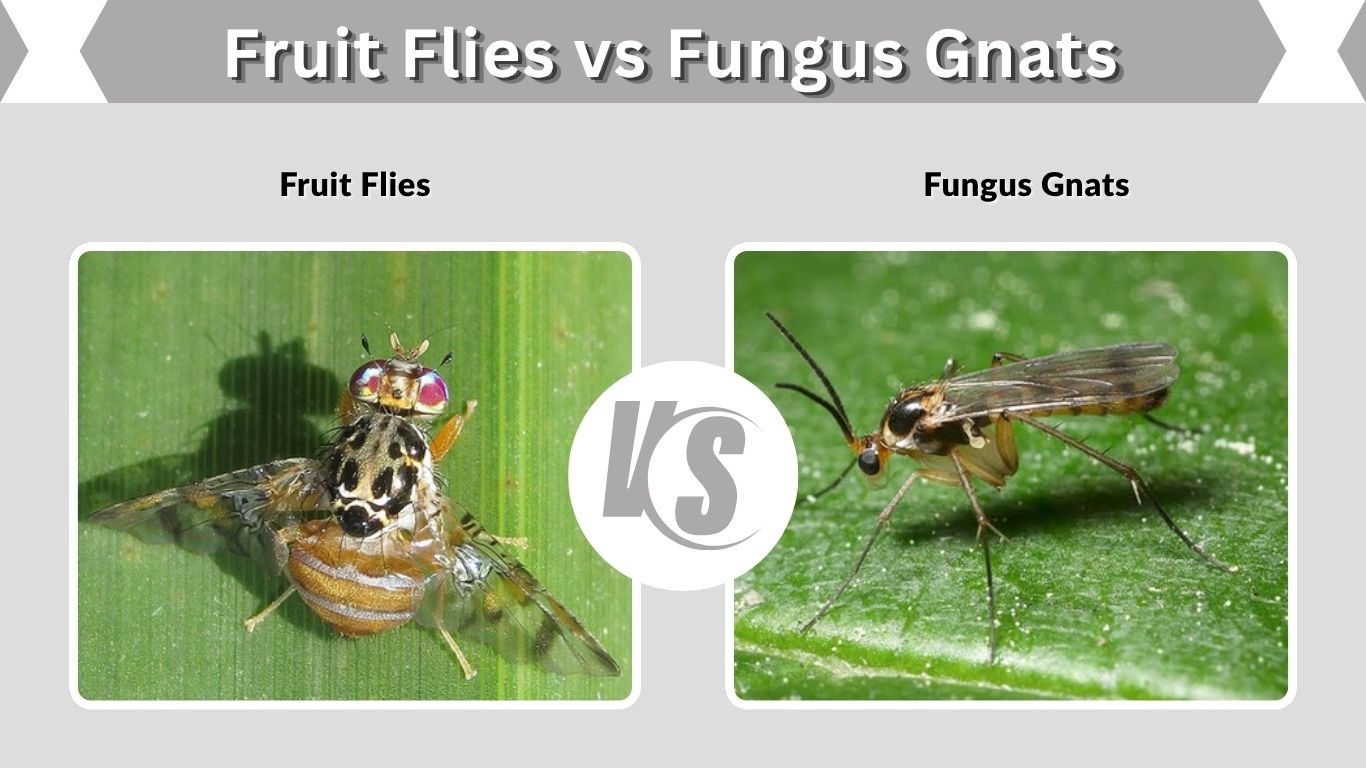
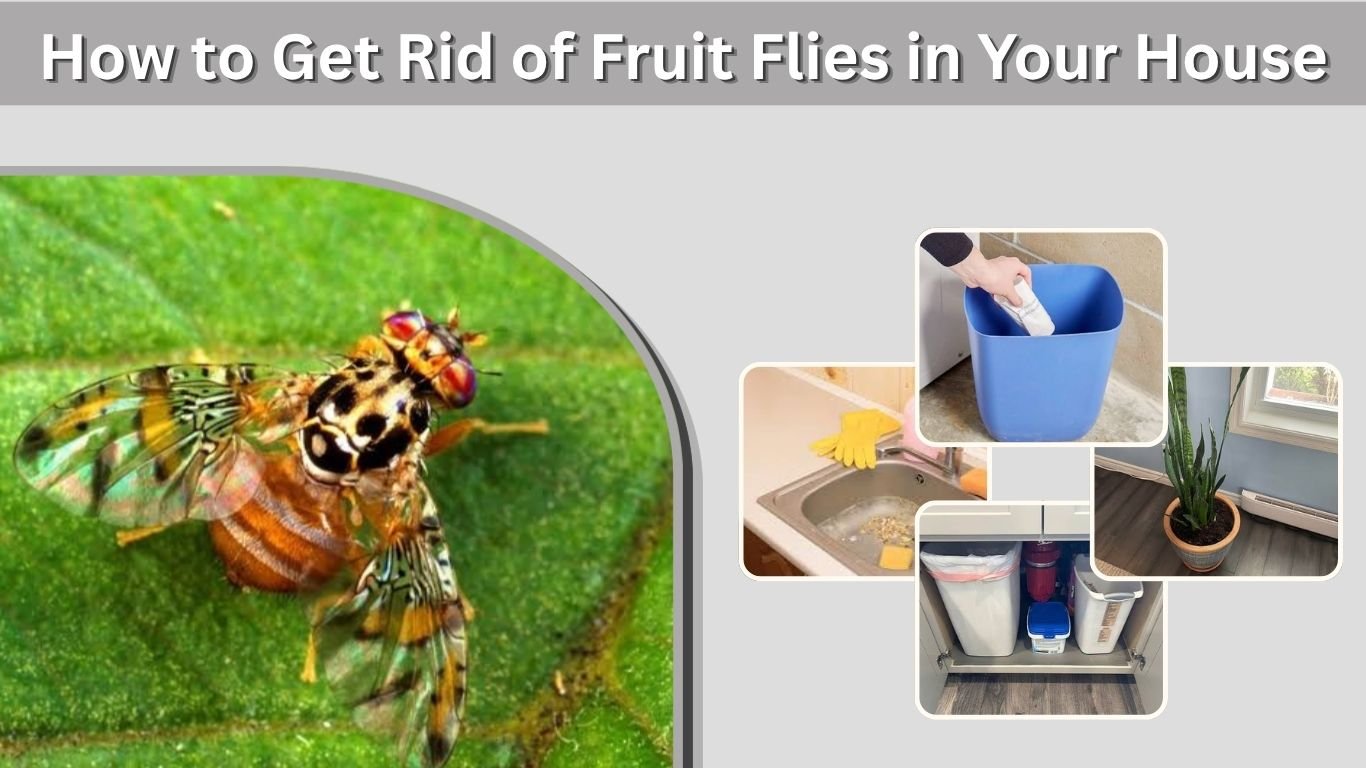
Fruit flies are much smaller and commonly gather around ripe fruit, drains, or fermenting material.
Correct identification is important because different flies may require different control methods.
House Fly Life Cycle
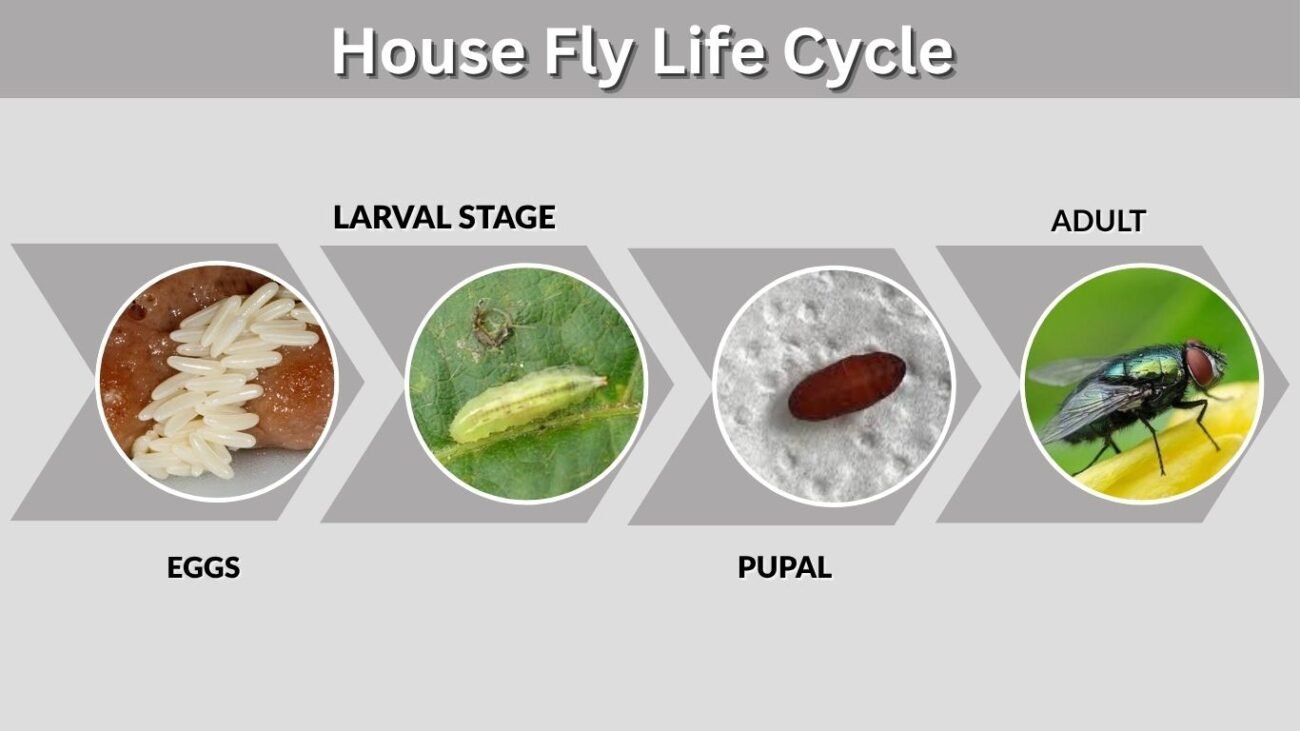
House flies undergo complete metamorphosis. Their life cycle includes four stages: egg, larva, pupa, and adult. Under warm and favorable conditions, development can occur quickly, allowing several generations to appear during a single season.
House Fly Eggs
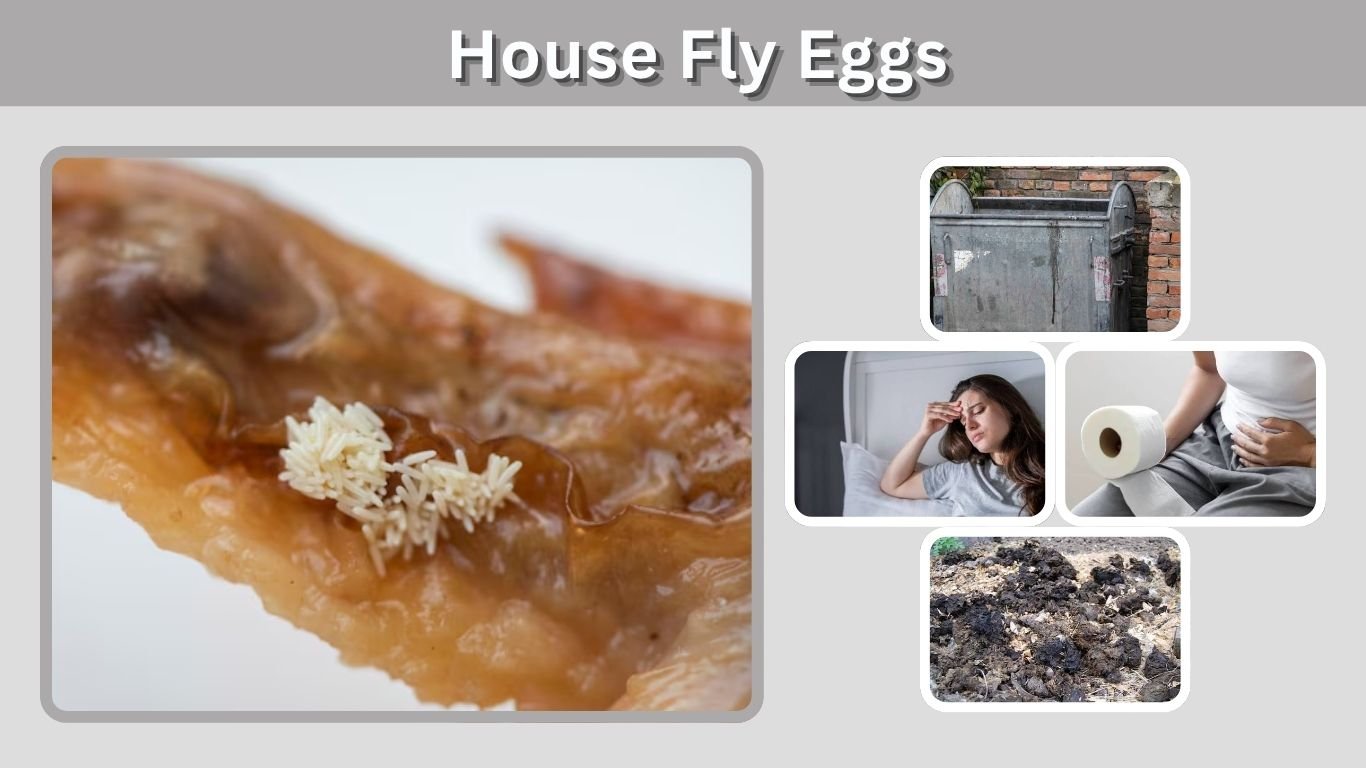
Female house flies commonly lay eggs in moist organic material where newly hatched larvae will have immediate access to food.
Typical egg-laying sites include:
- Garbage
- Animal manure
- Rotting food
- Compost
- Decaying vegetation
- Spoiled feed
- Organic waste
- Dirty trash containers
The eggs are tiny, pale, and difficult to notice individually.
House Fly Larvae and Maggots
House fly larvae are commonly called maggots.
They are pale, legless, and tapered toward the front. After hatching, maggots feed intensively on the surrounding organic material.
Suitable conditions allow them to grow quickly. Finding fly larvae inside a home usually indicates that some hidden source of decaying organic material is available nearby.
House Fly Pupae
Once larvae finish feeding, they move toward a somewhat drier location and transform into pupae.
The pupal case becomes darker and protects the developing fly as it changes into an adult.
House fly pupae may sometimes be discovered:
- Beneath garbage containers
- Near pet waste
- Along floor edges
- Under appliances
- In cracks
- Around contaminated carpets
- Near animal bedding
Removing both the breeding material and nearby pupae is important when controlling an infestation.
Adult House Fly
The adult emerges from the pupal case, expands its wings, and becomes active.
Adults immediately begin searching for food, water, and potential breeding locations. Once mature, females can begin producing another generation, continuing the cycle.
How Long Does a House Fly Live?
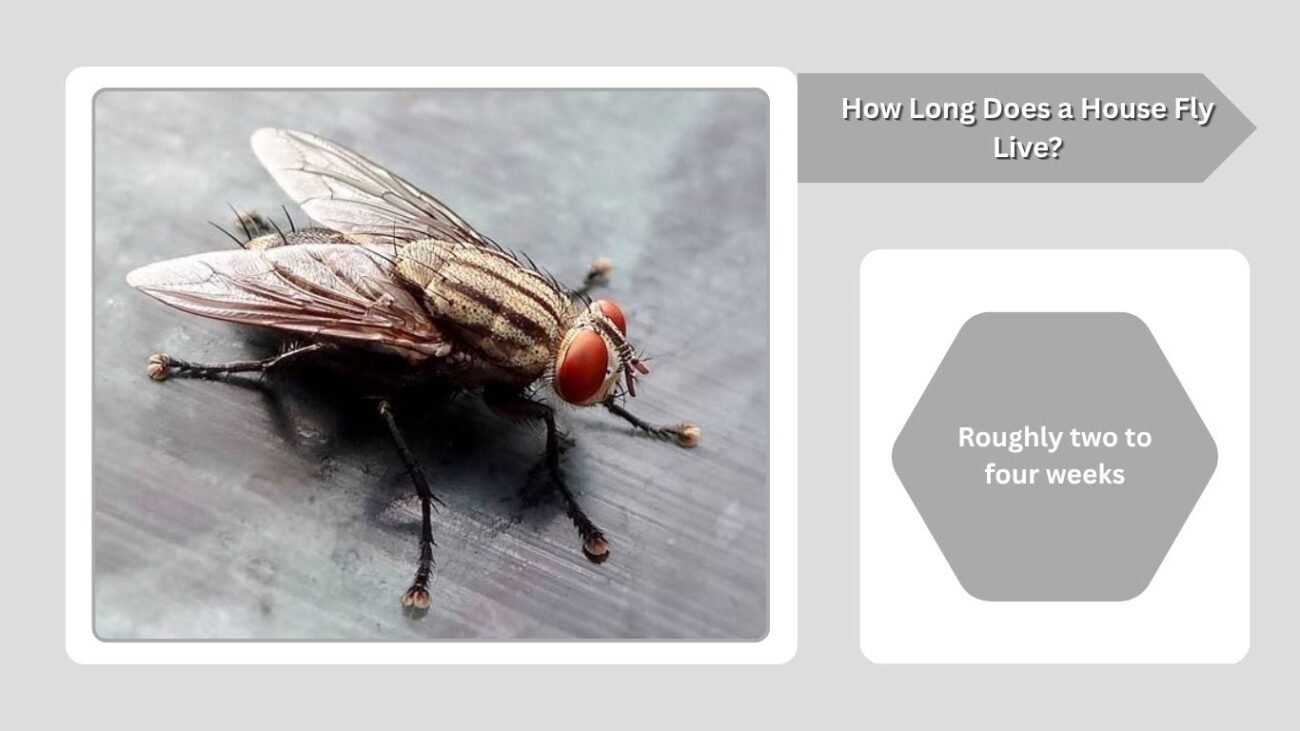
The lifespan of a house fly is relatively short compared with many household pests. Under favorable conditions, an adult commonly lives for several weeks.
However, temperature, food availability, humidity, predators, and environmental conditions can influence survival considerably.
Average House Fly Lifespan
An adult house fly commonly survives roughly two to four weeks, although some individuals can live longer under favorable conditions.
Their short lifespan does not prevent infestations because females reproduce rapidly.
A population can therefore continue for months even though individual flies live for only a relatively short time.
How Long Can a Fly Live in a House?
A fly inside a house may survive for several weeks if it has access to:
- Food crumbs
- Garbage
- Pet food
- Moisture
- Kitchen residues
- Organic material
- Warm temperatures
Removing these resources makes indoor conditions less favorable.
Do House Flies Bite?
Common house flies do not bite humans. Unlike mosquitoes, horse flies, or some other biting flies, house flies do not have mouthparts capable of piercing skin to obtain blood.
Instead, they have sponge-like mouthparts that allow them to consume liquid or liquefied food.
Why Do House Flies Land on People?
A house fly may land on your arms, face, or legs because it is attracted to moisture, salts, food residue, or other substances on the skin.
Although this can feel irritating, the fly is not biting you.
Repeated painful bites should therefore raise the possibility of another type of fly or insect.
House Fly vs Horse Fly
A horse fly is usually much larger and more robust than a common house fly.
Female horse flies possess cutting mouthparts and can inflict painful bites to obtain blood. House flies lack these biting structures.
If a large fly repeatedly delivers painful bites outdoors, it is unlikely to be an ordinary house fly.
What Causes a House Fly Infestation?
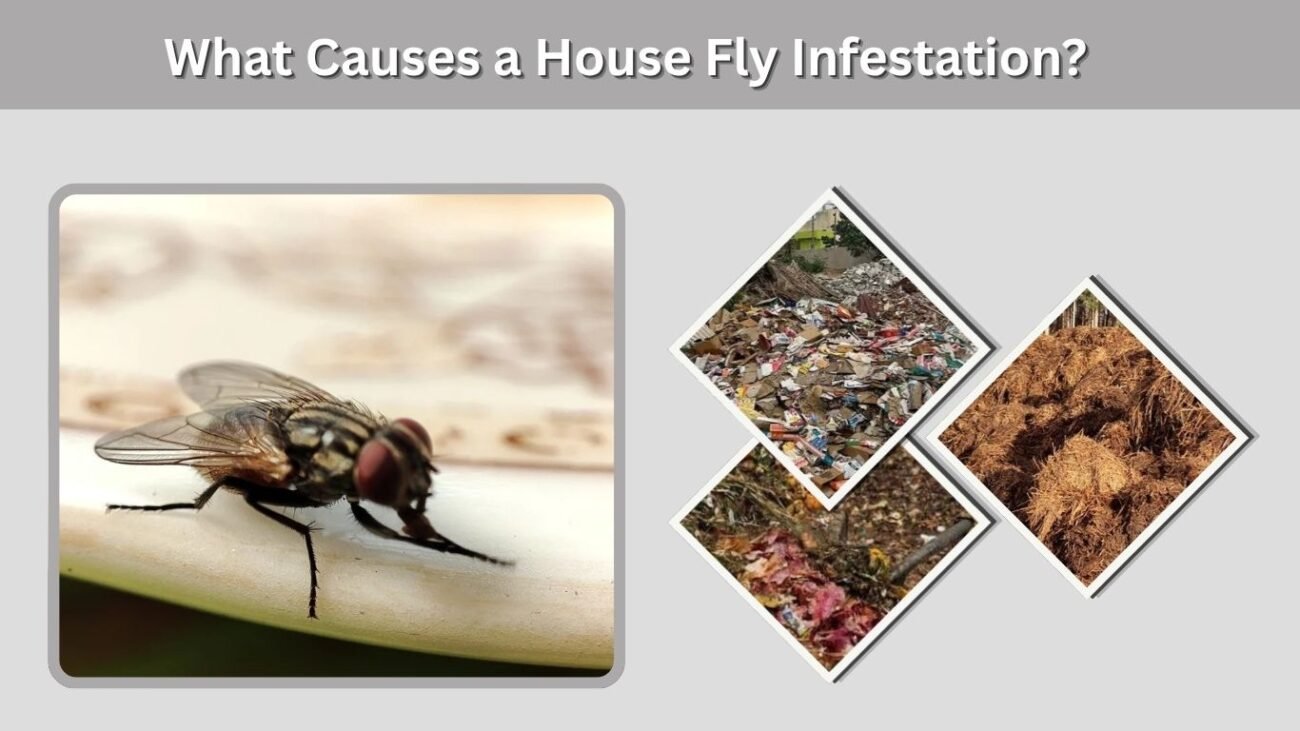
A sudden increase in house flies usually means that food and breeding material are available somewhere nearby.
Simply killing visible adults may provide temporary relief, but the infestation can continue if eggs, larvae, and pupae remain hidden.
Common Causes of House Fly Infestations
Potential breeding sources include:
- Uncovered garbage
- Rotting food
- Animal manure
- Pet waste
- Dirty trash cans
- Compost
- Dead animals
- Spoiled animal feed
- Food trapped beneath appliances
- Organic waste around drains
- Poor sanitation
Finding and removing the breeding source is one of the most important steps in fly control.
Why Are There Suddenly So Many Flies?
A sudden outbreak can occur when larvae developing in a hidden location mature at approximately the same time.
For example, a small dead animal inside a wall, spoiled food under an appliance, or neglected garbage can support developing larvae.
When the adults emerge, dozens of flies may suddenly become visible around windows.
House Fly Traps
Traps can help reduce adult fly numbers and are especially useful when combined with sanitation and exclusion.
Different trap designs work better in different locations.
Common House Fly Traps
Options include:
- Sticky fly ribbons
- Window traps
- Light traps
- Baited outdoor traps
- Reusable fly traps
- Homemade bottle traps
- Electric indoor traps designed for flies
Outdoor baited traps should normally be positioned away from doors and gathering areas because their attractants can draw flies toward them.
Homemade House Fly Trap
A simple homemade trap can be made using a container with a small amount of attractive bait.
A paper funnel or modified bottle opening allows flies to enter while making escape more difficult.
Possible attractants include sweet fermenting liquids or other food-based bait.
Homemade traps can catch adults, but they will not eliminate larvae developing elsewhere.
How to Get Rid of House Flies
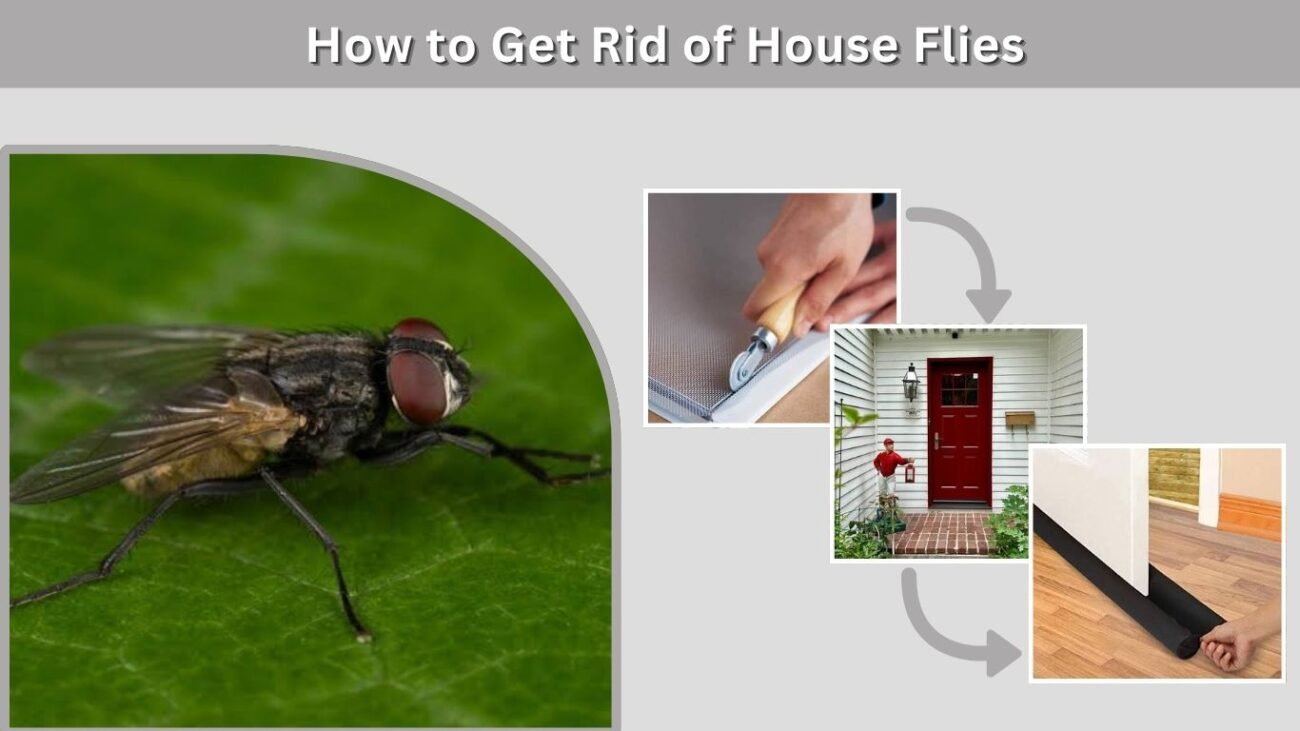
Effective house fly control combines sanitation, trapping, physical exclusion, and elimination of breeding locations.
Relying entirely on sprays rarely provides lasting results.
Remove Breeding Sources
Start by inspecting locations where moist organic matter may accumulate.
Empty garbage frequently, clean containers, remove pet waste, discard spoiled food, and clean beneath appliances.
Outdoor animal areas and compost piles should also be properly managed.
Keep Flies Outside
Physical exclusion can dramatically reduce indoor fly problems.
Helpful measures include:
- Repair window screens.
- Keep exterior doors closed.
- Install door sweeps.
- Seal openings around windows.
- Cover food.
- Keep garbage containers closed.
- Clean spills promptly.
- Avoid leaving pet food exposed.
Use Traps Strategically
Place traps near locations where flies are consistently active.
Indoor traps can be useful near windows or other bright areas, while outdoor bait traps should be positioned away from entrances.
Sticky traps can also help determine where fly activity is strongest.
Use Fly Spray Carefully
Fly sprays may kill adult flies quickly, but they do not necessarily eliminate eggs, larvae, or pupae.
Always use insecticides according to label directions and avoid contaminating food, food-preparation surfaces, pet dishes, or children’s areas.
Persistent infestations may require professional pest-control assistance.
Are House Flies Dangerous?
House flies are more concerning for contamination than for biting.
Because they frequently visit feces, garbage, decaying material, and other contaminated sources before landing on food or kitchen surfaces, they can mechanically carry microorganisms from one location to another.
Good sanitation is therefore especially important in kitchens, restaurants, farms, and food-storage areas.
How to Reduce Contamination Risk
Follow these practical habits:
- Keep prepared food covered.
- Clean counters regularly.
- Wash dishes promptly.
- Store garbage in closed containers.
- Wash produce before eating.
- Keep pet waste cleaned up.
- Avoid leaving dirty dishes overnight.
- Clean food spills quickly.
Preventing flies from reaching food is preferable to simply killing them after they enter.
House Fly Prevention
Long-term prevention means making your property less attractive for feeding and reproduction.
House flies require suitable organic material to complete their development, so reducing breeding opportunities can have a major effect on populations.
Keep indoor and outdoor trash areas clean, repair screens before warm weather, manage animal waste regularly, and inspect unexpected sources of odor.
When fly numbers suddenly increase, look beyond the visible adults. Finding the source of the larvae usually provides the most effective solution.
FAQs
What is the scientific name of the house fly?
The scientific name of the common house fly is Musca domestica. It is one of the most widespread flies associated with human environments.
How long does a house fly live?
Adult house flies commonly live for approximately two to four weeks under favorable conditions, although lifespan can vary with temperature, food, and other environmental factors.
Do house flies bite humans?
No. Common house flies do not have piercing mouthparts and cannot bite humans like horse flies or mosquitoes. They feed using sponge-like mouthparts.
Why do I suddenly have a house fly infestation?
A sudden infestation often indicates that larvae have developed in hidden organic material such as garbage, spoiled food, animal waste, compost, or a dead animal.
What is the best way to get rid of house flies?
Remove breeding material first, improve sanitation, keep doors and screens secure, and use traps to reduce remaining adults. Eliminating the breeding source is usually more effective than relying only on insecticide sprays.