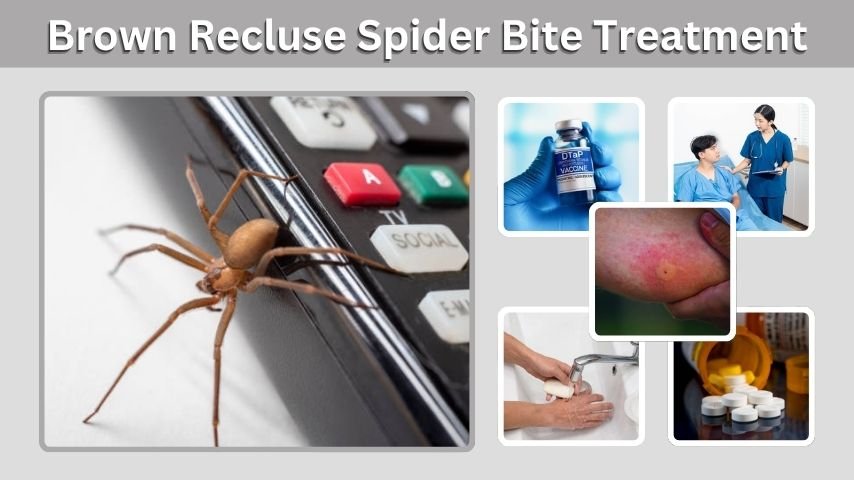
Brown recluse spider bite treatment starts with calm first aid, careful monitoring, and medical care when symptoms worsen. Many suspected bites stay mild, but some can lead to pain, blistering, skin discoloration, or a slow-healing wound. Because skin infections and other insect bites can look similar, the safest approach is to clean the area, reduce swelling, avoid harmful home remedies, and get professional help for severe or changing symptoms.
What Is the Treatment for a Brown Recluse Spider Bite?
Treatment for a brown recluse spider bite depends on how the bite looks, how symptoms are changing, and whether there are signs of infection or tissue damage. There is no simple home cure that neutralizes brown recluse venom. Care usually focuses on wound cleaning, pain control, swelling reduction, and watching for complications.
Most mild bites can be managed with basic first aid at first. However, a bite that becomes more painful, develops a blister, turns blue or black, spreads, or causes fever should be evaluated by a healthcare provider.
The main goals of treatment are to:
- Keep the bite clean
- Reduce pain and swelling
- Prevent scratching and irritation
- Watch for infection
- Protect damaged skin
- Get medical care if symptoms worsen
A healthcare provider may also check whether the wound is truly from a spider bite. Many “brown recluse bites” turn out to be bacterial infections, abscesses, allergic reactions, or other skin problems.
First Aid Treatment for a Brown Recluse Spider Bite
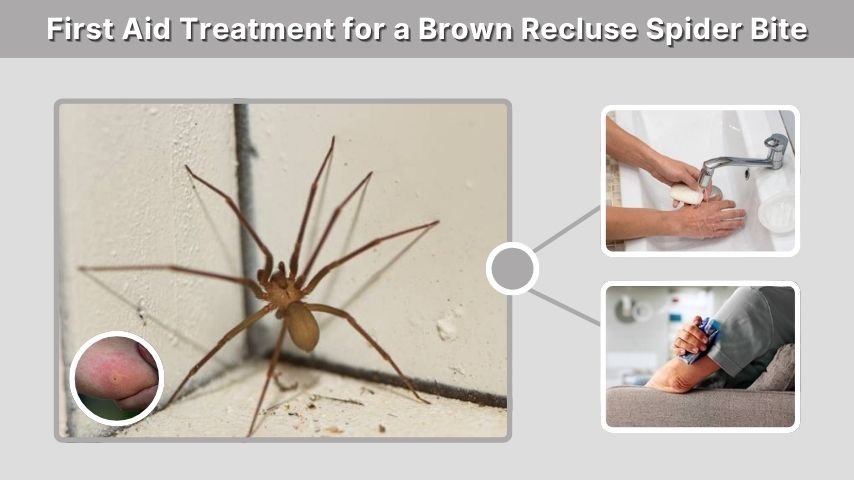
First aid should begin as soon as you notice a possible bite. Even if you are not sure it came from a brown recluse, gentle wound care can help reduce irritation and lower the risk of infection.
Clean the Bite Area
Wash the bite gently with soap and water. Do not scrub hard, because irritated skin can become more inflamed. Pat the area dry with a clean towel.
After cleaning, keep the area protected. If the skin is broken, use a clean bandage or dressing. Change it as needed, especially if it becomes wet or dirty.
Use a Cold Compress
Apply a cold compress or wrapped ice pack to the bite for short periods. Cold can help reduce pain, swelling, and inflammation. Do not place ice directly on the skin because it can cause skin injury.
A safe method is to wrap ice in a cloth and apply it for about 10 minutes at a time. Give the skin breaks between applications.
Elevate the Area
If the bite is on an arm or leg, keep it elevated when possible. Elevation may help reduce swelling and throbbing. This is especially useful during the first day or two after the bite.
Monitor Changes
Take a clear photo of the bite and note the time. You can also mark the edge of redness with a pen to see whether it spreads. This can help you explain changes to a doctor if you need care later.
Brown Recluse Spider Bite Treatment at Home
Home treatment is only appropriate for mild symptoms that are not getting worse. If the bite is small, pain is mild, and there are no whole-body symptoms, you can monitor it closely while using basic care.
Safe home treatment may include gentle cleaning, cold compresses, rest, elevation, and over-the-counter pain medicine as directed on the label. Avoid scratching the bite, even if it itches.
What Not to Do at Home
Some home remedies can make the wound worse. Avoid aggressive or unproven methods, especially if the skin is blistering or changing color.
Do not:
- Cut the bite open
- Try to suck out venom
- Squeeze or drain a blister
- Apply heat to the wound
- Use bleach, alcohol, gasoline, or harsh chemicals
- Put untested herbal mixtures on broken skin
- Ignore spreading redness or worsening pain
Natural treatment for a brown recluse spider bite should not replace medical care when symptoms are severe. Aloe, oils, baking soda, or herbal pastes may irritate the skin and delay proper treatment.
Brown Recluse Spider Bite Medical Treatment
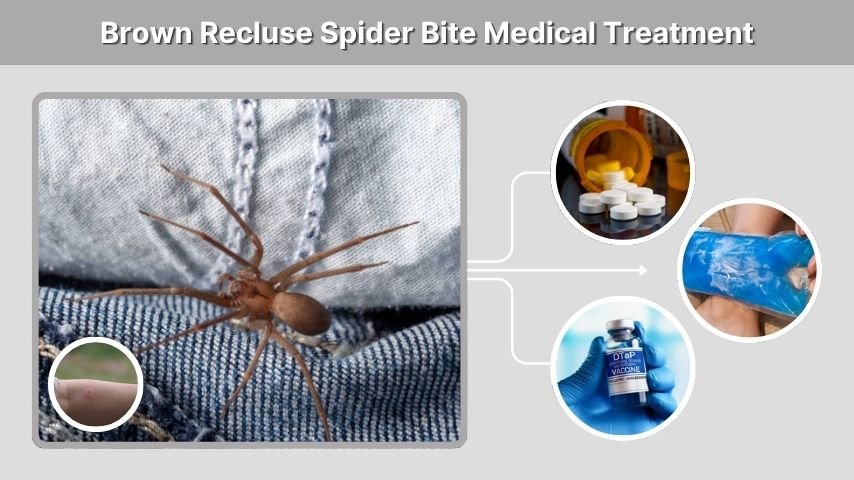
Medical treatment may be needed if the bite is worsening, painful, infected, or developing damaged skin. A healthcare provider can examine the wound, ask about symptoms, and decide whether you need medication, wound care, or follow-up visits.
| Treatment Option | When It May Be Used | Purpose |
| Wound cleaning | Mild to moderate bites | Reduces contamination and supports healing |
| Pain medicine | Painful bites | Helps manage discomfort |
| Cold therapy advice | Early swelling or tenderness | Helps reduce swelling and pain |
| Tetanus booster | Broken skin or outdated vaccination | Lowers tetanus risk |
| Antibiotics | Confirmed or suspected infection | Treats bacterial infection, not venom |
| Wound dressings | Blisters or open sores | Protects skin while healing |
| Specialist referral | Severe wounds or tissue damage | Supports advanced wound care |
The exact treatment depends on the bite. Some people need only reassurance and home care instructions. Others may need close wound monitoring.
Antibiotic Treatment for Brown Recluse Spider Bite
Antibiotics are a common search topic, but they are not always needed. A brown recluse bite is caused by venom, not bacteria. Antibiotics do not neutralize venom or prevent all skin damage.
A doctor may prescribe antibiotics if there are signs of bacterial infection. These signs may include pus, increasing warmth, spreading redness, fever, red streaks, or worsening swelling. If infection is not present, antibiotics may not help.
Why Antibiotics Are Not Automatic
Using antibiotics when they are not needed can cause side effects and contribute to antibiotic resistance. It may also give a false sense of security while the wound continues to worsen for another reason.
If a doctor does prescribe antibiotics, take them exactly as directed. Do not stop early unless your healthcare provider tells you to.
Brown Recluse Spider Bite Blister Treatment
A blister can form after a brown recluse bite. It may be small at first, then grow larger or become surrounded by redness. Do not pop the blister at home. Opening it can increase the risk of infection.
Keep the blister clean and protected. Use a loose, clean dressing if clothing rubs against it. If the blister opens on its own, wash the area gently and cover it with a sterile bandage.
Seek medical care if the blister becomes very painful, leaks pus, turns dark, or is surrounded by spreading redness. A healthcare provider may recommend a specific wound dressing or follow-up care.
Brown Recluse Spider Bite Necrosis Treatment
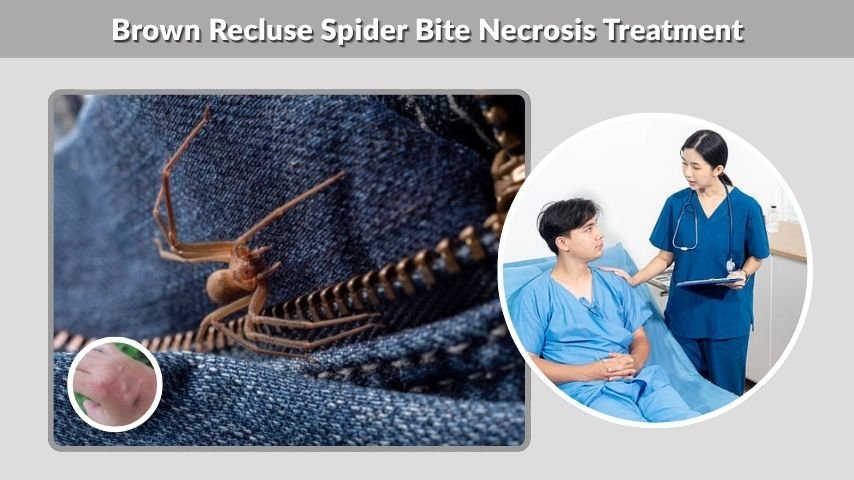
Necrosis means tissue death. It is one of the most concerning complications linked with brown recluse bites. Not every bite causes necrosis, but if the center of the bite becomes dark, sunken, gray, purple, blue, or black, medical evaluation is important.
Necrosis treatment depends on severity. Doctors may recommend wound care, pain control, infection monitoring, and follow-up appointments. In some cases, the wound may need advanced care from a wound specialist.
Surgery is not always done early. Some wounds need time to clearly show the full damaged area before surgical decisions are made. Never try to remove dead skin yourself.
Day 1 and Day 2 Brown Recluse Spider Bite Treatment
The first two days are important because symptoms may change quickly. A bite that seems minor at first may become more painful or discolored later.
Day 1 Care
On day 1, clean the area, use cold compresses, elevate the bite, and watch for spreading redness or increasing pain. Take photos so you can compare changes.
If the bite is on the face, near the eye, on the genitals, or over a joint, contact a healthcare provider sooner.
Day 2 Care
On day 2, pay attention to pain, swelling, blistering, and skin color. If the wound looks worse than the previous day, it is time to get medical advice.
Day 2 warning signs include growing redness, a larger blister, dark skin in the center, fever, nausea, weakness, or severe pain.
When to Seek Urgent Medical Care
Some brown recluse bites can become serious. Do not wait if symptoms are spreading or affecting your whole body. Early medical evaluation can help identify infection, tissue damage, or another condition that needs treatment.
Seek urgent care if you notice:
- Severe or increasing pain
- Fever, chills, nausea, or vomiting
- A blister that keeps growing
- Blue, purple, gray, or black skin
- A wound that opens or expands
- Pus or red streaks
- Dizziness, weakness, or confusion
- Trouble breathing or swallowing
- Bite symptoms in a child or older adult
- A bite near the eye, face, genitals, or joint
If you safely captured or photographed the spider, show the image to the healthcare provider. Do not risk another bite trying to catch it.
Brown Recluse Spider Bite Treatment for Dogs
Dogs can also be bitten, especially if they explore garages, woodpiles, basements, sheds, or cluttered spaces. Symptoms may include swelling, pain, licking the area, limping, redness, a blister, skin discoloration, fever, or low energy.
Treatment for a dog should come from a veterinarian. Do not give human pain medicine, antibiotics, or home remedies unless a vet specifically recommends them. Some human medicines are dangerous for dogs.
If your dog seems weak, refuses food, has a worsening wound, or shows signs of pain, call a veterinarian promptly.
Preventing Brown Recluse Spider Bites
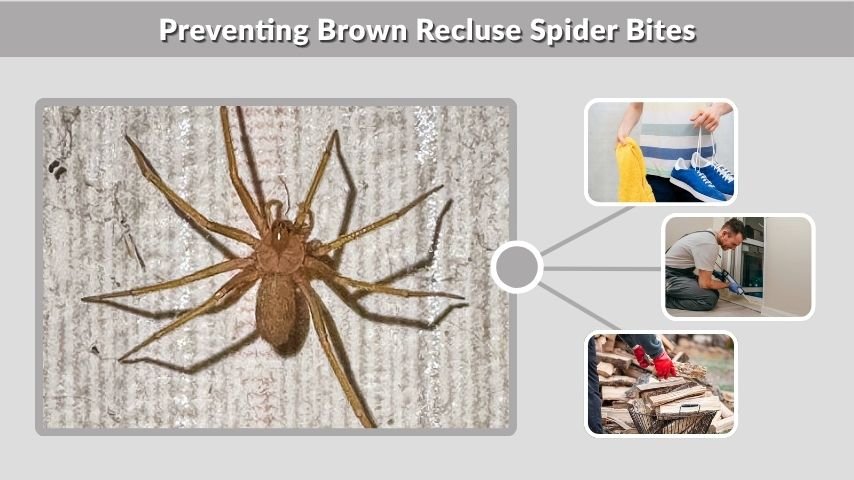
Prevention helps reduce the chance of future bites, especially in areas where brown recluse spiders are common. These spiders prefer quiet, dark, undisturbed places and often hide in storage areas.
Helpful prevention steps include:
- Shake out shoes, clothing, towels, and bedding
- Wear gloves when moving boxes or firewood
- Reduce clutter in closets, garages, basements, and sheds
- Keep beds away from walls when possible
- Seal cracks around doors, windows, and baseboards
- Store items in sealed plastic containers
- Avoid leaving clothing or blankets on the floor
- Contact pest control if spiders are common indoors
Brown recluse spiders usually bite when trapped against skin. Checking clothing, shoes, gloves, and bedding can lower risk.
FAQs
What is the best treatment for a brown recluse spider bite?
The best treatment starts with washing the bite, applying a cold compress, elevating the area, and monitoring changes. Mild bites may improve with basic care, but worsening pain, spreading redness, blistering, fever, or dark skin changes need medical evaluation. There is no proven home remedy that neutralizes the venom.
Do brown recluse spider bites need antibiotics?
Not always. Antibiotics treat bacterial infection, not the venom itself. A doctor may prescribe antibiotics if the bite shows signs of infection, such as pus, increasing warmth, spreading redness, fever, or red streaks. Taking antibiotics without medical need may cause side effects and will not stop venom-related tissue injury.
Can I treat a brown recluse spider bite at home?
You can monitor a mild bite at home if symptoms are small, stable, and not worsening. Clean the area, use cold compresses, elevate it, and avoid scratching. Seek medical care if pain increases, redness spreads, a blister grows, the center darkens, or you develop fever, nausea, or weakness.
Should I pop a brown recluse spider bite blister?
No. Do not pop, cut, squeeze, or drain a blister at home. Opening the skin can increase infection risk and make the wound harder to manage. Keep the blister clean and protected. If it becomes very painful, leaks pus, turns dark, or keeps growing, contact a healthcare provider.
When is a brown recluse spider bite an emergency?
It may be an emergency if you have severe pain, trouble breathing, dizziness, fever, vomiting, spreading redness, red streaks, or skin turning blue, purple, gray, or black. Children, older adults, and people with weak immune systems should be checked sooner because complications may become serious faster.