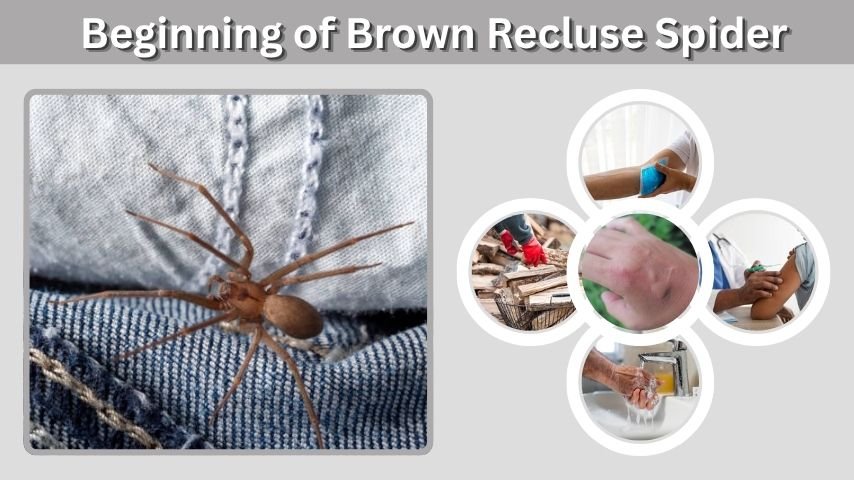
The beginning of a brown recluse spider bite can be confusing because it may look like a small red bump, a mild insect bite, or even a pimple. Some people barely notice the bite at first, while others feel stinging, itching, or growing pain within a few hours. Because many skin problems can look similar, it is important to understand the early signs, track changes, and know when medical care is needed.
What a Brown Recluse Bite May Look Like at First
At the beginning, a brown recluse spider bite does not always look dramatic. In many cases, the first sign is a small area of redness or tenderness. The bite may be flat or slightly raised. It may itch, burn, sting, or feel sore when touched.
Some people describe the early bite as a tiny red mark with mild swelling around it. Others may see a pale center or a small blister forming. The area can feel warmer than the surrounding skin. In the first few hours, it may be hard to tell whether the mark came from a spider, mosquito, ant, flea, or another skin irritation.
Early Visual Clues
A possible early brown recluse bite may include:
- A small red or pink bump
- Mild swelling around the bite
- Itching, burning, or stinging
- Tenderness that slowly increases
- A pale or whitish center
- A small blister at the bite site
- Redness that expands over time
These signs do not prove that the bite came from a brown recluse. Many rashes, infections, and insect bites can look the same in the beginning.
Beginning Stages of a Brown Recluse Spider Bite
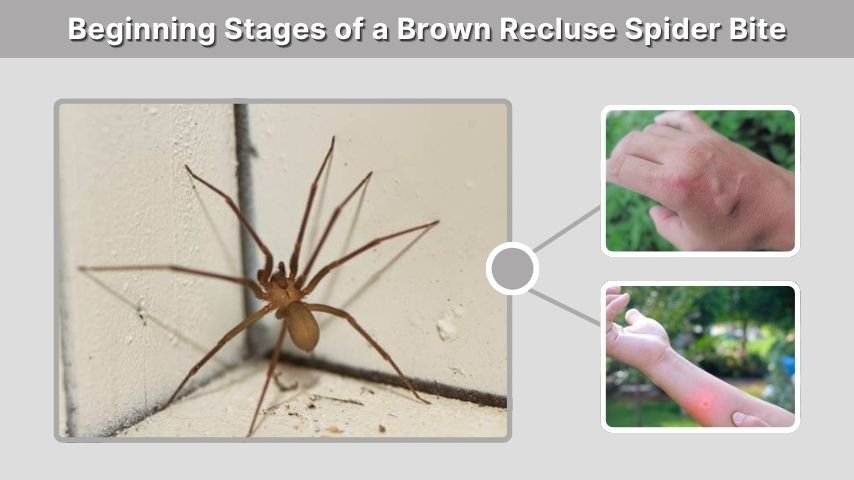
The beginning stages of a brown recluse spider bite can change over several hours or days. Not every bite follows the same pattern. Some remain mild and heal with basic care, while others become painful or develop damaged skin.
| Time After Bite | Possible Appearance | What It May Feel Like |
| First few minutes to hours | Small red bump, mild swelling, or no clear mark | Little pain, mild sting, itching, or tenderness |
| 2 to 8 hours | Redness may spread; blister or pale center may appear | Burning, itching, aching, or increasing soreness |
| 12 to 24 hours | Bite may become more painful or discolored | Throbbing, warmth, swelling, or sensitivity |
| 1 to 3 days | Some bites form a dark center or open sore | Pain may increase; skin may feel tight or tender |
| Several days onward | Mild bites improve; severe bites may form a wound | Healing or worsening pain, depending on severity |
This timeline is only a general guide. A bite that worsens quickly, becomes very painful, or causes a growing wound should be checked by a healthcare professional.
Common Symptoms in the First Few Hours
The first few hours are important because symptoms may start mild and become more noticeable later. A brown recluse bite may be painless at first. Some people notice only a small sting, while others do not remember being bitten.
Local Skin Symptoms
Early symptoms near the bite may include redness, swelling, itching, burning, and tenderness. The skin may feel warm or tight. A blister may appear, sometimes with a pale center. The area can slowly become more painful instead of improving.
Whole-Body Symptoms
Most early reactions stay near the skin, but some people may develop symptoms beyond the bite area. These may include fever, chills, nausea, weakness, body aches, or a general sick feeling. Children, older adults, and people with weaker health may be more vulnerable to serious reactions.
How to Tell If It Might Be a Brown Recluse Bite
A true brown recluse bite is often linked to being in an area where these spiders live. Brown recluse spiders are more common in parts of the central and southern United States. They prefer dark, quiet spaces such as closets, garages, basements, storage boxes, woodpiles, sheds, and undisturbed corners.
The spider usually bites when it is trapped against the skin. For example, this can happen when someone puts on clothing, shoes, or gloves where the spider was hiding.
Signs That Support a Possible Brown Recluse Bite
A bite may be more suspicious if:
- You live in or recently visited a brown recluse region
- The bite happened after handling stored clothing, boxes, wood, or clutter
- You saw a brown spider with a violin-shaped marking
- The bite started mild but became more painful over several hours
- A blister, pale center, or darkening center developed
- The wound continued to grow instead of improving
Still, it is easy to misidentify spiders and skin wounds. A healthcare provider can help rule out other causes.
Conditions That Can Look Like a Brown Recluse Bite
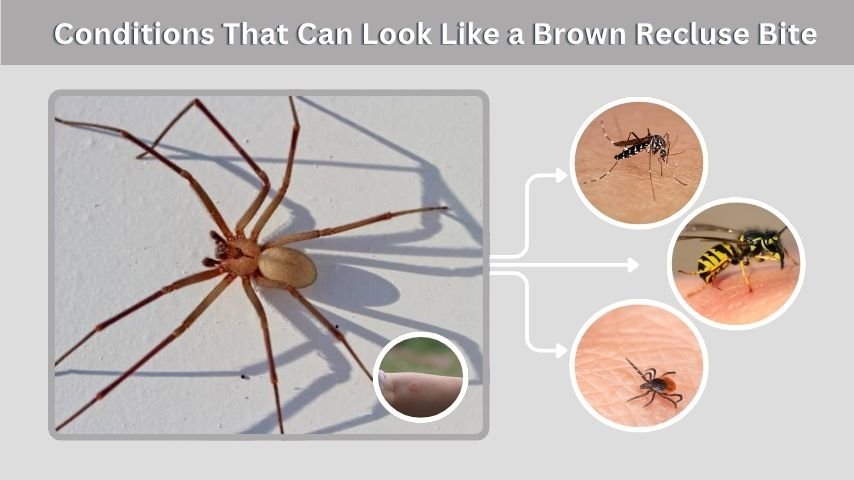
Many people search for pictures of the beginning stages of a brown recluse spider bite because they want to compare their skin mark. Pictures can help show general patterns, but they cannot confirm the cause.
Several conditions can look like a brown recluse bite, including:
- Mosquito, flea, ant, or bed bug bites
- Bee or wasp stings
- Skin abscesses
- Bacterial infections
- Ingrown hairs
- Allergic reactions
- Contact dermatitis
- Shingles
- Tick bites
- Diabetic skin wounds
- Other spider or insect bites
One common concern is that a skin infection may be mistaken for a spider bite. If the area becomes very red, swollen, hot, filled with pus, or increasingly painful, it should be medically evaluated.
What to Do at the Beginning of a Suspected Bite
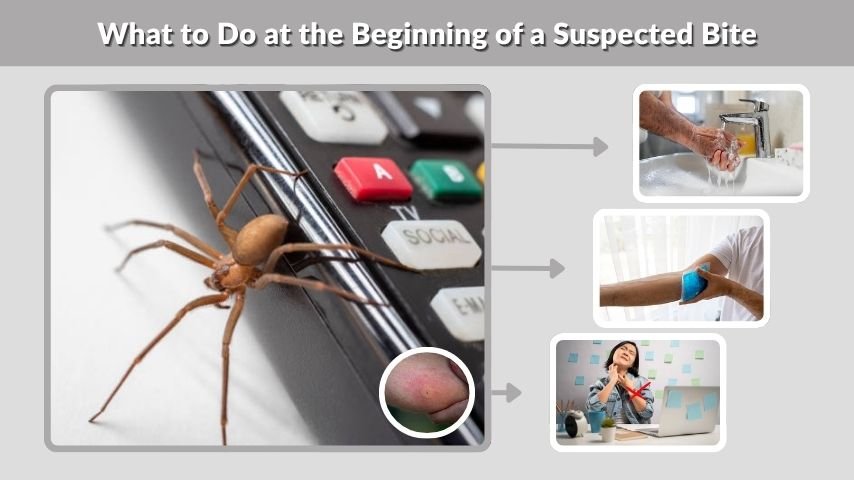
Early care can help reduce irritation and make it easier to track changes. Do not cut the bite, squeeze it, or try to drain it at home. Avoid applying harsh chemicals, heat, or unproven remedies.
First Aid Steps
Start with simple wound care:
- Wash the area gently with soap and water
- Apply a cool compress or wrapped ice pack
- Keep the bite area elevated if possible
- Avoid scratching the skin
- Mark the edge of redness with a pen to track spreading
- Take a clear photo every few hours
- Use over-the-counter pain relief only as directed
- Seek medical advice if symptoms worsen
If you safely captured or photographed the spider, keep the image for identification. Do not risk another bite trying to catch it.
When to Seek Medical Care
You should get medical care right away if you believe the bite came from a brown recluse or if you are unsure and symptoms are getting worse. Brown recluse bites can sometimes damage skin tissue, and early professional guidance may reduce complications.
Warning Signs
Seek urgent medical care if you notice:
- Severe or increasing pain
- A wound that keeps growing
- Skin turning blue, purple, black, or gray
- A blister that worsens or opens
- Spreading redness or warmth
- Fever, chills, nausea, or weakness
- Trouble breathing or swallowing
- Dizziness or fainting
- Symptoms in a child, older adult, or medically fragile person
A bite on the face, near the eye, on the genitals, or over a joint should also be checked promptly.
What Doctors May Do for a Brown Recluse Bite
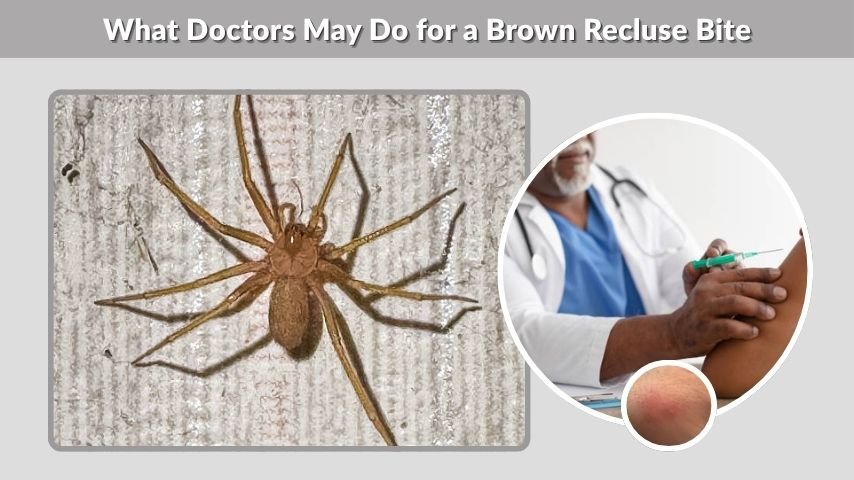
There is no single home test that confirms a brown recluse bite. A healthcare provider may examine the wound, ask about symptoms, review where and when the bite happened, and check for infection or other skin conditions.
Treatment depends on the severity. Mild bites may need cleaning, cold compresses, pain control, and monitoring. More serious wounds may need prescription medicine, wound care, follow-up visits, or treatment for infection. In rare severe cases, hospital care may be needed.
Doctors may also recommend a tetanus booster if your vaccination is not up to date, especially if the skin is broken.
How the Bite May Heal
A mild bite may improve within several days. Redness, itching, and soreness should gradually fade. More serious bites can take weeks or longer to heal, especially if the skin breaks down.
If the center of the bite becomes dark, sunken, or open, do not try to remove dead skin yourself. Keep the area clean, protect it with proper dressing if advised, and follow a medical provider’s instructions.
Signs of Improvement
A bite is usually moving in the right direction when:
- Pain is decreasing
- Redness stops spreading
- Swelling goes down
- The skin feels less warm
- No new blistering appears
- The wound begins to close
Signs It Is Getting Worse
The bite may be worsening if pain increases, redness spreads, the center darkens, pus appears, or you develop fever or body aches. These changes should not be ignored.
How to Prevent Brown Recluse Bites
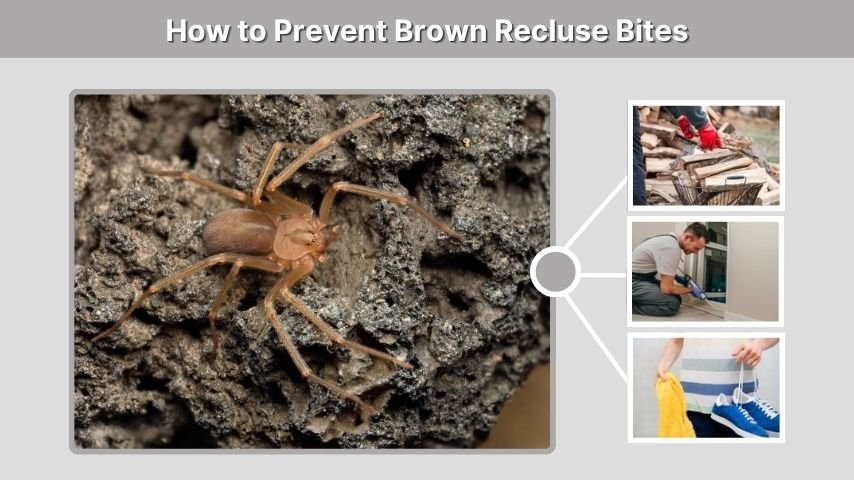
Prevention is especially important if you live in an area where brown recluse spiders are common. These spiders like quiet, dark, undisturbed spaces, so reducing hiding places can lower the risk.
Practical Prevention Tips
You can reduce exposure by:
- Shaking out shoes, clothing, towels, and bedding before use
- Wearing gloves when moving boxes, firewood, or stored items
- Keeping storage areas less cluttered
- Sealing cracks around doors, windows, and baseboards
- Moving beds away from walls
- Avoiding clothes or blankets left on the floor
- Using caution in garages, sheds, closets, and basements
If you frequently see spiders indoors, consider contacting a pest control professional.
FAQs
What does the beginning of a brown recluse spider bite look like?
At first, it may look like a small red bump, mild swelling, or a slightly tender spot. Some people notice itching, burning, or a stinging feeling. A pale center or small blister may appear later. However, many insect bites and skin infections can look similar in the beginning.
Is a brown recluse bite painful right away?
Not always. Some brown recluse bites are painless at first, while others cause a mild sting or burning feeling. Pain may increase over several hours. If the bite becomes more painful, swollen, discolored, or forms a growing wound, it is safer to get medical advice.
How soon do symptoms appear after a brown recluse bite?
Symptoms may appear within the first few hours, but the bite can change over one to three days. Early signs may include redness, itching, tenderness, or a blister. More serious signs, such as dark discoloration or an open sore, may develop later and need medical attention.
Can I identify a brown recluse bite from pictures?
Pictures can help you compare general patterns, but they cannot confirm a brown recluse bite. Many skin conditions look similar, including infections, allergic reactions, and other insect bites. If the mark is worsening, painful, spreading, or changing color, a healthcare professional should examine it.
Should I go to the doctor for a suspected brown recluse bite?
Yes, you should seek medical care if you think the bite may be from a brown recluse, if symptoms are worsening, or if you are unsure. Get urgent help for severe pain, spreading redness, fever, nausea, trouble breathing, dark skin changes, or a growing wound.