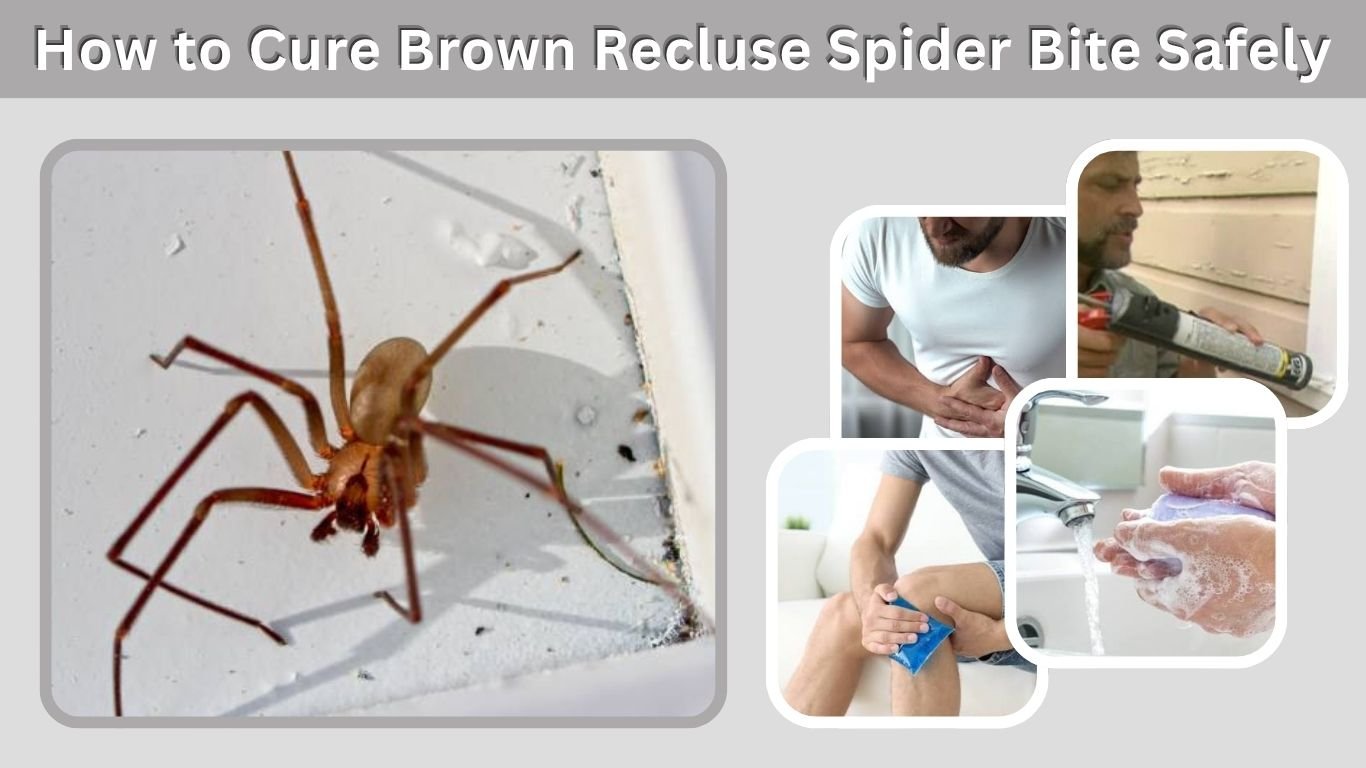
A brown recluse spider bite cannot be “cured” instantly, but proper care can reduce pain, prevent infection, and help the skin heal. Most bites improve with cleaning, cold compresses, elevation, and careful monitoring. Some bites need medical treatment if the wound spreads, turns dark, or causes fever. This guide explains safe first aid, doctor care, warning signs, and recovery steps.
Understanding Brown Recluse Spider Bites
A brown recluse bite happens when the spider’s venom enters the skin. These spiders are usually shy and bite only when trapped against the body, such as inside clothing, shoes, bedding, or stored items. The bite may feel like a small sting or may not hurt at first.
Symptoms can appear within a few hours. The area may become red, itchy, swollen, or painful. In some cases, a blister forms, and the center of the bite may turn pale, purple, blue, or dark. This happens when venom damages skin tissue.
Not every suspected bite is actually from a brown recluse. Many skin infections, boils, allergic reactions, and other insect bites can look similar. That is why worsening wounds should be checked by a healthcare provider.
Common Early Symptoms
Early signs may be mild. Some people notice only redness and itching. Others develop pain, swelling, or a burning feeling around the bite.
Common symptoms include:
- Mild stinging at the time of bite
- Redness around the bite area
- Itching or burning
- Swelling
- Tenderness
- Small blister
- Pain that increases over several hours
- Pale center with a red outer area
If the wound gets larger or darker, do not treat it as a simple bite. Medical care may be needed.
First Aid to Cure a Brown Recluse Spider Bite
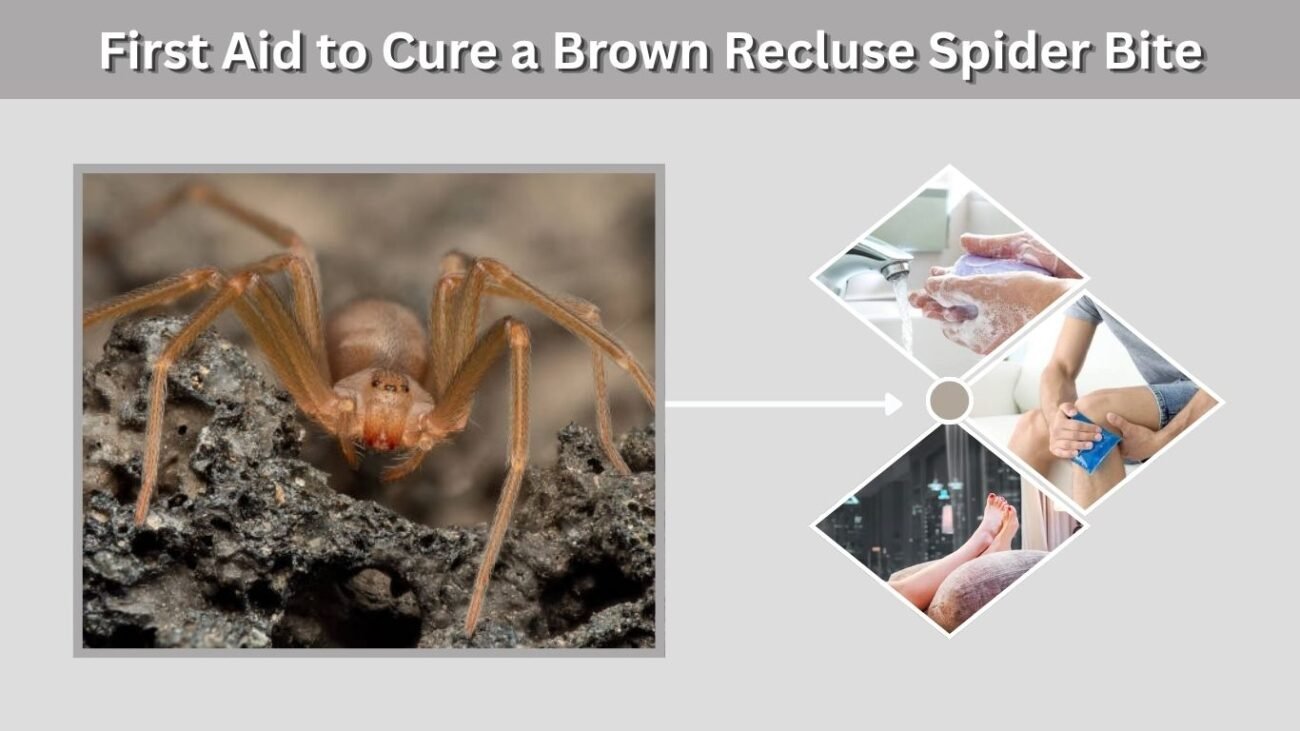
First aid does not remove venom, but it can reduce irritation and lower the risk of infection. The best first step is gentle wound care. Avoid harsh home remedies because they can damage the skin.
Wash the bite with soap and water. Pat the area dry with a clean towel. Apply a cold pack wrapped in cloth for 10 minutes at a time. Raise the bitten arm or leg if possible.
Safe Home Care Steps
Use simple, safe methods in the first few hours. Do not cut the wound or try to suck out venom. These methods do not work and can make the injury worse.
Follow these steps:
- Stay calm and move away from the spider.
- Wash the bite area with soap and water.
- Apply a cold compress wrapped in cloth.
- Elevate the bitten area.
- Avoid scratching the bite.
- Take a clear photo of the wound.
- Mark the edge of redness with a pen.
- Monitor the bite every few hours.
Mayo Clinic recommends seeking medical care if the bite may be from a dangerous spider, if pain is severe, if the wound grows, or if breathing or swallowing becomes difficult.
Medical Treatment for Brown Recluse Bite
There is no single instant cure for a brown recluse spider bite. Treatment is based on symptoms. Doctors focus on pain relief, wound care, infection control, and monitoring for tissue damage.
Mild bites may need only cleaning, cold packs, elevation, and pain medicine. More serious bites may need prescription treatment, wound dressing, or follow-up visits. If skin tissue dies, surgical care may be considered later, but it is not usually the first step.
Treatments Doctors May Use
A doctor may examine the bite and decide what care is needed. Treatment can vary depending on pain, swelling, skin damage, infection signs, and overall health.
| Treatment | When It Is Used | Purpose |
| Soap and water cleaning | Most bites | Helps prevent infection |
| Cold compress | Early swelling and pain | Reduces inflammation |
| Pain medicine | Painful bites | Improves comfort |
| Antihistamines | Itching or mild reaction | Helps control itching |
| Tetanus booster | If vaccine is outdated | Protects against tetanus |
| Antibiotics | If infection develops | Treats bacterial infection |
| Wound dressing | Blister or open sore | Protects damaged skin |
| Surgery | Severe dead tissue | Removes damaged tissue if needed |
Merck Manual notes that many suspected spider bites are actually other conditions, such as skin infections, and that most brown spider bites heal without complications.
When to See a Doctor
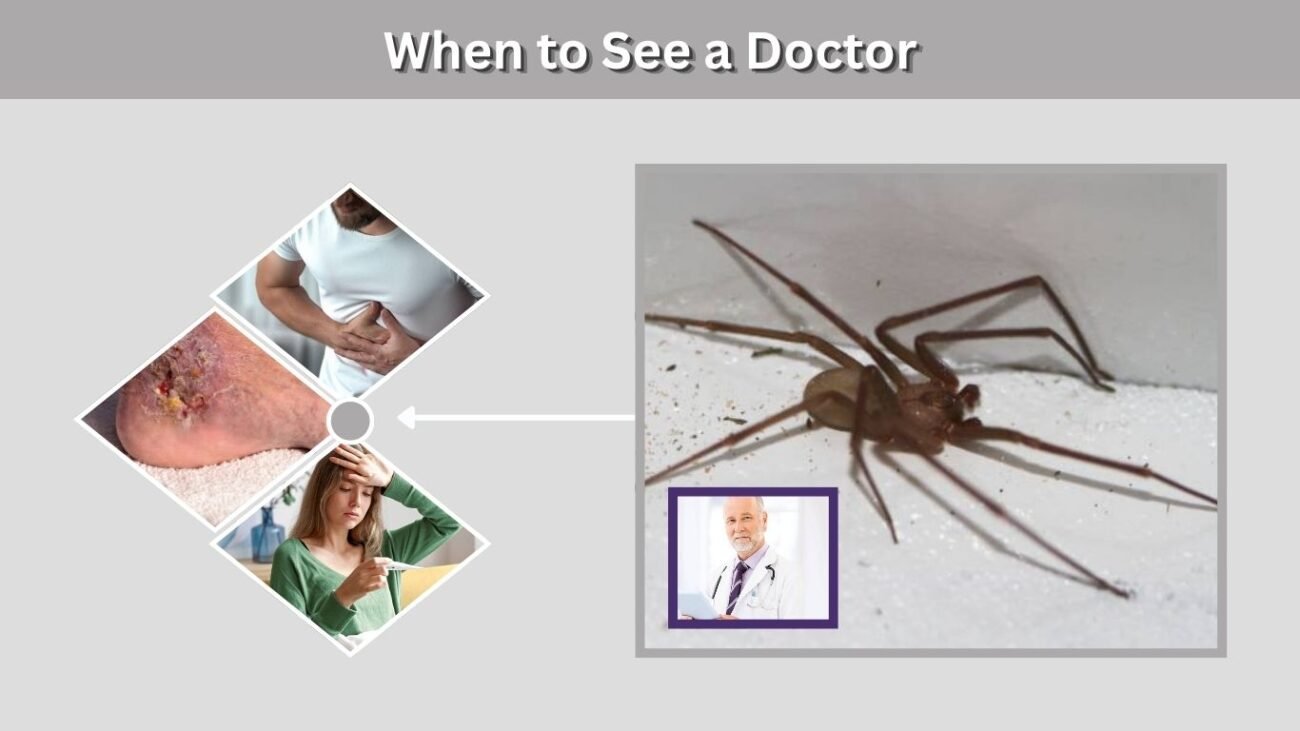
Some brown recluse bites can become serious. Medical care is important if symptoms spread, worsen, or affect the whole body. Children, older adults, and people with weak immune systems should be more careful.
You should contact a doctor if the bite does not improve, becomes more painful, or starts to look infected. Early care can help prevent complications.
Warning Signs That Need Medical Help
Do not wait if the wound is changing quickly. A serious bite or infection can become worse over days.
Seek medical care if you notice:
- Severe pain
- Rapid swelling
- Redness spreading outward
- Skin turning purple, blue, or black
- A blister that opens into a sore
- Pus or bad smell
- Red streaks from the wound
- Fever or chills
- Nausea or vomiting
- Muscle pain
- Weakness or dizziness
- Dark urine
Cleveland Clinic explains that a brown recluse bite can cause itching, pain, and wounds, and proper identification helps guide symptom management.
What Not to Do After a Brown Recluse Bite
Many unsafe home remedies are shared online, but they can make a bite worse. Brown recluse wounds need gentle care and medical attention when symptoms worsen.
Do not apply bleach, alcohol, gasoline, or harsh chemicals. Do not burn the skin, cut the wound, or squeeze the bite. These actions can increase tissue damage and infection risk.
Unsafe Remedies to Avoid
Avoid any method that irritates or injures the skin. The bite area is already inflamed, so aggressive treatment can delay healing.
Do not:
- Cut the bite open
- Suck out venom
- Apply heat
- Use bleach or strong chemicals
- Pop blisters
- Scratch the wound
- Use leftover antibiotics
- Delay care if symptoms spread
The CDC notes that venomous spiders are usually not aggressive and most bites happen when a spider is trapped or unintentionally touched. Prevention and safe first aid are important.
How Long Does It Take to Heal?
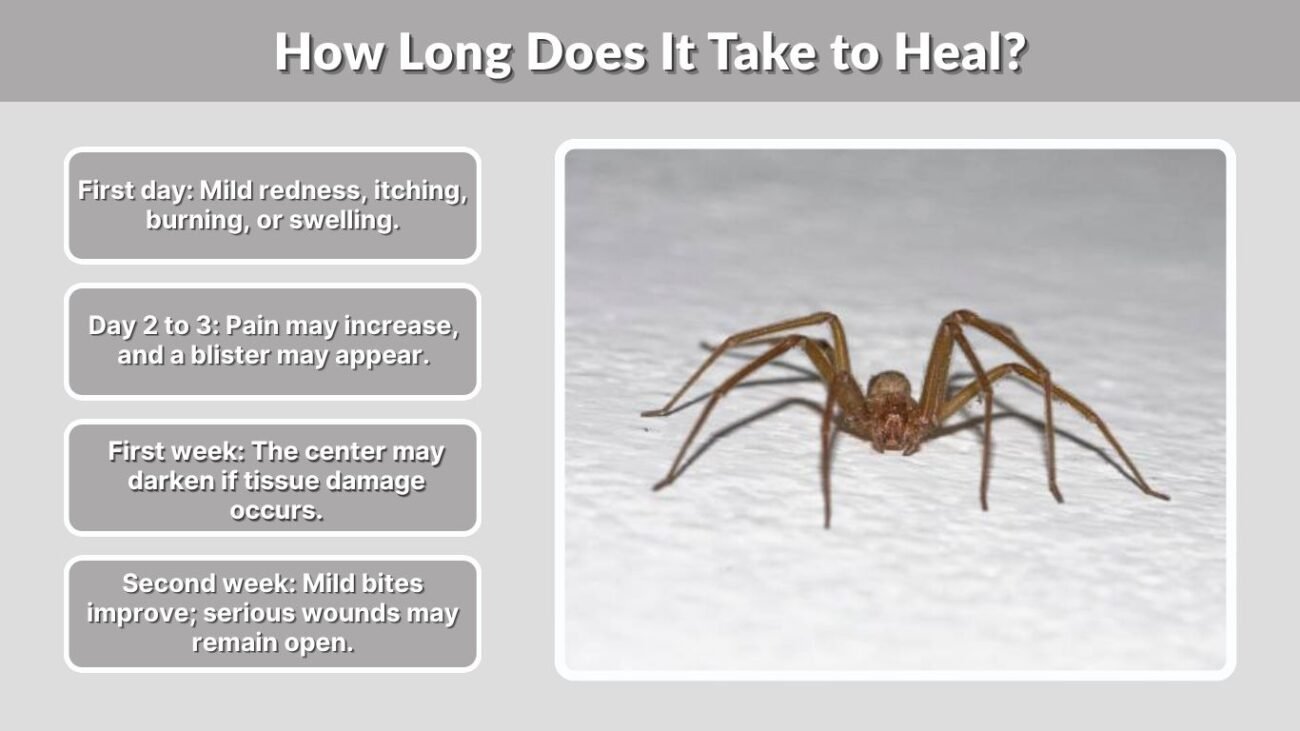
Healing time depends on the bite severity. Mild bites may improve within a few days. Moderate wounds can take several weeks. Severe bites with tissue damage may take longer and may leave a scar.
The wound may look worse before it improves, especially if a blister or dark center forms. However, spreading redness, pus, fever, or severe pain is not normal healing and should be checked.
Recovery Stages
A brown recluse bite may change over time. Watch the wound carefully and compare it with earlier photos.
Possible healing pattern:
- First day: Mild redness, itching, burning, or swelling.
- Day 2 to 3: Pain may increase, and a blister may appear.
- First week: The center may darken if tissue damage occurs.
- Second week: Mild bites improve; serious wounds may remain open.
- Several weeks: Deeper wounds slowly close and may scar.
If the wound is getting larger after several days, visit a healthcare provider.
How to Prevent Infection
Infection prevention is a major part of curing a brown recluse bite. The venom may damage skin, and broken skin can allow bacteria to enter. Keeping the wound clean helps reduce this risk.
Wash your hands before touching the bite. Keep the area clean and dry. Use a clean bandage if the skin is open or rubbing against clothing. Change the bandage as directed.
Signs of Infection
Infection can look like a worsening spider bite. A doctor may need to examine the wound and decide whether antibiotics are necessary.
Signs of infection include:
- Increasing redness
- Warm skin around the bite
- Pus or cloudy drainage
- Bad smell
- Fever
- More swelling
- Worsening pain
- Red lines moving away from the wound
Antibiotics should only be used when a doctor recommends them. They do not neutralize venom, but they can treat bacterial infection.
How Doctors Diagnose the Bite
Diagnosis can be difficult unless the spider is seen or captured. Doctors often diagnose based on symptoms, wound appearance, location, and exposure history. They may also rule out infections and other skin problems.
A healthcare provider may ask where the bite happened, when symptoms started, and how the wound has changed. Photos can help show progression.
Conditions That Can Look Similar
Many skin problems are mistaken for spider bites. This is why proper diagnosis matters.
Similar conditions include:
- Boils
- Cellulitis
- MRSA infection
- Tick bites
- Allergic reactions
- Shingles
- Bed bug bites
- Skin ulcers
- Other insect bites
If several spots appear at once, or if the wound has pus early, it may not be a brown recluse bite.
Preventing Future Brown Recluse Bites
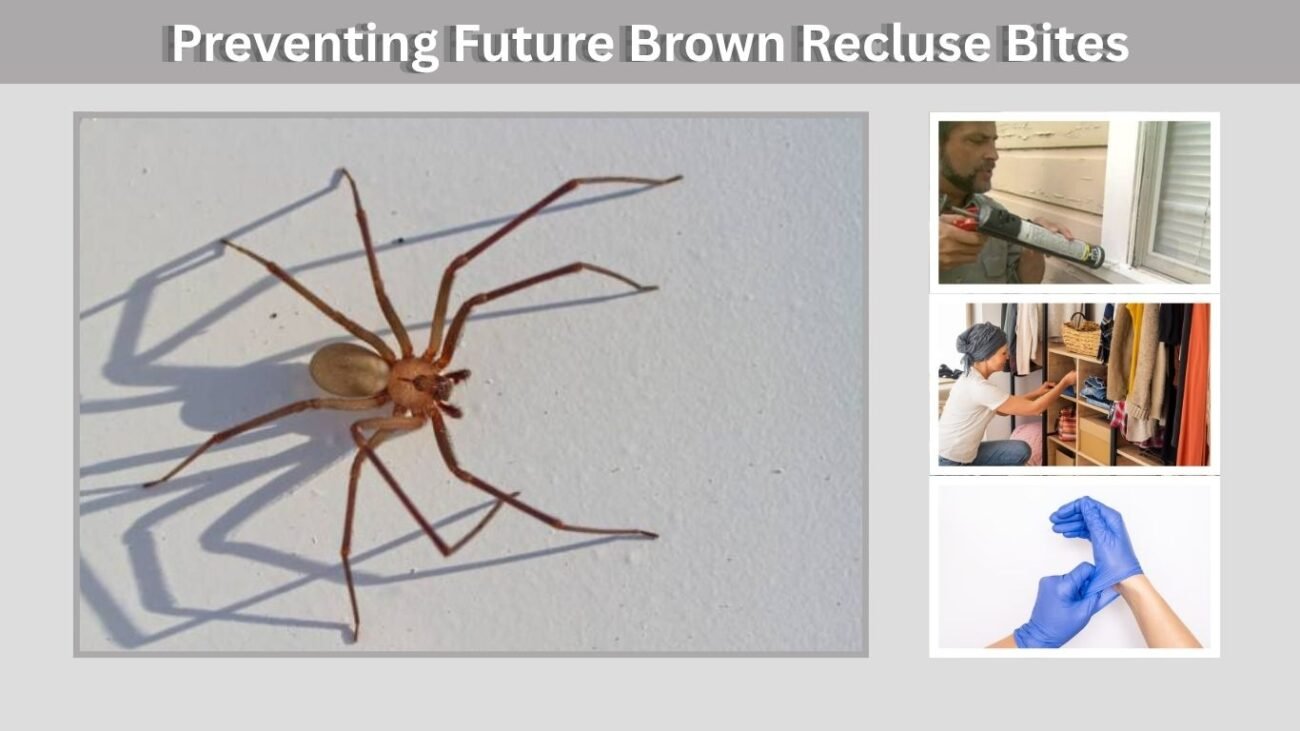
Prevention is the best way to avoid another bite. Brown recluse spiders prefer quiet, dry, dark places. They may hide in closets, storage boxes, shoes, basements, attics, garages, and bedding in unused rooms.
Wear gloves when moving stored items. Shake out shoes and clothing before wearing them. Reduce clutter where spiders can hide.
Practical Prevention Tips
Use simple habits around the home to lower risk.
Helpful prevention steps include:
- Shake out shoes before wearing
- Check clothing stored on the floor
- Wear gloves when moving boxes
- Keep beds away from walls
- Store items in sealed containers
- Reduce clutter in closets and garages
- Seal cracks around doors and windows
- Vacuum hidden corners regularly
- Avoid leaving clothes on the floor
If brown recluse spiders are common in your area and you see them often indoors, consider professional pest control.
FAQs
Can you cure a brown recluse spider bite at home?
Mild bites may heal at home with soap and water, cold compresses, elevation, and careful monitoring. However, home care is not enough if the bite becomes very painful, spreads, turns dark, forms an open sore, or causes fever. A worsening wound should be checked by a healthcare provider.
What is the fastest way to heal a brown recluse bite?
The fastest safe approach is early cleaning, cold compresses, elevation, pain control, and medical care when symptoms worsen. Do not use heat, bleach, cutting, or squeezing. These methods can damage skin and slow healing. A doctor can treat infection or serious tissue damage if needed.
Do brown recluse bites always cause skin death?
No. Many bites stay mild and heal without major tissue damage. Some bites can cause blisters, ulcers, or dark damaged skin, but this does not happen in every case. If the bite keeps growing, becomes black, or opens into a sore, medical care is important.
Should I put antibiotic cream on a brown recluse bite?
A mild over-the-counter antibiotic ointment may be used only if the skin is broken and you are not allergic, but it does not neutralize venom. If the area has pus, spreading redness, warmth, or fever, see a doctor. Prescription antibiotics may be needed for infection.
When is a brown recluse bite an emergency?
It can be an emergency if there is severe pain, breathing trouble, trouble swallowing, fainting, fever, rapidly spreading redness, blackened skin, vomiting, confusion, or symptoms in a child. Emergency care is also needed if the wound grows quickly or looks deeply damaged.