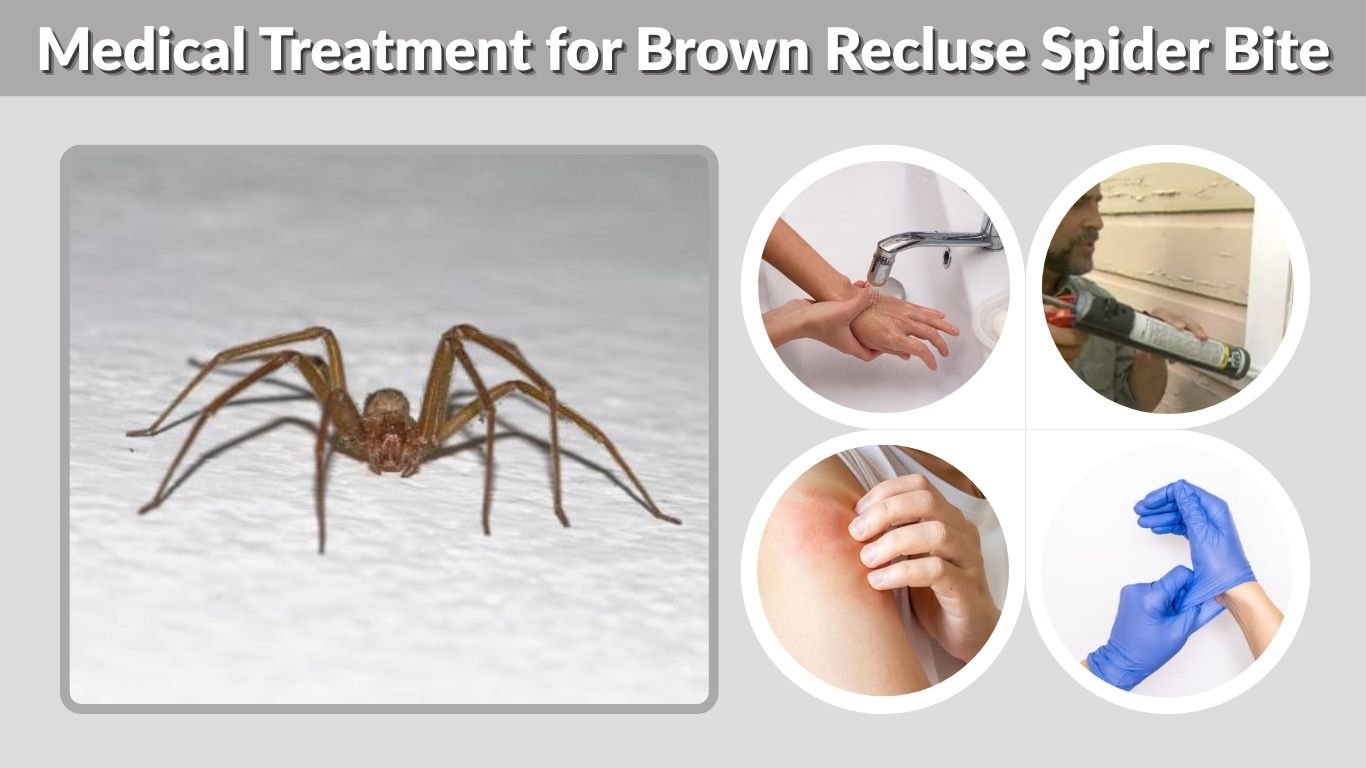
A brown recluse spider bite can be mild at first, but some cases need medical treatment because the venom may damage skin tissue. Many suspected spider bites are actually infections, insect bites, or skin conditions, so proper evaluation matters. This guide explains first aid, warning signs, doctor-recommended care, wound treatment, and recovery steps for a possible brown recluse bite.
What Is a Brown Recluse Spider Bite?
A brown recluse spider bite happens when the spider injects venom into the skin. Brown recluse spiders are usually not aggressive. Most bites happen when the spider is trapped against the skin inside clothing, shoes, bedding, boxes, or stored items.
The bite may not hurt right away. Some people feel only a small sting, while others notice pain, itching, redness, or swelling a few hours later. In more serious cases, the skin may blister, turn purple or dark, and slowly form an open sore.
Why Treatment Matters
Medical treatment is important because brown recluse venom can sometimes cause local tissue injury. This does not happen in every case, but when it does, the wound can worsen over several days.
Treatment helps by:
- Reducing pain and swelling
- Preventing infection
- Protecting damaged skin
- Monitoring for serious symptoms
- Supporting wound healing
Not every brown recluse bite becomes dangerous. Many heal with basic wound care. However, a bite that grows, darkens, becomes very painful, or causes fever should be checked by a healthcare provider.
First Aid for a Brown Recluse Spider Bite
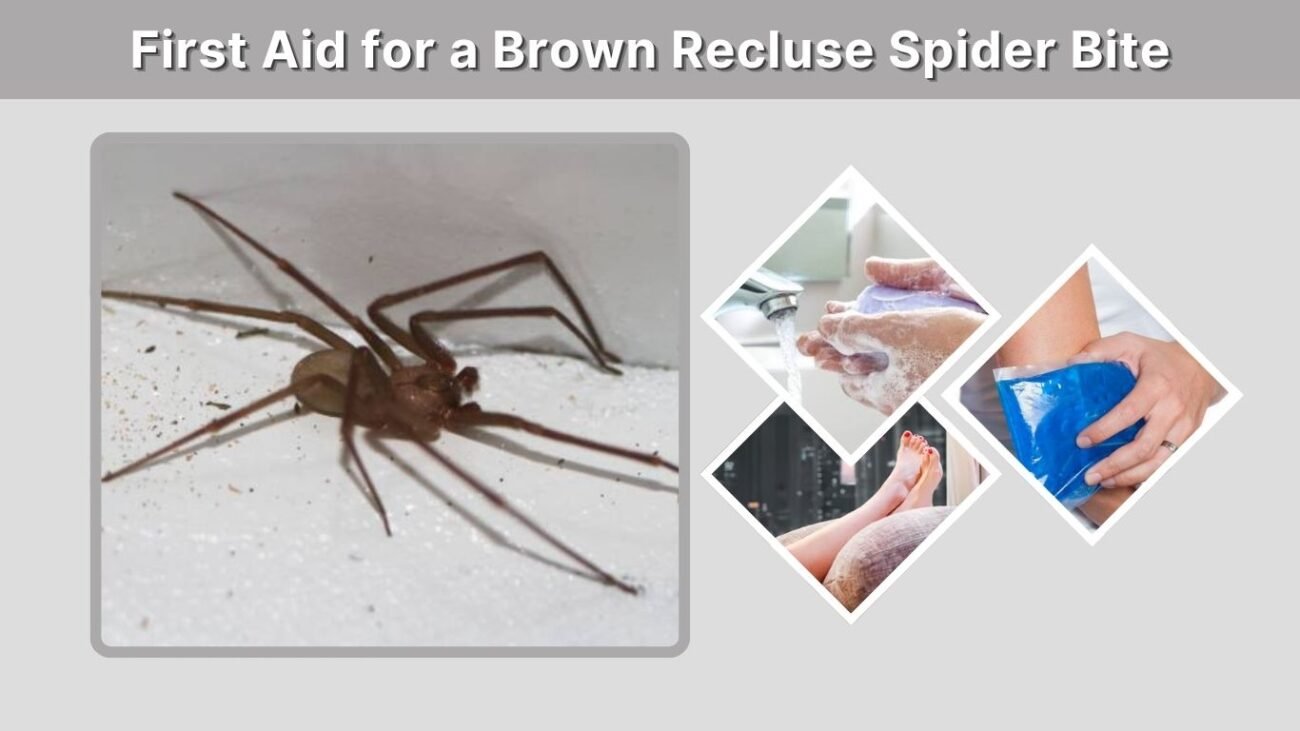
Early first aid can reduce discomfort and help protect the skin. The goal is to clean the bite, slow swelling, and watch for changes.
Immediate Steps at Home
Wash the bite area gently with soap and water. Do not scrub hard because damaged skin can become irritated. After cleaning, apply a cool compress or ice pack wrapped in a cloth for 10 minutes at a time. Never place ice directly on the skin.
Raise the bitten arm or leg if possible. Elevation may help reduce swelling. Keep the area clean and avoid scratching, squeezing, or cutting the bite.
Helpful first-aid steps include:
- Wash the area with soap and water
- Apply a cold pack wrapped in cloth
- Elevate the affected limb
- Take a photo of the bite for comparison
- Mark the edge of redness with a pen
- Avoid home remedies like bleach, heat, or cutting the wound
If you can safely capture or photograph the spider, it may help with identification. Do not risk another bite trying to catch it.
When to Seek Medical Treatment
A suspected brown recluse bite should be examined if symptoms are severe, spreading, or not improving. Medical care is especially important for children, older adults, pregnant people, and people with weak immune systems or chronic illness.
Emergency Warning Signs
Seek urgent medical help if the bite causes symptoms beyond the skin. These may suggest a stronger reaction or a complication.
Get medical care quickly if you notice:
- Severe or increasing pain
- Rapidly spreading redness or swelling
- Skin turning purple, blue, black, or deeply discolored
- A blister that becomes an open sore
- Fever, chills, nausea, or vomiting
- Muscle aches or weakness
- Dizziness, fainting, or confusion
- Pus, warmth, red streaks, or worsening tenderness
- Dark urine or yellowing of the skin or eyes
A worsening wound should not be ignored. Some skin infections, including MRSA, can look like spider bites and may need antibiotics or drainage.
How Doctors Diagnose the Bite
Doctors usually diagnose a suspected brown recluse bite by looking at the wound, asking about symptoms, and checking whether brown recluse spiders live in the area. A confirmed diagnosis is difficult unless the spider was seen biting or was captured.
Medical Evaluation
During the visit, the doctor may ask when the bite happened, where it occurred, how fast symptoms changed, and whether there are fever or body symptoms. They may also check for signs of infection, tissue damage, allergic reaction, or another skin condition.
Possible evaluation may include:
- Physical exam of the bite
- Measurement of redness and swelling
- Review of medical history
- Tetanus vaccination status check
- Blood tests if systemic symptoms occur
- Wound culture if infection is suspected
The doctor may also consider other causes such as cellulitis, abscess, tick bite, allergic reaction, shingles, diabetic ulcer, or bacterial skin infection.
Medical Treatment Options
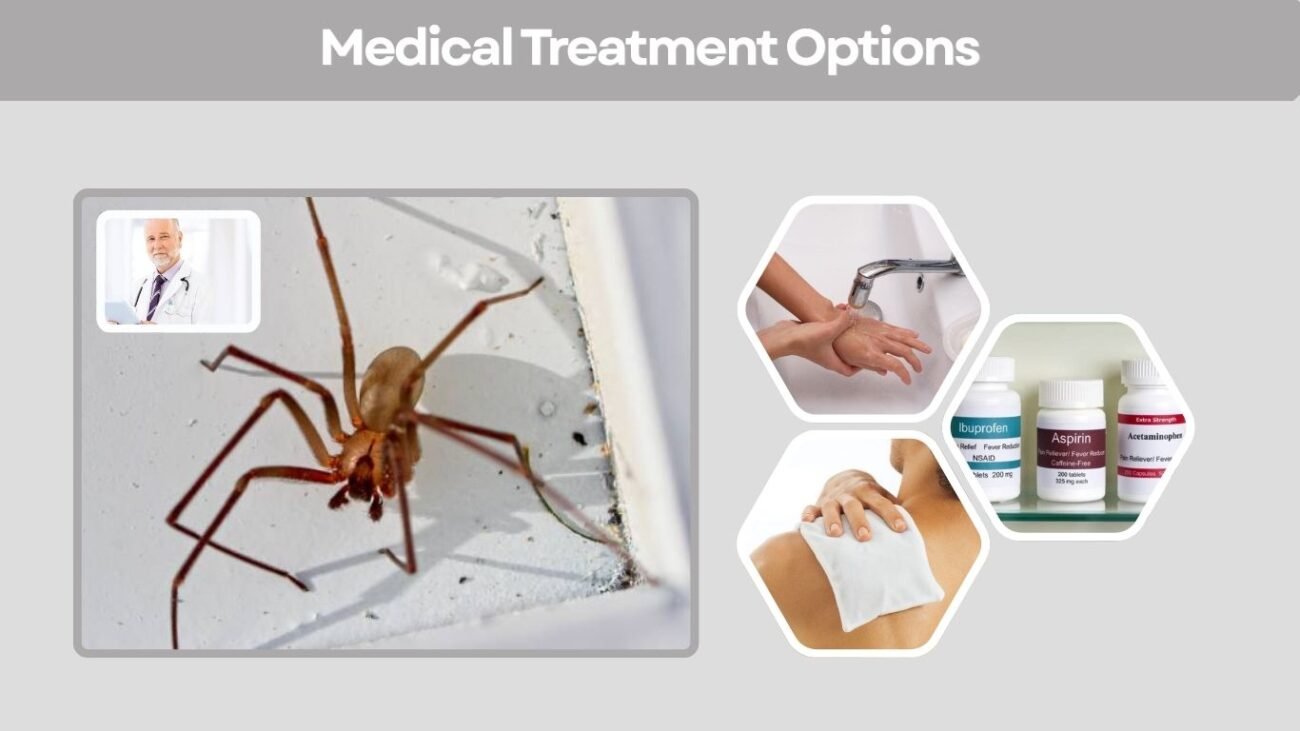
Treatment depends on how severe the bite is. Most cases are managed with wound care, pain control, cold compresses, and follow-up. There is no simple medicine that instantly reverses a brown recluse bite.
Common Doctor-Recommended Care
For mild bites, a doctor may recommend continued cleaning, cold compresses, elevation, and over-the-counter pain medicine. For more painful bites, stronger pain relief may be prescribed.
If the skin is broken, the wound may need careful dressing. If infection develops, antibiotics may be used. Antibiotics are not usually needed for venom alone, but they may be needed if bacteria infect the wound.
| Treatment Type | When It May Be Used | Purpose |
| Wound cleaning | Most suspected bites | Removes dirt and lowers infection risk |
| Cold compress | Early pain and swelling | Reduces inflammation and discomfort |
| Pain relievers | Mild to moderate pain | Controls soreness and tenderness |
| Tetanus booster | If vaccination is outdated | Prevents tetanus infection risk |
| Antibiotics | Only if infection is present or likely | Treats bacterial infection |
| Wound dressing | Blisters, ulcers, or open skin | Protects healing tissue |
| Surgical care | Severe dead tissue, usually later | Removes damaged tissue when needed |
Surgery is not usually done immediately. If tissue death occurs, doctors often wait until the damaged area is clearly defined before considering removal of dead tissue.
Wound Care and Healing
Brown recluse wounds can change slowly. Some bites look worse before they improve, especially if tissue damage develops. Healing may take days, weeks, or longer depending on severity.
Caring for the Bite at Home
Follow the doctor’s instructions closely. Keep the wound clean and covered if advised. Change dressings as directed and wash your hands before touching the area.
Do not pop blisters or pick at scabs. These actions can delay healing and increase infection risk. Avoid applying harsh chemicals, herbal pastes, or unapproved creams.
Good wound care includes:
- Cleaning gently once or as directed
- Keeping the area dry between dressing changes
- Using only recommended ointments
- Watching for spreading redness
- Returning for follow-up if the wound grows
- Avoiding pressure or friction on the bite
Take daily photos in the same lighting. This helps you see whether the wound is improving or getting worse.
Medicines Used for Symptoms
Medicine for brown recluse bites is mainly supportive. The goal is to control pain, reduce itching, prevent complications, and treat infection if it appears.
Pain, Itching, and Infection Control
For pain, a doctor may recommend acetaminophen or ibuprofen if safe for you. People with kidney disease, stomach ulcers, blood thinner use, or certain medical conditions should ask a doctor before using anti-inflammatory medicines.
For itching, an oral antihistamine or mild topical treatment may be recommended. If infection is suspected, antibiotics may be prescribed. Finish antibiotics exactly as directed.
Do not take leftover antibiotics or use someone else’s prescription. The wrong medicine may not help and can delay proper care.
What Not to Do After a Bite
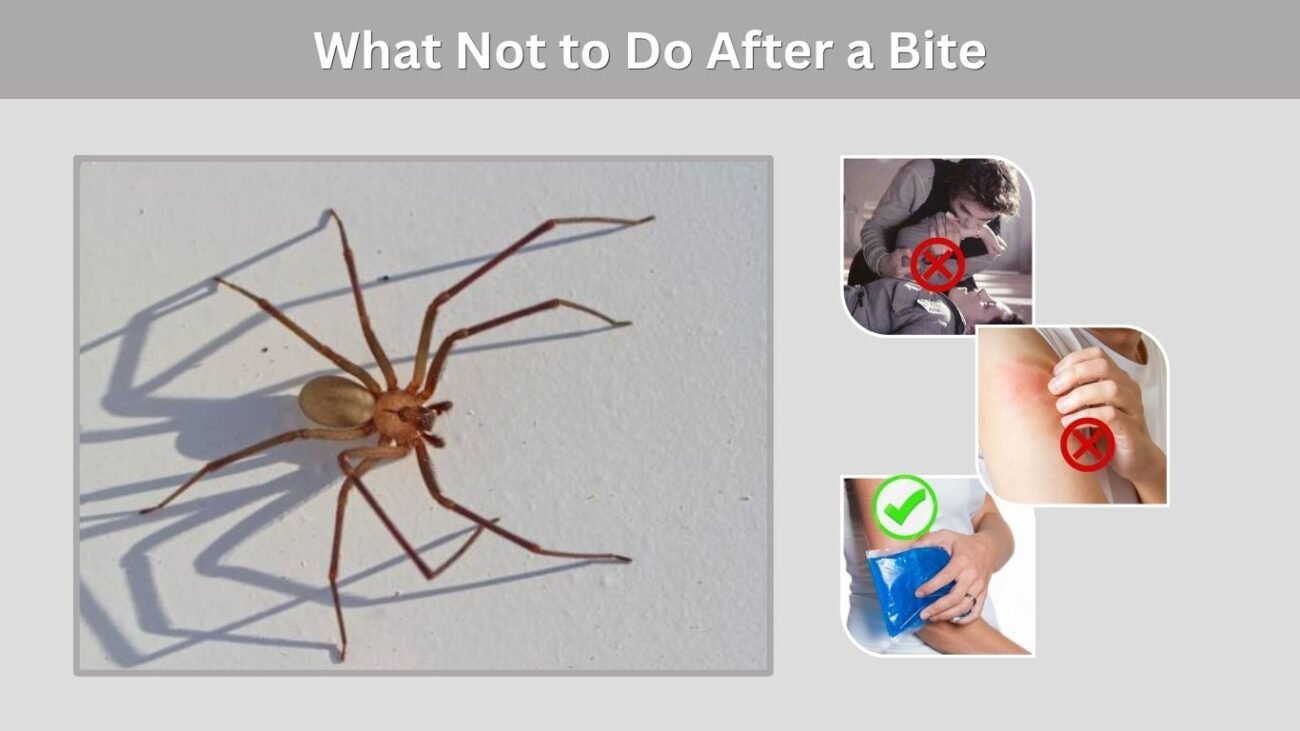
Some traditional bite remedies can make the wound worse. Brown recluse bites need gentle care, not aggressive home treatment.
Unsafe Home Remedies
Avoid cutting the bite, sucking out venom, burning the skin, applying heat, or using chemicals. These methods do not remove venom and may damage tissue.
You should not:
- Cut or squeeze the bite
- Apply bleach, gasoline, alcohol, or strong chemicals
- Use heat packs on the wound
- Scratch or pick the area
- Delay care if the wound spreads
- Assume every dark sore is a brown recluse bite
Many skin sores are blamed on spiders without proof. A growing sore may be an infection that needs medical treatment.
Recovery Time and Follow-Up
Recovery depends on the amount of venom, bite location, age, health condition, and whether infection develops. Mild bites may improve in a few days. More serious wounds may take weeks or months to fully heal.
What to Expect During Healing
At first, the bite may look red, swollen, itchy, or painful. A blister or pale center may appear. If tissue damage occurs, the center may darken and form an ulcer.
Follow-up is important if the wound is open, painful, or changing. A healthcare provider can check whether the wound is healing properly and whether additional treatment is needed.
Signs of improvement include less pain, reduced redness, smaller swelling, dry healing tissue, and no fever. Signs of worsening include spreading redness, pus, bad smell, increasing pain, fever, or blackened skin.
Preventing Future Brown Recluse Bites
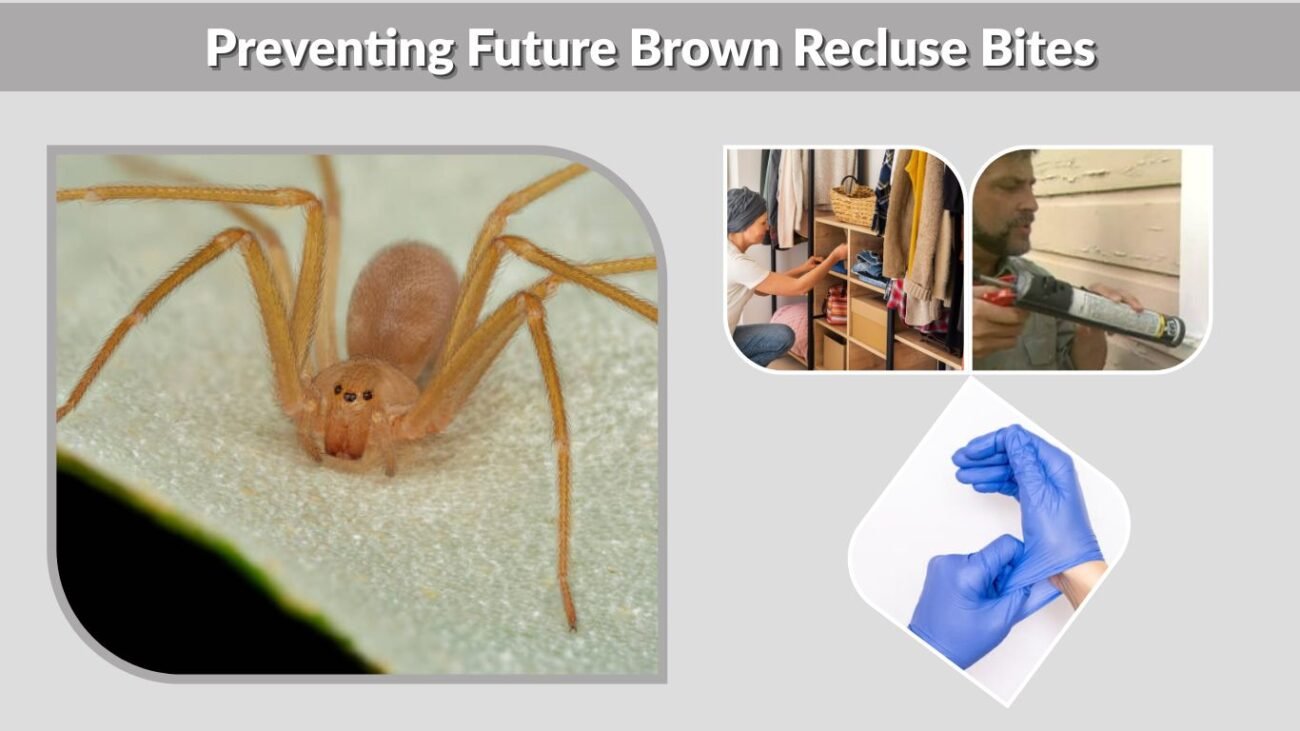
Prevention is especially important in areas where brown recluse spiders are common. These spiders often hide in quiet, dry, cluttered places.
Simple Safety Habits
Shake out clothing, towels, and shoes before use, especially if they were stored in a garage, closet, attic, basement, or shed. Wear gloves when moving boxes, firewood, or stored items.
Prevention tips include:
- Reduce clutter in closets and storage areas
- Seal cracks and gaps around doors and windows
- Store clothes and shoes in closed containers
- Move beds away from walls if spiders are common
- Use gloves when handling stored materials
- Check bedding in unused rooms
- Contact pest control for repeated indoor sightings
These steps lower the chance of accidental contact.
FAQs
How soon should I see a doctor for a brown recluse bite?
See a doctor if pain, redness, swelling, or discoloration gets worse within the first 24 to 48 hours. You should also get medical care right away if you develop fever, vomiting, weakness, spreading redness, pus, or a dark open sore. Early evaluation helps rule out infection and other skin problems.
Do all brown recluse bites need antibiotics?
No. Antibiotics are not always needed because venom injury is not the same as bacterial infection. A doctor may prescribe antibiotics only if there are signs of infection, such as pus, warmth, spreading redness, fever, or worsening tenderness. Using antibiotics without need can cause side effects and resistance.
Can a brown recluse bite heal on its own?
Yes, many mild bites heal with basic care such as washing, cold compresses, elevation, and monitoring. However, some bites can damage tissue and form ulcers. If the wound grows, turns dark, becomes very painful, or does not improve, it should be checked by a healthcare provider.
What does a serious brown recluse bite look like?
A serious bite may develop a blister, purple or blue discoloration, a dark center, or an open sore. The area may become increasingly painful and swollen. Fever, chills, nausea, weakness, or dark urine are more concerning signs. Because infections can look similar, medical diagnosis is important.
Should I go to the emergency room for a brown recluse bite?
Go to the emergency room if you have severe pain, trouble breathing, fainting, confusion, high fever, rapidly spreading redness, blackened skin, or symptoms in a child or older adult. If symptoms are mild but worsening, urgent care or a doctor’s visit is still recommended.